

Latest Study Shows Cardiac Patients Benefit When Experts Follow Standardized TAVR Protocols

Medtronic
Chronic Disease Medical Device and Therapy Developer

Cook Medical
Medical Device Developer
As transcatheter aortic valve replacement (TAVR) continues to be the preferred treatment option for patients with severe aortic stenosis, cardiologists and device manufacturers are striving to find new ways to make the procedure as safe and effective as possible.
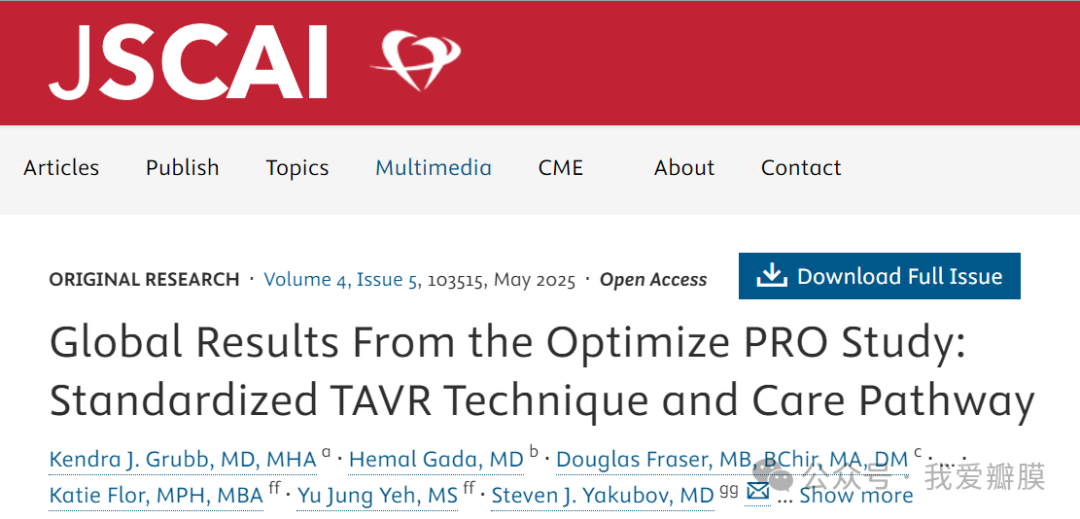
According to the publication inJSCAIA new global study has found that following a standardized protocol and using the cusp overlap technique (COT) during the implantation of self-expanding TAVR valves is associated with consistently positive outcomes and minimized risk of complications. Researchers noted that COT is particularly important as it significantly reduces the likelihood of permanent pacemaker implantation (PPMI).
In-Depth Understanding of Optimize PRO
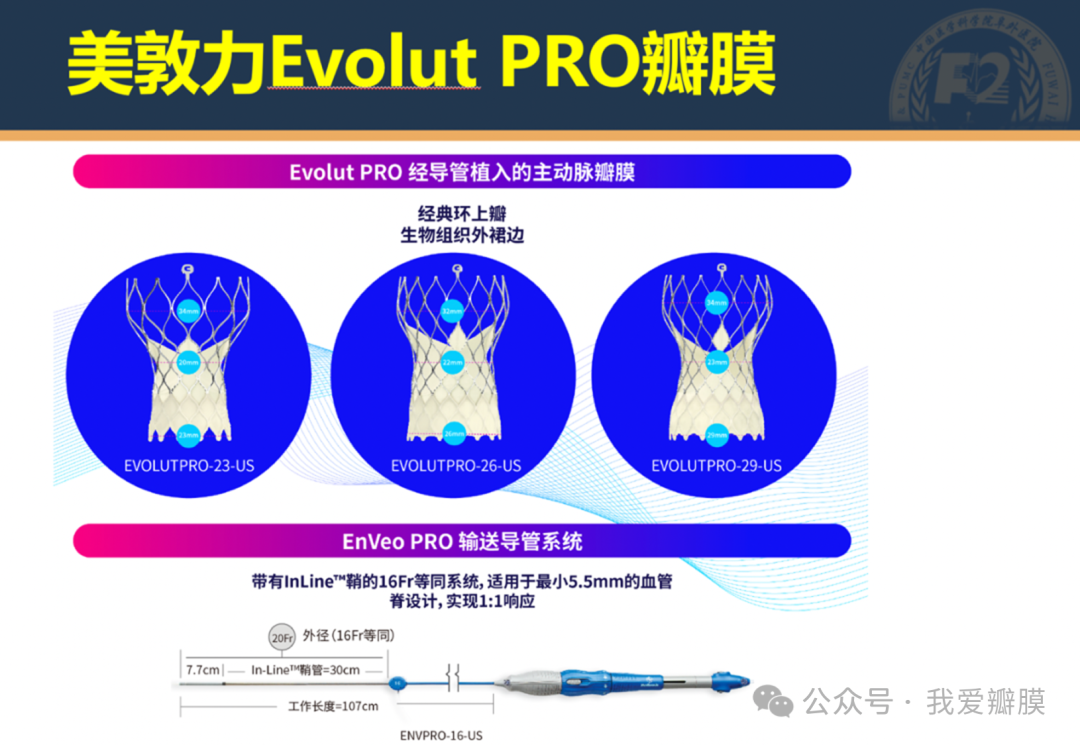
The Optimize PRO study includes data from more than 600 patients who underwent transfemoral TAVR at 50 institutions globally between 2013 and 2019. All patients received either the Medtronic Evolut PRO or Evolut PRO+ TAVR valve.
'%20fill='%23FFFFFF'%3E%3Crect%20x='249'%20y='126'%20width='1'%20height='1'%3E%3C/rect%3E%3C/g%3E%3C/g%3E%3C/svg%3E)
Clinical and echocardiographic assessments were performed for each patient at the time of treatment and at discharge. Follow-up evaluations were conducted 30 days later, with a one-year follow-up scheduled. Best practices were determined by the study authors based on years of TAVR experience. For instance, the use of Cook Medical's Lunderquist Double-Curve Extra-Stiff guidewire was specifically recommended.
In addition, the team also established a COT Compliance Checklist, which includes four steps:
- A reconstructed computed tomography angiography overlay of the cusp overlap view;
- A fluoroscopic image of the wire appropriately positioned in the left ventricle;
- A fluoroscopic image demonstrating 3 mm depth in the cusp overlap view after full annular contact below the noncoronary cusp (NCC); and
- A final aortography performed in the cusp overlap view.
Explore Data
These patients had a mean age of 79.1 years, 47% were female, and the mean Society of Thoracic Surgeons score was 3.2%. Hypertension was the most common comorbidity, followed by diabetes mellitus, history of arrhythmia, prior percutaneous coronary intervention, and history of atrial fibrillation or atrial flutter.
Adherence to TAVR recommendations included in the standardized research protocol was associated with a 5.1% rate of 30-day all-cause mortality or stroke. The rates of all-cause mortality and disabling stroke after 30 days were 0.8%, respectively.And 1.7%. The PPMI rate was 11.1%.At discharge, no patients showed signs of moderate or severe aortic regurgitation, and 76.2% of patients had none/trivial aortic regurgitation. Meanwhile, 76.4% of patients had none/trivial paravalvular regurgitation (PVR), with an additional 23.6% experiencing mild PVR. The median hospital stay was 2 days, with many patients eligible for discharge on the second day.
50.3% of TAVR cases followed the four-part COT checklist, while 39.7% did not. It is unclear whether the remaining 10% of cases followed the checklist. PPMI at 30 days was observed in 6.4% of cases that did not follow the checklist and 18.5% of cases that did not follow it.
Meanwhile, 80.7% of the cases used the Lunderquist guidewire; not using it was associated with a significantly higher PPMI rate (19%) compared to using it (9%).
Another key takeaway is that the implementation of specific TAVR protocols may be associated with a learning curve as cardiologists adjust. While more than one-third of participating research centers had no PPMI cases after 30 days, only 12 centers accounted for 43.1% of PPMI cases.
"The Optimize PRO study was conducted to evaluate the standardization of procedures for different global patient populations with aortic valve stenosis," wrote first author Kendra J. Grubb, MD, MHA, MS, a senior cardiothoracic surgery expert at Emory University and current Chief Medical Officer of Medtronic, along with colleagues. "The study aimed to determine whether implementing best practices for Evolut PRO/PRO+ implants could improve 30-day outcomes in international structural heart centers with varying procedural techniques. The study found that when fundamental protocol steps were followed, the outcomes were reproducible. These findings further support the standardization of best practices for TAVR with Evolut."
Hemal Gada's Viewpoint Sharing
Interventional cardiologist Hemal Gada, MD, medical director of the structural heart disease program at UPMC Pinnacle in Harrisburg, Pennsylvania, and chairman of the Heart and Vascular Institute of the institute, is a co-author of Optimize PRO. He spoke with Cardiovascular Business about his team’s efforts to help educate cardiologists on the best techniques to consider when deploying these self-expanding TAVR valves.
He said, "Our goal is to be accepted not only in the United States but also in both the U.S. and Canada, and to have international appeal, with a homogeneous and simple procedure that requires just a few steps to improve patient outcomes."
Gada emphasized the importance of these preliminary findings of Optimize PRO, particularly the reduced pacemaker rate and minimal PVR.
Reference:
- Kendra J. Grubb, MD, MHA, Hemal Gada, MD, Douglas Fraser, MB, BChir, MA, DM, et al. Global Results From the Optimize PRO Study: Standardized TAVR Technique and Care Pathway. JSCAI. Volume 4, Issue 5, 103515, May 2025.