Global First-in-Class PROTAC Drug Vepdegestrant Nears FDA Approval After 24 Years of Development

Arvinas
Developer of drugs in the fields of oncology and neurodegenerative diseases

Pfizer
Pharmaceutical R&D Developer
After 24 Years, the World's First Drug of This Kind is About to Hit the Market
After 24 years of scientific exploration, PROTAC technology has finally taken a crucial step from the laboratory to commercialization. Recently, Arvinas and Pfizer jointly announced that they have submitted a New Drug Application (NDA) for Vepdegestrant (ARV-471) to the U.S. FDA, for the treatment of ER+/HER2- advanced or metastatic breast cancer patients with ESR1 mutations.
This is the world's first PROTAC drug to be submitted for marketing, marking a major breakthrough in the transition of targeted protein degradation technology from concept validation to clinical application.
The World's First Ready to Launch
Proteolysis Targeting Chimeras (PROTAC) technology represents a revolutionary paradigm in drug development. Unlike traditional drugs that inhibit the function of target proteins, PROTAC molecules are designed with a two-headed structure: one end binds to the target protein, while the other recruits E3 ubiquitin ligase, bringing the target protein and E3 ubiquitin ligase into close proximity to form a stable ternary complex. This prompts the target protein to undergo ubiquitination modification and eventually be degraded by the proteasome.
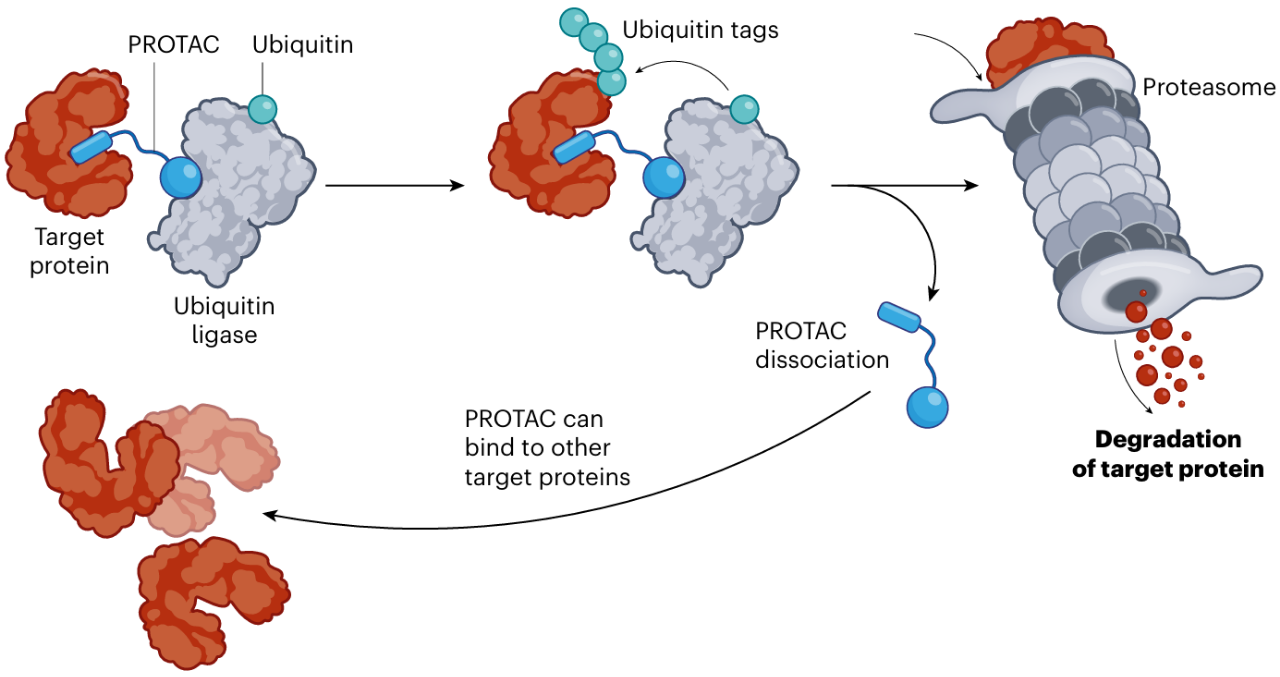
Figure 1 PROTAC Mechanism of Action
Image source: Reference [2]
Vepdegestrant is a potential “first-in-class” oral selective estrogen receptor degrader developed based on PROTAC technology. It can directly mediate the degradation of wild-type and mutant ER proteins by activating the intracellular ubiquitin-proteasome system. It has received Breakthrough Therapy Designation from the U.S. FDA for the treatment of pretreated ER-positive, HER2-negative breast cancer.
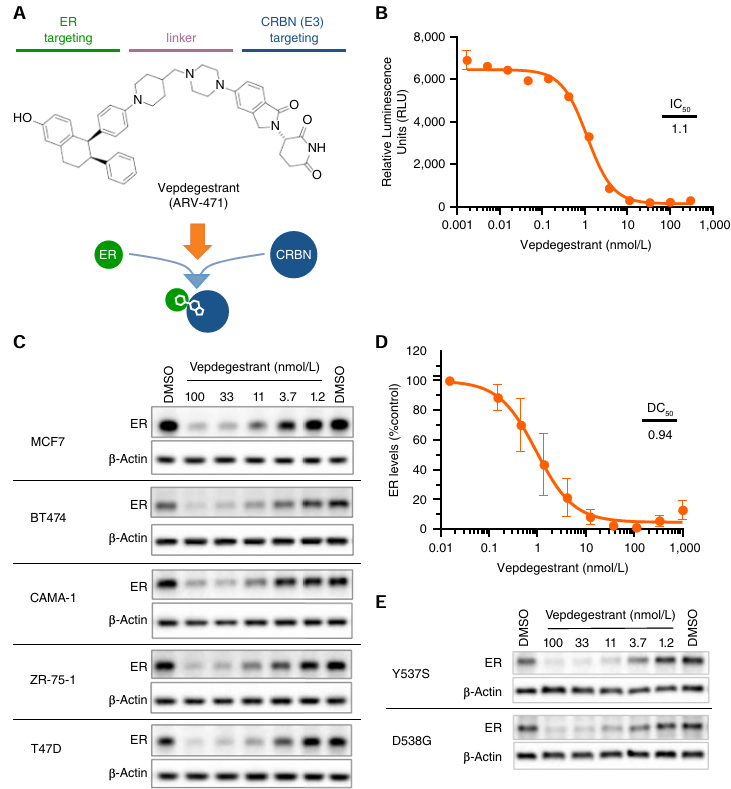
Figure 2 ARV-471 exhibits high degradation efficiency for both wild-type and mutant ER
Image source: Reference [3]
In preclinical studies, vepdegestrant demonstrated potent degradation activity against ER-dependent breast cancer cell lines such as MCF7 and T47D, inducing ≥90% ER degradation within 72 hours, with a half-maximal degradation concentration (DC50) as low as 0.9 nmol/L and a maximal degradation rate (Dmax) reaching 95%.
The marketing application for vepdegestrant is based on the positive results from the pivotal Phase III VERITAC-2 study. The trial enrolled 624 patients with ER+/HER2- advanced breast cancer who had previously received CDK4/6 inhibitors and endocrine therapy. The study found that in the overall population, the median progression-free survival (PFS) was 3.7 months in the vepdegestrant group, which did not reach statistical significance compared to 3.6 months in the fulvestrant group.
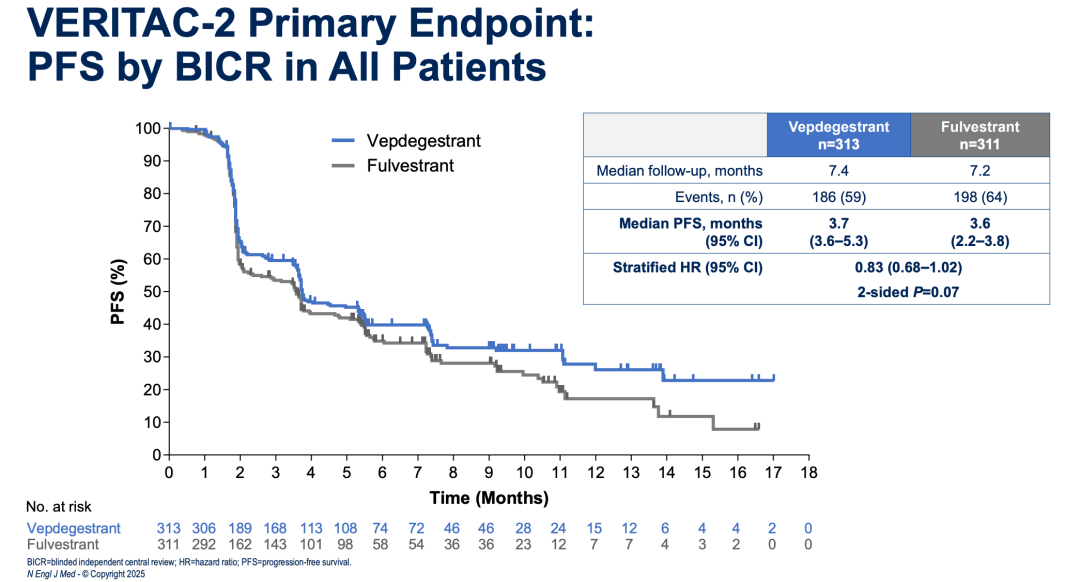
Figure 3: Median Progression-Free Survival in the Vepdegestrant Group Across the Entire Chinese Population
Image source: Reference [4]
However, in the subgroup carrying ESR1 mutations, Vepdegestrant demonstrated breakthrough efficacy: the median PFS for patients reached 5.0 months, significantly better than 2.1 months in the fulvestrant group, with a 43% reduction in the risk of disease progression or death.
Secondary endpoints were equally encouraging: the clinical benefit rate (CBR) in the Vepdegestrant group reached 42.1%, significantly higher than the 20.2% in the Fulvestrant group; the objective response rates (ORR) were 18.6% vs. 4.0%, respectively. Overall survival (OS) data are not yet mature (20% maturity) and require further follow-up assessment.
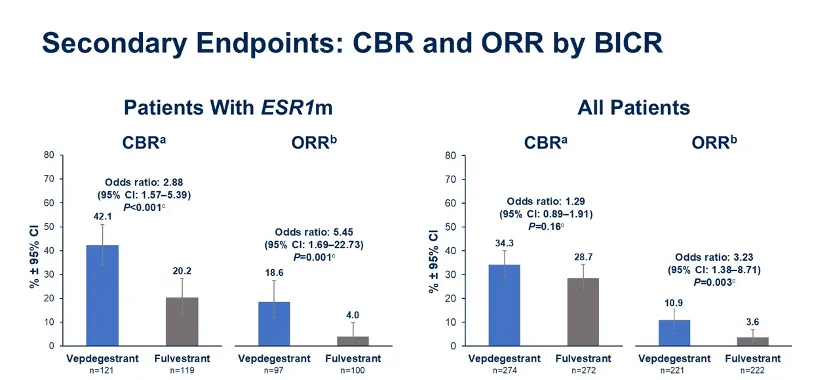
Figure 4 Clinical Benefit Rate and Objective Response Rate in the Vepdegestrant Group
Image source: Reference [4]
In terms of safety, Vepdegestrant demonstrated a manageable safety profile: the incidence of grade 3 or higher adverse events was 23.4% vs. 17.6%, with the most common adverse events being fatigue (26.6% vs. 15.6%), increased ALT levels (14.4% vs. 9.8%), and nausea (13.5% vs. 8.8%). The proportion of discontinuations due to TEAEs was low (2.9% vs. 0.7%).
24 Years of Dedicated Cultivation
The submission of Vepdegestrant marks a milestone in the commercialization of PROTAC technology. After 24 years of dedicated development, this disruptive technology has finally reached its tipping point.
In 2001, Professor Craig Crews from Yale University designed the first bifunctional molecule PROTAC-1, which consists of a phosphopeptide fragment and a small molecule fragment that interacts with the protein target.
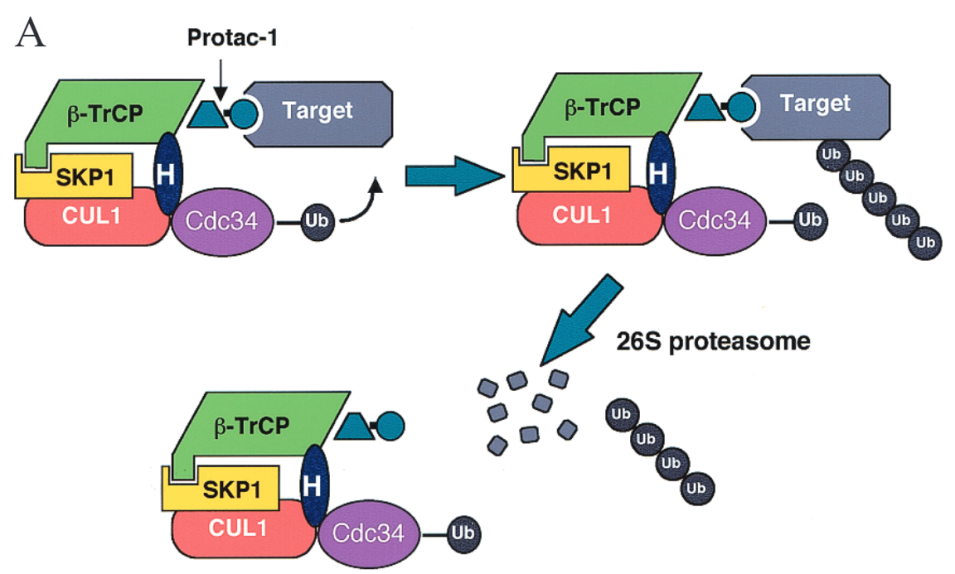
Figure 5 Mechanism of Action of PROTAC-1
Image source: Reference [5]
In 2003, PROTAC was applied to target the degradation of ER and AR receptors;
In 2004, with the breakthrough of E3 ligase small molecule ligands, PROTAC entered the small molecule phase;
In 2008, Professor Crews' team developed the first bifunctional small molecule drug and named it "PROTAC," which is how the term "PROTAC" originated.
This is the early stage of PROTAC development, evolving from the initial peptide-based PROTACs to small-molecule versions, addressing issues of excessive molecular weight and cellular permeability that impacted their drug-like properties. This advancement forms the cornerstone for PROTAC technology transitioning from concept to potential therapeutics.
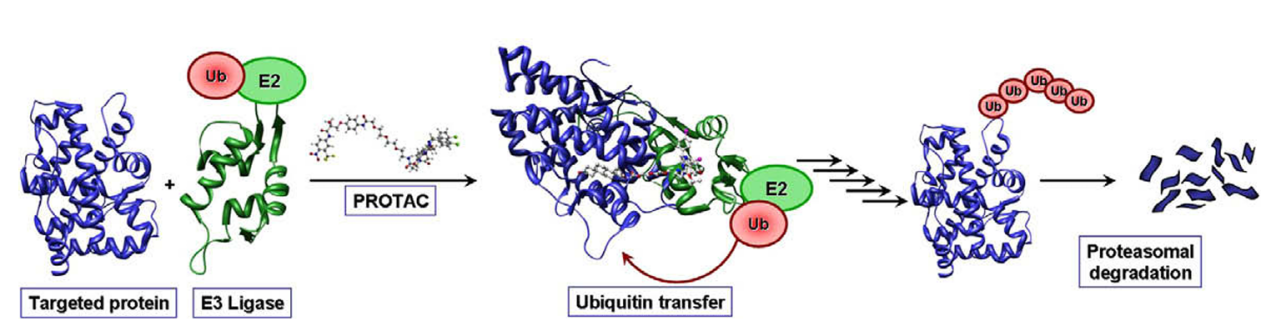
Figure 6 The First Bifunctional Small Molecule Drug PROTAC
Image source: Reference [6]
In 2013, Crews co-founded Arvinas, Inc. to accelerate technology translation;
In 2015, the first PROTAC based on VHL and CRBN emerged, marking the entry of PROTAC into the nanomolar degradation activity era; in the same year, C4 Therapeutics was established, focusing on the research and development of protein degraders.
This period represents the technological advancement phase of PROTAC technology, marking the beginning of the formation of an industrial ecosystem in the field of targeted protein degradation (TPD).
In 2019, the world's first PROTAC drug, ARV-110, entered clinical trials, ushering in the era of clinical translation;
In 2020, Sanofi and Kymera Therapeutics reached a cooperation agreement to jointly develop the protein degradation pipeline KT-474;
In 2021, Pfizer acquired the global rights to Vepdegestrant for a total deal worth up to $2.4 billion;
In 2024, Arvinas continued to expand its commercial footprint, licensing the second-generation androgen receptor degrader ARV-766 to Novartis for $150 million upfront plus $1.01 billion in potential payments.
During this period, the TPD field flourished, gradually transitioning from the clinical translation stage to the global collaboration stage.
Not only that, but the capital market is also highly enthusiastic about the Targeted Protein Degradation (TPD) field. In 2022, the global Targeted Protein Degradation (TPD) market size reached 113.8 billion US dollars. According to MarketDigits' forecast, by 2030, the global Targeted Protein Degradation (TPD) market size will soar to 247.5 billion US dollars, with an annual compound growth rate as high as 10%.
Venture capital keenly captured this trend, with investments surging from $33 million in 2017 to $707 million in 2022, increasing by over 2000%; the first quarter of 2024 continued the high热度, with single-quarter financing exceeding $277 million, growing more than 15 times compared to the same period in 2023.
Who Will Lead the Way?
With the development of PROTAC technology, the global pharmaceutical industry is witnessing a competitive race.
On the international stage, the Biotech corps centered around the four major technological pioneers—Nurix, Arvinas, Kymera, and C4T—have built significant technological barriers and differentiation advantages. Driven by their efforts, the therapeutic pipeline has continuously expanded from the first-generation androgen receptor-targeting drug ARV-110, giving rise to numerous star candidate drugs such as ARV-471, NX2127, and KT-474, demonstrating tremendous potential in target expansion and indication coverage.
At the same time, multinational giants such as Bayer, Roche, Sanofi, Pfizer, and Novartis have entered the field with significant investments. Their strategic collaborations not only inject robust R&D momentum and resource support into PROTAC technology but also mark the entire field's transition from the exploratory phase of proving drug feasibility to a new stage of commercial validation testing market value.
Moreover, China's strength has also risen powerfully in this wave. According to incomplete statistics, more than 30 companies in China have entered the PROTAC research and development field. Leaders such as Haisco, BeiGene, Kintor Pharmaceuticals, and Ruiyue Biotech, with the rapid advancement of related projects into clinical development, have already formed the first echelon in China’s PROTAC field.
Table 1 PROTACs in Global Clinical Phase II and Above
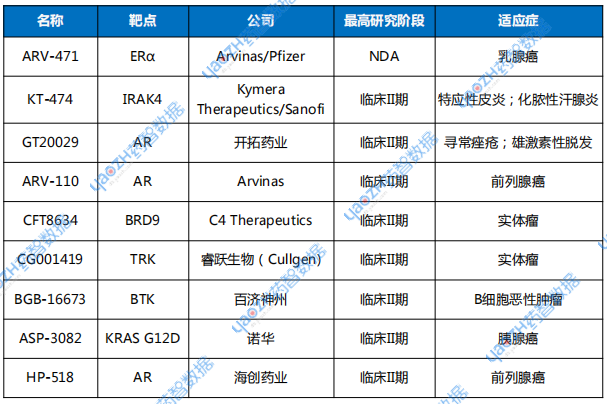
Data Source: Pharmcube Data, Public Information Compilation
Overall, more than 200 PROTAC drugs are currently in the research and development stage, with 33 having entered clinical trials, accounting for 16.3%. Among them, Arvinas' ARV-471, as the only product in the new drug marketing application stage, bears the important task of validating the market value of PROTAC.
In the clinical Phase II lineup, eight products are poised for action, ranging from KT-474, the immunoinflammatory drug advanced by Kymera in collaboration with Sanofi, to GT20029, the world’s first topical androgen receptor degrader developed by Kintor Pharmaceutical, and ASP-3082, the significant KRAS G12D degrader co-developed by Arvinas and Novartis. Each represents a cutting-edge breakthrough in its respective field.
Notably, after completing Phase I, the Phase II study of KT-474 for hidradenitis suppurativa and atopic dermatitis is being expedited and expanded by Sanofi; GT20029 successfully met the primary endpoint in its Phase II clinical trial in China; and ASP-3082, as the world’s first KRAS G12D degrader to enter clinical trials, has demonstrated remarkable potential in preclinical studies with its precise targeting characteristics.
Conclusion
With the first PROTAC molecule submission for market approval, the field of targeted protein degradation is expected to experience explosive growth in the next decade.
References
[1]https://ir.arvinas.com/news-releases/news-release-details/arvinas-announces-submission-new-drug-application-us-fda
[2]Garber,Ken.“How protein-slayer drugs could beat some of the cruellest cancers.”Nature vol.641,8062(2025):300-302.
[3]Smith,J.,&Doe,A.(2024).Preclinical and Clinical Evaluation of Vepdegestrant(ARV-471)in ER+Breast Cancer.Clinical Cancer Research,30(5),1234-1245.
[4]https://www.nejm.org/doi/full/10.1056/NEJMoa2505725
[5]Sakamoto,K M et al.“Protacs:chimeric molecules that target proteins to the Skp1-Cullin-F box complex for ubiquitination and degradation.”Proceedings of the National Academy of Sciences of the United States of America vol.98,15(2001):8554-9.
[6]Schneekloth,Ashley R et al.“Targeted intracellular protein degradation induced by a small molecule:En route to chemical proteomics.”Bioorganic&medicinal chemistry letters vol.18,22(2008):5904-8.


Editor: Liuli
Disclaimer: The views expressed in this article are solely those of the author and do not represent the position of Yaozhi Network. We welcome discussions and additional insights in the comment section; for reprints, please be sure to credit the author and source. If the content, copyright, or other issues are involved, please leave a message on this platform, and we will address it promptly.