

Over $10 Billion in AI-Powered Anti-Obesity Drug Collaborations Announced on the Same Day
Juvena Therapeutics
Protein Therapy Developer

Deep Apple Therapeutics
Drug Developer

Eli Lilly
Global Pharmaceutical R&D and Production Company
Novo Nordisk
Insulin Developer and Manufacturer
On June 11, Eli Lilly and Company reached an agreement with Juvena TherapeuticsGlobal Exclusive License and Multi-Target Research Collaboration Agreement Exceeding $650 Million, including upfront payments, equity investments, and potential development and commercialization milestone payments, to discover, develop, and commercialize candidate drugs that improve muscle health and body composition.
On the same day, Novo Nordisk, an old rival in the weight-loss field, alsoAnnounced a collaboration with Deep Apple TherapeuticsAn $812 million research collaboration and global exclusive license agreement,Focused on the discovery, development, and commercialization of non-incretin G protein-coupled receptor (GPCR) targetsOral small molecule drugs.
Notably, the two major weight-loss drug giants announced large-scale deals on the same day, both betting on next-generation weight-loss drugs empowered by AI platforms:
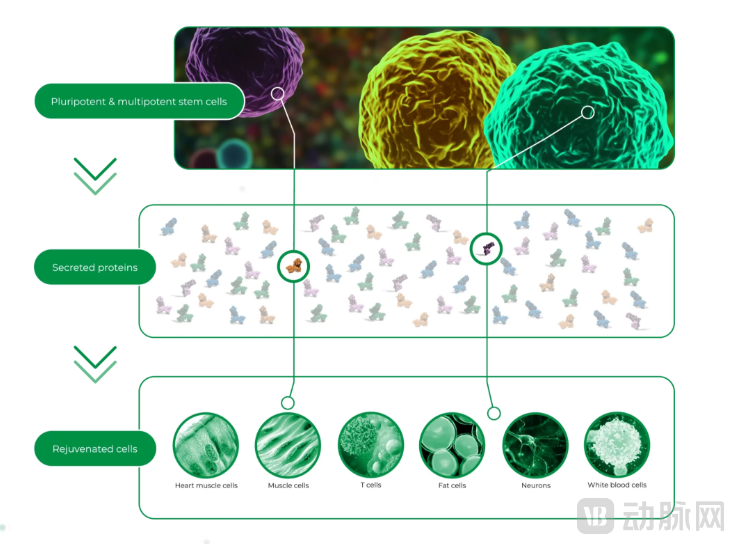
Eli Lilly Focuses on Stem Cell Secreted Protein Muscle Growth Drugs——Juvena Therapeutics claims to have the world's first fully integrated AI screening, drug discovery, and development platform, JuvNET, which mines therapeutic proteins with muscle-protective and regenerative properties from a proprietary library of human stem cell-secreted proteins.
Novo Nordisk has set its sights on oral small-molecule drugs based on protein conformation.——Deep Apple Therapeutics combines machine learning-driven virtual screening with cryo-EM-supported structural biology to build a proprietary drug discovery platform for identifying and optimizing compounds. This platform can further capture the dynamics and movements of GPCRs and other proteins in various conformations, revealing new "pockets" (i.e., binding sites) for docking with proprietary virtual libraries, to develop orally available small molecule drugs.
1Juvena Therapeutics: AI-Screened Stem Cell Secreted Proteins, First Muscle Growth Protein Pipeline Enters Clinical Stage
According to the terms of the agreement, Juvena will receive an upfront payment, equity investment, and potential development and commercialization milestone payments, totaling up to $650 million. Juvena will grant Eli Lilly and Company an exclusive license to the identified lead candidate pipeline.Eli Lilly and Company will be responsible for further research, development, and commercialization.
In 2022, Juvena Therapeutics emerged from a $50 million Series A financing round, dedicated to unlocking the therapeutic potential of stem cell-secreted proteins, with plans to utilize artificial intelligence technology to identify regenerative proteins secreted by stem cells. Its investors include Mubadala Capital, under the Abu Dhabi sovereign wealth fund of the United Arab Emirates, Horizons Ventures, and Jeff Dean, Senior Vice President of Google Research and Health.
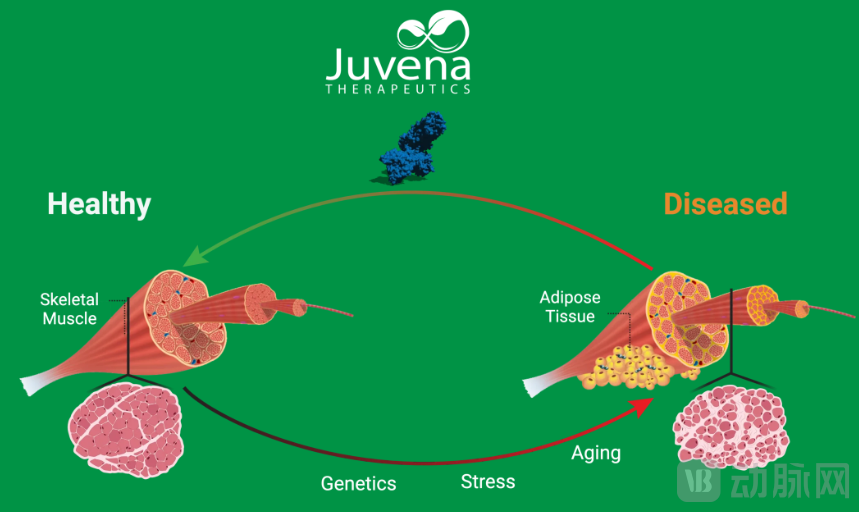
Juvena Therapeutics believes that stem cells secrete proteins that can guide cell repair, promote tissue regeneration, and facilitate healthy communication between different bodily systems. As our bodies age or undergo genetic mutations, protein signal transduction can become disrupted, leading to a loss of tissue homeostasis. The resulting tissue degeneration manifests as a decline in healthy bodily functions and the onset of chronic diseases, such as degenerative disorders.Therefore, secreted proteins mapped to specific target cells in human organs have vast potential for exploration in terms of disease reversal.
However, in past applications, although the FDA-approved biologics based on secreted proteins (insulin, human growth hormone, erythropoietin) have had a significant impact, due to their low abundance and high structural complexity, these biologics remain largely under-researched and underutilized in the biopharmaceutical field.This limits the approach of using secreted proteins directly as drug targets or biomarkers rather than as drugs themselves.
Juvena Therapeutics has developed aFully Integrated, End-to-End AIComputational Platform. By combining an extensive library of regenerative proteins with AI, quantitative proteomics, multi-omics, and robot-assisted high-content imaging and screening, the platform can mine thousands of proteins secreted by human stem cells, screen their potential to restore tissue homeostasis, re-integrate data from each drug screening cycle to inform the therapeutic potential of new disease targets and candidates, and enhance the accuracy, cost-effectiveness, and speed of R&D.
In May, Juvena Therapeutics announced the first clinical trial of its lead project, JUV-161.JUV-161 is an engineered human insulin-like growth factor 2 (IGF-2) protein developed for subcutaneous injection, intended for the treatment of Type 1 Myotonic Dystrophy (DM1) and sarcopenia, and has received FDA Orphan Drug Designation.Previously, JUV-161 has demonstrated the ability to restore muscle fiber formation, combat muscle atrophy, enhance muscle strength and endurance, and improve metabolism in various animal models.
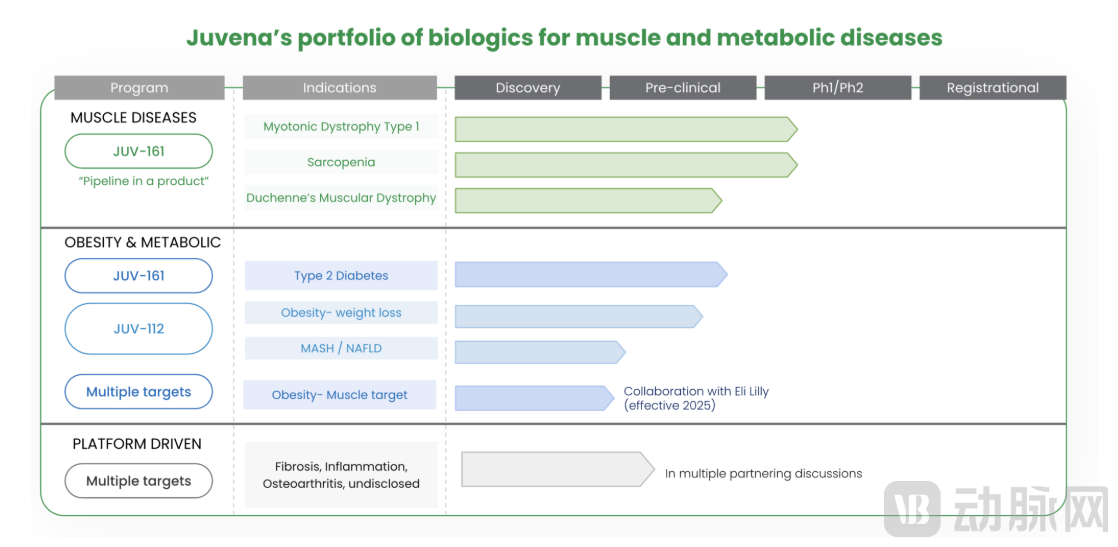
In addition, another pipeline JUV-112 is a preclinical candidate for lipolysis induction, non-appetite suppression, muscle preservation, obesity, and metabolic diseases. Its mechanism of action for energy expenditure is based on the discovery of a substance related to incretin.(such as GLP-1/GIP)Orthogonal(orthogonal)Secreted protein.In addition to weight loss and metabolic indications, Juvena Therapeutics also has in reserveAssets covering indications such as pulmonary and hepatic fibrosis as well as osteoarthritis.
2Deep Apple: Originating from the frontiers of Stanford's cryo-EM and GPCR structural biology, AI discovers pipelines for metabolic disorders, inflammation, immunology, and endocrine diseases.
According to the terms of the agreement, Deep Apple Therapeutics will use its proprietary drug discovery platform to discover and optimize compounds. Novo Nordisk A/S will obtain global exclusive rights to develop, manufacture, and commercialize.All Compounds and Products for Indications. The two companies will collaborate on the research program, andTransfer the project to Novo Nordisk immediately before the start of IND-supporting studies.
Dr. Spiros Liras, CEO of Deep Apple Therapeutics and ATP Venture Partner, mentioned, "The collaboration with Novo Nordisk will enable us to advanceFirst-in-class non-incretin project for cardiometabolic diseases。”
In December 2023, Deep Apple Therapeutics was incubated and founded by Apple Tree Partners (ATP) and secured a $52 million Series A financing round. Its proprietary deep learning approach integrates cryo-electron microscopy-supported structural biology, AI-driven pocket extraction, molecular dynamics and protein motion modeling, an internally generated virtual library of billions of compounds, and ultra-large-scale virtual screening, making it broadly applicable across multiple disease areas, with particular suitability for rapid hit discovery targeting integral membrane proteins.
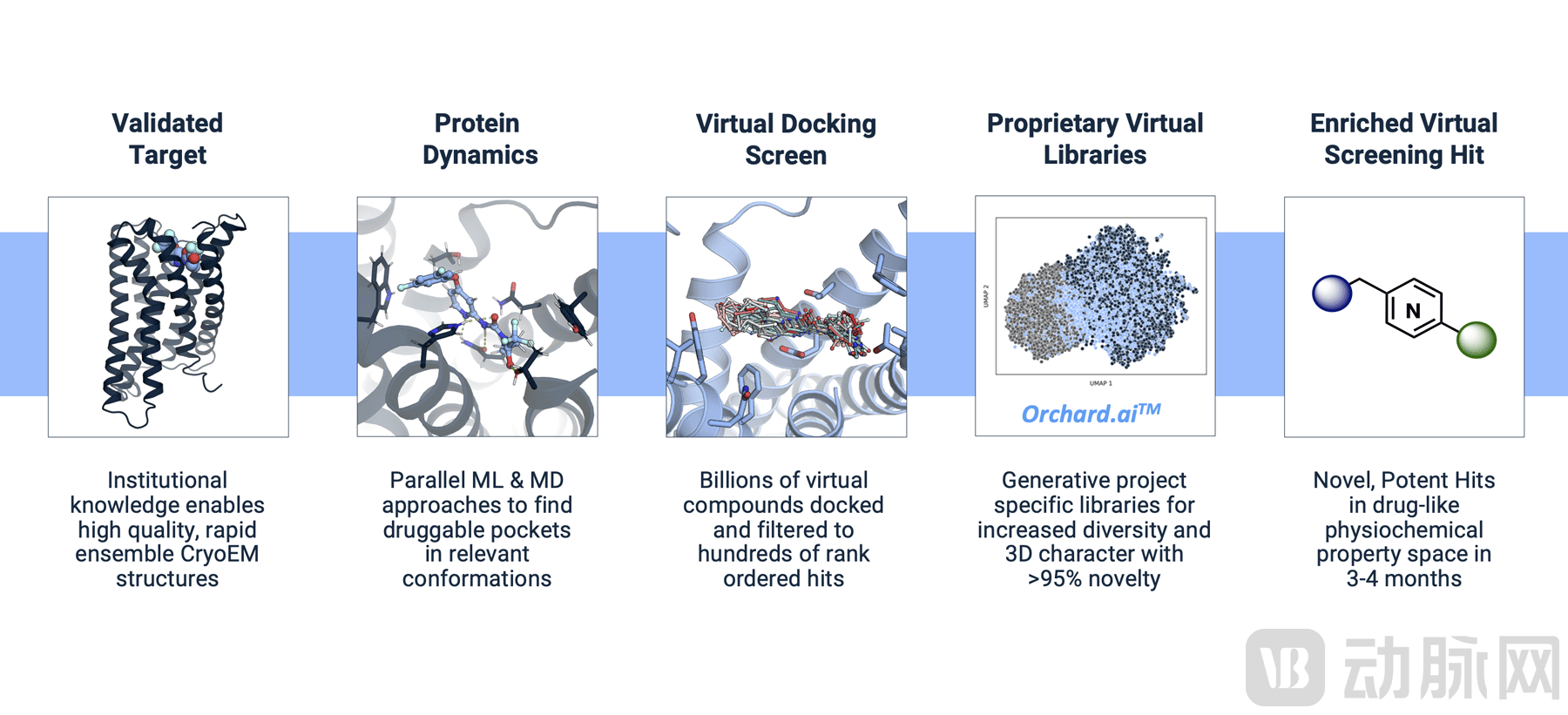
Based on this platform,Deep Apple Therapeutics can achieve the process from target identification to lead compound optimization within 12 months or even less, and discover biological target signals that traditional methods cannot obtain.Deep Apple Therapeutics initially focused on the GPCR family, involving metabolic disorders, inflammation and immunology, as well as endocrine diseases.
GPCR is the largest family of cell surface receptors, playing an ubiquitous role in cellular signaling in biology. In fact, about one-third of all proteins targeted by FDA-approved drugs are GPCRs, but this only involves 108 members out of the more than 400 members of the GPCR protein family.
Therefore, there are still a large number of potential targets within the GPCR family that have emerging and untapped roles in human diseases. They remain the most successful and promising class of target proteins in drug discovery.Deep Apple Therapeutics utilizes cryo-electron microscopy to capture the dynamics and movements of GPCRs in different conformations, revealing new binding sites—transient binding pockets that static models and empirical screening methods might miss. By combining this with its structural biology capabilities and proprietary virtual library, the platform identifies small molecule compounds capable of binding to these targets.
Deep Apple Therapeutics, Inc. pays particular attention to the frontier field of GPCR biased signaling. This research focus stems from one of its founders, Professor Georgios Skiniotis, a global leader in cryo-electron microscopy and GPCR structural biology. The research conducted in his Stanford University laboratory has enabled extensive structural exploration of inactive-state GPCRs without the need for extensive engineering and crystallization, offering rapid structural determination opportunities for these drug targets.
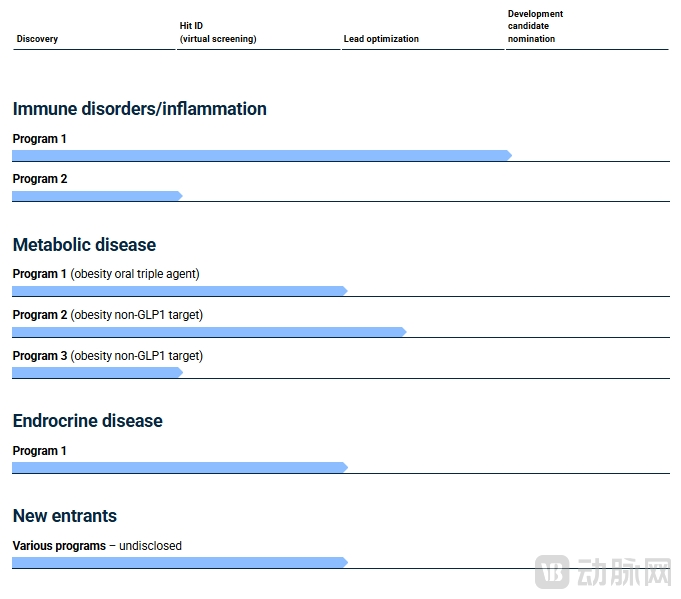
Compared with existing and emerging treatment options, Deep Apple's oral therapy aims to provide significant tolerability and convenience.Deep Apple Therapeutics' lead program involves a high-value target in the inflammation/immune pathway and several targets for weight loss/weight management, includingMRGPRX2 Antagonist Currently Undergoing and GIPR Antagonist with Upcoming IND-Supporting Studies. In addition to GPCRs, the Deep Apple discovery engine is also readily adaptable to all other biological targets associated with human diseases, particularly transporter and ion channel targets.
3When the Competition for the Next Generation of Weight Loss Drugs Enters AI Drug Development
Overall, forJuvenaAndDeep AppleThe bets happen to reflect the three major trends in the field of next-generation innovative weight loss drugs: oral administration, long-acting effects, and non-enteropancreatic insulin drugs.
Novo Nordisk is clearly determined to secure its position in the next generation of oral weight-loss drugs. After its new obesity drug, CagriSema (a combination of semaglutide and the novel amylin analog cagrilintide), failed to meet expectations in Phase 3 clinical trials by the end of 2024, its activities in the oral weight-loss drug space have significantly increased.
In March this year, an exclusive licensing agreement was signed with Lexicon Pharmaceuticals, involving the global development, manufacturing, and commercialization rights of LX9851, a first-in-class oral non-enteric insulin secretagogue. Novo Nordisk will payUp to$75 million upfront payment and near-term milestone payments, toAnd potential development, regulatory, and sales milestone payments andTiered Royalties on Net Sales of LX9851The total transaction value is approximately$1 billion.
For Novo Nordisk, oral peptide weight-loss drugs were once a key advantage in the type 2 diabetes field:As early as 2019, the oral semaglutide drug Rybelsus was approved for marketing in the U.S. as an adjunct to diet and exercise to help improve glycemic control in adults with type 2 diabetes. Rybelsus was approved in China in January 2024 for the treatment of type 2 diabetes. In August 2024, Rybelsus (25mg) successfully completed a Phase III weight loss study, with the trial group experiencing an average weight loss of 13.6%. A marketing application for this weight loss version has been submitted, and it is expected to become the world’s first oral GLP-1 class weight loss medication.
However, Novo Nordisk's advantage in peptide-based oral weight-loss drugs has not yet extended to the next generation of oral small-molecule weight-loss medications. Its competitor, Eli Lilly, has already taken the lead. On April 18, Eli Lilly's oral small-molecule GLP-1 receptor agonist Orforglipron became the first oral small-molecule GLP-1 drug to complete Phase III clinical trials, with an anticipated market application submission by the end of 2025.
Compared with polypeptide drugs (such as Semaglutide and Teriparatide), small molecule drugs not only have more advantages in oral administration, but more importantly, their cost and production capacity advantages are very prominent.Eli Lilly has expressed confidence in launching Orforglipron globally without being constrained by production capacity or supply issues, directly addressing the longstanding global supply problem that has plagued weight-loss drugs for years.
How to quickly secure a share of the small molecule weight-loss drug market has become a key strategy for several multinational corporations (MNCs). AstraZeneca acquired ECC5004, a small molecule GLP-1 receptor agonist from Eccogene, with a potential total deal worth $1.825 billion; Merck secured HS-10535, a preclinical oral small molecule GLP-1 receptor agonist from Hansoh Pharma, with a potential total deal worth $2.012 billion.
Eli Lilly, which has taken the lead in oral small molecule GLP-1 receptor agonists, is now focusing more on long-acting properties, innovative molecules, and expanding efficacy in recent collaborations, such as Juvena Therapeutics' muscle-building IGF-2 protein.
Just a week ago, Eli Lilly and Company signed a licensing and development agreement with Camurus to jointly develop up to four long-acting insulinotropic drugs for the treatment of obesity, diabetes, and other metabolic diseases. These include GIP/GLP-1 receptor agonists, GIP/glucagon/GLP-1 receptor agonists, as well as options including amylin receptor agonists. Camurus is eligible to receive potential development and sales milestone payments of up to $870 million, along with mid-single-digit royalties.
Its FluidCrystal technology significantly improves treatment adherence by extending the drug release time and reducing the frequency of medication for patients. The technology has been commercially and regulatorily validated through approvals and product sales in European, American, and Australian markets, with the Buvidal® product for opioid dependency treatment already launched in multiple countries.
Of course, the battle for the next generation of drugs remains in full swing. The two giants in the weight-loss drug market will not miss any opportunity to reach the pinnacle.Novo Nordisk and MetAphore Biotechnologies Signs $600 Million Total Value Cooperation Agreement to Develop Two Next-Generation Long-Acting GLP-1 Receptor Agonists for the Treatment of Obesity; Collaborates with Federal Pharmaceutical to Develop a GLP-1/GIP/GCG Triple AgonistAn exclusive license for development, production, and commercialization outside of mainland China, the Hong Kong Special Administrative Region, the Macao Special Administrative Region, and Taiwan region, with a potential total amount of up to 2 billion US dollars.