

LCAPP: A Pulsatile Intravascular Cardiac Pump Redefining Heart Failure Therapy

Johnson & Johnson
Medical Device R&D and Manufacturer
The interventional cardiac pump is one of the hottest fields at present, with an increasing number of companies getting involved. However, currently, only Johnson & Johnson's Impella series of cardiac pumps have gained market recognition and been clinically proven for their safety and effectiveness. The Impella series of cardiac pumps generate over $1 billion in annual sales revenue for Johnson & Johnson and have become a significant part of the company’s cash flow.
Despite the huge market potential and good efficacy of interventional cardiac pumps, existing...Interventional cardiac pumps still faceMany major limitations and disadvantages, including:Low flow rates cannot provide comprehensive assistance required by the patient. Thrombus formation related to the device may impede blood flow to vital organs, potentially leading to stroke, myocardial infarction, etc. Excessive impeller speed may cause hemolysis and pump displacement.
Therefore, there is a clinical need forInnovativeInterventionHeartDirty pump to solve traditionalInadequate interventional cardiac pump. For this reasonSummaCorDevelop a product completely different from traditional interventional pumpsDifferentInterventional Cardiac Pump---LCAPP。
LCAPP
LCAPPIs onePaymentTruly Innovative Pulsatile Interventional Cardiac Pump,Will completely revolutionize the treatment standard for heart failure, saving lives and improving patient outcomes.
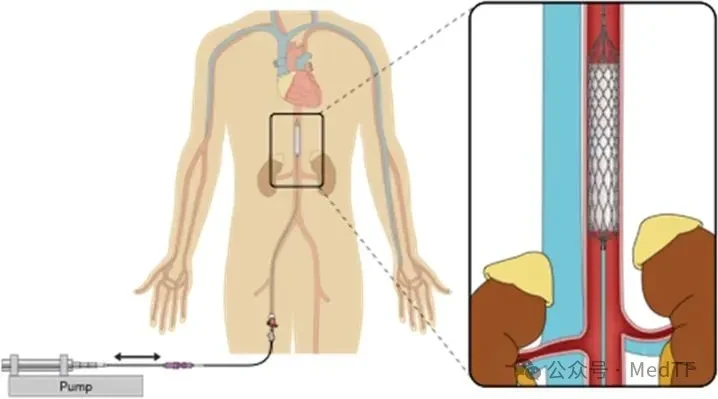
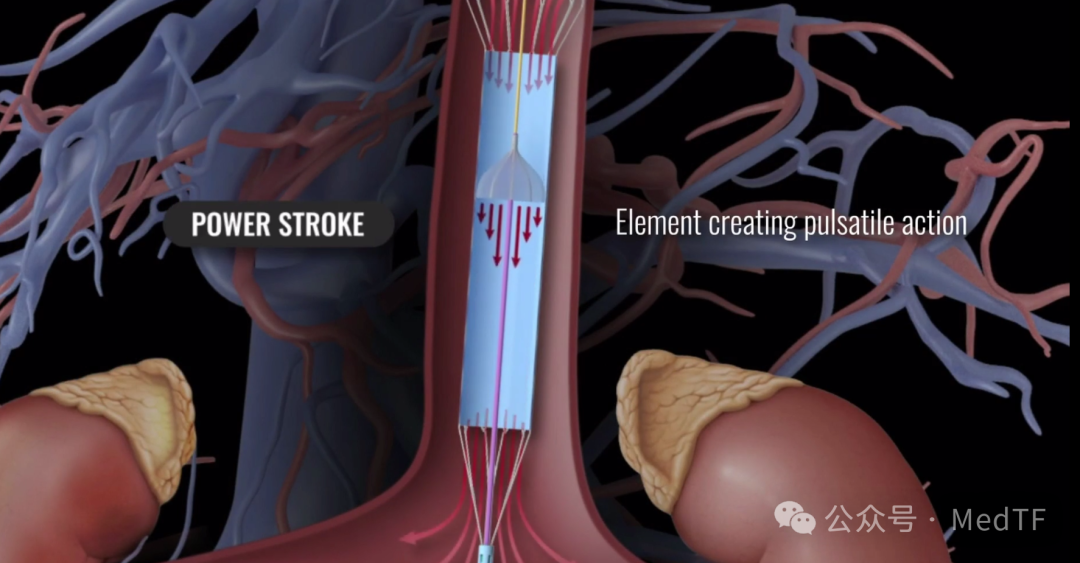
LCAPPThrough a 14F femoral artery sheath, the descending aorta can achieve a flow rate of 7 liters per minute at 325 beats per minute. Its working principle is as follows: an external reciprocating linear motor drives the umbrella-shaped element, expanding during the power stroke to suction and propel blood forward, and contracting back to its original position during the return stroke.LCAPPTheInside the blood vesselDivided into self-expanding designs, entirely composed of polytetrafluoroethylene-coated nickel-titanium alloy.
'%20fill='%23FFFFFF'%3E%3Crect%20x='249'%20y='126'%20width='1'%20height='1'%3E%3C/rect%3E%3C/g%3E%3C/g%3E%3C/svg%3E)
LCAPP Core Metrics
Flow rate 7.0 liters/minute (only 325 beats/minute required)
Cardiac Output Increased by 48%
Afterload reduced by 53%
Increase of 30mmHg in transaortic pressure gradient*
Implantation/Removal takes only 60 seconds
Left ventricular end-diastolic pressure decreased by 66%
Central Venous Pressure Decreased by 54%
Urine output increased by 500%
Femoral Artery Access: 14Fr (to be reduced to 12Fr in the future)
LCAPP Preclinical Study
In a model of 9 pigs (including 6 pigs with 15mm LCAPP: 2 healthy pigs, 1 heart failure pig, 3 acute myocardial infarction pigs; and 3 pigs with 20mm LCAPP acute myocardial infarction). The study found:
All LCAPPZero Complications in Placement Procedure
During the support period, the mean arterial pressure of the femoral artery significantly increased, and the left ventricular end-systolic pressure/end-diastolic pressure (LVEDP) significantly decreased.
Acute Myocardial Infarction Group: The median of mean femoral artery pressure increased from 77 mmHg to 90 mmHg (P<0.05), LVEDP decreased from 20 mmHg to 15 mmHg (P<0.05), and ST-segment elevation returned to normal in 2 animals during support.
Heart Failure Model: One hour without diuretic support, central venous pressure (31→15 mmHg) and LVEDP (25→11 mmHg) decreased; urine output reached 1600 mL in two hours with no hemoglobinuria.
LCAPPDemonstration
SummaCor
SummaCorIs an innovative medical device company, itsAiming to ChangeHeart FailureTreatment, the standard of care for saving lives and improving patient outcomes.