

CorWave LVAD: A Pulsatile-Flow Breakthrough Redefining Heart Failure Therapy

CorWave
Cardiac Assist Device Developer
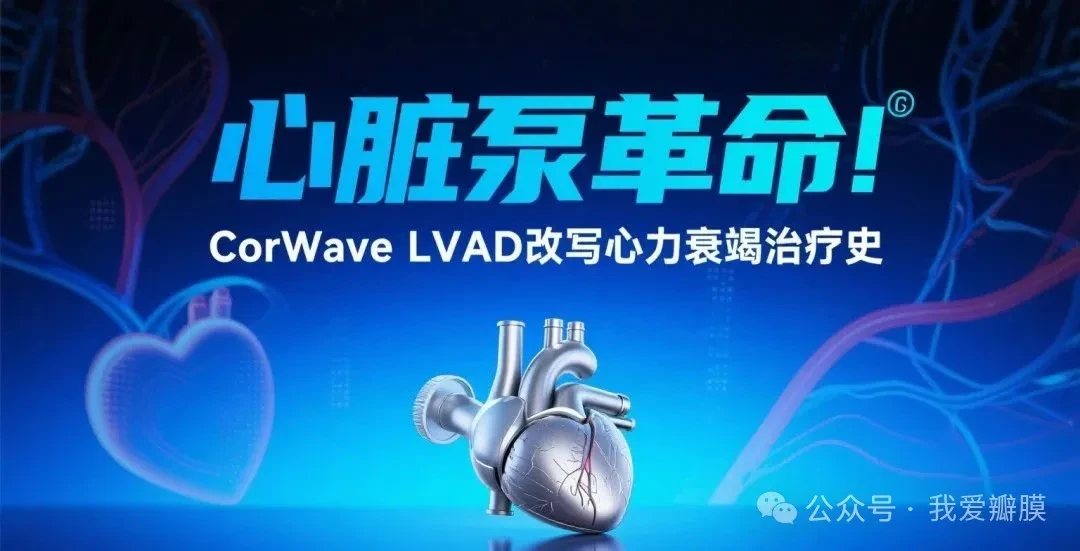
Medical Breakthrough! World's First Successful Implant of New Heart Pump
Australian St Vincent's Hospital Sydney Successfully Completes World’s First Implantation of New Left Ventricular Assist Device (LVAD), Paving a New Path for the Treatment of Heart Failure Patients
St Vincent's Hospital Sydney, this medical殿堂standing in the Southern Hemisphere, witnessed this pinnacle moment in medical history. In 2025, here, a cardiac team comprised of top medical experts, relying on their superb medical skills and fearless courage, performed this epoch-making surgery. The protagonist of the surgery was a patient tormented by end-stage heart failure, who, on the brink of life,紧紧抓住了这根由新型 LVAD 带来的 “lifeline”.
CorWave LVAD: Black Technology Inspired by the Ocean
The CorWave LVAD used in this surgery is known as the "black technology" in the cardiac medical field, and its creation is full of innovation and breakthroughs. This remarkable device was meticulously developed by CorWave, a French medical technology company founded in 2012. Its research and development process brought together the wisdom and hard work of top researchers from around the world, undergoing countless tests and improvements before finally coming to fruition.
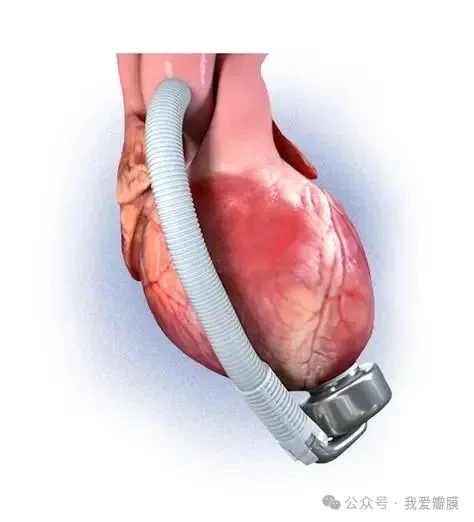
(1) CorWave Technology, a Miracle of Bionics
The Core Secret of CorWave LVAD: Its Unique Wave Membrane Technology
Inside the CorWave LVAD, there is a sophisticated electromagnetic actuator that functions like a precise conductor, driving the disc-shaped membrane to vibrate rhythmically. The waves generated by this vibration spread from the edge of the membrane toward the center, much like ripples in the ocean. Blood, akin to water currents propelled by marine life, is smoothly pushed toward the central orifice under the influence of these waves, thereby facilitating blood circulation. This unique mode of operation bears a striking resemblance to the pulsation of a natural heart, accurately mimicking the contraction and relaxation processes of the heart to provide patients with blood flow support that closely mirrors natural physiological conditions.
'%20fill='%23FFFFFF'%3E%3Crect%20x='249'%20y='126'%20width='1'%20height='1'%3E%3C/rect%3E%3C/g%3E%3C/g%3E%3C/svg%3E)
(II) All-round Competition with Traditional Heart Pumps
Compared with traditional heart pump technology, the CorWave LVAD is like a fully upgraded "superhero," demonstrating unparalleled advantages. Most traditional heart pumps provide a continuous and fixed flow rate, akin to an ever-flowing river with constant velocity. In this flow pattern, blood is subjected to significant shear forces, causing varying degrees of damage to blood cells. However, the CorWave LVAD is entirely different as it provides pulsatile flow—each blood push mimics the natural heartbeat, full of rhythm and variation. This pulsatile flow can better simulate the body's natural blood circulation, greatly reducing harm to blood cells and lowering the risk of thrombosis.
From the clinical data, under traditional heart pump technology, the probability of patients developing serious complications such as blood clots is relatively high. This not only increases the suffering of patients but also brings many challenges to subsequent treatments. However, CorWave LVAD, through its innovative technology, effectively reduces these risks, making the treatment process safer and more comfortable for patients. In terms of quality of life, patients with traditional heart pumps often need long-term reliance on medication and special care, with many restrictions placed on their daily lives. In contrast, patients using CorWave LVAD, due to its blood flow pattern being closer to a natural state, experience better physical adaptation, allowing them to resume more daily activities and regain the beauty of life.
The New Life Journey of the First Patient
(1) In Front of the Operating Table: Life-and-Death Decisions
The protagonist of the story is a patient who has been physically and mentally exhausted by advanced heart failure. In the days before the surgery, he felt as if he were trapped in a dark abyss; every breath was accompanied by heavy wheezing, and every step seemed to challenge the limits of life. Slight physical activity would leave him short of breath and with swollen legs that felt as heavy as lead, making it impossible for him to take care of even the most basic daily needs, let alone enjoy the pleasures of life. At night, he struggled to fall asleep, propping himself up on the bed, watching the moonlight through the window, his heart filled with longing for life and fear of the future.
During the long and painful process of seeking medical treatment, he tried various drug therapies, but his condition worsened like a surging tide. The doctors informed him that a heart transplant was a possible treatment, but the scarcity of donors meant a long and uncertain wait. Moreover, the costs of the surgery and subsequent anti-rejection treatments were extremely high, with significant risks involved. Just as he was on the verge of despair, the clinical trial of a new Left Ventricular Assist Device (LVAD) emerged like a ray of light in the darkness, illuminating his path to survival.
Despite limited knowledge of this novel device and the overwhelming fear of the unknown, in order to survive, to embrace his family again, and to feel the beauty of life, he resolutely chose to participate in the clinical trial and undergo the implantation surgery of the new heart pump. This decision required not only immense courage but also embodied a deep tenacity for life and hope for the future.
(II) Surgical Procedure: The Precise Collaboration of Life Relay
On the day of the surgery, a tense and solemn atmosphere filled the operating room at St. Vincent's Hospital in Sydney. Under the shadowless lamp, the surgical team, composed of cardiologists, cardiothoracic surgeons, anesthesiologists, nurses, and others, stood ready with focus and determination in their eyes. This surgery was not only a matter of life and death for the patient but also carried the hope of medical innovation—every step had to be executed without the slightest error.
The surgery began, with the chief surgeon carefully opening the patient's chest cavity to expose the fragile and failing heart. At that moment, the entire operating room was so quiet that only the ticking of instruments and the steady breathing of the doctors could be heard. Next, the surgeons started connecting the CorWave LVAD to the patient’s heart, marking the most critical and challenging step of the procedure. The installation position and angle of the CorWave LVAD had to be precisely accurate to ensure seamless cooperation with the heart for normal blood circulation.
During the surgery, various emergencies emerged like hidden reefs from time to time. The patient's cardiac function was extremely fragile, and the slightest mishandling could trigger cardiac arrest; the connection of blood vessels was also particularly challenging, requiring the doctors to possess superb skills and extensive experience. However, the members of the surgical team remained completely calm, relying on years of professional training and seamless cooperation to handle each challenge with composure. The cardiologist closely monitored the patient’s heart metrics, adjusting the surgical plan in a timely manner; the cardiothoracic surgeon focused intently on operating the surgical instruments, with every movement precise and meticulous; the anesthesiologist continuously observed the patient’s vital signs, ensuring the patient remained safely anesthetized throughout the procedure.
As time ticked by, the efforts of the surgical team finally ushered in a glimmer of victory. When the new heart pump successfully started and began providing stable auxiliary support to the patient's heart, a long-suppressed cheer erupted in the operating room. At that moment, all fatigue and tension melted into joy and relief. They had successfully completed this life relay, laying a solid foundation for the patient’s rebirth.
(III) Postoperative Rehabilitation: Reigniting Hope for Life
After the surgery, the patient was transferred to the intensive care unit (ICU) to receive close monitoring and meticulous care. The medical staff kept a constant watch on his vital signs, wound healing progress, and the operation status of the heart pump, leaving no detail overlooked. Under the dedicated care of the medical team, the patient’s condition gradually began to improve, and all indicators progressively stabilized.
After a period of treatment, the patient was discharged smoothly and returned to his warm home. The life that was once confined by illness has now regained its vitality. He is no longer troubled by shortness of breath and fatigue, and can freely take walks in the yard, feeling the warmth of the sun and the gentle touch of the breeze; he can sit together with his family, sharing a cozy dinner and chatting about the details of life. These once seemingly ordinary daily moments are now incredibly precious to him.
The family members of the patient expressed their excitement: "This is simply a miracle! We once thought that life was going to fall into endless darkness, but now, because of this new technology and the efforts of the doctors, we have seen hope for life again. He can once again be by our side like before, this is the best gift we have received." The patient himself also expressed deep emotion: "Every day is a new beginning, I cherish my current life immensely. Thank you to the progress of medicine for giving me a new lease on life." Nowadays, he actively cooperates with subsequent rehabilitation treatments, regularly goes to the hospital for check-ups, and welcomes each day in the future with an optimistic attitude. His once bleak life has now regained its brilliant glow because of this 'new heart.'
Industry Perspective: The Profound Impact of CorWave LVAD
(1) Experts Praise, Technical Strength Recognized
Dr. Christopher Hayward, a cardiologist at St. Vincent's Hospital and the lead investigator of this clinical trial, gave extremely high praise to the CorWave LVAD. In a statement, he expressed with excitement: "The entire medical team is deeply impressed by the performance of the CorWave device." Over his long clinical career, Dr. Hayward has witnessed countless heart failure patients struggle and suffer under traditional treatment methods and has profoundly understood the limitations of current treatment technologies. The emergence of the CorWave LVAD undoubtedly brings new hope and solutions to him and his team.
During the process of participating in this surgery, Dr. Hayward witnessed firsthand the perfect collaboration between the CorWave LVAD and the patient's heart. It accurately mimicked the pulsation of a natural heart, providing the patient with stable and effective blood flow support, which rapidly improved the patient’s physical condition post-surgery. This outstanding performance has convinced Dr. Hayward that the CorWave LVAD will spark a revolution in the field of heart failure treatment.
"We are very satisfied with the patient's postoperative recovery. The results we are seeing are very encouraging for the future," said Dr. Hayward, whose words were filled with confidence in this technology and optimism for the future. He believes that as CorWave LVAD is further promoted and applied, more heart failure patients will benefit from it, regaining hope for health and life.
Similarly, Paul Jansz, the cardiothoracic surgeon involved in the surgery, also spoke highly of the CorWave LVAD. He noted, "The surgical procedure is very similar to the implantation of the current generation of LVADs." This means that for the majority of surgeons, implanting the CorWave LVAD does not require them to learn an entirely new set of surgical skills, reducing the learning curve and operational difficulty, which is conducive to the rapid promotion and application of this technology.
"However, unlike the latter, this new generation system allows for the preservation of a natural pulse, which could be a game-changer. We may be ushering in a new era of circulatory support." Dr. Jansz emphasized the importance of CorWave LVAD's unique advantage in preserving the natural pulse. In traditional LVAD treatments, patients often lose their natural pulse, which not only affects their physical health but also imposes psychological burdens. The advent of CorWave LVAD addresses this long-standing issue that has troubled both patients and doctors, offering a treatment option that more closely resembles the body’s natural physiological state.
(II) The FDA Path: Challenges and Opportunities Coexist
Currently, Abbott's HeartMate 3 device is the only Left Ventricular Assist Device (LVAD) to have received approval from the U.S. Food and Drug Administration (FDA) for commercial use in the United States. It holds a significant position in the market, with a large patient base and an established market share. However, the emergence of CorWave LVAD has undoubtedly introduced new variables into this market landscape.
CorWave LVAD Faces Numerous Challenges in Gaining FDA Approval for the U.S. Market. The FDA's approval standards for medical devices are extremely stringent, requiring companies to provide sufficient clinical data and proof of safety and efficacy. CorWave needs to further validate the long-term safety and effectiveness of its device in subsequent clinical trials to meet the FDA’s high standards.
The high costs of research and development and regulatory approval are also a major challenge for CorWave. From the initial stages of technological R&D and clinical trials to the later phases of the approval application process, every step requires substantial financial investment. For a medical technology company, this undoubtedly represents significant financial pressure.
Once CorWave LVAD successfully gains FDA approval, its future will be very promising. Compared with Abbott's HeartMate 3, CorWave LVAD has unique technological advantages, such as the blood flow pattern closer to the natural physiological state brought by the wave membrane technology and a lower risk of complications. These advantages will make CorWave LVAD stand out in market competition, attracting more patients and doctors to choose it.
For patients, the approval of CorWave LVAD will provide them with more treatment options. Different patients have different needs and adaptability for treatment plans. The introduction of CorWave LVAD will enable patients to choose the most suitable treatment method based on their actual situation, improving treatment outcomes and quality of life.
From the perspective of the market landscape, the approval of CorWave LVAD will break Abbott's HeartMate 3 monopoly in the LVAD market, promoting market competition. Increased competition will drive companies to continuously innovate and optimize their products, reduce product prices, ultimately benefiting a large number of patients.
Looking Ahead: A New Chapter in Heart Failure Treatment
The first successful implantation of the CorWave LVAD is undoubtedly an important milestone in the history of heart failure treatment. It brings light and hope to countless heart failure patients struggling in the dark, allowing us to witness the boundless possibilities of medical technology advancement.
As this technology continues to improve and gain wider adoption, we have good reason to believe that it will achieve widespread global application, bringing relief to more patients. In the future, heart failure patients may no longer need to endure long and arduous waits for donor hearts, as the CorWave LVAD will become a powerful tool for sustaining life and improving quality of life.
This breakthrough will also drive the in - depth research and innovation in heart failure treatment across the entire medical industry. It will encourage more researchers to engage in the development of cardiac assist devices, promoting continuous technological upgrades and iterations. Perhaps in the near future, we will see more advanced, safer, and more convenient cardiac assist devices emerge, providing more comprehensive treatment options for heart failure patients.
Let us jointly look forward to the early arrival of this day and cheer on all those troubled by heart failure. At the same time, let us also give a thumbs up to the tireless efforts and great achievements of medical researchers—it is their wisdom and hard work that have built strong defenses for the cause of human health. If you are interested in this technology or know someone suffering from heart failure, feel free to leave a comment in the comment section to share your thoughts. Let us pay attention to advancements in medical technology and bring hope to more patients.