

Johnson & Johnson Issues Class I Recall of Endopath Echelon Vascular Reloadable Stapler Following One Death and One Injury

Johnson & Johnson
Medical Device R&D and Manufacturer
Affected Batches
917C65, 895C93, 918C15, 938C92, 936C69, 929C38, 948C78, 990C81, 979C81, 400D82, 962C74, 506D29, 379D80, 413D56, 418D41, 419D47, 415D43, 427D07, 434D35, 442D78, 442D83, 444D96, 456D87, 455D03, 493D27, 468D88, 482D30, 502D90, 489D62, 134D80, 112D03, 155D33, 159D49, 181D11, 194D77, 125D04, 167D13, 223D59, 175D72, 234D11, 238D70, 261D10, 270D69, 317D74, 194D76, 349D54, 347D73, 317D73, 356D54, 326D66, 319D76, 338D99, 336D39, 356D53, 367D26, 378D04, 214D1
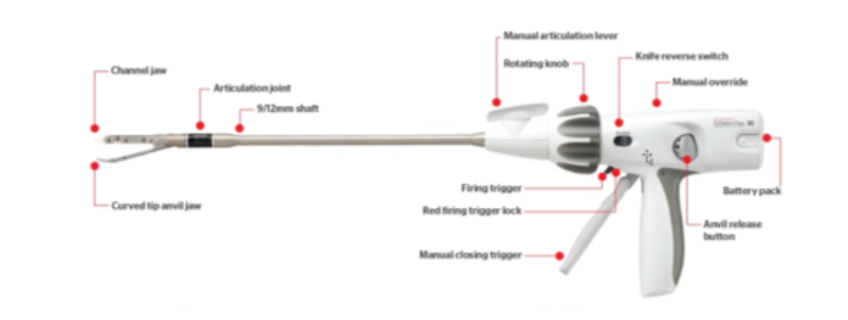
Johnson & Johnson is recalling this product due to potential occurrences during surgical procedures.Accidental LockingThe instrument may briefly activate but will not cut or fire the staples. Additional steps are required to open it and remove it from the tissue.
The original design wasTo ensure that no harm is caused to patients during the lockout period:
When locked, the instrument may briefly activate but will not cut or fire staples; additional steps are required for safe release and removal.
The blade advancement distance is insufficient to cut tissue.
The anastomosis nail remains below the tissue contact surface.
The built-in gap between the anvil and the cartridge surface helps prevent vascular injury during clamping and releasing.
Currently, it has caused1 deathAnd1 case of injury
Johnson & Johnson Initial Solutions
Johnson & Johnson has informed customers that they need toEnsure that all users of the affected products understand the Echelon Flex Stapler's "Instructions for Use".. It also provides video demonstrations on how to handle instrument locking.