
Percutek Therapeutics
Developer of Minimally Invasive Cardiovascular Treatment Devices

Today, I will introduce to youProfessor Chen Tongyu's Team from Yueyang Hospital of Integrated Traditional Chinese and Western Medicine, Shanghai University of Traditional Chinese MedicineStanfordTEVAR Surgery for Type B Aortic Dissection with Aortic Hematoma: A Case Report. The proximal end of the patient's hematoma lesion involves the root of the LSA, and the distal end involves the area near the celiac trunk. After EVAR surgery, there were multiple calcified plaques on the thoracic aortic wall, and the bilateral external iliac arteries showed tortuous courses.
Faced with this complex situation, what surgical plan can both safely and effectively treat the patient, and ensure the smooth blood flow of the branches above the aortic arch by reconstructing it while isolating the lesion? After careful consideration, Professor Chen Tongyu’s team applied the Percutek Therapeutics thoracic aortic stent graft and efficiently completed the reconstruction of the LSA through the in-situ fenestration technique, successfully isolating the lesion. The patient recovered well after the surgery.

Gender:Male
Age:84 years old
Chief Complaint:Chest pain for more than 8 hours.
History of Present Illness:The patient developed persistent chest colic without obvious cause over 8 hours ago. As the symptoms did not resolve, the patient visited the Emergency Internal Medicine Department of our hospital. A thoracic aorta CTA indicated aortic dissection, Stanford Type B. Due to the critical condition of the patient, for further treatment, the emergency department admitted the patient with a diagnosis of "thoracic aortic dissection."
Past Medical History:Atrial fibrillation history of 3 years, irregular medication; postoperative abdominal aortic aneurysm stent.
Detailed Explanation of CTA:StanfordType B aortic dissection combined with aortic hematoma, the proximal lesion involves the root of the LSA, and the distal lesion involves the area near the celiac trunk, post-EVAR. The opening of the LSA root is 13.4mm away from the opening of the LCCA. The aortic diameter at the posterior edge of the LCCA opening is about 31.5mm. The left and right vertebral arteries are equivalent. There are multiple calcified plaques on the thoracic aortic wall, and the bilateral external iliac arteries are tortuous.
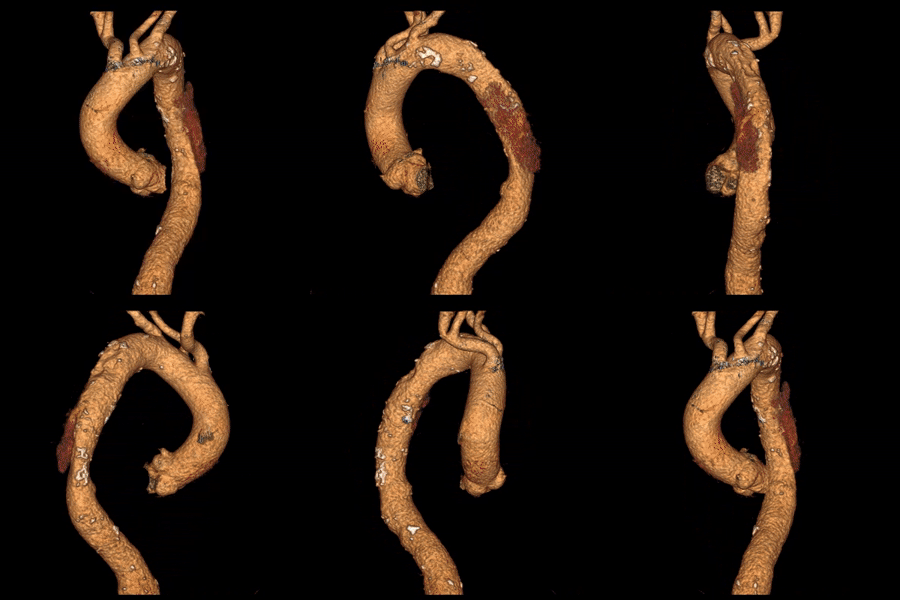
Preoperative Three-dimensional Reconstruction
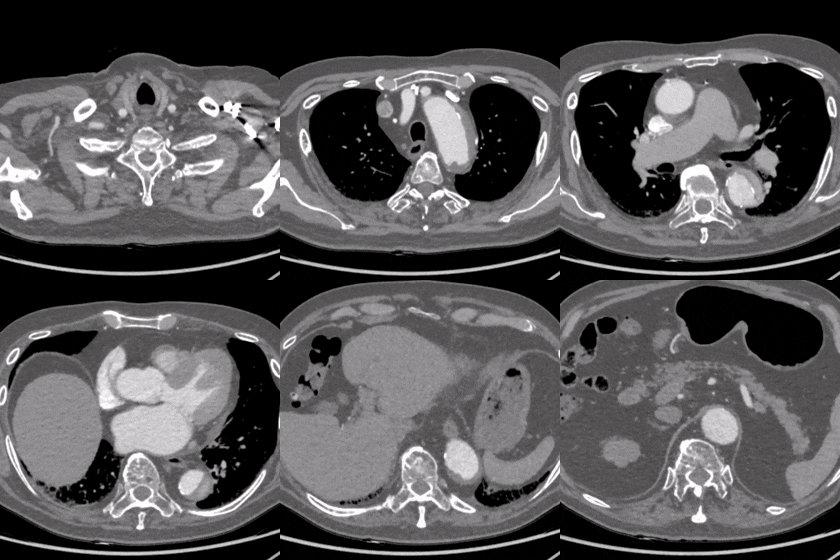
Preoperative CTA Cross-Section
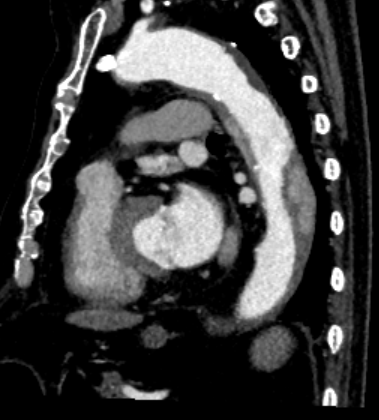
Thoracic Lesion Status
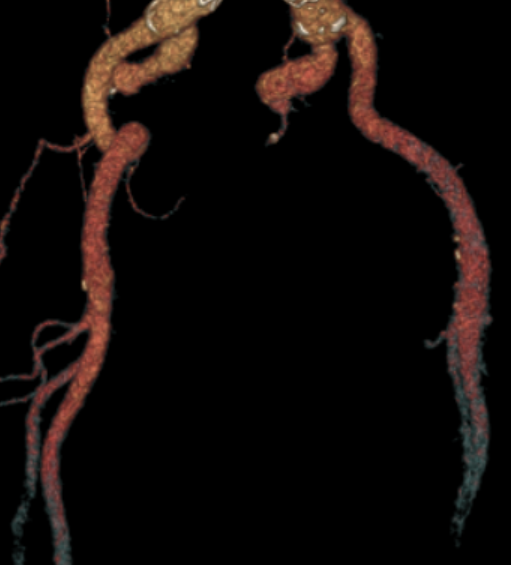
Tortuous Access

The lesion extends proximally to the root of the LSA, with a significantly insufficient proximal anchoring zone. It is necessary to extend the proximal anchoring zone and reconstruct the LSA.
LSA forms an acute angle with the aortic arch, posing difficulties for in-situ fenestration.
Stanford BTypeAortic dissection combined with aortic hematoma, the lesion ranges from the aortic arch to the starting segment of the abdominal aorta, with a large range of lesions, posing a challenge to the sealing of the covered stent.
The patients have tortuous external iliac arteries on both sides, and there are calcified plaques in the aortic vascular wall. After EVAR surgery, excellent deliverability of the delivery system and superb operational skills of the surgeon are required to ensure the successful completion of the surgery.

Surgical Plan Strategy
Endovascular Repair of Thoracic Aortic Stent Graft Directly Covering the Left Subclavian Artery: Simple Operation, Clear Effect, but Covering the Left Subclavian ArteryThe subclavian artery may cause clinical manifestations of posterior circulation ischemia and upper limb ischemia in patients.。
Endovascular Repair of Thoracic Aortic Stent Graft + Left Subclavian Artery Chimney Technique: The surgical procedure is relatively simple, but the left subclavian artery is adjacent to the brachiocephalic trunk and left common carotid artery, posing a higher risk of endoleak and occlusion, with suboptimal mid- to long-term outcomes.
Endovascular Repair of Thoracic Aortic Stent Grafts with In Vitro Fenestration: Excellent sealing of lesions, preservation of original hemodynamic characteristics, but complex operation. Preoperative stent modification is required based on measurement results, which is time-consuming; intraoperative precise alignment and ultra-selective window positioning are required, posing higher risks.
Single-branched Stent Thoracic Endovascular Aortic Repair: Excellent sealing of the lesion, but angulation-induced stenosis of the left subclavian artery increases the risk of branch stent occlusion in the long term.
Endovascular Repair of Thoracic Aortic Stent Graft + In-situ Fenestration: Excellent sealing of the lesion, no need for preoperative stent modification. However, traditional in-situ fenestration of aortic stent grafts has high requirements for interventional devices, necessitating specialized membrane-puncturing instruments such as in-situ fenestration needles, lasers, and biopsy needles.
The Percutek Therapeutics Thoracic Aortic Stent Graft can penetrate the graft for in-situ fenestration using only a 0.018" CTO guidewire with a soft tip. Considering the mid- to long-term treatment outcomes and the simplicity of intraoperative manipulation, Professor Chen Tongyu's team comprehensively evaluated and chose the Percutek Therapeutics thoracic aortic stent graft for endovascular repair. The left subclavian artery was reconstructed using the in-situ fenestration technique.

01. In the supine position, both inguinal regions were disinfected and draped after general anesthesia. Both femoral arteries were punctured; two pre-set sutures were placed on the right side, an 8F short sheath was left in place, an 8F short sheath was also left on the left side, the left brachial artery was punctured, and a 5F short sheath was left in place.
02. MakeUsing a pigtail catheter with a mackerel guidewire, advance through the left femoral artery to the thoracic aorta. Perform angiography to confirm the location of the aortic dissection entry tear. Insert a super-stiff guidewire through the right femoral artery, then introduce the Percutek Therapeutics Thoracic Aortic Stent Graft PTBS3632180, positioning and releasing it posterior to the LCCA ostium.
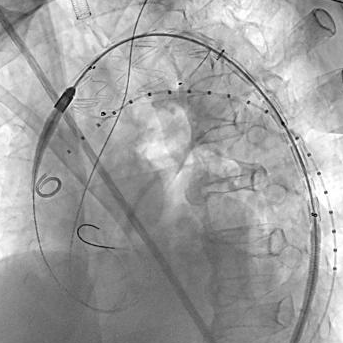
Implant Percutek, Position and Release
03.The Percutek Thoracic Stent Graft PTBS3430180 was implanted, with the distal end of the stent graft positioned at the distal end of the lesion, fully covering the thoracic lesion segment.
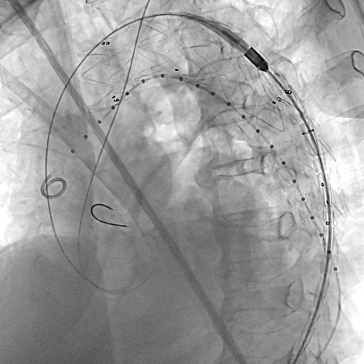
Implant Percutek Therapeutics to cover distal lesions
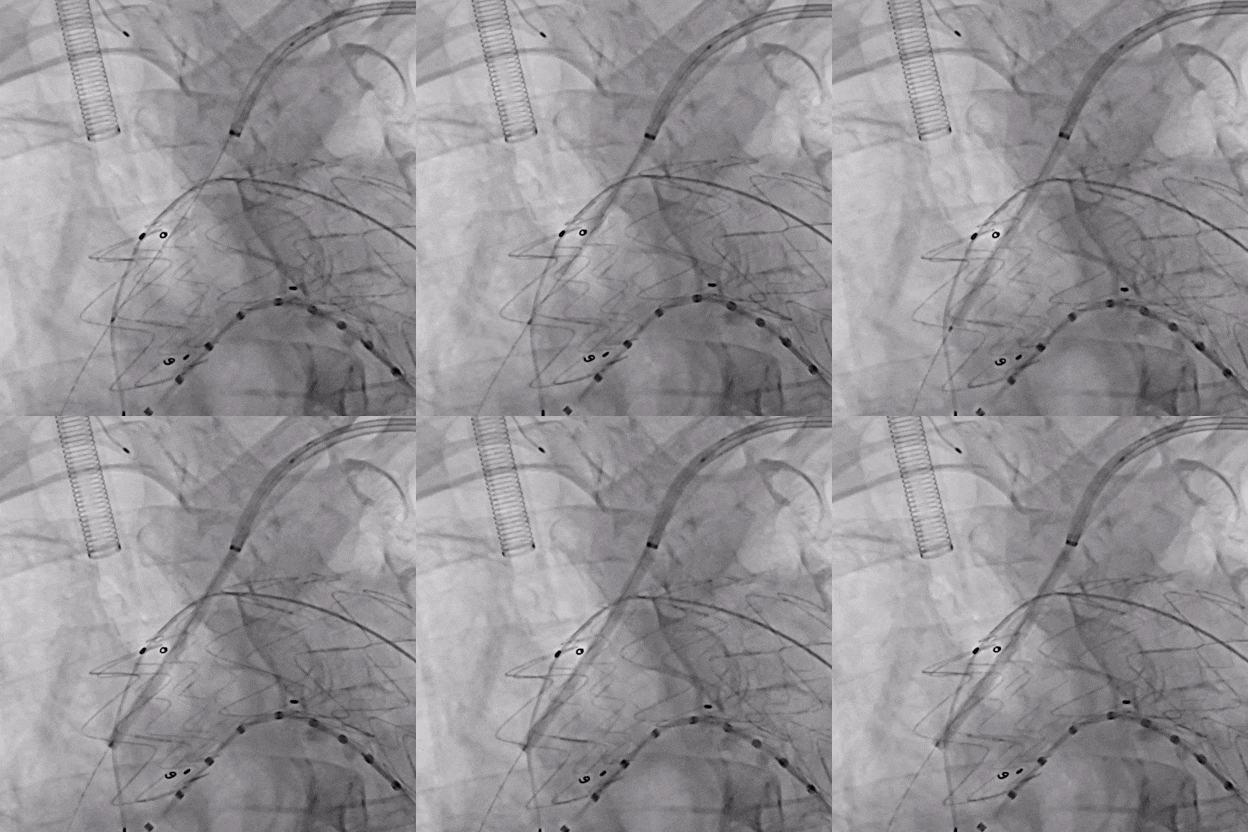
04.The 16F short sheath was exchanged through the right approach. A stiff guidewire was inserted via the left brachial artery approach, then a 6F steerable sheath was exchanged, positioning the sheath directly in front of the thoracic main stent. The MPA catheter was used with a CTO guidewire to successfully penetrate the membrane.
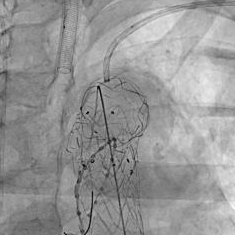
Guidewire Fenestration (1)
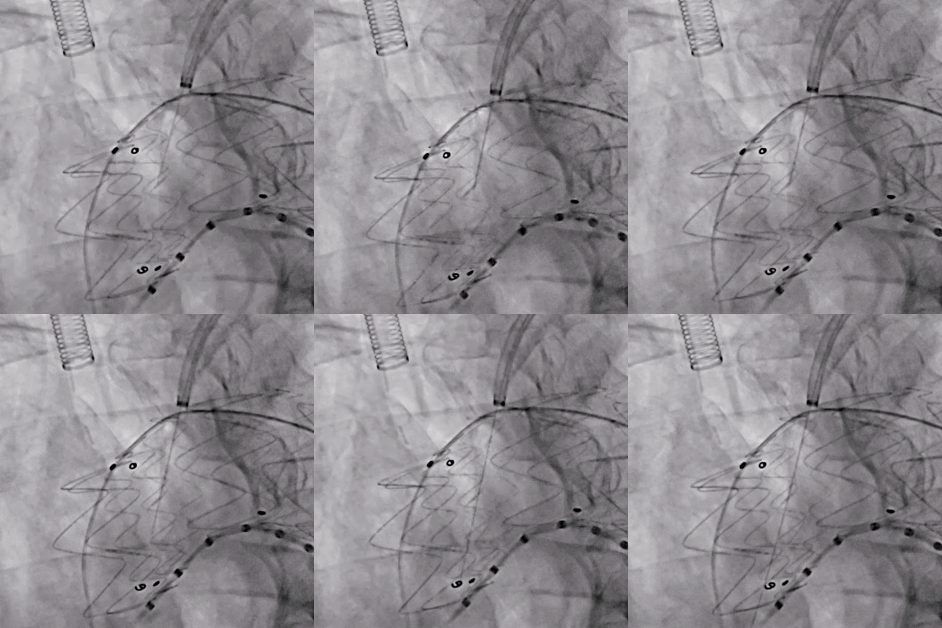
Guidewire Fenestration (2)
05.The V18 guidewire was exchanged, a 3mm balloon was used to dilate the fenestration, and then the balloon was used for progressive dilation.
Sequential Balloon Dilation Window (1)
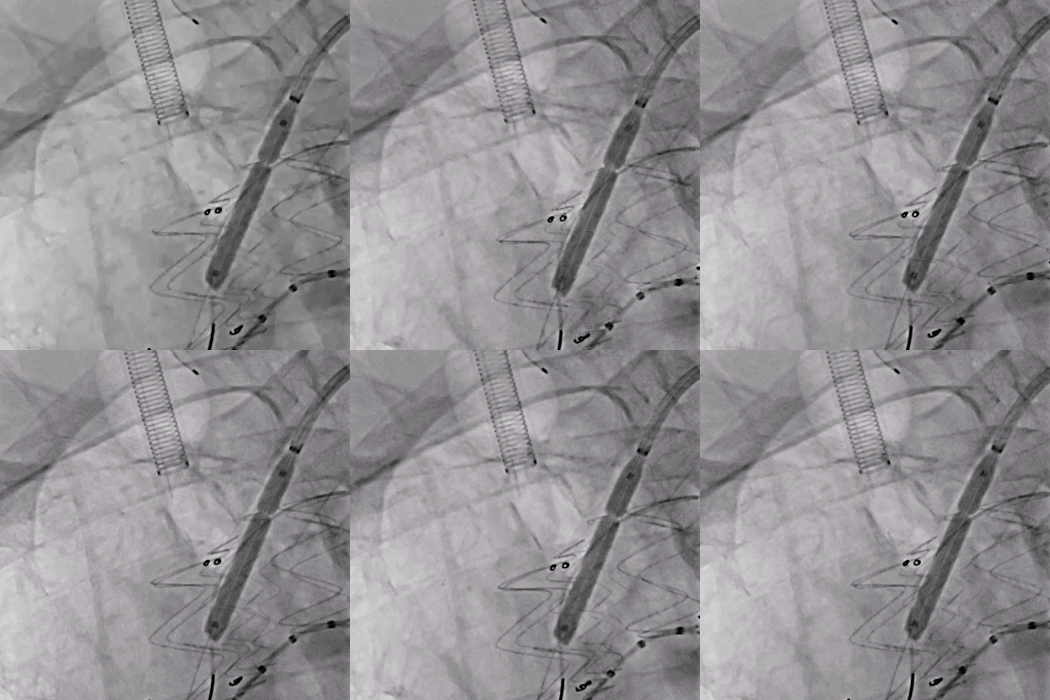
Sequential Balloon Dilation Window (2)
06.A pigtail catheter was inserted over a V18 guidewire, and the V18 guidewire was then advanced into the descending aorta. A snare was introduced via the right femoral artery to create upward and downward tension. The pigtail catheter was removed, and a 125MPA catheter was placed. A stiff guidewire was exchanged in, and the fenestration was progressively dilated using a balloon.
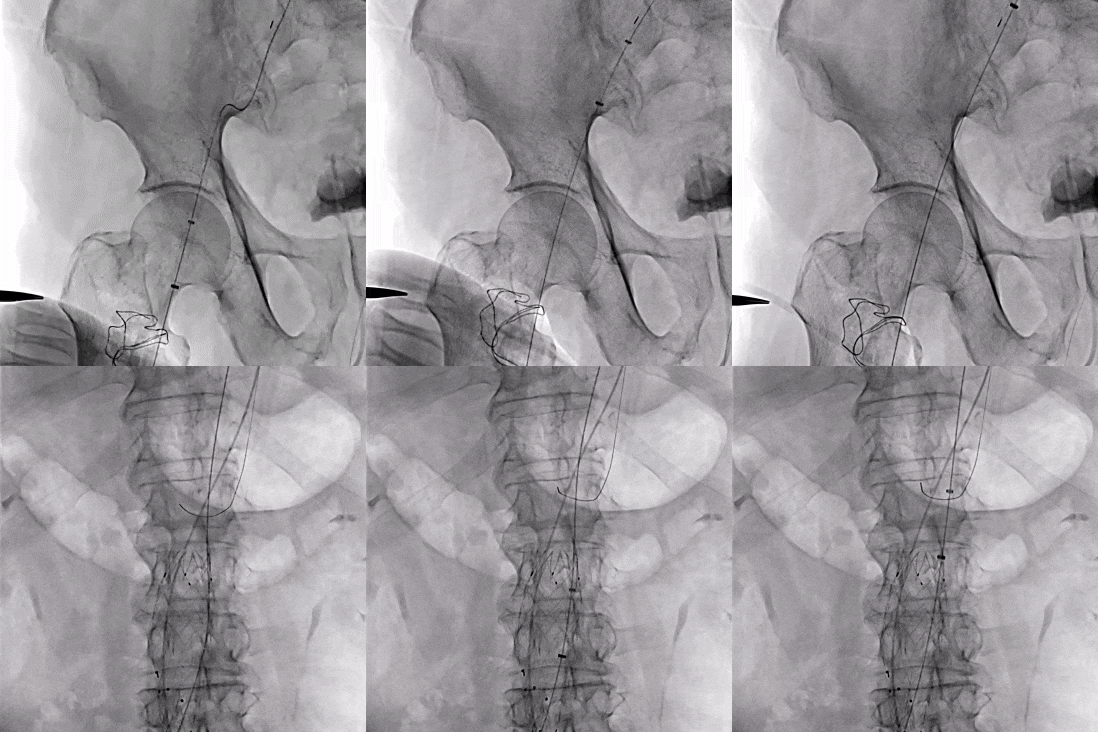
Capture Device Capture
Re-dilation and fenestration
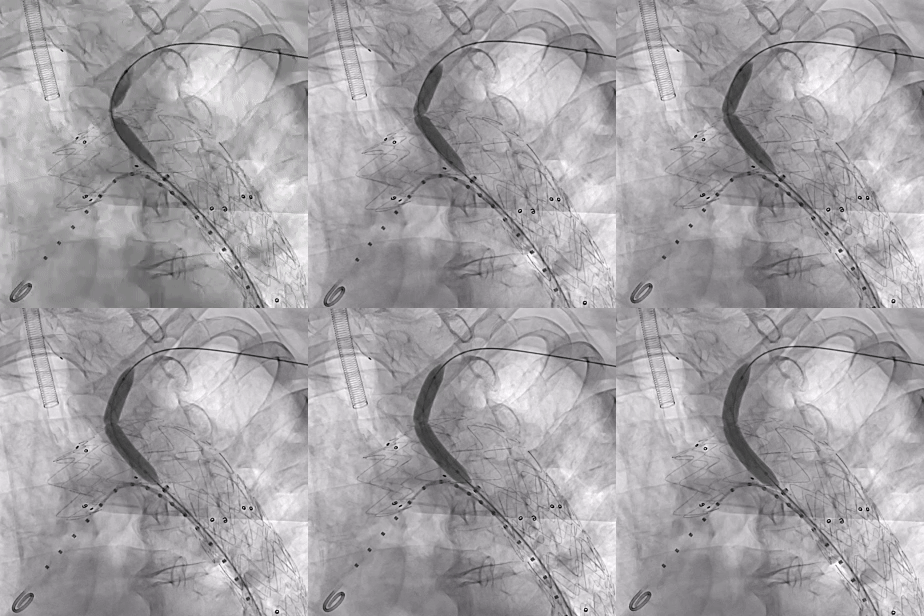
07.A stiff guidewire was inserted through the right femoral artery, and an 11-39mm balloon-expandable covered stent was placed into the fenestration and deployed.
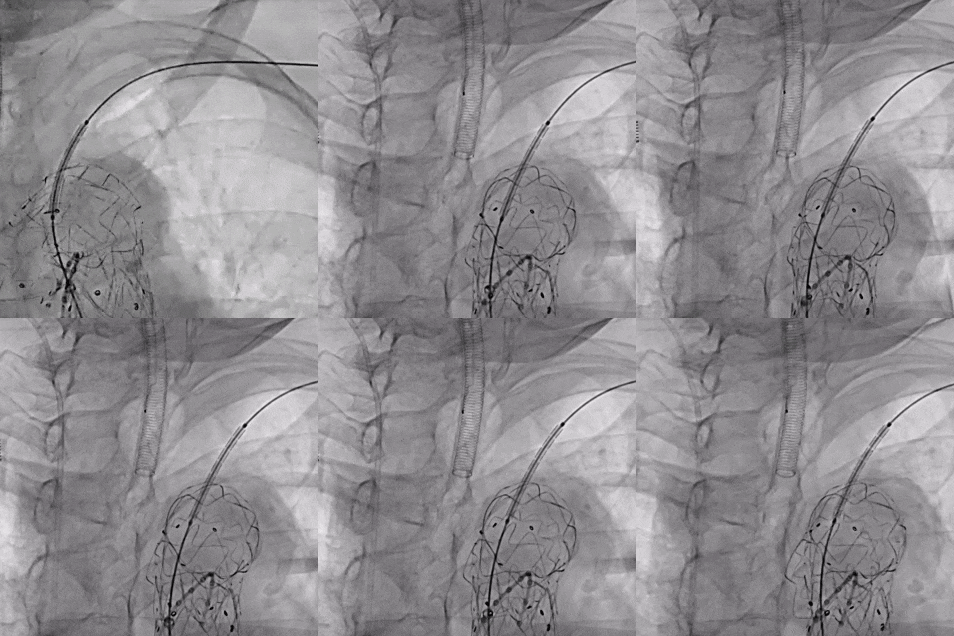
Placement of Balloon-Expandable Stent
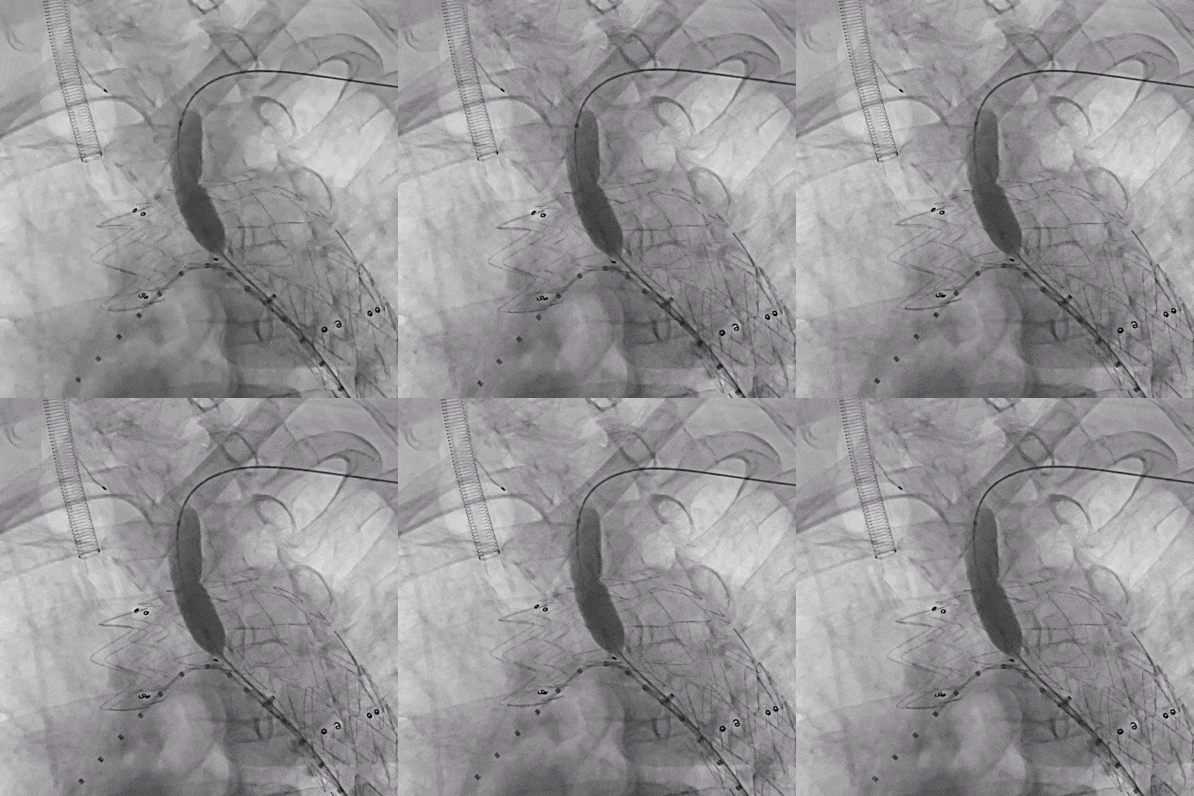
Release Balloon-Expandable Stent
08.Angiography showed that the thoracic aortic lesion was covered, the LSA was preserved, and the left vertebral artery was not involved. All guidewires, catheters, and sheaths were removed, the puncture site was closed, and pressure dressing was applied for complete hemostasis. The incision was closed layer by layer. The operation was completed.

Postoperative Angiography

Summary of Case Experience
This case study involves a patient with Stanford Type B aortic dissection combined with aortic hematoma. The lesion extends proximally to the root of the left subclavian artery (LSA), leaving an insufficient proximal anchoring zone, necessitating supra-aortic branch reconstruction of the LSA. The patient also has tortuous bilateral external iliac arteries, making the surgery highly challenging. High demands are placed on the sealing capability of the stent graft, the accuracy of positioning, and the deliverability of the delivery system.
Professor Chen Tongyu's team ultimately chose the Percutek Therapeutics Thoracic Aortic Stent Graft for endovascular repair. This stent graft is currently the only product on the market that can achieve in-situ reconstruction solely through guidewire penetration, with precise positioning and no endoleaks. During the procedure, the membrane can be easily penetrated using only a 0.018" CTO guidewire with a soft tip. The fenestration area of the graft is easy to penetrate and expand, and after stent implantation, the shape is excellent with no membrane leakage. Ultimately, the surgical outcome for this patient met expectations.

Expert Introduction

Professor Chen Tongyu
Director of the Department of Thoracic and Cardiovascular Surgery, Yueyang Hospital of Integrated Traditional Chinese and Western Medicine, Shanghai University of Traditional Chinese Medicine.
Serving as the Chairman of the Thoracic Surgery Specialty Committee of the Shanghai Association of Integrated Traditional Chinese and Western Medicine, Secretary General of the Cardiothoracic Surgery Specialty Committee of the Integrated Traditional Chinese and Western Medicine Branch of the Chinese Medical Doctor Association, Standing Committee Member of the Cardiovascular Disease Specialty Committee of the Chinese Association of Integrated Traditional Chinese and Western Medicine, Vice Chairman of the Perioperative Specialty Committee of the Shanghai Association of Integrated Traditional Chinese and Western Medicine, and Committee Member of the Thoracic Surgery Specialty Committee of the Shanghai Medical Association, the Thoracic Surgery Specialty Committee of the Shanghai Medical Doctor Association, and the Lung Cancer Specialty Committee of the Shanghai Anti-Cancer Association.
He has received honors such as Shanghai Outstanding Specialist Doctor (2022), Shanghai Medical Artisan (2024), and Shanghai Health Science Popularization Leading Talent. He was also a visiting scholar at Hartford Hospital in the United States, presided over 3 national and provincial-level research projects, and published more than 30 SCI and core journal papers.
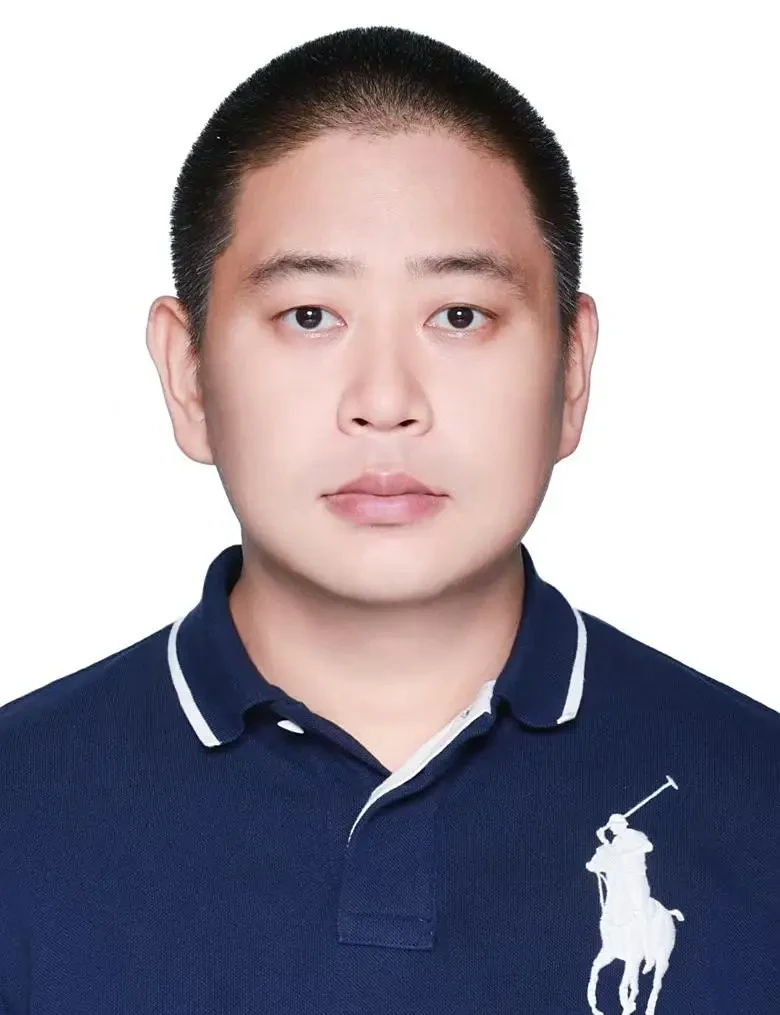
Professor Xu Jianjun
Deputy Chief Physician of Thoracic and Cardiovascular Surgery at Yueyang Hospital affiliated with Shanghai University of Traditional Chinese Medicine, Secretary of the Thoracic Surgery Branch of the Shanghai Association of Integrative Medicine.
Long-term dedication to front-line clinical work, proficient in interventional treatment of thoracoabdominal aortic aneurysms, aortic dissection, and heart valve replacement. Presided over the completion of one National Natural Science Foundation project, participated in multiple national and provincial projects, and published numerous core journal papers and SCI papers in recent years.


Department Introduction
Yueyang Hospital Department of Cardiothoracic Surgery
Yueyang Hospital's Department of Cardiothoracic Surgery is the chair unit of the Specialty Committee of Cardiothoracic Surgery under the Integrative Medicine Branch of the Chinese Medical Doctor Association and the Specialty Committee of Thoracic Surgery under the Shanghai Society of Integrative Medicine. The department mainly focuses on the medical treatment, teaching, and research of diseases in the cardiovascular, thoracic, and vascular surgery systems. The department has two doctoral supervisors, and all key members have overseas study experience. The department has developed distinctive characteristics in the integrative Chinese and Western medicine diagnosis and treatment of thoracic and cardiovascular surgical diseases.
Cardiac surgeries include valve replacement and repair, coronary artery bypass grafting for coronary heart disease, ventricular aneurysm resection, and corrective surgery for adult congenital heart disease.
General thoracic surgeries include a series of minimally invasive chest procedures such as ultra-minimally invasive lung surgery, total endoscopic radical esophagectomy, and subxiphoid thoracoscopic mediastinal tumor resection.
At the same time, it also carries out cardiovascular interventional and respiratory interventional treatments. Cardiovascular interventions include transcatheter aortic valve implantation (TAVI), congenital heart disease (patent foramen ovale, atrial septal defect, patent ductus arteriosus, ventricular septal defect, sinus of Valsalva rupture) occlusion, endovascular aortic repair, pulmonary artery thrombectomy, etc. Respiratory interventions include percutaneous and airway localization, biopsy, and ablation of lung masses.


END
Copyright Statement: This platform aims to help healthcare professionals better understand the latest advancements in related disease areas. The information published on this platform does not imply agreement with its descriptions or viewpoints; it is only intended to provide more information. If there are any copyright issues, we kindly request the rights holders to contact us, and we will address them as soon as possible. The information is solely for healthcare professionals to stay informed and should not replace professional medical guidance in any way, nor should it be considered as medical advice. If such information is used for purposes other than staying informed, this platform and the authors shall not bear any related responsibility.Contact Email for Cooperation:vascular@edoctor.work。