ABO2102, a First-in-Class Multivalent KRAS mRNA Cancer Vaccine, Receives IND Approval in China with Promising Data Showing Lesion Clearance and 25-Month Tumor-Free Survival Across Five Major Cancers

Abogen
Nucleic Acid Drug Developer


According to the information on the official website of the Center for Drug Evaluation (CDE) of the National Medical Products Administration, Abogen's Class 1 new drug ABO2102 injection has received the implied permission for a new drug IND. It is intended for the treatment of locally advanced or metastatic solid tumors with KRAS mutations (ABO2102 used alone or in combination with Sintilimab). As early as May this year, the vaccine also received clinical trial approval from the U.S. FDA.
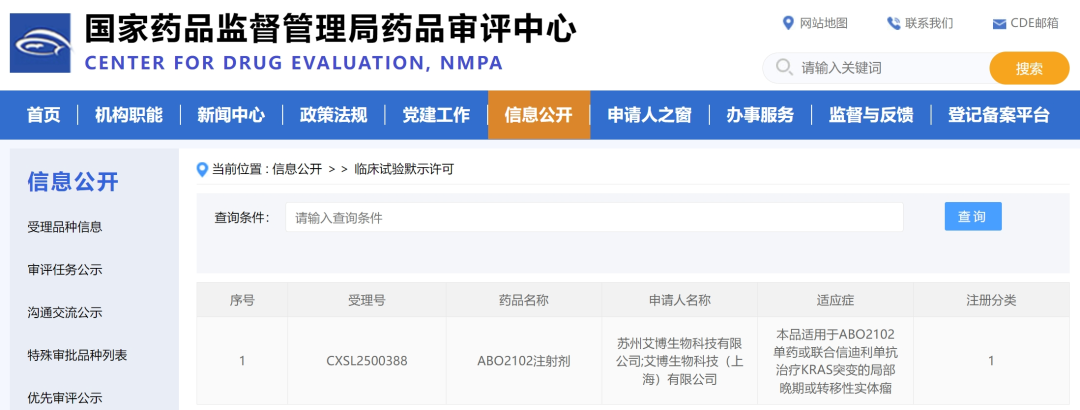
▲Screenshot source“NMPA”
ABO2102 is a novel mRNA cancer vaccine developed by Abogen Biosciences. Its core advantage lies in simultaneously covering multiple KRAS mutations: by encoding an mRNA molecule with five common KRAS mutant antigens, it can precisely target solid tumor patients carrying any of the common KRAS mutations, particularly those with high-incidence cancers such as pancreatic cancer, non-small cell lung cancer, and colorectal cancer. Additionally, it induces sustained expansion of specific T cells and establishes long-term immune memory, thereby overcoming the drug resistance challenges faced by traditional KRAS G12C inhibitors due to their single-target approach and inability to address the adaptive evolution of the tumor microenvironment. This innovation holds the potential to shift the KRAS-targeted treatment paradigm from "passive inhibition" to "active immune clearance."
With its "off-the-shelf" feature, ABO2102 is highly versatile in its applications: it can be used for salvage treatment in advanced-stage patients and as an adjuvant therapy for early-stage patients post-surgery. It can also be combined with chemotherapy, radiotherapy, or immune checkpoint inhibitors to create a multi-faceted, synergistic comprehensive cancer treatment system, offering new hope of a cure for countless cancer patients!
A Medical College in Wenzhou, China, has conducted a clinical study on "the application of personalized neoantigen vaccines for the treatment of microsatellite stable colorectal cancer (MSS-CRC)." The vaccine is customized for MSS-CRC patients: first, sequencing is used to identify the patient's mutation profile (an average of 456 mutations, ranging from 196 to 802), then high-priority targets are selected from candidate neoantigens. For each patient, 7 to 19 personalized neoantigen long peptides derived from somatic point mutations are synthesized for vaccine preparation.
The study enrolled a total of 6 patients with MSS-CRC who experienced postoperative recurrence or metastasis. After receiving personalized neoantigen vaccines, the median follow-up time was 17 months (range 11-24 months).
The results showed that: 4 patients had a positive immune response to the vaccine.Progression-Free Survival (PFS) was significantly longer than the other 2 patients with negative responses., respectively19 months vs 11 months; andHealth-related quality of life improved for almost all patients.。
It is worth mentioning that the treatment effect of patient W02 was particularly significant. The patient developed liver metastasis after colorectal cancer surgery, and during chemotherapy, the carcinoembryonic antigen (CEA) did not decrease significantly. After stopping chemotherapy, the patient switched to personalized neoantigen vaccine monotherapy. After four injections,CEA decreased from an initial 126.7 ng/mL to 82.73 ng/mL.; Abdominal contrast-enhanced CT images at three time points before and after treatment showed,Multiple space-occupying lesions in the liver showed varying degrees of reduction, or even disappearance.(See the figure below for details).
▼W02 Enhanced CT Comparison of Liver Metastases in Patients Before and After Vaccine Treatment
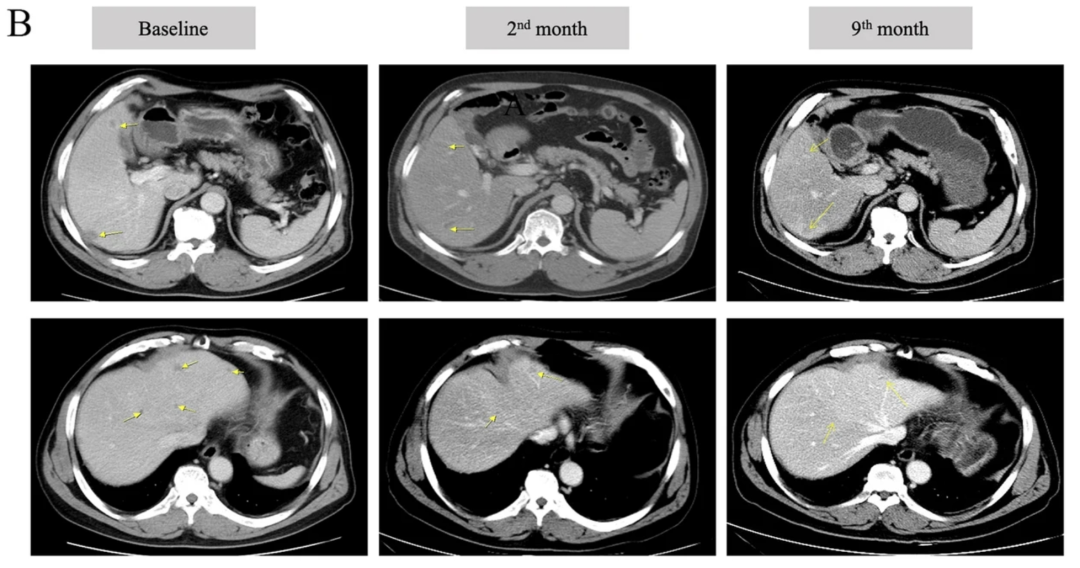
▲Source of the image"SPRINGER LINK", all rights reserved by the original author. If we unintentionally infringe on intellectual property, please contact us for removal.
Neo-MoDC Vaccine: A Monocyte-Derived Dendritic Cell (DC) Vaccine Loaded with Neoantigens Independently Developed in China
In 2022, a subsidiary of *Nature* reported a groundbreaking clinical case: a patient with advanced gastric cancer achieved complete and lasting remission after treatment with the Neo-MoDC vaccine. This marks the first case globally where complete and durable remission of advanced gastric cancer was achieved through a combination of neoantigen DC vaccine and PD-1 therapy, representing a significant breakthrough in the field of DC vaccine treatment.
The patient has stage IV (Bormann type III) metastatic gastric cancer. Despite undergoing D2 radical distal gastrectomy and FOLFOX regimen treatment, peritoneal and lymph node metastases occurred. With no further suitable clinical treatment options available, the patient was enrolled to receive Neo-MoDC combined with immune checkpoint inhibitor (PD-1) therapy.
The results were encouraging: after the combination therapy, the patientThe tumor shrank rapidly, and the lesion eventually disappeared completely, with this remission state lasting for up to 25 months.(See the figure below for details).
▼Representative images of target tumor lesions in this patient before and during treatment
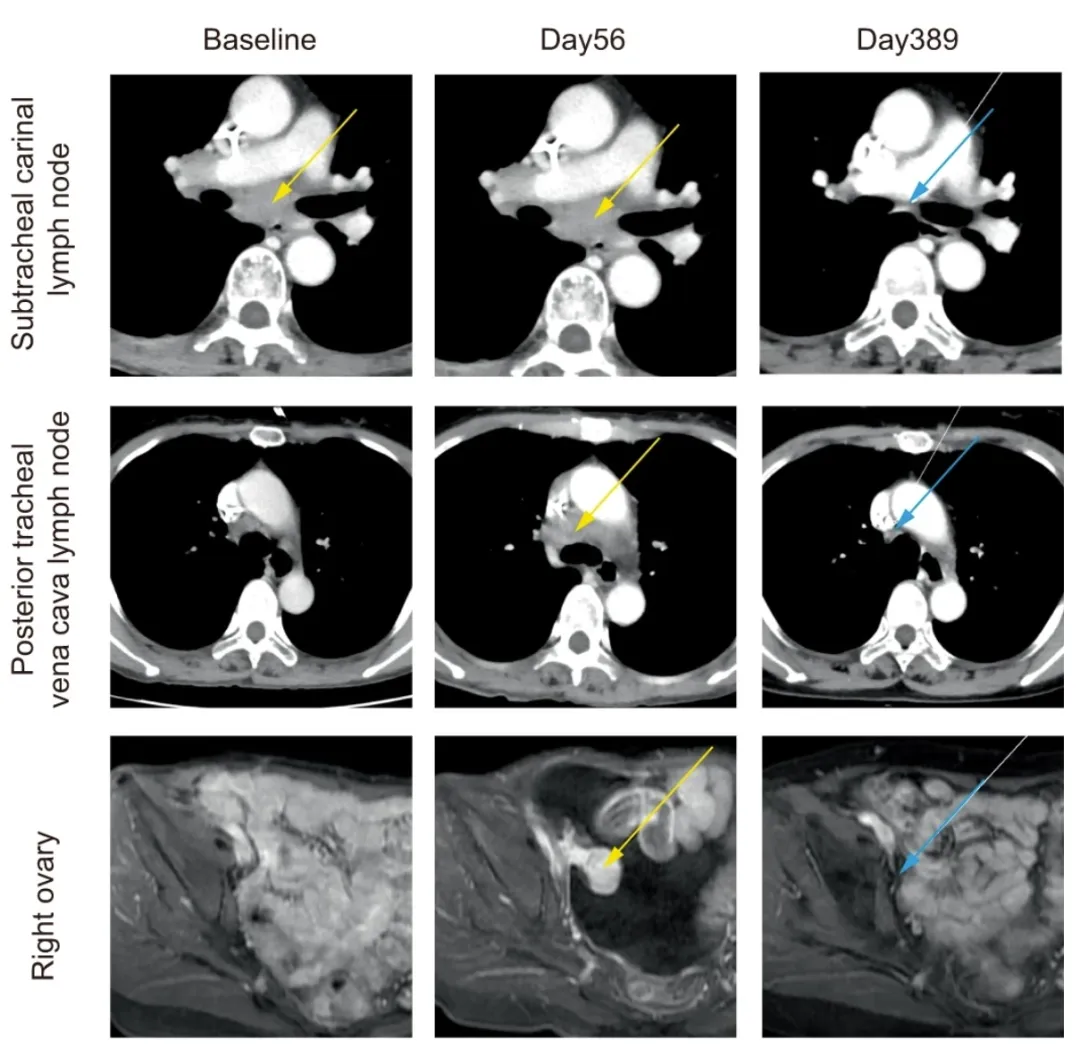
▲Source: "npj", all rights reserved. If we unintentionally infringe on intellectual property, please contact us for removal.
Note: The yellow arrow represents the target tumor lesion; the blue arrow represents the complete regression of the tumor lesion.
Research has found that the combination of cancer vaccines with PD-1 immune checkpoint inhibitors has shown promising efficacy in the treatment of non-small cell lung cancer, melanoma, and human papillomavirus 16-related cancers. Based on this, researchers are attempting to apply this combination therapy to esophageal squamous cell carcinoma.
A case report of a patient with advanced esophageal squamous cell carcinoma (ESCC) in China, published in the *Journal of American Cancer Research*, validated the feasibility of this therapy — the patient achieved partial remission after receiving the first personalized mRNA (messenger ribonucleic acid) vaccine treatment.
This 67-year-old male patient was initially diagnosed with mid-esophageal squamous cell carcinoma (pathological stage T2N1M0) and underwent radical esophagectomy. Nine years later, the cancer recurrence was confirmed by gastroscopy and contrast-enhanced CT of the mediastinum, accompanied by mediastinal lymph node metastasis. He was subsequently enrolled in an mRNA vaccine clinical trial (NCT03468244). During the treatment period, the patient received personalized mRNA vaccine combined with PD-1 inhibitor injections once every three weeks, completing four cycles. This was his first use of an mRNA vaccine.
The results showed that: the patient reachedPartial Response (PR),Duration of Response (DOR) reached 377 days, with Progression-Free Survival (PFS) and Overall Survival (OS) both at 457 days.According to the Response Evaluation Criteria in Solid Tumors (RECIST) version 1.1 guidelines, imaging assessment revealed two target lesions in the mediastinal lymph nodes, compared to before vaccination,After the 4th cycle, the sum of the short axes of the lesions decreased from 51mm to 29mm, a reduction of 36.4%, meeting the criteria for partial response.. It is worth noting that,The lymph nodes on the left side were too small to be accurately measured at day 154, and even harder to be visualized at day 247 and day 457; the tumor continued to shrink even 38 weeks after the discontinuation of vaccine treatment.(See the figure below for details).
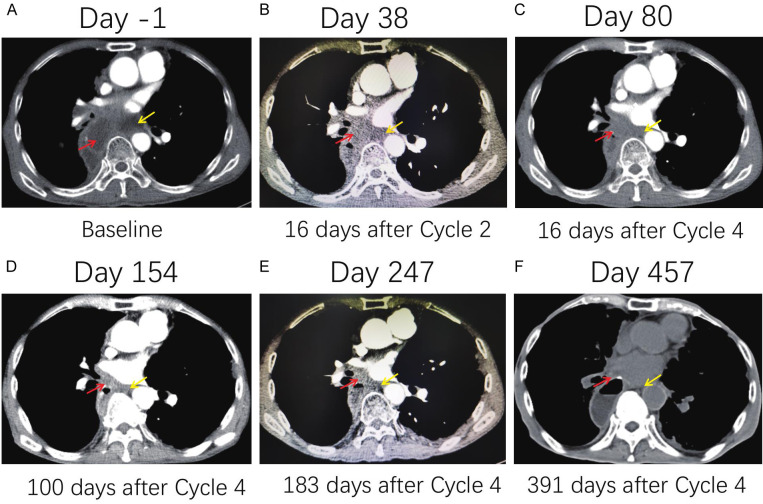
▲Source of the image"Am J Cancer Res", the copyright belongs to the original author. If we unintentionally infringe on intellectual property rights, please contact us for removal.
At the 2024 American Society of Clinical Oncology (ASCO) conference, data from the first human clinical study (NCT03674073) of a personalized mRNA cancer vaccine independently developed in China was unveiled.
The results showed that: the combination of the vaccine with ablation therapy has controllable safety, can activate immune responses, and demonstrates potential for prolonging patient survival. Specifically,The 1-year recurrence rate in the vaccinated group was 18.2%, significantly lower than 33.3% in the control group.;The 2-year recurrence rate was 36.4% in the vaccinated group, which was also lower than the 51.4% in the control group., which indicatesThis combination therapy can significantly reduce the recurrence rate of hepatocellular carcinoma patients.
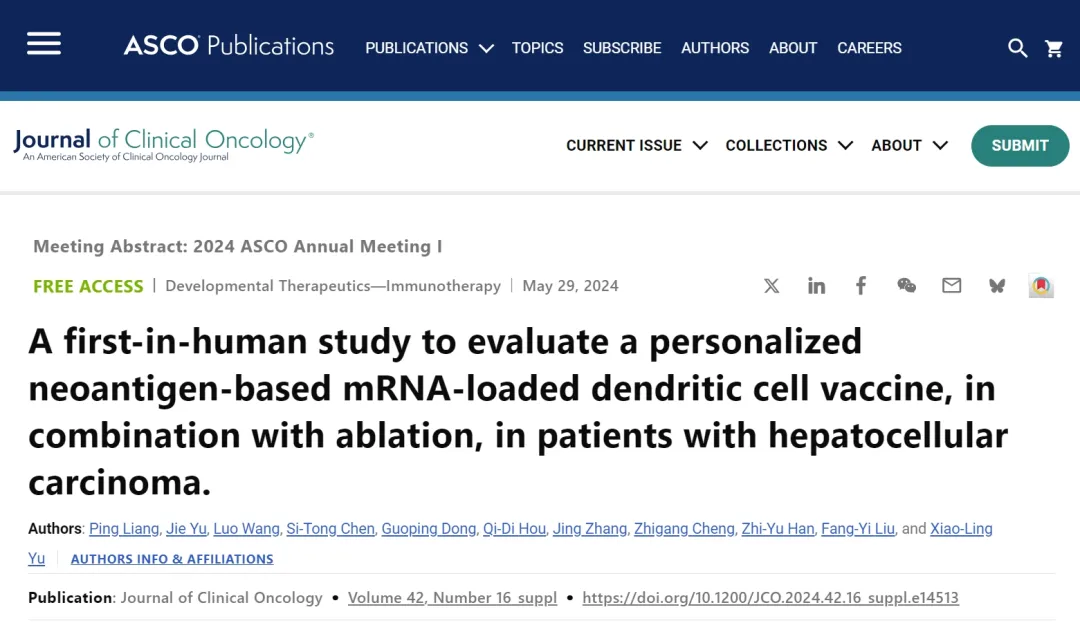
▲Screenshot from "ASCO"
China's Top Medical Journal 'Cell Research' Reports on a Study Conducted by the Clinical Team at Ruijin Hospital, Affiliated with Shanghai Jiao Tong University School of Medicine. The study confirmed for the first time through human trials that an mRNA vaccine targeting multiple neoantigens demonstrated safety and preliminary efficacy in 13 patients with advanced melanoma, even causing tumor shrinkage in two end-stage cancer patients. The mRNA cancer vaccine used in this study targeted the single KRAS G12V mutation.
Taking Patient 002 as an example: The patient is a 69-year-old male who was found to have pulmonary nodules during an annual physical examination. He was diagnosed with advanced non-small cell lung cancer (NSCLC) with multiple metastases in both lungs and mediastinal lymph nodes through CT and PET-CT scans. Having missed the opportunity for surgery, the patient first received pembrolizumab combined with chemotherapy (nab-paclitaxel + nedaplatin). After three cycles of treatment, the tumor lesions significantly regressed, but subsequent drug resistance developed, accompanied by severe neurotoxicity primarily manifesting as limb numbness and fatigue. Chemotherapy was then discontinued, and the treatment was switched to mRNA vaccine combined with pembrolizumab, completing a total of nine cycles.
The results showed that: According to the Response Evaluation Criteria in Solid Tumors (RECIST 1.1), the patient achievedPartial Response (PR), with the lesion in the right lung almost disappeared and significant reduction in the size of the lesion in the left lung and mediastinal lymph nodes.(See the figure below for details). More surprisingly, during the treatment period,The patient only experienced expected and controllable fever or pain at the injection site, with no other adverse reactions.,Not only has it significantly reduced the suffering caused by treatment, but it has also markedly improved the quality of life for patients.。
▼ Patient 002 CT Comparison of Multiple Tumor Lesions Before and After Cancer Vaccine Treatment
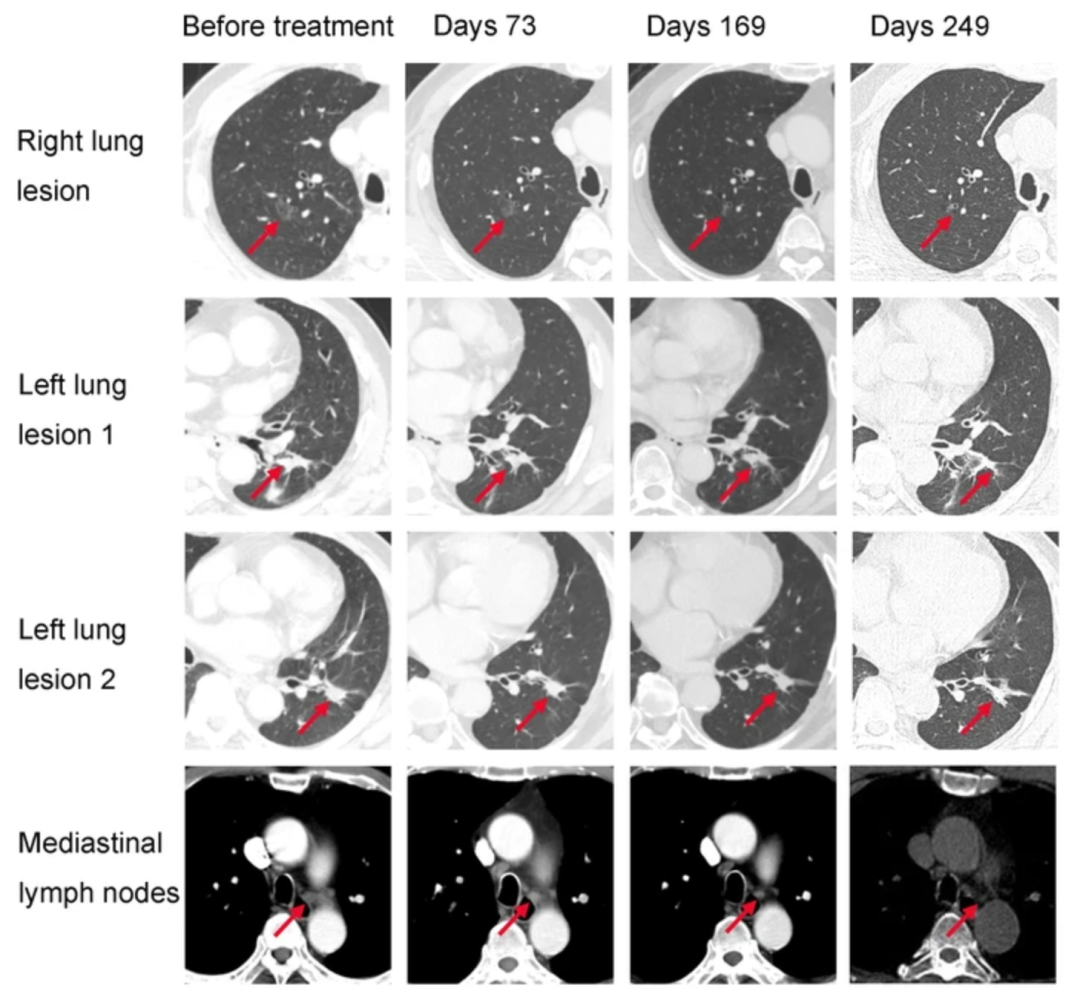
▲Source: "Cell Research", all rights reserved. If we unintentionally infringe on intellectual property, please contact us for removal.
In addition to the DC vaccines and mRNA vaccines mentioned above that have made breakthrough progress, there are several other vaccines under research in China that are poised for development. Clinical trials have been launched at multiple cancer centers across the country, and many patients with advanced stages have already been treated through these efforts.Global Cancer Doctors Network (400-666-7998), successfully enrolled for treatment!
KSD-101 is a self-developed autologous DC vaccine derived from human monocytes loaded with EB virus-related tumor composite antigens by Hengsai Bio. In March 2024, the Investigational New Drug (IND) application for this vaccine was approved by the U.S. Food and Drug Administration (FDA), making KSD-101 the...China's First Self-Developed DC Vaccine Product to Receive FDA IND Clearance in the United States!
MASCT-I is a Class 1 cell therapy product independently developed by Hengrui Yuanzheng. Its active components include mature autologous dendritic cells (DC cells) loaded with multiple tumor-associated antigens and autologous effector T lymphocytes (T cells) activated and expanded by DC cells.
At the 2024 American Society of Clinical Oncology (ASCO) Annual Meeting, the "Phase 1 Clinical Study Data of MASCT-I in the Treatment of Metastatic Urothelial Carcinoma (NCT03034304)" was announced, and its Phase 2 clinical study has been approved by the Center for Drug Evaluation (CDE) of the National Medical Products Administration (NMPA)!
Survivin-Targeted DC Cell Injection is a dendritic cell (DC) product loaded with antigen mRNA for primary glioblastoma, developed by Qichengsheng Biotechnology. It is also the world's first mRNA-DC cancer vaccine targeting Survivin for glioblastoma! Its therapeutic goal is to help patients eliminate residual cancer cells after surgery, prevent tumor recurrence and metastasis, and extend patient survival. Preliminary clinical exploratory research data shows that one patient has survived for over five years post-treatment!
CUD002 is an individualized mRNA-edited DC tumor vaccine for ovarian cancer independently developed by Kandesai Medical. It is custom-designed and manufactured based on the unique mutation information of patients. Notably, it is China's first mRNA-edited DC tumor vaccine targeting neoantigens for ovarian cancer treatment! In September 2023, its clinical trial received tacit approval from the Center for Drug Evaluation (CDE) of the National Medical Products Administration, and it is intended for the treatment of refractory/resistant recurrent ovarian cancer.
ZSNeo-DC1.1 Injection is a novel personalized dendritic cell vaccine independently developed by Zhongsheng Kangyuan. Its clinical trial application has been approved by the Center for Drug Evaluation (CDE) under the National Medical Products Administration (NMPA) for the treatment of various types of malignant solid tumors. Notably, it is the first therapeutic tumor DC cell product loaded with multiple tumor neoantigen peptides to enter the registrational clinical research phase in China!
CAR-DC Cancer Vaccine is a product that utilizes engineered dendritic cell expansion technology (CelArts-DC) to selectively expand primary DC subsets in peripheral blood, successfully overcoming various application challenges faced in the use of DC cells, such as limited sourcing of DC cells and high requirements for the immune system.
Cancer Vaccines: After decades of development, cancer vaccines are gradually moving from laboratories to clinical research. To date, the NIH ClinicalTrials.gov website lists more than 7,000 tumor vaccine projects in various stages of development, including mRNA vaccines, dendritic cell (DC) vaccines, personalized neoantigen vaccines, and many other types. We also look forward to the emergence of more cancer vaccines in the future, which will hopefully create further miracles in the fight against cancer!
If you also wish to seek help from cancer vaccines or other new anti-cancer technologies available in China or abroad, you can submit your treatment history, discharge summary, recent pathological examination, and imaging examination reports toGlobal Oncology Doctors Network Medical Department (400-666-7998), preliminary assessment of the condition or application for consultation with domestic and international cancer experts.
[1]Yu Y J,et al.Preliminary clinical study of personalized neoantigen vaccine therapy for microsatellite stability(MSS)-advanced colorectal cancer[J].Cancer Immunology, Immunotherapy,2023: 1-12.
https://link.springer.com/article/10.1007/s00262-023-03386-7
[2]Guo Z,et al.Durable complete response to neoantigen-loaded dendritic-cell vaccine following anti-PD-1 therapy in metastatic gastric cancer. NPJ Precis Oncol.2022 Jun 3;6(1):34.
https://www.nature.com/articles/s41698-022-00279-3
[3]Wang B,et al.Personalized mRNA vaccine combined with PD-1 inhibitor therapy in a patient with advanced esophageal squamous cell carcinoma. Am J Cancer Res. 2024 Aug 25;14(8):3896-3904.
https://pmc.ncbi.nlm.nih.gov/articles/PMC11387870/
[4]Wang X,et al.Combination therapy of KRAS G12V mRNA vaccine and pembrolizumab: clinical benefit in patients with advanced solid tumors[J]. Cell Research, 2024, 34(9): 661-664.
https://www.nature.com/articles/s41422-024-00990-9
[5]Liang P,et al.A first-in-human study to evaluate a personalized neoantigen-based mRNA-loaded dendritic cell vaccine, in combination with ablation, in patients with hepatocellular carcinoma[J]. 2024.
https://ascopubs.org/doi/abs/10.1200/JCO.2024.42.16_suppl.e14513
This article is original from Global Cancer Doctors Network. Reprinting is strictly prohibited without authorization.
Scan to add patient group
Cancer Fighting News|New Technologies|New Drug Development|Authoritative Experts
Join the group to receive free anti-cancer resources