Gilead Sciences Exits MASH Therapeutics and Liver Disease Pipeline Following Termination of Novo Nordisk Combination Therapy Collaboration
Aug 12, 2025 09:15
CST Updated
09:15

Gilead Sciences
Antiviral Drug Developer
 After the release of the Q2 2025 earnings report, Gilead Sciences announced the termination of its MASH (Metabolic Dysfunction-Associated Steatohepatitis, previously known as NASH, Nonalcoholic Steatohepatitis) combination therapy project in collaboration with Novo Nordisk. This project was evaluating the combination of cilofexor and firsocostat with semaglutide for the treatment of MASH. This decision signifies that Gilead has completely cleared its pipeline in fibrotic diseases and will allocate more resources to oncology and other fields, marking a full departure from its long-standing focus on liver disease.
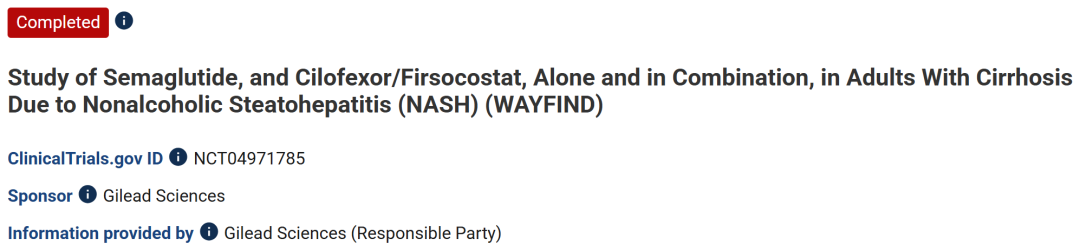 MASH is a complex and progressive liver disease characterized by excessive fat accumulation in the liver accompanied by inflammation. As the condition advances, it can lead to liver fibrosis, and in severe cases, result in scarring of the liver or even progress to end-stage liver disease requiring a liver transplant. Globally, the number of MASH patients is substantial and on the rise. The significant unmet clinical needs have attracted numerous pharmaceutical companies to invest in related drug development, with Gilead Sciences being one of them. Gilead has committed substantial manpower, resources, and finances in an attempt to address this medical challenge, yet the journey of research and development has been fraught with difficulties.
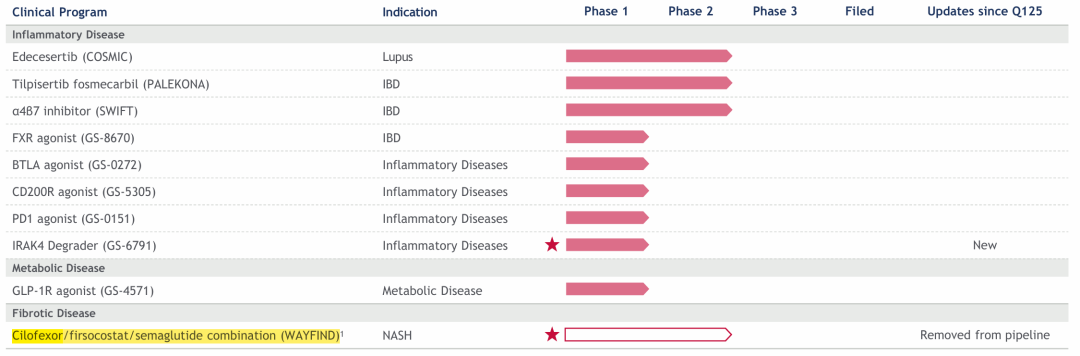 But reality did not go as people wished, and Gilead Sciences ultimately announced the termination of this collaborative project. Although a Phase II clinical trial involving 457 patients was completed in December 2024, Gilead Sciences has not yet publicly disclosed any related data, prompting widespread speculation about the reasons.
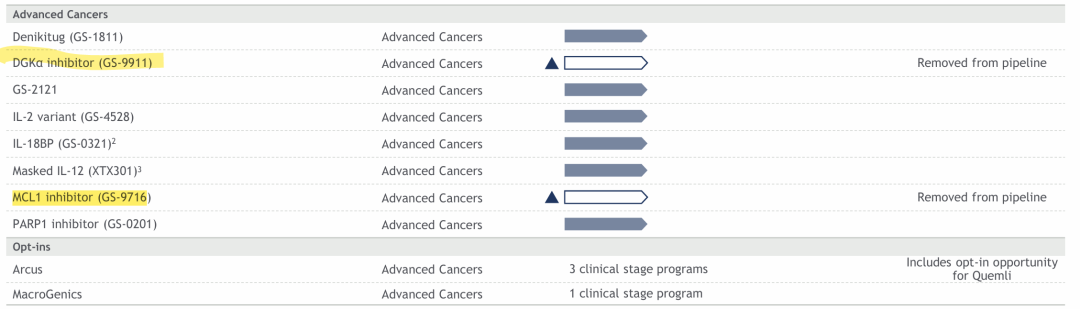 In addition to making significant adjustments in the field of liver diseases, Gilead has also initiated a cleanup in its oncology pipeline by terminating the development of two early-stage oncology assets: DGKα inhibitor GS-9911 and MCL1 inhibitor zamzetoclax (GS-9716). Both candidates were previously in Phase I clinical trials, aimed at treating patients with advanced solid tumors and advanced solid malignancies, respectively. This major shift in research direction highlights a strategic realignment for Gilead, with the company likely to increase investment in oncology and other areas of strength to seek new growth opportunities. The once highly anticipated liver disease sector, particularly the development of MASH treatments, may become a thing of the past in Gilead's history.