Zhiran Medical Secures Over $42 Million in Series A Funding to Advance Flexible Invasive Brain-Computer Interface Platform

BCIFlex
Invasive High-Throughput Ultra-Thin Flexible Brain-Computer Interface System Developer

Investment Invitation Notice:September 4-5, 2025, The 3rd Global Surgical Robotics Conference
Recently,Beijing Bciflex Medical Technology Co., Ltd. (referred to as "BCIFlex") announced the completionOver 300 MillionSeries A+ FinancingLed by the Social Security Fund Zhongguan Village Independent Innovation Special Fund (managed by Legend Capital), Legend Capital, and IDG Capital, with continued investment from existing shareholder OrbiMed, and participation from China Life Capital, Beijing Medical and Health Industry Investment Fund, Lenovo Ventures, and existing shareholders Meituan Longzhu and Baidu Ventures.
This is another significant financing milestone for BCIFlex since its establishment in 2022.The total amount of financing has approached 500 million RMB.. This round of funding will mainly be used for the advancement of core technology research and large-scale clinical trials.
# About BCIFlex
Brain-computer interface is a key technological pathway connecting the human brain with external devices. Among these, invasive solutions are considered crucial for achieving efficient human-computer interaction due to their high-throughput, high-resolution signal acquisition and precise neural modulation capabilities.
BCIFlex has chosen this challenging route since its establishment——Invasive solutions based on ultra-thin flexible electrodes align with Musk's Neuralink technical direction.The company believes that this direction represents the ultimate form for achieving efficient two-way brain-computer interaction.
Flexible Electrodes and Systematic Layout
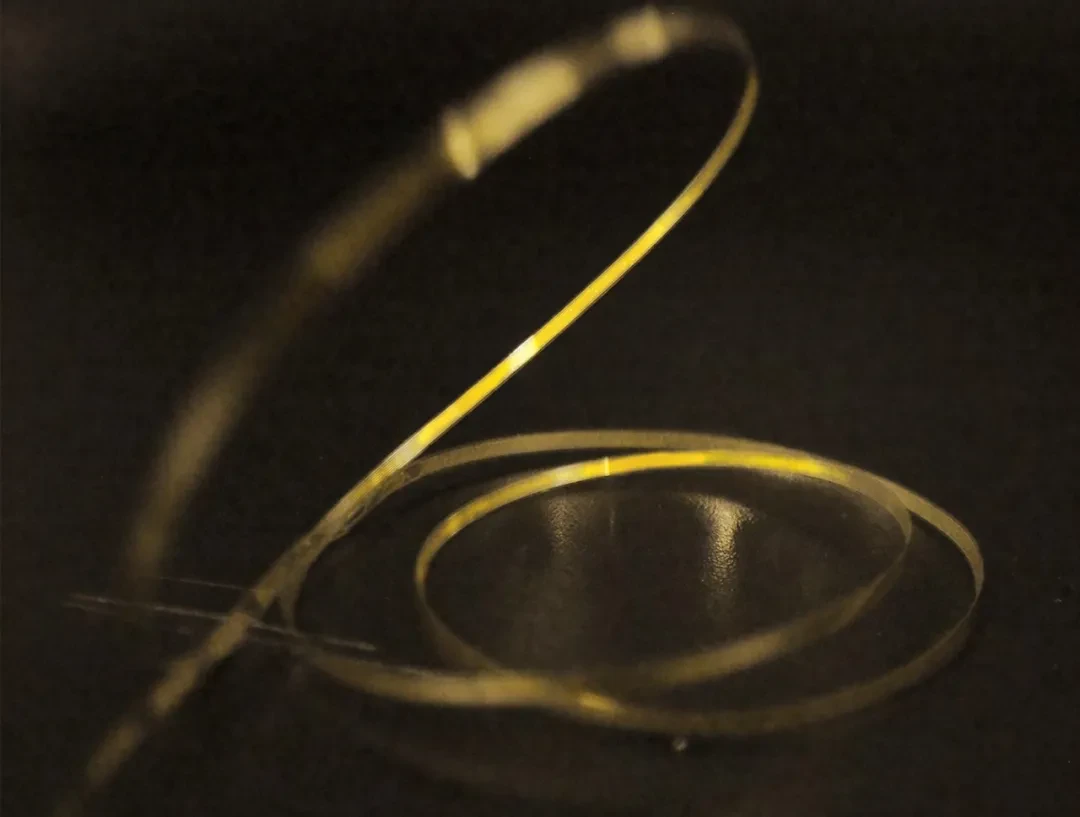
Flexible electrodes are the core components of invasive brain-computer interfaces.High-Throughput Flexible Electrodes Independently Developed by BCIFlex Have Been Granted Patents in China and the U.S., with a Thickness of Only Micron-Level, which can significantly reduce implantation damage and has passed biocompatibility verification. To address the common industry issue of electrode displacement, the company has designed an anti-dislodgement structure to enhance the stability of long-term signal acquisition.
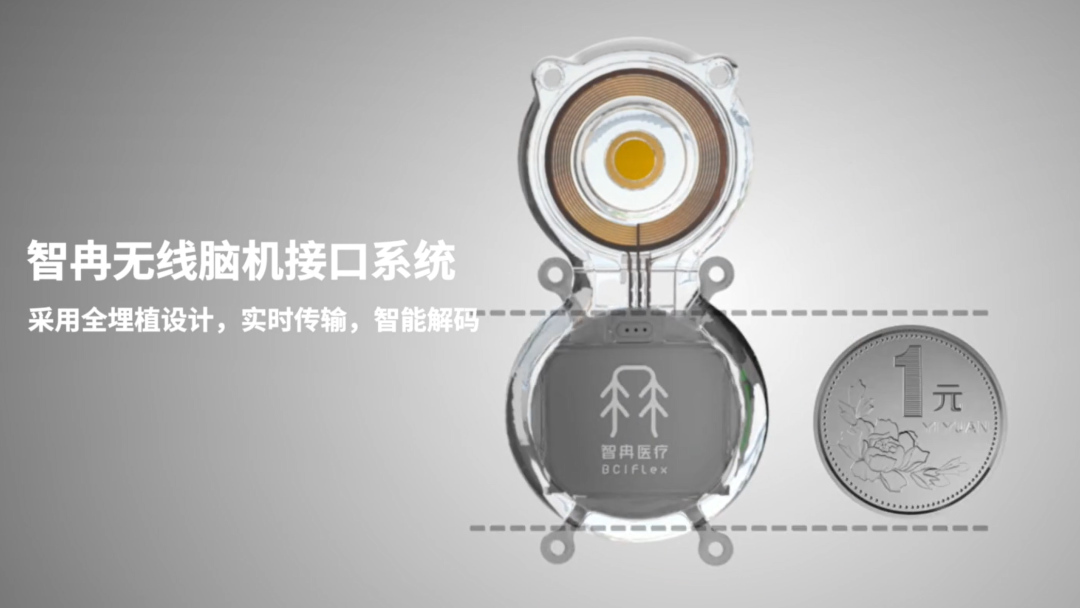
Centered around the core electrode, BCIFlex has also independently developed a fully implantable high-throughput wireless signal acquisition system.Supports 1024 channelsDao GodNeuronal action potential acquisition, combined with deep neural network algorithms and a large-scale EEG data platform, enables more precise and real-time intention decoding.The accompanying automatic implantation robot has micron-level positioning capability, which can automatically plan paths, avoid blood vessels, and improve the efficiency and safety of the surgery.
BCIFlex has built a clinical-grade micro-nano processing workshop and GMP workshop covering over a thousand square meters, achieving full-process autonomy from research and development, design to mass production. This layout provides industrialization support for the future implementation of products in medical scenarios.
# Driven by Both Capital and Policy
Multiple investors judge that invasive brain-computer interfaces are at a critical stage of transitioning from laboratory to clinical application. Breakthroughs in core technology and systematic implementation capabilities will become key indicators of a company's competitiveness. BCIFlex’s layout in flexible electrodes, full-link systems, and algorithms is considered to have a high technical threshold.
At the same time, the seven departments jointly released by the country"Implementation Opinions on Promoting the Innovative Development of the Brain-Computer Interface Industry"Clearly stated,Encourage the R&D in high-performance brain signal sensing components, implant surgery robots, and other fields., this guidance provides policy support for the development of the industry.
Driven by the combined forces of technology, capital, and policy, the clinical and industrialization process of invasive brain-computer interfaces is accelerating. The next steps for BCIFlex and similar companies are worth continued attention.
SIYU Annual Event Review:The First Global Ophthalmology Conference | The First Global Orthopedics Conference | The First Global Cardiovascular Conference| The First Global Medical Aesthetics Technology Conference |The 2nd Global Medical Technology Conference
Coming Soon:
September 4-5, 2025, The 3rd Global Surgical Robotics Conference