Roche Considers Relocating Global Headquarters to Asia Amid U.S. Tariff and Pricing Pressures

Roche
Oncology Drug Research, Development, and Manufacturing
Pioneer in Medical Device Media Reports
Share Professional Medical Device Knowledge
After the U.S. "reciprocal tariff" took effect on August 7, Switzerland, a neutral country, was hit hard. The tariff rate for most of its exports to the U.S. is 39%.The highest among all developed countries。
The medical industry accounts for half of Switzerland's exports to the United States.Recently, the two major Swiss medical giantsRoche and Novartis Issue Public Warnings: If Tariffs and Price Cuts Take Effect Simultaneously,"Does not rule out moving some global headquarters functions to other countries in Asia or Europe."
Since Trump announced in April the increase of tariffs globally, Roche was one of the first medical device companies to declare the shift of its supply chain to the United States.
Roche has a solid manufacturing foundation in the United States, including subsidiaries.Genentech, alsoWith 15 R&D bases and 14 manufacturing plants,On this basis, on April 22, Roche announced that it would invest USD 50 billion (approximately RMB 360 billion) in the pharmaceuticals and diagnostics sectors in the United States over the next five years.
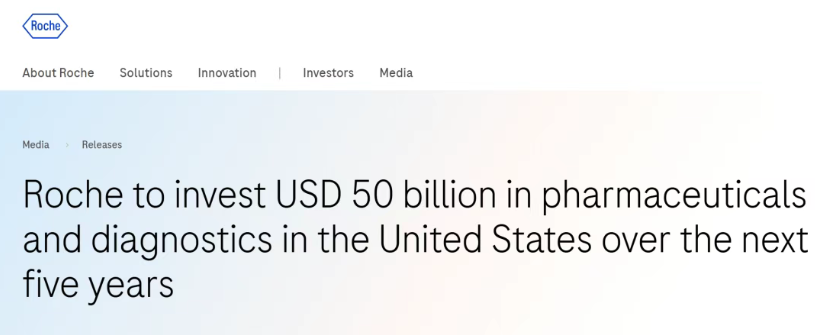
Roche's quick launch of tariff countermeasures is, to a certain extent, also due to its long-planned investment in the United States.This investment will also support the construction of a new factory for continuous glucose monitoring devices in Indiana and a gene therapy manufacturing plant in Pennsylvania, as well as upgrades to current U.S. facilities.ItsThe goal is that, in the future, the products exported from the U.S. will be more than the imported ones, and all medicines consumed in the U.S. will be produced in the U.S.
However, Roche CEO Thomas Schinecker also pointed out,For certain businesses, such as the diagnostics sector ("with 10,000 products"), it is simply not feasible to localize the production of all products within a single country.
According to Roche's expectations, under such investment efforts, the company should be entitled to tariff exemptions. Moreover, Roche actively maintains dialogue with governments of various countries. Thomas Schinecker stated that Roche has been "highly engaged" in discussions with the U.S., Switzerland, China, and the EU regarding the impact of tariffs.
However, Roche's confidence was quickly shattered. After announcing the tariff increase, Trump began to frequently deliver heavy blows to the healthcare industry. On May 20, TrumpThe "Most Favored Nation" (MFN) drug pricing executive order has been issued. This means that U.S. pharmaceutical companies must align with the lowest drug prices among developed countries globally.Given that drug prices in the United States are about three times higher than those in other OECD member countries, it implies that the potential reduction in U.S. pharmaceutical prices could reach 70% to 90%.
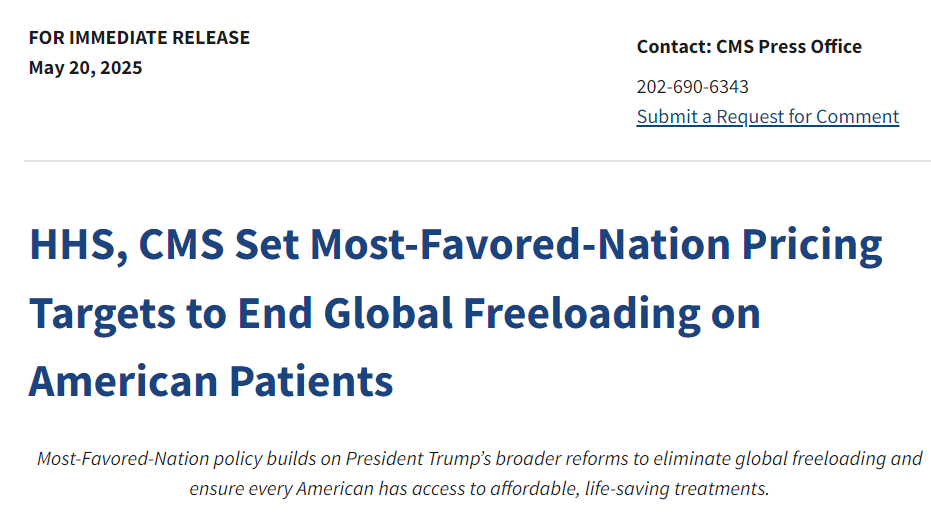
When huge investments fail to secure exemption promises, Switzerland is obviously at a disadvantage in national-level tariff negotiations and cannot serve as a strong backing for enterprises such as Roche.
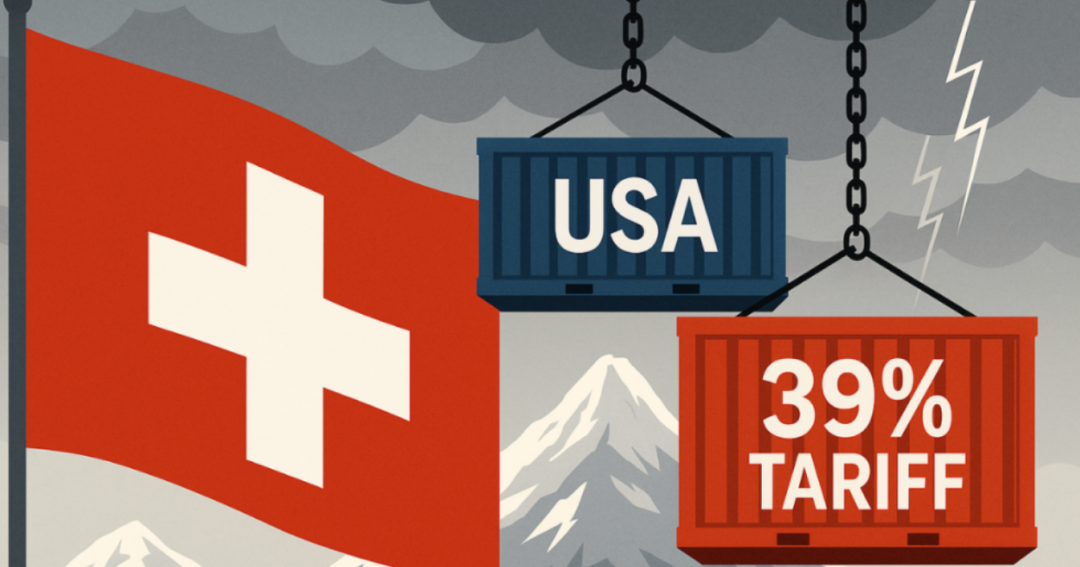
A few days ago, after the final tariff was confirmed, the general reaction in all sectors of Switzerland was shock.Swiss media expressed disbelief, comparing the current situation to the 1515 Battle of Marignano, where the Swiss army suffered a historic defeat.Switzerland originally believed that its relationship with the United States was close and that it had no more concessions to offer.
As early as January 2024, Switzerland implemented tax exemptions on imports of industrial goods from the United States.Currently, 99% of American goods enjoy tax-free treatment in Switzerland.In the PresidentKeller-SutterUnder the leadership, Swiss officials have made great efforts to improve relations with Washington and signed several major agreements,They even purchased American fighter jets,Promise to invest 150 billion US dollars in the United States.Switzerland ranks first in per capita investment.
Previously,Keller-SutterOnce rejoiced at the brief suspension of U.S. tariff threats, believing that friendly dialogue had borne fruit. However, Switzerland, which now can no longer make concessions, is facing a situation more severe than the EU.(15%)A tax rate more than twice as high.
Switzerland's tariff predicament means Roche will diversify its investments.Roche, along with other healthcare groups, has previously warned the European Commission that its manufacturing and R&D operations might relocate to other regions if pharmaceutical regulations are not reformed.
Roche Diagnostics' Largest Single Investment in China
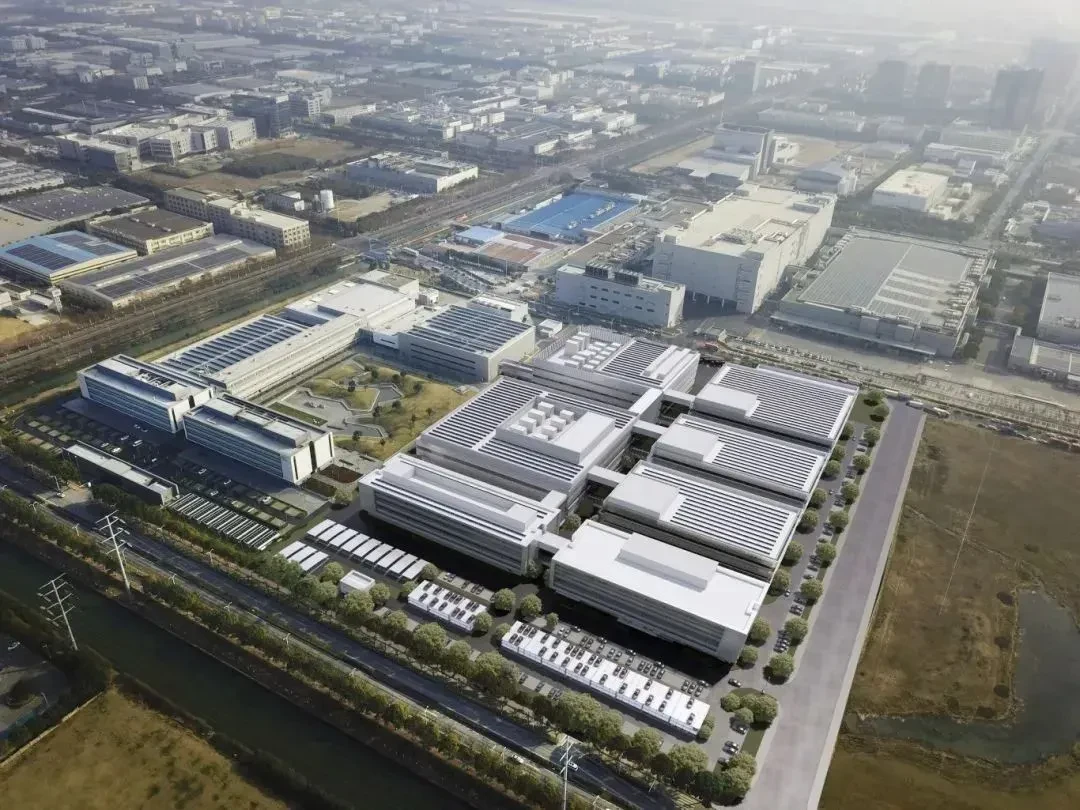
Phase I of the project,Land use: 55 mu,Expected to be completed in 2027 and officially commence operations in 2028. Once completed, Roche Suzhou will produce over 400 types of reagents and instrument products, with an annual output value reaching tens of billions of yuan, and cumulative investments amounting to 1 billion Swiss francs.
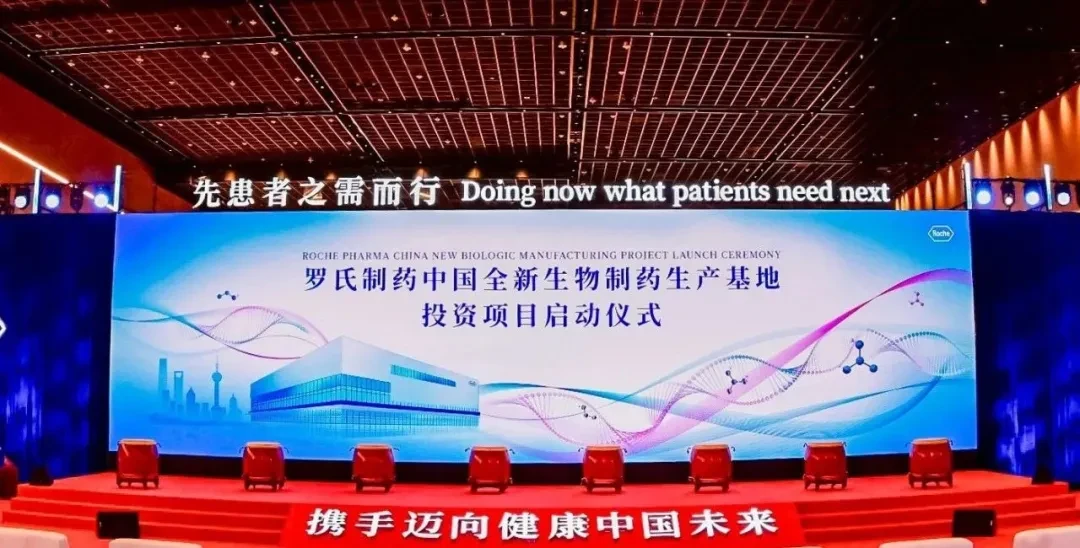
On May 8 this year,Roche Pharmaceuticals China New Biopharmaceutical Production BaseThe investment project launch ceremony was held at the Zhangjiang Science Hall.Roche Pharmaceuticals China Announces Investment of 2.04 Billion Yuan to Build New Biopharmaceutical Production Base in Shanghai, aiming to strengthen Roche's supply chain and localization of production layout in China.
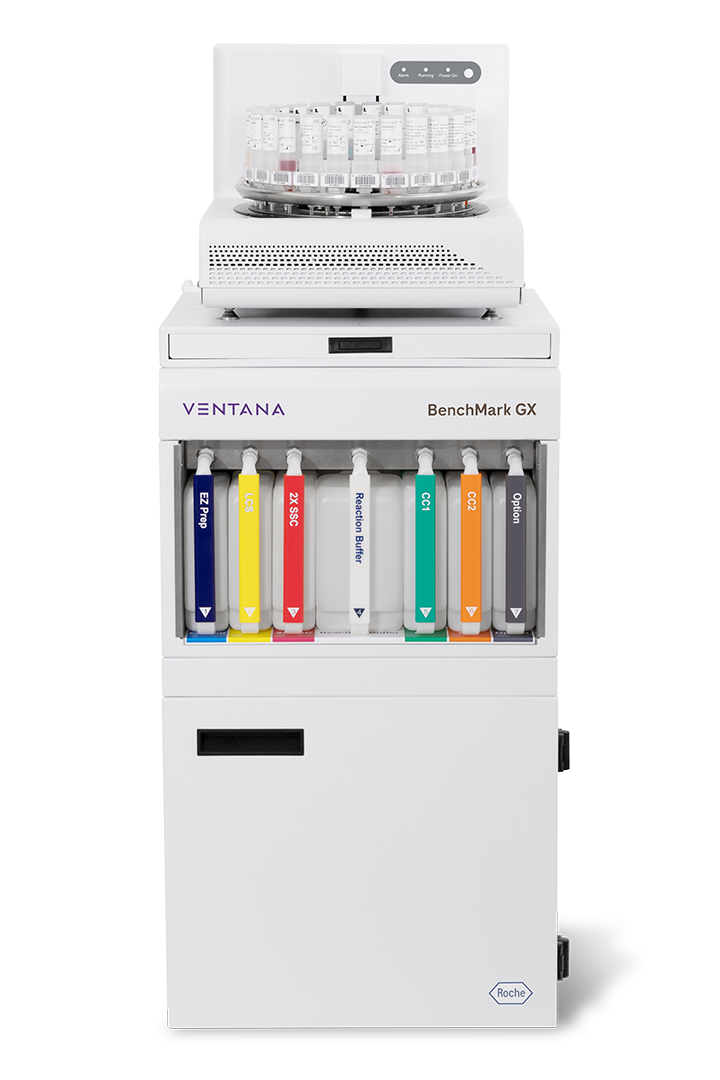
On August 12, Roche Diagnostics China announced,China-produced Fully Automated Immunohistochemistry Staining Platform BenchMark GX Officially Approved.This is another significant achievement in Roche Diagnostics' localization strategy in China, following the approval and market launch of the domestically produced BenchMark ULTRA PLUS last year.
More exciting content
Welcome to follow WeChat Video Channel


High-End Medical Imaging Project Lands in Suzhou
Medtronic: To Invest in Chinese Start-up Device Companies
Siemens Healthineers Teams Up with "The King of Gaming"
Deepening Interventional Imaging, GE Healthcare Achieves Strategic Collaboration
144 Billion Medical Device Giant Goes Public in Hong Kong
87 Sets of Ultrasound Equipment Procurement: Mindray and Neusoft Secure the Deal
Philips, Reducing Stake in China's Medical Leader
$16.1 Billion: Bezos and Johnson & Johnson Team Up to Acquire Medical Device Company
A-share Medical Device Leader Enters the Smart Robot Market
Clinical Trials Begin: United Imaging Photon Counting CT Arrives

BusinessBusiness cooperation email: qxzj@landianyiliao.com