

Cytokine Biomarker Detection Solutions Accelerate COPD Drug Development: ACROBiosystems Highlights Validated ELISA Kits for IL-6, IL-8, IL-5, and TSLP

Hengrui Pharma
Innovative and High-Quality Pharmaceutical Developer

GSK
Pharmaceutical R&D Manufacturer
Recently, Hengrui Pharma announced a collaboration with GSK (GSK) has reached a collaboration to jointly develop up to 12 innovative drugs, with GSK paying $500 million upfront and potential earnings exceeding $12 billion. In this deal, the newly approved COPD drug HRS-9821, which entered clinical trials in early July, stands out. Hengrui Pharma has invested only 38.43 million yuan in the development of this product.
The attention this innovative drug has received is closely related to the booming research and development of new drugs for COPD. Currently, the treatment for COPD patients is mainly symptomatic, with regimens including glucocorticoids, bronchodilators, etc., but the condition of many patients continues to deteriorate. This makes the demand for the development of new mechanism drugs urgent and further highlights the value of HRS-9821.
Background and Pathogenesis of COPD

COPD is a progressive, heterogeneous inflammatory lung disease, including chronic bronchitis and/or emphysema. Globally, more than 390 million people suffer from COPD, which is the third leading cause of death. Patients with COPD experience persistent respiratory symptoms such as shortness of breath, coughing, and sputum production, and due toChronic InflammationLeading to progressive airflow obstruction, affecting daily life.
COPD involves multiple inflammatory pathways with complex pathogenesis, and not all pathways are specific to COPD (Figure 1). Viruses, smoking, and bacteria cause oxidative stress-induced airway epithelial injury, prompting the release of alarmins. This process exists in COPD associated with type 2 and type 3 inflammation, triggering downstream inflammation, which chronically persists and can lead to airway remodeling, constituting the clinical manifestations of COPD. In type 1/3 inflammation, alarmins promote dendritic cells to induce Th0 cell differentiation into Th1/Th17 cells, enhance macrophage activation, polarize macrophages to release cytokines, and together with IL-17 from Th17 cells, stimulate MMP production and increase neutrophils.
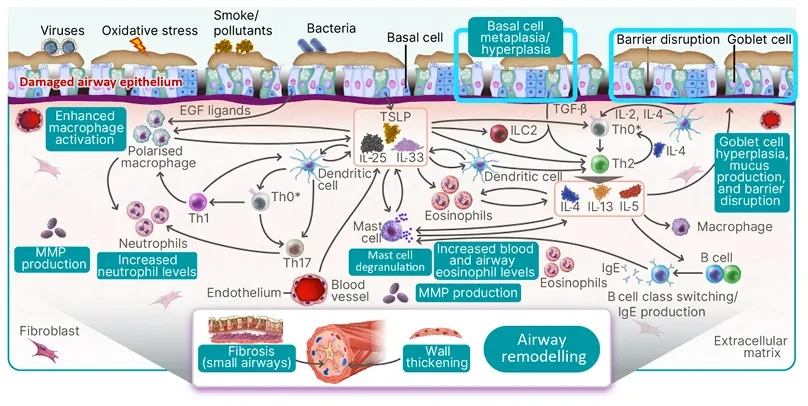
Figure 1.The inflammatory pathways associated with chronic obstructive pulmonary disease are diverse.
Notably, the roles of type 2 cytokines in COPD with type 2 inflammation are becoming increasingly clear, with IL-4, IL-13, and IL-5 having both distinct and overlapping functions (Figure 2). IL-4 induces naïve T cell differentiation into Th2 cells and also stimulates degranulation of basophils and mast cells; IL-13 uniquely acts on goblet cell hyperplasia and mucus secretion; IL-5 uniquely activates eosinophils in the bone marrow. IL-4 and IL-13 overlap in B-cell class switching, and all three stimulate eosinophil migration to tissues.
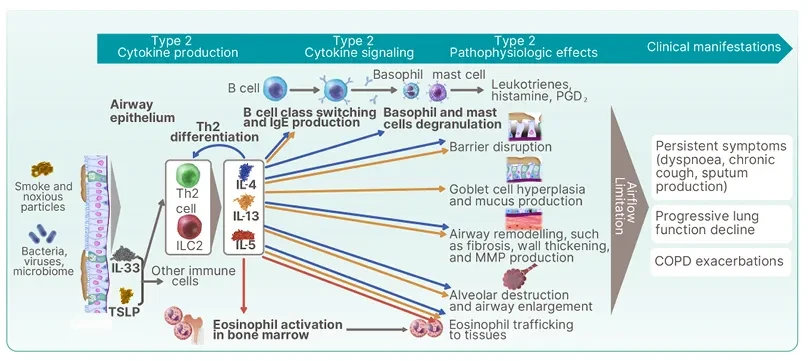
Figure 2 Potential Role of Type 2 Cytokines in Chronic Obstructive Pulmonary Disease with Type 2 Inflammation
Clinical Research on COPD

Clinical ResearchDiscovery,The level of IL-6 in induced sputum of COPD patients is significantly higher during acute exacerbation (AECOPD) than during the stable phase (SCOPD), and it is positively correlated with GOLD grading. The difference is statistically significant.These resultsPromptIL-6 is associated with acute exacerbation of COPD and the degree of airflow obstruction, and may also be related to patient prognosis, complications, and risk of death. Another study shows that the level of IL-6 in sputum of COPD patients is significantly higher than that in serum.。
Meanwhile, IL-8, as a neutrophil chemotactic factor, participates in the inflammatory process by initiating and amplifying inflammatory responses. It has been confirmed as one of the causes of COPD exacerbation and disease progression. High levels of IL-8 can trigger excessive inflammation and tissue damage, and can reflect the degree of airway inflammation in COPD, serving as an important indicator for early diagnosis and condition assessment. Research results show that the level of IL-8 in induced sputum of AECOPD patients is significantly higher than that in SCOPD, and is positively correlated with the GOLD classification of COPD patients, suggesting that IL-8 is involved in the process of COPD exacerbation and can reflect the degree of airflow obstruction.
Advance COPD Drug Research

The pathogenesis of COPD is highly complex and has not been fully confirmed. Chronic inflammatory response is generally considered one of the most important causes, with increased eosinophil levels mediated by the Th2 pathway being widely studied. Based on this pathway, various immunosuppressive targeted products have emerged in recent years, such as those targeting IL-4Rα, IL-5, IL-33, and TSLP.
To accelerate the R&D of drugs in these fields, ACROBiosystems provides products that have been validated across various biological samples and are ready-to-use.Biomarker/Cytokine ELISA Detection KitThe product performance is comprehensively validated in biological samples according to the "Bioanalytical Method Validation M10," ensuring the precision, specificity, accuracy, sensitivity, and consistency of drug development and clinical trial analysis results.

✨ Self-produced core materials, strict quality control standards, and GMP manufacturing ensure batch-to-batch consistency;
✨ Standards calibrated by NIBSC/WHO standards to ensure comparability with measurement results from imported manufacturers' kits;
✨ The unique optimization of the sample diluent can effectively reduce the interference of matrix effects from complex samples (such as cell culture medium, serum, and plasma).
✨ Simplified operation process and ready-to-use reagents save experimental time.
☛ Recovery Rate
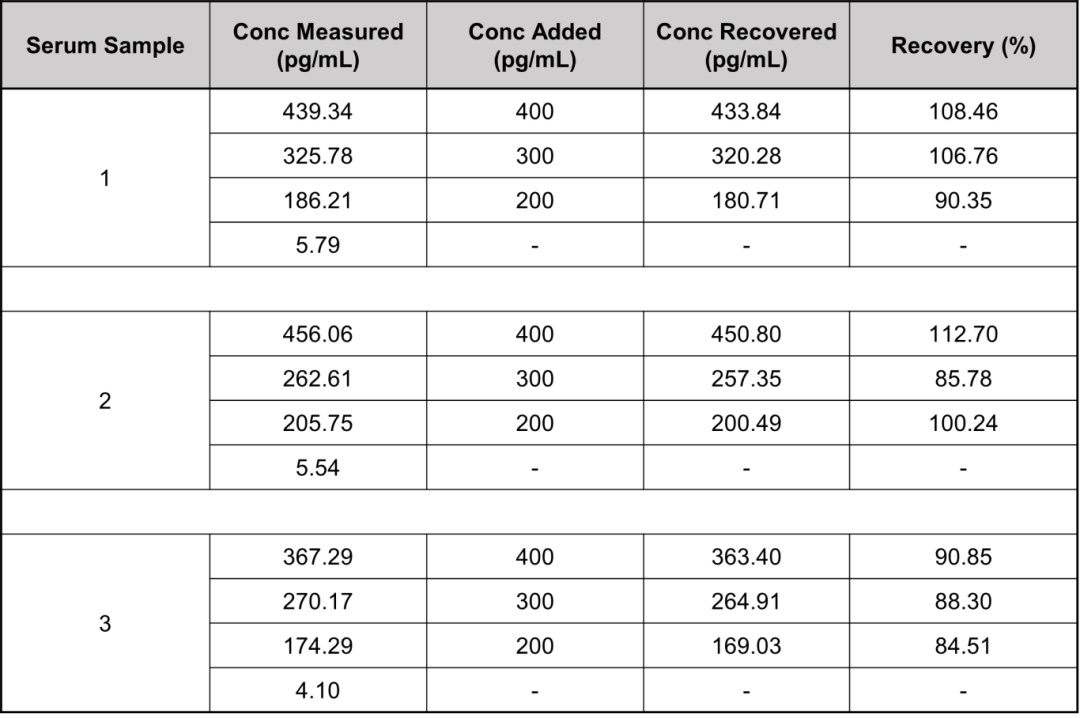
This product (CRS-B004) were used to prepare high-value serum samples, which were then spiked into serum samples at a volume ratio of 1:19. According to the kit instructions, each sample was tested twice, and the average concentration value of the test results was calculated. The recovery rate calculation formula is: (Spiked Sample Value - Blank Sample Value * 0.9) / Theoretical Value × 100%. The average recovery rate of this product is 96.44% (see Table 1 below).
Table 1. CRS-B004 Recovery Rate Data
☛ Actual Sample Value
In the actual sample value measurement of the human IL-8 ELISA kit, 240 serum samples from healthy individuals were used. The measured IL-8 concentration data of the 240 samples are shown in Figure 3:
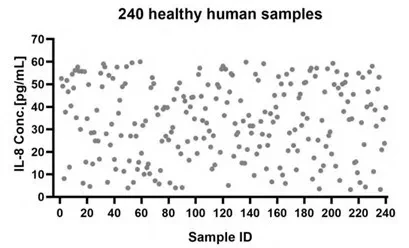
Figure 3. CRS-B004 Actual Sample Data Chart
Human IL-5 ELISA Kit(CEA-C011)
☛ Linear Range
PersonThe linear detection range of the IL-5 ELISA kit is 1.95 pg/mL.– 250 pg/mL. Specific data can be found in Figure 4.
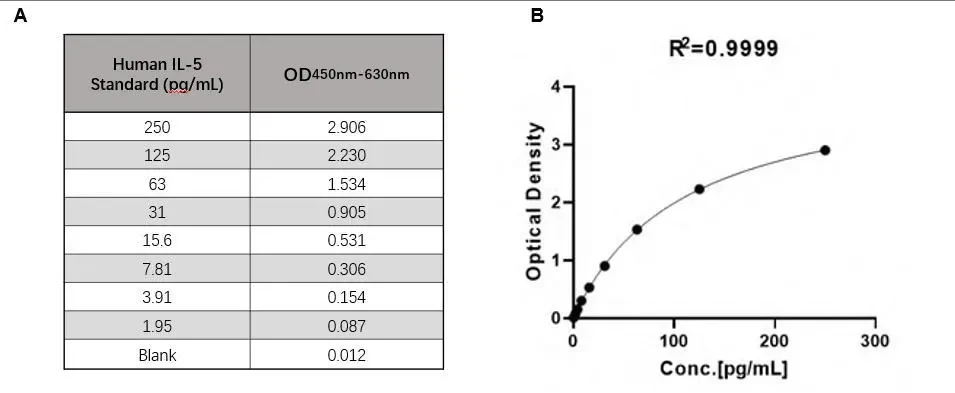
Figure 4.(a). CEA-C011 Kit Standard Curve Linearity Test Data (OD450nm-630nm); (b). CEA-C011 Kit Standard Four-Parameter Logistic Curve Fitting Linearity Graph
☛ Recovery Rate
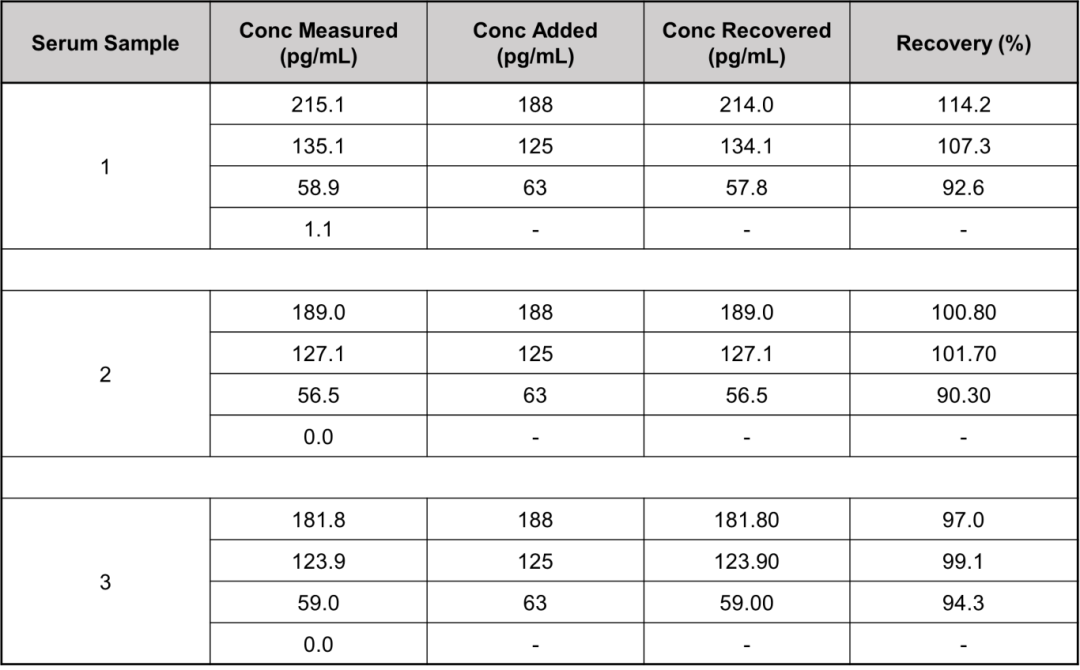
The reference materials in this product (CEA-C011) were prepared into high-value serum samples using sample diluent and spiked into serum samples at a volume ratio of 1:9. According to the kit instructions, each sample was tested twice, and the average concentration value of the test results was calculated. The recovery rate formula is: (Spiked Sample Value - Blank Sample Value * 0.9) / Theoretical Value × 100%. The average recovery rate of this product was 99.70% (see Table 2 below).
Table 2. CEA-C011 Recovery Rate Data
Human TSLP ELISA Kit (CEA-C074)
☛Recovery Rate
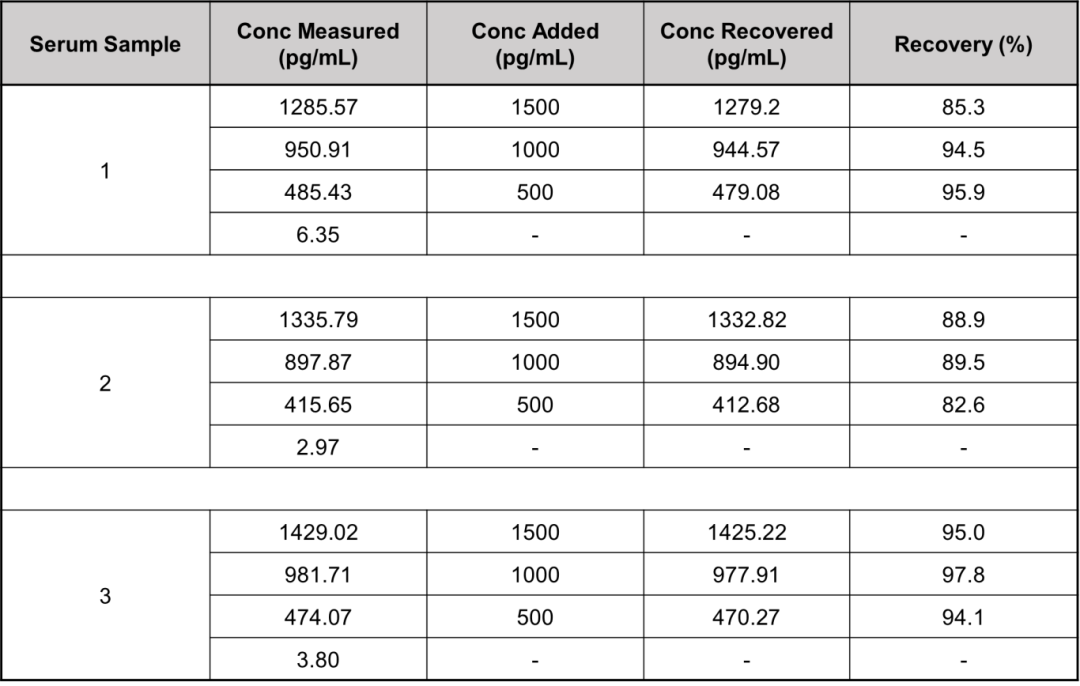
The reference materials in this product (CEA-C074) were prepared into high-value serum samples using sample diluent and spiked into serum samples at a volume ratio of 1:9. According to the kit instructions, each sample was tested twice, and the average concentration value of the test results was calculated. The recovery rate formula is: (Spiked sample value - Blank sample value * 0.9) / Theoretical value × 100%. The average recovery rate of this product was 91.51% (see Table 3 below).
Table 3. CEA-C074 Recovery Rate Data
☛Real Sample Value
In the actual sample value measurement of the human TSLP ELISA detection kit, 16 serum samples from healthy individuals were used. The measured TSLP concentration data for the 16 samples are shown in Figure 5.
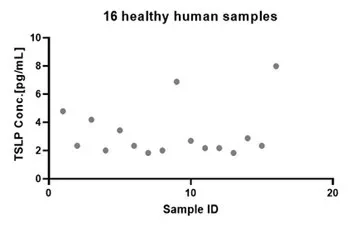
Figure 5. CEA-C074 Actual Sample Data
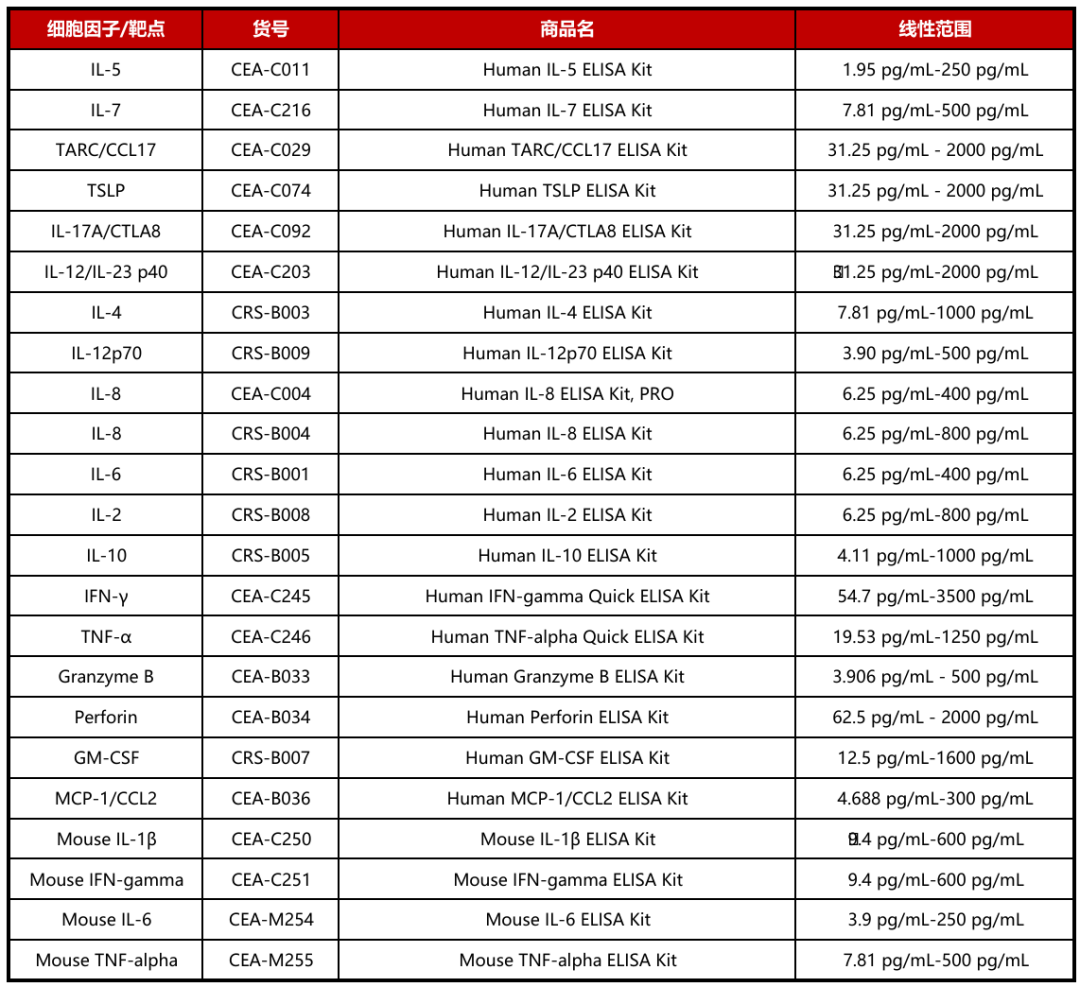
> >> Click the image to view all products
In addition, we also provide customized development services for biomarker detection methods. Welcome to learn more and fill in.Intent Form for the Development and Validation of Biomarker Detection MethodsOr call the customer service hotlineCall 010-53681107 for consultation.




ACROBiosystems
inquiry@acrobiosystems.com
15117918562
(Note: Name + Company)