VantAI and Halda Therapeutics Announce Over $1 Billion Strategic Collaboration to Advance Next-Generation RIPTAC Therapies Using AI
Proxima
AI Drug Discovery Company
Halda
Cancer Drug Developer
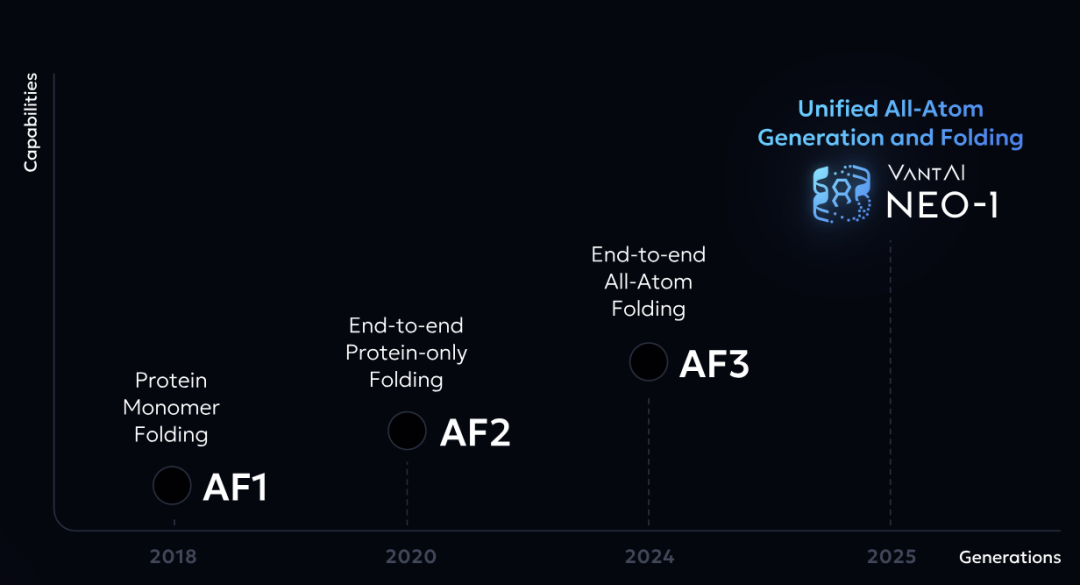
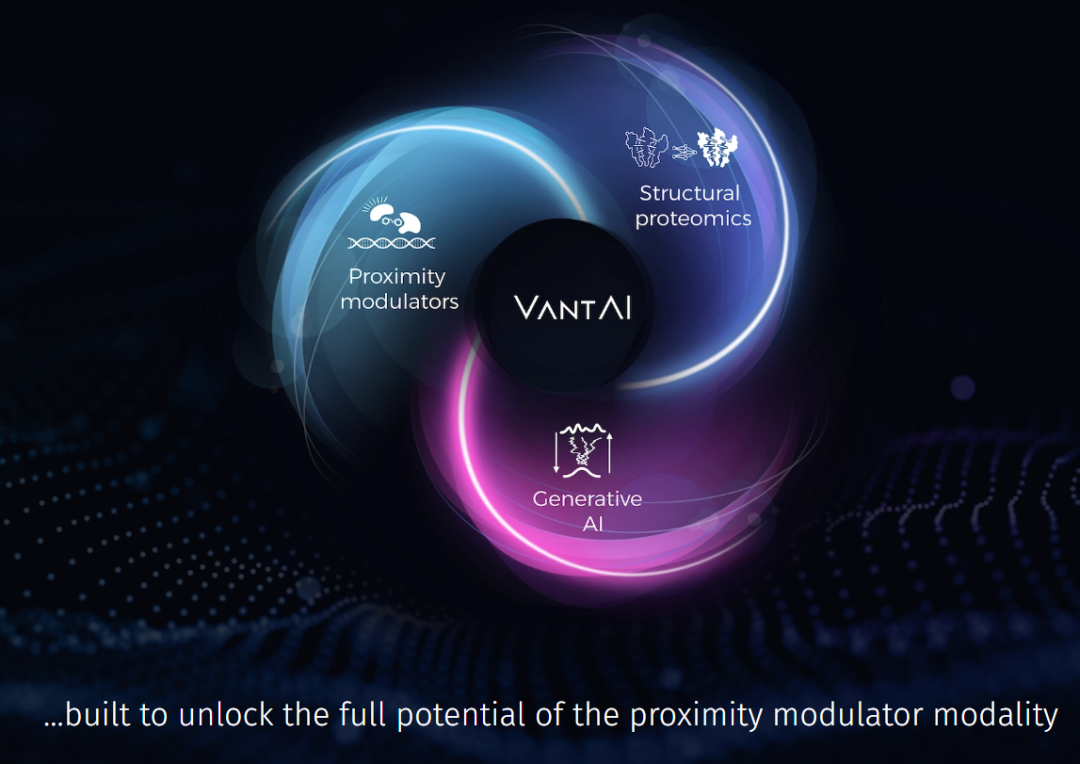
Under the partnership, VantAI will leverage its Neo-1 foundational model and NeoLink high-throughput structural proteomics platform to rapidly identify and validate new, context-specific target-effector pairs. These pairs—spanning oncology and immunology—will directly enter Halda Therapeutics, LLC.'s proprietary RIPTAC development pipeline, which utilizes a unique "retain and kill" mechanism to achieve robust cell-selective action in disease-relevant tissues. By combining Halda’s validation approach with VantAI’s AI-driven rational drug design engine, the partnership is expected to deliver next-generation selective, proximity-based therapies tailored to disease-specific characteristics.
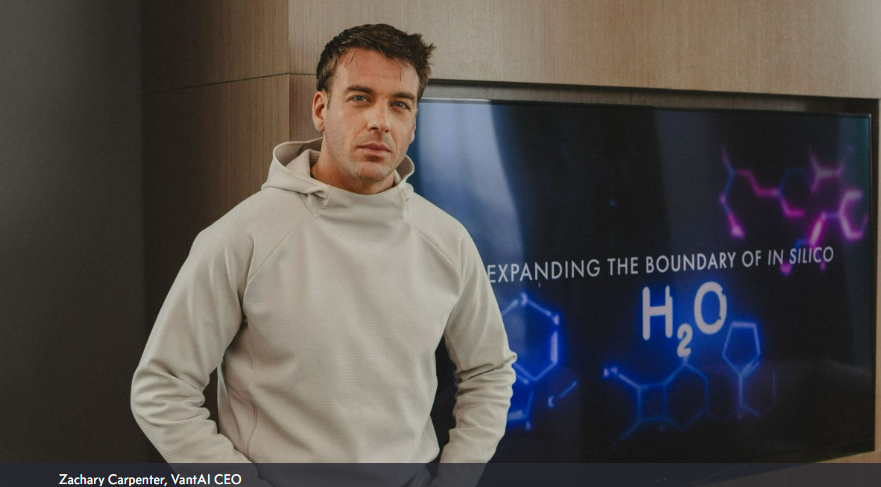
Zachary Carpenter, co-founder and CEO of VantAI, said:"InductionProxima"It is expected to open a new and exciting chapter in medicine, including but not limited to protein degradation. Halda is leading the next wave, having already demonstrated its potential in the clinic. We are jointly advancing the next generation of RIPTAC — leveraging the unique properties of this modality to address previously undruggable targets, with the potential to make a meaningful impact on patients currently underserved by existing therapies."
Christian Schade, President and CEO of Halda Therapeutics, LLC., said:"VantAI's proprietary platform is capable of precisely and systematically rewiring protein interactions. By combining Halda’s novel RIPTAC modality with VantAI’s AI-driven rational drug design engine, this partnership will complement platform discovery efforts and help deliver next-generation selective, proximity-based treatments targeting disease-specific profiles. Halda’s lead candidate, HLD-0915, is currently advancing into Phase 1/2 clinical trials for metastatic castration-resistant prostate cancer (mCRPC)."
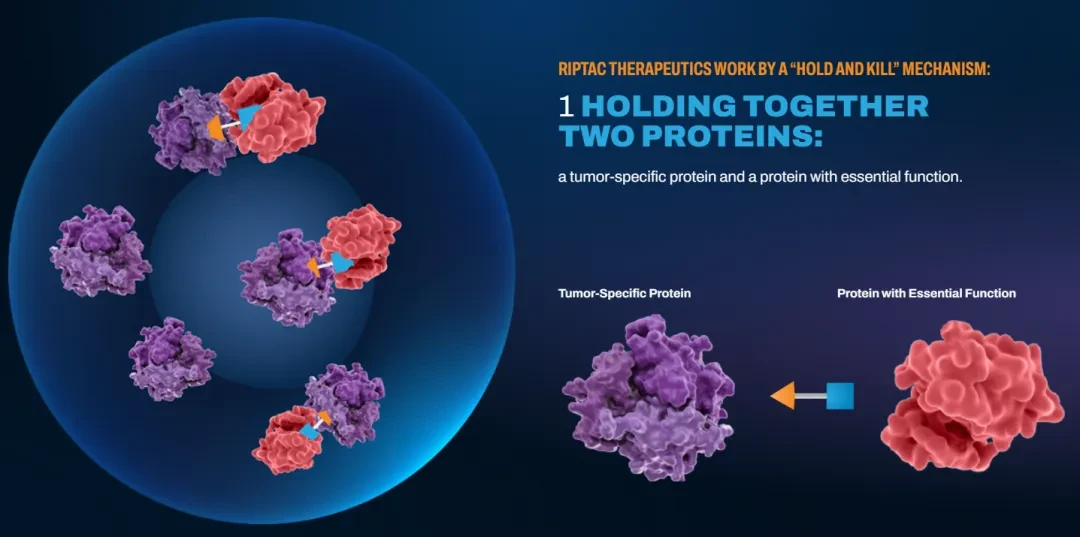
RIPTAC TherapyThrough a new "suppression"Hold and Kill" MachineThe mechanism functions by binding two proteins together—one cancer-specific protein and one protein with essential functions—resulting in the loss of basic cellular functions, which subsequently leads to cancer cell death.
Concept:Pairing Algorithm. Selection using hundreds of cancer-selective intracellular protein markers and hundreds of proteins with fundamental functions.HaldaAn algorithm was developed to help select complementary pairs to initiate RIPTAC drug design.
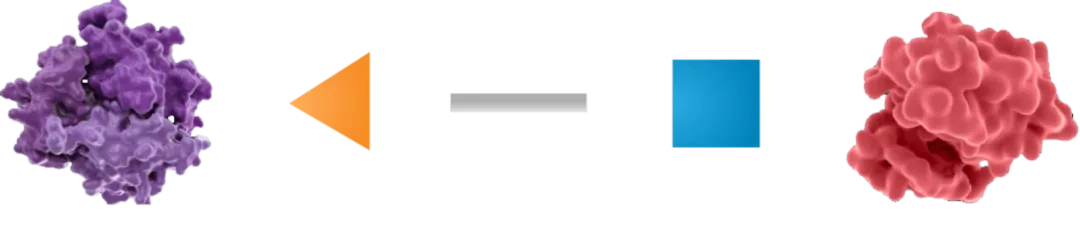
Design:Ligands and Linkers. RIPTAC therapy has three key components: tumor-specific targeting protein ligands, linkers, and protein ligands with essential functions. Halda leverages advanced tools of today’s structure-based drug design and internal expertise in bifunctional molecule design and synthesis to ensure the correct arrangement of proteins to drive the formation of new protein-protein interactions and selective cell death.
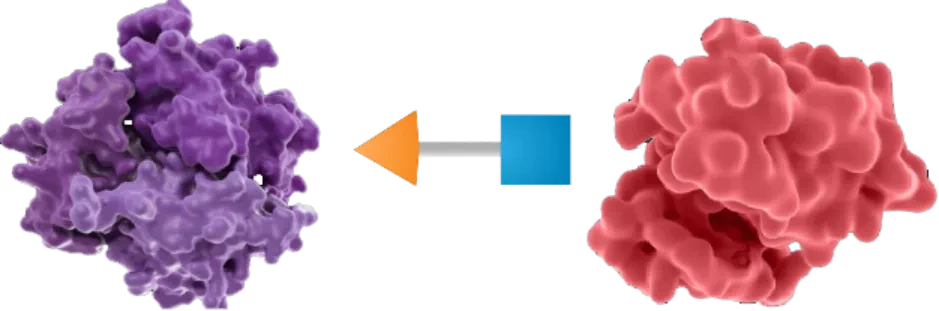
Optimization:In vitro/in vivo analysis. After the design was completed, Halda repeatedly tested the kinetics of the ternary complex containing RIPTAC therapeutic protein and two proteins, and evaluated the downstream efficacy.
RIPTAC Therapy Combines the Power of Several Drug Modalities. Like ADCs, Bispecific T-cell Engagers (BITE), CAR-T therapies, and radiopharmaceuticals, RIPTAC therapy does not rely on oncogenic drivers and possesses a killing mechanism that can function across various resistance mechanisms. However, they hold the advantage of small molecules as they can target intracellular proteins and are easier to manufacture and deliver. RIPTAC therapy has broad potential to provide an oral, selective, and widely applicable cancer cell-killing mechanism for patients with advanced cancers that have developed resistance, as well as for those with early-stage cancers.