

Abbott's Navitor TAVR System Receives Expanded CE Mark Approval for Low- and Intermediate-Risk Patients, Marking a Milestone in Minimally Invasive Heart Valve Therapy

Abbott
Diagnostic and pharmaceutical product manufacturers

When patients with heart valve disease are still anxious about surgical risks, and when doctors are still looking for more suitable minimally invasive solutions, Abbott Laboratories' star productNavitor TAVR System Officially Receives CE Mark Approval for "Upgrade"! This time, it is no longer limited to high-risk patients but directly expands the coverage of the "life-saving valve" to include low-risk and intermediate-risk patients with aortic stenosis.This means that hundreds of thousands of patients worldwide who are plagued by diseases will have a new, safer, and less invasive treatment option. The minimally invasive revolution in the cardiovascular medical field has taken another milestone step!

Navitor TAVR's "Path to Success": From High-Risk to Full Risk Coverage
(1) 2021 Debut: A "Lifeline" for High-Risk Patients
In 2021, when the Navitor TAVR system first received CE mark approval, it had alreadyHigh-risk patients with aortic stenosisThe system "gained countless fans" in the population. At that time, for high-risk patients who could not withstand traditional open-heart surgery, this transcatheter replacement system was like a beam of light in the darkness — without the need to open the chest cavity, valve replacement could be completed through a catheter, significantly reducing surgical trauma and the risk of death, becoming the "last hope" for high-risk patients at that time.
(II) Design Features "Black Technology": Addressing Treatment Pain Points at the Root
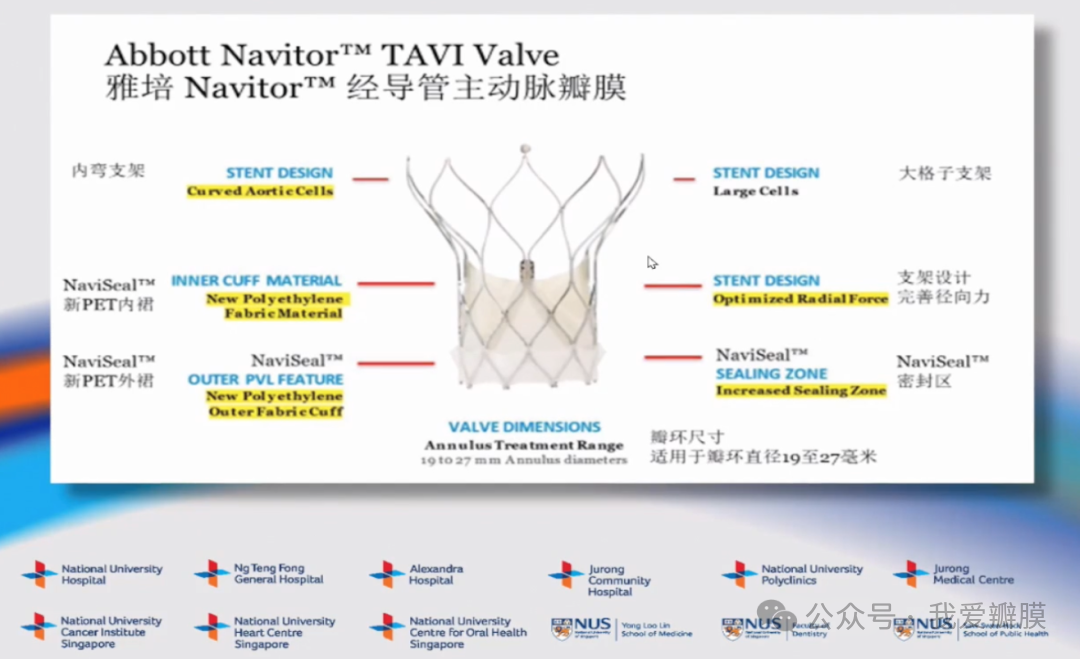
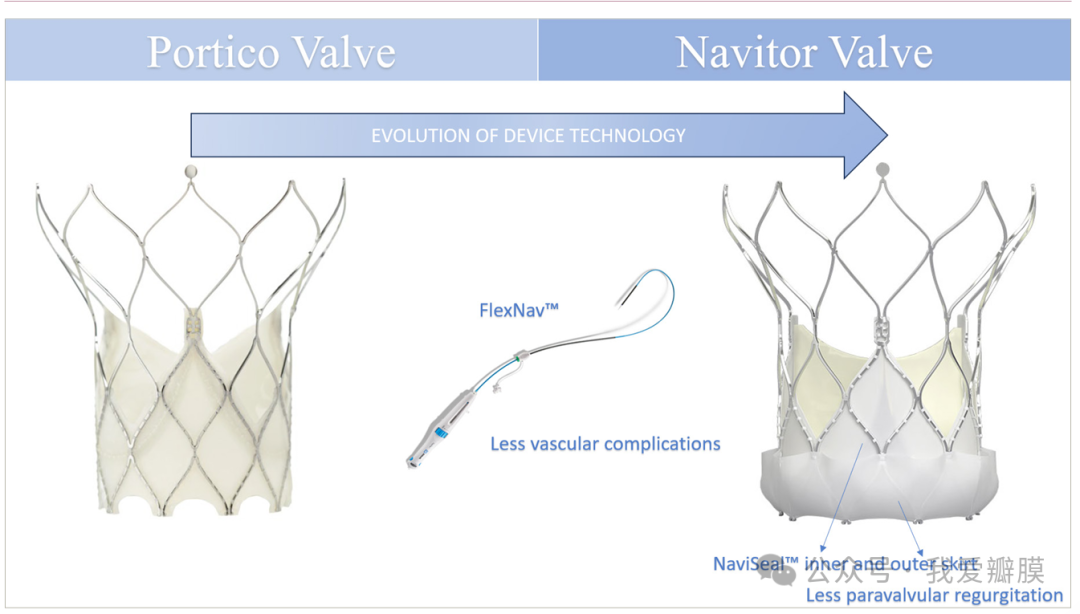
The hard-core design of Navitor has played an important role in achieving "scope expansion" in just four years.Equipped withNaviSeal Fabric Cuff, which can precisely fit the valve position, minimizing the risk of postoperative paravalvular leakage; andNative Valve Design with Inner Valve, and it also solves a major problem of traditional TAVR — even if patients develop coronary artery disease in the future, subsequent interventions can be easily carried out, truly achieving "one treatment, lifelong protection."These design details not only enhanced treatment safety but also laid a solid foundation for this approval.
Behind the Approval: Data Speaks! VANTAGE Trial Delivers a "Zero Deaths" Perfect Score
This approval is by no means "groundless," but rather backed by what can be called "textbook-level" clinical data — the trial, named VANTAGE, directly led to the regulatory authority's "approval without hesitation"!
The trial lasted from July 2021 to November 2024 and enrolled participants in Europe.More than 400 people covering low, medium, and high full-risk levelsAll patients were treated with the Navitor TAVR system. Once the results were announced, they created a sensation throughout the cardiovascular field:
- Technical success rate as high as 97%
Almost all patients successfully completed the surgery without serious intraoperative complications;
- Surgical Mortality 0%
This data is nothing short of a "miracle" in cardiac interventional surgery, directly dispelling people's concerns about the risks of minimally invasive valve surgery.
- 12-Month Follow-Up "Zero Relapses"
The all-cause mortality rate and stroke rate of patients continue to decrease, and the valve hemodynamics performance is stable, without any issues such as valve degeneration or dysfunction.
It is this data report of "zero mortality, high safety, and long-term stability" that enabled Navitor to successfully break through the "risk limitations" and become an "all-rounder" suitable for patients across all risk categories.
Experts Rave: This is Not Only a Product Upgrade, but Also an Expansion of Patients' "Right to Choose Life"
In response to this breakthrough, industry experts have been lavish with praise, voicing their interpretations of its significant implications.
(1) Abbott Executive: Responding to Patient Needs is the Core of Innovation
Sandra Lesenfants, Senior Vice President of Abbott's Structural Heart business, stated directly: "The expansion of Navitor is Abbott's direct response to the demand for 'minimally invasive alternatives to open-heart surgery'! Aortic stenosis progresses very rapidly, and once it worsens, it becomes a life-or-death challenge. Now, low/medium-risk patients can also opt for minimally invasive solutions. This not only increases treatment options but also acts as a 'reset button' for quality of life."
(2) Chief Researcher: Design Determines the Future, Leaving Enough "Room for Retreat" for Patients
Nicolas van Mieghem, MD, principal investigator of the VANTAGE trial and a researcher at Erasmus Medical Center in the Netherlands, highlighted the "long-term value" of Navitor: "The data shows that Navitor performs as excellently in low/medium-risk patients as it does in high-risk patients, fully meeting the design expectations. More importantly, up to 50% of younger patients may develop coronary heart disease in the future, and Navitor’s design allows for subsequent interventions — this is not a ‘one-time solution,’ but rather a system that ‘leaves ample room’ for the lifelong health of patients!"
Global Layout: The U.S. Market "Yet to Be Unlocked," a Promising Future for the TAVR Sector
Currently, Navitor's "full risk coverage" is only available in Europe.In the United States, it is still only approved for high-risk patients, while the approval for low/intermediate-risk patients is still pending further FDA review.This also means that Abbott's "capacity expansion battle" in the North American market is still worth looking forward to in the future.
From the perspective of the entire TAVR sector, this breakthrough is more like a "flare" — with the intensification of global aging, the prevalence of aortic stenosis is increasing annually. Coupled with patients' growing preference for minimally invasive surgery, the TAVR market is growing at an annual rate of over 20%. The expansion of Navitor has not only allowed Abbott to seize the lead in the field but also propelled the entire industry toward a direction that is "safer and more inclusive."
Every approval is aimed at turning "surviving" into "thriving."
From only treating high-risk patients in 2021 to covering the full spectrum of risk groups by 2025, the "expansion journey" of the Navitor TAVR system is, in essence, a patient-centered medical innovation. It not only breaks through the limitations of risk stratification but also uses data to demonstrate the reliability of minimally invasive techniques, allowing more patients to avoid the difficult choice between "surgical risks" and "disease progression."
In the future, with the further iteration of technology and the advancement of global approvals, we have reason to believe that innovative products like Navitor will continue to reshape the treatment landscape of cardiovascular diseases, turning "minimally invasive treatment for major illnesses" from an "exception" into the "norm," safeguarding the heart health of more people!