

Medtronic's Evolut TAVI System Receives FDA Approval for Redo-TAVI, Ushering in a New Era of Structural Heart Therapy

Medtronic
Medical Device Manufacturer
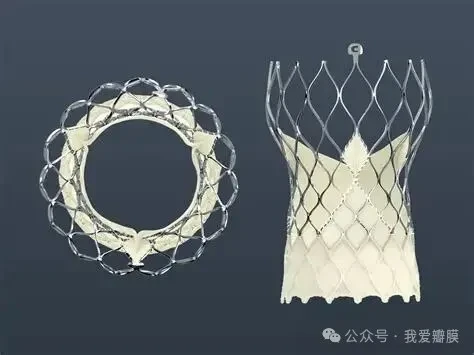
Key Approval Reshaping the TAVI Treatment Landscape
August 28, 2025Medtronic Announces FDA Approval of Evolut TAVI System for New "Redo Transcatheter Aortic Valve Implantation (Redo-TAVI)" Indication, Allowing New Evolut Valve Placement Within Any Failed Transcatheter Aortic Valve (TAV).This breakthrough brings new hope for minimally invasive treatment to patients worldwide with failed TAVI valves, marking a new phase of "full-cycle management" in interventional treatment for structural heart disease.
Redo-TAVI: A Lifeline for High-Risk Patients
(1) What is Redo-TAVI?
Redo-TAVI, or repeat transcatheter aortic valve implantation, is a secondary interventional treatment performed after the initial TAVI procedure fails due to valve degeneration, stenosis, or regurgitation. Traditional aortic valve replacement requires open-chest surgery, which involves significant trauma, slow recovery, and high physical demands on the patient.Redo-TAVI, utilizing advanced interventional techniques, delivers the new Evolut valve to the heart through peripheral blood vessels. It precisely releases and deploys the valve inside the original failed valve, restoring normal aortic valve function without the need for open-heart surgery, significantly reducing surgical risks and trauma.
This surgical approach brings hope to patients who cannot tolerate another open-chest surgery due to physical reasons, especially for high-risk populations such as the elderly and those with multiple underlying conditions (e.g., coronary heart disease, diabetes, renal insufficiency, etc.). Through Redo-TAVI, these patients can receive treatment in a relatively safe manner, improve cardiac function, and enhance their quality of life.
(II) Applicable Population: From "Helpless Abandonment" to "Precision Intervention"
Prior to this FDA approval, treatment options for patients with failed TAVI valves were extremely limited. For those assessed as high-risk for open-chest surgery, doctors often had no choice but to reluctantly abandon aggressive treatment, leaving patients to endure their suffering while waiting for their condition to gradually deteriorate.
Now,After the approval of Redo-TAVI, this situation has been fundamentally changed. It almost covers all types of TAV failures, whether it is the obstruction of blood flow caused by valve stenosis, or the backflow of blood caused by valve regurgitation, or the natural degeneration of biological valves over time. As long as the patient is identified as high risk for thoracotomy, they have the opportunity to receive Redo-TAVI treatment.Moreover, the technology does not limit the brand of the valve first implanted in patients, truly benefiting a wide range of patients and enabling more people to receive precise and effective treatment.
Evolut TAVI System: Why Is It the Preferred Solution for Redo-TAVI?
(1) Technical Advantages: A Design Revolution from "Usable" to "Precise"
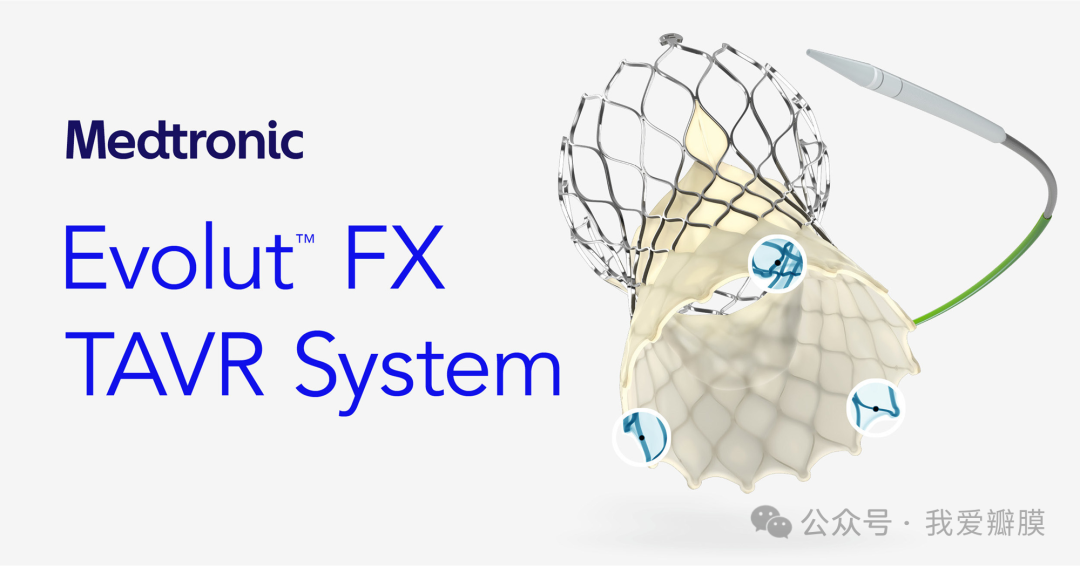
The Evolut TAVI system has become a mainstay for Redo-TAVI, thanks to its excellent technical design. The systemUsing self-expanding nitinol stents, this material provides the stent with excellent radial support.In the complex anatomy of the heart, it can be firmly anchored to ensure that the valve does not shift or detach during subsequent use. This is crucial for Redo-TAVI surgery, as the anatomical structure in secondary surgeries is often more complex, requiring higher stability of the valve.
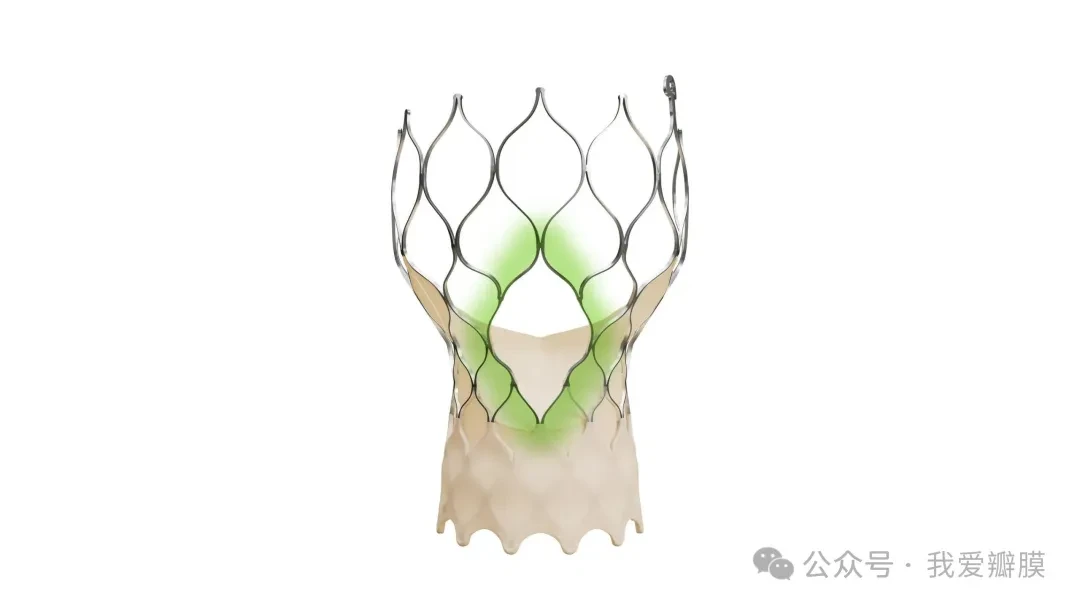
Taking the latest generation of the FX + System as an example, it has achieved significant breakthroughs in design.FX + System innovatively adopts a diamond-shaped frame design, which expands the coronary access window to four times that of traditional models.In TAVI surgery, the patency of the coronary arteries is one of the key factors affecting the success of the operation and the patient's prognosis. Once the coronary arteries are blocked, it may lead to serious complications such as myocardial infarction, endangering the patient’s life. The expanded coronary access window of the FX+ system provides sufficient operational space for potential coronary interventions during the procedure. This means that during a Redo-TAVI procedure, if doctors find issues with the patient’s coronary arteries, they can more easily perform interventional treatments, significantly reducing the risk of coronary obstruction.
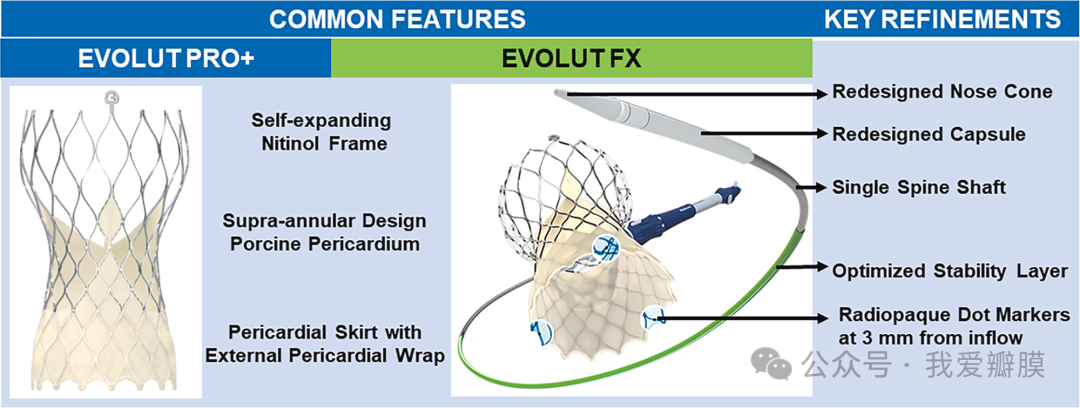
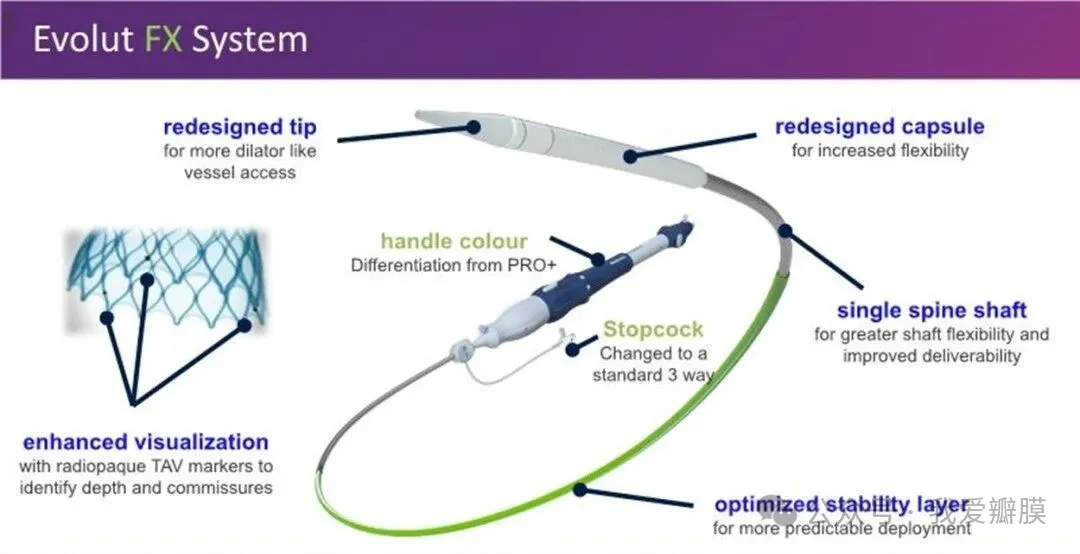
In addition,FX + System also has the "Retrievable, Repositionable" function.In traditional TAVI procedures, once the valve is released, it is difficult to make further adjustments. If the valve is not positioned accurately, it may affect its function and could even necessitate a second surgery for correction. However, this feature of the FX + System gives doctors greater control during the implantation process. During valve deployment, if the doctor finds that the valve’s position is less than ideal, the valve can be retrieved and repositioned until the optimal placement is achieved. This not only increases the success rate of the procedure but also reduces the surgical risks and suffering for the patient.
(II) Global Validation: Dual Recognition from CE to FDA
The reliability of the Evolut TAVI system is not only reflected in its advanced technical design but also highly recognized by regulatory authorities worldwide.In May 2025, the Evolut PRO+, FX, and FX+ systems were the first to receive the CE mark.。
This approval by the U.S. FDA marks another significant milestone in its global regulatory strategy.。
The Evolut TAVI system has been widely used in more than 120 countries worldwide, covering all categories of aortic stenosis patients from very low risk to extremely high risk.Long-term clinical practice has accumulated a wealth of data, with its long-term durability performance consistently at the forefront. Taking the 10-year valve integrity rate as an example, the Evolut TAVI system ranks among the top in its category. These solid data provide strong evidence-based medical support for the safety and effectiveness of Redo-TAVI, enhancing both doctors' and patients' trust in the system and laying the foundation for its further promotion on a global scale.
FDA Approval: A Leap from "Treatment Option" to "Lifesaver"
(1) Clinical Experts: A Milestone in Rewriting Patient Outcomes
Michael Caskey, MD, from Abrazo Arizona Heart Hospital, remarked: "This approval marks a pivotal turning point in the journey of patient care. In the past, when faced with patients experiencing valve failure post-TAVI and at high risk for open-heart surgery, doctors often felt powerless with very limited treatment options. Now, with the FDA's approval of the Evolut system for Redo-TAVI, physicians are equipped with a more powerful tool to provide these patients with critical treatment options, offering them a 'second chance' at life."
(II) Industry Perspective: Pushing TAVI into the "Full Life Cycle Management" Era
Jorie Soskin, Vice President of Medtronic's Structural Heart Business, emphasized that the expansion of the Redo-TAVI indication marks an important milestone in the development of the Evolut TAVI system and a significant leap forward for the entire field of structural heart disease treatment. This advancement signifies the shift of TAVI from a traditional single-stage treatment model to a new era of "full lifecycle management."
In the past, TAVI procedures primarily focused on the success rate of single operations and short-term outcomes, while there was a lack of effective solutions for potential postoperative issues such as valve failure. Nowadays, the Evolut system, with its unique design and outstanding performance, provides a reliable treatment option for patients experiencing valve failure after TAVI. Compared to existing solutions, the Evolut system demonstrates a broader application scope in Redo-TAVI treatments, capable of addressing more patient types and valve failure scenarios. Additionally, its differentiated product design, including features like the self-expanding nitinol stent, enlarged coronary access window, and retrievability and repositionability functions, enables more precise and safer surgical procedures, significantly improving the success rate of operations and patient prognosis.
The ongoing RESTORE study provides solid evidence-based medical support for the application of the Evolut system in the Redo-TAVI field. Through long-term follow-up and research on a large number of patients, the RESTORE study will thoroughly evaluate the efficacy and safety of Redo-TAVI in patients with symptomatic bioprosthetic valve failure, offering doctors more scientific and accurate guidance for clinical decision-making. These efforts not only reinforce Medtronic's innovative leadership in the field of structural heart disease but also will drive the entire industry to transition from merely pursuing single-operation success to focusing on ensuring long-term patient outcomes, bringing benefits to more patients.
RESTORE Study: Unveiling the Long-term Value of Redo-TAVI
(1) Study Design: Five-year Follow-up, Decoding the "Safety Code" of Secondary Interventions
At the same time as the approval, Medtronic launched the RESTORE study, which aims to evaluate the efficacy and safety of Redo TAVI in patients with symptomatic bioprosthetic valve degeneration. This pivotal study plans to recruit 225 participants and follow them for up to five years, representing a "marathon-like" exploration in the TAVI field.
The research focuses on multiple key indicators: the 30-day surgical success rate is a critical metric for evaluating the immediate outcome of the surgery, determining whether patients can safely pass through the high-risk postoperative period; freedom from death and stroke at 1 year, which not only reflects the impact of the surgery on short-term quality of life but also serves as an important dimension for assessing surgical safety; meanwhile, the study will closely monitor valvular hemodynamics, including transvalvular pressure gradients, valve orifice area, and other indicators, which directly reflect the heart’s functional status after valve implantation and the improvement in cardiac function; quality of life assessments, based on patient-reported subjective experiences, cover physical function, daily activity capacity, psychological state, and other aspects to comprehensively measure the actual impact of Redo TAVI on patients' lives.
Through such a long-term follow-up and multi-dimensional assessment, the RESTORE study is expected to systematically reveal the long-term safety and functional durability of Redo-TAVI for the first time. This is akin to installing a "long-term monitor" for Redo-TAVI surgery, providing authoritative data support for global clinical practice and offering doctors and patients a clearer understanding of the long-term outcomes of this treatment option.
(II) Technological Innovation: Upgrade from "Experience-Driven" to "Data-Driven"
The RESTORE study is not only a validation of clinical efficacy but also an exploratory journey of technological innovation. During the research process, special attention was paid to the biocompatibility and structural stability of the Evolut valve in secondary implantation. Biocompatibility determines the degree to which the human body accepts the valve, whether it will cause rejection reactions, and affects the patient's recovery and long-term health; while structural stability is crucial for whether the valve can work stably for a long time in the complex cardiac environment, ensuring normal heart function.
The research team innovatively combined AI algorithms to analyze the match between patients' anatomical features and valve selection.AI Algorithm Acts as a "Super Brain" Capable of Rapidly Processing Massive Amounts of Patient Data
Looking ahead, based on the results of the RESTORE study, there is hope to establish a "Precision Redo-TAVI Treatment Model." This model will integrate multi-dimensional information such as individual patient characteristics, surgical data, and follow-up outcomes, providing precise guidance based on personalized data for each case of secondary interventional treatment. When doctors face patients, they only need to input the patient’s data into the model to obtain the most optimized treatment plan, maximizing efficacy and minimizing risks, thus bringing patients a safer and more effective treatment experience.
How Redo-TAVI Reshapes the Valve Treatment Ecosystem?
(1) Patient Level: The Shift from "Passive Acceptance" to "Active Planning"
In the past, patients often lacked sufficient confidence in the long-term performance of the valve after undergoing TAVI surgery, especially those at medium or low risk with longer life expectancy. When faced with the choice between TAVI and traditional open-heart surgery, they frequently found themselves in a dilemma. This was because they worried that if they chose TAVI and later encountered issues with the valve, they might face a situation where no solutions were available. As a result, some patients were even forced to opt for more invasive open-heart surgery.
Nowadays, the emergence of Redo-TAVI has completely broken this deadlock. Before the initial TAVI surgery, patients can work with doctors to formulate a longer-term treatment plan, taking into account the potential need for secondary intervention in the future. This not only alleviates patients' concerns about surgical risks but also enhances their sense of control over the treatment. The shift from "passively accepting fate" to "actively participating in treatment planning" reflects the advancement of the medical model from "disease treatment" to "health management," providing patients with greater security and confidence during the treatment process and offering a more solid guarantee for their quality of life and long-term health.
(II) Industry Level: Opening a New Track for "Interventional Valve Re-intervention"
Medtronic Evolut TAVI System Approved for Redo-TAVI Indication: A Significant Turning Point for the TAVI Industry
With the acceleration of the global aging process, the incidence of cardiovascular diseases is increasing year by year. As an effective treatment method, the number of TAVI surgeries is also growing continuously. According to predictions by authoritative institutions,By 2030, the global annual number of TAVI procedures is expected to exceed 1 million cases.Such a large surgical base will inevitably lead to a corresponding increase in the number of patients with valve failure, thereby giving rise to a re-intervention market worth hundreds of billions.
In this new market track, Medtronic, with the first-mover advantage of the Evolut system, is expected to lead the development trend of the industry. To better address complex secondary intervention scenarios, major companies in the industry will increase their innovative investments in key areas such as material science, imaging navigation, and bio-coatings. For instance, in material science, more durable and biocompatible valve materials are being developed to extend the service life of valves and reduce the need for re-intervention. In the field of imaging navigation, advanced imaging technologies, such as 3D printing technology and AI-assisted cardiac modeling, are utilized to achieve precise navigation during surgical procedures, thereby improving surgical success rates. Regarding bio-coating technology, new coating materials are being explored to reduce the risk of thrombosis after valve implantation and improve patient prognosis.
The rise of the Redo-TAVI market will stimulate innovation across the entire industry, driving TAVI technology to continuously advance to higher levels and bringing benefits to more patients.
Let Every "Restart" Be More Hopeful
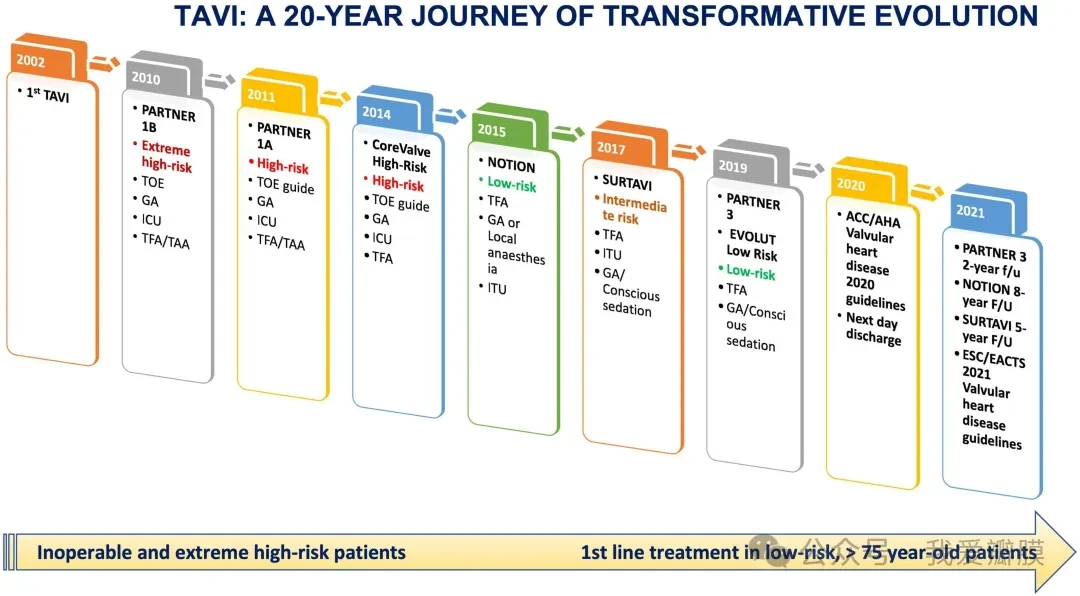
From "inoperable" to "a single TAVI," and then to "Redo-TAVI," the approval of Medtronic's Evolut system is not only a triumph of technology but also a victory for the patient-centered innovation philosophy.With the progress of the RESTORE study and the accumulation of global clinical experience, Redo-TAVI is expected to become another "standard treatment option" following initial TAVI, allowing more heart disease patients to have access to safe and effective minimally invasive treatment options at every stage of life. The interventional treatment of structural heart disease is moving from a "one-time challenge" to a new era of "full-process protection."
(Note: Stay tuned for further reports to get the latest data from the RESTORE study and clinical case sharing of Redo-TAVI!)