Home LOCKTACs: A Novel Therapeutic Strategy to Stabilize Dynamic Macromolecular Complexes by Reducing Dissociation Rates

LOCKTACs: A Novel Therapeutic Strategy to Stabilize Dynamic Macromolecular Complexes by Reducing Dissociation Rates

Sep 02, 2025 06:59 CST Updated 06:59
Amgen

Developer of Treatment Drugs for Serious Diseases

Image

KeywordsLOCKTACs, Binding Rate, Dissociation Rate, Binding Affinity

Cells rely on many dynamic, rapid reversible interactions between macromolecules.

Each interaction has oneBinding Rate (KonAnd aDissociation Rate (Koff, the ratio of them, namelyKDThe value defines the binding affinity. Many complexes are designed to be transient, with a rapid dissociation rate; if the dissociation rate slows down, downstream events may be disrupted.

Therefore, modulating the interaction time of molecules is a potential method for influencing physiology and treating diseases.

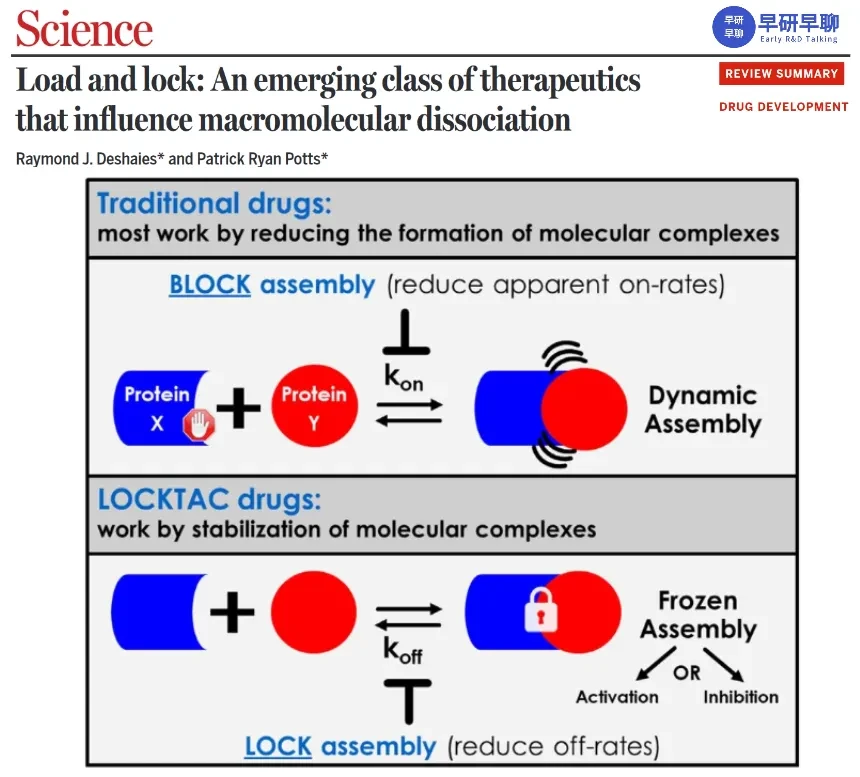
Traditional MedicineMostly through competitive inhibition, i.e.Reduce ApparentKon`, blocking the formation of large molecular complexes`; This strategy is easy to apply to druggable enzymes and receptors with well-defined active sites, but it is challenging for difficult-to-drug targets such as transcription factors.

LOCKTACsWhich is different from traditional drugs, this methodBy reducing Koff To "lock" large molecular complexes, stabilizing existing physiological interactions rather than blocking them, and prolonging the duration of the complexes., which can target less conserved surfaces, avoid competition with high-affinity natural ligands, potentially reduce off-target effects, and enable drug action (enhancement or suppression of function) on non-traditional targets. This approach opens up new pathways for treating diseases.

Recently (Aug 21), from Amgen The scientific team, inScience Published a research summary on LOCKTACs.

Image


Image
DOI: 10.1126/science.adx359

1. Definition and Mechanism of LOCKTACs
1.1 Traditional Drugs: Competitive Inhibitors
A large amount of critical biological information is mediated by transient interactions among macromolecules such as proteins, nucleic acids, and metabolites; these interactions are stable but vary greatly on the time scale.
The Transient Nature of Interactions Between Macromolecules Is Crucial for Maintaining the Complex Internal Workings of Cells.
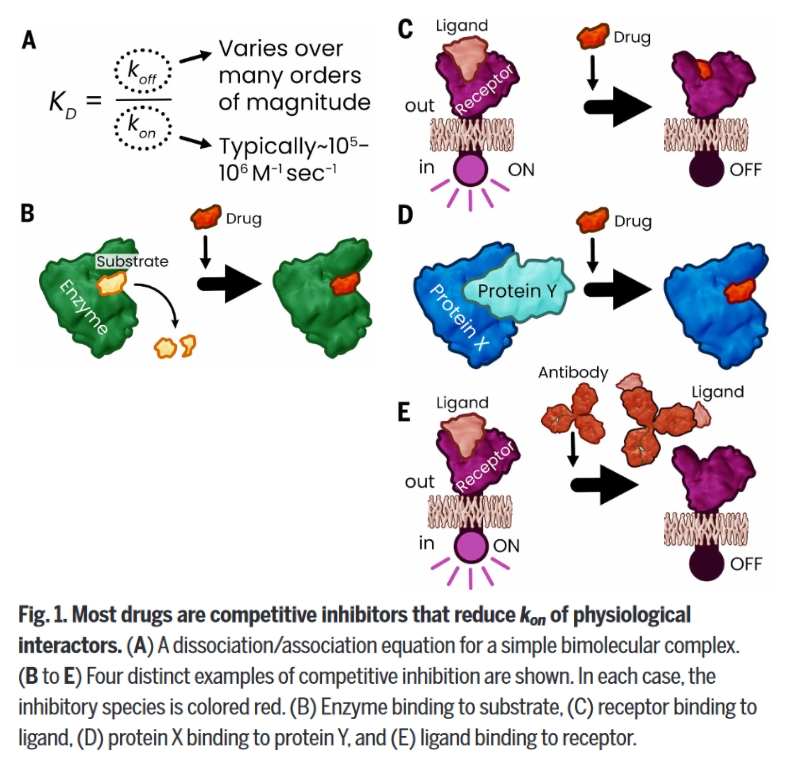
Dissociation Constant of Macromolecular InteractionsKDEquals the dissociation rate of the complex (Koff) divided by the complex formation rate (Kon). Among these, the dissociation rate is particularly crucial because the dissociation constant limits the duration of a single signaling event. Within a biologically relevant timeframe, a rapid dissociation constant is essential for continuous multi-step chemical transformations or information cascades.
Changing these interactions can drive disease or alter disease progression by modulating the interacting molecules.
Image
Traditional drugs typically act on proteins, and most work by blocking the interaction of a predefined protein target with other factors, which can be small molecules (such as enzyme substrates, Figure B), peptide ligands of cell surface receptors (Figure C), or another protein (Figure D).
These traditional drugs typically act similarly to enzyme-blocking drugs, competitively interfering with the formation of receptor-ligand complexes. From a biophysical perspective, drugs that block the interaction between a target protein and its substrate/ligand/receptor can reduce the apparent...Kon
However, this strategy of competitive inhibition has limited effects on difficult-to-drug targets, such as transcription factors, scaffold proteins, RNA structures, etc., for the following reasons:
(1) The active site is highly conserved, prone to off-target toxicity;
(2) Endogenous high-affinity ligands, such as GTP, ATP, etc., have overly high concentrations, making competitive inhibition difficult to achieve.

1.2 Dynamic Biology Dependent on Rapid Dissociation Rates: The Ubiquitin System as an Example
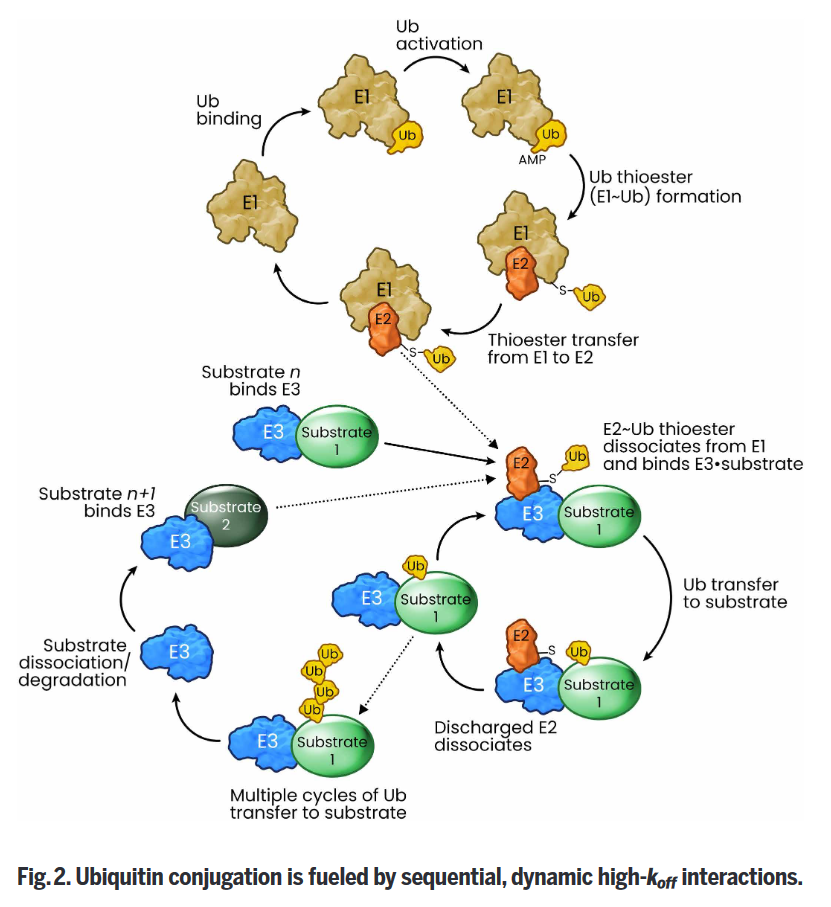
The role of kinetics in biology can be understood through protein ubiquitination, as shown in the figure below. Ubiquitin (Ub) binds to other proteins, typically at lysine residues. This is a post-translational modification that can have various effects, such as signaling for proteasomal degradation of the modified protein.
And to achieve this process, three key enzymes (E1, E2, E3) must act in rapid succession to facilitate the binding of Ub to the substrate.
Image
(1) E1 Ub-activating enzyme binds to Ub, activating ubiquitin through C-terminal adenylation. It then binds to the E2 ubiquitin-conjugating enzyme, transferring the activated ubiquitin to a Cys residue on E2, forming E2~Ub.
(2) E2~Ub separates from E1 and binds to E3, thereby catalyzing the transfer of Ub to the Lys residue on the substrate.
(3) The released E2 must rapidly dissociate from E3 to allow a new E2~Ub to bind, then transfer its ubiquitin to the first ubiquitin, thereby initiating the formation of the ubiquitin chain on the substrate.
Typically, four rounds of ubiquitination transfers on a single substrate constitute the most basic degradation signal.Each such transfer relies on transient interactions; if these interactions were not transient in nature, the entire system would fail.
For example, stabilizing the E1-E2 interaction would hinder the entire system and prevent the ubiquitin cascade reaction, because the same surface used for the E2 to interact with E1 is also utilized for binding with E3.
The Ub cascade reaction suggests that engineering biology can be provided with an intervention point by modulating the dissociation kinetics of macromolecular interactions.

1.3 Definition of LOCKTACs
Transient molecular interactions sustain countless biological processes, andKoff  Usually more than Kon Showing greater variability, manipulating the dissociation rate should be the main opportunity for therapeutic intervention.
InKoff For targeted examples, they can be conceptually divided into two main categories:
(1) "Induced Proximity" Drugs
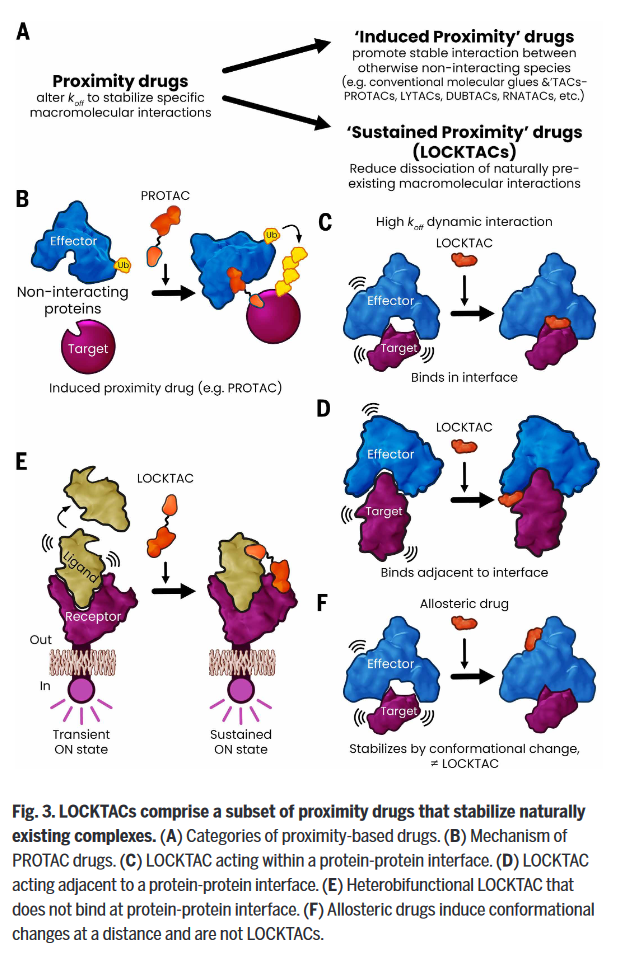
Stabilize non-natural interactions to form new complexes that would not normally form or significantly accumulate and would not functionally impact cells, as shown in Figure B (PROTACs).
Image
(2) "Continuous Proximity" Drugs
Stabilize natural interactions to increase the persistence of natural complexes and reduce Koff, as shown in Figures C-E above, including actions at protein-protein interaction interfaces, or adjacent interaction interfaces, or bringing proteins into proximity via bifunctional molecules without acting on the protein-protein interaction interface.
Therefore, these "continuous proximities" Koff Drugs that reduce and stabilize physiologically related interactions are called“LOCKTACs”, namely, locked chimera.
LOCKTACs belong to "chimeras," possessing two or more distinct surfaces capable of simultaneously contacting two or more interacting substances, thereby reducing their dissociation rate.
LOCKTACs can function similarly to molecular glues,It is a compact, linkerless molecule., as shown in Figures C and D above, induce binding at the interface of the two binding partners or form contacts near adjacent interfaces, thereby creating a stable ternary complex; it can also be more similar to TACs, including a linker, as shown in Figure E above, andIt can be either small molecules or biomolecules.
As shown in Figure F,Molecules that stabilize interactions through allosteric mechanisms do not belong to LOCKTACs.

1.4 Mechanism of Action of LOCKTACs
Therefore, LOCKTACs are a class of compounds capable of simultaneously binding two or more interacting molecules, locking the complex by reducing Koff, and can be either small molecules or biomacromolecules.
The main modes of action include:
(1) Direct binding at the interaction interface
(2) Combined at the interface near the interaction surface
(3) Long-distance binding through linkers (similar to PROTACs).

2. Classification and Functions of LOCKTACs
2.1 Activated LOCKTACs
Enhance originally brief or inefficient interactions to promote biological processes.
Image
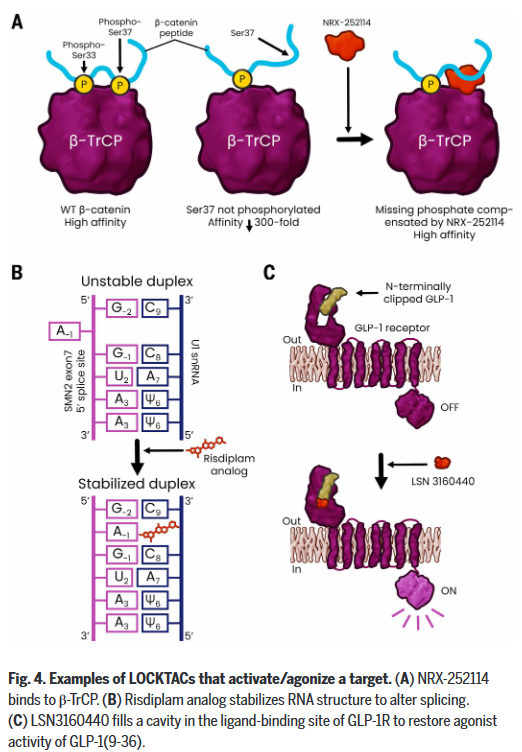
(A) NRX-252114: Restores the binding of β-catenin with β-TrCP, promoting its degradation for colorectal cancer treatment;
(B) Risdiplam: Stabilizes the binding of SMN2 mRNA with U1 snRNP, corrects splicing errors, and treats spinal muscular atrophy (SMA).
(C) LSN3160440: Enhances the binding of GLP-1 to GLP-1R, restoring signal transduction.

2.2 Inhibitory LOCKTACs
Stabilizing a complex that should dissociate quickly, thereby hindering biological processes.
Image
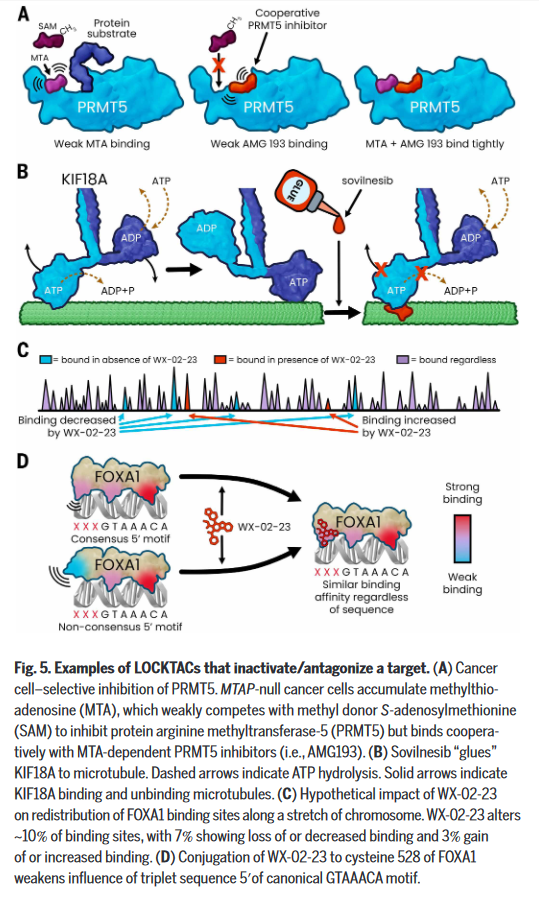
Sovilnesib: Stick kinesin KIF18A to microtubules, preventing its movement, used to inhibit mitosis.
PRMT5 Inhibitor(such as MRTX1719): Synergizes with the endogenous weak inhibitor MTA to selectively inhibit MTAP-deficient cancer cells.
WX-02-23: Alter the binding distribution of the transcription factor FOXA1 on DNA, affecting its transcriptional activity

2.3 Classification by Macromolecule Function
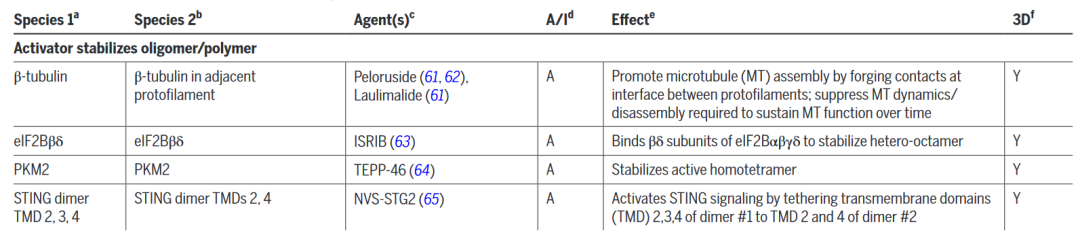
(1) Stable寡居/Aggregate, Enhanced Functional LOCKTAC
Image
(2) Stabilize specific Hub/spoke interactions, activator LOCKTAC
Image
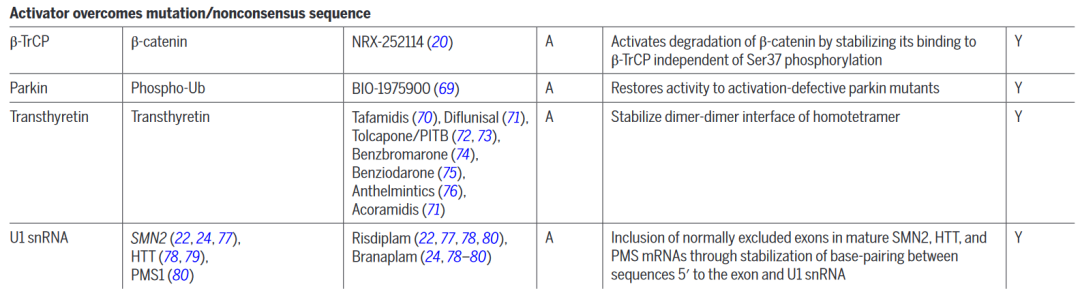
(3) Repair interactions damaged by mutations or imperfect sequences
Image
(4) Molecules traditionally regarded as "positive allosteric modulators" (PAM) are mechanistically LOCKTAC as well.
Image
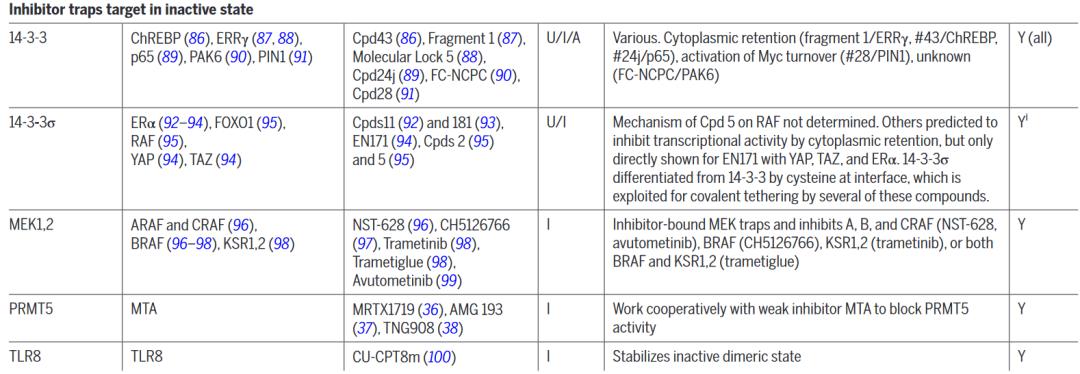
(5) Inhibitory LOCKTACs that render the target inactive
Image
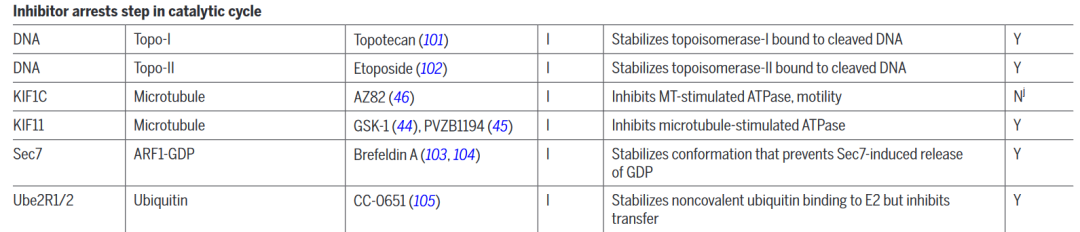
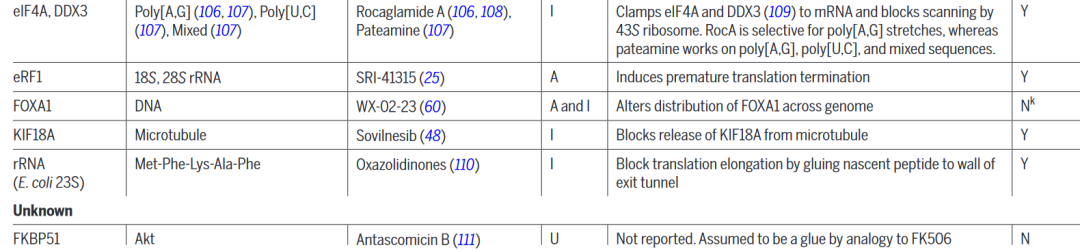
(6) Inhibitory LOCKTACs Suppressing Catalytic Cycle Steps
Image
Image
Image

3. Advantages and Challenges of LOCKTACs
3.1 Advantages of LOCKTACs in Theory and Practice
(1) Can target non-conservative regions, avoid competition with high-affinity endogenous ligands, and reduce off-target risks.
(2) Can synergize with endogenous molecules, such as synergistically inhibiting PRMT5 with MTA, to achieve tumor selectivity.
(3) It has functional flexibility, meaning it can be activated or inhibited, depending on the stabilized interactions.
(4) Enhance signal duration, prolong ligand-receptor interaction time, and amplify signal output without disrupting spatiotemporal regulation.
(5) Applicable to difficult drug targets, such as transcription factors, non-enzymatic proteins, etc.

3.2 Challenges of LCOKTACs
(1) The screening is challenging, requiring kinetic assay platforms such as time-resolved, single-molecule, and NMR, rather than traditional equilibrium binding assays.
(2) Target selection must be cautious and rigorous. It is necessary to determine whether "locking" a specific interaction ultimately leads to activation or inhibition, which requires an in-depth understanding of systems biology.
(3) Functionally complex, the same LOCKTAC may manifest as agonistic or antagonistic in different contexts.
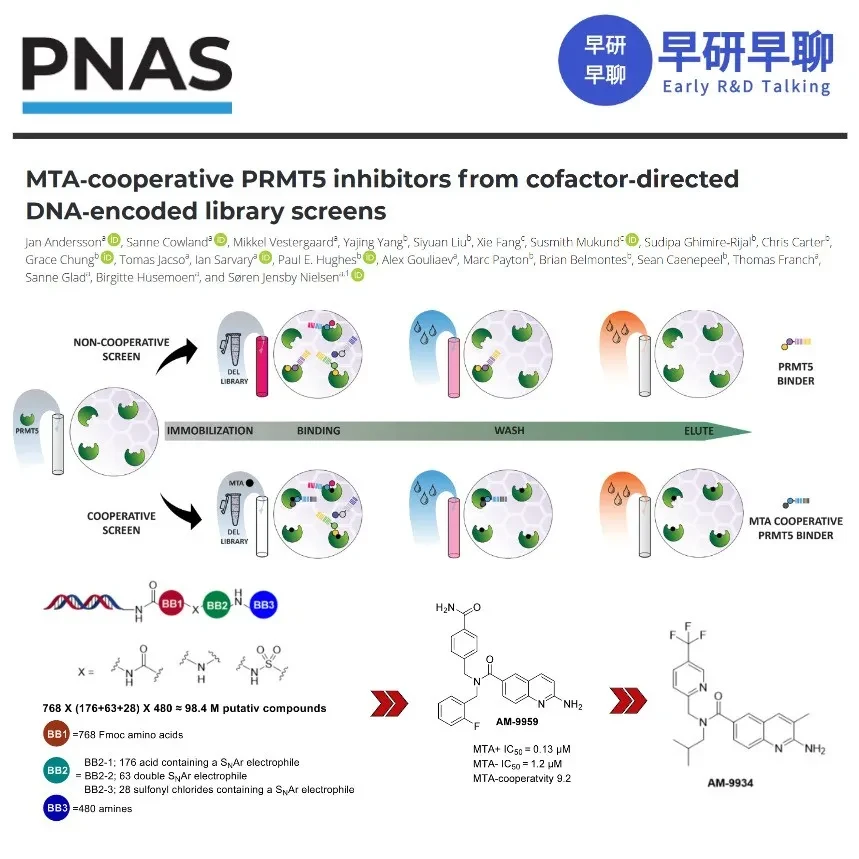
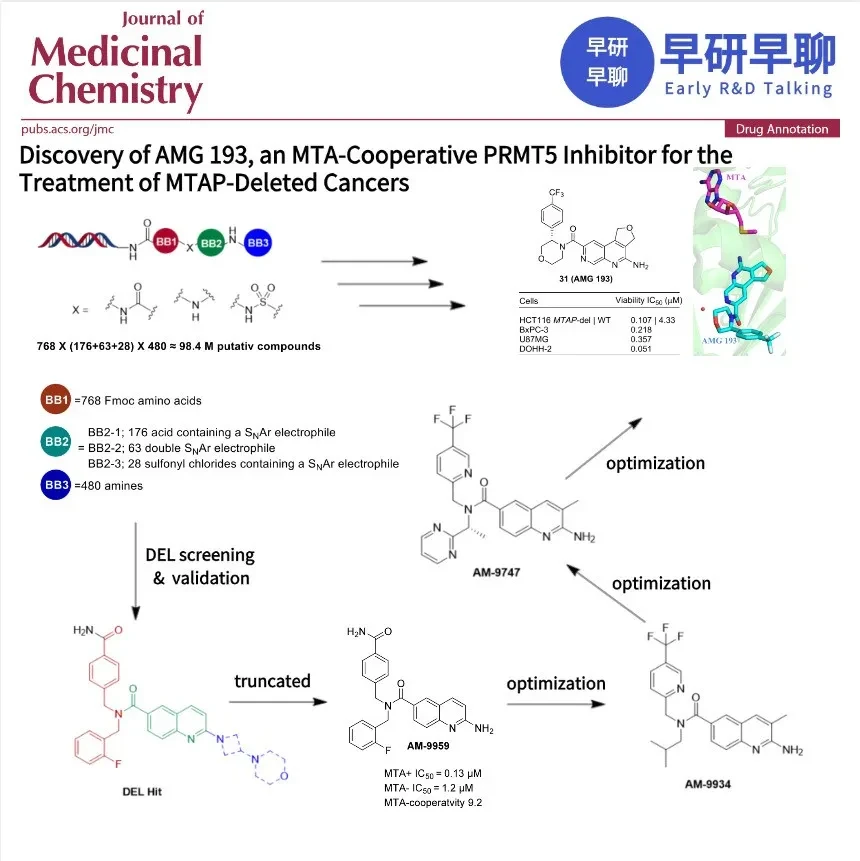
(4) Novel screening strategies are needed to develop high-throughput methods for the systematic discovery of LOCKTACs, such as,Amgen has developed a synergistic inhibitor targeting PRMT5/MTA using DEL technology, which has entered Phase I/II clinical trials., see the previous shares at the end of the article.

4. Summary and Outlook
LOCKTACs represents a"Dancing with Biology, Not Against It"A new paradigm for drug development that achieves precise regulation of disease mechanisms by stabilizing naturally occurring molecular interactions.
This strategy is expected to break through the limitations of traditional drug design, paving new paths for treatments targeting "undruggable" targets.
Its potential application areas, such as transcription factor regulation, immune modulation (e.g., enhancing anti-tumor immunity or suppressing autoimmunity), gene therapy, and RNA regulation, etc.

Previous Recommendations

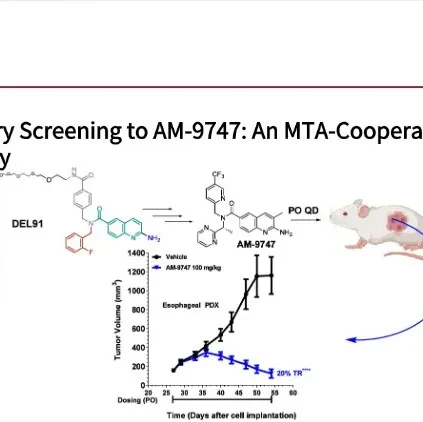
JMC: It comes from DEL. Amgen reported a potent orally efficacious in vivo methyltransferase A synergistic PRMT5 inhibitor, AM-9747.

2025-03-20

Image

PNAS: Amgen Discovers MTA-Cooperative PRMT5 Inhibitors from Cofactor-Directed DNA-Encoded Library Screening

2025-06-18

Image

JMC: A new clinical candidate drug from DEL has been added, and Amgen has disclosed an MTA-cooperative PRMT5 inhibitor, which has entered Phase 1/2 clinical trials.

2025-06-19

Image

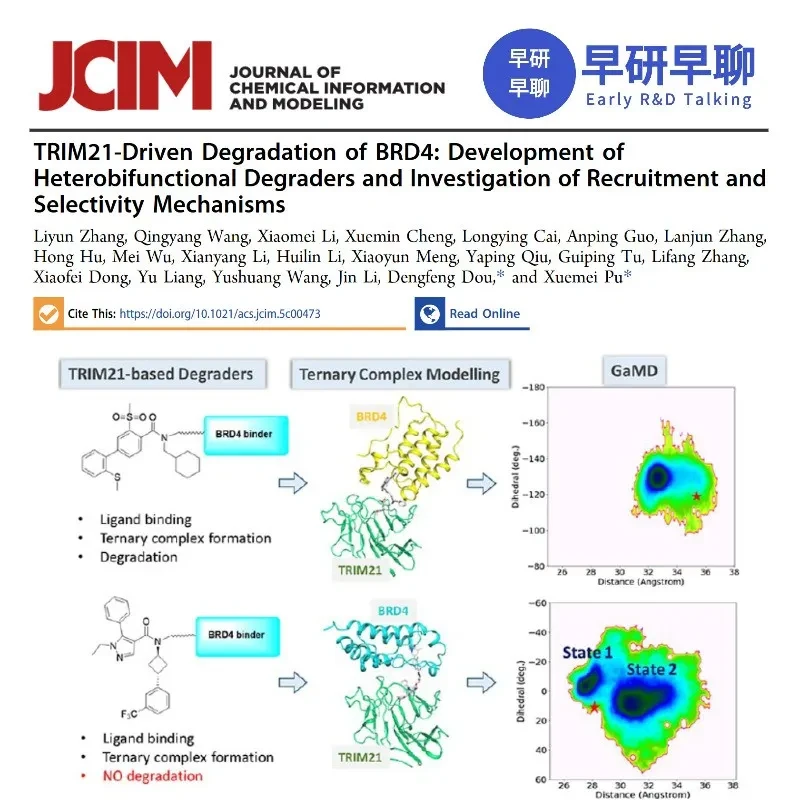
JCIM: TrimTACs, Sichuan University/Chengdu先导 Discloses a TRIM21-Driven Heterobifunctional Targeting Degrader

2025-07-13

Image

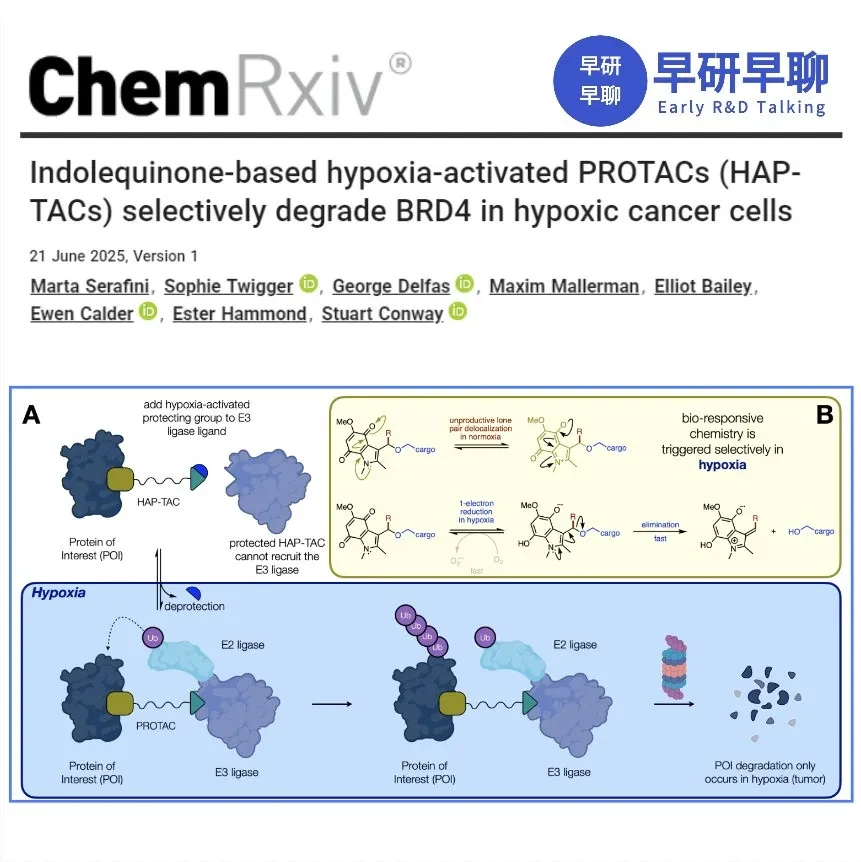
HAP-TACs: University of Oxford Discloses a Hypoxia-Activated PROTAC Based on Indoloquinone for Selective Degradation of BRD4 in Hypoxic Cancer Cells

2025-06-26

Image

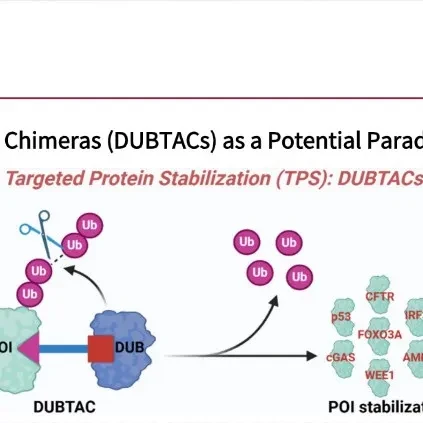
JMC: Deubiquitinase-Targeting Chimeras (DUBTACs), a Potential Disruptive Revolution in Drug Discovery

2025-04-01

Image

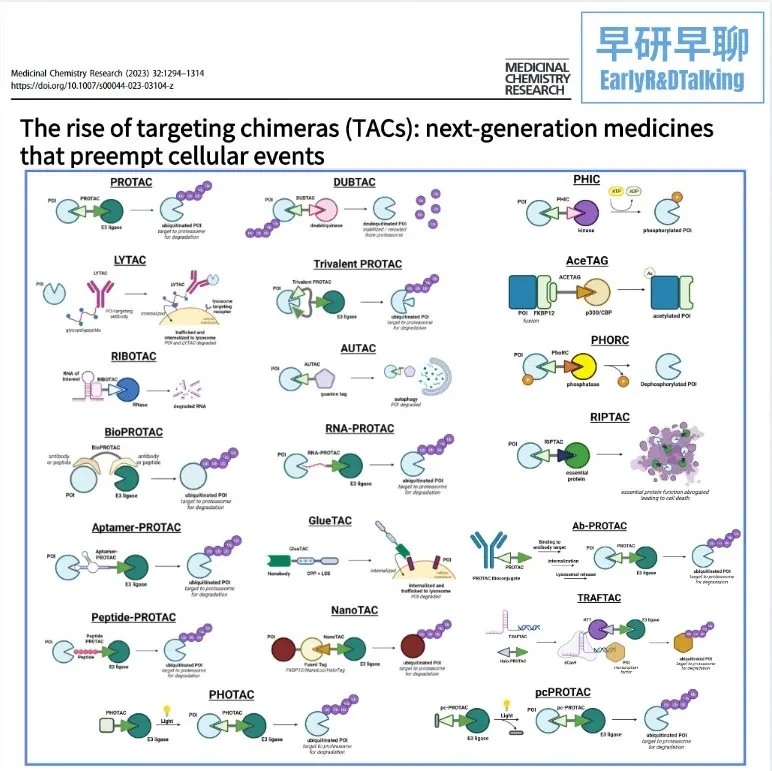
The Rise of Targeted Chimeras (TACs): Who Will Be the Next Trendsetter?

2024-10-21

Image

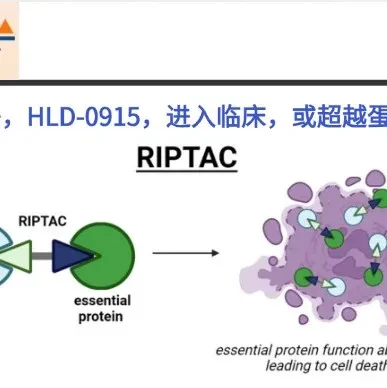
Nature: First RIPTAC Enters Clinical Trials, Produced by Craig Crews' Third Founding Company

2025-03-01

Image