

Johnson & Johnson's Impella Heart Pump Controller Faces New FDA Safety Alert Over Critical Capacitor Defect

Johnson & Johnson
Medical Device R&D and Manufacturer
FDA Heavyweight Warning: New Risks Found in Johnson & Johnson Heart Pump Controller
Recently, the U.S. Food and Drug Administration (FDA) issued a warning, directly targetingJohnson & Johnson Medical Technologies' Automated Impella Controller (AIC)。
Behind this FDA warning is a series of concerning safety issues. Johnson & Johnson Medical Technologies received reports that itsSome pump driver circuit components of AIC use 25V-rated tantalum capacitors instead of the expected 35V-related tantalum capacitors.This seemingly minor difference could lead to catastrophic consequences. It not only has the potential to affect the normal performance of the pump, but more alarmingly, it also poses the risk of the pump completely ceasing to function, triggering an "Impella Fault" or "Impella Stop" alarm. This risk has already claimed the life of one patient, forcing us to recognize the gravity of this issue.
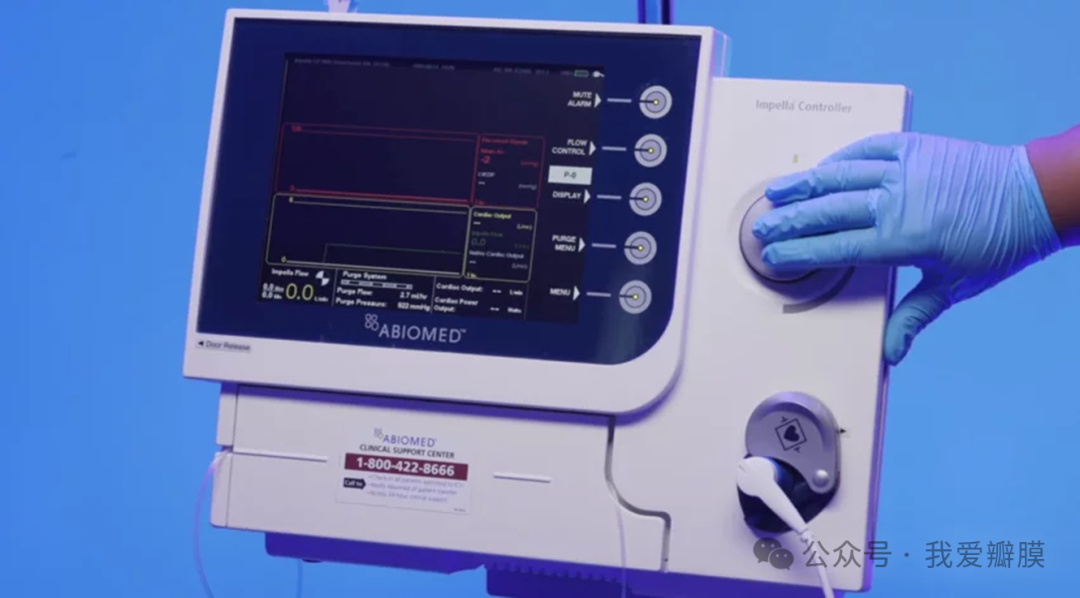
Risk Details: Tiny Capacitor, Fatal Crisis
When delving into this incident, we need to focus on those seemingly insignificant yet crucial components within the entire system ——Tantalum CapacitorTantalum capacitors, as important components widely used in electronic devices, occupy a significant position in many fields due to their unique electrical characteristics and excellent stability. They are typically composed of a tantalum metal anode, a manganese dioxide cathode, and an electrolyte. By establishing a potential difference between the anode and cathode, they store electric charge. The dielectric is a thin layer of tantalum oxide film formed on the surface of the anode, which serves to isolate the anode and cathode during the operation of the capacitor to prevent short circuits. In medical devices, its stable operation is crucial for the normal functioning of the equipment.
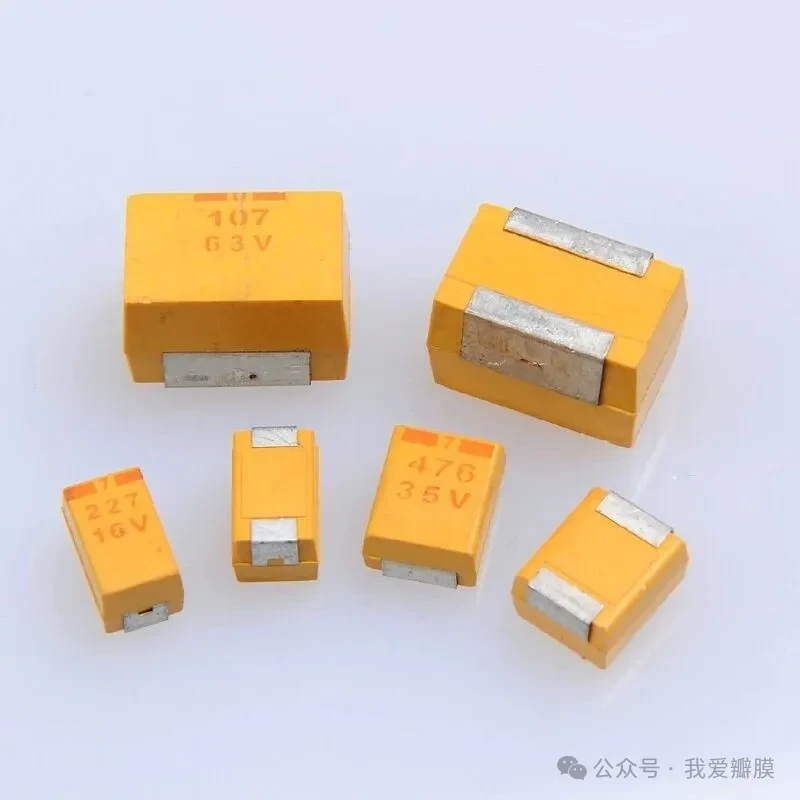
A 25V-rated tantalum capacitor was mistakenly installed in a position where a 35V-rated tantalum capacitor should have been used. This seemingly minor error actually carries significant risks.
From the perspective of electronic principles, the rated voltage is an important indicator for a capacitor to work safely and stably. When the voltage applied to the capacitor exceeds its rated voltage, it is like asking a weak person to carry a weight beyond their capacity. The dielectric layer inside the capacitor will be under tremendous pressure and can easily be damaged, leading to short circuits or thermal runaway. In this situation, the current will increase sharply, like an uncontrollable flood bursting through a dam. Short circuits or thermal runaway, for critical devices such as heart pumps that directly affect the patient's life safety, are undoubtedly catastrophic. They may cause the pump to stop working completely, just like a suddenly stopped heartbeat, unable to provide the necessary blood support to the patient’s body.
Affected Device Inventory: 69 AICs Listed
In this FDA safety alert, the scope of affected devices is clearly specified.A total of 69 automatic Impella Controllers (AIC) were included.
For medical institutions and relevant personnel who own these medical devices, it is crucial to promptly check and handle the affected equipment. Immediate action is required to carefully examine the devices in hand against the complete list of affected product codes and serial numbers provided in the FDA advisory. This is akin to searching for a specific ship in a vast ocean — although the task is challenging, there is no room for carelessness. Each serial number serves as a key clue for identifying problematic devices and must be meticulously verified to ensure nothing is overlooked.
Once you find that the equipment you own is among the affected, it is crucial to strictly follow the requirements and immediately stop using it. This is not only a responsibility for the safety of patients' lives, but also a dual requirement of law and ethics. At the same time, the equipment should be properly isolated and placed in a safe location to avoid being inadvertently reused. In this era of rapid information dissemination, relevant personnel must maintain close communication and information sharing, promptly discussing issues and solutions encountered during the verification process. Only in this way can we ensure that all affected equipment is discovered and handled appropriately in a timely manner, minimizing potential risks to the greatest extent.
Historical Alarm: Review of Similar Incidents
In fact, this is not the first time that Johnson & Johnson's AIC has been embroiled in a safety controversy. Just less than two months ago, in early July, the FDA issued a similar alert regarding certain AICs. The issue at that time was equally severe, with reports indicating that the device failed to properly connect with the Impella heart pump. This connection problem prevented the devices from working together correctly. And what seemed like a simple connection failure was closely linked to the deaths of three patients.
Just weeks later, the FDA took decisive action, officially classifying the AIC issue as a Class I recall. A Class I recall is the most serious level of medical device recalls, indicating that the product poses significant safety hazards that could cause severe harm or even be life-threatening to patients. The scope of this recall was astonishing, involving more than 11,000 devices distributed worldwide. These devices are like hidden time bombs, ready to explode at any moment when patients need them the most.
Johnson & Johnson Medical Technologies stated at the time, "AIC and Impella pumps remain on the market and are available for patient care." They emphasized that educating healthcare professionals on recommended practices to improve patient outcomes remains a top priority, and they are committed to their mission of providing safe and effective life-support technologies to patients worldwide.
Johnson & Johnson's Response: Attitude and Measures
In response to the FDA's warning, Johnson & Johnson Medical quickly reacted. They shared a statement in which Johnson & Johnson first emphasized the incidence rate of the issue. A review of complaints from January 2011 to June 2025 revealed that the incidence rate of related events caused by the tantalum capacitor issue was 0.006%. Although this rate may seem low statistically, even one case is a 100% disaster for the patient involved, and moreover, one patient has already lost their life as a result.
In the statement, Johnson & Johnson earnestly expressed its high regard for patient safety. "Our top priority is our patients, and we are firmly committed to ensuring the safety and quality of our technology." This sentence is not only a simple promise but should also be a guide for their actions. From the perspective of corporate social responsibility, when patients entrust their health to their products, Johnson & Johnson has the responsibility and obligation to ensure the safety and efficacy of those products.
In order to reduce risks and ensure the safety of patients' lives, Johnson & Johnson has also taken a series of positive measures.Starting from August 21, 2025, they have been tirelessly notifying the affected customers, promptly informing them of the severity of the issue and associated risks. It’s like lighting a lamp for customers in the dark, allowing them to clearly understand the situation they are facing. Meanwhile, to ensure that medical institutions can continue their normal treatment operations without disruption, Johnson & Johnson also offered the loan of AICs for customer use. This measure, to a certain extent, alleviated the urgent needs of medical institutions and ensured that patients could continue to receive necessary life support. However, are these measures sufficient? Can they truly eliminate the doubts in the minds of patients and the public? This still requires time and follow-up actions to verify.
Acquisition Background: The Connection Between Johnson & Johnson and Abiomed
Back in 2022, Johnson & Johnson acquired Abiomed for approximately $16.6 billion in a deal that caused a stir in the healthcare industry at the time. Prior to the acquisition, the Impella heart pump and AIC technology were marketed under the Abiomed brand, enjoying a certain level of recognition and market share. Abiomed had been deeply involved in the cardiovascular medical device field for many years, bringing hope to numerous cardiovascular disease patients through its innovative research and development in heart pump technology.
Johnson & Johnson, as a giant in the global medical industry, has been actively expanding its business territory, committed to providing more comprehensive and higher-quality medical solutions for patients worldwide. This acquisition of Abiomed marks an important step in Johnson & Johnson's strategic layout in the cardiovascular field. Through the acquisition, Johnson & Johnson not only gained Abiomed's advanced heart pump and controller technology but also further enriched its product portfolio, strengthening its competitiveness in the cardiovascular medical device market. After the acquisition was completed, Abiomed began operating under the name Johnson & Johnson Medical Technology Company. This transformation represents not only a change in brand name but also reflects corporate strategic integration and optimized resource allocation. With its strong financial strength, extensive market channels, and deep research and development foundation, Johnson & Johnson has provided broader space for Abiomed's technological advancement and market promotion.
Industry Reflection: Where is the Road to Medical Device Safety Heading?
The Johnson & Johnson Heart Pump Controller Incident: A Deep Reflection on Device Safety, Regulatory Oversight, and Corporate Responsibility
From the perspective of equipment safety, this incident reveals that even well-known enterprises in the industry may have serious loopholes in product quality control. A minor capacitor error could lead to such severe consequences, which forces us to re-examine the quality control system in the production process of medical devices. The selection of every component and the execution of each production step must be foolproof. This not only requires companies to possess advanced production technologies and equipment but also demands rigorous quality control processes and a high level of responsibility. In the future, safety standards for medical devices should be further enhanced to ensure stable operation under normal conditions and comprehensively anticipate and address various potential abnormal situations, minimizing risks as much as possible.
The issue of regulatory strength has also been highlighted in this incident. As the main regulatory body for medical devices in the United States, the FDA issued warnings promptly, but the problem had already occurred and resulted in casualties. This raises questions about whether pre-incident regulation was stringent and comprehensive enough. Were there any regulatory loopholes or delays? Regulatory authorities need to further strengthen oversight and improve regulatory mechanisms in the approval of medical devices, as well as post-market surveillance. Stricter approval standards should be established, with more thorough testing and evaluation of new products to ensure their safety and efficacy are fully verified. At the same time, enhance the tracking and monitoring of devices after they enter the market, promptly identify and address potential safety issues, forming a full lifecycle regulatory loop from production to use.
Corporate Responsibility: An Unavoidable Topic in This Incident. As a globally renowned healthcare company, Johnson & Johnson possesses strong technical capabilities and abundant resources, and should bear greater responsibility for the safety of patients' lives. Companies should not pursue profit as their sole objective but prioritize the interests of patients. In every aspect of product research and development, production, sales, and after-sales service, strict adherence to relevant laws, regulations, and industry standards is required to ensure product quality and safety. Strengthening internal management, enhancing employees' quality awareness and sense of responsibility, and establishing an effective quality traceability system can quickly identify and resolve issues when they arise. Proactively addressing public concerns, promptly taking measures to reduce risks, and restoring corporate reputation and patient trust are essential.
The Johnson & Johnson Heart Pump Controller Incident: A Setback and Opportunity for Reflection in the Medical Device IndustryThis Johnson & Johnson heart pump controller incident represents a setback in the development of the medical device industry, but it also offers an opportunity for deep reflection and improvement. Only through the joint efforts of all parties to enhance device safety, strengthen regulatory oversight, and reinforce corporate responsibility, can medical devices truly become a powerful tool to safeguard patients' health and drive the healthcare industry towards a safer and more reliable future.
Focus on Medical Safety, Protect Life and Health
Medical Devices: As a Key Component in the Medical Process, They Are the Link Connecting Patients with Hope, and Their Safety Is Directly Related to the Life and Health of Patients. From the Johnson & Johnson Heart Pump Controller Incident, We Have Deeply Realized That the Safety Issues of Medical Devices Cannot Be Overlooked. Every Small Hidden Danger May Act Like a Time Bomb, Triggering an Irreversible Tragedy in the Blink of an Eye.
Medical Device Safety: A Defense Battle that Requires Participation from the Whole Society. Let us work together, focus on medical safety, and provide solid protection for every life, making medical devices a reliable line of defense for safeguarding lives.