
Percutek Therapeutics
Developer of Minimally Invasive Cardiovascular Treatment Devices

Today, I will introduce to youNanchong Central Hospital Cardiothoracic and Great Vessels Surgery DepartmentProfessor Liu Shiqiang's TeamSharing of TEVAR Surgery for Aortic Penetrating Ulcer with Complex Anatomy. The patient was admitted to the hospital due to a car accident, with an aberrant right subclavian artery (ARSA). The ARSA originated distal to the left subclavian artery, located posteriorly on the greater curvature of the aorta. The aortic ulcer lesion was situated at the origin of the descending aorta, posteriorly, in close proximity to the ARSA.
Faced with this complex situation, what surgical plan can safely and effectively treat the patient? Which approach can effectively seal the lesion while also performing arch reconstruction to ensure unobstructed blood flow to the branches above the arch? After careful consideration, Professor Liu Shiqiang's team utilized the Percutek Therapeutics thoracic aortic stent graft, successfully reconstructing the ARSA through in-situ fenestration technology. The procedure efficiently isolated the lesion, and the patient had a good postoperative outcome.

Gender:Female
Age:62 years old
Chief Complaint:Multiple injuries all over the body caused by a car accident more than 2 hours ago.
History of Present Illness:More than 2 hours ago, the patient was involved in a car accident, resulting in restricted movement of the right hand, deformity of the right forearm, multiple skin abrasions, and dizziness. Emergency treatment included fluid resuscitation. CT showed: multiple fractures on the left side of the frontal bone (partially displaced), accompanied by soft tissue swelling, sinus and abdominal cavity hematoma, and liver contusion. There was also a cystic bulge on the posterior side of the aortic arch and the right side of the descending aorta (considered to be an aneurysm or localized dissection), with adjacent mediastinal hemorrhage. The diagnosis was "traumatic hemorrhagic shock," and the patient was admitted to our department. Currently, the patient is confused and in poor spirits.
Past Medical History:Generally in good health.
CTA Details:Penetrating aortic ulcer, aberrant right subclavian artery (ARSA), ARSA originates distal to the left subclavian artery (LSA), located posteriorly along the greater curvature of the aorta; aortic ulcer lesion is situated at the origin of the descending aorta, posterior side of the aorta, adjacent to ARSA, approximately 11mm from LSA. The opening of the ARSA root is about 3.6mm from the LSA opening, and the aortic diameter at the posterior edge of the LSA opening is approximately 27mm, with left vertebral dominance.
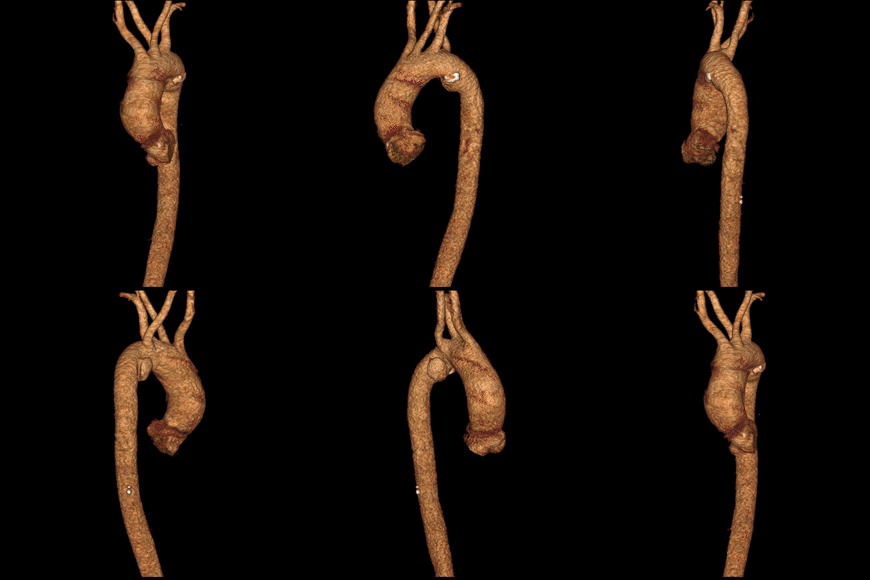
Preoperative Three-dimensional Reconstruction
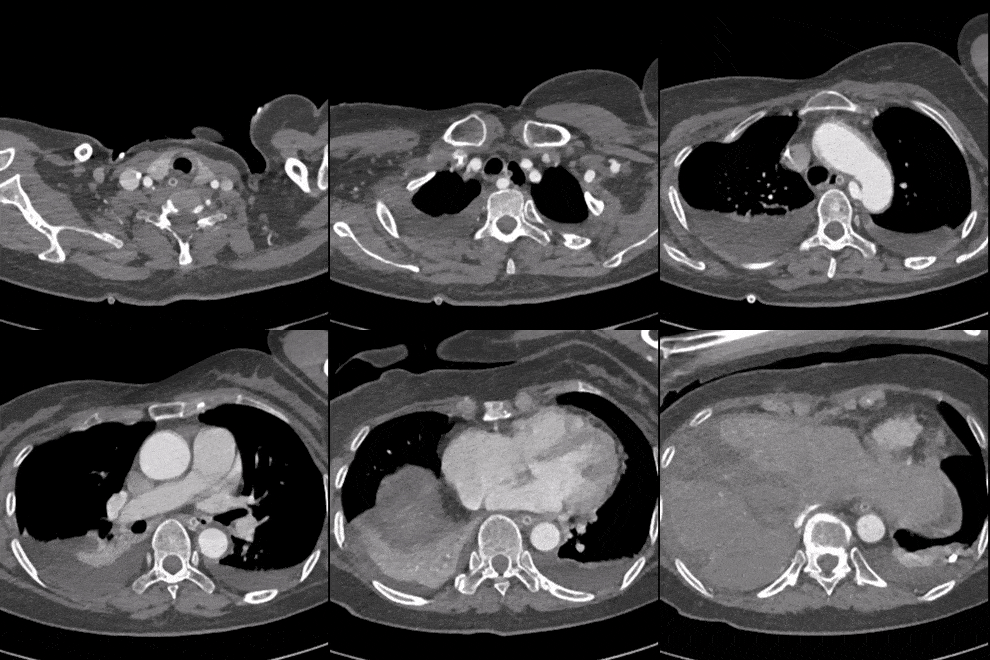
Preoperative CTA Cross-Section
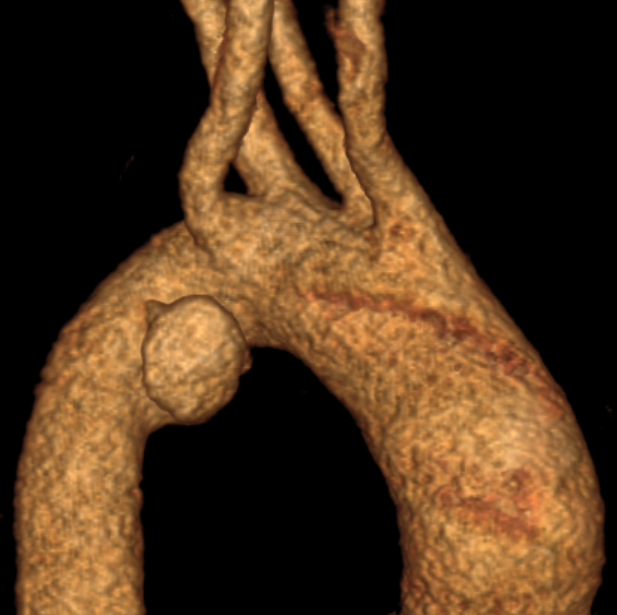
Location of the Lesion and Branches Above the Arch

The patient has a unique anatomical structure, with an aberrant right subclavian artery.This poses challenges to the precise positioning of the stent graft, the closure of the lesion, and the skills of the operator.
The lesion is adjacent to ARSA, with a significantly insufficient proximal anchoring zone, requiring extension of the anchoring zone and reconstruction of ARSA.
The ostium of ARSA is large and presents a "volcano mouth" shape, posing challenges for in-situ fenestration angle control during surgery. Additionally, common covered stents on the market are relatively difficult to fenestrate.
The patient's vital signs have not stabilized due to a car accident, and a prolonged operation will increase risks and affect recovery quality; therefore, a treatment method that is easy to perform and has a short operation time must be selected.

Surgical Plan Strategy
Endovascular Repair of the Thoracic Aorta with Direct Coverage of ARSA: The procedure is simple and effective, but covering ARSA may lead to clinical manifestations of posterior circulation ischemia and upper limb ischemia in patients.
Endovascular Repair of Thoracic Aortic Stent Graft + ARSA Chimney Technique: The surgical procedure is relatively simple, but the ARSA is in close proximity to the common trunk of the LSA, posing a higher risk of endoleaks and occlusions, with suboptimal mid- to long-term outcomes.
Endovascular Repair of Thoracic Aortic Stent Graft with In Vitro Fenestration: Excellent sealing of the lesion, preservation of original hemodynamic characteristics, but complex operation. Preoperative stent modification is required based on measurement results, which is time-consuming; precise alignment and ultra-selective window positioning during the procedure are necessary, posing higher risks.
Single-branched Stent Thoracic Endovascular Aortic Repair: Excellent sealing of the lesion, but with an increased risk of branch stent occlusion in the long term.
Endovascular Repair of Thoracic Aortic Stent Graft + In-situ Fenestration: Effective sealing of the lesion, no need for preoperative stent modification. However, traditional in-situ fenestration of aortic stent grafts has high requirements for interventional devices, necessitating special membrane-piercing instruments such as in-situ fenestration needles, lasers, and biopsy needles.
The stent graft for thoracic aorta produced by Percutek Therapeutics can achieve in-situ fenestration with only a 0.018" CTO guidewire soft tip penetrating the membrane. Considering the mid-to-long term treatment outcomes and the simplicity of intraoperative manipulation, after comprehensive evaluation, Professor Liu Shiqiang's team selected the thoracic aortic stent graft from Beijing Percutek Therapeutics Medical Equipment Co., Ltd for endovascular repair and utilized the in-situ fenestration technique to reconstruct the ARSA.

01.After the success of general anesthesia, disinfect the bilateral inguinal regions and the right elbow joint area, and drape conventionally; puncture the right femoral artery, insert a vascular closure device, and after systemic heparinization, insert a guidewire, then advance a vascular sheath and a gold marker catheter along the guidewire.
02.Angiography confirmed that the catheter was in the true lumen of the blood vessel. An ulcerative lesion approximately 2×1.5 cm in size was visible near the distal end of the aortic arch, adjacent to the ARSA. The origin of the aberrant ARSA was located distal to the LSA and on the greater curvature side of the aortic arch.
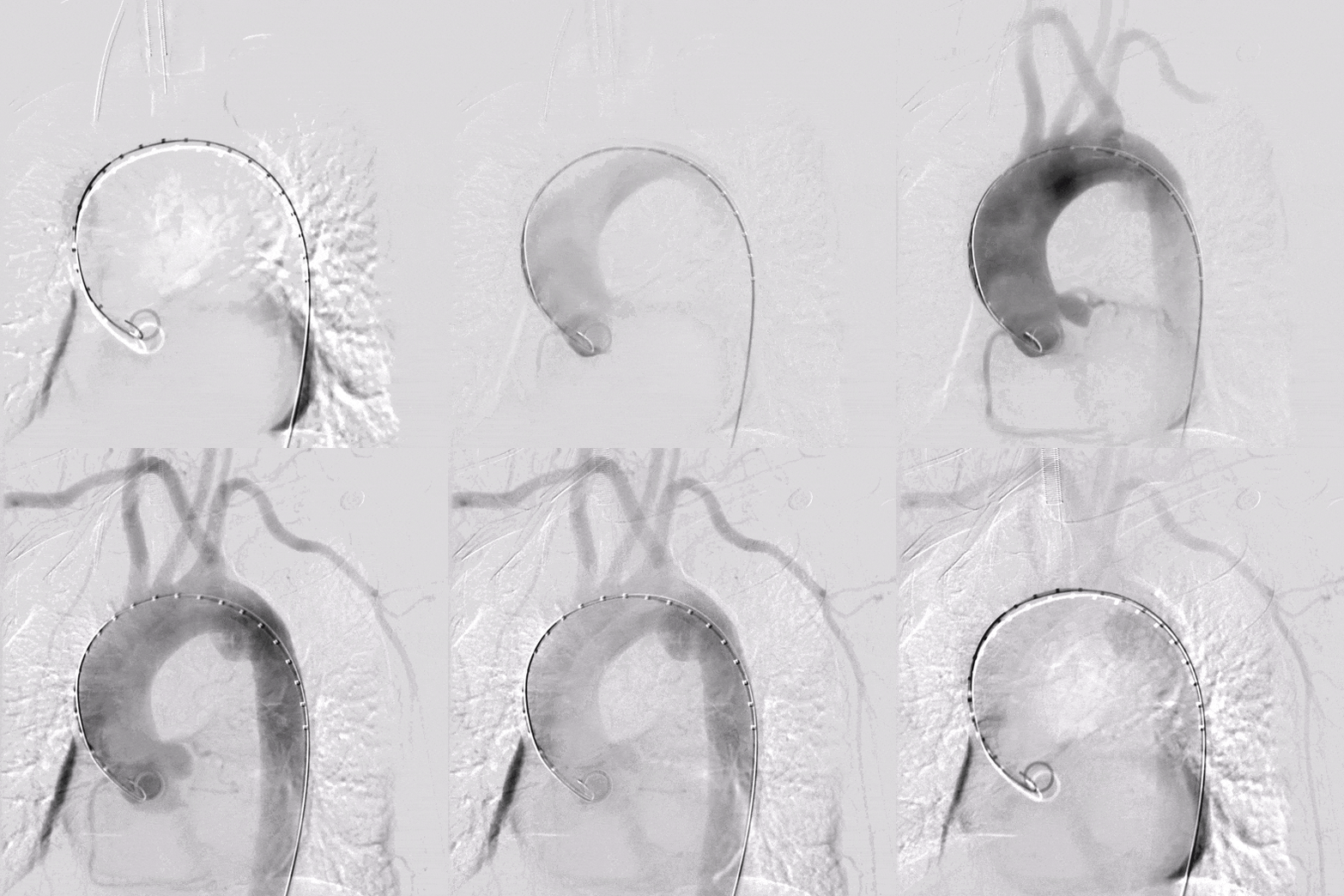
Preoperative Angiography
03.Incise the right elbow, expose the right brachial artery, insert a peripheral arterial guidewire upon observing arterial backflow, advance through the ARSA into the ascending aorta, place a vascular sheath, and then withdraw the guidewire.
04.Through the right femoral artery vascular sheath and angiography catheter, a stiff guidewire was inserted. After withdrawing the angiography catheter and vascular sheath, a Percutek Therapeutics thoracic aortic stent graft (model PTBS3026180) was placed. The proximal end of the stent was released at the posterior edge of the ostium of the LSA root, and the delivery device was then withdrawn.
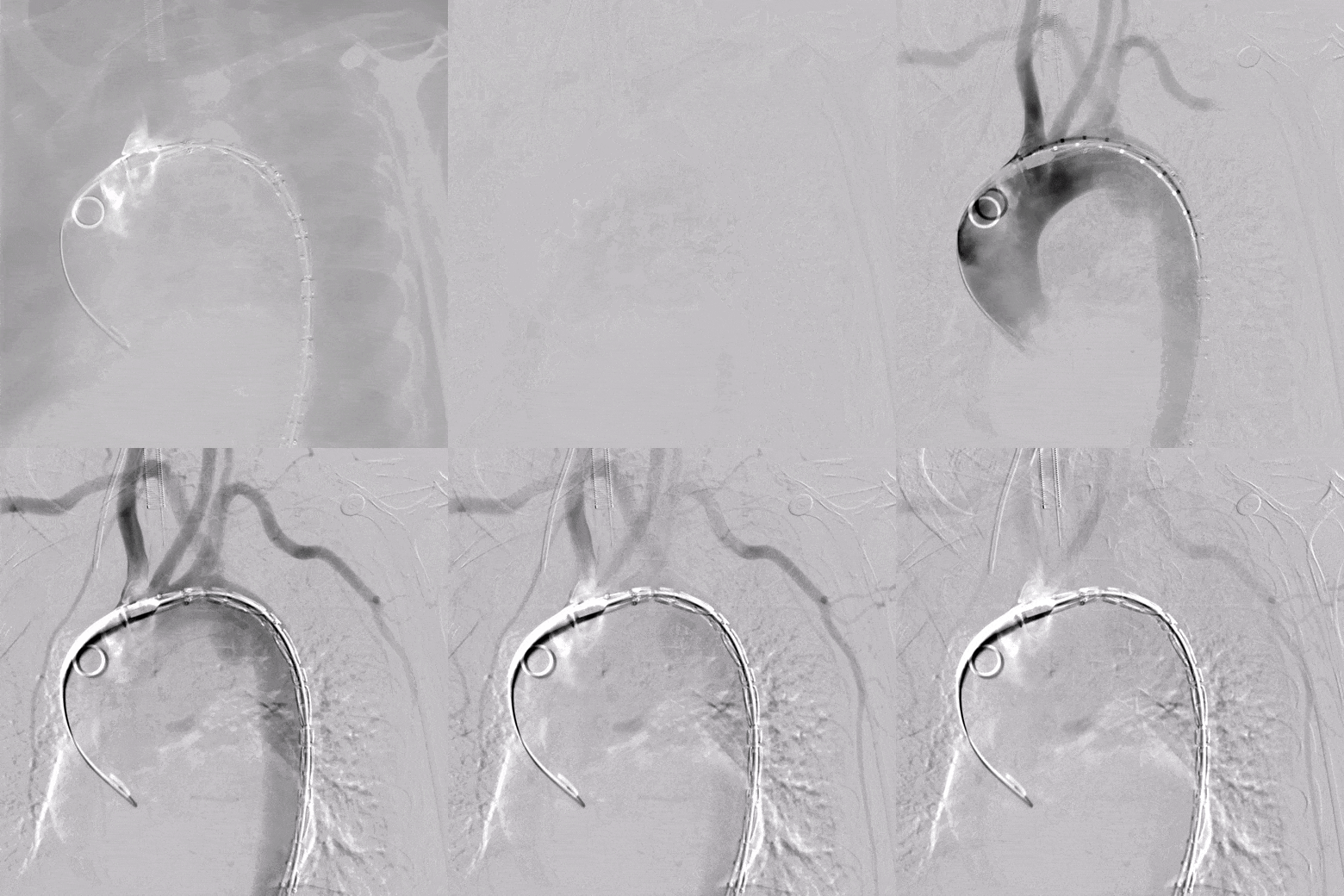
Implant Percutek, Angiographic Positioning
Release two segments, re-angiography for positioning
Angiography after full release
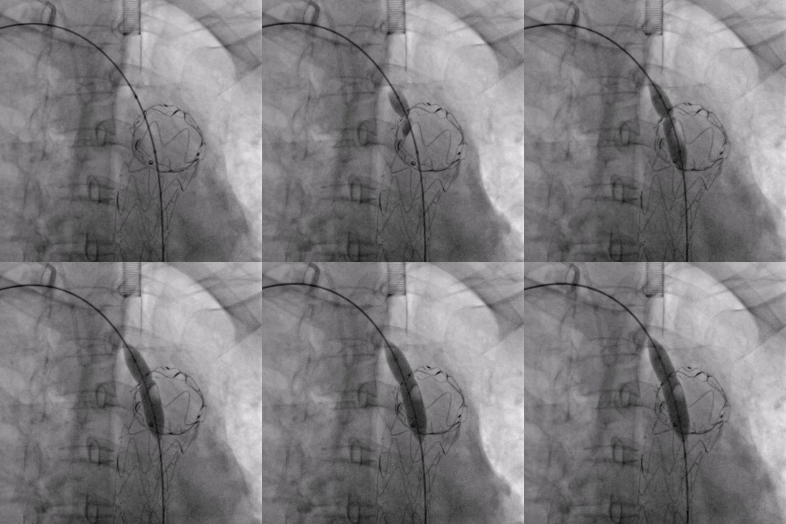
05.A 250T soft-head guidewire was inserted through the right brachial artery sheath in conjunction with a single-bend catheter. An in-situ fenestration was performed at the ARSA ostium, followed by the placement of 4mm, 6mm, and 8mm balloons to expand the fenestrated area.
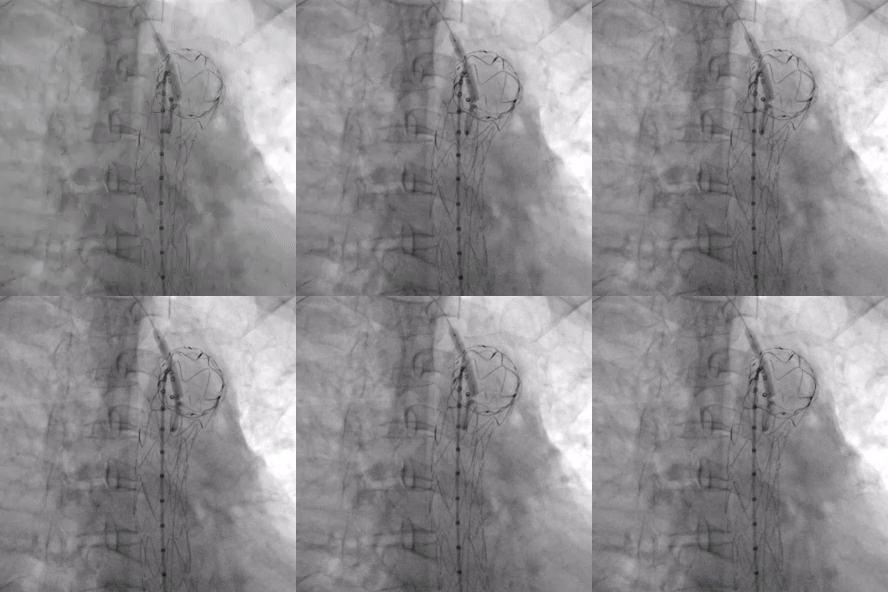
Small Balloon Dilation to Open Windows
Large Balloon Dilation Window Opening
06.A 9-38mm balloon-expandable bare stent was deployed within the ARSA, followed by dilation using a 10mm balloon.
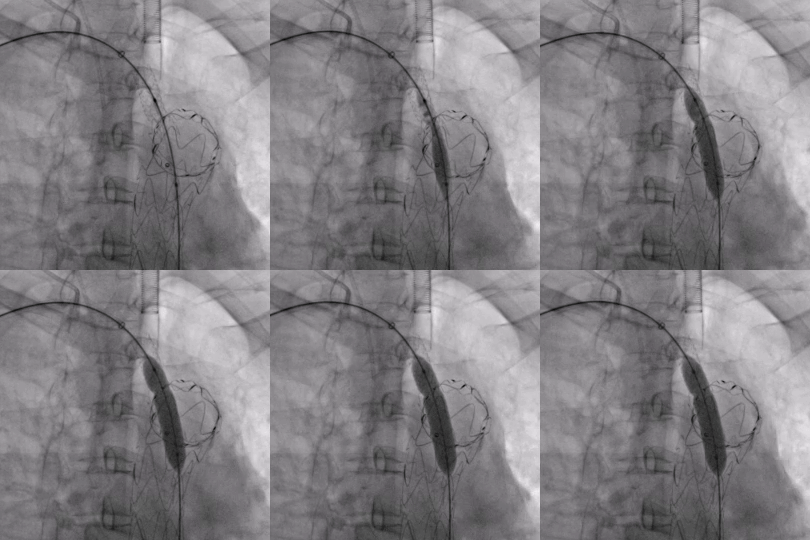
Post-dilation Small Stent
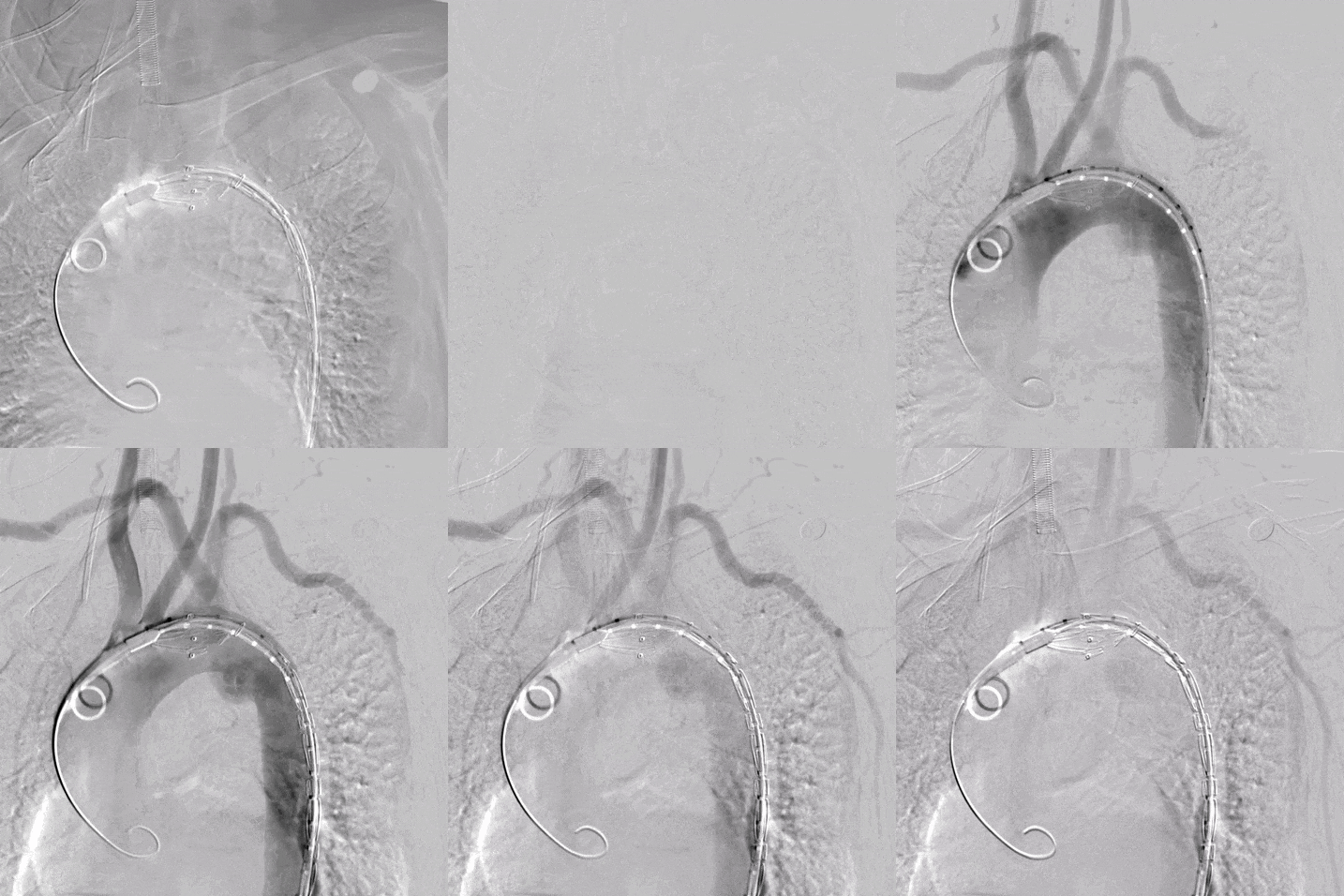
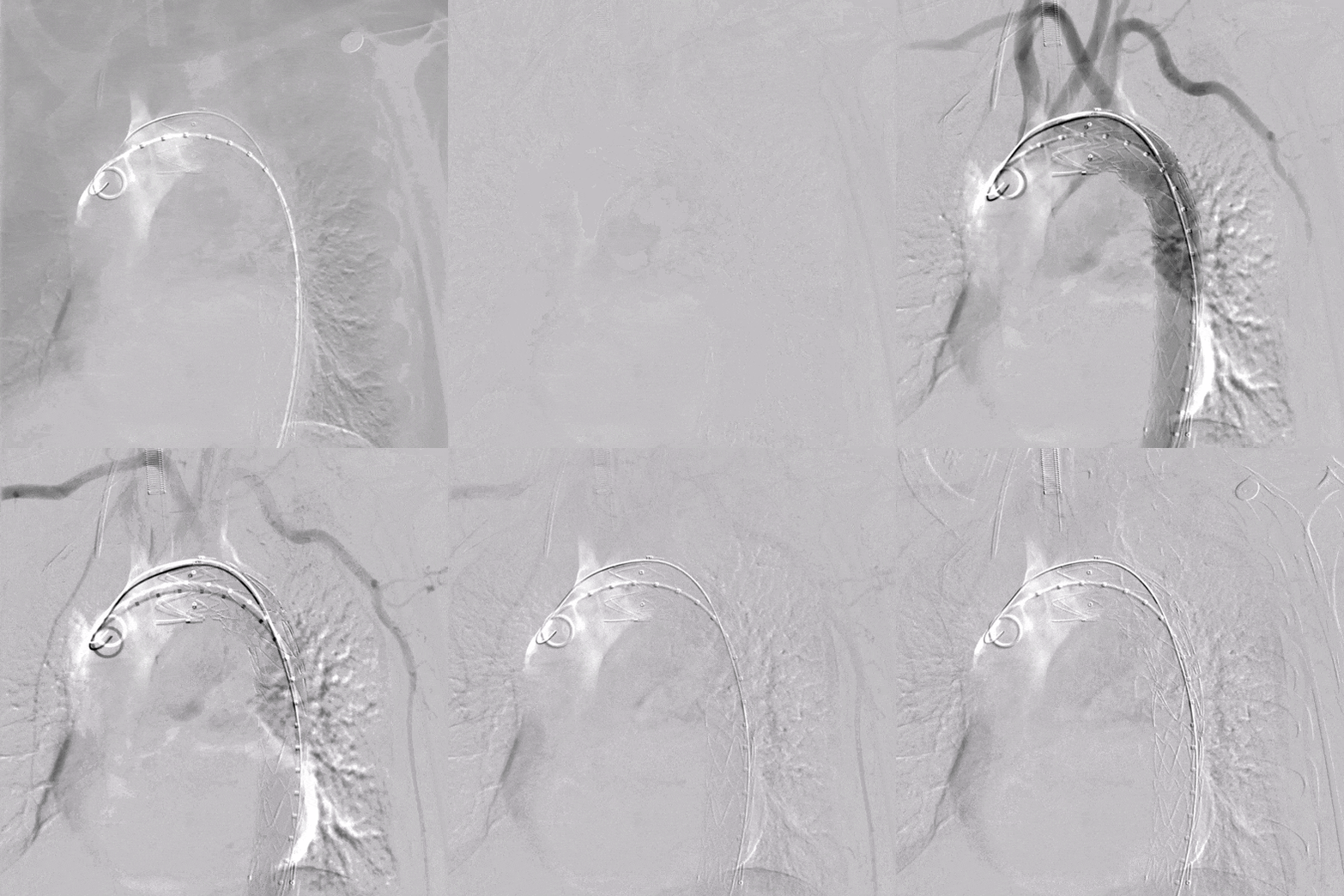
07.A stiff guidewire was inserted into the angiographic catheter, and angiography was performed again to confirm the satisfactory positions of the two stents. No abnormalities such as endoleaks or collapse were observed. All guidewires, catheters, and sheaths were removed, the puncture site was closed, and pressure dressing was applied for complete hemostasis. The incision was closed layer by layer. The procedure was completed.
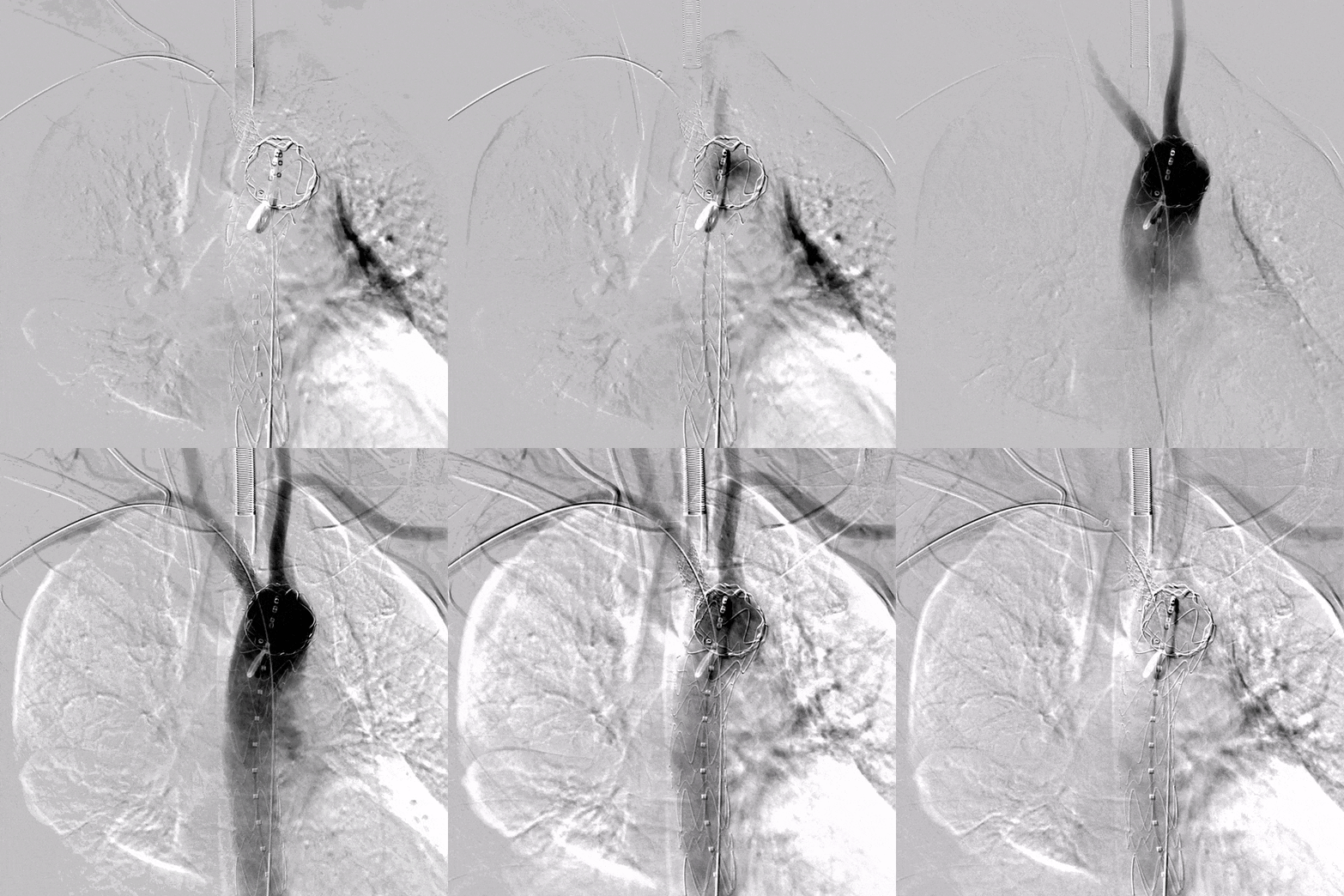
Postoperative Angiography (1)
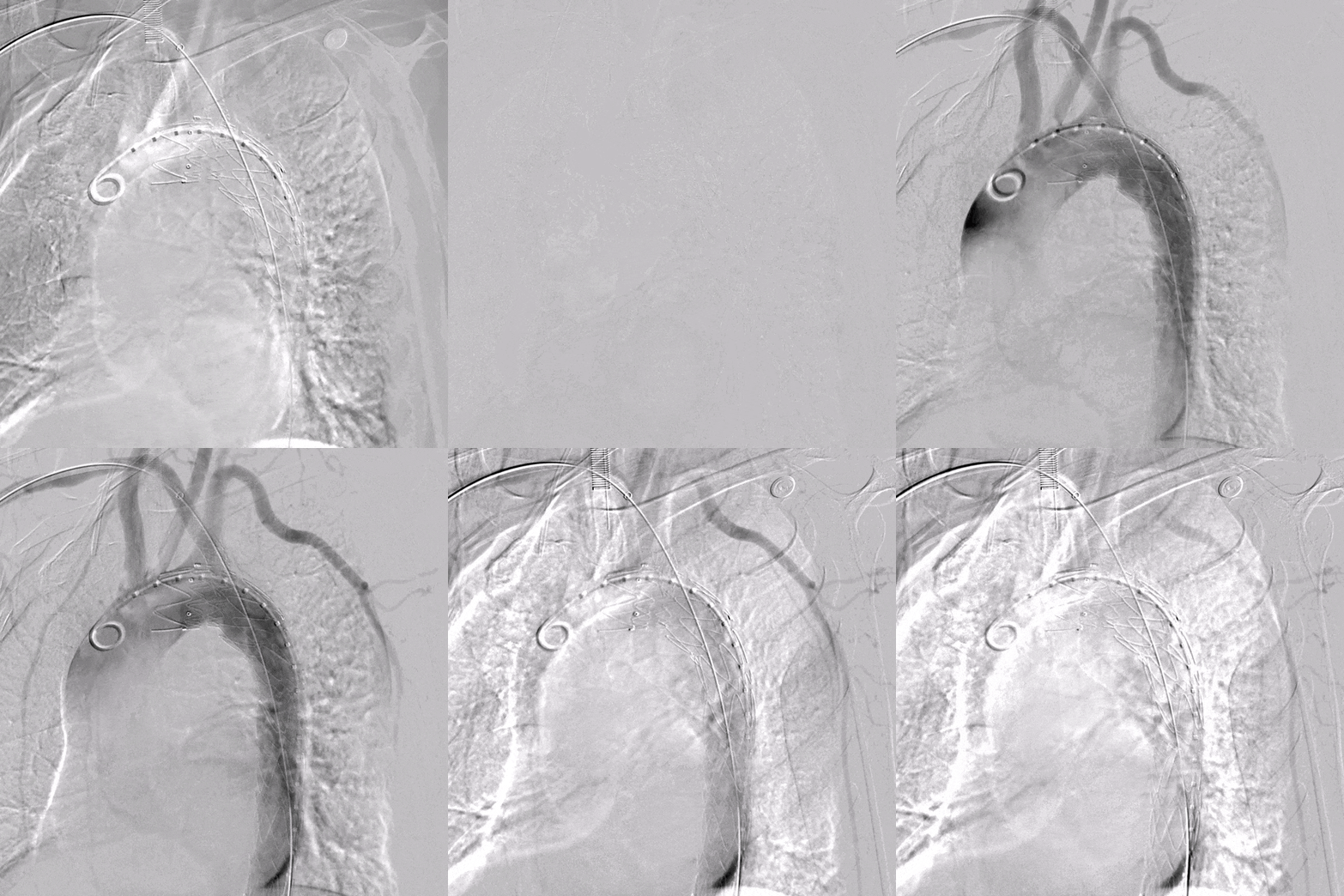
Postoperative Angiography (2)

Preoperative and Postoperative Comparison
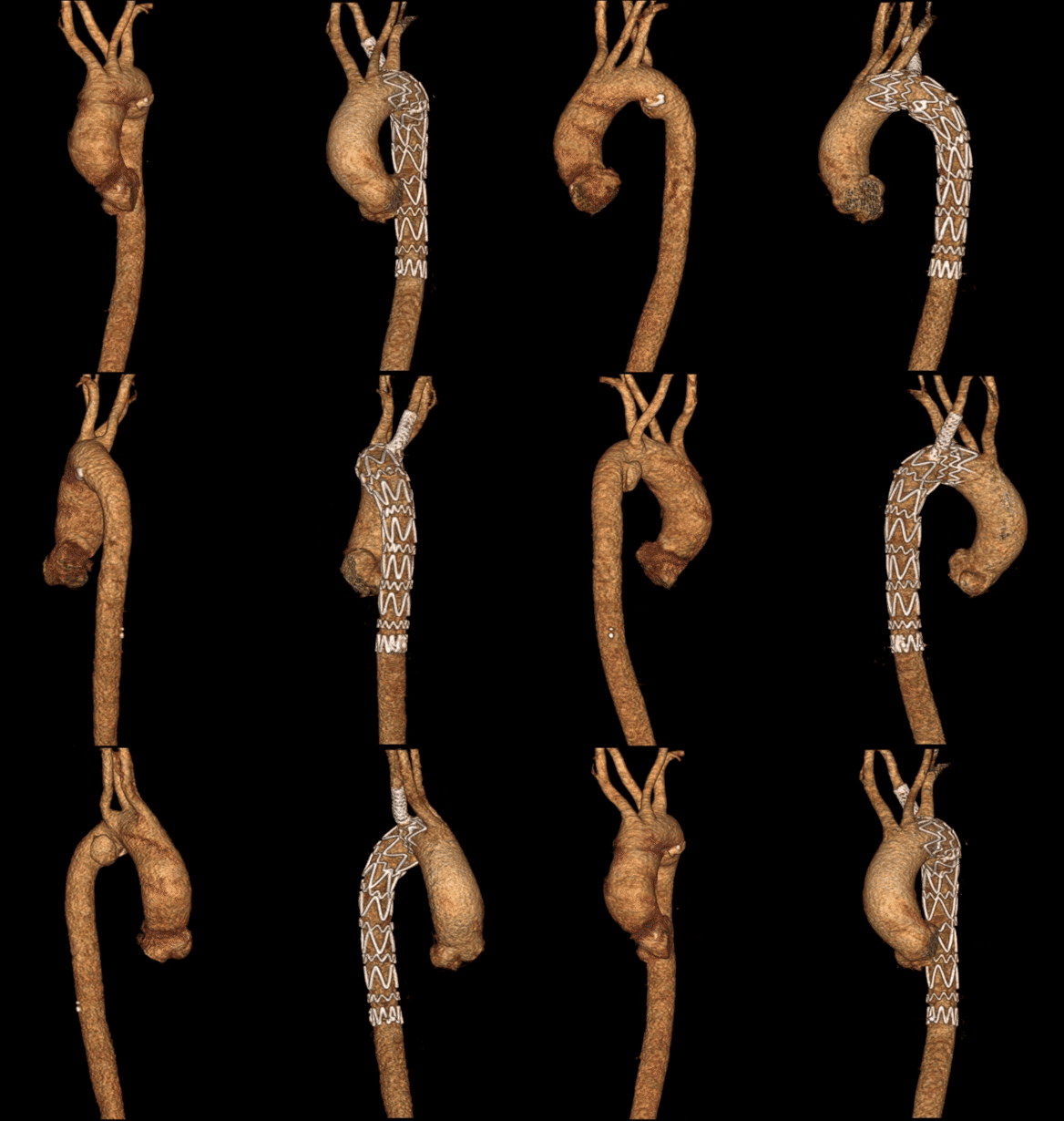
Preoperative/Postoperative 3D Reconstruction Comparison
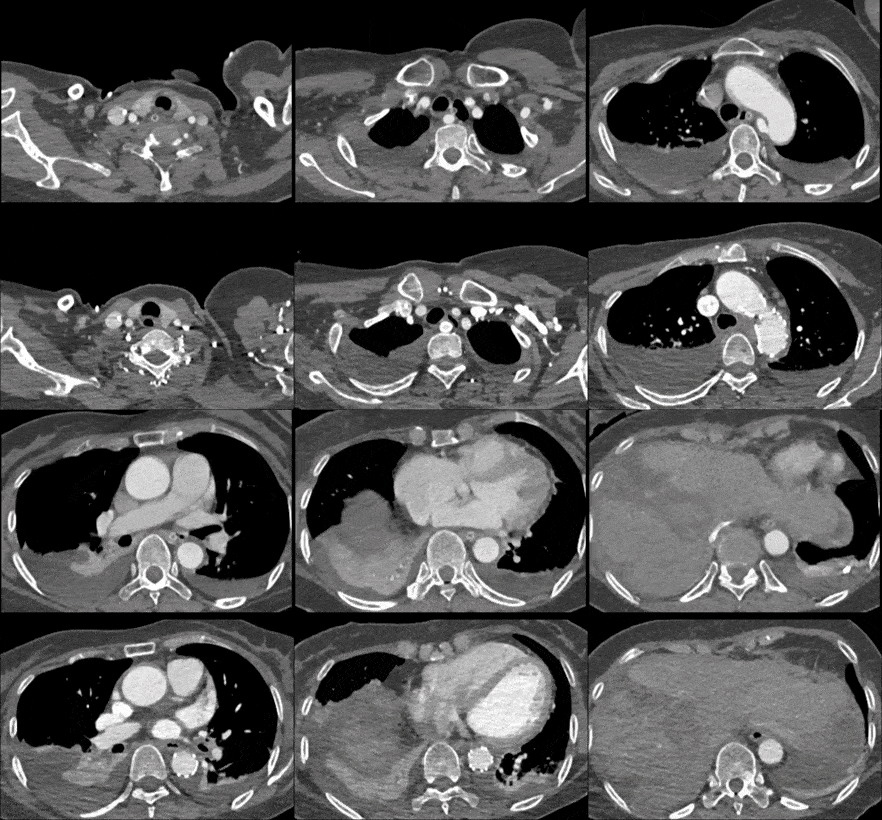
Preoperative/Postoperative CTA Axial Comparison
Postoperative recovery was good. Re-examination of CTA showed: the morphology of the aortic stent and ARSA stent was good, blood flow was unobstructed, and there was no endoleak.

Summary of Case Experience
This case study features a patient with an aortic ulcer and complex anatomical structures. The ARSA originates from the descending aorta, distal to the LSA, on the posterior side of the aortic greater curvature. The aortic ulcer lesion is located at the origin of the descending aorta, posteriorly, adjacent to the ARSA. With an insufficient proximal anchoring zone, supra-aortic branch reconstruction of the ARSA is required. The surgery is highly challenging, demanding high standards in terms of the sealing capability of the stent graft, precise positioning, and the deliverability of the delivery system.
Professor Liu Shiqiang's team ultimately chose the Percutek Therapeutics thoracic aortic stent graft for endovascular repair. This stent graft is currently the only product on the market capable of achieving in-situ reconstruction solely through guidewire penetration. It offers precise positioning and no endoleak. During the procedure, the membrane can be easily penetrated using only the soft tip of a 0.018" CTO guidewire. The fenestration area of the graft is easy to penetrate and expand, and after stent implantation, the shape is excellent with no membrane leakage. Ultimately, the surgical outcome for this patient met expectations.

Introduction of Experts
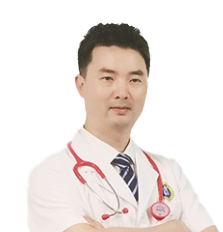
Professor Liu Shiqiang
Chief Physician, Graduate Degree, Graduate Supervisor at North Sichuan Medical College, Deputy Director of the Cardiac and Great Vessels Surgery Department at Nanchong Central Hospital, Standing Committee Member of the Cardiac and Great Vessels Surgery Specialized Committee of the Sichuan Province Healthcare and Health Promotion Association, Standing Committee Member of the Thoracic and Cardiovascular Surgery Specialized Committee of the Sichuan Geriatrics Society, Member of the Thoracic and Cardiovascular Emergency Specialized Committee of the Sichuan Geriatrics Society, Standing Committee Member of the Thoracic and Cardiovascular Surgery Specialized Committee of Nanchong City. Graduated successively from North Sichuan Medical College and Kunming Medical University, and completed advanced studies at Beijing Anzhen Hospital.
Proficient in the diagnosis and surgical treatment of various complex cardiovascular diseases, including aortic diseases, heart valve diseases, coronary heart disease, and congenital heart disease. Pioneered the independent implementation of highly complex surgeries for aortic dissection in the northeastern Sichuan region, such as "total aortic arch replacement + stented elephant trunk procedure," "branched-first total aortic arch replacement and stented elephant trunk procedure," "aortic root replacement with valve preservation (David procedure)," and "hybrid surgery (Hybrid one-stop composite surgery)." Skilled in the repair of various heart valve diseases, enabling 60%-70% of patients with valvular diseases to avoid valve replacement, thus providing better quality of life and longer life expectancy. Routinely performs minimally invasive transcatheter or transapical aortic valve implantation (TAVI surgery) for elderly patients who cannot tolerate or are unwilling to undergo open-chest surgery. Pioneered thoracoscopic radiofrequency ablation and left atrial appendage closure for atrial fibrillation treatment in the Nanchong region. Also pioneered minimally invasive interventional treatments for congenital heart disease, thoracoscopic cardiac surgery, and coronary artery bypass grafting in cardiac and vascular surgery; successfully completed over 2,000 cardiovascular surgeries.
Participated in multiple provincial and municipal scientific research projects, led two strategic cooperation special research projects of Nanchong City, obtained one national utility model patent, published more than 20 papers in domestic and international core medical journals, and had three papers indexed by SCI.
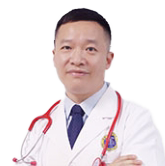
Professor Wang Yongjie
Graduated from Zunyi Medical College in 2011 with a master's degree, and worked at Nanchong Central Hospital ever since.
Proficient in the diagnosis and treatment of cardiac and major vascular surgical diseases.
Member of the Sichuan Provincial Committee of Cardiovascular and Great Vessel Surgery, Member of the Sichuan Provincial Committee of Cardiogenic Stroke.


Department Introduction
Nanchong Central Hospital Cardiothoracic and Vascular Surgery
Department Basic Information
The Department of Cardiac and Great Vessel Surgery at Nanchong Central Hospital was established in the 1980s, being the first in the Nanchong region to perform open-heart surgeries under cardiopulmonary bypass, filling a regional gap. The department was originally combined with thoracic surgery as the Thoracic and Cardiovascular Surgery Department. In 2003, our hospital partnered with the National Cardiovascular Disease Center, Beijing Fuwai Hospital, to establish the Beijing Fuwai Hospital—Nanchong Central Hospital Cardiovascular Disease Diagnosis and Treatment Center. In 2010, we collaborated with Beijing Anzhen Hospital to carry out high-difficulty great vessel surgeries. In 2013, our hospital became a designated hospital for pediatric congenital heart disease surgical treatment in Sichuan Province. In 2022, the Department of Cardiac and Great Vessel Surgery became an independent department. In 2023, the National Regional Medical Center for Cardiovascular Diseases was established at Nanchong Central Hospital, and the hospital was officially renamed Beijing Medical University Affiliated Beijing Anzhen Hospital Nanchong Hospital (Anzhen Nanchong Hospital), striving to build a national regional medical center for cardiovascular diseases. Our hospital has a team of top-tier experts stationed year-round, allowing the general public to enjoy high-quality, nationally leading medical services "at their doorstep."
The department has 30 authorized beds, over 50 actually available beds, and 5 fixed ICU beds. It has formed a strong medical team of more than 40 people, including 1 long-term expert from Beijing Anzhen Hospital, 3 chief physicians, 1 deputy chief physician, 2 doctors with doctoral degrees, and more than 8 master's degree holders. The annual surgery volume exceeds 500 cases. The Department of Cardiac and Great Vessel Surgery routinely performs interventional and surgical treatments for various cardiovascular diseases such as valvular heart disease, congenital heart disease, coronary artery disease, aortic disease, atrial fibrillation, cardiomyopathy, cardiac tumors, and pericardial diseases.
Scope of Diagnosis and Treatment
1. Department of Macrovascular Diseases
Our department routinely performs surgical operations and endovascular interventional treatments for various aortic diseases, including aortic dissection, thoracoabdominal aortic aneurysm, and aortic ulcer. In the Nanchong region, we were the first to carry out highly complex surgeries for treating various complicated large vessel diseases, such as "total aortic arch replacement and stented elephant trunk procedure," "branched-first total aortic arch replacement and stented elephant trunk procedure," "aortic root replacement with valve preservation (David procedure)," "in vitro pre-fenestration endovascular repair using 3D printing technology," "thoracoabdominal aorta replacement," and "Hybrid one-stop composite surgery." The success rate of these surgeries ranks among the top in the province.
2. Valvular Heart Disease
Routinely perform repair and replacement surgeries for various heart valve diseases, independently conduct full thoracoscopic mitral valve repair and replacement, routinely perform minimally invasive transcatheter aortic valve implantation (TAVI), and were the first in the Nanchong region to carry out minimally invasive transapical aortic valve replacement (TAVR) and transcatheter mitral valve clipping (Mitraclip).
3.Coronary Artery Disease
Routinely perform coronary artery bypass grafting under cardiopulmonary bypass and off-pump coronary artery bypass grafting, while applying various new technologies such as total arterial grafting, Y-shaped arterial grafting, minimally invasive small incision surgery, coronary artery bypass combined with ventricular aneurysm resection, coronary artery bypass and septal perforation repair after myocardial infarction, coronary artery bypass combined with valve replacement/repair, and myocardial bridge unroofing.
4. Congenital Heart Disease
Routinely perform minimally invasive interventional and surgical treatments for various congenital heart diseases. Such as: ventricular septal defect, atrial septal defect, complete or partial atrioventricular septal defect, patent ductus arteriosus, tetralogy of Fallot, pulmonary valve stenosis, pulmonary atresia, anomalous pulmonary venous drainage, congenital aortic coarctation, aortic sinus aneurysm, coronary arteriovenous fistula, double outlet right ventricle, double outlet left ventricle, biventricular right ventricle, single ventricle, transposition of the great arteries, etc. Pioneered the surgical treatment of various neonatal congenital heart diseases in the northeastern region of Sichuan.
5. Cardiomyopathy and End-Stage Heart Disease
Routinely perform Morrow surgery for hypertrophic cardiomyopathy (left ventricular outflow tract hypertrophic myocardium resection and疏通), Liwen surgery (ultrasound-guided percutaneous intramyocardial radiofrequency ablation of the interventricular septum); for dilated cardiomyopathy and end-stage heart disease, our department was the first in the Nanchong region to carry out left ventricular assist device implantation surgery.
6. Surgical Treatment of Atrial Fibrillation
Our department routinely performs minimally invasive atrial fibrillation radiofrequency ablation and/or left atrial appendage clipping under thoracoscopy. By directly addressing the key areas responsible for atrial fibrillation (AF foci and the left atrial appendage) through open surgical procedures, we eliminate the risk of thrombosis and embolism caused by AF at its source. The procedure is characterized by minimal surgical trauma, high safety, short treatment and recovery time, effective surgical outcomes, and a high cure rate.
7. Other Heart Diseases
Benign and malignant pericardial tumors, pericarditis, pericardial tuberculosis, trauma to the heart and major blood vessels, etc.


END
Copyright Statement: This platform aims to help medical and health professionals better understand the latest developments in related disease areas. The information content published on this platform does not imply agreement with its descriptions or viewpoints, but is merely for providing more information. If there are any copyright issues, we kindly request the rights holders to contact us, and we will address them as soon as possible. The information is intended solely for medical and health professionals to stay informed, and such information cannot replace professional medical guidance in any way, nor should it be regarded as medical advice. If such information is used for purposes other than staying informed, this platform and the author shall not bear any related responsibility.Contact email for cooperation:vascular@edoctor.work。