AThrough™: China's First Novel RF Transseptal Puncture System Officially Launched

Nuomao
Cardiovascular Innovative Medical Device R&D Manufacturer

Medtronic
Medical Device Manufacturer
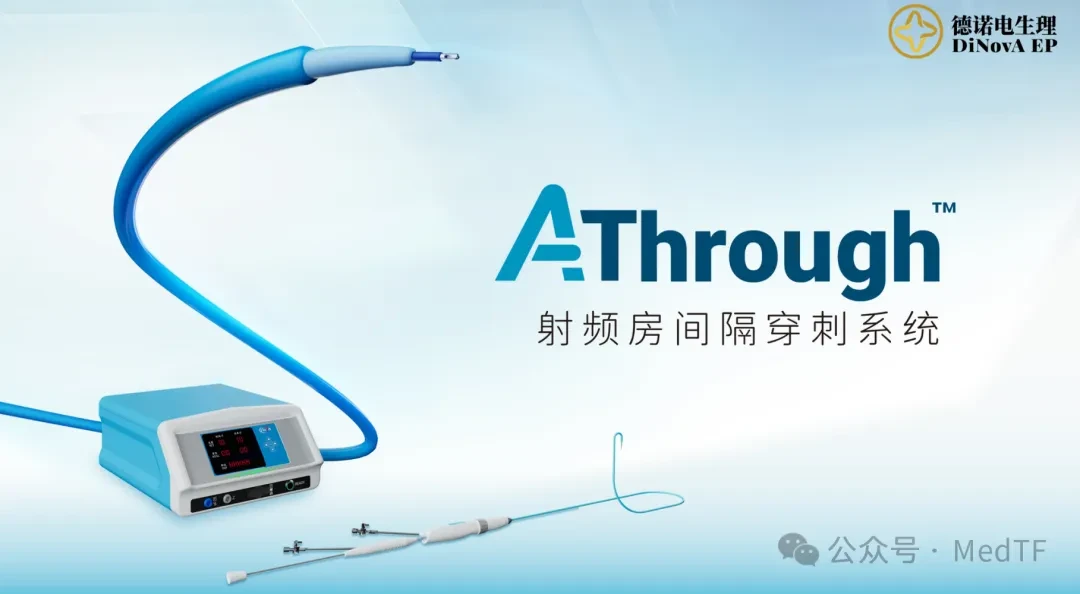
Nuomao Announces Its Innovative Device---AThrough™Radiofrequency Atrial Septal Puncture SystemOfficialListed,The SystemApplicable for femoral vein access, performing atrial septal puncture from the right atrium to the left atrium and establishingAccess,Will beLeft Atrial DiseaseInterventional Treatment of DiseasesProvideEfficient and Controllable、ConvenientTheBrand NewSelection.
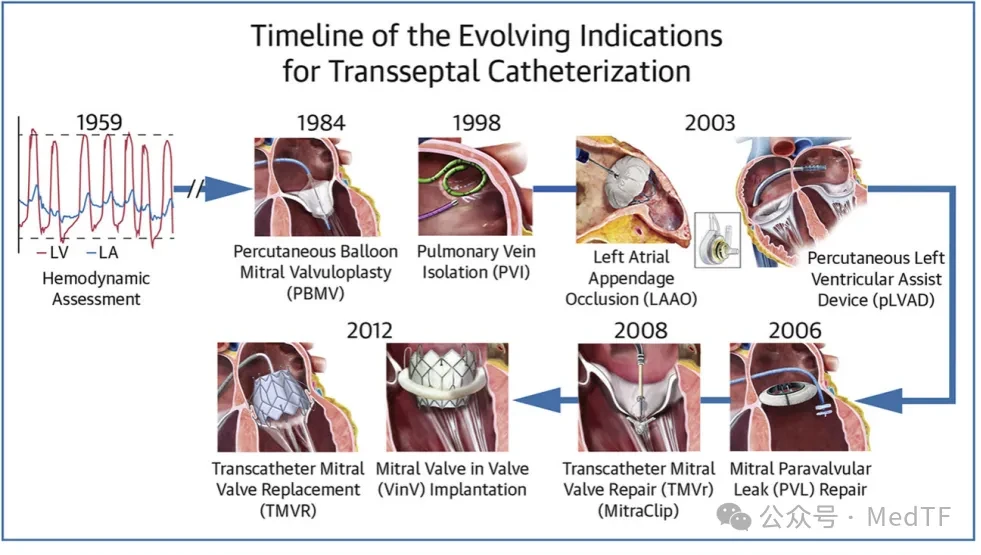
Transseptal puncture is one of the most commonly used techniques for left atrial interventional treatment.Known as“The First Door of Left Heart Interventional Surgery”,Widely used in atrial fibrillation ablation, left atrial appendage closure,Mitral ValveInterventional TherapyAwaiting Surgery。
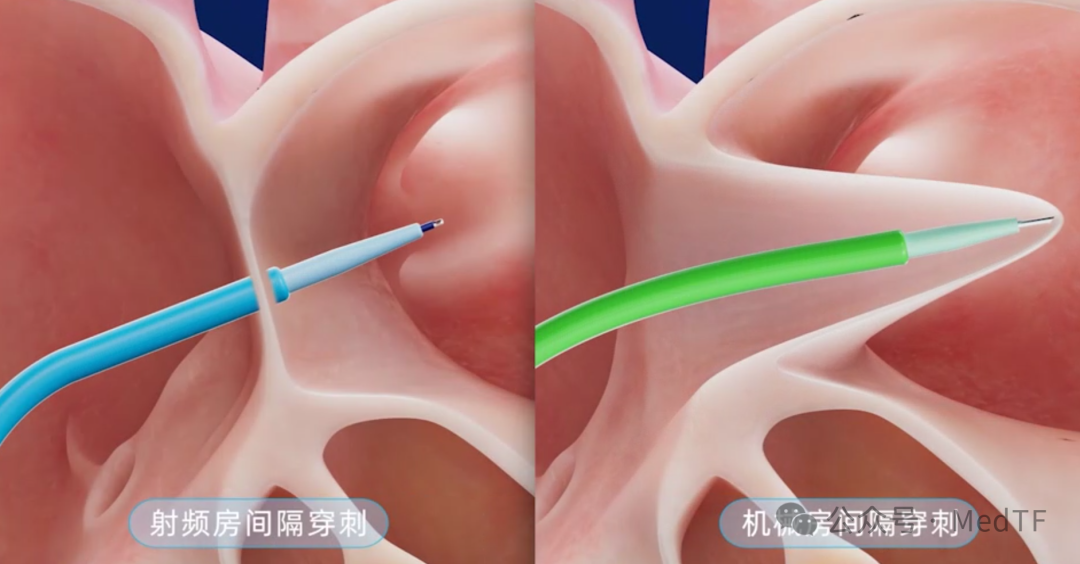
Currently, mechanical atrial septal puncture needles are mainly used for atrial septal puncture in China. This type of atrial septal puncture has many problems, such as the tendency for the needle to slip.、Inaccurate positioning, etc.,and may even cause damage to the heart due to misplaced puncture and force issues. In addition, mechanical atrial septal puncture needlesThe learning curve is very long and requiresThe operator has a high level of operational skill and experience, which also leads to many left atrial interventional treatments not being accessible at local hospitals.
In order to solve the problem of traditional mechanical puncture needlesExistenceTheProblem, a new type of RF transseptal puncture technology has emerged. This new transseptal puncture technology is revolutionary, just as PFA technology is to arrhythmia, not only improving the safety of transseptal puncture.Sex, ImprovementPuncture Success Rate,ShortenShort puncture time, and significantly shorten the learning curve. To gain an early advantage, three years agoBoston Scientific and Medtronic spent $1.75 billion and $50 million, respectively, to acquire their desired radiofrequency transseptal puncture technologies (VersaCross and AcQCross).)。
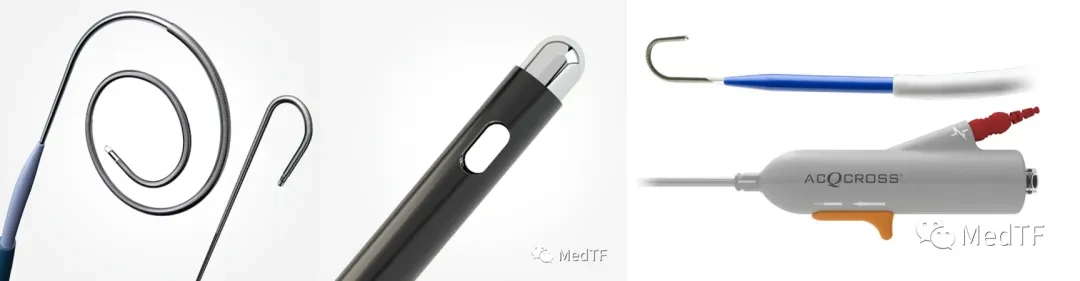
Subsequently, Boston Scientific and Medtronic launched large-scale promotions of the new radiofrequency atrial septal puncture technology in Europe and America. Nowadays, this new radiofrequency atrial septal puncture technology has gradually become the mainstream technology for atrial septal puncture in Europe and America, and it has even become a standard feature of overseas electrophysiology giants. This is because everyone understands that without good access technology, the effectiveness of even the best treatment technologies will be compromised.
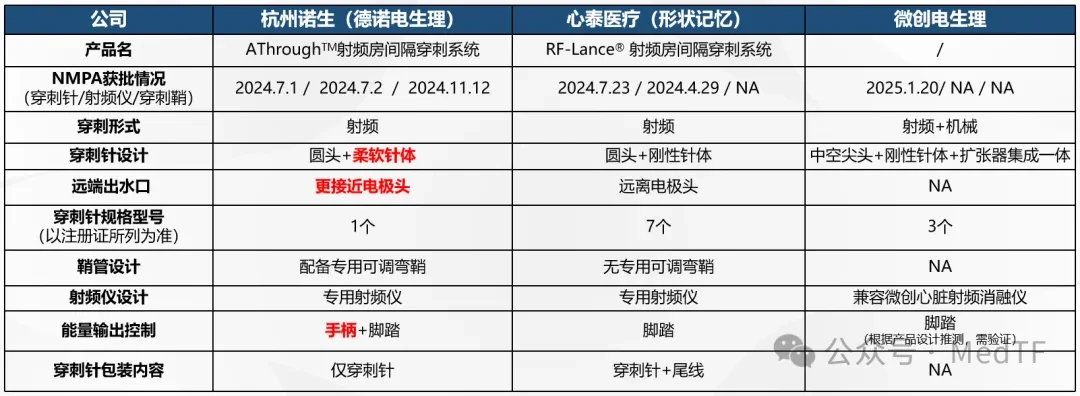
The situation is the same in overseas markets as it is in China. Although the new radiofrequency atrial septal puncture technology in China lagged behind foreign countries by a few years, its development has been very rapid. To date, three domestic companies have received approval for their radiofrequency atrial septal puncture products to be marketed. Nuomao, as a key player in the electrophysiology field in China,PioneerThose who have made early arrangementsRF RoomTransseptal Puncture Technique,Its productsAThrough™YesThe First Approved Radiofrequency Ablation CatheterOne of the transseptal needles.AThrough™In addition to integrating RF energy, it also incorporates other functions, such asUnique non-invasive head-end and imaging design, flexible distal needle body design, and dual-mode discharge. These new featuresAThrough™Not onlyCan significantlyReduced the reliance onDependence on mechanical force, and make puncture more accurate, tissue damage smaller, operation simpler, and learning curve shorter.
AThrough™Not only can itDoctorAnd provide patients with a safer choice for atrial septal puncture, and can alsoNuomao Other Products (e.g., CardiPulse®、SeaLA™ etc.) to provide a truly one-stop solution for atrial fibrillation treatment, from access to ablation and then to left atrial appendage closure, effectively shortening operation time, improving operation efficiency, reducing patient trauma, and enabling patients to recover from surgery more quickly.
Disposable Radiofrequency Transseptal Needle
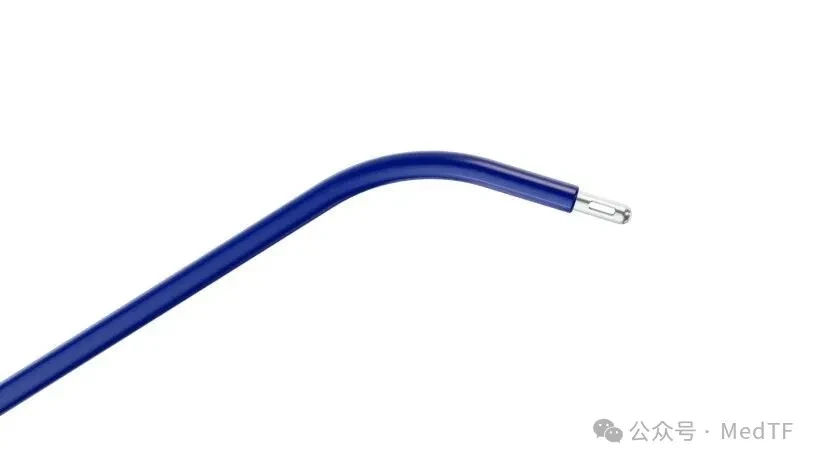
RF Energy Puncture|Precise and Efficient
Thermal Puncture, Significantly Reducing the Use of Mechanical Force
Stable puncture site without displacement
Addressing Complex Atrial Septal Structures for Efficient Puncture
Rounded Solid Tip|Safe and Minimally Invasive
Smooth, solid tip to prevent scraping against instrument walls or creating tissue debris during puncture.
Distal electrode marker for real-time position monitoring
The distal outlet is closer to the electrode head, and precise positioning can be achieved through contrast, determining whether the puncture is successful.
Optimized Needle Design|Superior Control
The distal end of the needle is soft and can bend freely. When used with a deflectable catheter sheath, it allows for precise angle adjustment to reach the target position.
The needle body has excellent insulation performance, enabling concentrated energy release.
The needle body features a tapered, segmented design with a controllable extended length range.
Adapts to Surgical Procedures | Simple and Easy to Learn
Handle + Foot Pedal Switch for Easy Intraoperative Control and Precise Energy Output Timing
107cm effective length, compatible with multiple sheaths
Radiofrequency Puncture Generator
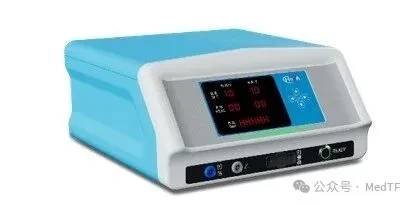
Easy to operate
Precise Energy Output Control
Multiple Safety Protection Mechanisms
Adjustable Bend Catheter Sheath

Dilator 0°/45° Pre-bent, Adjustable Bending Angle Inside and Outside the Body
The distal end of the sheath tube and the distal end of the dilator have a smooth transition, offering better stability and more efficient, safer sheath passage through the septum.
180° maximum bending angle, compatible with left atrium operations
Six models, three types of bending segment designs, meet different atrial anatomical needs.
Excellent support and torque transmission

Primary Efficacy Endpoint
Puncture Success Rate: Experimental Group: 97.65% (83/85), Control Group: 96.55% (84/87)
Secondary Efficacy Endpoint
Success rate of first atrial septal puncture: Experimental group: 95.29% (81/85), Control group: 87.36% (76/87)
Number of successful atrial septal punctures: Experimental group: 1.05±0.35, Control group: 1.14±0.49
Surgery or Instrument-Related Complications: Experimental Group: 0%, Control Group: 1.15% (1/87)