


Recently, Xbiome has made a breakthrough in the field of cancer treatment.Xbiome's isolated and developed strain XA-511 (Megasphaera indica) has officially been granted a national patent. The patent title is "Application of Megasphaera Bacteria in the Preparation of Cancer Treatment Drugs," with the patent number ZL 202310941665.1.
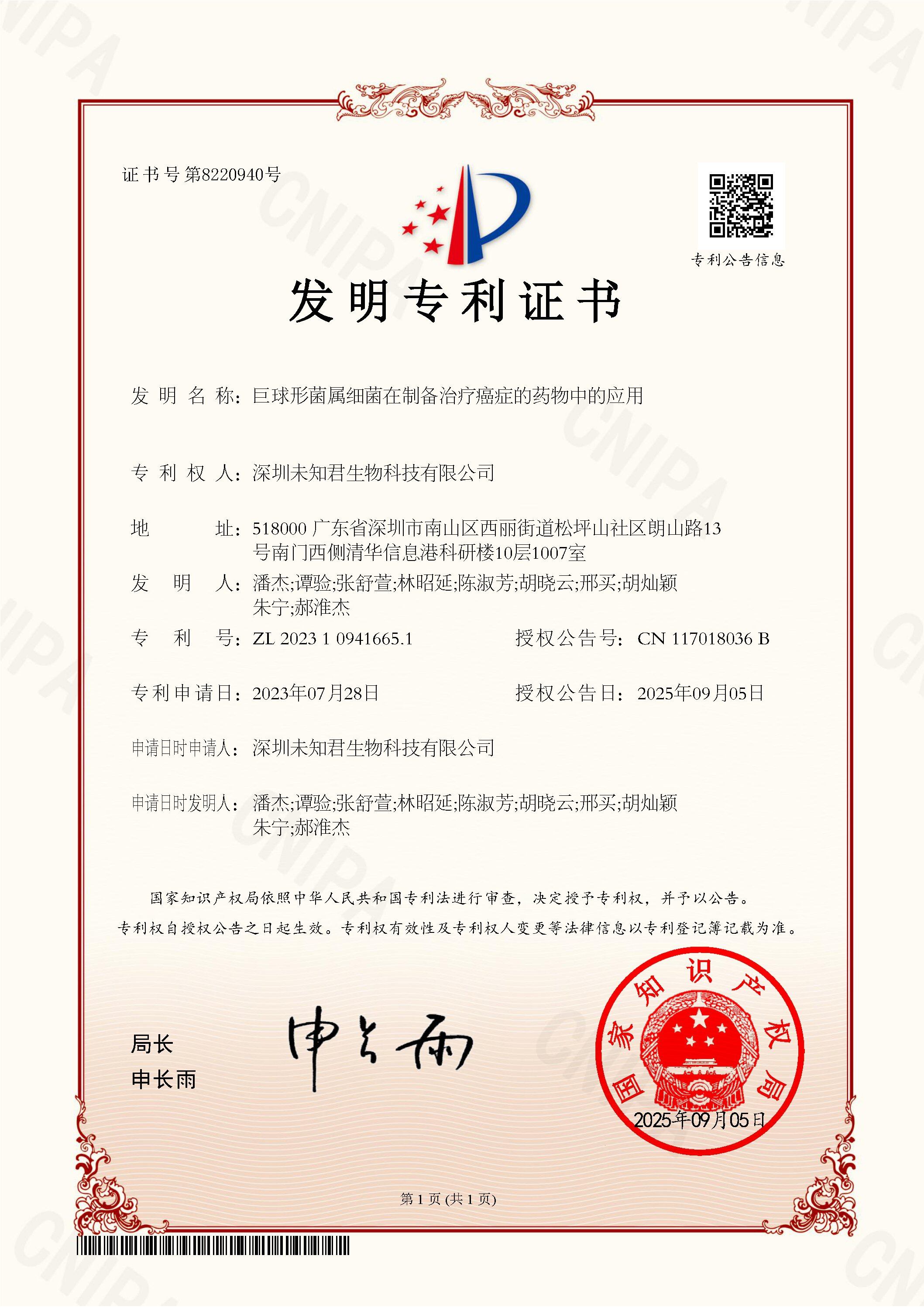
According to the public information from the patent search and analysis system of the China National Intellectual Property Administration, with the approval of this patent,Xbiome has been officially granted four patents from a series of invention patent applications related to the XA-511 strain.From the first authorization of XA-511 in August 2024 until the time of publication,Xbiome is the only organization in China that has been granted a patent for the use of the Megasphaera indica strain.And the patent portfolio is rapidly expanding, with "generational" leadership in the fundamental research and application transformation of this strain.
Xbiome's scientific team introduces consecutive R&D progress and patent application achievements within the industry.First Systematic RevelationThe huge potential of XA-511 in anticancer therapy; at the same time, the teamOvercame the technical bottleneck in gene editing of this strain, laying a solid foundation for the development of the next generation of Live Biotherapeutic Products (LBPs), and marking that China's technology enterprises have entered the international leading ranks in the field of precision medicine with live bacterial drugs.
Four Core Patents, Targeting the King of Cancers
Pancreatic Cancer: The "King of Cancers" Due to Hidden Early Symptoms, Rapid Progression, and Limited Treatment Options
With traditional treatment methods, pancreatic cancer tumor cells are highly resistant to chemotherapy drugs, not only showing limited efficacy but also causing various severe side effects, leading to low patient tolerance. Targeted therapy is more specific but is restricted by the limited number of available targets, benefiting only a small number of patients. The current situation of "difficult diagnosis, difficult surgery, and poor drug efficacy" keeps the 5-year survival rate of pancreatic cancer persistently low, indicating a significant unmet clinical need within the patient population.
Xbiome's research and development of XA-511, targeting the treatment of solid tumors including breast cancer, pancreatic cancer, and colorectal cancer, represents a future trend in the global pharmaceutical industry’s exploration of safer and more efficient novel intervention methods; the four patent approvals recently obtained are all considered milestone breakthroughs in the industry.
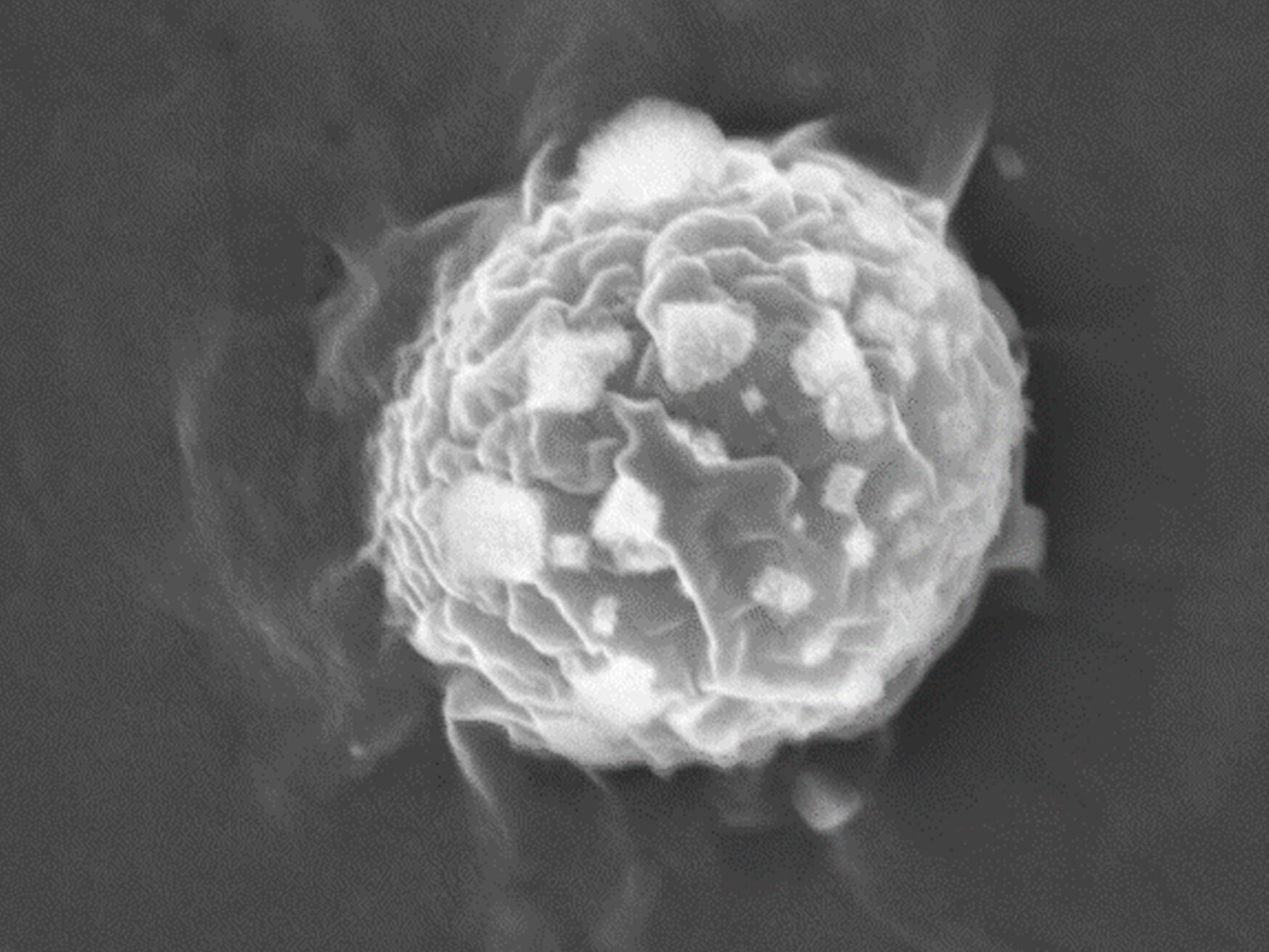
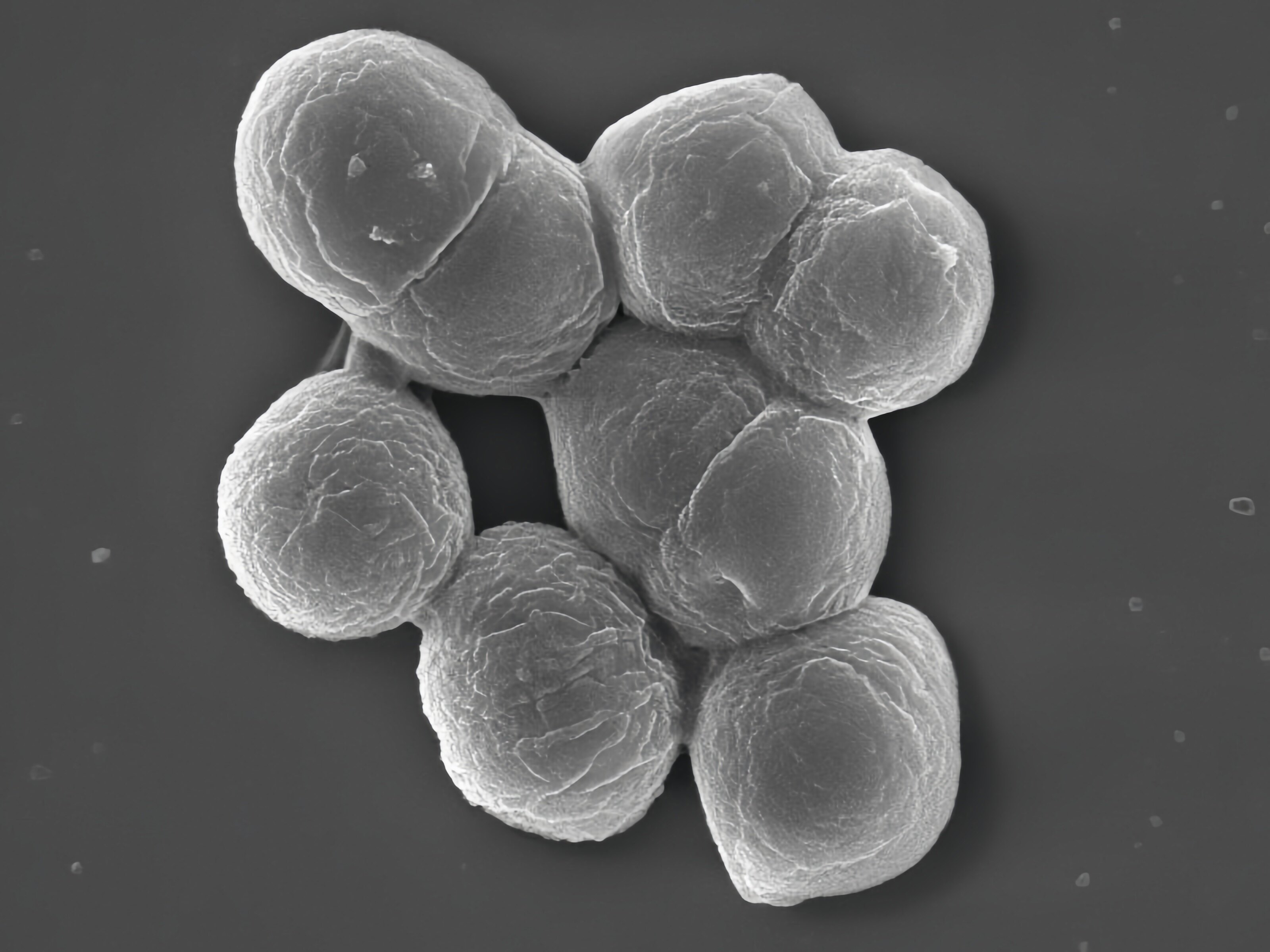
Identification and Functional Application of Core Strains
Patent ZL 202211632073.3 and ZL 202310941665.1
This patent successfully isolated and identified a strain of giant spherical bacteria with specific probiotic functions. It also revealed for the first time the application of bacteria from the genus Megakaryon in preparing drugs for cancer treatment. Research shows that this bacterial strain or its metabolites can effectively inhibit tumor growth or enhance the effects of existing anticancer therapies, providing an entirely new microbial therapeutic approach for tumor immunotherapy. It is expected to become a "game-changer" in the field of cancer treatment.
Overcome the Challenges of Genetic Manipulation
Patent ZL 202311692450.7
In order to further study and optimize the functions of this probiotic, Xbiome's R&D team collaborated with Professor Xue Liu from Shenzhen University to develop relevant tools, successfully constructing an exogenous gene expression vector for *Marinococcus luteus*, along with its construction method and specific primers. This technology, akin to installing "programming software" in bacteria, has achieved efficient and stable gene editing of this strain for the first time, breaking through research barriers caused by the difficulty of genetic manipulation.
Precision Tracking and Identification
Patent ZL 202311734446.2
To ensure the accuracy and reliability of the strain in research and applications, this series of patents also provides a molecular marker for Marinobacter magistratus. This specific marker can act like an "ID card" to quickly and precisely identify and track Marinobacter magistratus, which is crucial for ensuring product quality, conducting clinical monitoring, and performing safety toxicology studies.
AI+BT Build Technology Closed-loop and Intellectual Property Barrier
Over the past year, Xbiome has successively obtained patents related to XA-511, establishing a complete technology chain from strain discovery, functional validation to genetic engineering modification, forming a strong intellectual property barrier.
Xbiome starts from clinical data, using self-developed AI algorithms to identify key strains that affect the survival period of pancreatic cancer patients; subsequently, it leverages BT (biotechnology) methods to...XBIOME GUT BIOBANK (Xbiome Gut Strain Library, XGB)A rich collection of strain resources was screened, and relevant strains were successfully isolated and identified. Subsequently, the Xbiome scientific team conducted meticulous research, progressively advancing in areas such as strain function, genetic tools, and molecular markers. Ultimately, based on solid scientific achievements, they successfully obtained the relevant patent authorization.
The acquisition of XA-511-related patents marks a systematic and leading breakthrough "from 0 to 1" in the research on the genus Macrococcus within China's microbiology community. During the patent application and scientific research process, Xbiome not only discovered the functions of the star strain XA-511 but also developed the capability to conduct in-depth research, modification, and optimization on it.
The intestinal microbiome is hailed as a "new continent" containing the secrets to human health. Next, Xbiome will fully explore the scientific and application value of XA-511 based on its patented technology and robust AI+BT technology platform, accelerating the development and clinical translation of novel anti-cancer drugs, with the hope of bringing new hope for recovery to cancer patients as soon as possible.
-End-