Medtronic Launches Pivotal Global Trial ELEVATE-HFpEF to Expand Indication of Cardiac Pacing Therapy

Medtronic
Medical Device Manufacturer

Heart Future
September 15, 2025Medtronic(Medtronic, NYSE: MDT) announced the official launch of a global multicenter clinical trial——ELEVATE-HFpEF,Evaluation of the Therapeutic Value of Individualized Increased Cardiac Pacing Rate in Heart Failure Patients with Preserved Ejection Fraction (HFpEF)。
As a giant in the cardiovascular field, Medtronic hopes to find new intervention methods for approximately 32 million HFpEF patients worldwide through this pivotal study.
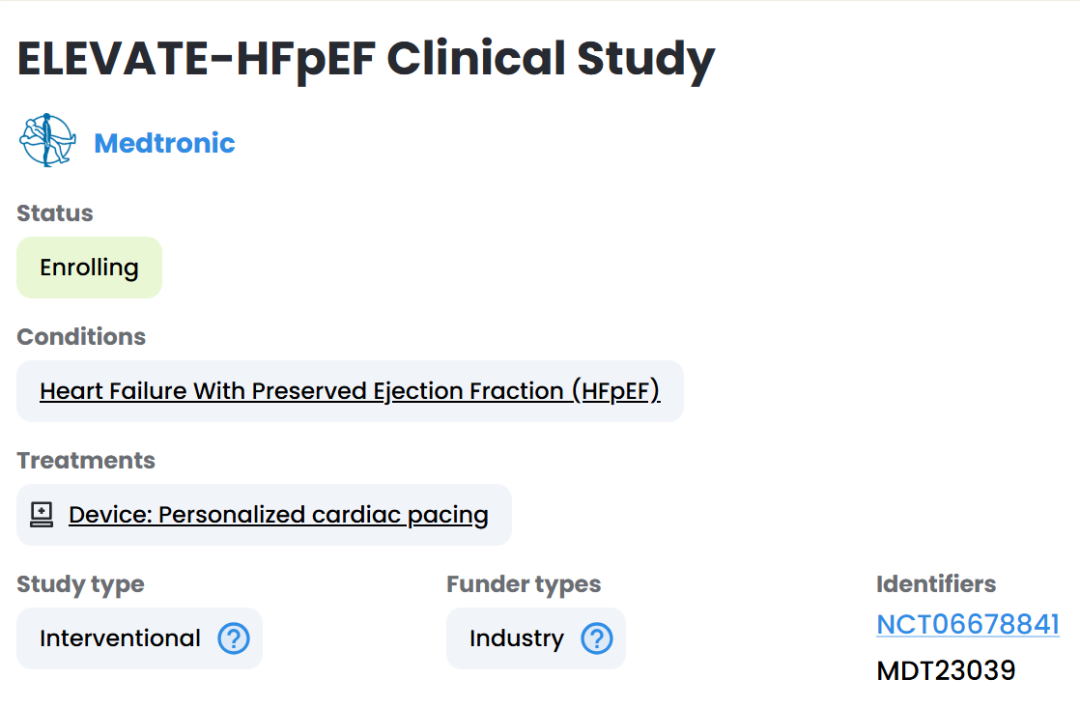
# ResearchResearch Content and Clinical Background
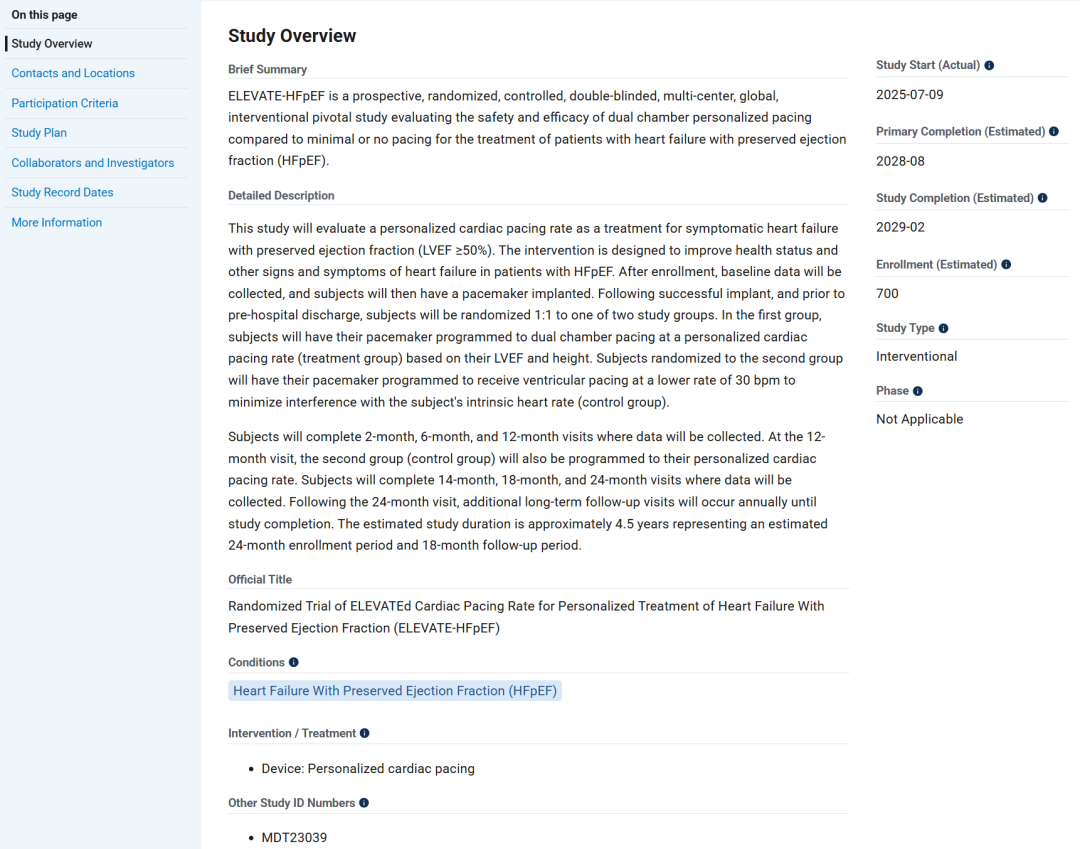
The core design of ELEVATE-HFpEF is to verifyWhether individualized elevation of pacing rate can improve symptoms and prognosis in HFpEF patients.
MachineZesiRoad
Patients with HFpEF have stiff myocardium and restricted diastole, leading to insufficient cardiac output. Medtronic plans toConduction System Pacing, utilizing the heart's own electrical conduction pathways to achieve a myocardial contraction rhythm closer to physiology, thereby improving hemodynamics.

▲Various pacing methods of the conduction system (His bundle pacing, left bundle branch pacing)
Comparison of Anatomical Positions with ECG Waveforms
Research Scale
It is expected to include participants from North America, Europe, the Middle East, Africa, Australia, and the Asia-Pacific region.Approximately 700 patients。
Research Methods
Patients enrolled in the study will undergo implantationMedtronicCommercial PacemakerWithSelectSure MRI SureScan Model 3830 Pacing Lead, randomly assigned to the "individualized elevated pacing" group and the "backup pacing (control)" group, with a follow-up period of 1 year.
ResearchResearch Progress
The first implant has beenAlfred Hospital, Melbourne, AustraliaAndWexner Medical Center at The Ohio State UniversityCompleted.
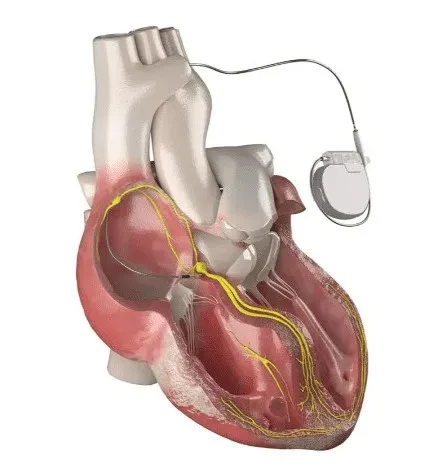
▲Schematic Diagram of the Entire Pacing Conduction System
Including the connection status of pacemakers and leads in the heart
HFpEF Currently Accounts for Heart Failure PopulationApproximately 50%The symptoms of the patients include shortness of breath, palpitations, fatigue, and lower limb edema, but there are very limited targeted treatment options. Medtronic hopes that this research can provide new evidence-based support for this large population lacking effective therapies.
# Treatment Dilemmas and Research Value of HFpEF
1) Limited existing treatment options
Compared with heart failure with reduced ejection fraction (HFrEF), patients with HFpEF have a normal or near-normal ejection fraction, but impaired myocardial diastolic function.
In terms of drugs:The efficacy of commonly used ACEI/ARB, beta-blockers, and diuretics in HFpEF is less clear compared to HFrEF.In recent years, SGLT2 inhibitors have shown some benefits in certain clinical studies, but overall...Lack of a "specific effective drug" that is widely recognized。
Instrumental Treatment:Traditional Pacemakers and Implantable DefibrillatorsMainly serves people with bradycardia or arrhythmia, andNot targeted at HFpEFAlthough some studies suggest that pacing may improve cardiac dynamics, there is no large-scale evidence-based result yet.
2) Heavy clinical burden
Globally, there are approximately32 Million HFpEF Patients, of which approximately the United States3 MillionWith the aging population and the increase in underlying diseases such as hypertension and diabetes, the prevalence of HFpEF continues to rise.
These patients are often accompanied byShortness of breath, fatigue, and edema, significantly affecting the quality of life.
High Hospitalization Rate`, the medical burden is heavy, and there is a lack of specific treatment methods.`
3) Research Value
Mechanism Innovation:ELEVATE-HFpEF Explores the Use of Conduction System Pacing to "Recalibrate" Cardiac Diastolic Rhythm, Belonging toBrand New Mechanism Pathway。
Evidence Gap:If the study can prove that individualized elevation of pacing rate improves symptoms or reduces hospitalization, it will fill an important gap in the treatment of HFpEF.
Regulatory and Payment Potential:Once the trial proves effective, Medtronic may apply for a new indication, which will not only help with clinical promotion but also potentially prompt the payment system to consider the relevant population.
# Product Introduction and Strategic Intent
1) Product Introduction
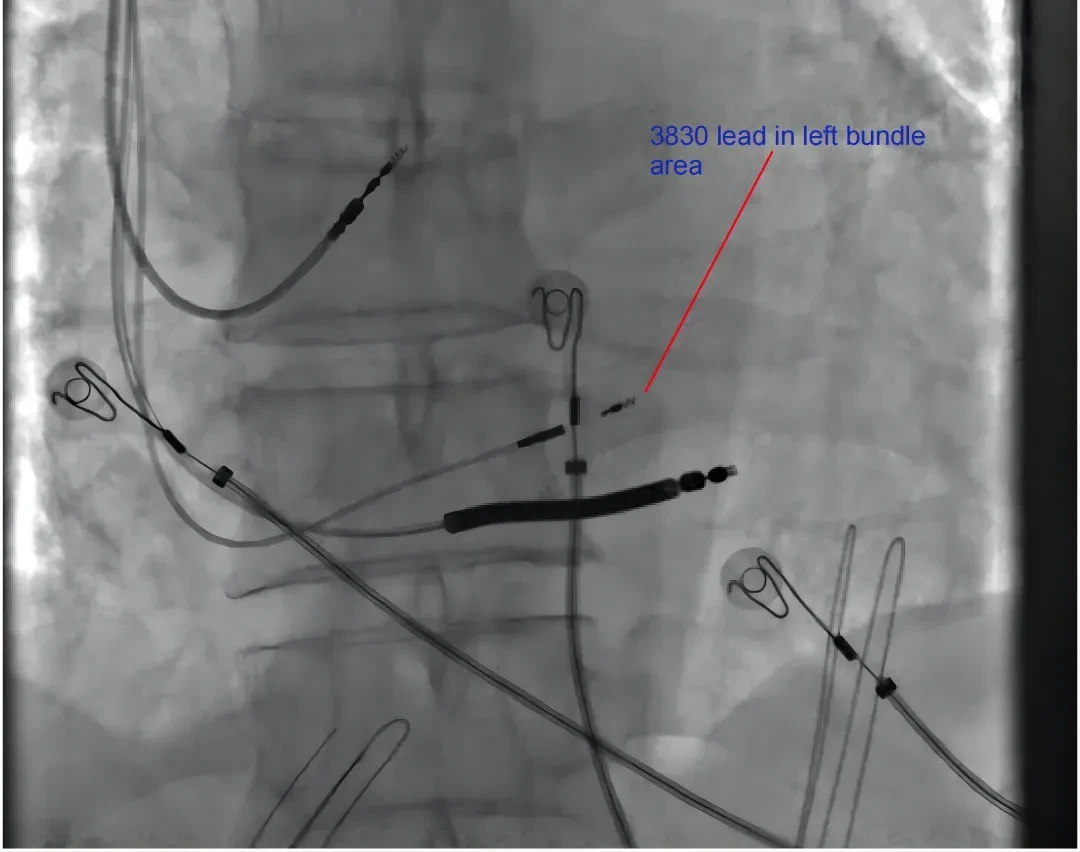
▲SelectSure MRI SureScan Model 3830 Lead
Fluoroscopic View of Left Bundle Branch Pacing System Placement
ELEVATE-HFpEF Study Utilizes Medtronic's Commercially Available Pacemakers &SelectSure MRI SureScan Model 3830 Lead:
Pacemaker Body:Belongs to the implantable, MRI-compatible commercial type, capable of multi-mode programming.
3830 Electrode:Diameter only 4.1F, is a thin and flexible electrode lead designed for precise positioning in key conduction tissues such as the His bundle or left bundle branch, thereby achievingConduction System Pacing (CSP)。
Clinical Significance:Compared with traditional right ventricular pacing, conduction system pacing can achieve cardiac electrical activation closer to the physiological state, reduce electro-mechanical dyssynchrony, and is considered potentially beneficial for patients with HFpEF.
This means that Medtronic is not developing an entirely new device, but rather throughNew Applications of Existing ProductsTo explore new indications. Once the evidence is established, the company can quickly promote registration expansion and market penetration.
2) Strategic Intent
Indication Expansion:Through ELEVATE-HFpEF, Medtronic aims to expand cardiac pacing from "bradycardia treatment" to "heart failure intervention," opening up an entirely new market.
Strengthening Technical Barriers:Conduction system pacing is considered a key focus for the future, and Medtronic has already established a strong first-mover advantage with the 3830 lead.
Clinical and Payment Dual-Driven:If the trial proves efficacy, the company is expected to push for HFpEF to be approved as a new indication, thereby entering the medical insurance/payment system.
Brand and Academic Reputation:Medtronic has always emphasized large-scale clinical trials and the accumulation of evidence-based data, and this research aligns with its positioning of "leading evidence-based medicine."
# Heart Future Observation

The launch of ELEVATE-HFpEF is both a clinical trial news and a reflection of the cardiac pacing field.Strategic Shift:
For patients:The large population of HFpEF patients has long lacked effective treatment, making any new evidence-based pathway worth anticipating.
For the industry,: Medtronic's attempt shows that traditional cardiac device manufacturers are striving to find a "new indications market" and realize value rediscovery through existing product portfolios.
But challenges remain:HFpEF represents a complex disease spectrum with significant heterogeneity, and whether pacing can truly deliver clinical benefits still needs verification; even if trials are positive, reimbursement and guideline recommendations may lag behind.
HeartFuture believes,ELEVATE-HFpEF is a high-risk, high-potential explorationIt reflects Medtronic's forward-looking layout in the global heart failure treatment landscape, and also prompts us to pay attention to how device manufacturers continuously expand commercial and clinical boundaries through indication expansion and evidence-based research.

GCC2025


Cardiovascular Device Full Disease Solution