First-in-Shanxi Application of Dissolve™ AV Scoring Drug-Coated Balloon for Hemodialysis Access Stenosis: A Case Report by Prof. Chen Hua’s Team at Shanxi Bethune Hospital

DK Medtech
Vascular Interventional Balloon Product Developer
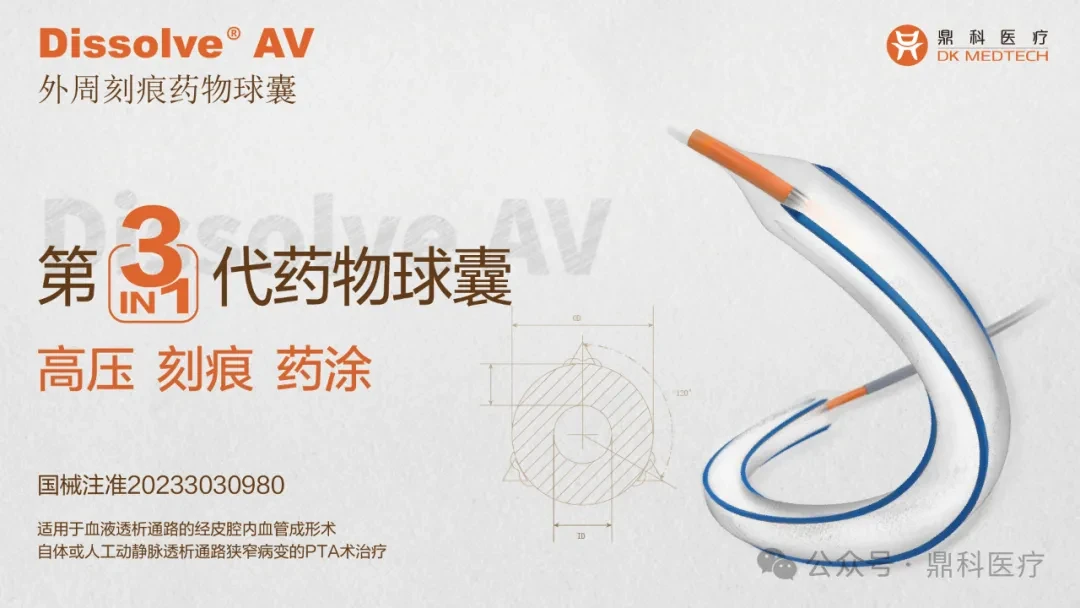
Stenosis of autologous/artificial arteriovenous fistula (AVF/AVG) is the most common complication in hemodialysis patients. Percutaneous transluminal angioplasty (PTA) has become the primary method for maintaining dialysis access. However, the blunt and irregular tearing of the intima and part of the media by traditional balloons during PTA can cause excessive damage to the endothelial vessels, leading to intense proliferation of vascular smooth muscle cells and macrophages, which quickly results in restenosis.
In recent years, there has been continuous international exploration and clinical research on drug-coated balloons and other devices for PTA treatment of dialysis access. DK Medtech has developed the Dissolve™ AV Scoring Drug Balloon, which integrates the three features of "scoring," "high pressure," and "drug coating." This is the world's first third-generation drug balloon:
Directional Scoring: Uniform and regular tearing of the intima to reduce damage from blunt rupture.
High Burst Pressure: For high-resistance lesions, improving technical success rate.
Paclitaxel Coating: Effectively Inhibits Excessive Proliferation of Smooth Muscle Cells.
DK MedtechSpecial Launch[Shanxi Bethune Hospital - Professor Chen Hua, Professor Wu Zhenghua: Jin Excellence——First Application of Scored Drug-Coated Balloon in Shanxi] Case Presentation, demonstrating the detailed operations of each case and the clinical application of advanced equipment and instruments. From the formulation of treatment strategies for different cases, standardized intraoperative procedures and technical applications, complication prevention, to perioperative management, etc., the aim is to promote the standardization of diagnosis and treatment for hemodialysis access stenosis, strengthen technical exchanges and experience sharing among doctors, with the hope of providing new ideas and methods for the future diagnosis and treatment of hemodialysis access, benefiting more clinical patients.

Jinshan Jinmei —— The First Application of Scored Drug-Coated Balloon in Shanxi
Shanxi Bethune Hospital, Chen Hua, Wu Zhenghua

Basic Information NO.1
Basic Information:Male, 80 years old.
Chief Complaint:Insufficient blood flow during dialysis for 3 days.
History of Present Illness:The patient was hospitalized 22 years ago due to symptoms of reduced urine output accompanied by generalized edema and was diagnosed with chronic nephritis. The patient underwent regular follow-up examinations thereafter. In December 2018, the patient was hospitalized again due to bilateral lower limb edema, and tests revealed abnormally elevated serum creatinine levels. Conservative treatment was ineffective, and as serum creatinine continued to rise, dialysis treatment was initiated. The patient reported that three days ago, during hemodialysis, the blood flow rate was below 180 ml/min, and they noticed a significant weakening of the thrill in the arteriovenous fistula, with a pulsatile sensation palpable near the fistula site. The patient came to the hospital for diagnosis and treatment.
Past Medical History:History of hypertension for more than ten years, with a history of arteriovenous fistula formation surgery.
Physical Examination:Renal disease appearance, anemic look, arteriovenous fistula in the left forearm, pulsation can be felt near the fistula site, weak vascular murmur with thrill can be felt near the elbow on the proximal side.
Admission Diagnosis:Chronic kidney disease stage 5, stenosis of arteriovenous fistula in the left forearm, thrombosis of arteriovenous fistula in the left forearm, renal anemia, hemodialysis status, etc.
Patient History NO.2
Time | Main Treatment Process |
January 5, 2022 | Left Forearm Arteriovenous Fistula Balloon Dilation Procedure |
December 26, 2022 | Left forearm arteriovenous fistula balloon dilation procedure |
Preoperative Analysis NO.3
Preoperative Analysis:Preoperative ultrasound evaluation of the fistula condition revealed significant stenosis in the inflow segment and the fistula body segment.
Surgical Objective:
Main Objective: Relieve Stenosis
Secondary Objective: Inhibition of Intimal Hyperplasia
Surgical Strategy/Plan:Puncture of the distal radial artery in the left upper limb under ultrasound guidance, followed by high-pressure scoring drug-coated balloon angioplasty for vascular stenosis.
Surgical Procedure NO.4
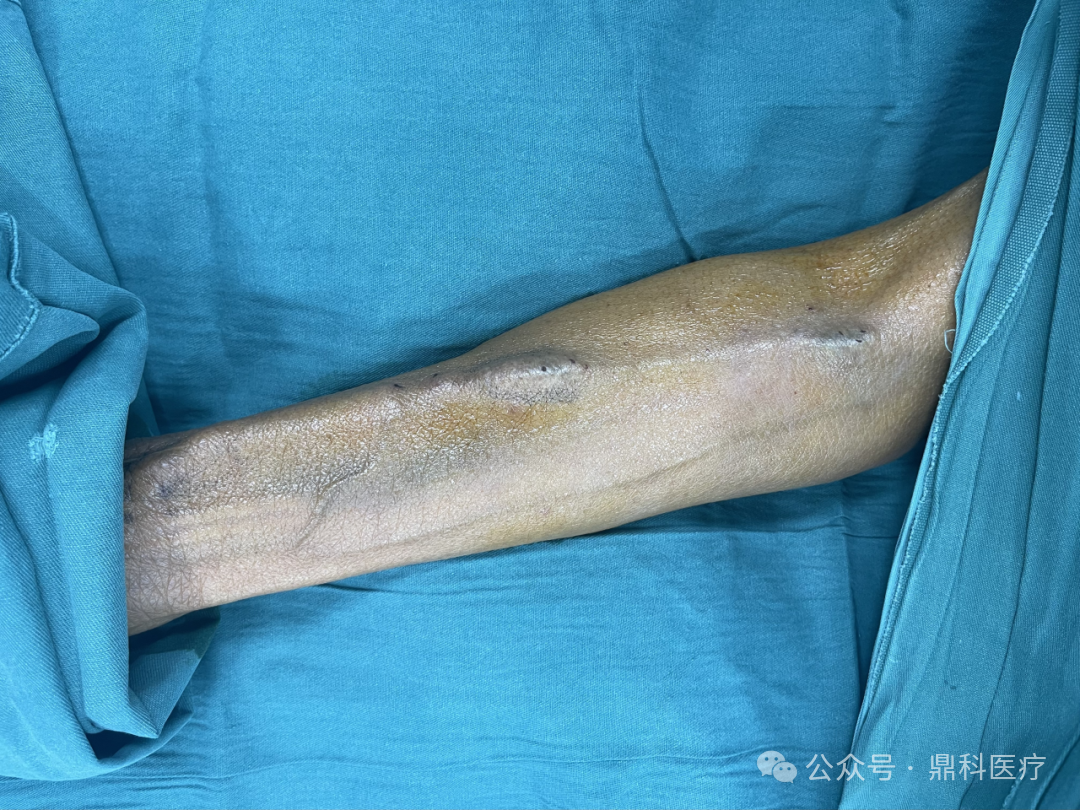
Imaging Description:Fistula Photos
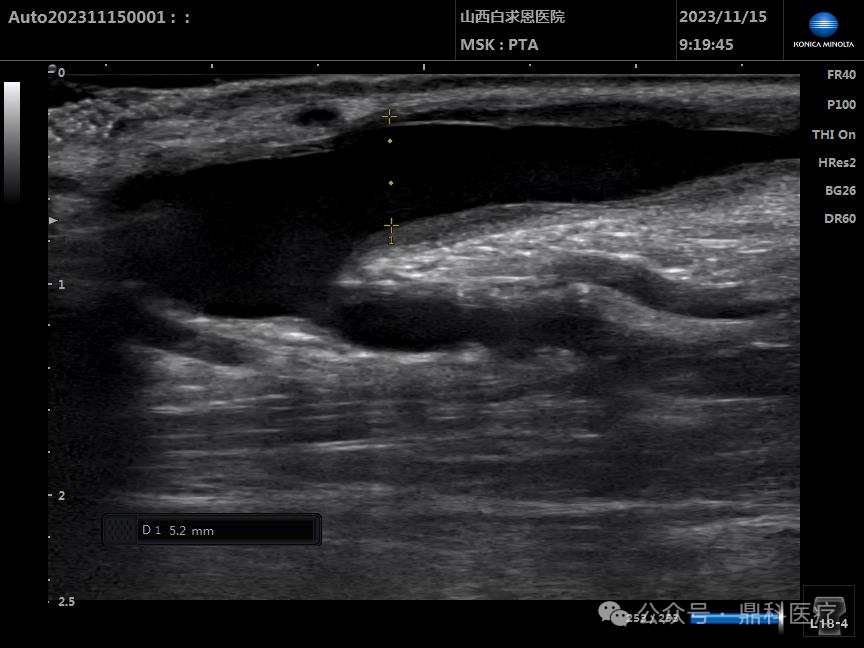
Imaging Description: Pre-stenotic Segment
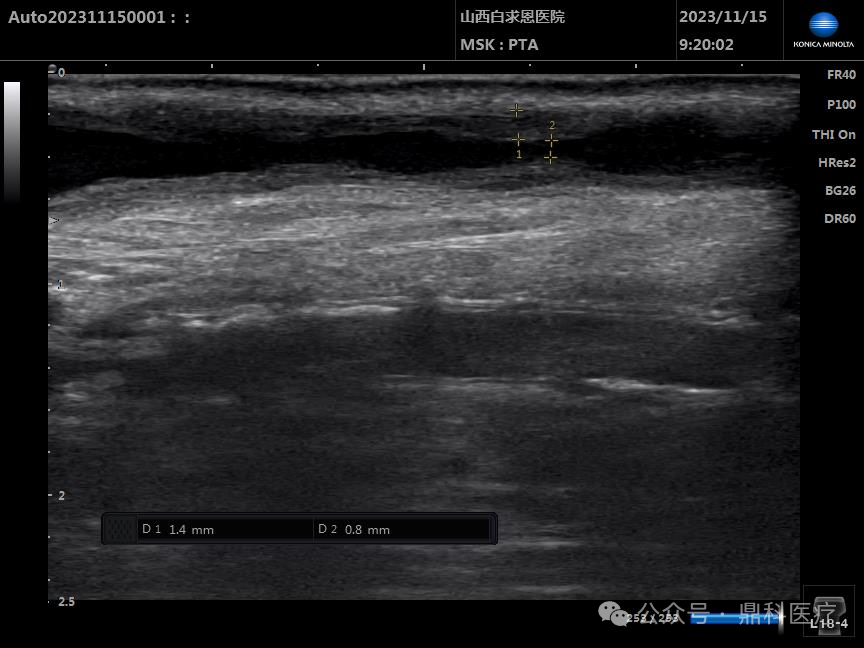
Imaging Description: Mid-segment stenosis
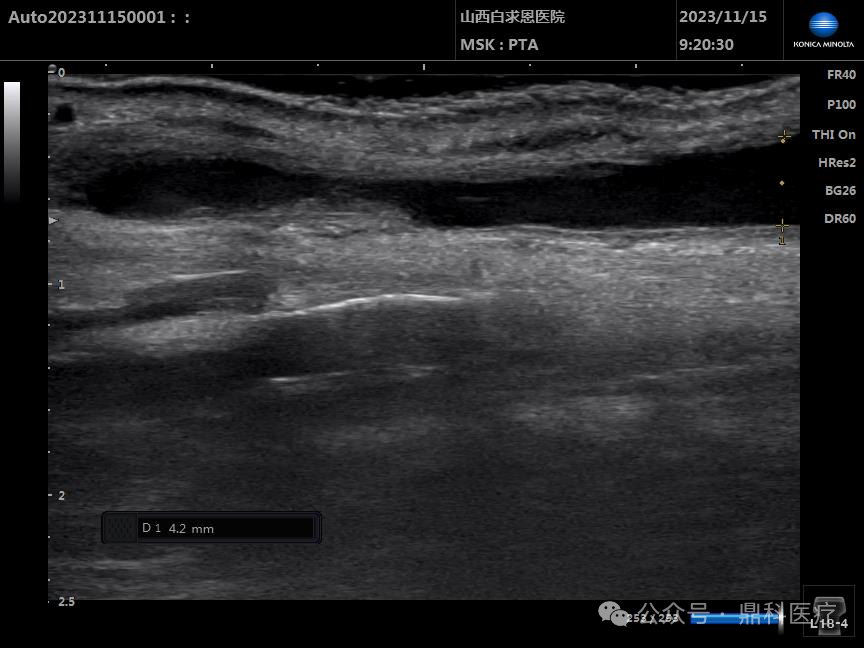
Imaging Description: Post-stenotic Segment
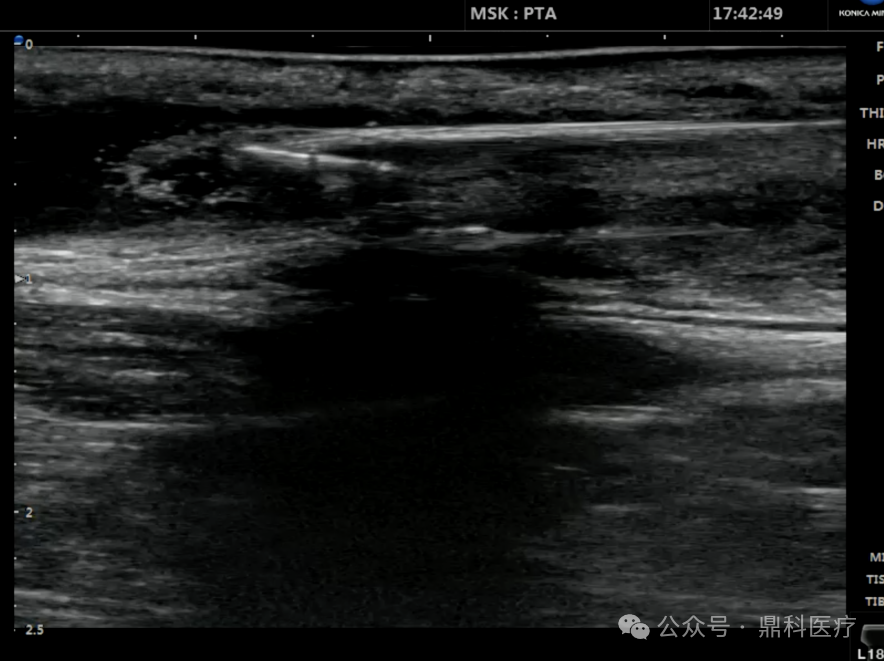
Imaging Description:Balloon Tip Position
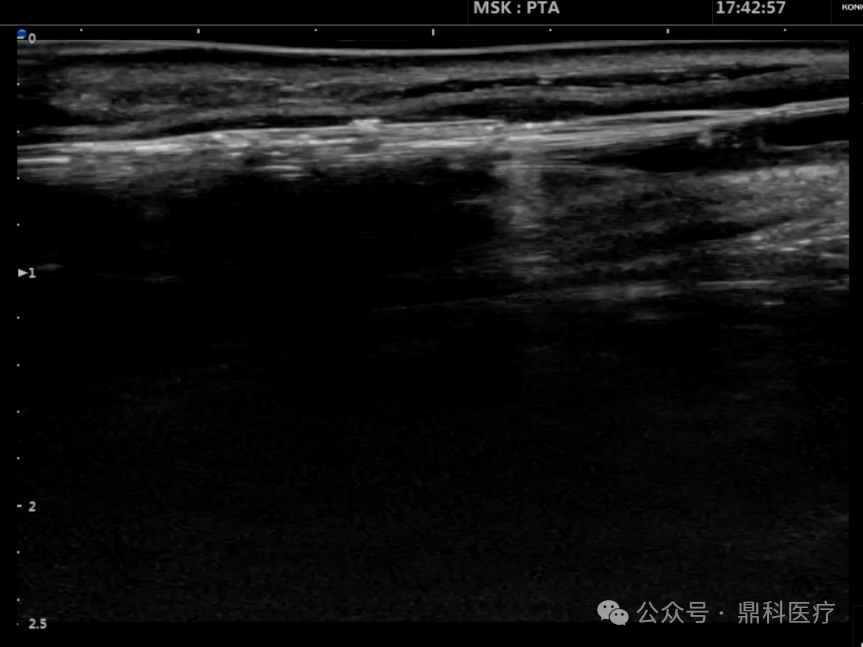
Imaging Description: Balloon Tail Position
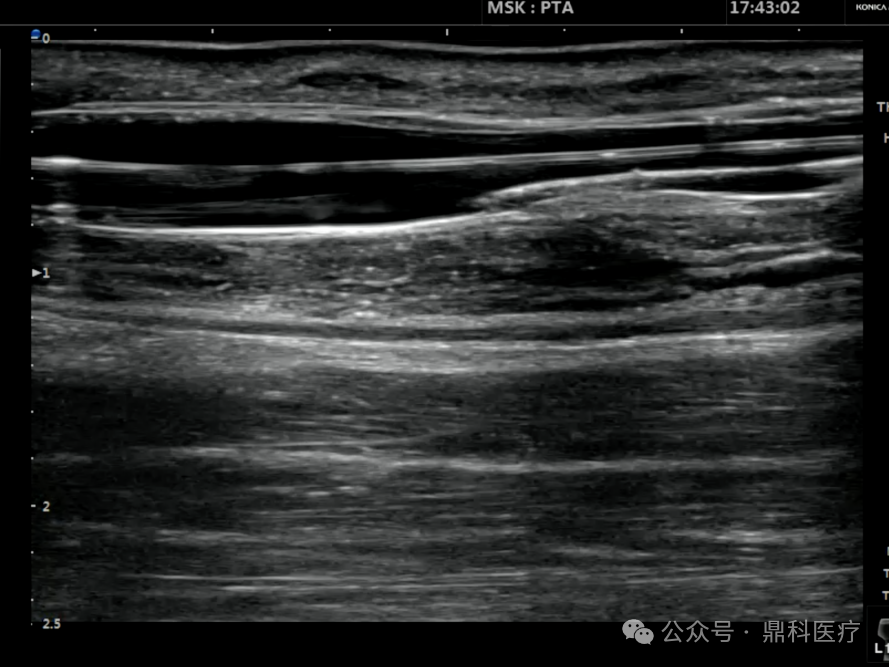
Imaging Description: Pressurization Process
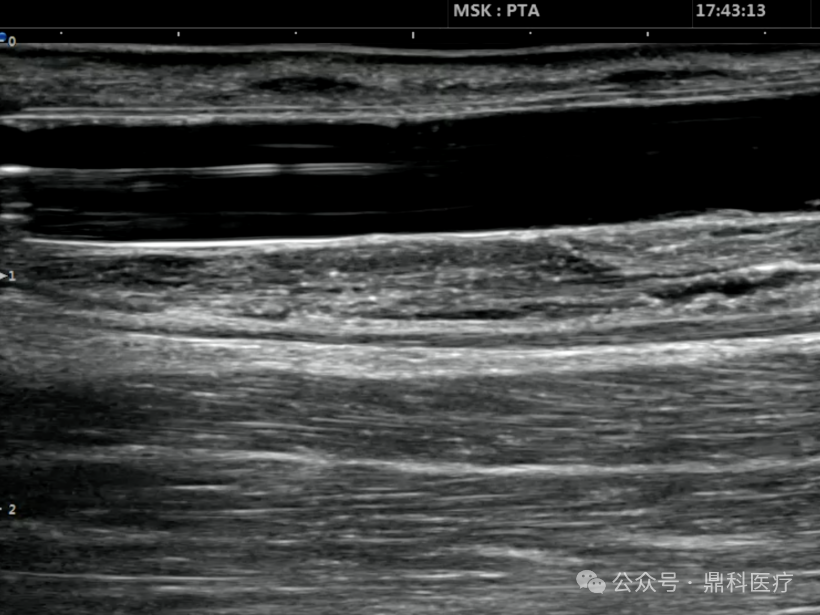
Imaging Description: Pressure Holding Process
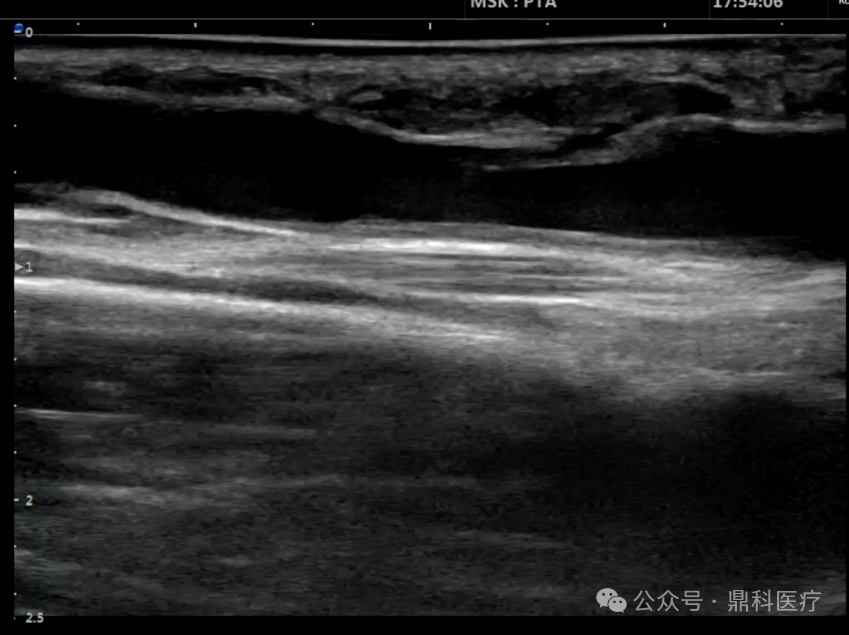
Imaging Description:Post-expansion planar image
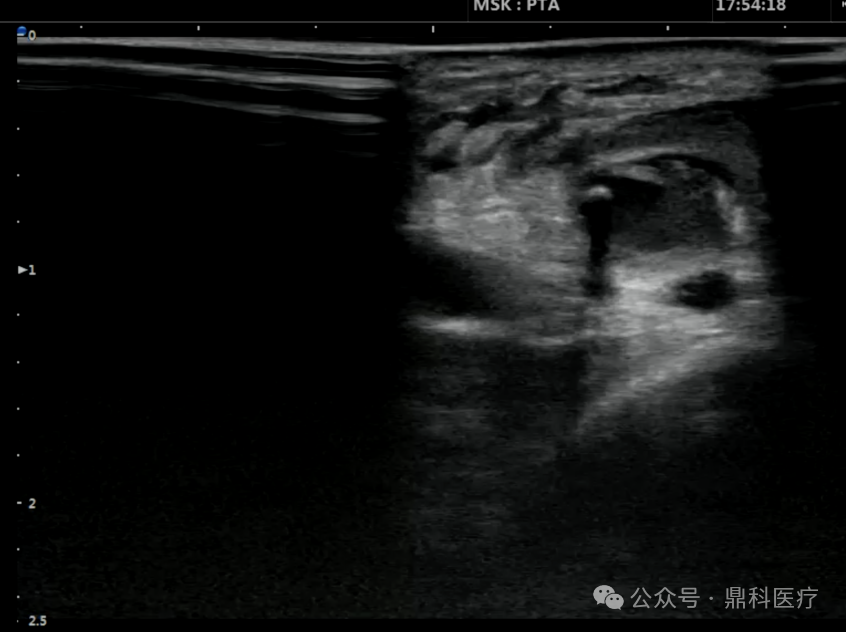
Imaging Description: Out-of-plane image at the rupture site
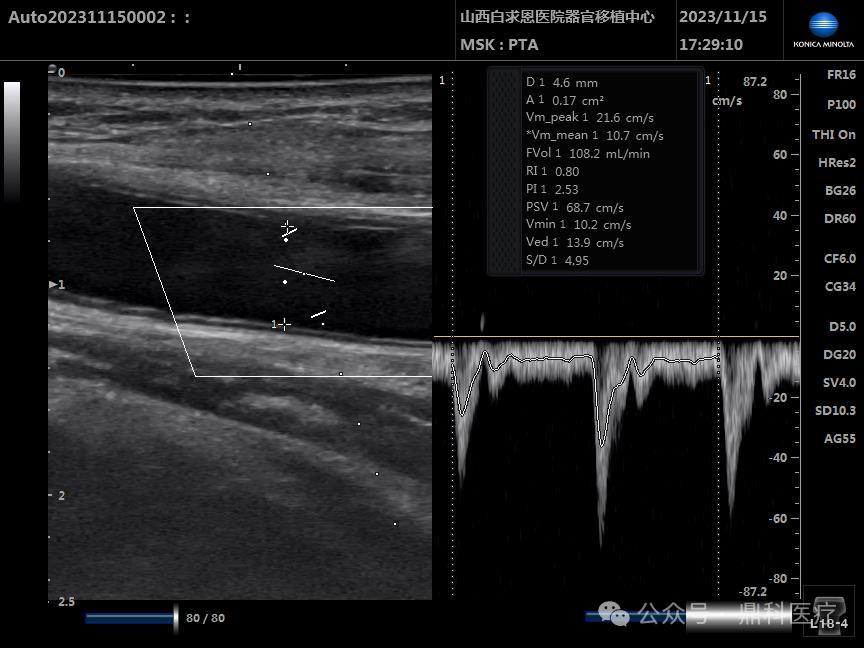
Imaging Description: Brachial Artery Blood Flow Before Treatment
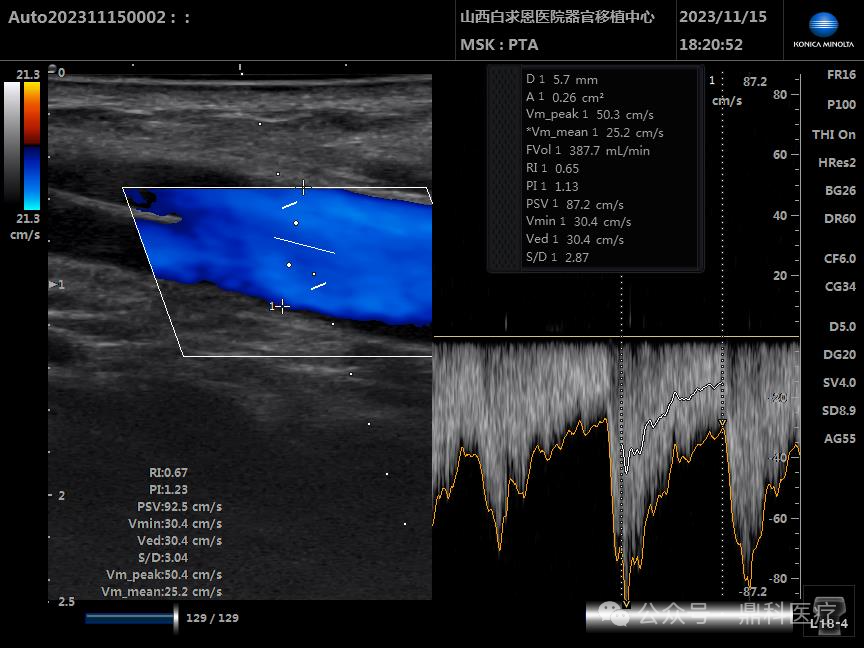
Imaging Description: Brachial Artery Blood Flow After Treatment
Follow-up NO.5
Discharge Status:Postoperative Arrangement for Hemodialysis with Internal Fistula and Assessment of Its ConditionPostoperatively, the patient was arranged to undergo hemodialysis using an internal fistula. The internal fistula was assessed to be in good condition, and postoperative ultrasound examination showed smooth blood flow in the fistula without significant thrombosis. Palpation revealed good thrill in the left forearm arteriovenous fistula, with a blowing murmur heard. The patient reported no discomfort after dialysis. Precautions were communicated, and treatment plans including adjustment of general condition, improvement of cardiac function, and regulation of blood pressure were provided. The patient was discharged with scheduled follow-ups.
Case Summary NO.6
Case Characteristics:Elderly male, low blood pressure, loose subcutaneous tissue in the arm, ultrasound examination shows severe intimal hyperplastic stenosis in the inflow segment and fistula segment vessels.
Preoperative Assessment Key Points:The patient's blood pressure condition, reference vessel diameter, and vessel stenosis length.
Surgical Strategy/Technical Key Points:1. Size of the introducer sheath; 2. Avoid contact and wetting of the balloon portion; 3. Operate quickly and accurately; 4. Pay attention to dilation pressure, beware of vascular rupture; 5. Ensure contact time.
Device Features / Usage Tips:Correct use of protective sheaths, avoidance of overly thin introducer sheaths, complete coverage of the lesion by the balloon, and ensuring sufficient drug contact.

Expert Introduction

Professor Hua Chen
Surgical Guidance
Deputy Director of the Organ Transplant Center at Shanxi Bethune Hospital.
Proficient in establishing and maintaining various types of blood purification access, conservative and surgical treatment of SHPT in end-stage renal disease, and performing kidney transplantation and pancreas transplantation for both adults and children.
Social Appointments:President of the Organ Transplant Physicians Branch of the Shanxi Province Medical Association;Member of the Vascular Access Group, Chinese Hospital Association;Member of the Pediatric Organ Transplantation Committee of the Chinese Medical Doctor Association;Member of the Transplantation Technology Branch of the China Medical Biotechnology Association;Member of the Transplantation and Dialysis Branch of the Chinese Society of Biomedical Engineering;Chairman of the Hemodialysis Access Group, Branch of Organ Transplant Physicians, Shanxi Province Medical Association;Chairman of the Youth Committee of the Organ Transplant Physicians Branch of the Shanxi Province Physicians Association;Member of the Organ Transplantation Professional Committee of the Shanxi Medical Association;Vice Chairman of the Interventional Nephrology Committee of the Shanxi Province Medical Doctor Association;Editorial Board Member of Chinese Journal of Organ Transplantation;Editorial Board Member of "Chinese Journal of Cells and Stem Cells".
Awarded the 2017 Shanxi Province May 1 Labor Medal.
Professor Wuzhenghua
Surgeon of This Medical Record
Deputy Chief Physician of the Organ Transplant Center at Shanxi Bethune Hospital.
Proficient in establishing and maintaining various types of blood purification access, conservative and surgical treatment of SHPT in end-stage renal disease, kidney transplantation, pancreas transplantation for both adults and children.
Social Appointments:Vice President of the Organ Transplant Physicians Branch of the Shanxi Province Medical Association;Member of the Transplantation Technology Branch of the China Medical Biotechnology Association;Member of the Youth Alliance for Hemodialysis Access of the Asia-Pacific Vascular Academic Union;Vice Chairman of the Organ Transplant Rehabilitation Health Management Committee of the Shanxi Province Health Management Association;Vice Chairman of the Hemodialysis Access Group, Organ Transplant Physicians Branch, Shanxi Province Medical Association;Member of the Interventional Nephrology Committee of the Shanxi Province Medical Doctor Association;Standing Committee Member of the Youth Committee of the Organ Transplant Physicians Branch of the Shanxi Province Physicians Association;Honorary Chairman of the Nursing Group, Professional Committee on Blood Purification Access, Branch of Organ Transplant Physicians, Shanxi Province Medical Association;Honorary Chairman of the Datong Group of the Professional Committee on Blood Purification Access of the Organ Transplant Physicians Branch of the Shanxi Province Physicians Association.

Department Introduction

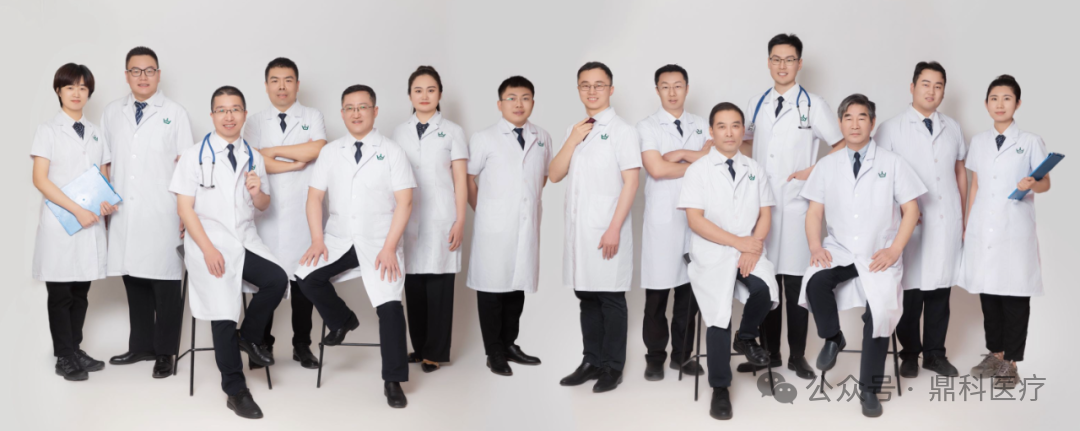
The Organ Transplant Center of Shanxi Bethune Hospital is one of the "three major medical centers" that the National Regional Medical Center focuses on building.
The center carries out kidney transplantation, pancreas transplantation, lung transplantation, and multi-organ combined transplantation. It also conducts fundamental theoretical research on organ transplantation, including transplant pathology, biochemistry, transplant immunology, organ preservation, as well as the screening and application of immunosuppressants.
Committed to the "integrated" treatment of chronic kidney disease, we carry out various sub-specialty works targeting complications arising from end-stage renal disease. Among these, our work in establishing and maintaining hemodialysis access as well as conservative and surgical treatments for secondary hyperparathyroidism is leading within the province. We have an independent hemodialysis access operating room equipped with a fully automatic angiography machine, Doppler ultrasound imaging system, and surgical broadcasting system. Additionally, we are the Hemodialysis Access Training Base of the Shanxi Province Physicians Association and are responsible for training in hemodialysis access technology throughout Shanxi.