Case Series by Prof. Feng Xiaobo's Team: Scoring Drug-Coated Balloon for AVG Venous Outflow Stenosis

DK Medtech
Vascular Interventional Balloon Product Developer
Stenosis of autologous/artificial arteriovenous fistula (AVF/AVG) is the most common complication in hemodialysis patients. Percutaneous transluminal angioplasty (PTA) has become the primary method for maintaining dialysis access. However, the blunt and irregular tearing of the intima and part of the media by traditional balloons during PTA can cause excessive damage to the endothelial vessels, leading to intense proliferation of vascular smooth muscle cells and macrophages, which quickly results in restenosis.
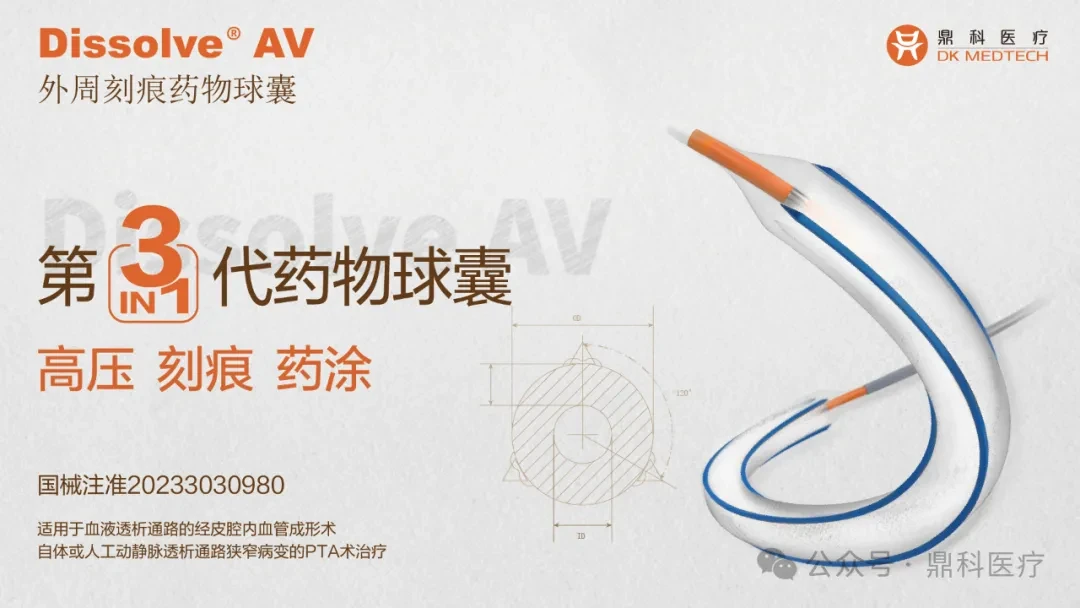
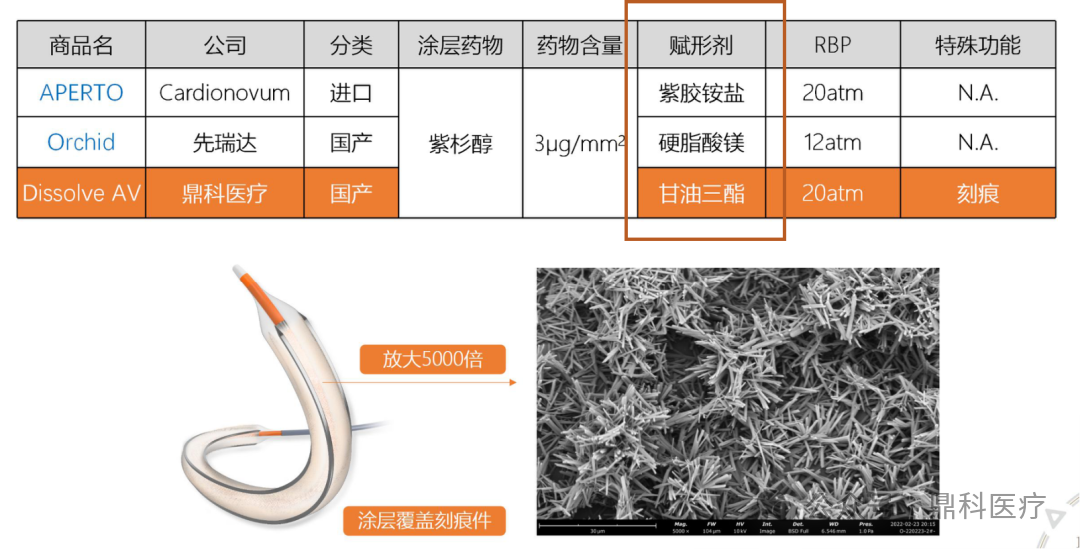
In recent years, there have been continuous explorations and clinical studies internationally on drug-coated balloons and other devices used for PTA treatment of dialysis access. DK Medtech has developed the Dissolve™ AV Scoring Drug Balloon, which integrates three features—"scoring," "high-pressure," and "drug-coated"—into one device, marking it as the world's first third-generation drug balloon:
Directional Scoring: Uniform and regular tearing of the intima to reduce damage from blunt rupture.
High Burst Pressure: For high-resistance lesions, improving technical success rate.
Paclitaxel Coating: Effectively Inhibits Excessive Proliferation of Smooth Muscle Cells.
DK MedtechSpecially launched[Kunming Tongren Hospital - Professor Feng Xiaobo: Peripheral Scoring Drug-Coated Balloon] Case Presentation, demonstrating the meticulous operation of each case and the clinical application of advanced equipment and instruments. From the formulation of treatment strategies for different cases, standardized intraoperative procedures and technical applications, complication prevention, to perioperative management, etc., the aim is to promote the standardization of diagnosis and treatment for hemodialysis access stenosis, strengthen technical exchanges and experience sharing among doctors, with the hope of providing new ideas and methods for the future diagnosis and treatment of hemodialysis access, benefiting more clinical patients.

Case Sharing of Peripheral Scoring Drug-Coated Balloon
Kunming Tongren Hospital, Feng Xiaobo

Basic Information NO.1
Basic Information:Female, 72 years old, chronic nephritis and renal failure, on dialysis for 10 years, with a left forearm AVG for 5 years.
Chief Complaint:Disappearance of pulsation in the left forearm arteriovenous fistula with artificial vessel for one day.
History of Present Illness:The patient was admitted to the hospital due to chronic nephritis leading to renal failure, having undergone peritoneal dialysis for three years and hemodialysis for seven years, with the disappearance of pulsation in an arteriovenous graft in the left forearm occurring one day prior.
Past Medical History:Chronic nephritis for 20 years, underwent peritoneal dialysis for three years due to renal failure in 2013, then switched to hemodialysis, and has had a right internal jugular vein tunneled catheter (TCC) for two years.2018Performed AVG (Gore) on the left forearm,5 YearsCome Successively13 TimesPTA was performed 6 times, thrombectomy + PTA 5 times, and venous outflow tract reconstruction 2 times, all for venous outflow tract stenosis. In March 2023, the longest patency of 5 months was achieved with a drug-coated balloon (Kedron) PTA. The patient has a history of hypertension but no history of diabetes.
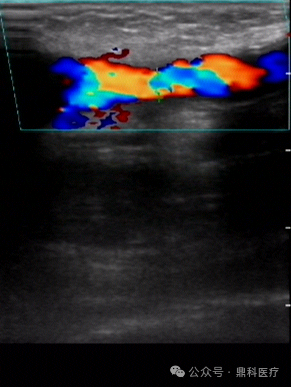
Physical Examination:The general condition is acceptable. A subcutaneous "U"-shaped loop artificial vessel is visible from the left forearm to the inner side of the upper arm. The brachial artery is connected to the basilic vein in the upper arm, with no pulsation and no bruit. B-ultrasound examination showed thrombosis in the artificial vessel and stenosis at the venous anastomosis.
Admission Diagnosis:Preoperative Diagnosis: 1, Left Upper Limb Artificial Vascular Thrombosis, 2, Chronic Kidney Disease Stage 5, 3, Hypertension Grade 1, 4, Hemodialysis Status.
Hospitalization Treatment NO.2
1. Complete relevant examinations, normal coagulation function.
2. On the day of admission, urokinase thrombolysis was performed with 600,000 U, administered in three segments via pump. Thrombolysis was successful 6 hours later, and AVG recanalization was achieved.
3. The venous outflow tract was significantly narrowed. The next day, PTA was performed under brachial plexus anesthesia using a peripheral scoring drug-coated balloon (6.0mm×60mm, 0.035/50cm).
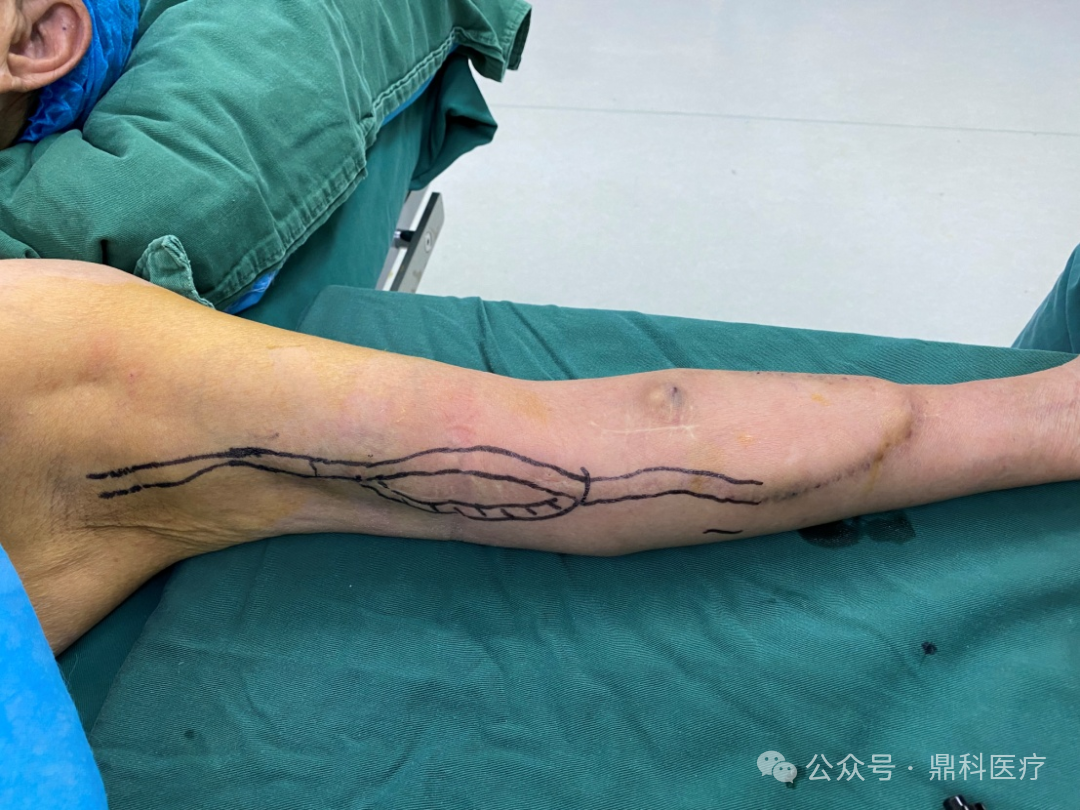
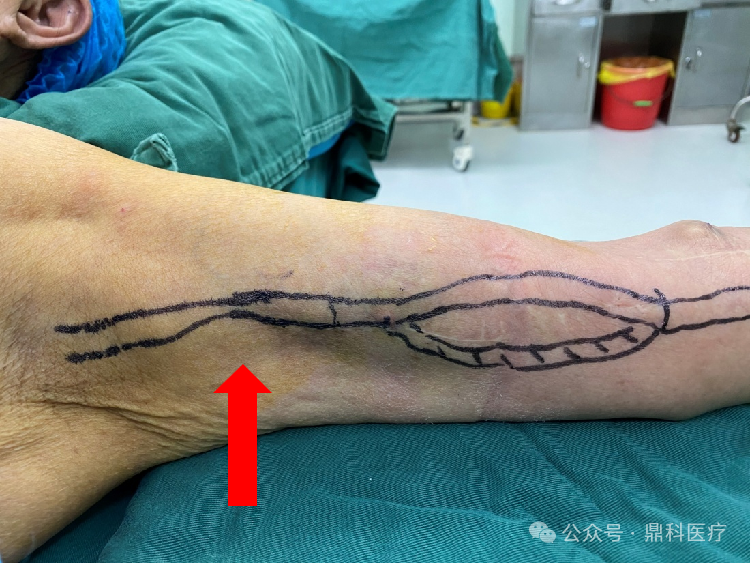
Repeated Stenosis of the Outflow Tract in Artificial Vessels
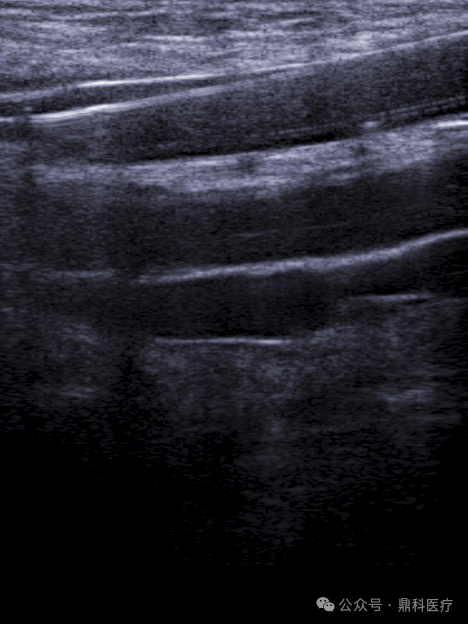
Preoperative:The narrowest inner diameter of the grayscale is 1.1mm.
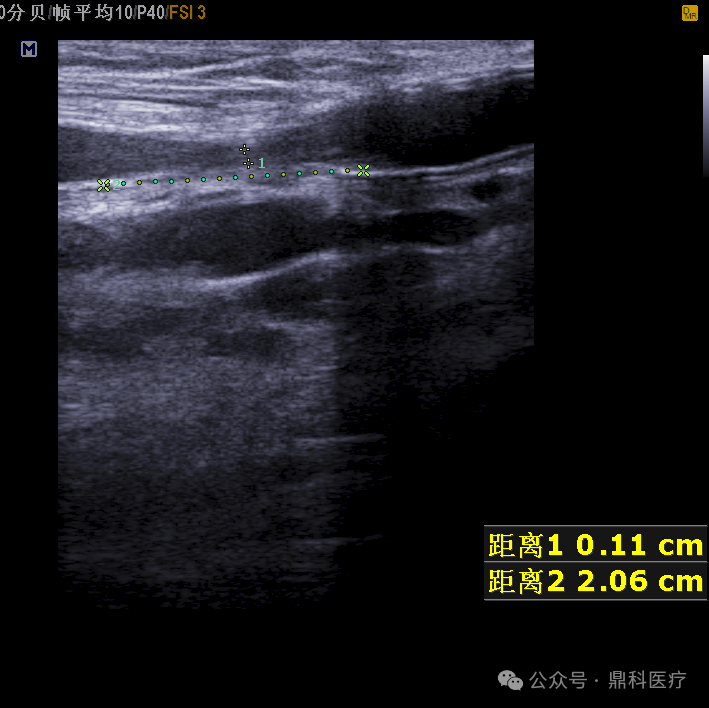
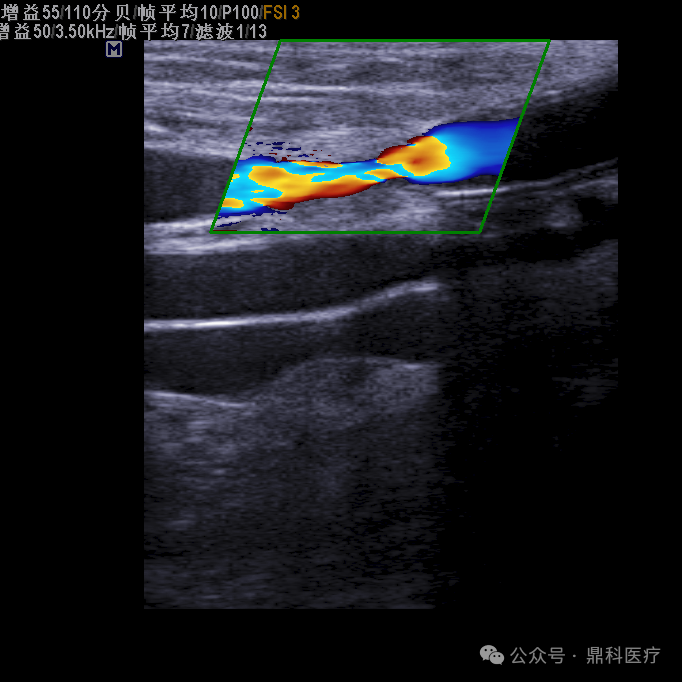
Intraoperative:
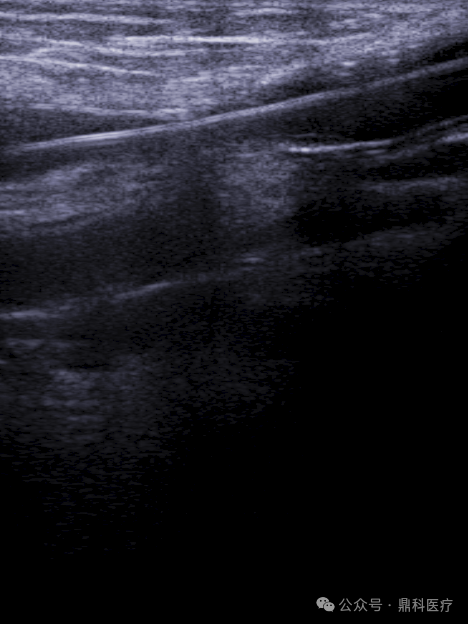
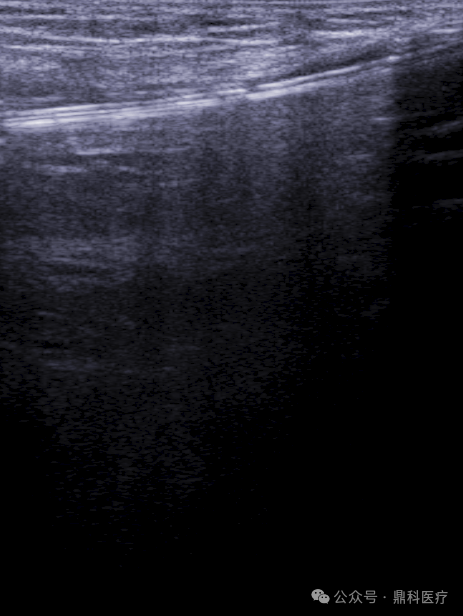
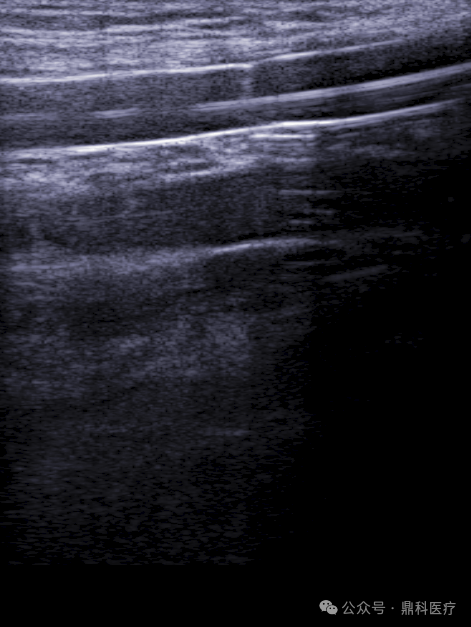
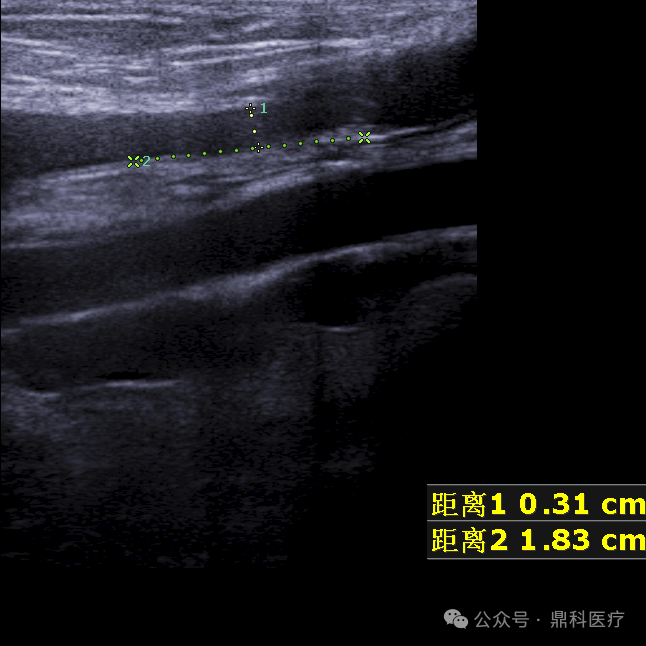
Postoperative:The narrowest inner diameter in grayscale is 3.1mm.
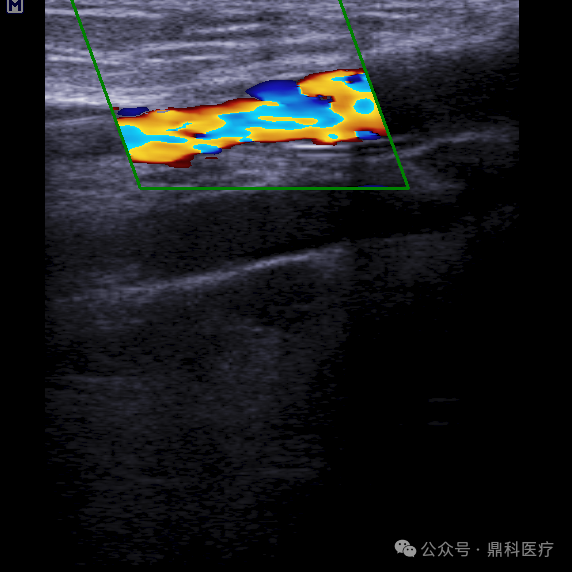
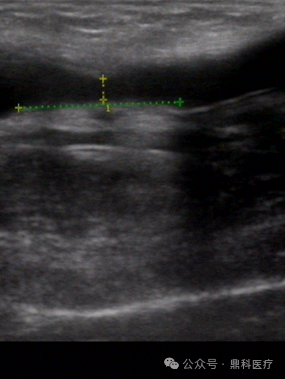
One Month Post-Operation:The narrowest inner diameter of the gray scale is 2.72mm, with a rebound of 12.3%, and the narrowest inner diameter of the blood flow beam is 3.39mm.
Thinking NO.3
1. What are the advantages of drug effects?
2. Timing of Target Lesion Selection?
AdoptPaclitaxelDrugs interfere with cell division during mitotic M phase, thereby inhibiting the proliferation of smooth muscle cells.
The purpose of DCB is to hope that through the balloonDeliver anti-proliferative drugs to the blood vessel wall and release them evenly to inhibitProliferation of Vascular Endothelial Cells, Smooth Muscle Cells, and Fibroblasts, playing a role in reducing restenosis after balloon dilation.
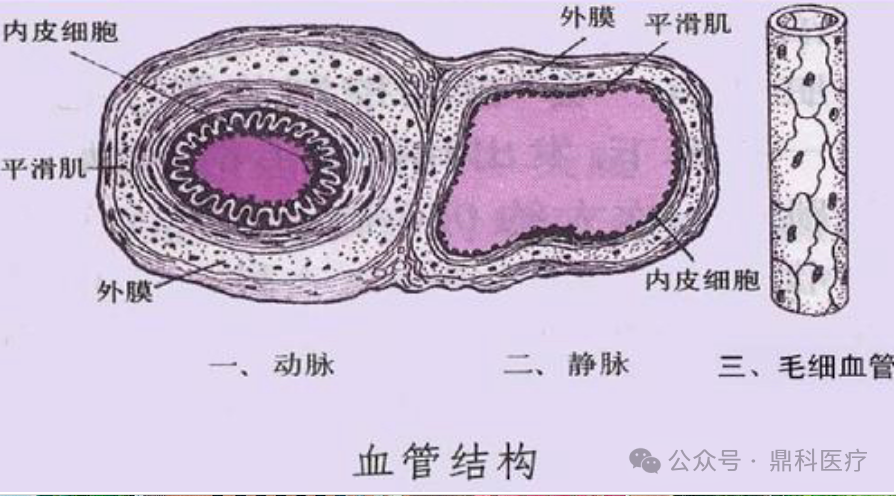
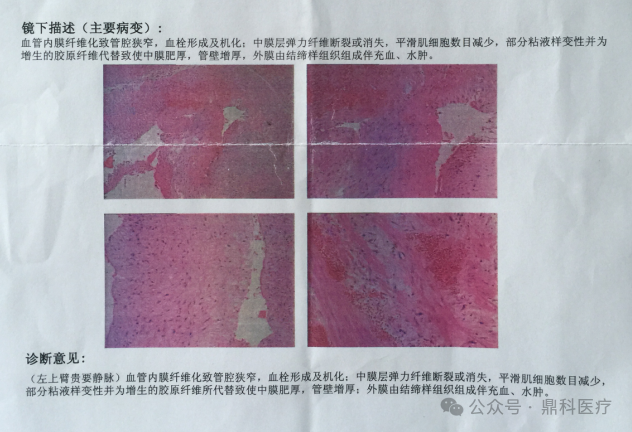
Pathological Characteristics of Medium and Small Vessel Stenosis:
Endometrial Fibrosis-Organization (Scar Tissue)
The elastic layer of the tunica media is ruptured or disappeared, and the smooth muscle cells are reduced.
Increased collagen fibers (sclerosis) —— Hyaline change
Summary NO.4
Less drug loss, easy to unload and long retention.
For better results, apply the medication as early as possible.
Don't look at the advertisements, look at the actual efficacy.

Expert Introduction


Professor Feng Xiaobo
Surgeon of this medical record
Chief Physician, Department of Vascular Surgery, Kunming Tongren Hospital;Chairman of the Hemodialysis Branch of the Yunnan Women Physicians Association;Member of the Endovascular Expert Committee of the Chinese Medical Doctor Association;Group Leader of the Hemodialysis Access Group, Yunnan Medical Association's Blood Purification Branch;Member of the Vascular Surgery Branch of the Yunnan Medical Association;Member of the Hemodialysis Access Group, Chinese Branch of the International Vascular Alliance.
Proficient in establishing complex dialysis access and surgical treatment of secondary hyperparathyroidism due to renal failure.

Department Introduction

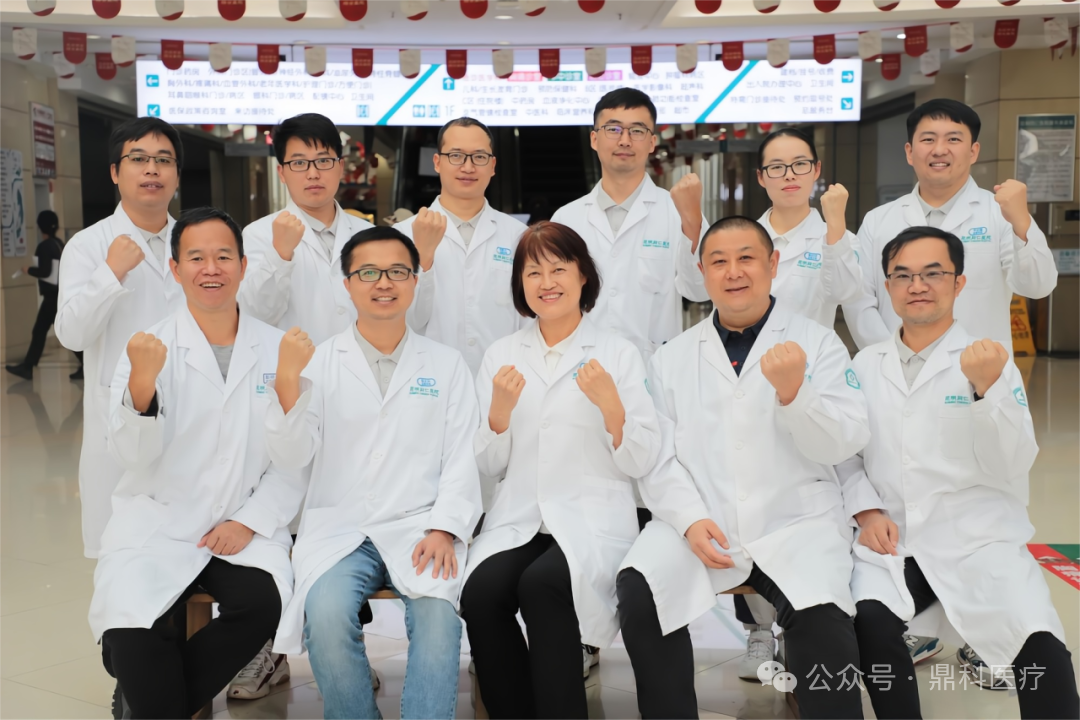
The Vascular Surgery Department of Kunming Tongren Hospital is a specialized department characterized by minimally invasive interventional treatments, led by the experienced expert, Director Feng Xiaobo. The department's main treatment methods include advanced procedures such as micro-incision arteriovenous fistula surgery, artificial and autologous vascular grafts, thrombectomy and balloon dilation guided by ultrasound or DSA, and recanalization of central venous occlusion, capable of resolving various complex dialysis vascular access issues.
Under the leadership of Director Feng Xiaobo, the Vascular Surgery Department of Kunming Tongren Hospital has rich experience in the diagnosis and treatment of lower extremity arteriosclerotic occlusion, arteriovenous aneurysms, deep vein thrombosis of the lower extremities, acute arteriovenous embolism with thrombosis in limb vessels, and other related diseases. The department is also skilled in minimally invasive treatments for varicose veins of the lower extremities, as well as interventional treatments for hemangiomas and vascular malformations.
As one of the key departments of Kunming Tongren Hospital, the Vascular Surgery Department is equipped with advanced medical devices and technology, as well as a professional medical team. The department's medical staff possess a high level of professional competence and skills, enabling them to provide high-quality medical services to patients.
Kunming Tongren Hospital Vascular Surgery Department has been committed to providing safe and effective diagnosis and treatment services for patients. The medical staff of the department will continue to make efforts to bring better treatment outcomes and medical experience to patients.