Dingke Medical's Dissolve™ AV Scoring Drug-Coated Balloon Showcased by Professor Liu Zongyang’s Team for Early Recurrent Stenosis in Hemodialysis Access

DK Medtech
Vascular Interventional Balloon Product Developer
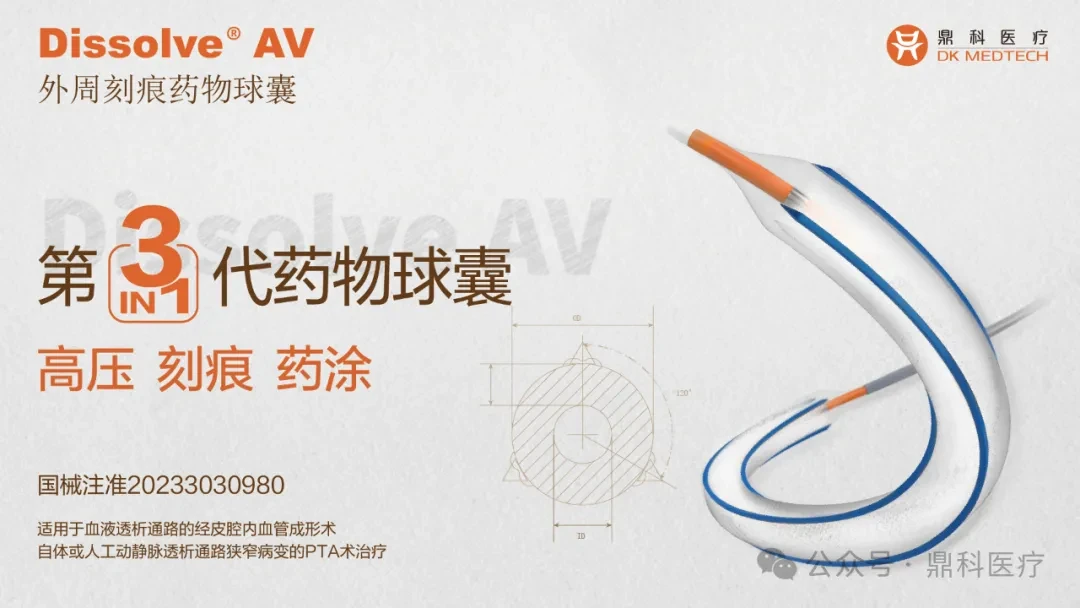
"The prevalence of chronic kidney disease in Chinese adults is 8.2%. Currently, the mainstream treatment for CKD patients worldwide is hemodialysis. As of 2016, nearly one million uremic patients in China require dialysis annually. Therefore, vascular access is the 'lifeline' for hemodialysis patients. Due to long-term dialysis, access stenosis has become the most common obstacle in hemodialysis. At present, percutaneous transluminal angioplasty (PTA) has become the preferred treatment for vascular stenosis. How to reasonably select new technologies and devices related to PTA to further reduce hemodialysis access restenosis, improve long-term patency rates, and extend the service life of hemodialysis access remains a clinical hotspot and challenge. In recent years, there have been continuous international explorations and clinical studies on the use of high-pressure balloons, scoring balloons, and drug-coated balloons in PTA treatment for dialysis access. DK Medtech specializes in the research, development, and production of interventional medical devices, focusing on balloon innovation. It has developed the Dissolve™ AV Scoring Drug-Coated Balloon, which integrates 'high pressure,' 'scoring,' and 'drug coating' to address multiple key challenges of hemodialysis access stenosis."
DK MedtechSpecially launched[Guizhou Medical University Affiliated Tumor Hospital - Professor Liu Zongyang's Team: Management of Short-Term Restenosis Lesions] Case Presentation, demonstrating the meticulous operation of each case and the clinical application of advanced equipment and instruments. From the formulation of treatment strategies for different cases, standardized intraoperative procedures and technical applications, complication prevention, to perioperative management, etc., the aim is to promote the standardization of diagnosis and treatment for hemodialysis access stenosis, strengthen technical exchange and experience sharing among doctors, with the hope of providing new ideas and methods for the future diagnosis and treatment of hemodialysis access, benefiting more clinical patients.

Management of Short-Term Restenosis Lesions
Simachong Yang, Affiliated Tumor Hospital of Guizhou Medical University

Basic Information NO.1
Basic Information:Female patient, 64 years old.
Chief Complaint:Maintenance hemodialysis for 4 years, difficult hemostasis after dialysis for 3 days.
History of Present Illness:Four years ago, the patient was diagnosed with "chronic kidney disease stage 5" and began maintenance hemodialysis treatment, three times a week, continuing regularly until now. Three days ago, the patient experienced difficulty in stopping bleeding at the puncture site after dialysis, with the hemostasis time exceeding 30 minutes. An outpatient ultrasound suggested: type I+II stenosis of the arteriovenous fistula in the right upper limb. The patient was admitted to the hospital for treatment with a diagnosis of "stenosis of the arteriovenous fistula in the right upper limb."
Past Medical History:History of "Type 2 Diabetes" for over 20 years, "Hypertension" for 4 years. Denies history of chronic diseases such as "Coronary Heart Disease" and "Gout." Denies history of infectious diseases.
Physical Examination:Specialized Physical Examination of the Right Upper Limb——
Visual Examination:The skin of the right upper limb is ruddy. A longitudinal old surgical scar about 3 cm in length is visible 3 cm above the transverse wrist crease of the right upper limb. Two blunt needle puncture scars are visible on the cephalic vein of the right forearm, with no aneurysm-like dilation and no skin ulceration observed.
Palpation:The skin temperature of the right upper limb is the same as that of the left upper limb. A pulse can be palpated at the anastomosis of the internal fistula, and a faint thrill can be palpated proximal to the arterial puncture site, which conducts towards the proximal end.
Auscultation:A unidirectional wind-like murmur can be heard at the anastomosis of the internal fistula, and a high-pitched wind-like murmur can be heard at the arterial puncture site, with the murmur weakening proximal to the arterial puncture site.
Admission Diagnosis:Preoperative Diagnosis:
Chronic Kidney Disease Stage 5, Maintenance Hemodialysis;
Stenosis of Arteriovenous Fistula in Right Upper Limb (Type I + II).
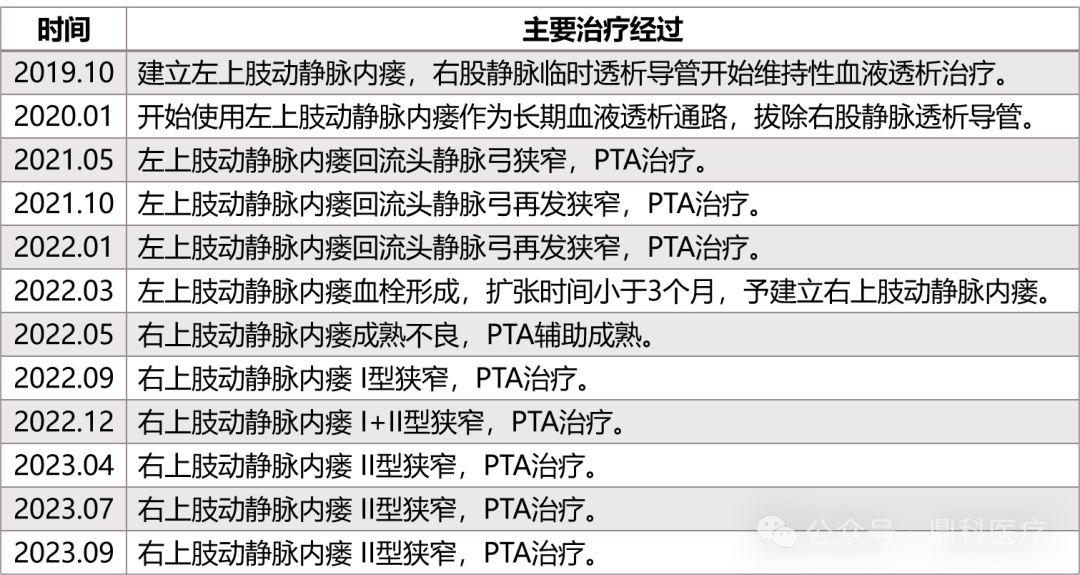
History of Vascular Access NO.2
Preoperative Analysis NO.3
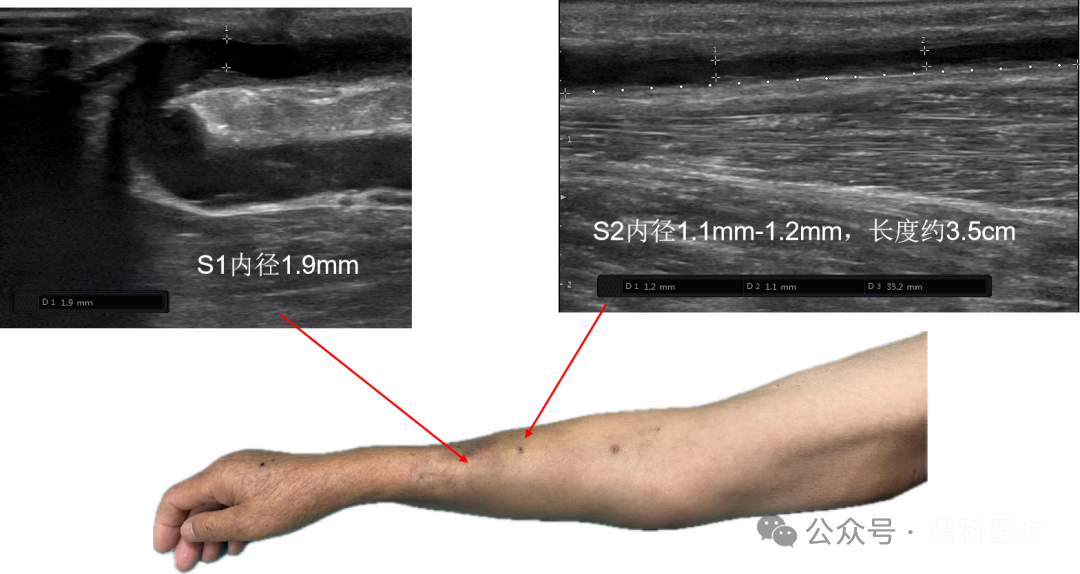
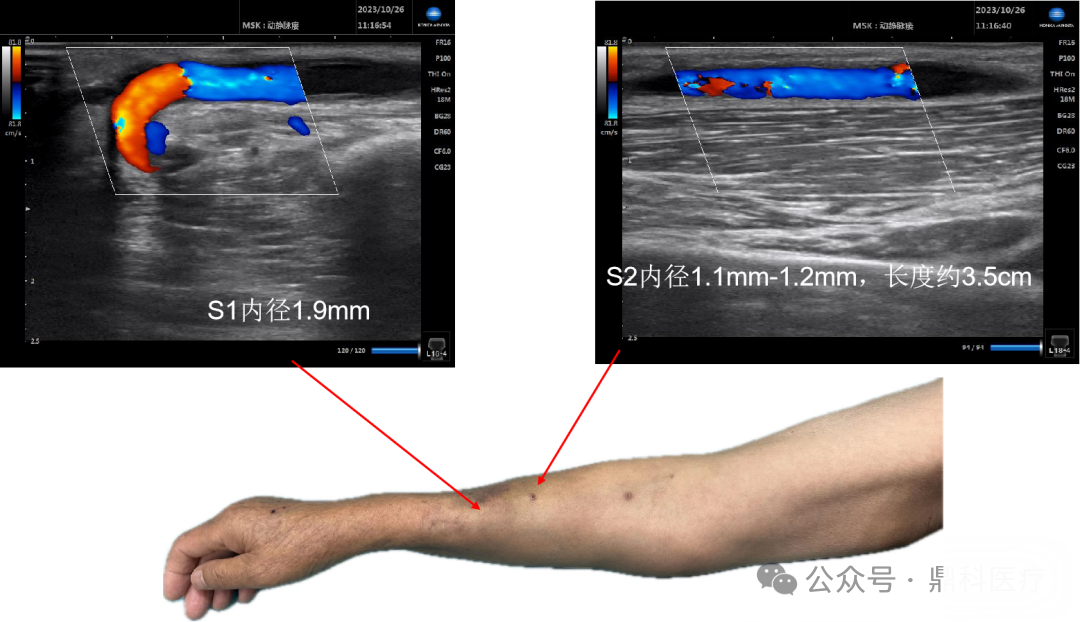
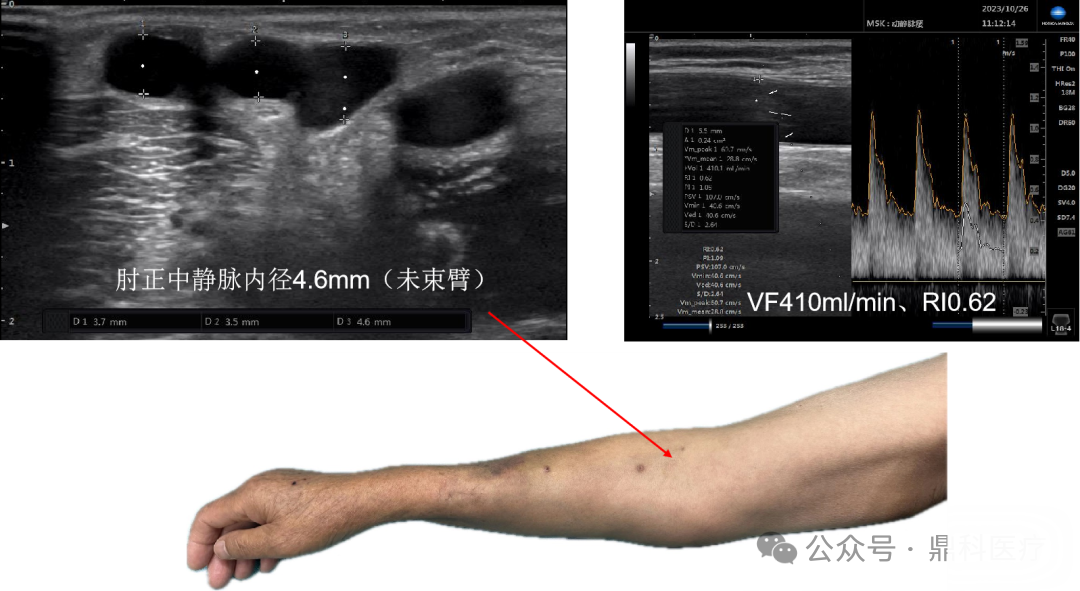
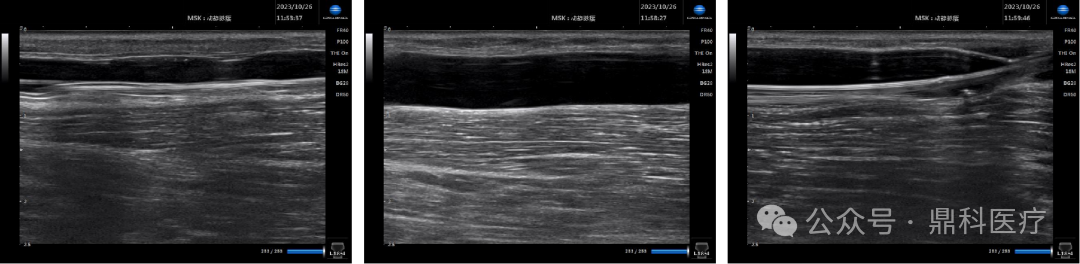
Preoperative Analysis:The patient has stenosis of the arteriovenous fistula in the right upper limb and has undergone multiple PTA treatments. One month after the last PTA, restenosis occurred with significant intimal hyperplasia at the stenosis site. The effect of repeated dilation treatment cannot be guaranteed. Consideration can be given to reconstructing the proximal end of the fistula stenosis, repairing the stenosis of the fistula drainage vein (patch), stent placement, or drug-coated balloon treatment after pressure-focused balloon dilation.
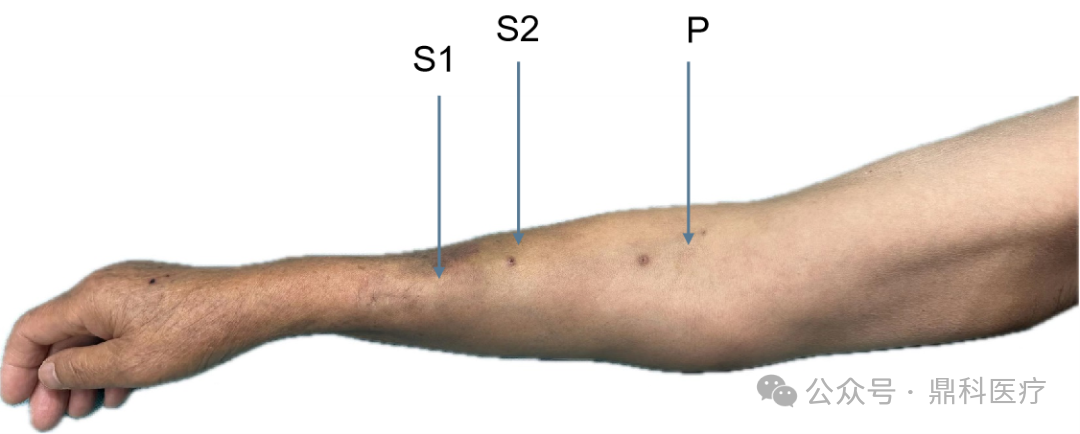
Surgical Strategy/Plan:Balloon Angioplasty of Right Upper Limb Arteriovenous Fistula Under B-mode Ultrasound Guidance (Dissolve™ AV).
Surgical Procedure NO.4
The right upper limb median cubital vein was punctured in a retrograde manner. After successful puncture, the needle sheath was advanced, the needle core was removed, and a guidewire was inserted along the needle sheath to establish support, followed by the placement of a 7Fr catheter sheath.
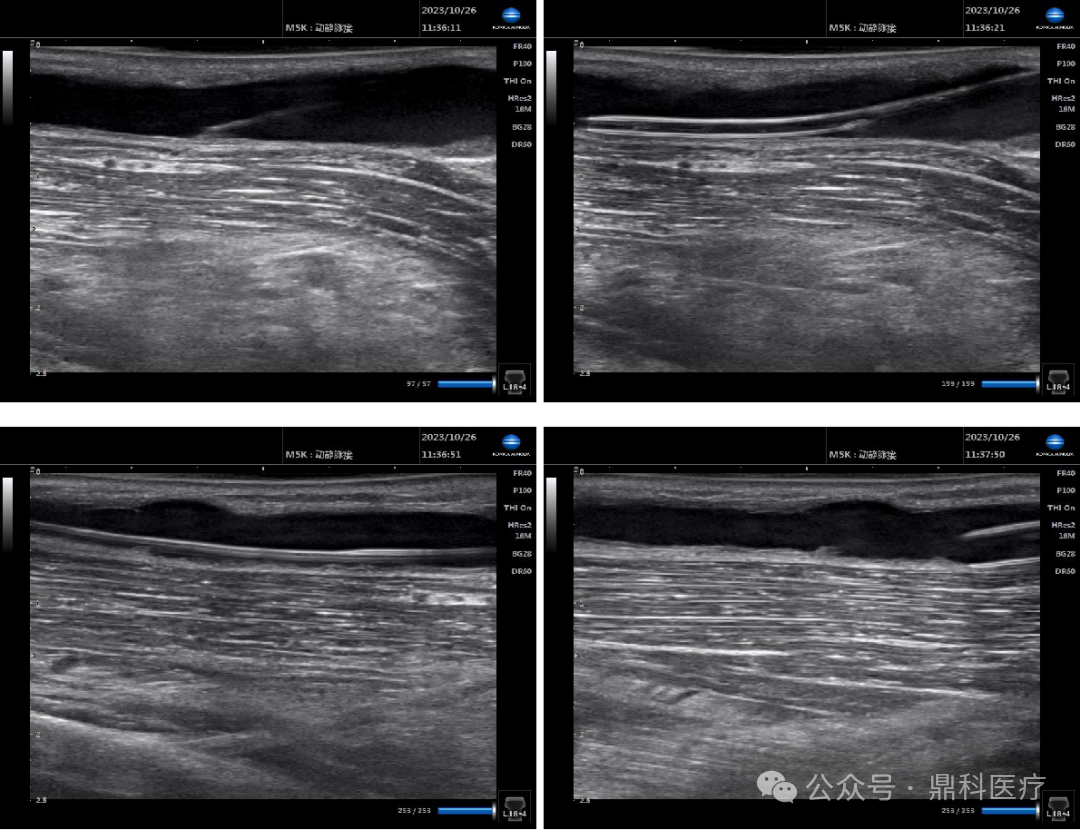
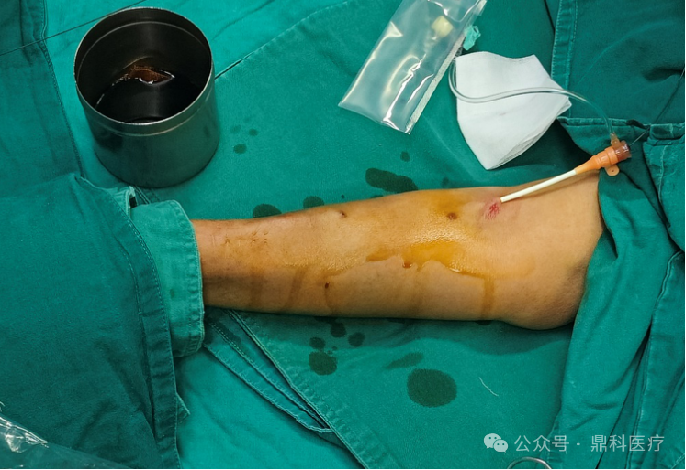
A 0.035" standard hydrophilic guidewire was inserted along the catheter sheath, passing retrogradely through the stenosis → anastomosis → proximal radial artery → brachial artery via the reflux vein, serving as the working guidewire. Meanwhile, 15mg of heparin injection was administered by push.
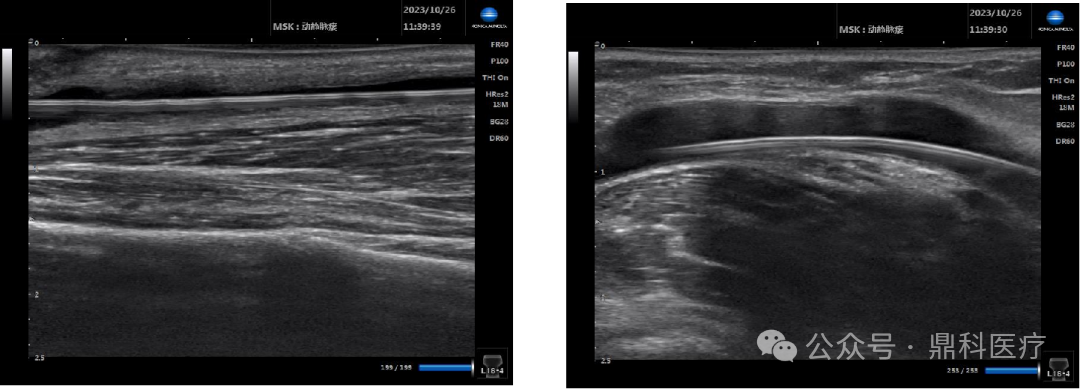
A 5mm high-pressure balloon was inserted along the guidewire and dilated at S1.
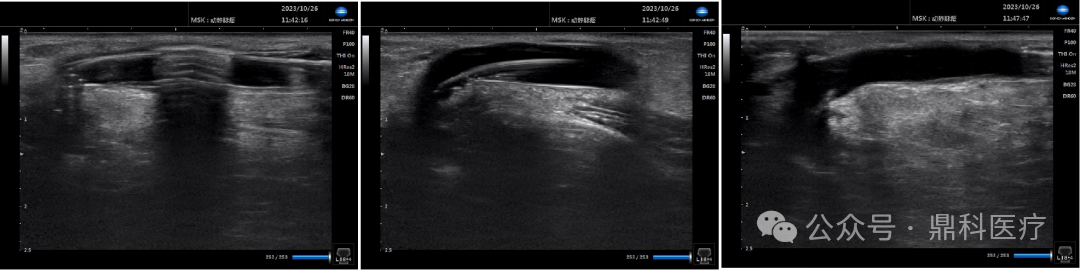
Pre-dilate S2 with a 5mm high-pressure balloon again.
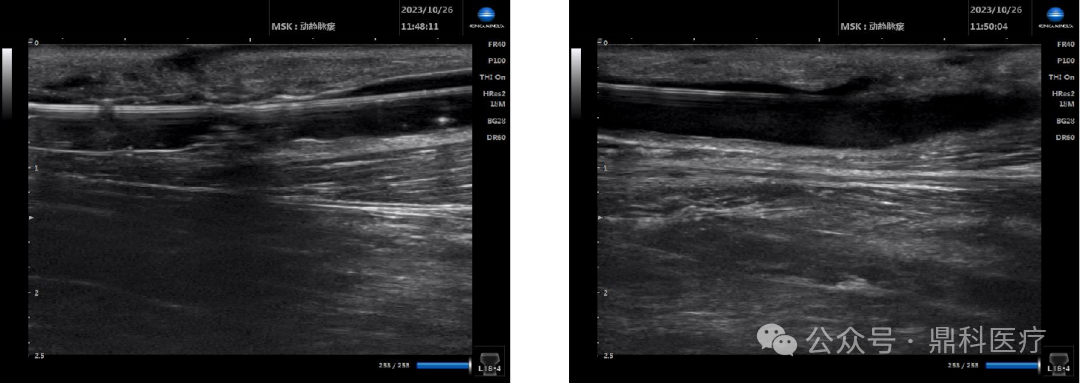
After vascular preparation, a 6mm×6cm balloon (DK Medtech Dissolve™ AV) was inserted along the guidewire.
6mm×6cm balloon (DK Medtech Dissolve™ AV) dilated at S2, 20atm for 3 minutes.
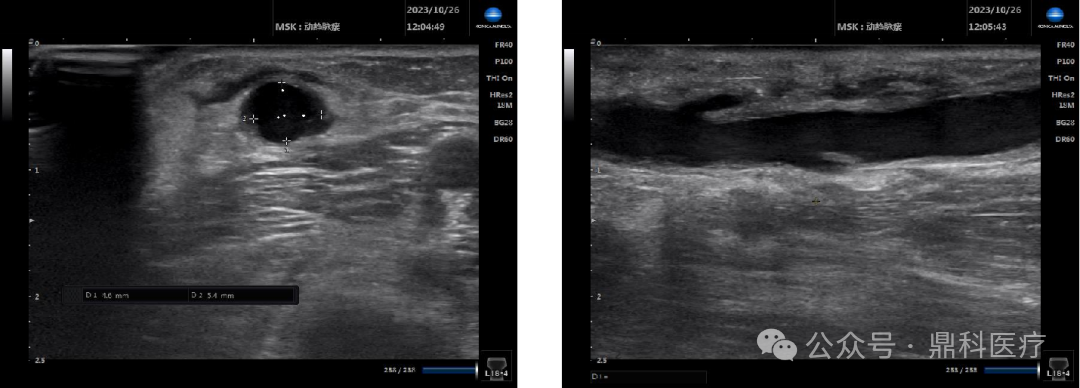
The inner diameter of S2 is 5.4mm after expansion, with recoil less than 30%.
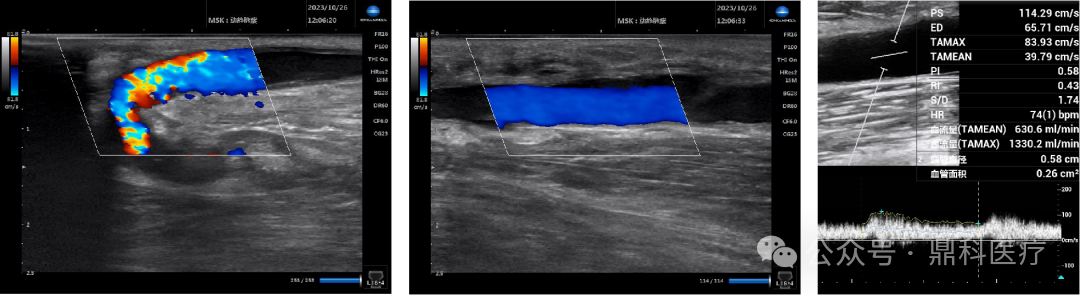
Postoperative blood flow signal was fully filled, with VF 630 ml/min and RI 0.43 on the second day.
Follow-up NO.5
Discharge Status:The expanded internal fistula is functioning normally, with bleeding stopping within 15 minutes after dialysis. Scheduled for outpatient follow-up on 2023.11.24.
Case Summary NO.6
Case Characteristics:The patient underwent repeated angioplasty for stenosis of the arteriovenous fistula in the right upper limb, and the maintenance time after the last dilation was less than one month.
Surgical Strategy/Technical Points:It is recommended to perform vascular preparation before drug-coated balloon dilation to ensure adequate drug release to the target lesion. The ends of the drug-coated balloon should preferably extend more than 5mm beyond the lesion, and the dilation time is recommended to be 2-3 minutes.
Advantages of the Device:Drug-coated balloon catheter with protective sleeve can prevent drug loss outside the body.
Operating Techniques:Before catheter implantation, gently push the protective sleeve to expose the tip contour, pre-flush with saline, lubricate the guidewire, then insert part of the protective sleeve along the guidewire, followed by balloon insertion. After the balloon is in place, remove the protective sleeve.

Introduction of Experts

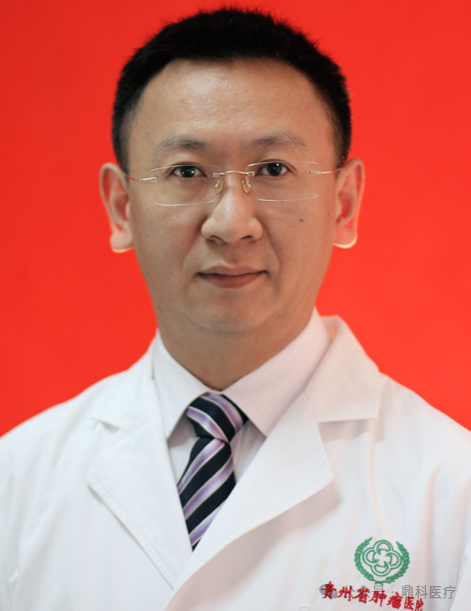
Professor Liu Zongyang
Affiliated Hospital of Guizhou Medical UniversityTumor Hospital,Vice President and Director of Nephrology Department & Hemodialysis Room, Chief Physician, Master's Supervisor;Member of the Blood Purification Management Branch of the Chinese Hospital Association and Member of the Vascular Access Group;Member of the Blood Purification Special Committee of the Chinese Research Hospital Association;Member of the Vascular Access Group, Vascular Surgery Branch, Cross-Strait Medical Technology Exchange Conference;Vice Chairman of the Blood Purification Branch of Guizhou Medical Association;Chairman of the Vascular Access Group, Blood Purification Branch, Guizhou Medical Association;In 2008, studied under Professor Wang Yuzhu, currently mainly engaged in blood purification and vascular access related work.
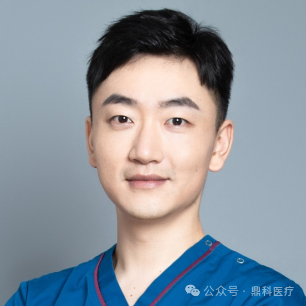
Professor Sima Chongyang
The Surgeon of This Case
Affiliated Tumor Hospital of Guizhou Medical University, Attending Physician, Department of Nephrology,Dr. Liu Zongyang's Physician Team: Group Leader and Surgeon.
In February 2017, I pursued advanced studies in "Interventional Nephrology" at Haidian Hospital, Beijing.In December 2019, visited Germany to study "Stent Graft Technology" and visited the Department of Interventional Radiology at Patras University Hospital in Greece to study "Endovascular Techniques for Vascular Access in Blood Purification."
Member of the Vascular Access Specialty Group, Blood Purification Branch, Chinese Hospital Association;Member of the Vascular Access Intervention Group, Ultrasound Intervention Committee, Interventional Physicians Branch of the Chinese Medical Doctor Association;Member of the Vascular Access Group, Hemodialysis Branch, Guizhou Medical Association;Technical Certification Officer of the Hemodialysis Access Central Venous Diagnostic and Treatment Technology Alliance;Member of the Vascular Malformation and Access Professional Committee of the China Association for the Promotion of Human Health Science and Technology.

Department Introduction

Our department was established in May 2010, with a nephrology ward of 40 authorized beds, two dialysis treatment areas, and a total of 76 dialysis machines. We have 66 medical staff members.
Our department has pioneered several new vascular access technologies in the province, such as arteriovenous fistulas with artificial blood vessels in the upper and lower limbs, peripheral vascular PTA under ultrasound/DSA, PTA/stent placement for central venous lesions under DSA, and surgical resection of secondary hyperparathyroidism. These technologies have placed us at a leading level within the province. To date, we have provided hemodialysis access surgeries for thousands of renal failure patients from various cities and counties across Guizhou Province, successfully performing parathyroidectomy on more than 200 renal failure patients.
Due to the continuous increase in recent years of end-stage renal disease patients requiring dialysis, in order to address the medical needs of the surrounding population and provide better dialysis services, our department has newly established a dialysis area with 42 dialysis machines (including 4 for positive patients) at the general hospital district. It is now in operation. In the future, the department plans to have 3 dialysis areas with a total of 108 dialysis machines.