Application of Scoring Drug-Coated Balloon in Refractory Stenosis of Arteriovenous Fistula: A Case Series by Prof. Kong Xianglei's Team

DK Medtech
Vascular Interventional Balloon Product Developer
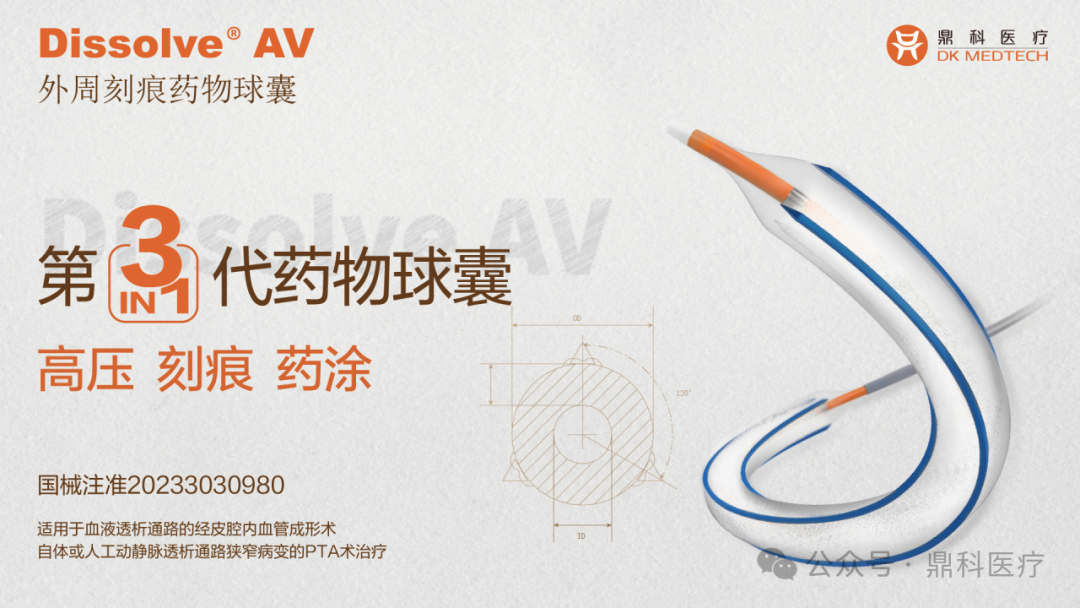
AVGHyperplasia of the venous anastomosis is the main cause of AVG stenosis. Currently, multiple guidelines recommend PTA as the preferred treatment for AVG stenosis. Dense fibrosis in the stenotic vein segment or scar tissue hyperplasia at the puncture site makes it difficult to fully dilate some lesions with a standard-pressure balloon, especially for refractory and long-segment stenoses, which are the primary reasons for surgical failure and low patency rates. Analysis suggests that this may be related to irregular violent tearing of the intima and partial neotissue of the media by the balloon during PTA, causing damage to the endothelial vessels and triggering intense proliferation of vascular smooth muscle cells and macrophages. In recent years, there has been continuous international exploration and clinical research on the use of high-pressure balloons, scoring balloons, and drug-coated balloons for PTA treatment of dialysis access. DK Medtech specializes in the research, development, and production of vascular interventional medical products, focusing on balloon innovation. They have developed the Dissolve™ AV Scoring Drug Balloon, which integrates "high pressure," "scoring," and "drug coating" to address multiple hotspots and challenges in hemodialysis access stenosis.
DK MedtechSpecial Launch[Shandong First Medical University First Affiliated Hospital - Professor Kong Xianglei's Team: Application of Scored Drug-Coated Balloons in Refractory Stenosis Lesions of Arteriovenous Fistulas] Case Presentation, demonstrating the meticulous operation of each case and the clinical application of advanced equipment and instruments. From the formulation of treatment strategies for different cases, standardized intraoperative procedures and technical applications, complication prevention, to perioperative management, etc., the aim is to promote the standardization of diagnosis and treatment for hemodialysis access stenosis, strengthen technical exchanges and experience sharing among doctors, with the hope of providing new ideas and methods for the future diagnosis and treatment of hemodialysis access, benefiting more clinical patients.

Scored Drug-Coated Balloons in Arteriovenous Fistulas
Application in Refractory Stenotic Lesions
Kong Xianglei, Cao Wei, The First Affiliated Hospital of Shandong First Medical University

Patient Information
Basic Information:Male, 63 years old.
Chief Complaint:Ten years of hemodialysis, with减弱杂音 and震颤 in the right forearm内瘘 for one week.
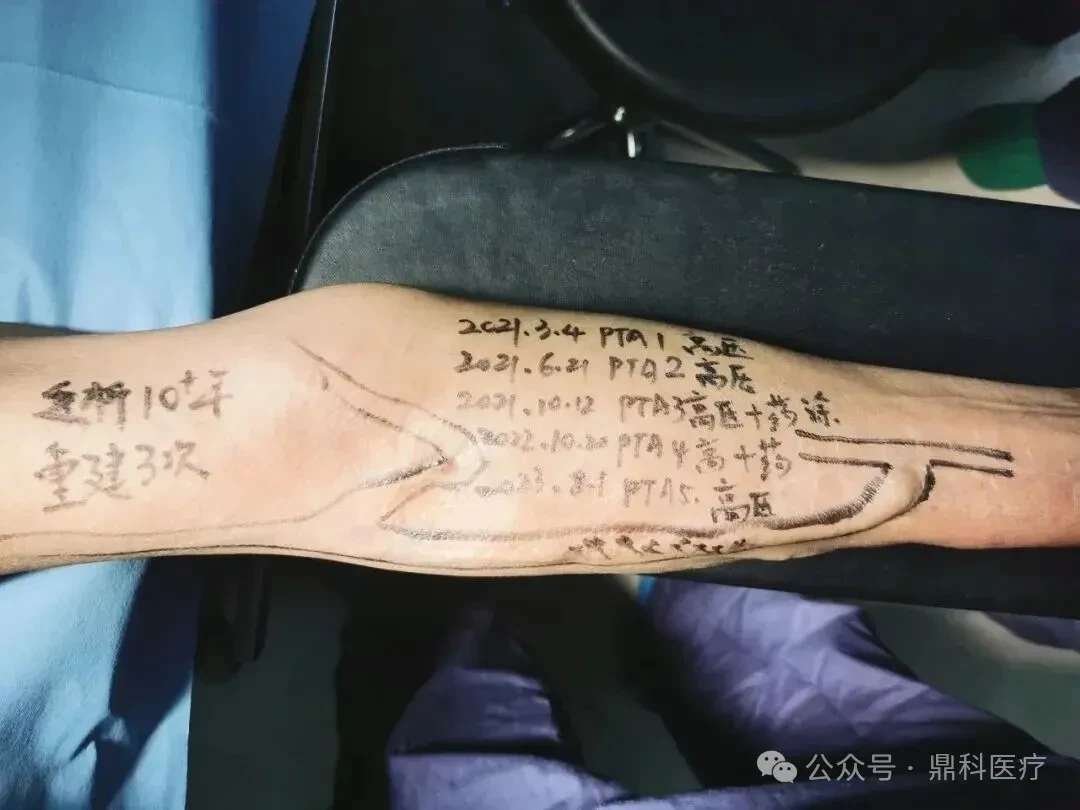
History of Present Illness:Ten years ago, the patient underwent hemodialysis treatment with an autologous arteriovenous fistula in the right forearm due to "chronic nephritis, CKD stage 5," performed three times per week. During this period, the patient underwent three fistula reconstructions due to fistula occlusion and five ultrasound-guided fistula PTA procedures due to poor blood flow caused by venous outflow tract stenosis.
Past Medical History:Hypertension for more than 10 years, with the highest reading reaching 210/100 mmHg.
Physical Examination:Decreased murmur and thrill in the right forearm fistula, with hard venous outflow tract.
Admission Diagnosis:
Dysfunction of Arteriovenous Fistula
CKD Stage 5
Hemodialysis
Chronic Glomerulonephritis
Hypertension
Previous interventional treatment
Time | Main Treatment Process |
2021.03.04 | High-Pressure Balloon PTA Procedure |
2021.06.21 | High-Pressure Balloon PTA Procedure |
2021.10.12 | High-Pressure Balloon + Drug-Coated Balloon PTA Procedure |
2022.10.20 | High-Pressure Balloon + Drug-Coated Balloon PTA Procedure |
2023.08.01 | High-Pressure Balloon PTA Procedure |
Preoperative Analysis
Preoperative Analysis
The patient has been on dialysis for over 10 years, with multiple failed fistula surgeries leading to repeated fistula reconstructions and PTA procedures. The venous outflow tract shows severe stenotic lesions, primarily characterized by venous intimal hyperplastic stenosis.
Surgical Objective
Main Objectives:Open narrowed lesions, prevent recoil, and meet the blood flow requirements for regular dialysis;
Secondary Objective:Maintain Long-Term Patency.
Surgical Strategy/Plan
Scored Drug-Coated Balloon for Repeat PTA Procedure. Expect to use scored balloon to uniformly tear the hyperplastic intima to prevent bleeding, while locally applying paclitaxel to inhibit smooth muscle cell migration and proliferation, as well as to prevent short-term restenosis.
Preoperative Assessment Examination
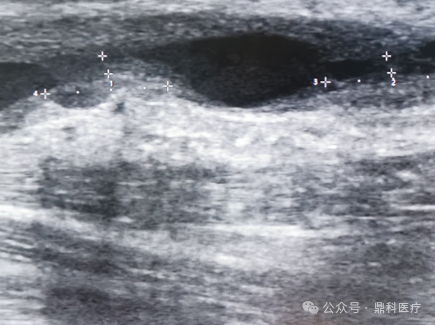
Multiple intimal hyperplastic stenoses in the cephalic vein of the forearm
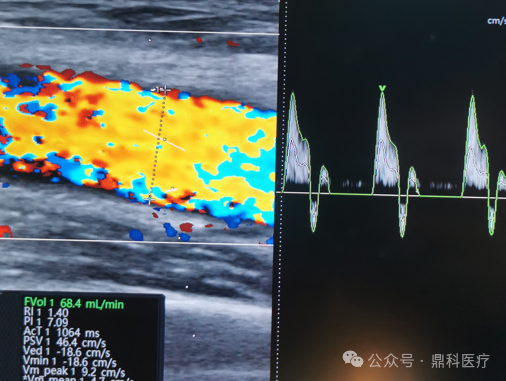
The narrowest point is 1.1mm, with a brachial artery blood flow of 68.4ml/min.
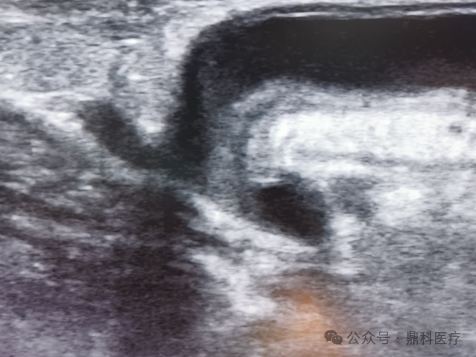
Preoperative venous intimal hyperplasia near the anastomosis, with mild stenosis
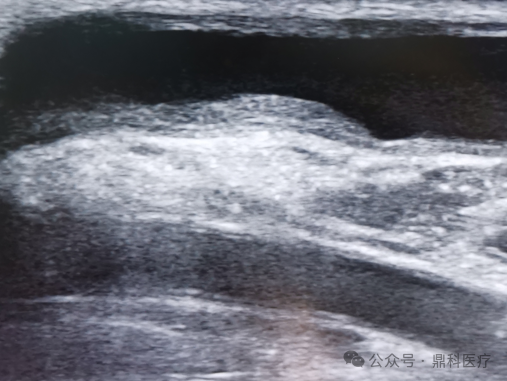
Surgical Procedure
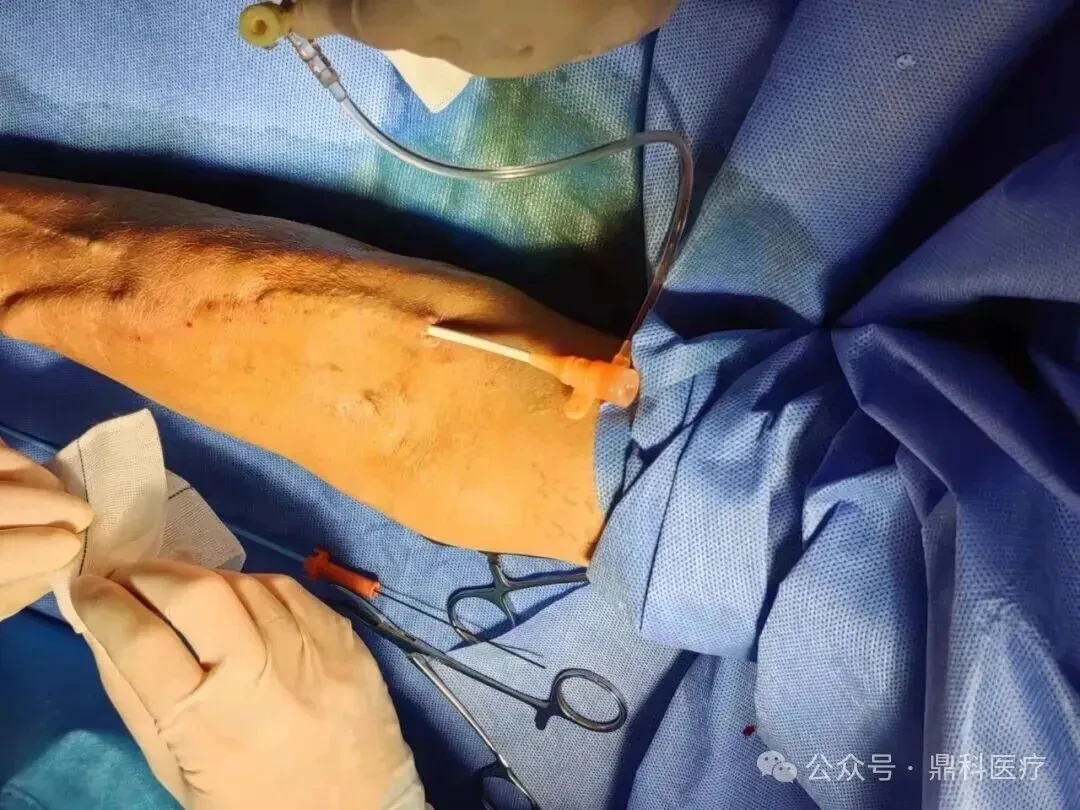
Proximal end of the cephalic vein implanted with a 7F sheath
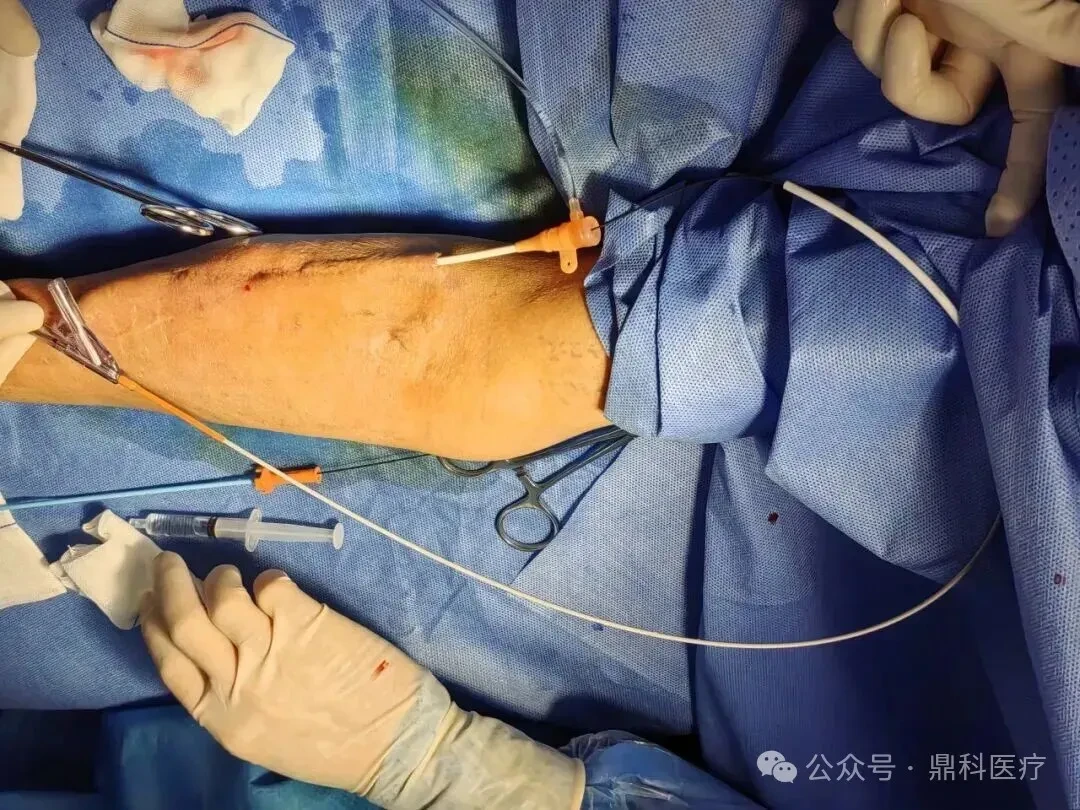
A 6mm high-pressure scoring drug-coated balloon was advanced along the guidewire.
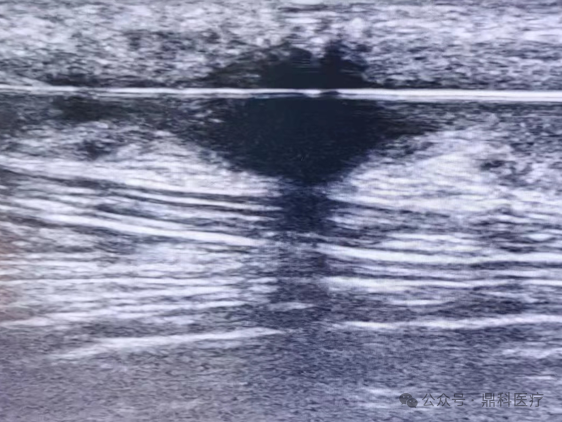
Anchor to the narrow lesion
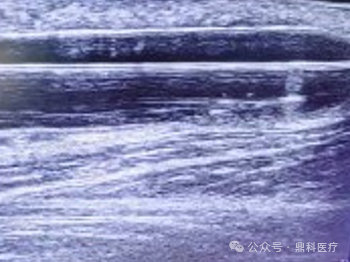
Expand 3 times at 20atm, the first time for 3 minutes, the second and third times for 1 minute each.
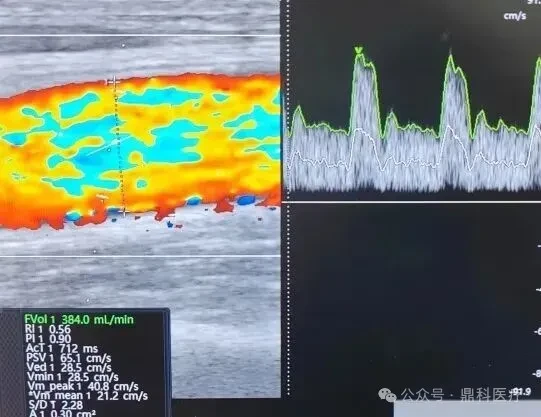
Measurement of brachial artery flow (with sheath) significantly improved
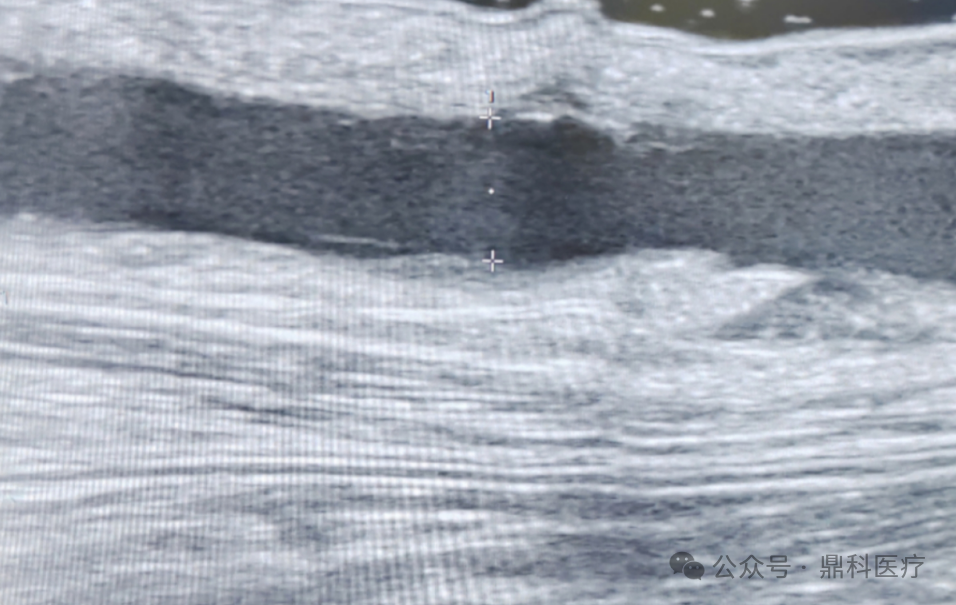
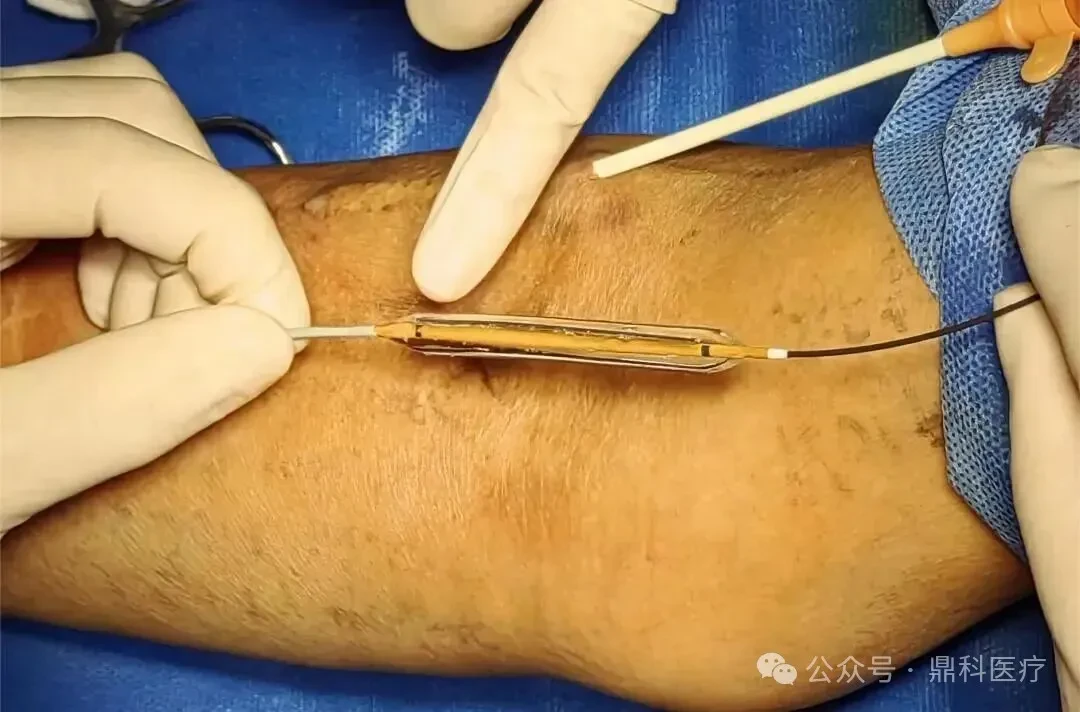
The sheath was removed, and hemostasis was achieved by compression without any special complications. The surgery was completed.
Follow-up
Discharge Status:The patient was able to undergo normal dialysis on the second day after the operation. Currently, after 4 weeks of follow-up, the fistula is functioning well.
Case Summary
Case Characteristics:The patient has been on dialysis for over 10 years, with multiple failed fistula surgeries leading to repeated fistula reconstructions and PTA procedures. The venous outflow tract shows severe stenotic lesions, primarily characterized by venous intimal hyperplastic stenosis.
Preoperative Assessment Key Points:
Location and degree of stenosis, characteristics of stenosis;
Exclude arterial inflow tract and central venous stenotic lesions.
Surgical Strategy/Technical Key Points:
Fully open the stenosis, ensure sufficient balloon inflation time to guarantee adequate paclitaxel infiltration.
Features/Usage Tips of the Device:
Select the appropriate puncture sheath;
Smooth balloon passage;
.Easy to open narrow lesions;
The balloon retraction is good.
Others:Lack of more large-sample, multi-center clinical study results; patency rates may vary depending on the location of the lesion.

Expert Introduction


Professor Xianglei Kong
Surgeon of This Case
Department of Nephrology, First Affiliated Hospital of Shandong First Medical University (Qianfo Mountain Hospital of Shandong Province),Associate Chief Physician, Associate Professor, Master's Graduate Supervisor;Outstanding Young Talent in Health and Medicine in Shandong Province;Visiting Scholar at Massachusetts General Hospital, Harvard Medical School.
Academic Part-time Positions:Standing Committee Member of the Vascular Access Physicians Branch of the Shandong Provincial Medical Association for Blood Purification;Member of the Shandong Provincial Medical Association's Blood Purification Branch;Member of the Vascular Access Intervention Group, Interventional Physicians Branch, Chinese Medical Doctor Association;Member of the Interventional Vascular Access Group, Chinese Association of Integrated Traditional and Western Medicine.
Research Field:Research on the Establishment and Dysfunction Mechanisms of Vascular Access for Blood Purification.

Professor Cao Wei
Surgeon of This Case
Deputy Chief Physician, Department of Nephrology, First Affiliated Hospital of Shandong First Medical University (Qianfo Mountain Hospital of Shandong Province); Core Member, Vascular Access Team.
From February 2017 to August 2017, I conducted research and study at the Department of Nephrology, Peking University First Hospital; from June 2019 to August 2019, I studied under Professor Bo Tu at the First Affiliated Hospital of Chongqing Medical University, focusing on ultrasound evaluation of vascular access and ultrasound-guided PTA techniques. Currently, my main work involves the assessment of vascular access in dialysis patients, ultrasound-guided PTA interventional treatment for various complex dysfunctional fistulas, and research on the mechanisms of vascular access dysfunction.

Department Introduction

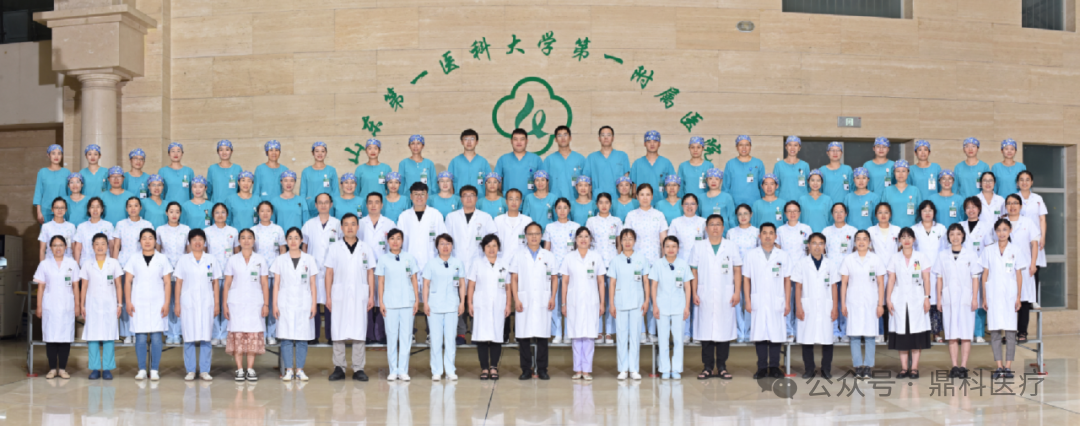
The Nephrology Department of the First Affiliated Hospital of Shandong First Medical University (Shandong Qianfo Mountain Hospital) consists of wards, a hemodialysis room, an outpatient nephrology clinic, and a nephrology laboratory. The department currently has 26 physicians, including 4 chief physicians, 10 associate chief physicians, and 24 with doctoral degrees. There are over 70 nurses (for wards and hemodialysis rooms), 2 full-time engineers, and 3 full-time lab technicians. The department has 65 authorized beds, and the hemodialysis room is equipped with 100 hemodialysis machines (20 online hemodiafiltration machines and 80 regular dialysis machines), as well as 5 bedside hemofiltration machines (CRRT) and 3 automated peritoneal dialysis machines. The department is currently a key clinical specialty in Shandong Province, the affiliated unit of the Shandong Kidney Disease Research Institute, a national training base for nephrology clinical pharmacists, the position of Young Taishan Scholars in Shandong Province, the center unit of the Shandong Hemodialysis Vascular Access Alliance, a member unit of the Nephrology Branch of the Chinese Medical Association, the chairman unit of the Third Hemodialysis Branch of the Shandong Medical Association, the chairman unit of the Hemodialysis Vascular Access Physician Branch of the Shandong Physician Association, the vice-chairman unit of the Nephrology Branch of the Shandong Medical Association, and the vice-chairman unit of the Nephrology Branch of the Shandong Hospital Management Association. Currently, the department undertakes the training of doctoral and master’s students specializing in nephrology from institutions such as Shandong University, Shandong First Medical University, Shandong Second Medical University, Shandong University of Traditional Chinese Medicine, Binzhou Medical College, and Jining Medical College. The department adopts a "3+4" model to develop subspecialties: three categories of kidney diseases and four chronic kidney disease (CKD) treatment approaches. The three categories of kidney diseases include primary glomerular diseases, metabolic kidney damage, and immune-related kidney damage. The four CKD treatment measures include comprehensive CKD treatment, hemodialysis, peritoneal dialysis, and vascular access. By refining and strengthening subspecialties, the department promotes the overall development of the larger discipline. Under this detailed division of subspecialties, each physician can focus on their specialized field, improving both clinical practice and research capabilities.