Chinese-Made Small Nucleic Acid Drugs Begin Overseas JourneyPress the accelerator key。9 MonthInitially, Argo Biopharma once again reached a collaboration with Novartis to jointly develop multiple cardiovascular siRNA products, with a total amountUp to 5.36 billion US dollars. Just two weeks later, Mabwell also announced good news, which is inPreclinical StageTheDual-Target siRNA Therapy 2MW7141 $1 Billion Successful Overseas Licensing. However, unlike the former,Similarly, Mabwell this time adoptsNewCo ModelSetting Sail.Behind a series of large overseas transactions is the rapid rise of the small nucleic acid drug track. Nowadays,Small nucleic acid drugs are gradually taking over from ADC and GLP-1, becomingThe Golden Track for the Next Wave of BD Mega-Deals in China。Forty Years of Ups and Downs, Finally Achieving a BreakthroughThe development of the small nucleic acid track has experienced four decades of technological accumulation and breakthroughs.Small nucleic acid drugs includeAntisense Oligonucleotide(ASO)、Small Interference RNA(siRNA)、Micro RNA(miRNA)、Aptamer-Antibody Nucleic Acid Conjugates(AOC)etc., they mainly function within cells through the principle of base complementary pairing, acting on mRNA, regulate gene expression and protein levels, thereby exerting therapeutic effects.
As early as 1978,ZAmecnik and Dr. Stephenson proposed ASO The concept, but the process of academic transformation into industry is always fraught with difficulties, until 1998, the world's firstASO DrugsFomivirsen has just been approved.FDAApproved for marketing to treat retinitis caused by cytomegalovirus in patients with acquired immunodeficiency syndrome. However, with the development of highly active antiretroviral therapy, the market demand for Fomivirsen has severely shrunk, and it was withdrawn from the market just four years after its launch.(2002)Just withdrawn from the European market.Since the 1990s,RNA Aptamer、miRNA、RNAi were successively discovered, further fueling the wave of research and development in small nucleic acid drugs. However,Due to potential immunogenicity and the lack of delivery systems, the development of small nucleic acid drugs has been consistently slow, with clinical research repeatedly encountering setbacks.In 2010, Novartis and Roche terminated their cooperation with Alnylam. Subsequently, Pfizer and Abbott also gave up the development of RNAi projects. The successive withdrawal of pharmaceutical giants brought this industry to a standstill.The turning point occurred in 2014,IOnis and Alnylam were published in journals, respectivelyN-Acetylgalactosamine (GalNAc)-ASO And GalNAc-siRNA Conjugation Technology. The emergence of this delivery system has reinvigorated small nucleic acid drugs.
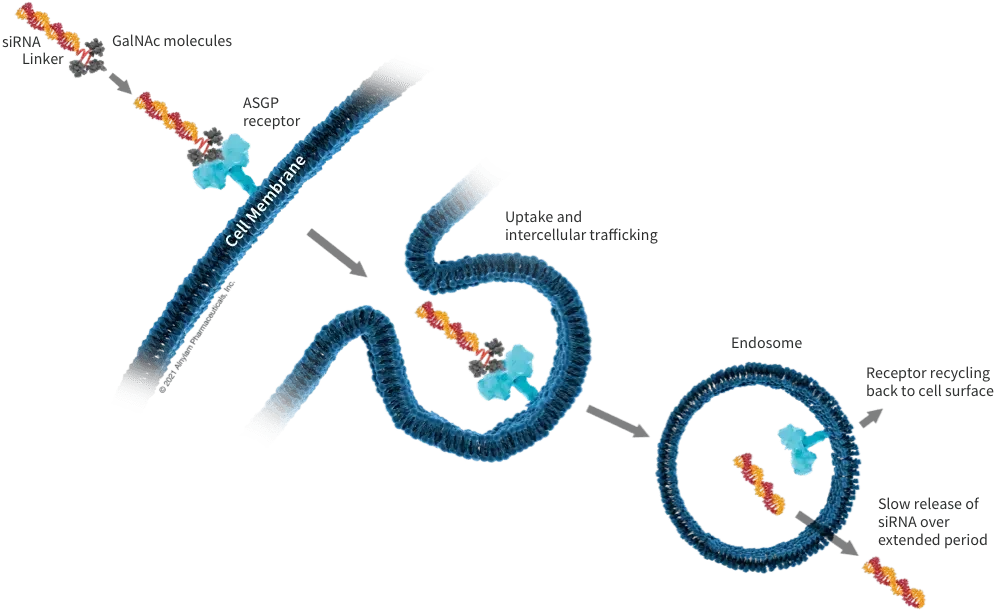
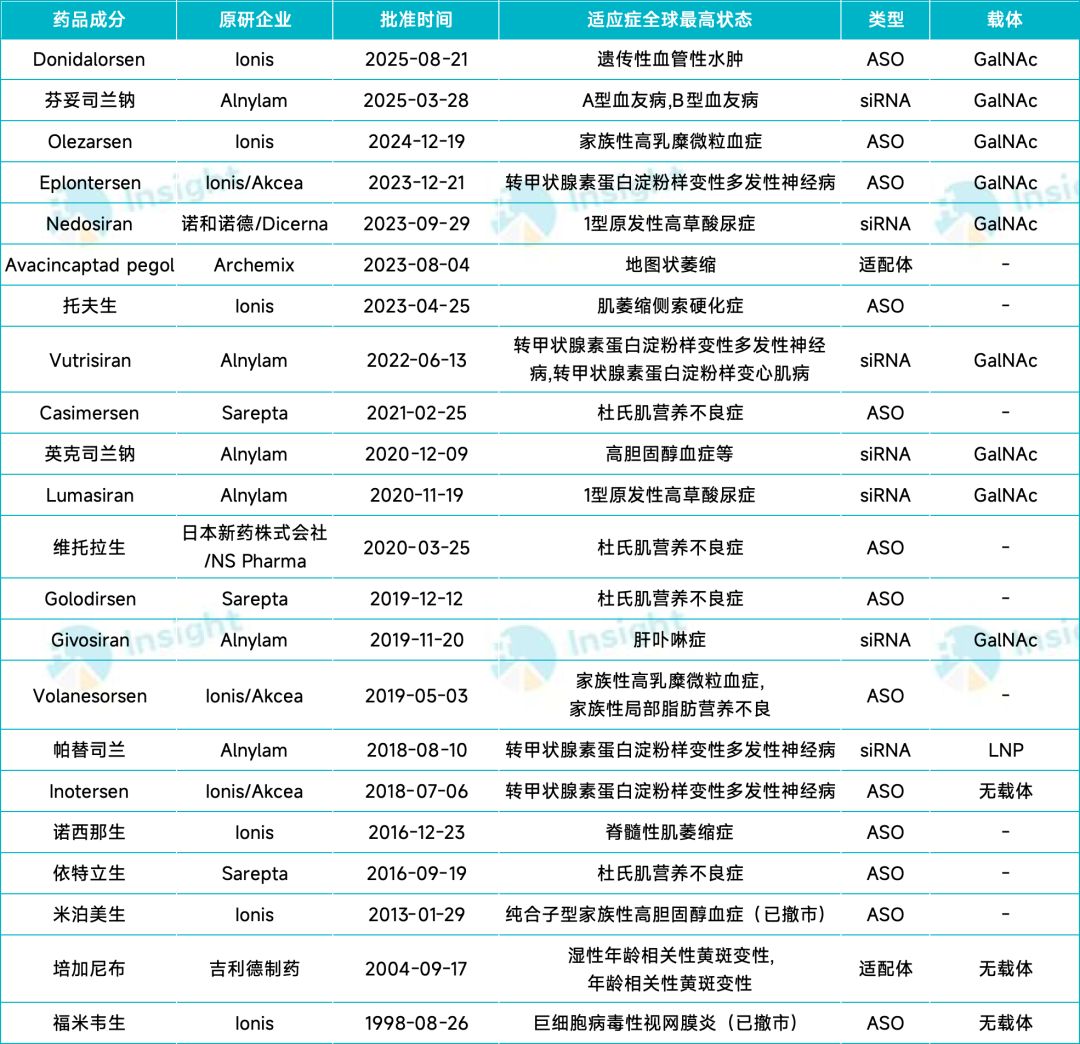
GalNAcIs a sialic acid receptor(ASGPR)Targeted ligand,With highDegreeLiver-targeted, through a lower drug dosageCanLong-acting and less toxicIn 2019, the first GalNAc-siRNA drug Givosiran was approved.FDA Approved for marketing. In December 2023, the first GalNAc-ASODrug Eplontersen Receives FDAApproved for marketing.Source: Alnylam Company Official WebsiteHowever, due to ASGPROnly highly expressed in hepatocytes,GalNAc The delivery system still has tissue limitations. To expand into more disease areas, small nucleic acid companies are continuously validating new delivery platforms, such as those developed by Alnylam.CanTargetedCNS, Ocular and PulmonaryC16 Platforms, etc. Thanks to the innovation in chemical modification and delivery technology, small nucleic acid drugs have also begun to enter the harvest period.Why Are Small Nucleic Acids Becoming the New Favorite?IThe nsight database shows that there are currently over 1,200 small nucleic acid drugs under development globally, of which 22 have been approved for marketing.(Including withdrawn products), including7 ProductsRNADrugs, 13 in totalASO Drugs and 2 Aptamers。From the approved and marketed products, small nucleic acids haveAchieving a breakthrough in rare disease indications, including Duchenne muscular dystrophy, spinal muscular atrophy, transthyretin amyloidosis, hemophilia, familial hyperchylomicronemia, etc., while beginningGradually expanding to chronic disease indications。Inclisiran Sodium(Product name: Leqvio)YesThe World's First si for Lowering Blood LipidsRNADrug, which was approved for marketing in the United States for the first time in December 2021. Compared with traditional chemical drugs and monoclonal antibodies, this product can achieve a good reduction with once every six months injection.LDL-C Effect.
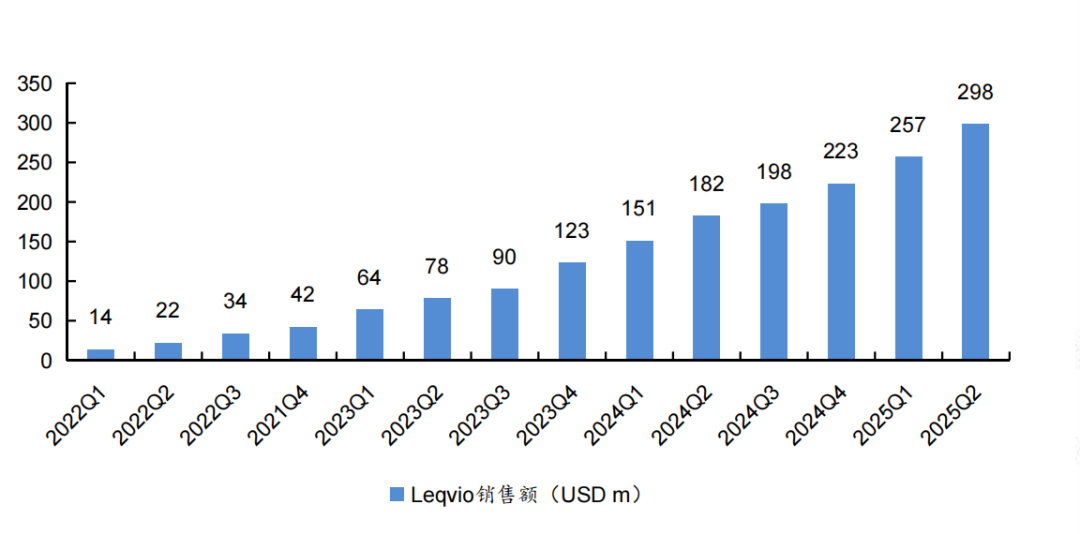
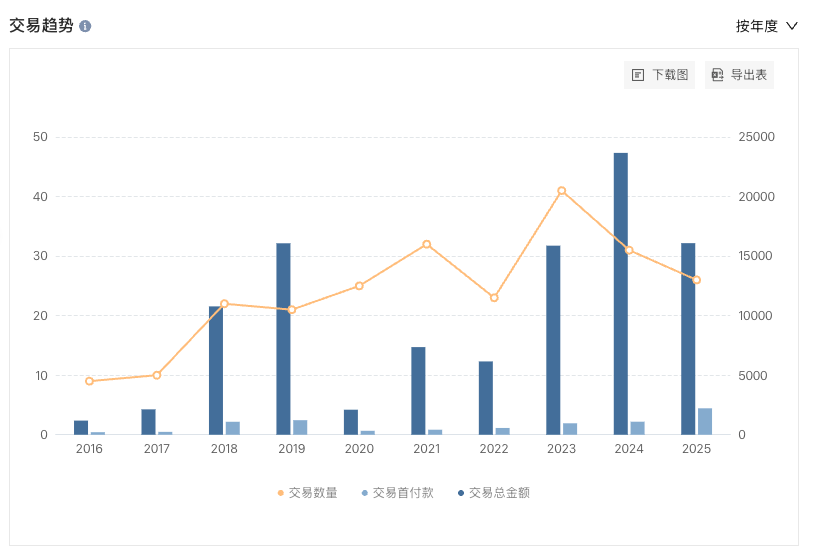
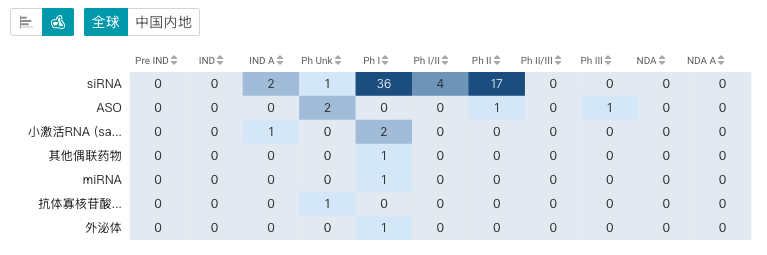
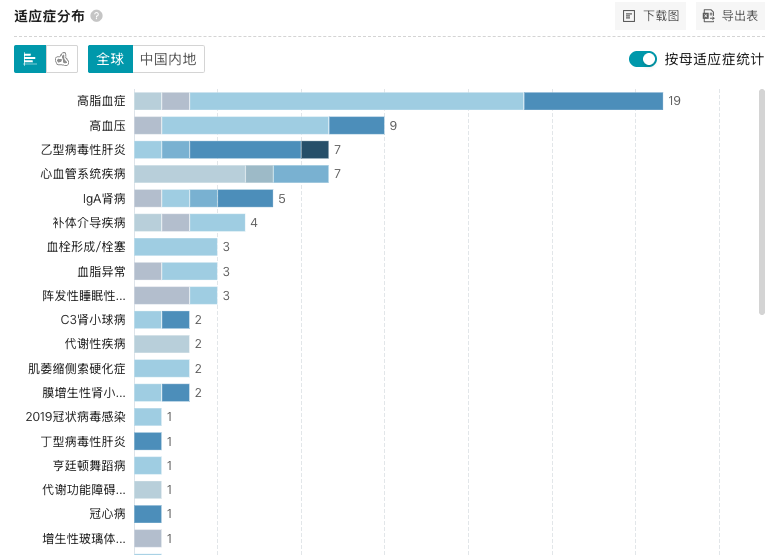
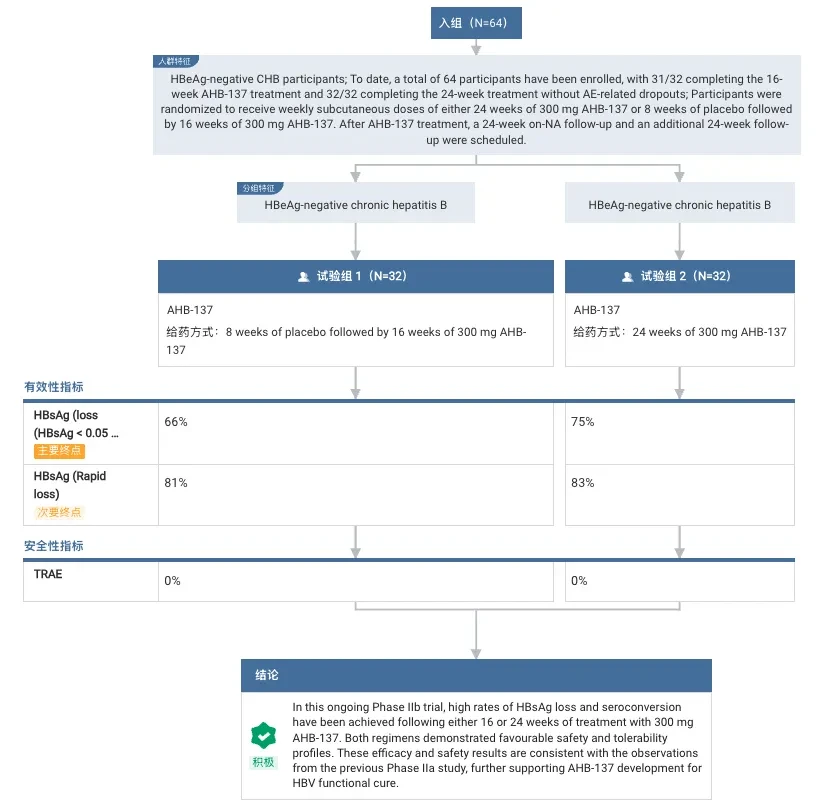
Inclisiran sodium has already received regulatory approval in multiple countries and regions, including China, the US, Japan, and Europe, with commercialization jointly managed by Alnylam and Novartis. Since its launch, the product's sales have skyrocketed; it generated $298 million in revenue in the second quarter of this year, with a total of $555 million in the first half of the year, positioning it to become a new blockbuster drug.Source: Hua Fu SecuritiesThe Clinical and Commercial Value of Small Nucleic Acid Drugs in Chronic Diseases Has Been Validated, is one of the key reasons why pharmaceutical companies and capital are flocking to this track. According toIInsight database, except for hyperlipidemia, the current indications under research for small nucleic acid drugs haveExtensive coverage of hepatitis B, gout, IgA nephropathy, and metabolic-associated fatty liver disease(MASH)and other diseases, all of which are major indications with a large patient base and long-term unmet clinical needs, offering broad commercial prospects.As the third major drug type after monoclonal antibodies and small molecules, the technical characteristics of small nucleic acids also give them an irreplaceable competitive advantage. Compared with traditional drugs, small nucleic acid drugs not onlyShorter R&D cycles, broader range of targetable molecules, longer duration of efficacy after administration, and higher R&D success rates.. The叠加 of these unique advantages has further ignited the enthusiasm of the industry and capital in laying out the small nucleic acid track.IInsight database shows that in the past three years, nearly a hundred small nucleic acid deals have been reached globally.BDCooperation, the transaction amount is also increasing year by year. Particularly noteworthy is that this year has just passed the halfway mark,The amount of the down payment has already hit a new high., this distinct market signal is direct evidence of the continuous increase in the clinical and commercial value of small nucleic acid drugs.Source: Insight Database (as of September 17)The West is Bright, and the East Shall Be Bright TooCompared with overseas, the development of small nucleic acid drugs in China started relatively late. Currently, there are only 3 products on the market, all of which are imported new drugs, including those from Biogen andIonis Collaboratively developed Nusinersen, Tofersen, as well as Novartis andAInclisiran sodium developed in collaboration with lnylam.Although no domestic products have been launched yet, China's small nucleic acid sector has rapidly emerged and is showing strong development momentum. On one hand, since January 2024, companies such as RiboBio, Argo, and Jingyin Pharmaceuticals have successively reached agreements with overseas pharmaceutical enterprises.BD Large orders, with partners including Boehringer Ingelheim, Novartis, and more.MNC, with the highest transaction amount reaching up to 5 billion US dollars.On the other hand, the pipeline for the research and development of novel small nucleic acid drugs produced in China is rapidly expanding, second only to the United States. Currently,More than 300 new drugs are under development, with over 60 already entering clinical trials.In terms of technical types, the domestic small nucleic acid clinical pipeline exhibits a distinct unipolar dominance characteristic——siRNA Therapy occupies an absolute mainstream position, andASO.Small ActivationRNA、miRNA Therapies remain limited, with only single-digit numbers of new drug projects under research.Source: Insight Database (Only products with original research institutions in mainland China are counted, as of September 17)In the selection of indications, unlike overseas markets that have initially made breakthroughs in rare diseases, most small nucleic acids in ChinaCompanies have directly set their sights on chronic disease areas such as cardiometabolic disorders, liver diseases, and gout.For example, the fastest progress made in ChinaAHB-137 The targeted indication is chronic hepatitis B.Source: Insight Database (As of September 17)AHB-137 is a non-conjugated drug developed by Haobo Pharmaceuticals based on the Med-Oligo™ platform.ASO Drug, is currently conducting research on chronic hepatitis BIII Phase clinical. In May this year, Haobo Medicine (AroBio) first disclosed the product at the European Association for the Study of the Liver Annual Meeting.IIPhase b interim clinical data.This study enrolled a total of 64 subjects, who were randomly assigned to receive AHB-137 300 mg for either 24 weeks or 16 weeks of treatment. The results showed that in the 24-week treatment group,75% of subjects reached the primary endpoint, Hepatitis B Surface Antigen(HBsAg)Below the limit of quantification(<0.05 IU/mL)And Hepatitis B Virus(HBV)DNA level below the lower limit of quantification(<10 IU/mL)In the 16-week treatment group, 66% of subjects reached this primary endpoint.Among the subjects who reached the primary endpoint,More than 80% of subjects achieved HBsAg clearance within 12 weeks of treatment., and at the end of treatment, 54% and 33% of subjects in the 24-week and 16-week groups, respectively, developed hepatitis B surface antibodies.(anti-HBs)Serum conversion. AHB-137 demonstrated good tolerability and effective safety in both treatment groups.Facing the vast market of hepatitis B, domestic pharmaceutical companies such as Argo, Hengrui Medicine, Ribo Biotech, and Zhengdatianqing have all laid out plans for small nucleic acid drugs. However, compared with...AHB-137 differences, they are all GalNAc-siRNA Therapy, currently still in the early clinical stage(Phase II and Phase I)。In fact, looking globally, in the field of small nucleic acid drug development for chronic diseases such as hepatitis B, hyperlipidemia, and hypertension, Chinese pharmaceutical companies have already demonstrated strong competitiveness. Through intensive pipeline layouts and efficient clinical progress, domestic companies have established themselves among the top global ranks of research and development. This strategic focus not only addresses the actual pain points of medical needs within China but also carves out a differentiated competitive track in the global application landscape of small nucleic acid drugs.As the ADC and GLP-1 frenzy gradually becomes more rational, small nucleic acids are emerging as the next gold mine in the eyes of pharmaceutical giants and investors. Small nucleic acid drugs produced in China are...The next big BD deal may be just around the corner.Cover Source:ZCOOL Hello
Disclaimer:This article is for information sharing only and does not represent the position or viewpoint of Insight. It does not recommend or introduce any treatment plans. If needed, please consult and contact正规医疗机构.
Editor: Crescent
PR Article Collaboration: WeChat insightxb
SubmissionWeChat: insightxb; Email: insight@dxy.cn