

Medtronic Launches Pivotal ELEVATE-HFpEF Study to Explore Novel Cardiac Pacing Therapy for Heart Failure with Preserved Ejection Fraction

Medtronic
Medical Device Manufacturer
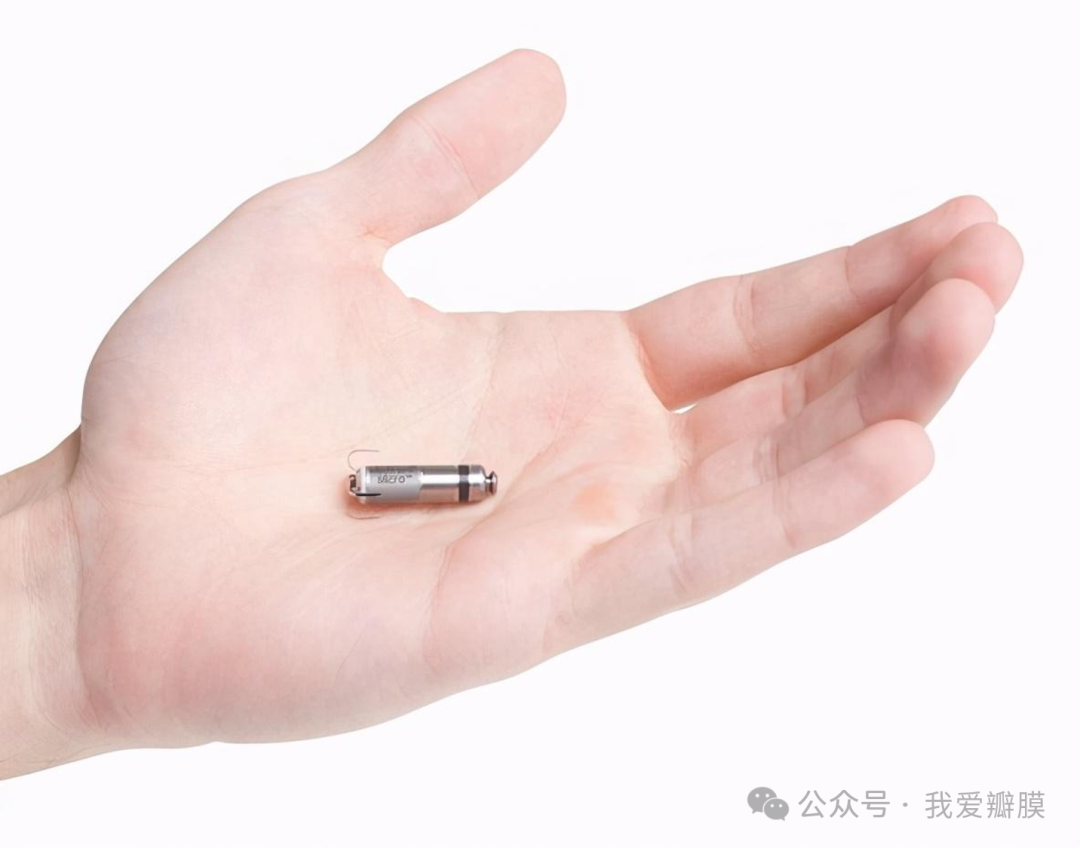
Recently, medical technology giant Medtronic announced the launch of a pivotal study — ELEVATE - HFpEF, aimed at evaluating the application of cardiac pacing rates in a new patient population to explore new possibilities for treating heart failure with preserved ejection fraction (HFpEF). This news has undoubtedly dropped a bombshell in the field of cardiovascular disease treatment. Let’s take a closer look at this highly significant study.
What is HFpEF?
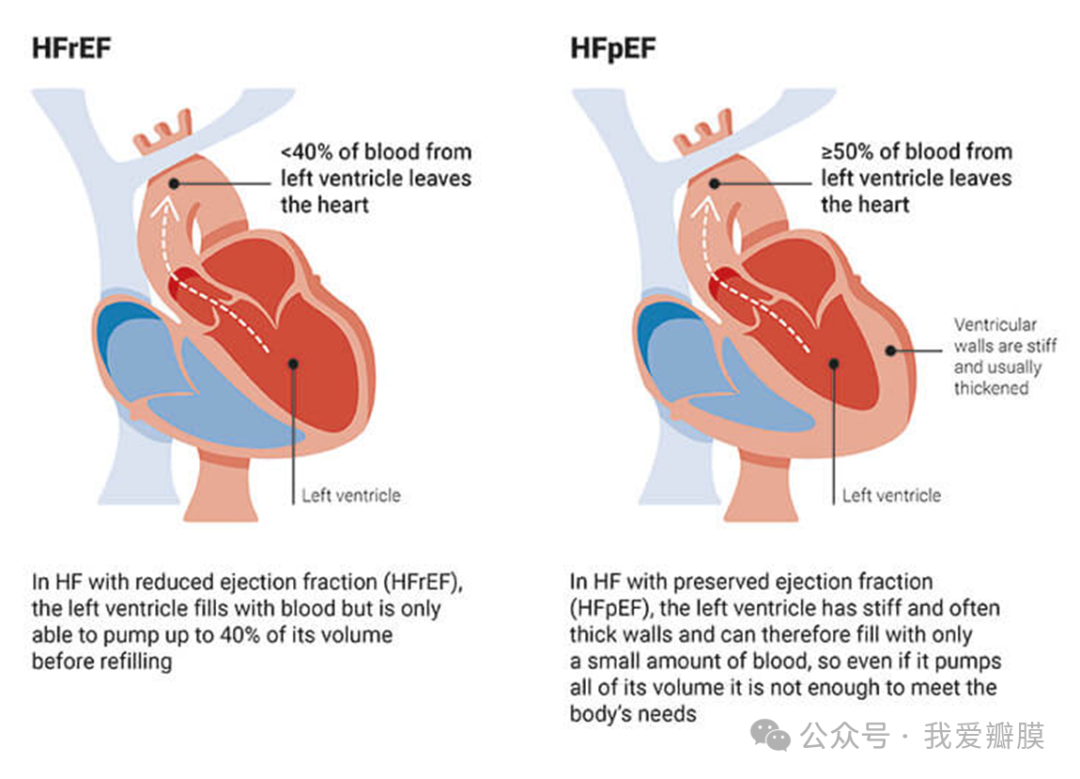
HFpEF isHeart Failure with Preserved Ejection Fraction (HFpEF)Abbreviation, one of the main subtypes of heart failure (HF), with the core characteristic being seemingly normal cardiac systolic function (preserved ejection fraction) but impaired diastolic function, leading to the heart's inability to relax effectively and accommodate sufficient blood, ultimately causing HF symptoms.
This change will lead to a reduction in cardiac blood flow, making it difficult to meet the body's normal demands. According to Medtronic, approximately 32 million people worldwide are affected, including 3 million in the U.S., accounting for about 50% of the heart failure population. Patients with HFpEF often experience symptoms such as shortness of breath, rapid or irregular heartbeat, chest pain, calf weakness, and swelling, significantly impacting their quality of life.
Medtronic's New Exploration

Doctors typically use pacing technology to treat patients with bradycardia. This time, Medtronic's ELEVATE-HFpEF study takes a different approach,Improving Outcomes and Symptoms through Conduction System Pacing: Exploring New Therapies for HFpEF. Conduction system pacing ingeniously utilizes the heart's natural electrical pathways, simulating physiological cardiac contraction, akin to finding a "green channel" for the heart’s normal beating.Medtronic hopes to leverage the results of this study to secure a new pacing indication for HFpEF, as there are currently very limited clinically validated treatment options available for this population.
Early clinical research has shown promising results, indicating that personalized accelerated pacing may positively impact treatment outcomes for patients with HFpEF and bradycardia. Medtronic looks forward to further validating this finding in a broader population through this trial.
ELEVATE - HFpEF Study Details
To comprehensively and deeply carry out the research, ELEVATE - HFpEF is expected to widely recruit up to 700 participants in North America, Europe, the Middle East, Africa, Australia, and the Asia-Pacific region. These participants will be implanted with commercially available Medtronic pacemakers and SelectSure MRI SureScan 3830 pacing leads.
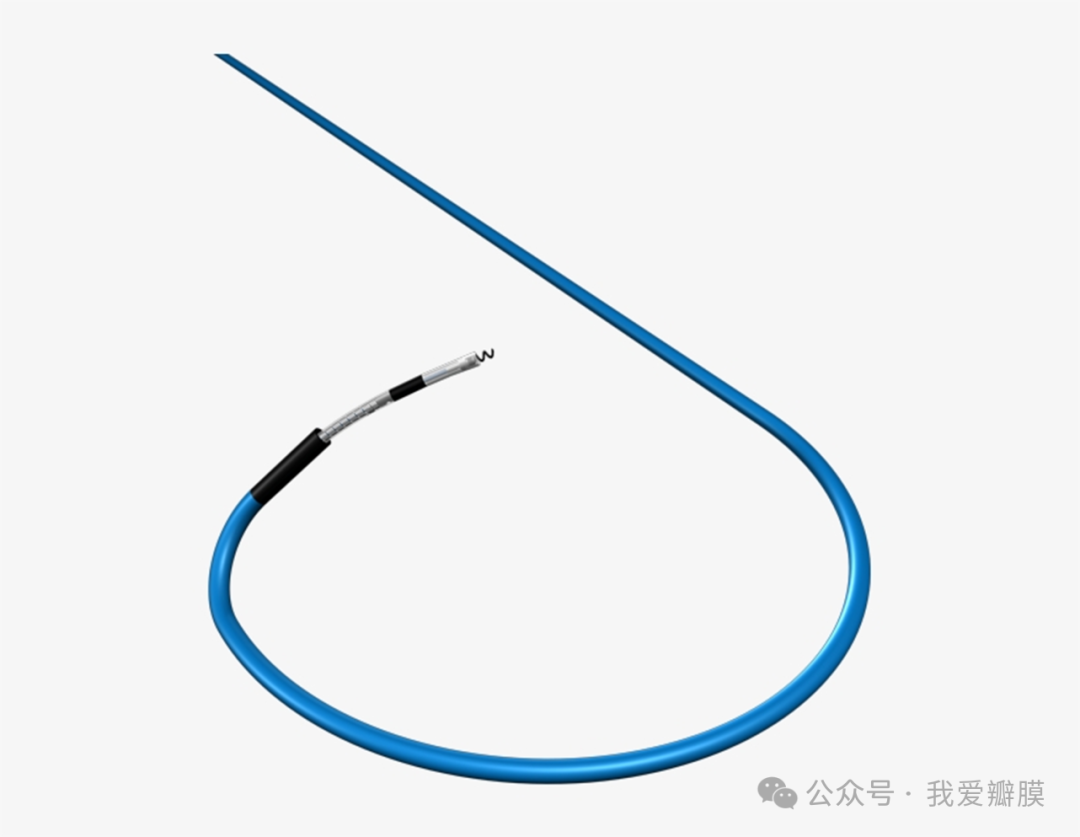
Researchers programmed the pacemaker into personalized rate or backup pacing (control) modes and followed up with patients for one year.Currently, the first batch of implant surgeries has been successfully completed at The Alfred Hospital in Melbourne, Australia, and the Wexner Medical Center at Ohio State University in Columbus, Ohio, marking a solid first step forward for the subsequent progress of the research.
Medtronic's Vice President and General Manager of Heart Failure, Robert C. Kowal, M.D., Ph.D., stated: "Since Medtronic invented the first battery-powered pacemaker nearly 70 years ago, we have been working closely with physicians and patients to continuously innovate pacing technology and provide landmark clinical evidence so that more patients can benefit from pacing therapy. The initiation of this study marks a crucial step in our new journey, with the potential to bring safe and effective pacing therapy to HFpEF patients, improving their lives and ushering in a new era of heart failure treatment."
The launch of this study undoubtedly brings new hope to HFpEF patients. We will continue to follow the subsequent progress of the ELEVATE-HFpEF study, expecting Medtronic's exploration to bring new breakthroughs in the cardiovascular disease treatment field.