Home Medtronic Receives FDA Approval for Altaviva, the First Implantable Tibial Neuromodulation Device for Urgency Urinary Incontinence

Medtronic Receives FDA Approval for Altaviva, the First Implantable Tibial Neuromodulation Device for Urgency Urinary Incontinence

Sep 22, 2025 12:18 CST Updated 12:18
Medtronic

Medical Device Manufacturer

图片

Shanghai Event Registration:2025 Medical Device R&D Innovation Forum
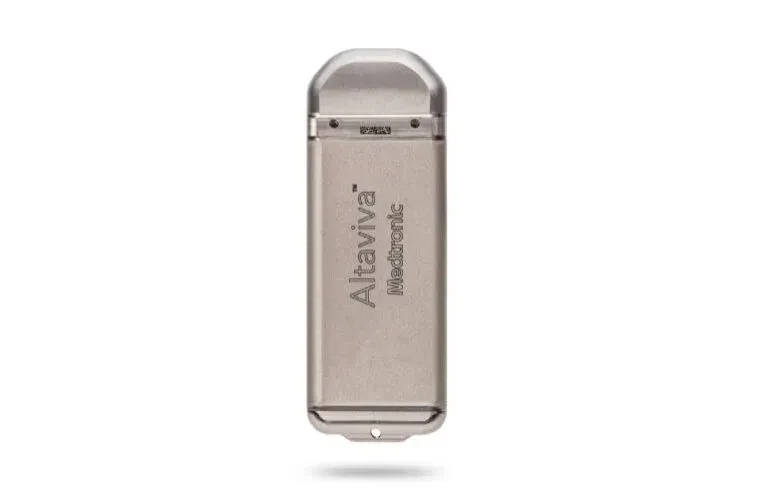
Recently, Medtronic announced that itsNewly Implantable Tibial Nerve Stimulation Device Altaviva Receives FDA Approval in the United States, used to treat urgency urinary incontinence (UUI). This isThe First ApprovedThe implantable tibial nerve modulation device is expected to bring new treatment options to tens of millions of patients suffering from urinary incontinence.
Image

# Altaviva Technology and Clinical Features
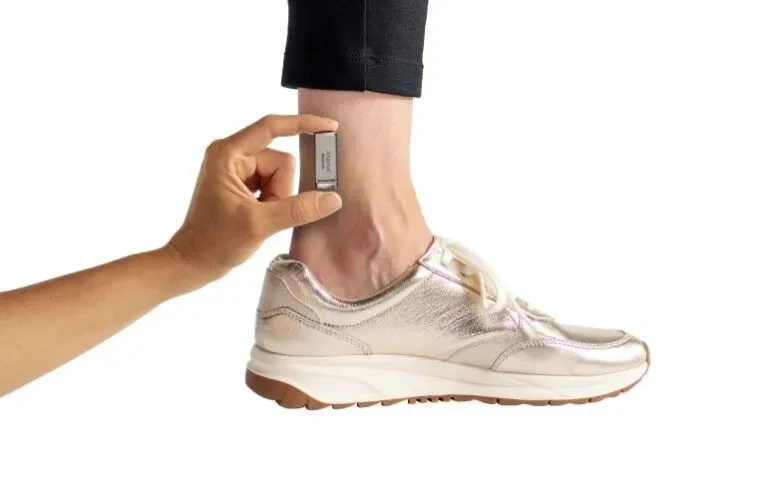
  • Implantation Method: Performed through a small incision at the ankle, the entire process is minimally invasive surgery, without the need for sedation or image guidance, and the operation is relatively simple.
    Image
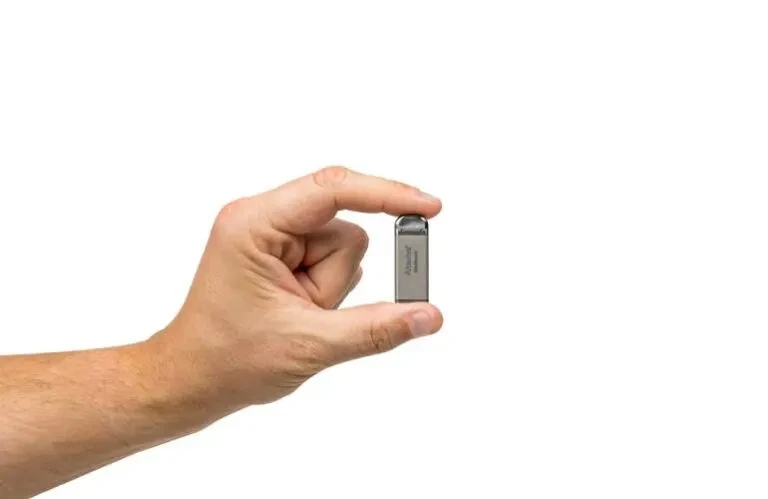
  • Device Size: Only about the length of half a stick of gum, it is implanted above the subcutaneous fascia and does not affect daily life.
    Image
  • Mechanism of Action: By delivering electrical pulses to stimulate the tibial nerve, it helps restore neural signal transmission between the bladder and the brain, thereby improving bladder control.
  • Usage Experience
  • Post-implantation therapy activates immediately, allowing patients to receive continuous treatment at home.
  • The system operates automatically, without the need for daily patient intervention;
  • Battery life can reach approximately15 Years
  • The charging process is simple, and it only requiresApprox. 30 minutesCan be completed.
Compared with traditional therapies, Altaviva is minimally invasive and offers long-term efficacy, with a particular emphasis on "no daily maintenance," reducing the burden of use for patients.

# Experimental Research Data
The launch of Medtronic Altaviva is based on a series of clinical studies and real-world data accumulation:
TITAN 2 Pivotal Trial (NCT05226286)
  • A total of 188 UUI patients were enrolled, serving as the core basis for FDA approval.
  • Primary Endpoint: The number of acute urinary incontinence episodes decreased 6 months after implantation. ≥50%The proportion of patients (responder rate)。
  • Secondary Endpoint: Improvement in daily urinary frequency, relief of urgency, and increase in OAB-qHRQL quality of life questionnaire scores.
  • Safety: Reported 5 cases of device- or surgery-related adverse events, one of which was a severe wound infection requiring device removal 6 weeks after implantation.
TITAN 1 Feasibility Study (NCT04873271)
  • Enroll approximately 20 patients to validate the surgical procedure and preliminary efficacy.
  • Immediate postoperative and follow-up visits both showed stimulation responses.14 DaysMost patients still maintained an effective response at the time.
These data indicate that Altaviva not only achieves a high success rate in symptom relief but also maintains controllable risks in terms of safety, offering a new option for UUI patients between medication and more complex neuromodulation therapies.

# Market Overview
Urinary IncontinenceIs a globally prevalent health issue that significantly impacts patients' quality of life. According to data from Johns Hopkins Medicine, there are over25 millionAdults are troubled by urinary incontinence to varying degrees, with women over 50 being the most common. With the acceleration of population aging, the demand for related treatments continues to grow.
In terms of treatment options, patients often first try medication or behavioral therapy, but these methods often have issues such as limited efficacy, significant side effects, or poor compliance. Neuromodulation therapy is gradually becoming a noteworthy alternative.
Currently,Sacral Nerve Stimulation (SNS)It is the most common implantable therapy in this field, dominated by companies such as Medtronic and Abbott, but the complexity of the surgery and the size of the device still limit its popularity. Meanwhile, percutaneous tibial nerve stimulation (PTNS) offers a non-implantable option, but requires patients to regularly visit the hospital for treatment, which restricts compliance.

The global urinary incontinence treatment devices market was approximately$31–38 billion, and is expected to reach 60–65 billion US dollars by 2032, with a compound annual growth rate of8%–11%Between. Among them, Sacral Nerve Stimulation (SNS), as the mainstream neuromodulation technology, had a global market size of approximately$1.6 billion, with a CAGR expected to exceed 11% before 2030, and even higher growth in the Asia-Pacific region (approximately 13%).

Product Structure and Regional Markets
Among various treatment options,Urethral SlingIt is the largest product category by revenue, with a market size exceeding 1.5 billion USD in 2023. The United States remains the largest single market, with an expected scale of approximately 3.78 billion USD by 2025; the Chinese market is also growing rapidly, projected to reach about 380 million USD by 2025, with a CAGR of around 11%.
Similar Companies and Products
  • Promise MedicalApproved for multiple implantable sacral nerve stimulation systems (stimulators, leads, electrodes, etc.) with independent intellectual property rights.
  • ItsWearable Transcutaneous Tibial Nerve Stimulator (TTNS)Has also obtained the registration certificate for innovative medical devices, and is a representative product in the field of tibial nerve stimulation in China.
  • Clinical cases in China show that the Department of Urology at Beijing Chaoyang Hospital has treated refractory urinary frequency, urgency, and incontinence using sacral nerve stimulation. Patients experienced a reduction in nighttime urination frequency, a decrease in daytime urination frequency, and an increase in urine volume, confirming the treatment's efficacy.

SIYU MedTech Insights
Medtronic's newly launched Altaviva device represents not only a technological update but also reflects the evolving trends in the field of urinary incontinence treatment.
On the one hand, neuromodulation technology is gradually moving away from the previous sacral nerve stimulation,Expansion to More Targets and More Compact Implantable SolutionsThis reflects the industry's rapidly growing demand for "minimally invasive, long-acting, and high compliance." Altaviva enters the market with a more lightweight design, which is expected to enhance patient acceptance and promote the下沉 of treatment methods to a broader population.
On the other hand, with a large global patient base suffering from urinary incontinence and significant unmet treatment needs, companies are accelerating their investments in this field. The approval of Altaviva not only solidifies Medtronic's leadership position in the neuromodulation sector but also sets a new direction for product iteration within the industry. In the future,Whether it can demonstrate efficacy and compliance consistent with clinical trials in the real world, will become the key test for the promotion of this product.

SIYU Annual Event Review:The First Global Ophthalmology Conference | The First Global Orthopedics Conference | The First Global Cardiovascular ConferenceThe First Global Medical Aesthetics Technology Conference |The 2nd Global Medical Technology Conference|The 3rd Global Surgical Robotics Conference
Image