

How Can GE HealthCare's "China Co-Creation" Go Global?

GE Healthcare
Digital Solution Provider
On November 13, 2026, the GE HealthCare Wuxi site celebrated its 30th anniversary. Six innovative products, led by the Wuxi team and integrating global resources, were launched concurrently, covering ultrasound systems, anesthesia systems, patient monitors, and ECG analyzers. The site also revealed that it had cumulatively shipped 2.8 million units of ultrasound and Life Care solutions equipment to more than 100 countries and regions worldwide.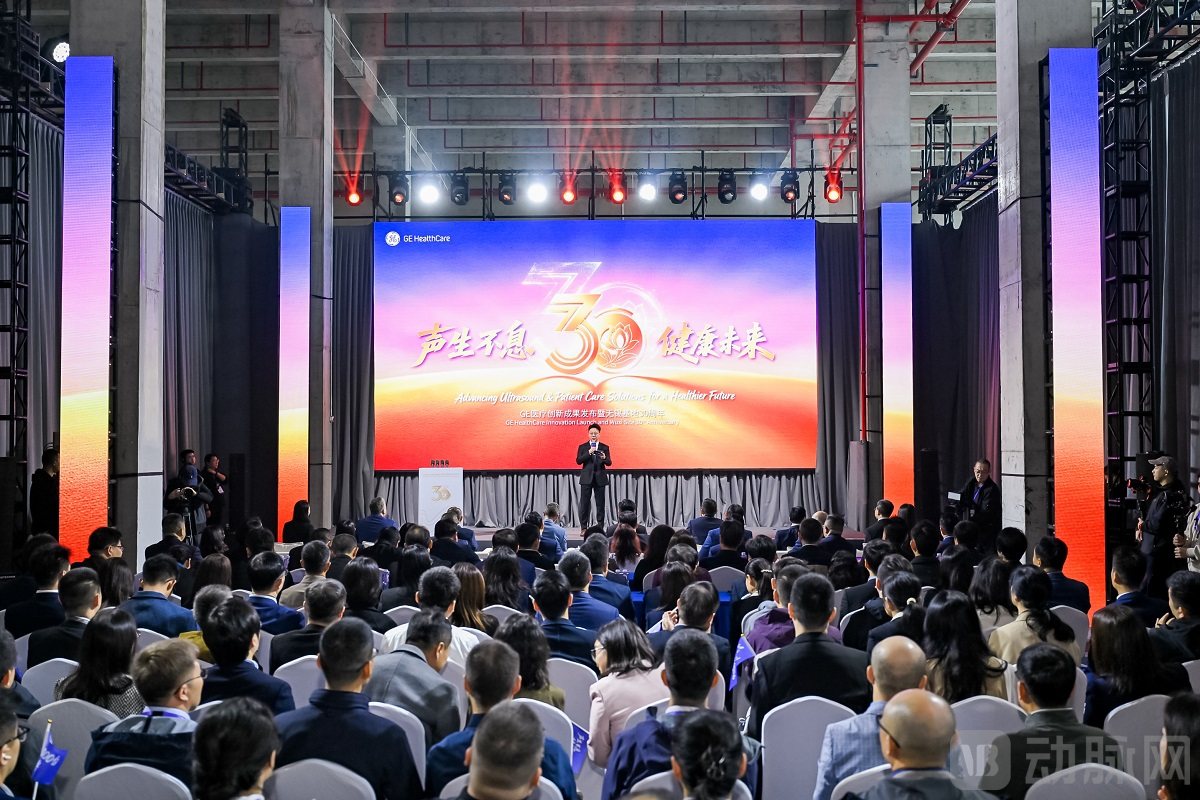
Thirty years ago, the Wuxi base started with the assembly of black-and-white ultrasound systems; today, it has become GE HealthCare's largest global research and development and manufacturing base for ultrasound systems and transducers, as well as the only GE HealthCare facility worldwide with the capability to research, develop, and manufacture its full line of ultrasound products.
The shifting role of GE HealthCare's facilities in China exemplifies a typical case of rebalancing the global division of labor in high-end medical equipment: China is evolving from a market for product application and a manufacturing base into one of the global sources of innovation.
For the Wuxi base, development over the past three decades has achieved a triple leap through problem-solving.
The first decade addressed the question of whether we could manufacture. In 1996, GE HealthCare established its presence in Wuxi High-Tech Zone, with the base starting from the most basic assembly of black-and-white ultrasound systems, while the research and development team was established at the same time. In 2002, the Wuxi team launched the LOGIQ BOOK, the world's first laptop-style color Doppler ultrasound system. By defining the product around the demand for portable ultrasound in the Chinese market, it ultimately achieved success in the global market. This case of reverse innovation was later included in the Harvard Business School case library.
The second decade addressed the question of whether research and development is feasible. As the core component of ultrasound equipment, the probe team was established in Wuxi 20 years ago, initially undertaking only simple assembly. With the accumulation of engineering capabilities, production of the most critical component, the transducer, was localized in Wuxi. According to Cui Wei, General Manager of the base, the Wuxi transducer facility has become one of the globally leading sites in quality performance and cost efficiency, with cumulative probe shipments reaching 2 million units. During the same period, the Versana "Hua" series ultrasound system, developed around the needs of primary-care hospitals in China, involved extensive hospital visits and invited physicians to provide feedback for prototype iteration. Ultimately launched globally, the series has reportedly shipped over 60,000 units to date.
The third decade addressed the question of whether global export is feasible. High-end cardiac ultrasound, whole-body ultrasound, and integrated monitoring products, driven by innovation from the Wuxi team, have successively entered high-end markets in Europe, the United States, and other regions. According to GE HealthCare, its Wuxi base has launched more than 90 innovative products to date, with over 600 research and development personnel based in Wuxi. Currently, approximately 40% of GE HealthCare's global ultrasound mainframes and 50% of its probes are manufactured in Wuxi. Moreover, its research and development pace is accelerating. Sun Xuguang, Chief Technology Officer for Greater China, noted that while it previously took two to three years to launch a new product, the entire process, from research and development to regulatory approval, can now be completed in as little as 14 months.
From an assembly workshop to a global innovation hub, this transformation is not the result of isolated breakthroughs but rather the outcome of synergistic enhancements in innovation mechanisms, product forms, and manufacturing and supply chain systems. The capabilities enabling the Wuxi base to become a global innovation node for GE HealthCare encompass research and development capabilities driven by clinical co-creation, platform-based product capabilities, and the execution capabilities of manufacturing and supply chains.
From the early model of headquarters defining products with China handling localization, to a gradual shift toward co-creation between local and global teams serving the worldwide market, this evolution reflects changes in three core capabilities: the authority to define requirements, the power to coordinate resources, and the capacity for global output.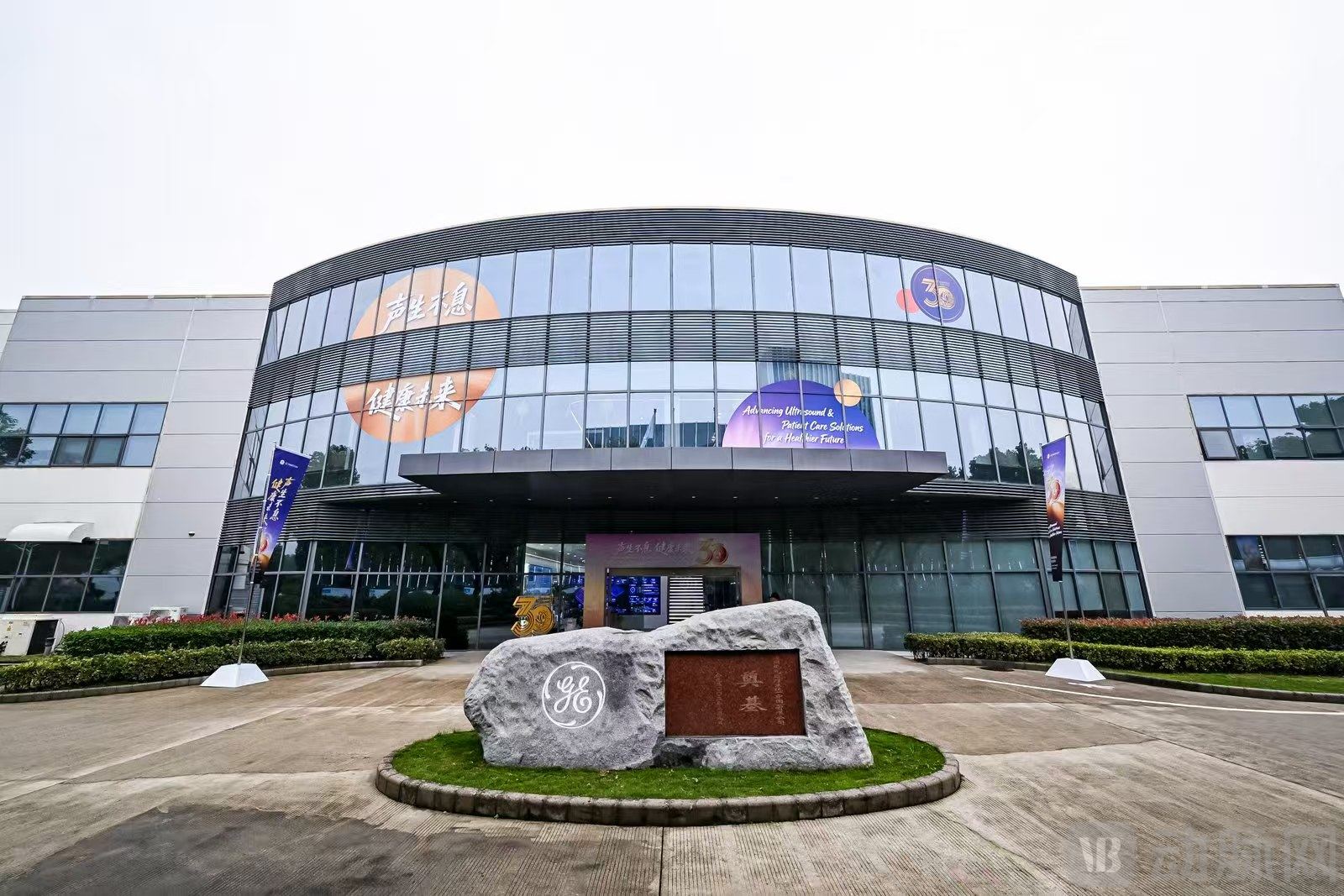
The foundation for this transformation lies in the scale and complexity of China's clinical settings. In an interview, Sun Xuguang noted that China sees an enormous patient volume, with workflow intensity far exceeding that of overseas markets. While CT scanners abroad typically image 20 to 30 patients per day, a single machine in China often handles a hundred or even more. Products refined under such high-intensity conditions are, in turn, better positioned to meet the requirements of other markets.
Complementing this is a co-creation research and development mechanism. Engineers no longer develop products in isolation. As early as the prototype stage, products are introduced into clinical use and iterated based on collected feedback. Collaboration further extends to universities, research institutions, and industry partners, forming a closed-loop ecosystem integrating industry, academia, research, medical practice, and application. In 2025, the Wuxi Research and Development Innovation Center was awarded the title of "Wuxi Consortium for Technological Innovation in Ultrasound Imaging Visualization."
The Carevance integrated monitoring platform is a representative product in this category. In traditional intensive care or operating room settings, cardiac output monitoring is typically performed by standalone devices, and the associated consumables are often prohibitively expensive. Led by the Wuxi Life Care research and development team, Carevance has, for the first time, integrated cardiac output monitoring into a multi-parameter patient monitor, reducing consumable usage to near zero. This innovation directly addresses critical clinical pain points: critically ill patients require immediate access to comprehensive hemodynamic indicators, while additional invasive procedures increase the risk of infection. During the development phase, the team collaborated with Wuxi People's Hospital and leading global ICU experts for joint validation. The product was launched in China in March 2026. To date, over 1,000 units have been shipped globally, with deployments already established in German hospitals.
Representing the ultrasound segment are the newly released Vivid series of cardiac ultrasound systems and the LOGIQ Focus series of whole-body ultrasound systems, both equipped with GE HealthCare's latest Infinity cSound software-based beamforming platform. These systems support applications in structural heart disease, coronary artery disease, cardiac function assessment, and assisted evaluation of diffuse liver diseases. The two product lines were initially launched in Europe, achieving cumulative sales of over 500 units. "We aim to lead not only in China but also globally, truly applying our technology to the global market," said Meng Fanjie, General Manager of Ultrasound Research and Development in Wuxi. Evidently, within GE HealthCare's global framework, the value of its Wuxi research and development center extends beyond the number of products developed; it lies in its capability to rapidly identify clinical needs, integrate global resources, complete engineering development, and bring solutions to the worldwide market.
Building upon the co-creation model for individual products, the product form itself continues to evolve. All six new launches deeply integrate AI and other digital-intelligence technologies, with the LOGIQ Vita whole-body AI ultrasound and the SonoHive intelligent open ultrasound platform best representing this direction.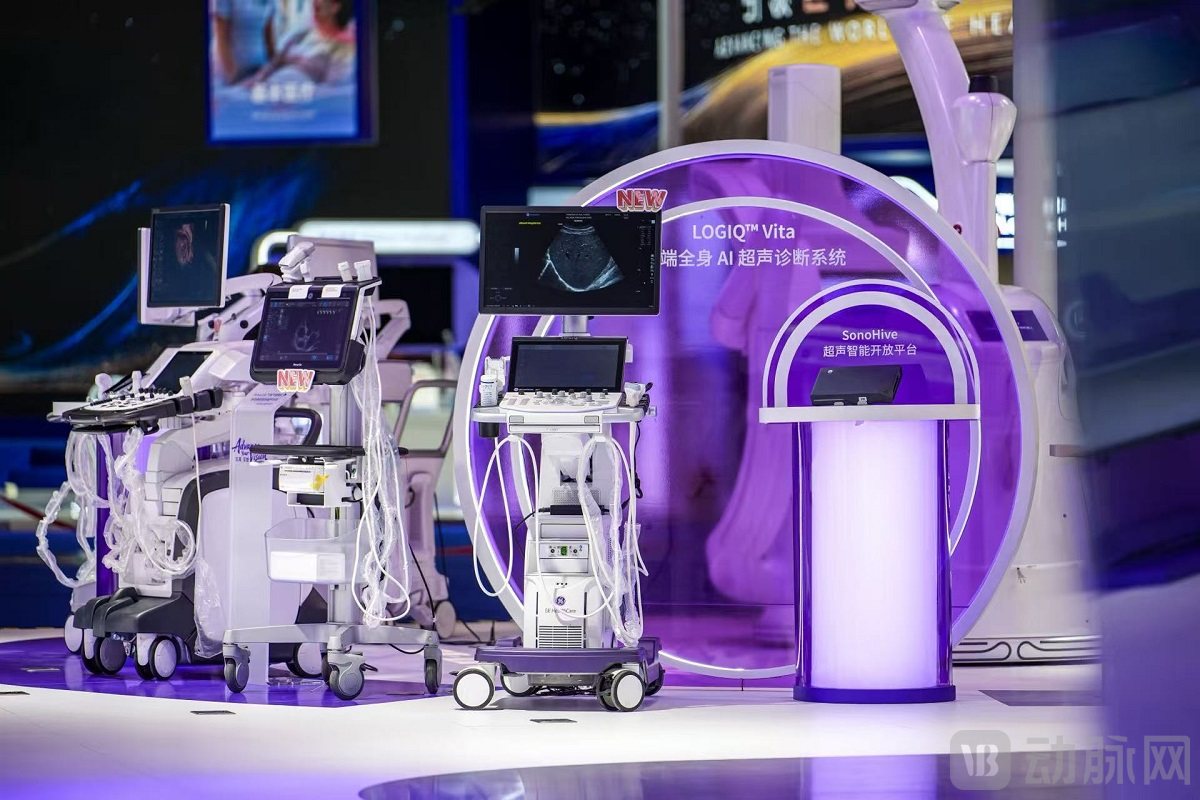
According to GE HealthCare, SonoHive is not merely about integrating a few AI applications into the device; rather, it transforms the ultrasound system into a digital platform capable of openly orchestrating AI modules. By leveraging API technology to enable real-time interoperability of underlying data, third-party AI applications can be continuously loaded and upgraded. The platform's initial rollout includes five AI modules tailored for thyroid, breast, abdominal, pelvic floor, and infant hip examinations, covering approximately 60% of routine scanning scenarios, while retaining interfaces for future expansion.
The open-route approach addresses the current pain points of medical AI in China: incompatible interfaces and the deep bundling of capabilities with hardware, which often requires hospitals to deploy independent hardware and display devices when adopting a specific AI solution. The value of an open platform lies in enabling hospitals to select tools based on clinical needs rather than being restricted to the limited applications embedded within equipment. In terms of collaboration boundaries, GE HealthCare provides the device infrastructure and data pathways, third parties supply clinical algorithms, and hospitals retain the right to choose, allowing all three parties to fulfill their respective roles.
This layout is integrated into the "Three Intelligences" framework, namely Intelligent Devices, Intelligent Clinical Care, and Intelligent Management, supported by five major platforms: Hyper, China AW, SonoHive, APM, and E+Cloud. Among these, the Device Performance Management solution, APM, has been deployed in over 3,000 hospitals across China.
Currently, regarding the next competitive focal point for ultrasound combined with AI, GE HealthCare points out that the core breakthrough will be full-process integration centered on diseases and guided by clinical value. AI will not only provide diagnostic prompts but also cover standard plane guidance, automated identification, measurement, and quality control assessment, thereby achieving automation in probe positioning, image acquisition, and quality control in county-level and primary care settings. A parallel direction involves multi-disease quantification, integrating advanced metrics such as fat content, fibrosis, blood flow, and cardiac function.
It should be noted that how far an open ecosystem can go still depends on the clinical quality of third-party algorithms, data compliance, and platform governance, a question that the entire medical AI industry has not yet fully answered.
Product definition and form innovation ultimately rest on manufacturing and supporting networks. The manufacturing system at the Wuxi base is designed for the characteristics of medical equipment, namely high variety, small batches, and multiple configurations. Through digital transformation and lean production, it has built a highly flexible ultrasound production line. Reportedly, one line can manufacture 100 units per day, corresponding to 100 different models, with an average cycle time of approximately 3.5 minutes per unit.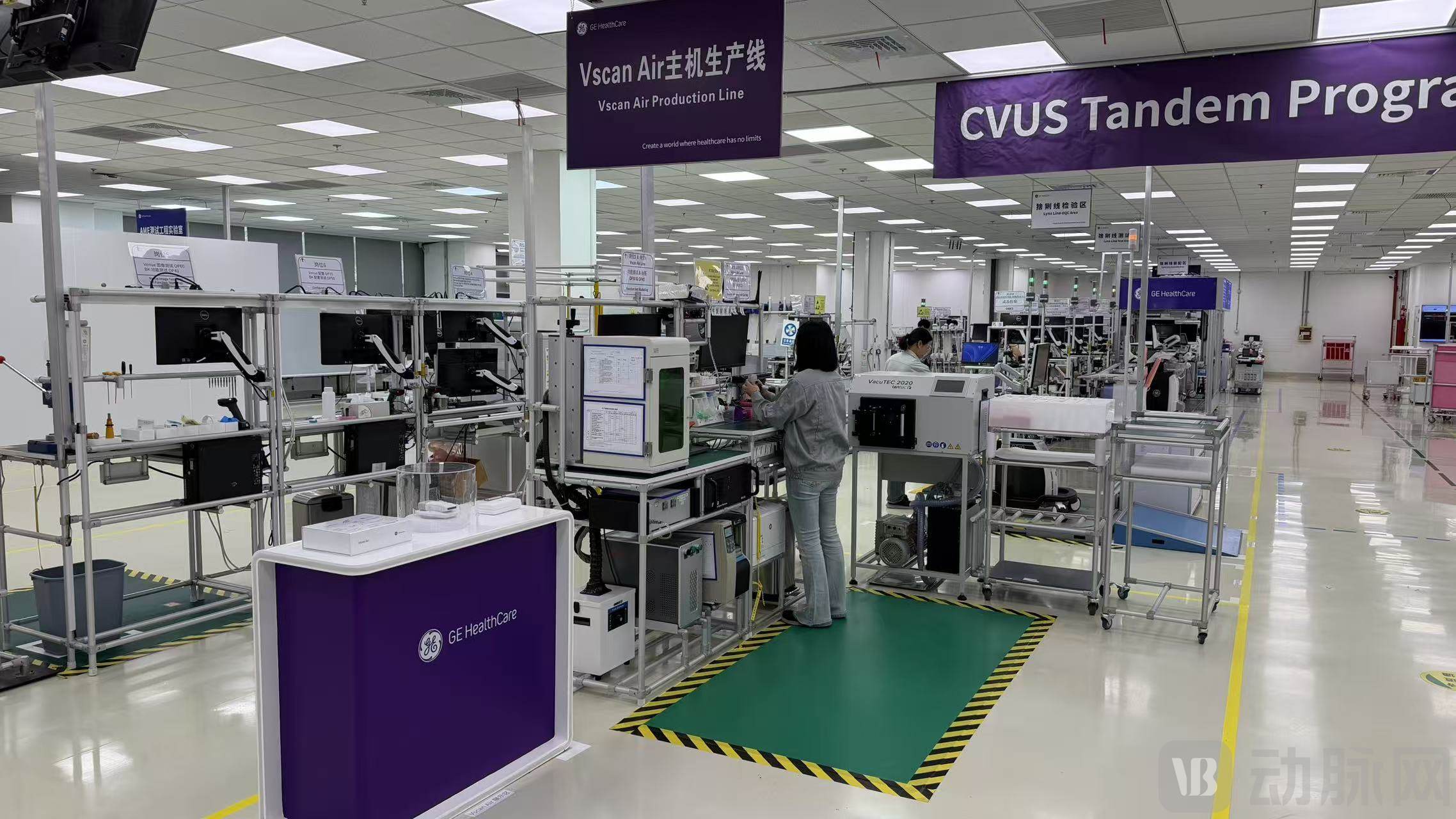
Product definition and form innovation ultimately rest on manufacturing and supporting networks. The manufacturing system at the Wuxi base is designed for the characteristics of medical equipment, namely high variety, small batches, and multiple configurations. Through digital transformation and lean production, it has built a highly flexible ultrasound production line. Reportedly, one line can manufacture 100 units per day, corresponding to 100 different models, with an average cycle time of approximately 3.5 minutes per unit.
Green manufacturing is another core pillar of the Wuxi base's manufacturing foundation. The base is continuously advancing clean energy applications, energy-saving technological upgrades, and digitalized energy management. It has been recognized as a National-Level Green Factory and a Jiangsu Province Zero-Carbon, Near-Zero-Carbon, Factory. Solar energy applications have been implemented across the base, with Scope 1 and Scope 2 carbon emissions meeting zero-carbon standards.
Extending manufacturing capabilities outward to build a local supply chain network, over the past 30 years GE HealthCare has established a supply chain ecosystem with a 200-kilometer radius in Wuxi, driving the growth of more than 400 upstream and downstream partners in the Yangtze River Delta. Cui Wei categorized the collaboration into several stages. Initially, mature quality and process management systems were shared with suppliers; subsequently, suppliers were integrated into the design phase during research and development to jointly meet quality and cost requirements. Sun Xuguang added that 30 years ago domestic suppliers were scarce, forcing GE to provide hands-on training, with engineers even stationed at supplier facilities for guidance. As suppliers deepened their expertise in individual components and modules and developed innovative capabilities, these component-level innovations were reverse-integrated into complete systems, fostering a bidirectional, mutually reinforcing supply chain innovation ecosystem.
D-VIEW stands out as one of the longest-standing partners. The collaboration began in 2004, when D-VIEW initially operated as a liquid crystal display (LCD) distributor. It has since jointly developed medical imaging and display control technologies with GE HealthCare's Wuxi base, securing independent intellectual property rights based on FPGA technology and resolving critical technical challenges such as grayscale display and brightness stability control. This has propelled D-VIEW to become a national-level Little Giant enterprise recognized for specialization, refinement, uniqueness, and innovation. Products resulting from the partnership are currently exported to Brazil, Norway, the United States, and Finland through global supply chains. In 2021, D-VIEW established a manufacturing facility in Wuxi and became one of the first partners of the GE HealthCare Wuxi Research and Development Innovation Center. Another supplier, Shennan Circuits, has evolved from a single-service printed circuit board (PCB) contract manufacturer into a comprehensive partner involved in all stages of key research and development projects.
What makes this ecosystem unique is that the chain leader simultaneously commands both the Chinese and global markets. Suppliers are not merely fulfilling orders for a single client but joining a product line that serves as a gateway to the global market. However, for industrial clusters to evolve from providing component support to becoming innovation communities characterized by joint validation and synchronous iteration, they still rely on the chain leader's long-term investment and stable market outlets. This remains a common challenge faced by many regions in China as they build medical device clusters.
Beyond manufacturing and supply chains, the value chain is extending into a closed-loop service model. Early this year, the Wuxi base obtained bonded maintenance qualifications from the Ministry of Commerce, becoming the first enterprise in Wuxi's biomedical sector to conduct bonded maintenance operations outside the Comprehensive Bonded Zone. Its services cover ultrasound accessories, probes, and anesthesia workstation components. Previously, faulty probes and other equipment had to be shipped overseas for repair; now manufacturing and maintenance form a closed loop within the same facility. According to plans, the approved capacity is expected to enable the annual repair of 40,000 probes, generating over $40 million in additional import and export volume. Moreover, quality data collected from after-sales recovery can feed back into research and development.
The Wuxi base is evolving from a research and development and manufacturing hub into a dual-core hub that places equal emphasis on manufacturing and services. The project for the Greater China Headquarters of Ultrasound and the High-End Medical Device Ecosystem is currently underway, comprising a headquarters building of approximately 11,000 square meters, along with a customer experience center and research and development co-creation space exceeding 1,500 square meters. Leveraging the "One Ecosystem, Three Centers" layout, the Wuxi base will further establish itself as an innovation center, a customer service center, and a customer experience center.
According to Will Song, Global Executive Vice President of GE HealthCare and President and Chief Executive Officer of Greater China, the 30-year development of the Wuxi base epitomizes the company's three strategic transformations in China: from introducing advanced technologies in the early days of reform and opening-up, to promoting the localization of high-end manufacturing, and finally to exporting local innovations globally against the backdrop of new quality productive forces. He summarized this evolution as a dual-wheel drive powered by global resources and Chinese innovation.
Viewed within a broader industrial context, the Wuxi model reflects the rebalancing of the global innovation division of labor in the medical equipment sector. China's vast clinical scenarios, deep pool of engineers, and robust supply chain ecosystem are becoming key inputs for global product definition. Meanwhile, multinational corporations leverage their locally established research and development systems, along with global regulatory approval and distribution capabilities, to deliver these innovations to more than 100 countries and regions.
Looking ahead, the continued expansion of open medical AI ecosystems, breakthroughs by domestic suppliers in more core components, and the resilience of global supply chain layouts are expected to further drive innovation to better serve all patients.