Home SanegeneBio's SGB-3383 (CFB siRNA) Receives NMPA Approval for Phase II Clinical Trial in Complement-Mediated Hematologic Diseases
SanegeneBio's SGB-3383 (CFB siRNA) Receives NMPA Approval for Phase II Clinical Trial in Complement-Mediated Hematologic Diseases

Sep 22, 2025 16:15 CST Updated 16:15
SANEGENEBIO

Small Nucleic Acid Drug Developer

Breaking News from BioTop:

Recently, SANEGENEBIO, an incubated enterprise of BioTOP Innovation Space, announced that its self-developed small nucleic acid (siRNA) drug SGB-3383 injection, targeting complement factor B (CFB), has received a Phase II clinical trial approval notice from the National Medical Products Administration (NMPA) of China for a new indication. The drug is intended to treat complement-mediated blood diseases, including paroxysmal nocturnal hemoglobinuria (PNH) and atypical hemolytic uremic syndrome (aHUS). This approval marks the expansion of SGB-3383's therapeutic scope in complement-mediated diseases from the renal system to the blood system. The drug was already approved in May 2025 for clinical trials in China to treat complement-mediated renal diseases such as IgA nephropathy and C3 glomerulopathy.


SANEGENEBIO Was Incubated from BioTOP to BioBAY in 2022Continue to DevelopSANEGENEBIO is a clinical-stage global biotechnology company focused on the development of RNAi therapies. It has established a multi-pipeline portfolio of innovative drugs targeting obesity, cardiometabolic diseases, and immune-mediated conditions. Leveraging its proprietary LEAD™ (Ligand-Enhanced And Delivery) technology platform, SANEGENEBIO overcomes the challenges of multi-tissue delivery for RNAi drugs, achieving liver/adipose/muscle/immune cell targeting, long-term gene silencing with a single dose, and high safety and efficacy validated by preclinical and clinical studies.


SGB-3383 Adds New Phase II Clinical Indication for Hematological Diseases, Expanding Its Scope from Renal Diseases to Hematological Diseases


As a novel RNAi therapy, SGB-3383 has the potential to bring transformative treatment options for patients with PNH and aHUS.

图片

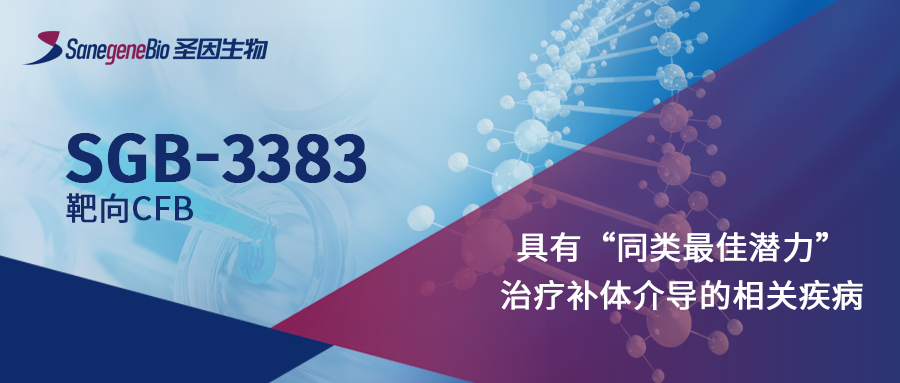
▲SANEGENEBIO's CFB-Targeted siRNA Candidate Drug SGB-3383


The Complement System: A Key Component of Innate Immunity and Its Role in DiseaseThe complement system is a crucial component of innate immunity, playing a key role in protecting the body from infections, clearing dead cells, and removing apoptotic materials. However, once dysregulated or excessively activated, the complement system can induce inflammation and damage self-tissues, causing immune injury. This is closely associated with the development and progression of certain hematological, ophthalmic, and renal diseases. Complement-mediated hematological disorders are caused by the overactivation of the alternative complement pathway, which leads to the destruction of the body's own blood cells. Common diseases include PNH (paroxysmal nocturnal hemoglobinuria) and aHUS (atypical hemolytic uremic syndrome). Both PNH and aHUS are rare diseases mediated by the complement system, affecting very small patient populations but imposing a heavy disease burden. If the condition is not effectively controlled, it progressively causes multi-organ damage involving the kidneys, nerves, and heart, posing severe health threats to patients. These patients typically face long and challenging diagnostic processes, along with recurring serious symptoms such as anemia, thrombosis, and worsening renal function, presenting significant challenges to their quality of life.

Currently, complement inhibitors are the main treatment in clinical practice. These drugs have improved the survival and quality of life for patients with PNH and aHUS, but they still have many limitations: they only block the terminal stage of the complement system activation and cannot inhibit the activation of upstream pathways; some patients show poor efficacy with these drugs; long-term intravenous administration is required, leading to a heavy treatment burden and higher risk of infection. Therefore, innovative drugs that can precisely regulate the complement system from its origin and provide long-acting and convenient treatment have become an urgent clinical need.

RNAi Therapy Offers Transformative New Option for Treating Complement Diseases by Silencing Pathogenic Gene Expression. SGB-3383, an RNAi candidate drug targeting CFB, has the potential to treat various diseases caused by overactivation of the alternative pathway and may reduce patients' risk of infection. Based on SANEGENEBIO’s proprietary RNAi technology platform, this drug demonstrates excellent therapeutic efficacy, prolonged effectiveness, and safety. Preclinical trial data show that SGB-3383 can efficiently and durably inhibit the expression of CFB in the liver and blood while exhibiting favorable safety. Currently, no RNAi drugs targeting the complement system have been approved globally.SGB-3383 is expected to be the first breakthrough, leveraging its outstanding potential to become a "Best-In-Class" RNAi therapy targeting CFB.

Dr. Yuyan Jin, Senior Vice President of Clinical and Non-clinical at SANEGENEBIO, stated:We are committed to leveraging cutting-edge RNAi technology, focusing on major diseases with large patient populations while consistently addressing the needs of patients with rare diseases that carry a heavy disease burden. This strategic approach is reflected in the positioning of this product—SGB-3383 not only offers a new treatment option for chronic kidney disease, which affects a vast number of patients, but also provides new therapeutic possibilities for rare complement-mediated diseases such as PNH and aHUS. Moving forward, SANEGENEBIO will continue to enhance its platform innovation capabilities, accelerate pipeline development, and strive to establish RNAi therapy as a standard clinical treatment across a wide range of disease areas.


Source: SANEGENEBIO


Previous Recommendations

Image

Skills Competition | On September 26, the launch ceremony of the "Competitive Dreaming, Innovating Suzhou" series of events and the Chromatography Technology Forum await your participation!

Image

Training Registration | September 23-24, Medical Device Multi-Country Registration Training, Now Open for Enrollment

Image

AboutBiotop Maker Space

Image
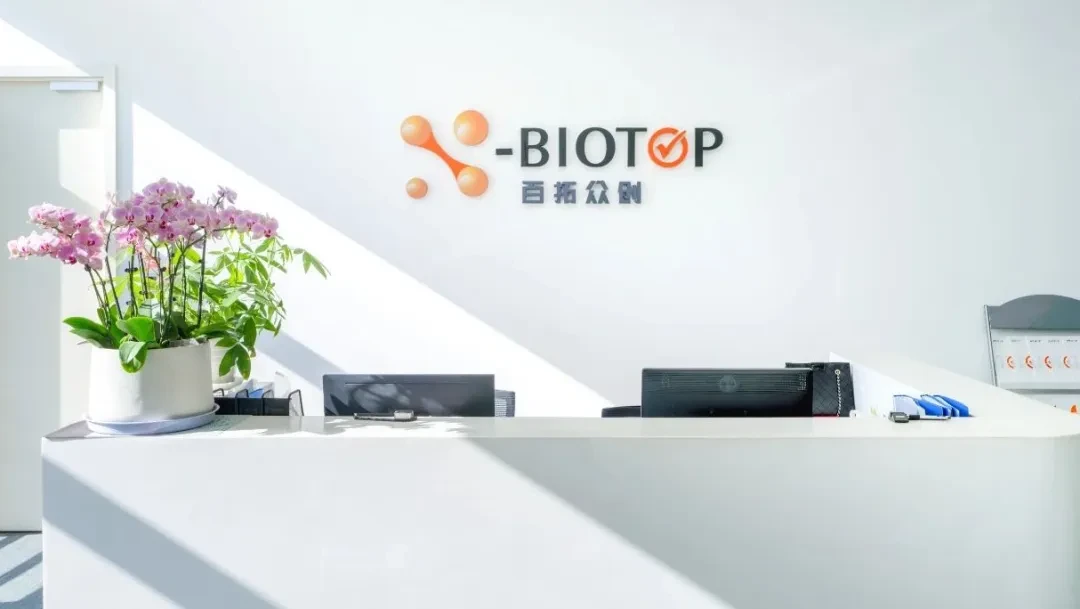
X-BioTOP, the early innovation frontier incubator of BioBAY. Operated and managed by BioTOP, it is dedicated to incubation services for early-stage innovative startups in the global biopharmaceutical field. In 2020, X-BioTOP successfully registered as a "National Maker Space."
From March 2017 to the present, X-BioTOP has signed a cumulative total of 204 projects. It has currently established five service packages, including shared administration, entrepreneurial training, resource activities, business development, and technical services. A total of 47 enterprises have received financing amounting to 18.269 billion yuan (RMB), and 76 projects have received support from talent policies at various levels.

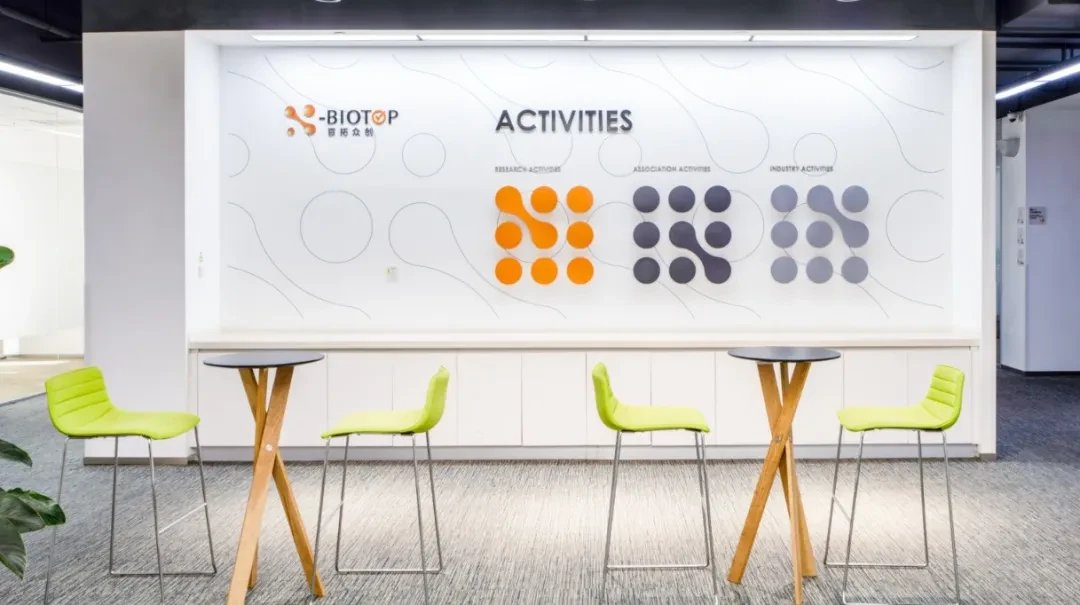
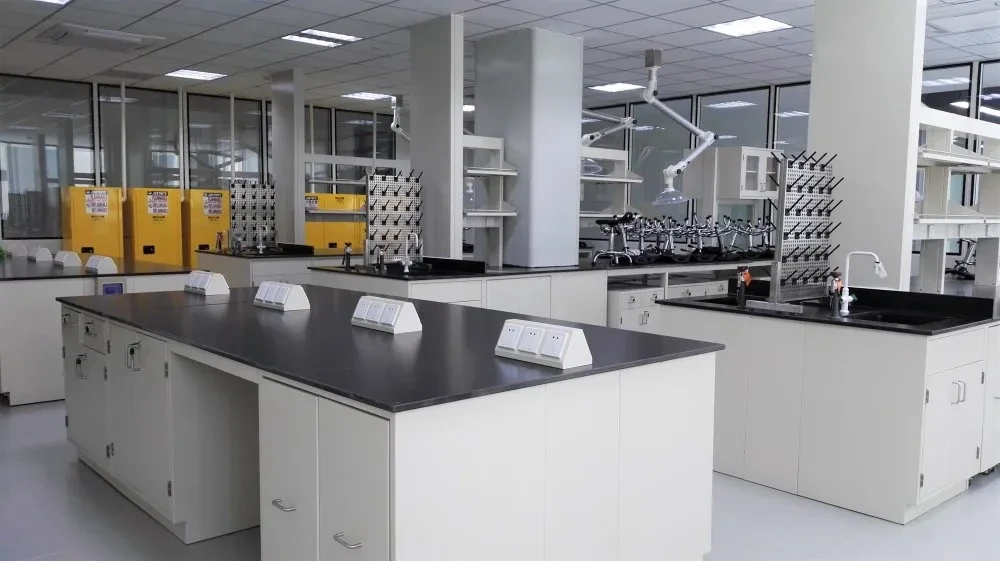
Swipe left and right to view the company environment

Image
Image
Image
Image

Image