

China's AI4LS Sector Posts Impressive 10-Month Track Record: $3.5 Billion Across 124 Financing Deals
$3.491 billion is the funding that China's AI for Science (AI4S) secured in the life sciences direction (AI4LS) over the first ten months.
$5.833 billion is the total funding of the top 10 deals in the global AI4LS sector over the first ten months of this year.
Capital flowed from upstream computing power infrastructure to midstream models and platforms and finally to downstream vertical application scenarios, with a complete industry chain rolled out all at once within 10 months.
The flow of capital represents the direction of the industry.
An obvious fault line appears across rounds: 65.3% of funds flowed into Seed, Angel, and Series A rounds, with the true early-stage Seed and Angel rounds accounting for 23.4%, while only 11.3% went to rounds after Series B.
Investing early, but not diversifying enough. Eleven financing rounds exceeding $100 million each have together taken over $2 billion, accounting for more than 50% of the total. Capital is not cast widely; it deploys large sums at the earliest stages to lock in top-tier players.
The flow of funds therefore has a specific destination:
Who Received the $3.491 Billion Investment?
What Is the Money Buying?
What Are Investors Paying For?
Before the arrival of the year of realization, this data may first map out the industrial pathway toward scientific intelligence.
165% of Rounds Target Early-Stage Ventures, Yet 50% of Capital Flows to 11 Leading Companies
The primary market is the most sensitive barometer, able to clarify the direction of emerging sectors.
Breaking down the 124 financing deals by round, the primary market capital pool for AI4LS has a very clear early-stage orientation: 65.3% of funds flowed into Seed, Angel, and Series A rounds. In particular, Seed and Angel rounds, representing the true early-stage startups, accounted for nearly one-quarter, or 23.4%, of the total.
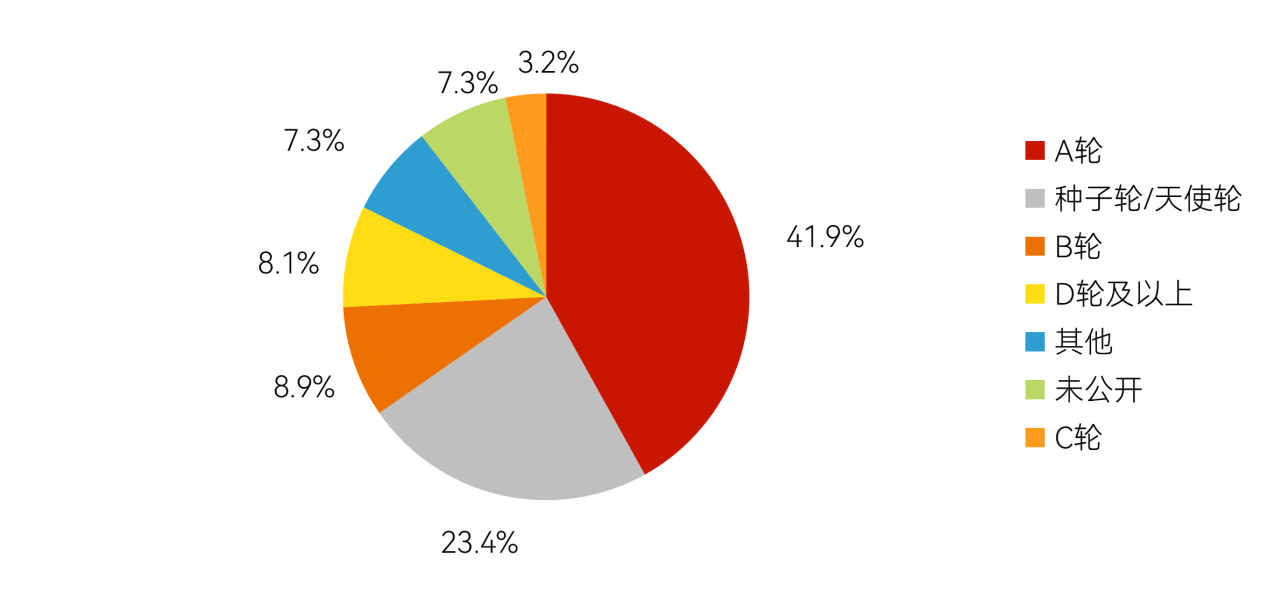
Figure: Financing rounds for AI4LS in China, January to October 2026
At its core, AI4LS combines the value realization expectations of both healthcare and hard technology. The primary market's valuation of it has been built from the outset on paradigm innovation rather than current performance.
Zhang Chong, a partner at Green Pine Capital, believes the current primary market for AI4LS is essentially pricing in advance the option on the expected penetration rate of platforms.
In the past, the valuation logic for AI-driven drug discovery focused on pipeline milestones and linear discounted cash flow (DCF) pricing. Today, however, the valuation anchor for AI4LS has shifted to nonlinear option pricing based on total addressable market multiplied by expected penetration rate, with talent density, data assets, and platform scalability replacing current revenue as the core variables.
The fault lines are equally evident, however: post-Series B rounds accounted for only 11.3%.
Being new means the paths for exit and realization are not yet clear.
In the early stages, AI4LS projects could secure angel or Series A funding based solely on top-tier scientists and demos, with investors being mostly medical and hard-tech VCs willing to take risks. By Series B, however, projects require hundreds of millions or even billions in capital to drive product commercialization or build commercial teams, urgently needing long-term capital with deep industrial expertise to step in.
Meanwhile, investing early does not mean all funds have flowed into small and new enterprises.
Early-stage financing for AI4LS remains fundamentally a bet on market leaders, with heavy investments placed on category definers at the earliest stages.
According to incomplete VCBeat statistics, from January to October there were 11 financing rounds exceeding $100 million in the AI4LS field, totaling over $2 billion and accounting for more than 50%, with an average financing amount of more than $178 million.
Although star targets enter funding rounds at an early stage, individual investment amounts often exceed 100 million. Capital locks in leading candidates with platform potential through large sums even before these projects achieve scale.
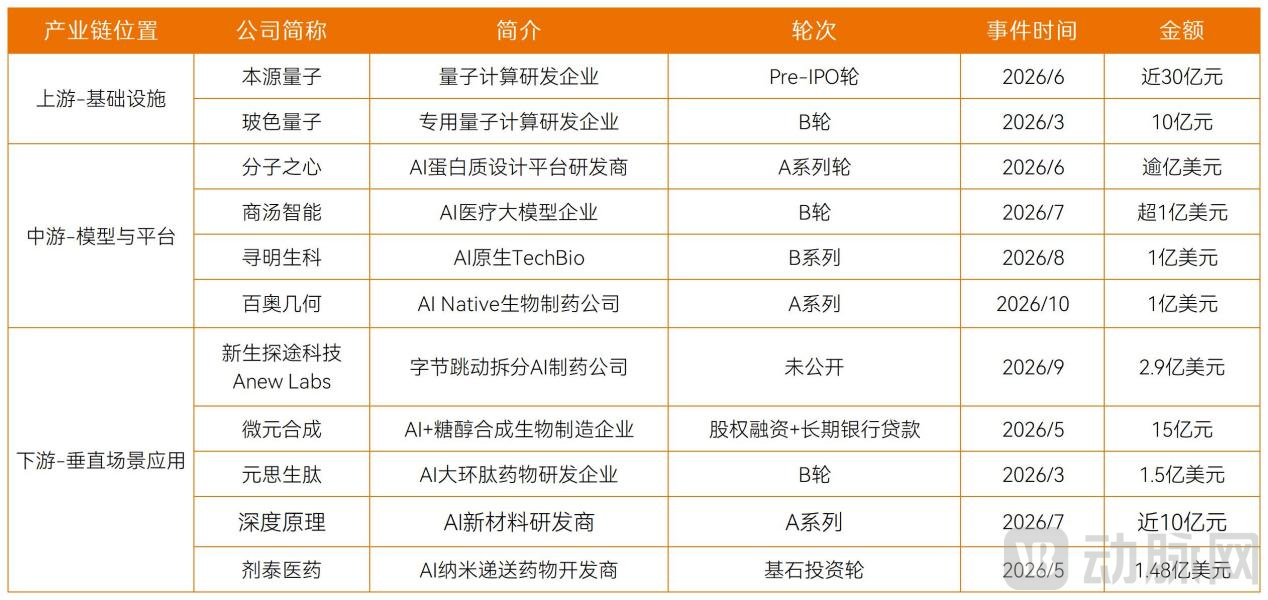 Figure: Top 11 AI4LS companies in China with over $100 million in funding, January to October 2026
From the perspective of their positions in the industry chain, these 11 leading targets are distributed across three segments, each with distinct financing logic.
Infrastructure companies providing upstream computing power, combined with hard-tech investors, have become the main drivers of large-scale financing.
Midstream models and platforms are concentrated among suppliers, manufacturers, and service providers with relatively mature, self-developed models or products.
In downstream vertical application scenarios, significant capital is being directed toward star enterprises with clear commercialization logic.
As capital converges on AI4LS, the threshold for large-scale financing has shifted from platform narratives to scenario anchors plus technology closed loops: short-term focus on scenario-driven cash flow, long-term focus on paradigm ceilings.
The criteria for target screening have also become clear.
Distinct technological originality and strong scenario anchoring. Whether it is MoleculeMind's programmable bioengineering, Aureka's closed-loop integration of dry and wet lab data, BioGeometry's synthetic biology assets, or Deep Principle's industrial orders worth tens of millions, all point to the commercial deployment of technology platforms and their scenario-based applications.
Clear exit and liquidity paths. After completing a $149 million cornerstone round for its IPO, Metis TechBio listed on the Hong Kong Stock Exchange as the world's first AI drug delivery stock, opening 175% higher on the first day. Anew Labs focuses on an AI-driven small-molecule drug discovery platform; Syneron Bio specializes in the research and development of AI-enabled synthetic peptide therapeutics.
Big Tech pedigree and star teams. Anew Labs, which in September completed the largest single AI drug discovery financing round of the year, spun out of ByteDance's internal AI drug discovery division. The company achieved a post-money valuation of $1.5 billion, with ByteDance retaining a 56% controlling stake.
Long-term bets on the industry chain, underpinned by ecosystem chains and end-to-end, integrated capabilities, especially in the biomanufacturing sector, which relies heavily on supply chains and distribution channels. After securing RMB 1.8 billion in financing within the year, MicroCyto acquired Yusweet, the world's second-largest xylitol producer, to integrate synthetic biology channel advantages. It also jointly launched PoseX, an open AI-driven biological computing collaboration platform, with partners including Stanford University and ByteDance, evolving toward infrastructure for biomanufacturing, bio-based materials, and industrial enzyme design.
An inescapable fact is that as capital concentration continues to rise, leading projects can secure multiple rounds of large-scale, diversified funding, while early-stage teams lacking experimental assets or clear industrial interfaces still face high barriers to subsequent validation.
2Investment is directed toward four key areas: AI-driven drug discovery, AI-powered materials science, AI-enabled biomanufacturing, and foundational AI models and infrastructure.
In the life sciences sector, marked by high technical barriers and a high return on investment, AI offers richer entry points for application scenarios and more diverse possibilities for value realization.
The top players took most of the money, but no one can provide all the answers.
By niche segment, representative AI4LS financing is concentrated on four tracks: AI drug discovery, AI materials, AI biomanufacturing, and AI foundation models and infrastructure.
AI drug discovery remains the core foundation, but the fastest-warming sectors are AI biomanufacturing and AI materials. This may be because these two pathways have shorter validation cycles and larger commercial bases and fit China's strengths in engineering and manufacturing capacity.
From the perspective of technological evolution, the four pathways point to four common trends.
Trend 1: Upward Shift in Modeling Hierarchy, with the Value Center Moving from Candidate Generation to Mechanism and Translation
Life sciences world models and AI virtual cells are attempting to bridge the causal gap between molecular optimization and in vivo and clinical translation and to address the modeling void in cell-cell interactions. The value center of AI drug discovery is shifting upward from candidate molecule generation to the elucidation of disease mechanisms and translational validation.
This upward shift has directly opened up new scenario entry points. Once models can explain the propagation pathways of interventions within a system, fields that previously relied solely on empirical trial and error become eligible for engineering-driven reinvention. Frontier areas such as AI anti-aging, AI metabolic management, and AI oral cyclic peptides have emerged as independent tracks precisely through this spillover of modeling capabilities.
Trend 2: The Dry-Wet Closed Loop Becomes Standard, Emphasizing Model Prediction, Experimental Validation, and Data Feedback
Cross-scale modeling must rely on the dry-wet closed loop to support iteration and validation. As the model scales up from molecules to cells, tissues, and organs, the parameters at each level cannot be fitted solely from public data and must be generated through controlled experiments. The prerequisites for this closed loop are model-guided experimental design, structured feedback of experimental results, and reverse correction of the model using the fed-back data; missing any one of the three means a broken chain.
Trend 3: Human-Derived Experimental Data Is Redefined as Scarce Infrastructure
High-quality, standardized life sciences corpora remain scarce. As proprietary assets formed jointly by experimental design, standardized collection, metadata, and model feedback, whoever masters stable high-quality data production capabilities builds long-term exclusive barriers. Among these, single-cell multi-omics, organ-on-a-chip, and organoid-on-a-chip technologies are gradually becoming an important part of the new generation of AI data infrastructure.
Trend 4: Focus on Commercializable Interfaces, as the Model Differentiates into Platform Services and Co-development
The two models differ in their requirements for cash burn, validation cycles, and revenue recognition: the platform-based model needs replicable deployment and paying customers, while the asset-based model relies on pipeline milestones and equity monetization. The commercial interfaces of AI life sciences tools remain concentrated on drug discovery, targets, cell therapy, sample stratification, and regulatory-grade experimental data, rather than simply selling subscriptions to research users.
3Financial capital seeks potential, state-owned capital seeks certainty, and corporate venture capital (CVC) looks for synergy.
Where the money flows also depends on who is paying.
The Investment Structure of the AI4LS Primary Market in 2026: A Clear Tripartite Pattern, with Financial Capital Betting on Potential, State-Owned Capital Investing in Certainty, and Industrial Capital Pursuing Synergy.
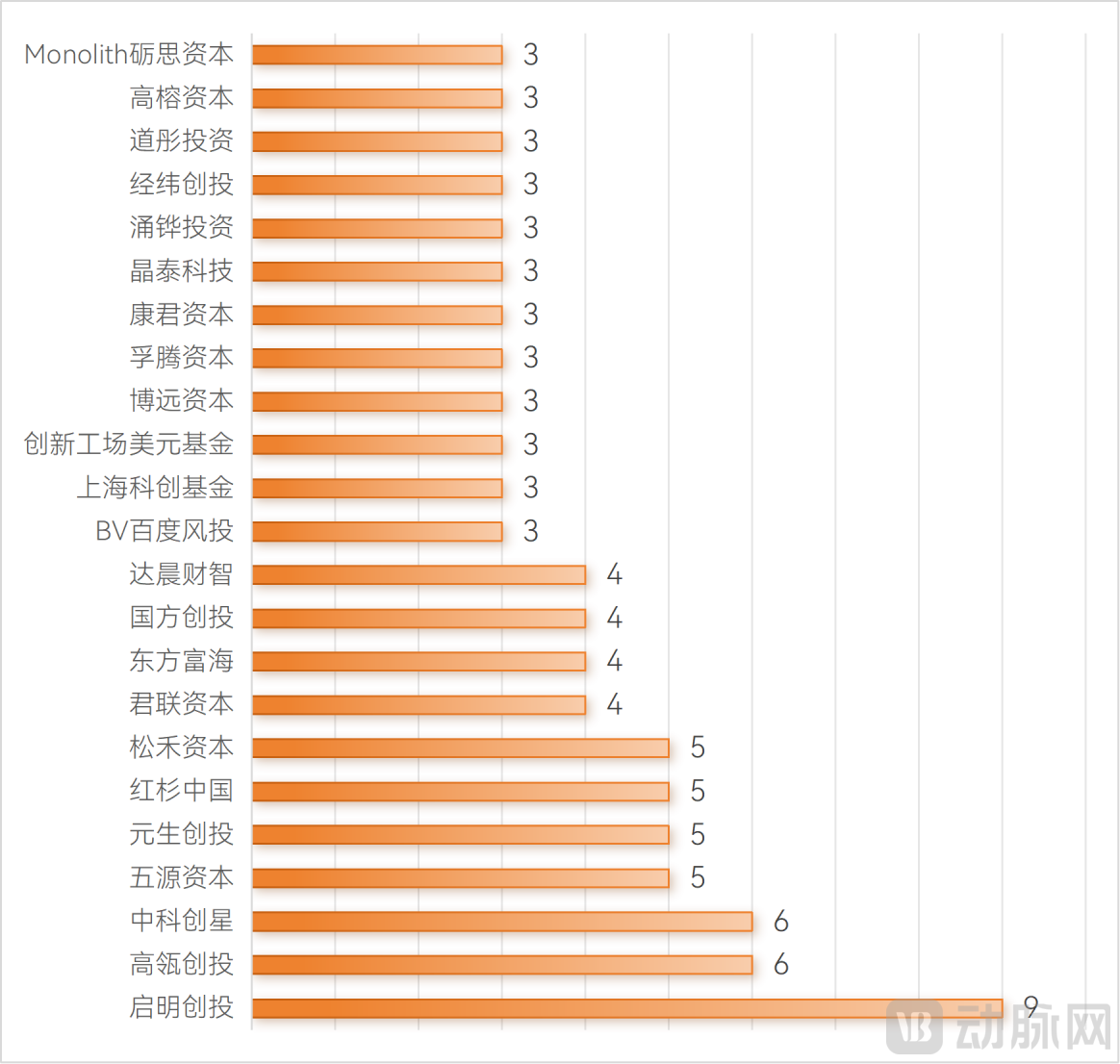 Figure: Active AI4LS institutions in China, January to October 2026 (based on incomplete VCBeat statistics)
Financial capital has shown strong aggressiveness in the AI4LS sector. The top three most active investors have participated in more than 20 investment projects. Qiming Venture Partners, ranking first, has invested in more than nine AI4LS projects, while GL Ventures and CAS Star have each invested in more than six AI4LS projects.
By track, financial investors have hit almost all of the hot AI4LS tracks, from AI-native TechBio (Aureka Biotechnologies), full-modal molecular world models (Valhalla Technology), and AI-driven macrocyclic peptide drugs (Syneron Bio), to AI-based aging reversal therapy (Genturn Life) and AI virtual cell models (INFevo).
They are not only investing in technologies and application scenarios but also trying to quickly identify the future industry leaders within new concepts.
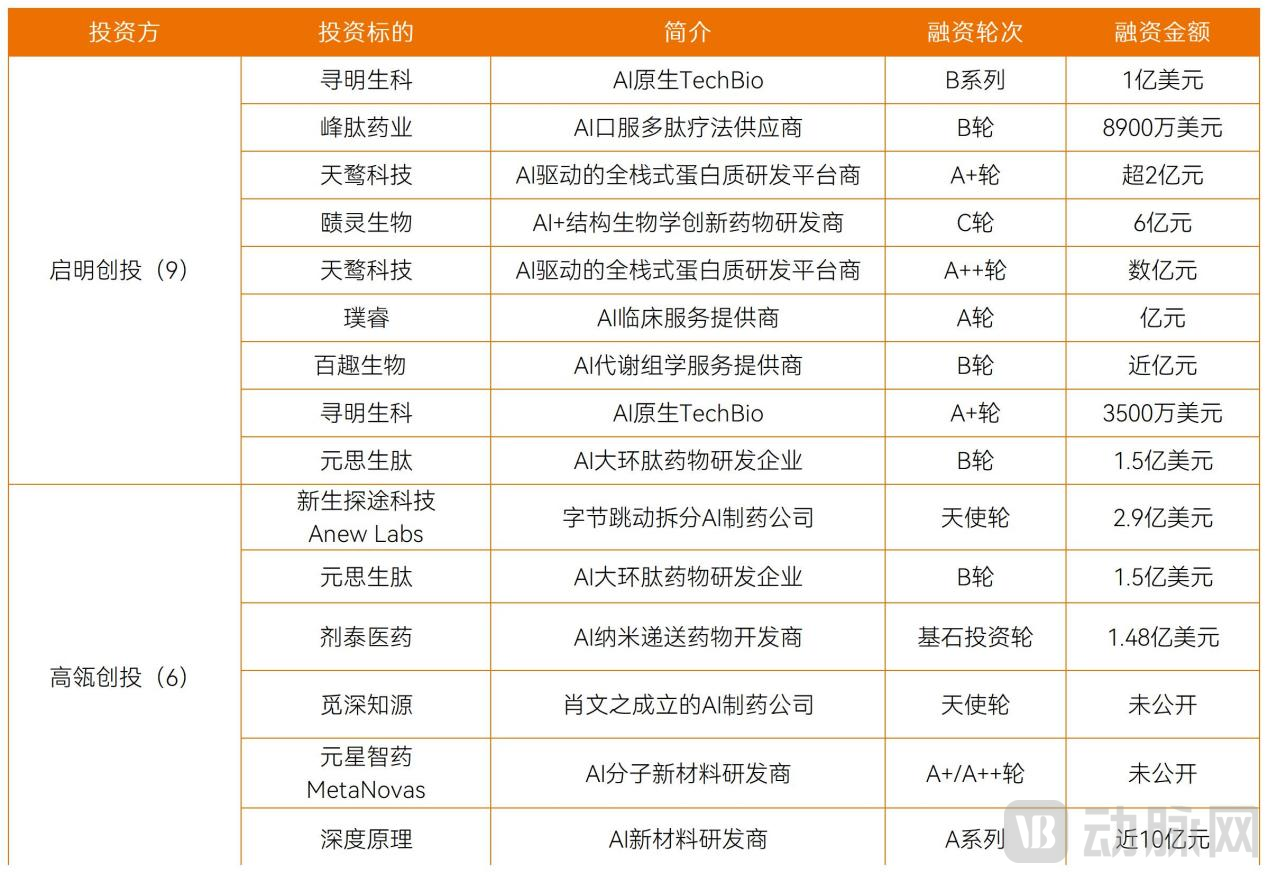
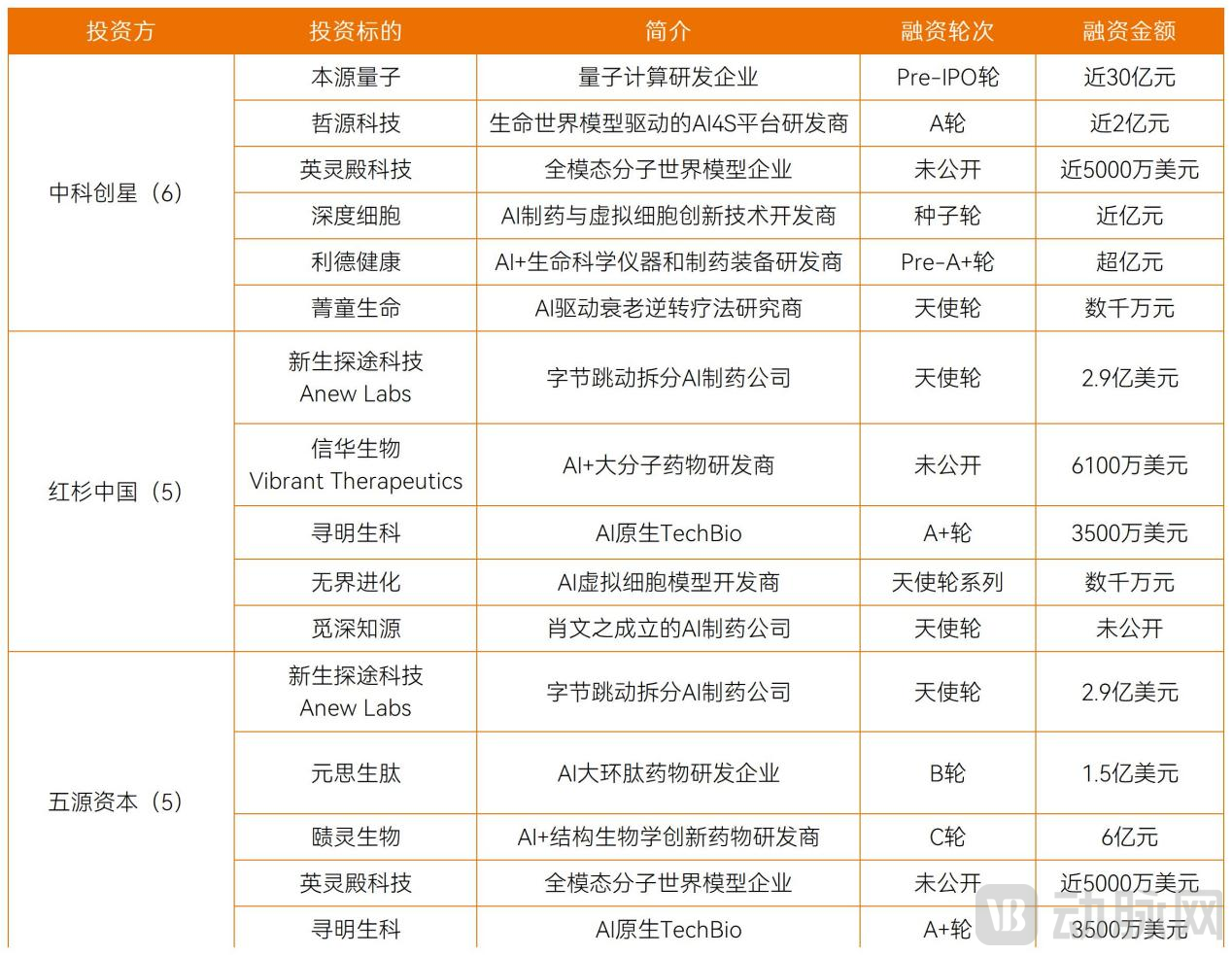
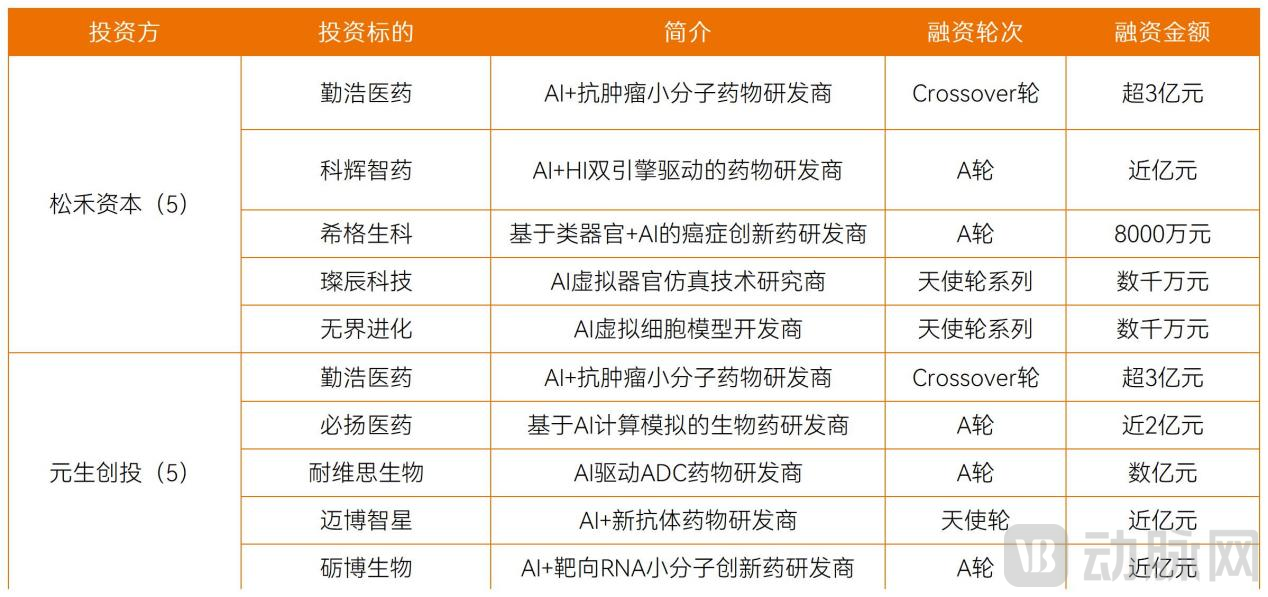
Figure: Top three AI4LS investors by deal count, January to October 2026, and their portfolio companies
State-owned capital has a fundamentally different investment profile: it heavily anchors positions in foundational assets and bets on asset-heavy infrastructure, strategically securing key niches in large models, chips, computing power platforms, humanized data facilities for scientific computing, and regional innovation ecosystems.
Taking four high-frequency investment firms as examples, state-owned capital favors platform companies with foundational general-purpose technology attributes, such as the full-modal molecular world model (Valhalla Technology), the AI-driven target discovery world model (Groovy Medicine), AI-driven full-stack protein research and development (Matwings), and AI-native biopharmaceuticals (BioGeometry).
In terms of investment rounds, state-owned capital typically enters from Series A, when technology is initially validated, through to Series C, when products are commercialized, but rarely invests in the ultra-early angel or seed stages.
The investment logic of government-guided funds and state-owned capital is becoming increasingly refined, driven by a clear mission: to direct capital toward sectors aligned with national strategic needs, particularly in early-stage, long-cycle, and high-uncertainty areas. Through mechanisms such as reinvestment requirements, investment attraction, and ecosystem building to strengthen industrial chains, these funds aim to turn capital into local industrial capabilities and long-term strategic positioning, thereby cultivating fertile ground for industrial development.
This also means state-owned capital is amenable to longer research and development cycles and the realization of growth narratives.
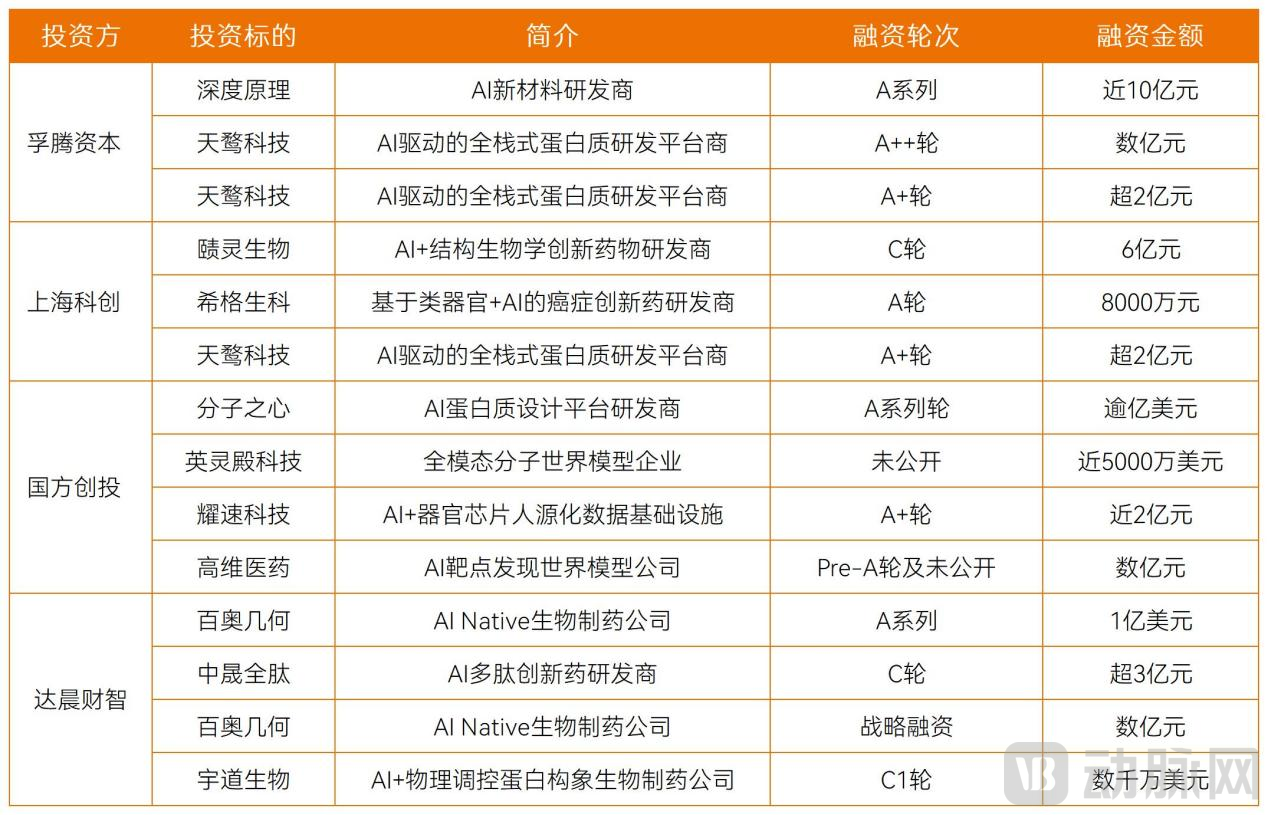
Figure: Active state-owned institutions in China's AI4LS sector, January to October 2026
For corporate venture capital (CVC), the logic is to stay closely aligned with the core business and build an ecosystem for synergy.
Baidu Ventures has deployed an AI-native technology matrix spanning new materials (Deep Principle), quantum science platforms (FieldQuantum), and virtual cells (Vitaura). Bayland Capital has made precise bets on macromolecular drugs (Vibrant Therapeutics) and ADC drugs (Navi Therapeutics), while XtalPi focuses on AI-driven life science research and development scenarios such as immunometabolism and organoids.
Notably, the financing rounds of CVC-backed companies are heavily concentrated in the angel round, Series A, and undisclosed stages, demonstrating a typical incubation-style approach: securing cutting-edge technologies through early-stage investments to serve as strategic complements to their core businesses, thereby creating ecosystem-like industrial synergies.
Take XtalPi as an example. Its industrial investment value lies in opening up its proven delivery logic, automated experimental capabilities, and customer network to incubation-stage companies, enabling them to bypass the valley of death associated with building platforms from scratch and identifying application scenarios.
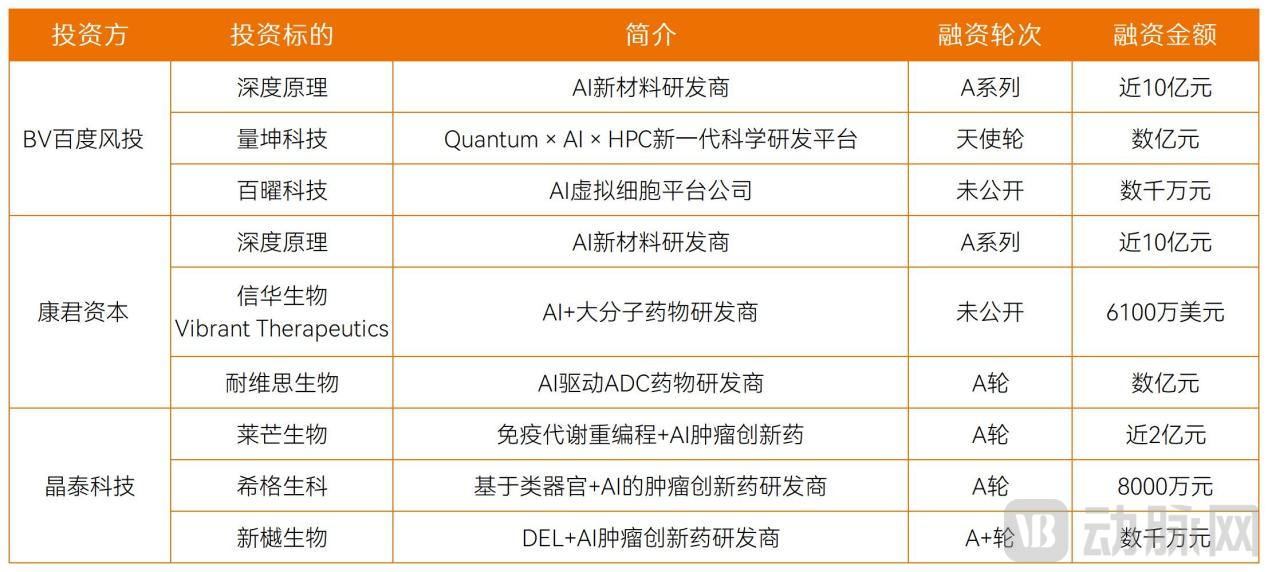
Figure: Active CVC firms in China's AI4LS sector, 2026
4The valuation pricing anchor of AI4LS ultimately lies in the product
It is important to clarify that in the early stages of AI4LS, leading did not refer to revenue scale but rather to technological scarcity, platform attributes, and team background. This set of criteria remained fragile before industrial validation: technical pathways had yet to converge, real-world applications had not been realized, rankings were far from settled, and newly emerging companies still had a window of opportunity to reshape the competitive landscape.
Precisely for this reason, the AI4LS landscape will not converge into a single dimension. What is converging is capital and valuations, which are concentrating on a few platform-type targets; what is not converging is technological pathways and application scenarios, which are expanding and segmenting in stages and by scenario. The future will remain a track where products and scenarios are king.
Returning to the present, the high valuations in the primary market cannot be simply dismissed as capital's optimism about long-term value. A more accurate assessment is that 2026 is the year of diverging pricing logic for AI4LS.
The direction of the shift is clear: moving from evaluating teams and narratives to focusing on validated data, closed-loop capabilities, and commercialization realization.
Sun Jialin, General Manager of GTJA Investment Group, noted that the boundaries between platform-based companies and product-based companies are becoming increasingly blurred. An AI-Biotech inherently possesses strong AI capabilities. In the early stages, it can achieve a self-sustaining business loop through technical services, thereby supporting long-term investment in its proprietary pipeline; later, as the pipeline yields results, it will in turn reinforce the platform's capabilities.
Xing Jie, COO of PharMolix, believes the more fundamental change is that the boundaries of the industrial chain are being broken. The entire industry is shifting from a plus-AI transformation to AI-native restructuring. He remarked, "In the future, there will no longer be a linear division of labor among data, algorithms, and experiments. Automated laboratories are not just physical carriers for experiments but also part of the Agent task system; meanwhile, model companies can move downstream to develop pipelines, while pharmaceutical companies can move upstream to build their own AI platforms."
Zhang Chong likewise emphasized, "The exit logic of AI4LS is not a single logic of waiting for the drug to reach the market or waiting for an IPO, but is realized through a combination of pathways including milestone payments, business development (BD) licensing, mergers and acquisitions integration, orders-for-equity swaps, initial public offerings (IPOs), and future product competitiveness. Revenue growth must outpace the growth curve of computing power and data costs, rather than relying on continuous financing, to qualify as a sustainable target." Under this logic, midstream platform and infrastructure enterprises may possess stronger commercial scalability.
Over the longer term, the value of an AI4LS company is defined by two curves. One is scenario-based application, which establishes the baseline for implementation, namely cash flow and commercialization; the other is paradigm upgrade, which raises the ceiling of potential, namely technological limits and ecosystem space.
The former determines how to survive, while the latter determines how far one can go.
As the two curves begin to converge, enterprises transition from selling services and promoting platforms to the stage of delivering products: services serve as the entry point, platforms as an intermediate state, and products as the pricing anchor.
This is also the path pioneered by first movers: XtalPi, Insilico Medicine, and Metis TechBio.
5Global AI4LS: Investing in Leaders and Products, Deeply Binding with Tech Giants and MNCs
Globally, the capital intensity and top-tier concentration effect in AI4LS are further amplifying.
In the first ten months of 2026, the top 10 financing deals in the global AI4LS sector totaled $5.833 billion, with the largest single deal exceeding $2 billion. The valuation scale of top-tier targets has far exceeded that of domestic projects in the same tier, as global capital adopts a more aggressive pricing approach toward paradigm shifts in life sciences.
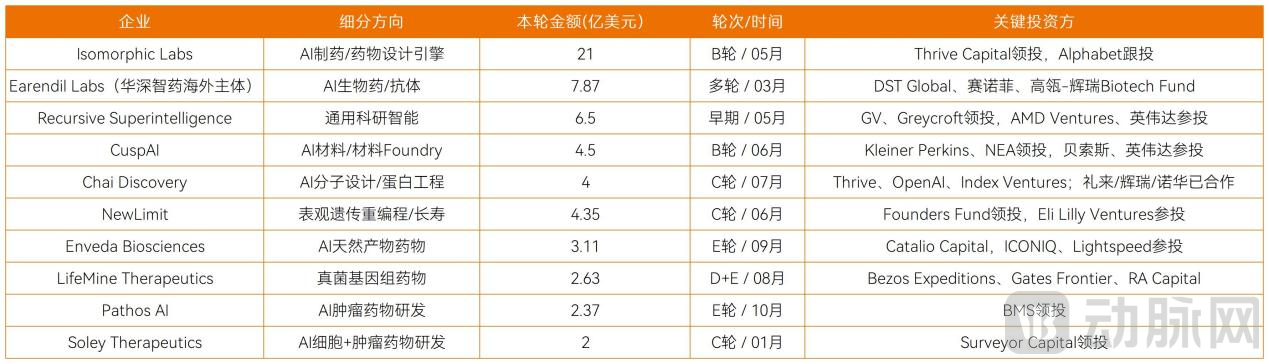
Figure: Top 10 AI4LS financing deals worldwide, January to October 2026
Global and Chinese markets exhibit two core commonalities. First, capital is increasingly flowing into early-stage ventures, with leading companies boasting top-tier teams and proprietary technologies securing hundred-million-dollar financing in early rounds. Second, capital is concentrating among market leaders, with a select few enterprises possessing platform-level potential absorbing the vast majority of available funds.
However, the global market also exhibits differentiated ecosystem characteristics.
Heavy bets are placed on companies with established scenarios, product applications, and pipeline progress to price the already visible commercialization realization. Isomorphic's $2.1 billion Series B was backed by its AlphaFold system and business development (BD) collaborations with Eli Lilly and Novartis; Chai's $400 million Series C came after the validation of its molecular design platform and confirmation from pharmaceutical clients; Enveda's $311 million Series E, Pathos's $237 million Series E, and Soley's $200 million Series C were all additional investments made after their pipelines advanced to clinical stages.
Tech giants are deeply embedded across the entire industrial value chain. Alphabet, NVIDIA, OpenAI, AMD, and other computing power and model providers are directly positioning themselves in the foundational scenario of AI for Life Sciences (AI4LS). Isomorphic Labs leverages the technological foundation of DeepMind, an Alphabet subsidiary; Recursive Superintelligence's early financing round attracted investments from both AMD Ventures and NVIDIA; and OpenAI has invested in Chai Discovery, continuously deepening the integration of large language model capabilities with protein engineering.
The exploration boundaries of frontier tracks are more diversified, with the granularity and risk level of track segmentation both leading the industry. Beyond the main track of AI-driven drug discovery, global capital has simultaneously made significant investments in multiple disruptive directions: frontier niche fields such as epigenetic reprogramming for longevity (NewLimit), fungal genomics-based therapeutics (LifeMine), and AI-enabled natural product drug discovery (Enveda) have each secured financing rounds exceeding $200 million.
Multinational pharmaceutical companies have a deeper level of CVC engagement. Top multinational corporations (MNCs) such as Sanofi, Eli Lilly, Pfizer, and Bristol Myers Squibb (BMS) have become core investors in early-stage financing. Sanofi directly invested in Earendil Labs; BMS led the Series E funding round for Pathos AI; and Chai Discovery established pipeline collaborations with Eli Lilly, Pfizer, and Novartis. MNCs are deeply involved in the research and development and operations of TechBio companies from the early stages, extending the role of industrial capital beyond mere financial investment to a high-level integration of research and development synergy and pipeline equity.
Capital is more concentrated than ever before, yet answers are more fragmented than ever before. What matters next is delivery.
Kuang Yao, Managing Director of GTJA Investment, points out that in comparing the AI4LS (AI for Life Sciences) industrial chains of China and the United States, the U.S. dominates original innovation and global value capture, maintaining a leading position in basic research, AI models, commercialized data, and regulatory frameworks, while also possessing more mature global distribution channels. In contrast, China excels in engineering, industrialization, and cost efficiency. Leveraging its vast CRO (Contract Research Organization) capacity and clinical resources, China can accelerate the practical application and deployment of technologies; however, it still needs to improve in areas such as data governance and capabilities for global multi-center development.
From a global market perspective, the high-quality, scenario-specific, and metadata-complete AI-ready data produced in China is precisely the scarce resource currently needed for AI4LS, representing the core opportunity for Chinese TechBio.
AI4LS in 2026: valuation bubbles objectively exist, but market differentiation never ceases. Leading enterprises gradually realize value through technology implementation and commercial validation, while mid-tier projects continue to be cleared out amid competitive selection. The market must answer who qualifies for repricing.
The dawn of value and the bell of divergence: two sides of the same coin in industrial advancement.