

At 4 a.m., the Brain-Computer Interface Space Is Crowded with "Charlatans"

FlectoThink
Brain-Computer Interface Field Product Developer

Neuracle
Developer and Manufacturer of Brain-Computer Interface Systems and Related Equipment
BCIFlex
Invasive High-Throughput Ultra-Thin Flexible Brain-Computer Interface System Developer
Pins
Neuromodulation Product R&D, Production, and Sales
SYNRISE
Ultrasound Brain-Computer Interface Technology Researcher

Gnosis Neurodynamics
AI Technology R&D Provider

Rishena Medical
Implantable Medical Device R&D and Production Manufacturer
NeuraMatrix
Brain-Computer Interface Technology Developer

Nanochap
Core Chip Developer in the Biomedical Field

Kingstronics
Developer of High-End Neuromodulation Medical Devices

Medlink
Brain-Computer Interface Rehabilitation Product Developer

BrainClos
Developer of Closed-Loop Neuromodulation Products

Zhongke Imagery
Brain-Computer Interface Technology Researcher
USTCFQ
Developer of High-End Medical Imaging Diagnostic and Therapeutic Equipment
Brain-computer interfaces were not initially in the spotlight.
Sun Yu, founder of Flexolink, once described the early brain-computer interface landscape this way: "At 4 a.m., there wasn't even a single person on the street to ask for directions." Those were difficult times. Moreover, because both the technology and its application scenarios were overly "sci-fi," many founders endured the awkward experience of being dismissed as "charlatans" during their initial fundraising efforts.
This stands in stark contrast to the current fervor sweeping the industry.
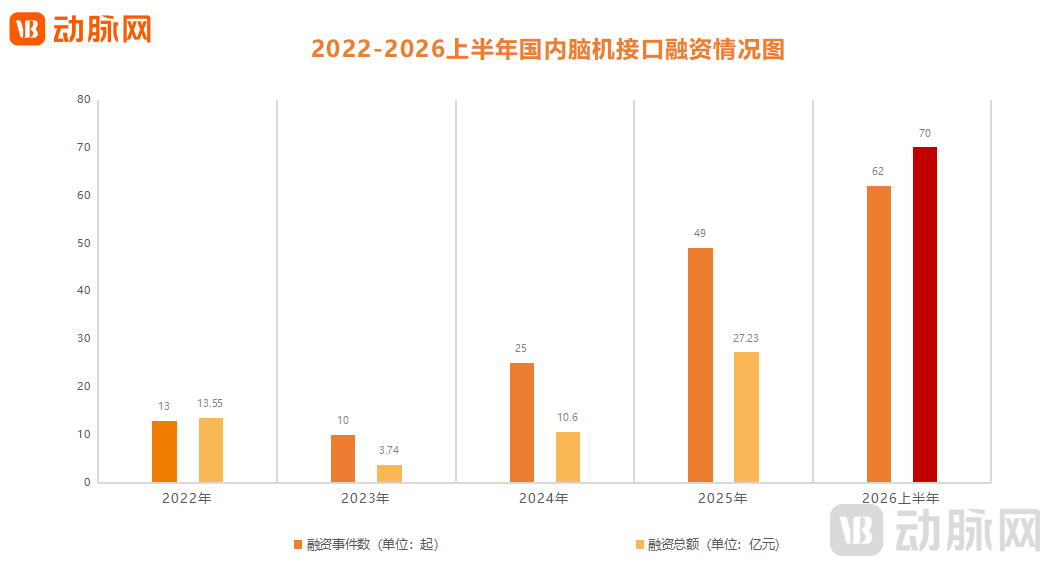 Figure 1. Domestic Brain-Computer Interface Financing from 2022 to the First Half of 2026
According to incomplete statistics from the VCBeat database, in the first half of 2026, China's brain-computer interface sector completed 62 financing rounds, with the total amount exceeding RMB 7 billion. To put the two figures in perspective, over the past six months, a financing deal was closed in this sector on average in less than three days, and the RMB 7 billion in total funding equals the sum of the past five years. Amid the current widespread tightening in the primary market, such financing density and volume suffice to validate the current fervor surrounding brain-computer interfaces.
There is no doubt that capital is betting with real money. However, the essence of investment largely lies not in wagering on the track, but in the "jockeys" riding the horses. Much like the semiconductor industry in its early days, it was the investment in visionary scientists such as Shockley, Noyce, and Moore that gave rise to Intel, AMD, and Fairchild Semiconductor, ultimately fueling the rise of Silicon Valley and ushering in the golden age of the entire semiconductor industry.
Therefore, when we seek to clarify the origins and future trajectory of the promising brain-computer interface (BCI) industry, we must first understand the individuals standing behind these companies.
"A Startup Boom" Within the Ivory Tower
As we sifted through the founder lists of nearly a hundred domestic brain-computer interface (BCI) companies, the most immediate impression was that this is nothing short of a robust "professor entrepreneurship wave."
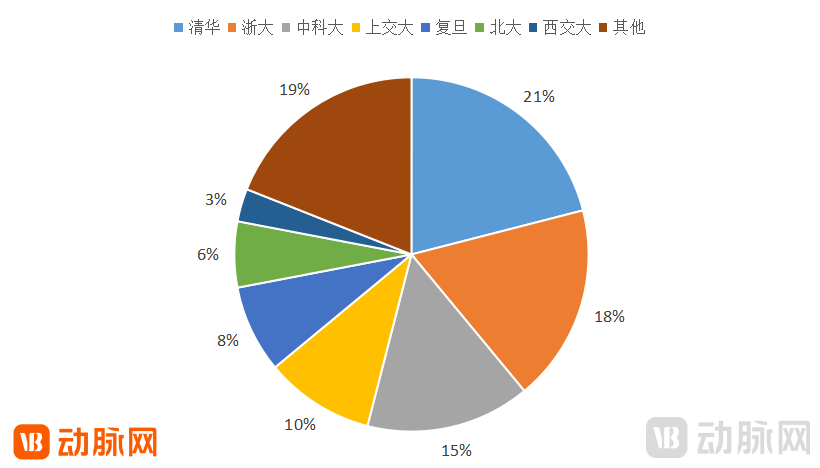 Figure 2. Proportion of Brain-Computer Interface Founders by University Background
Tsinghua University, Peking University, Zhejiang University, Fudan University, University of Science and Technology of China, Shanghai Jiao Tong University, Xi'an Jiaotong University... The "primary identity" of this group of founders is uniformly that of university professors or scientific researchers. Among them, founders from Tsinghua University, Zhejiang University, and the University of Science and Technology of China account for the highest proportion, collectively representing nearly 60%.
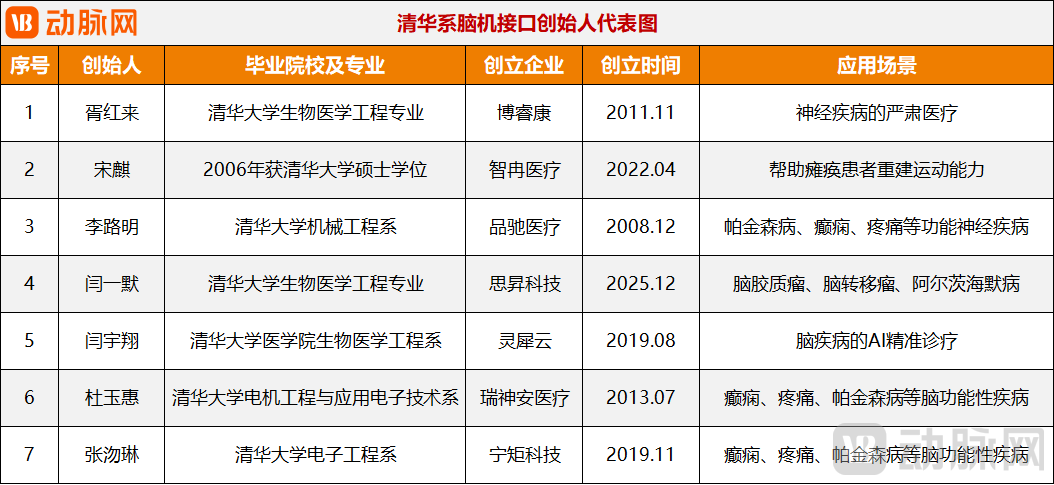 Figure 3. Representative Founders of Tsinghua-affiliated Brain-Computer Interface Companies
Let's start with Tsinghua University, including Xu Honglai from Neuracle, Song Qi from BCIFlex, Li Luming from PINS Medical, Yan Yimo from SYNRISE, Yan Yuxiang from Gnosis Neurodynamics, Du Yuhui from Rishena Medical, and Milin Zhang from NeuraMatrix, etc., are all typical representative figures.
Taking Xu Honglai as an example, he was the first Ph.D. student at Tsinghua University's Neural Engineering Laboratory, studying under Professor Gao Shangkai, one of the pioneers in the field of brain-computer interfaces (BCI) in China. Xu's research focused on neural signal acquisition and processing, an area that was then subject to severe technological restrictions by foreign countries. Not only were the relevant devices prohibitively expensive, but their sale could also be denied at any time. Around 2004, Professor Gao attempted to purchase a newly released wireless EEG acquisition device from abroad, but his request was outright rejected on the grounds that the seller feared "aiding Chinese scientific research."
This experience profoundly impacted Xu Honglai. During his doctoral studies at Tsinghua University, he chose a path that few dared to tread at the time: abandoning the mature foreign technical route for analog technology and shifting directly to a "fully digital" acquisition solution for electroencephalogram (EEG) signals. This decision defined the technological foundation of Neuracle for the next decade and beyond. In 2011, Xu Honglai, together with his fellow student Huang Xiaoshan, went to Changzhou, Jiangsu Province, to establish Neuracle, becoming among the first pioneers in China to dedicate themselves to the industrialization of brain-computer interface (BCI) signal acquisition.
Unlike Tsinghua University, Zhejiang University's entrepreneurial DNA is more firmly rooted in the intersection of medicine, information technology, and engineering, as well as clinical translation—this cohort is focused on a different blueprint: how brain-computer interfaces can truly evolve from "signal reading" to "disease treatment."
Most notably, GenLight has recently completed its Series C and Series D financing rounds in succession. Founder Cao Peng is a postdoctoral fellow at the Zhejiang University School of Medicine, with primary research interests in magnetic resonance imaging and neuroscience. Established in Hangzhou in April 2020, GenLight has bet on the clinical translation of invasive brain-computer interfaces and neuromodulation—leveraging techniques such as laser ablation and closed-loop electrical stimulation to transform decoded brain signals into therapeutic "scalpels" and "drugs" for neurological disorders like epilepsy and Parkinson's disease. To date, GenLight holds four National Class III Medical Device Registration Certificates and has established a collaborative network with more than 50 Grade A tertiary hospitals across China.
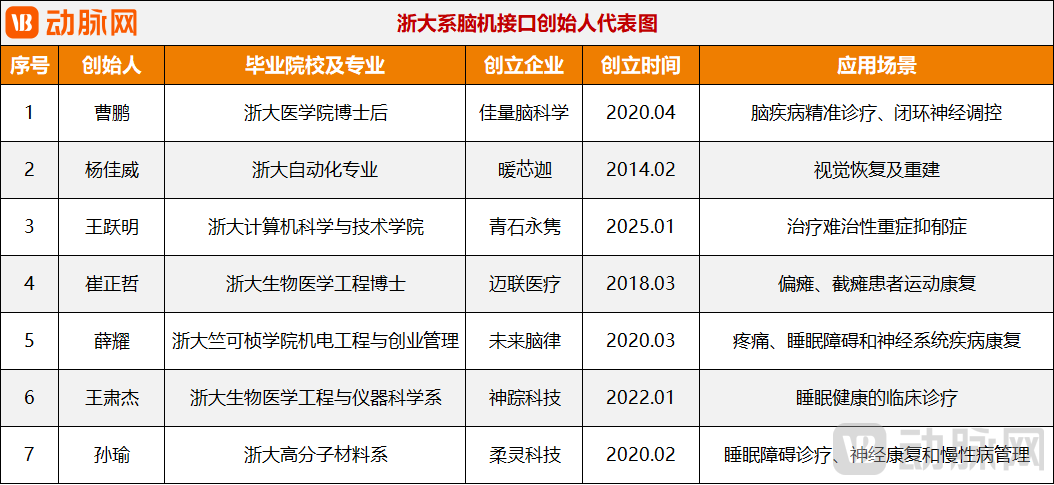 Figure 4. Representative Founders of Zhejiang University-affiliated Brain-Computer Interface Companies
In addition to Cao Peng, the list of brain-computer interface founders emerging from Zhejiang University also includes Yang Jiawei of NanoChap, Wang Yueming of Kingstronics, Cui Zhengzhe of Medlink, Xue Yao of BrainClos, Wang Sujie of NeuroTrace, and Sun Yu of Flexolink, and other key backbone forces.
USTC, just a two-hour high-speed rail ride from Zhejiang University, presents a different scene. As the birthplace of China's "flexible materials and minimally invasive implantation" approach, this hub has gathered a large cohort of entrepreneurs dedicated to integrating materials into the brain.
Tiger Tao's journey began at the University of Science and Technology of China (USTC). At the age of 16, he was admitted to USTC's Precision Machinery program without taking the entrance examination, and later earned a master's degree from the Institute of Electronics. In 2014, Tiger Tao joined the Shanghai Institute of Microsystem and Information Technology under the Chinese Academy of Sciences, devoting himself to the research and development of brain-computer interfaces (BCIs). In 2021, he led his team to win the SAIL Award, the highest honor at the World Artificial Intelligence Conference, for their project on "Minimally Invasive Implantable High-Throughput Flexible Brain-Computer Interface." It was this award that reconnected Tiger Tao with his old classmate Peng Lei, after more than twenty years of separation.
In July 2021, Peng Lei, then Senior Vice President of Alibaba's Local Consumer Services Group, happened to see Tiger Tao's award announcement on WeChat Moments. As both were based in Shanghai, they arranged a dinner that same evening and quickly solidified their intention to co-found a startup. On November 1, 2021, Peng Lei officially resigned from Alibaba, and NeuroXess was established in Shanghai on the same day. Two months later, the company secured the largest early-stage financing round in China's brain-computer interface (BCI) sector, backed by two prominent figures in China's venture capital community: Tianqiao Chen, who has long invested in brain science, and Neil Shen, founder of Sequoia China.
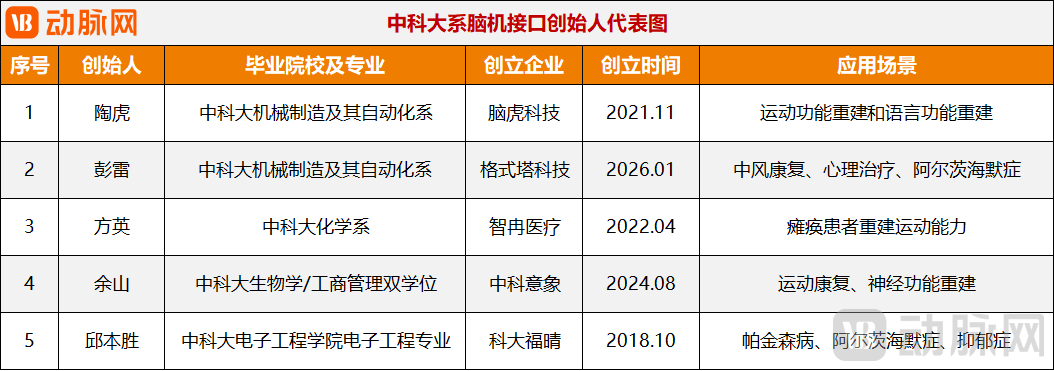 Figure 5. Representative Founders of Brain-Computer Interface Companies from the University of Science and Technology of China (USTC) Ecosystem
However, following the historical trend that unity inevitably gives way to division, Peng Lei left NeuroXess in 2025 and founded Gestala in Chengdu on January 1, 2026, marking another strategic move in the brain-computer interface (BCI) startup landscape stemming from the University of Science and Technology of China (USTC). In addition to Tiger Tao and Peng Lei, USTC has also produced Fang Ying of BCIFlex, Yu Shan of Zhongke Imagery, and Qiu Bensheng of USTCFQ, among other representative entrepreneurs.
It is evident that a university affiliation has become the common hallmark of this cohort of brain-computer interface (BCI) founders—nearly every well-known startup team in China can trace its origins back to academic institutions.
However, distinct university backgrounds also give rise to different entrepreneurial logics. Tsinghua University has established its foundation in "signal acquisition and engineering," Zhejiang University has strategically positioned itself in "medical-engineering interdisciplinary integration and clinical translation," while the University of Science and Technology of China focuses on "flexible materials and minimally invasive implantation." Although these three paths appear to diverge, they all address the same fundamental question: how to integrate isolated breakthroughs from the laboratory into a complete industrial chain, thereby enabling China's brain-computer interface sector to truly establish a closed value loop—from research to clinical application, and from technology to industrialization.
Can Laypeople Spot the Expertise? 90% Are Not "Professionally Trained"
In addition to their academic backgrounds, these founders share another notable characteristic: the vast majority are “latecomers” to the field. For most of them, their first degree was not in a directly related discipline but rather in neighboring fields of brain-computer interfaces (BCI), including electronics, computer science, mechanical engineering, materials science, precision instrumentation, and biomedical engineering.
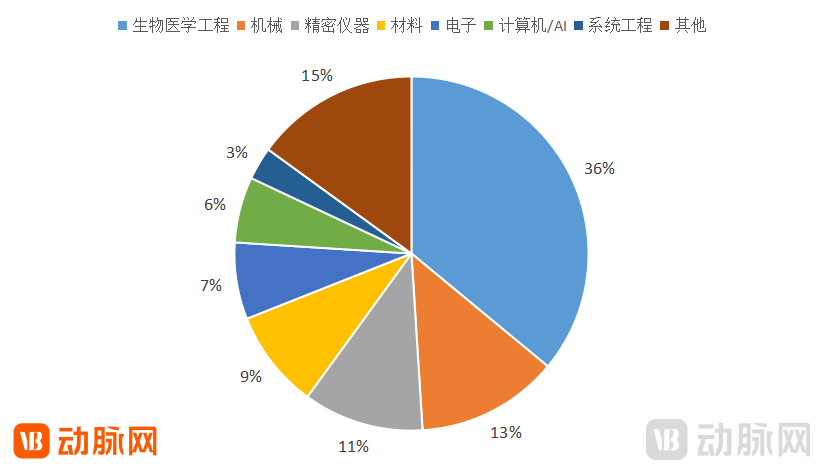 Figure 6. Proportion of Brain-Computer Interface Founders by Initial Undergraduate Degree Institution
For example, Bicheng Han, founder of BrainCo, majored in Precision Instruments during his undergraduate studies. After graduation, he joined the Fred Hutchinson Cancer Research Center in the United States, where he participated in the development and research of medical devices. Had everything proceeded as planned, he would have become a medical device engineer.
The turning point came in 2011, when Bicheng Han, while working at a research institute, accidentally learned that Professor Linda Buck in the adjacent laboratory was a Nobel laureate. She had discovered that the cell membranes of nasal epithelial cells contain numerous receptors that, upon binding with odorant molecules, convert signals into electrical impulses transmitted to the brain, enabling it to permanently memorize specific scents. Repeatedly exposed to these olfactory cues as he passed by the neighboring lab countless times, Han—a self-described "outsider" to the field—became deeply fascinated by the immense potential of neuroplasticity. In 2014, he enrolled in the Harvard Center for Brain Science to pursue his doctoral degree, and the following year he founded BrainCo, marking the first Chinese team incubated by the Harvard Innovation Labs.
Li Xue, founder of StairMed, had a remarkably similar journey. She completed both her bachelor's and master's degrees in Biomedical Engineering at Huazhong University of Science and Technology. During her graduate studies, she was accidentally exposed to brain-computer interfaces (BCI) and established it as her research focus. To fill the gaps in her interdisciplinary knowledge, Li spent the next five years moving between the University of Texas and Rice University in the United States, where she successively earned master's and doctoral degrees in Biomedical Engineering and Electrical and Computer Engineering.
In 2020, Li Xue returned to China to join the Center for Excellence in Brain Science and Intelligence Technology of the Chinese Academy of Sciences, where she met Zhao Zhengtuo, who had just returned from the United States with a commitment to developing implantable brain-computer interfaces. The two quickly found common ground, co-founding StairMed the following year. In 2025, the company completed China's first clinical trial of an invasive brain-computer interface.
In fact, there are quite a few "cross-disciplinary" figures like Bicheng Han and Li Xue on the list of brain-computer interface pioneers.
This is precisely determined by the highly interdisciplinary and complex nature of brain-computer interfaces (BCIs)—bridging neuroscience's understanding of the mechanisms underlying brain activity on one end, and the support from microelectronics, materials science, signal processing, and artificial intelligence for signal acquisition and decoding on the other. Therefore, the founders' lack of formal training in the field is not a weakness but rather a natural prerequisite for entrepreneurship: only by having individuals from diverse backgrounds cross disciplinary boundaries can they piece together the complete chain from "decoding the brain" to "rebuilding connectivity."
Nevertheless, although everyone was competing based on the same blueprint, each founder's "first degree certificate" subtly yet profoundly shaped the divergent paths taken by this cohort of founders.
For instance, those with a background in electrical engineering naturally focus on "signals"—either pursuing high-channel invasive acquisition or tackling the hard nut of implantable chips. Milin Zhang, the founder of NeuraMatrix, is a typical representative. With over a decade of in-depth expertise in the design of specialized circuits and chips for neural interfaces, NeuraMatrix directly targeted the most fundamental hardware layer of invasive brain-computer interfaces (BCIs) upon its establishment. In 2021, NeuraMatrix successfully completed the tape-out of its self-developed system-on-chip (SoC) dedicated to BCIs. This chip, smaller than half a fingernail, integrates signal acquisition, neural stimulation, and wireless transmission across hundreds of channels, marking it as China's first commercial bidirectional BCI chip.
Next are those with a background in materials science; they are more inclined to delve into "electrodes and implantation." After all, no matter how superior the signal quality, it first requires a "wire" capable of entering the brain without causing damage. Sun Yu of Flexolink has followed this path. He holds a Ph.D. in Polymer Science from the University of Akron in Ohio, USA, and conducted research on graphene nanomaterials for many years at a Fortune 500 carbon company before starting his business. In 2020, he returned to China to found Flexolink, directly applying his expertise in nanomaterials to brain-computer interfaces (BCI). The core concept is to use nanomaterials to create electrodes that are finer, softer, and more compliant with biological tissues, thereby making implantation as minimally invasive and imperceptible as possible. Currently, Flexolink's core products have established collaborations with over 30 Grade-A tertiary hospitals, and the company's valuation exceeds RMB 1 billion.
Furthermore, there is a group of professionals with backgrounds in computer science and AI who are more inclined to approach the field from an algorithmic perspective, focusing on neural signal decoding and neurofeedback. For instance, Yu Shan, founder of Zhongke Yixiang, has dedicated nearly two decades to "brain-inspired artificial intelligence models and algorithms." As a result, he bypassed the intense competition over channel counts from the outset, placing his bets squarely on decoding algorithms. In April 2026, Zhongke Yixiang announced the results of an animal study: in macaques implanted with brain-computer interfaces, the system decoded the intention to grasp a piece of bread within just 0.2 seconds of the thought arising. An AI then autonomously planned the trajectory, directing a robotic arm and dexterous hand to complete the grasp. This approach, utilizing only dozens of channels, outperformed industry norms that typically rely on thousands of channels.
Finally, there is a cohort of founders driven by specific application scenarios. Their commonality lies in first identifying clinical pain points and then working backward to determine the technological roadmap. Taking Zhang Li, co-founder of Mindtrix, as an example, he observed while providing long-term care for a family member that, compared to individuals who are deaf and mute, blind people have almost no means to live independently. This deeply moved the scientist, who had studied the primate visual system at the Salk Institute in the United States. In 2024, he joined forces with his former classmate from the Chinese Academy of Sciences, Liu Bing, an expert in implantable brain-computer interfaces, to co-found Mindtrix, with a direct focus on visual reconstruction. Currently, Mindtrix has completed the world's first human validation of visual reconstruction involving "complex shapes and multiple colors," and is accelerating subsequent clinical trials.
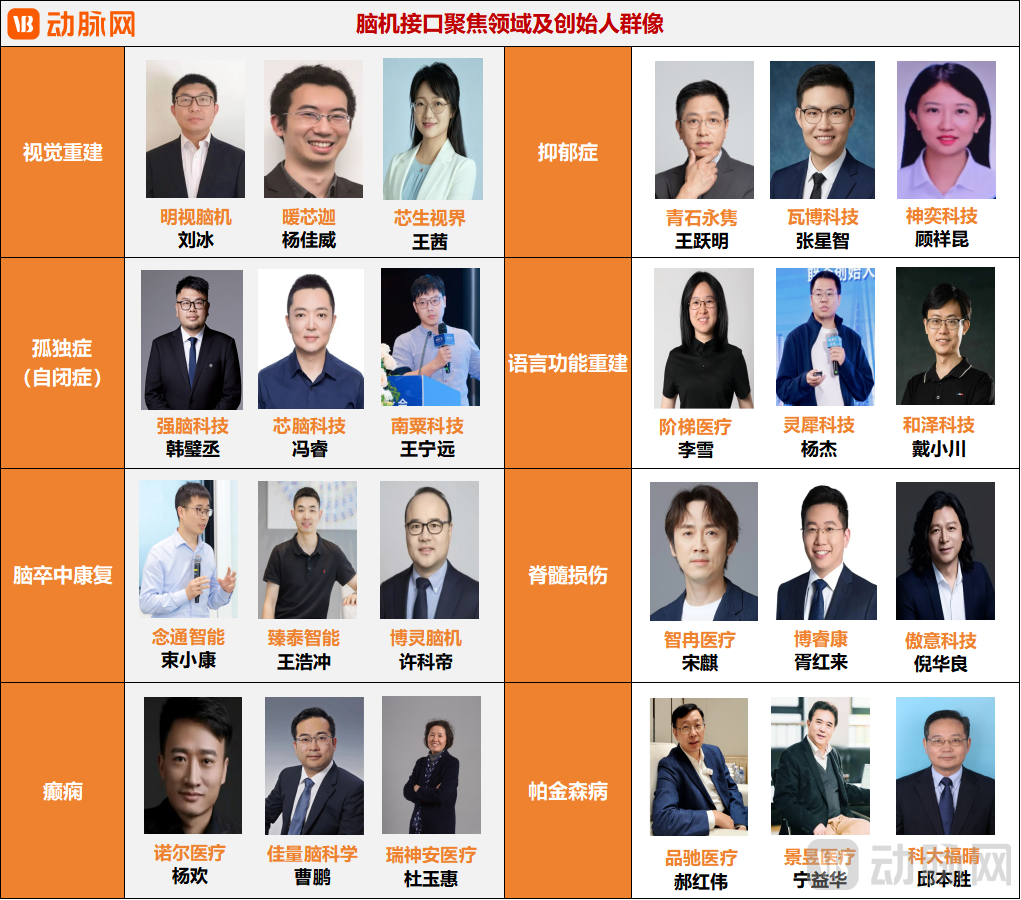
Figure 7. Key Focus Areas of Brain-Computer Interfaces and Founder Profiles (in no particular order)
In addition to visual reconstruction, in niche sectors such as depression, autism, language function reconstruction, stroke rehabilitation, spinal cord injury, and epilepsy, there is also a group of founders who prioritize patient needs over technological pathways. Examples include Liu Hesheng, founder of Neural Galaxy, which targets depression; Shu Xiaokang, founder of Niantong Intelligence, which focuses on stroke rehabilitation; Wang Qian, founder of XS Vision, which works on visual reconstruction; and Yang Huan, founder of NeuroEchos, which concentrates on epilepsy.
Why Them? Why Now?
The last question is a matter of the times.
An analysis of nearly 100 brain-computer interface (BCI) companies in China reveals that the majority were established between 2012 and 2020. This indicates that, prior to the surge in industry interest, these founders, with an average age of over 45, had already endured nearly a decade of obscurity and limited recognition.
Take Xu Honglai of Neuracle as an example: in the early years of his startup, when seeking financing, he was dismissed by investors as a "swindler." Tiger Tao of NeuroXess negotiated with several potential investors for his first round of funding, but they immediately backed out upon hearing that "commercialization would take more than 10 years." When Bicheng Han of BrainCo was conducting research in a basement in Boston in the early days, he was regarded as a "mad scientist studying paranormal abilities." When Sun Yu of Flexolink explained to investors how nanomaterials could be integrated with brain-computer interfaces shortly after the company's founding, his pitch was deemed science fiction with no practical feasibility. Such rejections and cold shoulders are nearly universal early memories among this cohort of brain-computer interface founders.
Thus, Sun Yu was moved to remark, "The brain-computer interface industry in that era was like '4 a.m.'—the sky was still dark, and there wasn't even anyone to ask for directions."
So, why has this industry, once known for its "4 a.m. culture," suddenly seen the light of day in the past two years? The founders who were once dismissed as "charlatans" now find capital eagerly lining up at their doors, with investors even having to pay RMB 5,000 per hour and wait in line just for a meeting.
There is certainly a reason for this. On the one hand, foundational technologies have collectively crossed the tipping point over the past two years. Flexible electrodes, specialized chips, and AI decoding have successively moved out of the laboratory—China's NEO has become the world's first approved invasive brain-computer interface (BCI) to reach the market. Neuralink has completed human implants, while in macaques, mere thoughts of grasping can be decoded within 0.2 seconds to command a robotic arm to perform actions. As the "implantation–acquisition–decoding–feedback" loop made its complete transition from academic papers to the operating room for the first time, the industry has truly advanced from the question of "whether it can be done" to the critical stage of "how to do it well."
On the other hand, demand drives policy, which in turn paves the way for further demand. Amid accelerating population aging, the substantial unmet clinical need for neurological functional reconstruction has propelled brain-computer interfaces (BCIs) from the realm of "science fiction" to a "national priority." Since the launch of the "China Brain Project" in 2021, and culminating in its inaugural inclusion in the Government Work Report and designation as a future industry under the "15th Five-Year Plan" in 2026, regulatory review pathways and medical insurance coverage for BCIs are being systematically established. Driven by the combined forces of policy support, clinical demand, and payment mechanisms, the commercialization timeline for BCIs has finally become clearly defined.
With the two most critical challenges—implanting electrodes into the brain and establishing a company in the market—now successfully addressed, the industry has indeed reached its tipping point. However, this tipping point is merely a necessary condition; what ultimately determines how far this boom will go remains "people."
Having endured years, even a decade or more, of neglect, this cohort of founders now possesses both the research and development capability to develop prototypes from scratch and the industrialization experience to refine processes, manage regulatory submissions, and establish production lines. They are gradually transforming bold concepts once dismissed as fraudulent into flagship products that successfully enter clinical practice and capture market share.
This scene bears a striking resemblance to Silicon Valley in 1957: although the transistor had already been invented for a decade prior to the founding of Fairchild Semiconductor, it was a group of individuals who mastered both technology and manufacturing processes that truly propelled its takeoff, transforming laboratory devices into manufacturable, reproducible, and marketable products.
So, returning to the initial question: Why them, and why now? These are, in fact, two sides of the same answer: Timing is a gift of the era, while success is forged through perseverance—this group of over 100 practitioners emerging from academia is now rapidly propelling China's brain-computer interface (BCI) sector into the second half of its transition from a "laboratory narrative" to an "industry narrative."
1. "From Tsinghua Labs to the World's First Certification: Neuracle's Journey in China's Brain-Computer Interface Field" – The Paper;
2. "NeuroXess: Choosing the 'Most Pragmatic' Track in Brain-Computer Interfaces" – China Science Daily;
3. "BrainCo's Bicheng Han: From Brain-Computer Interfaces to Connecting the Brain with the World" – STAR Market Daily;
4. "Alibaba Invests in Post-90s Female PhD, Laying Out Brain-Computer Interface Strategy" – Lieyun Select;
5. "Flexolink Founder Sun Yu: Achieving True 'Full Intelligence' Still Depends on Brain-Computer Interfaces" – Cyzone.