

CIIE Logic Undergoes Major Shift! MNCs Move Global Research and Development Battleground to Center Stage

Novartis
Drug Development and Manufacturing

CSL Behring
Innovative Drug Developer

Roche
Oncology Drug Research, Development, and Manufacturing

Eli Lilly
Global Pharmaceutical R&D and Production Company

MSD
Pharmaceutical R&D and Manufacturer

Boehringer Ingelheim
Developer of Innovative Drugs and Therapies

GE Healthcare
Digital Solution Provider

Siemens Healthineers
Medical Solutions Provider

Sanofi
Pharmaceutical R&D Developer
From November 5 to 10, the ninth China International Import Expo kicked off in Shanghai, becoming a window for global industry observation.
On the opening day, the Medical Devices and Pharmaceutical and Health Care Exhibition Area (hereinafter referred to as the medical exhibition area) was already bustling with crowds—it has always been one of the most closely watched areas at the CIIE.
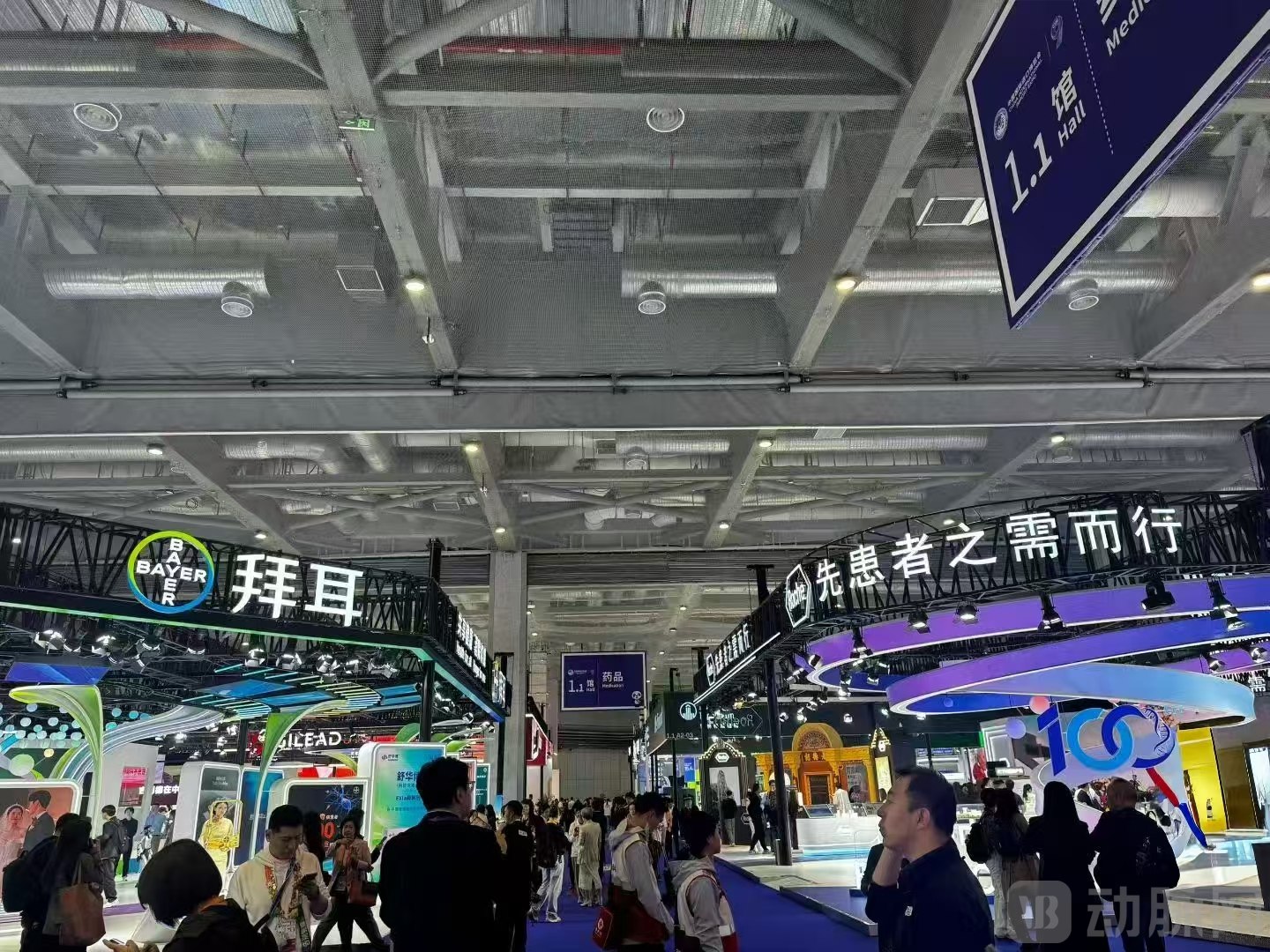
(Medical Exhibition Area, Crowds Surging)
Industry professionals who have attended the CIIE for years cannot fail to notice the changes at this year's event.
The most visible changes are seen in scale and layout. The medical exhibition area of this year's CIIE has been comprehensively expanded and divided into four dedicated zones—pharmaceuticals, medical devices, health and nutrition, and healthy aging—with more refined sector categorization and broader scenario coverage. Notably, the Healthy Aging Zone has been upgraded to highlight innovative achievements in rehabilitation assistive devices, age-friendly products, and sleep restoration technologies.
The exhibitor lineup has also seen significant changes. In addition to the CIIE's "perfect attendance" participants—such as AstraZeneca, Bayer, Sanofi, Novartis, Roche, Novo Nordisk, Siemens Healthineers, GE HealthCare, Philips, Medtronic, and Boston Scientific—newcomers including Pierre Fabre, CSL Behring, and Perennial Holdings are making their debut on the CIIE stage.
According to statistics, a total of 12 Fortune Global 500 pharmaceutical companies exhibited at this CIIE. Among the top 20 global pharmaceutical companies, 16 were present, underscoring the event's high caliber.
However, the expansion in scale and growth in numbers are merely superficial changes. A VCBeat reporter observed a more fundamental shift on-site: the number of global product launches hit a record high, and the structure of these launched products underwent a key transformation.
In the past, many of the "debuts" at the CIIE were mature products already approved overseas, awaiting regulatory approval in China. This year, however, prime exhibition spaces have been occupied by global first-launch pipelines still in the research and development stage, or by first-in-class products led or co-developed by Chinese teams.
At previous editions of the CIIE, the debuts in the medical exhibition zone were predominantly mature products already approved overseas. Exhibiting companies used the CIIE as a platform for pre-launch promotion, capitalizing on the industry spillover effects generated by the expo to facilitate domestic regulatory approval and market entry of their products.
Novartis is a typical practitioner of this model. Since the first CIIE, the company has obtained approval in China for more than 60 new drugs and indications. The 12 former "CIIE Babies" listed on the display board are precisely the fruits of this pathway.
The changes at this year's event are evident to the naked eye. The centerpiece of Novartis' booth is ianalumab, an investigational product that does not yet have a Chinese generic name.
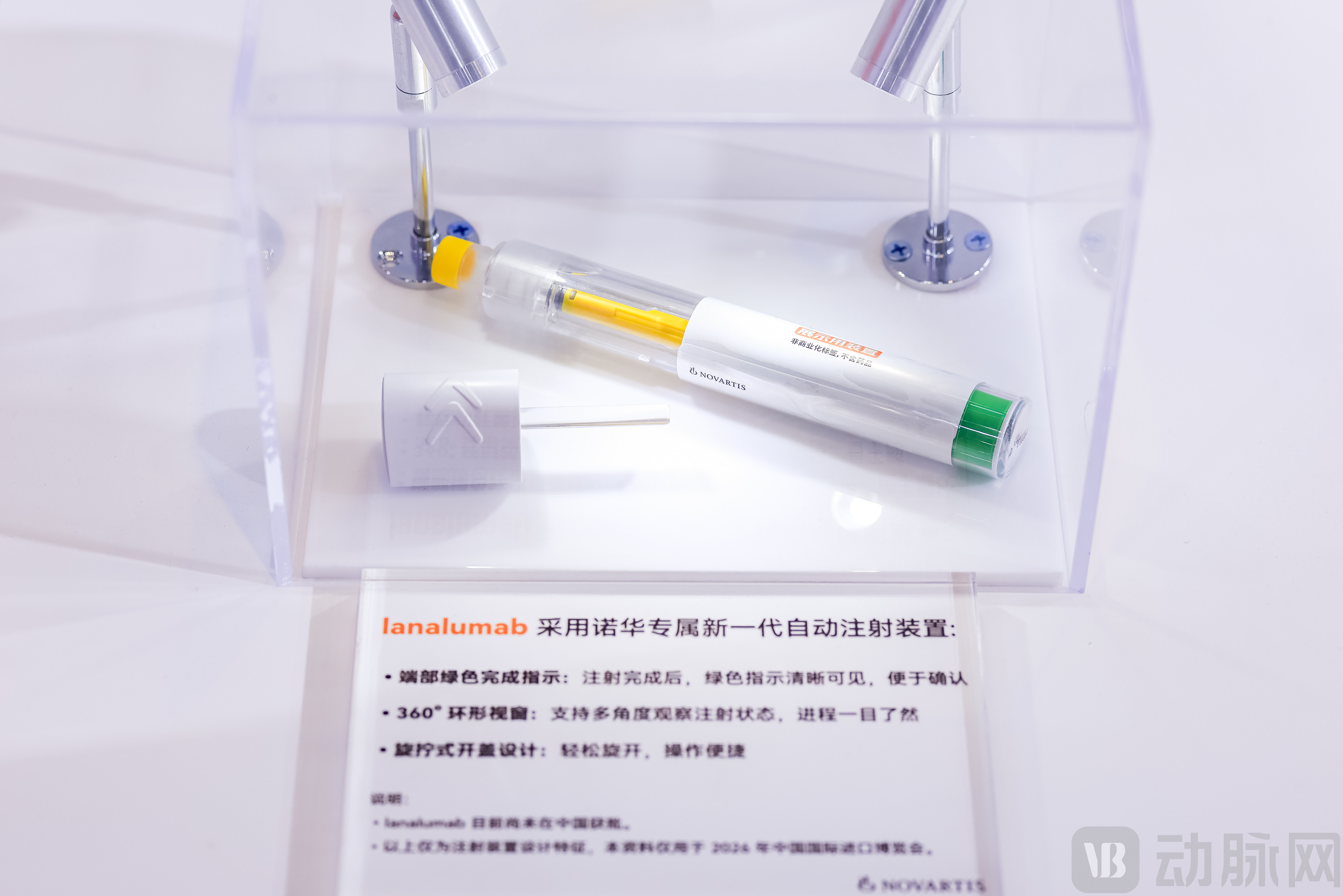
According to reports, this product is the first anti-B-cell activating factor receptor (BAFF-R) antibody globally to complete Phase III clinical trials. It is currently still in the research and development stage and has not been approved for market launch in any region worldwide. This marks the first time Novartis has showcased this investigational drug in China, highlighting its research progress in the field of Sjögren's syndrome.
Sjögren's syndrome is a systemic, chronic autoimmune disease that can lead to inflammation and tissue damage. For a long time, there have been no approved targeted therapies for this condition. Ianalumab, leveraging a dual mechanism of action to modulate B cells, holds promise in filling this therapeutic gap and becoming the first targeted treatment option for patients with Sjögren's syndrome.
Ianalumab is fundamentally different from previous "CIIE Babies": the latter had mature products at their debut, with the CIIE serving as a pre-launch warm-up; in contrast, ianalumab appeared on the CIIE exhibition stand during its research and development phase, conducting an early roadshow targeted at China's clinical sector.
Placing the research and development pipeline at the center of the exhibition booth is not an isolated case for Novartis.
CSL Behring, a "new face" making its debut at the CIIE, unveiled four products being exhibited in China for the first time, three of which have not yet been approved in mainland China: ANDEMBRY is the world's first monoclonal antibody inhibitor targeting activated coagulation factor XII (FXIIa) for the treatment of hereditary angioedema (HAE); HEMGENIX is the first one-time gene therapy for adult patients with severe and moderately severe hemophilia B; IDELVION and AFSTYLA address both bleeding control and prevention in hemophilia.
Furthermore, companies such as Roche, Eli Lilly, Novo Nordisk, MSD, and Boehringer Ingelheim have all showcased numerous investigational pipelines, placing them in a prominent position. Roche made its debut with nearly 100 exhibits, including more than ten products slated for imminent launch in China and future research and development pipeline assets, such as trontinemab in neuroscience and the dual GLP-1 and GIP receptor agonist enicepatide for cardiovascular and metabolic diseases. Eli Lilly presented retatrutide, the world's first GIP, GLP-1 and glucagon triple receptor agonist to enter late-stage development, and lebrikizumab, a therapeutic agent for atopic dermatitis, among others.
An examination of the debut products from companies such as Novartis, CSL Behring, Roche, and Eli Lilly reveals that the focus of debuts at the CIIE has shifted from mature finished products to pipeline candidates still under development. This shift represents an industrial trend driven by the convergence of three factors.
First, there has been an acceleration in regulatory processes in China. Supported by a series of policies—including Breakthrough Therapy Designation, Priority Review, and Conditional Approval—the timeline from submission to approval for innovative drugs has been significantly compressed. The recent approval of Bayer's asundexian (Shuhuabo tablets) in late October serves as the latest example. As the world's first activated coagulation factor XI (FXIa) inhibitor, it achieved global first-launch status in China, with the period from acceptance to approval taking approximately six months. Following its approval, the product made its debut at the CIIE.
Second is the appeal of the Chinese market. With its large patient population and high efficiency in clinical research, entering China earlier enables faster initiation of clinical trials and more rapid data accumulation. Among Boehringer Ingelheim's 14 cutting-edge innovative pipeline products, three are making their Chinese debut at the forefront of global research and development: verducatib (a targeted therapy for bronchiectasis), obrixtamig (a bispecific immunotherapy for small cell lung cancer), and the vicadrostat and empagliflozin combination (for heart failure).
Finally, there is pressure from the competitive landscape. The rise of domestic innovative pharmaceutical companies has intensified market competition. Exhibiting companies also hope to leverage the spillover effects of the CIIE to seize first-mover advantages and enhance the market competitiveness of their products. In the weight-loss drug market, for instance, several domestically produced drugs have already received approval. Companies such as Eli Lilly, Novo Nordisk, and Pfizer are prominently showcasing their weight-loss medications at the CIIE, with Pfizer's innovative weight-loss drug, ecnoglutide injection, making its global debut.
The timing gap for "CIIE debuts" is disappearing. Regulatory, clinical, and competitive forces are converging to propel the debut of investigational pipelines at the CIIE, transforming what was once a short-term marketing tactic into a fixed strategic component of multinational pharmaceutical companies' global research and development layouts.
"Research and development pipelines moving to the forefront" represents a shift along the temporal dimension, while the spatial dimension reveals another change: the direction of innovation is transitioning from being led by overseas companies to joint co-creation between overseas and Chinese enterprises. This conclusion was drawn from the narrative shifts observed across multiple booths after touring the entire exhibition.
"Co-creation" is not a new term, but its connotation at this year's CIIE is markedly different. Previous editions of the CIIE also emphasized "co-creation," yet the focus was largely on "establishing research and development centers in China" and "collaborating with Chinese hospitals on clinical trials." In essence, these efforts still followed the model of "overseas companies leading research and development while Chinese teams provided supporting participation."
This year is different. While touring the exhibition, it was evident that the focus of "co-creation" is shifting toward China. Chinese teams are increasingly visible in innovative pipelines: local teams supporting the development of companion software for blockbuster medical devices, domestically developed innovations being licensed to multinational pharmaceutical companies, and Chinese clinical experts serving as global principal investigators...
Philips serves as a typical example. At its booth, several flagship products and solutions, including the world's first helium-free 3T MRI scanner, the Verida spectral-detector CT, and the Butterfly AI-enabled smart catheterization laboratory, attracted a large number of attendees.
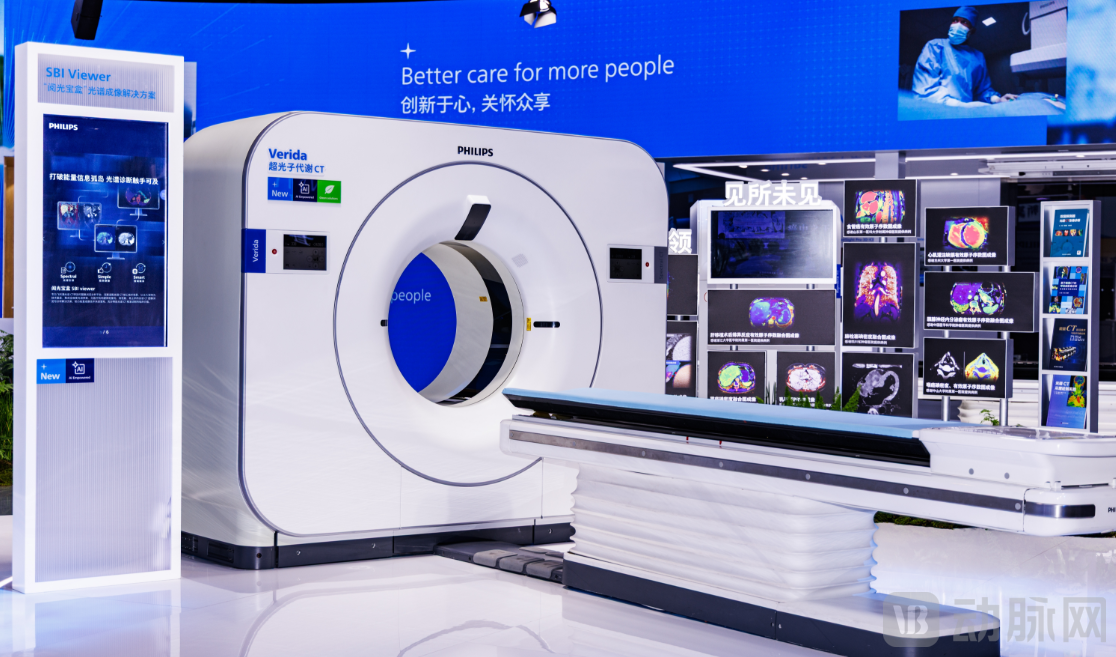
(Verida Spectral-Detector CT)
Exhibition staff introduced: "The Verida spectral-detector CT features a full-stack AI imaging system built from the ground up, breaking through the "impossible triangle" of traditional CT—high-resolution imaging, ultra-low dose, and precise energy. Meanwhile, the product is equipped with the independently developed SBI Viewer, further enhancing the efficiency of clinical examination and diagnosis."
More noteworthy is the shift in Philips' strategic narrative: its story has evolved from "bringing global innovations to China" to "leveraging Chinese clinical needs as a starting point, and participating in global innovation through local research and development, clinical co-creation, and industrial collaboration"—a framework it terms its "China Strategy 2.0."
At the adjacent GE HealthCare booth, the emphasis was on "Global Resources and China Innovation." A suite of intelligent medical devices from GE HealthCare, integrating global resources with local innovation, made their debut at this year's CIIE, including the deep silicon photon-counting CT, the new-generation long-axial-field PET/CT, the dual-energy X-ray absorptiometry (DEXA) bone densitometer, and a high-end whole-body AI-powered ultrasound diagnostic system.
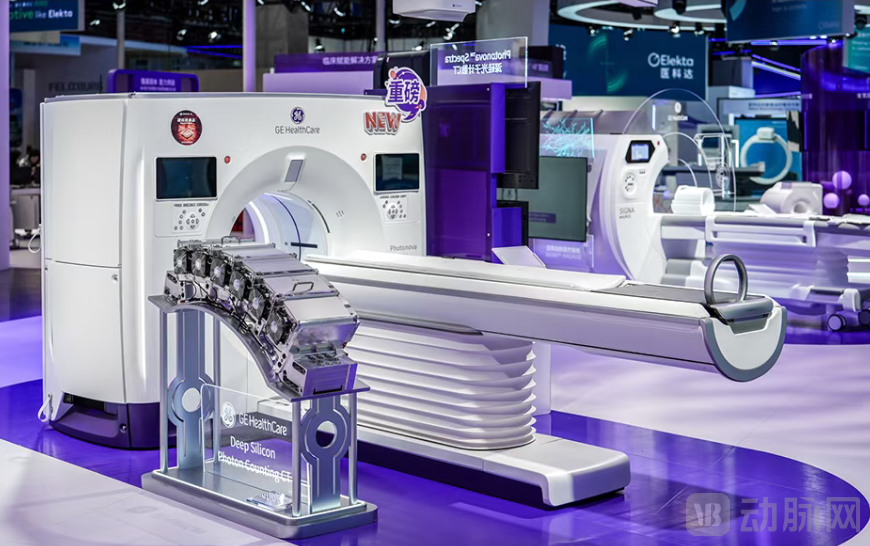
(Deep Silicon Photon-Counting CT Photonova Spectra)
Among them, the deep silicon photon-counting CT, Photonova Spectra, is a new generation of photon-counting CT that uses silicon semiconductors as the detector material; the new-generation long-axial-field PET/CT, Omni 128, features an ultra-long 128-cm axial field of view; and the LOGIQ Vita high-end whole-body AI ultrasound diagnostic system represents the integration of global resources with Chinese innovation.
On-site introduction: The LOGIQ Vita system leverages a new industrial design led by the China team and the innovative cSound soft beamforming platform to achieve full-field pixel focusing and ultra-high frame rate imaging, delivering outstanding image performance in abdominal and superficial applications. The device also incorporates various AI-assisted diagnostic tools and workflow AI settings, enabling automatic tissue recognition and intelligent parameter adjustment. It covers over 60% of routine clinical applications and offers specialized clinical capabilities such as precise quantitative assessment of chronic liver disease, challenging musculoskeletal evaluations, and precise guidance for interventional procedures.
At the nearby Siemens Healthineers booth, the message of "empowering global co-creation through local ingenuity" was also being conveyed. The company showcased a China-developed photon-counting CT scanner, the NAEOTOM Alpha.Prime. Developed by engineers in Shanghai, this product will be locally manufactured at Siemens Healthineers' Shanghai research and development and production base. It is the first photon-counting CT approved for market launch in China with radiotherapy simulation and localization capabilities.
This product not only provides precise imaging diagnosis for radiology departments, but also offers a precise imaging foundation for radiotherapy target delineation, dose calculation, and treatment efficacy assessment, thereby extending the clinical value of photon-counting CT from diagnosis to the treatment decision-making process.
Additionally, Siemens Healthineers' world-first photon-counting CT-guided PCI solution made its debut. This solution is currently the only PCI (Percutaneous Coronary Intervention) solution globally based on photon-counting CT technology for guidance.
Beyond "GPS," numerous multinational medical device exhibitors at Hall 2.1 also prominently showcased products co-created in China. For instance, the Haishan split-body laparoscopic surgical robot displayed by Johnson & Johnson was independently developed by Ronovo Surgical; Medtronic's global debut of its orthopedic surgical navigation system was independently developed by its Chinese team (Kanghui) and deeply co-created with Chinese orthopedic experts; Boston Scientific's global premiere of its electrode lead introducer sheath system was jointly designed and developed in collaboration with local partners and clinical experts to address Chinese clinical needs...
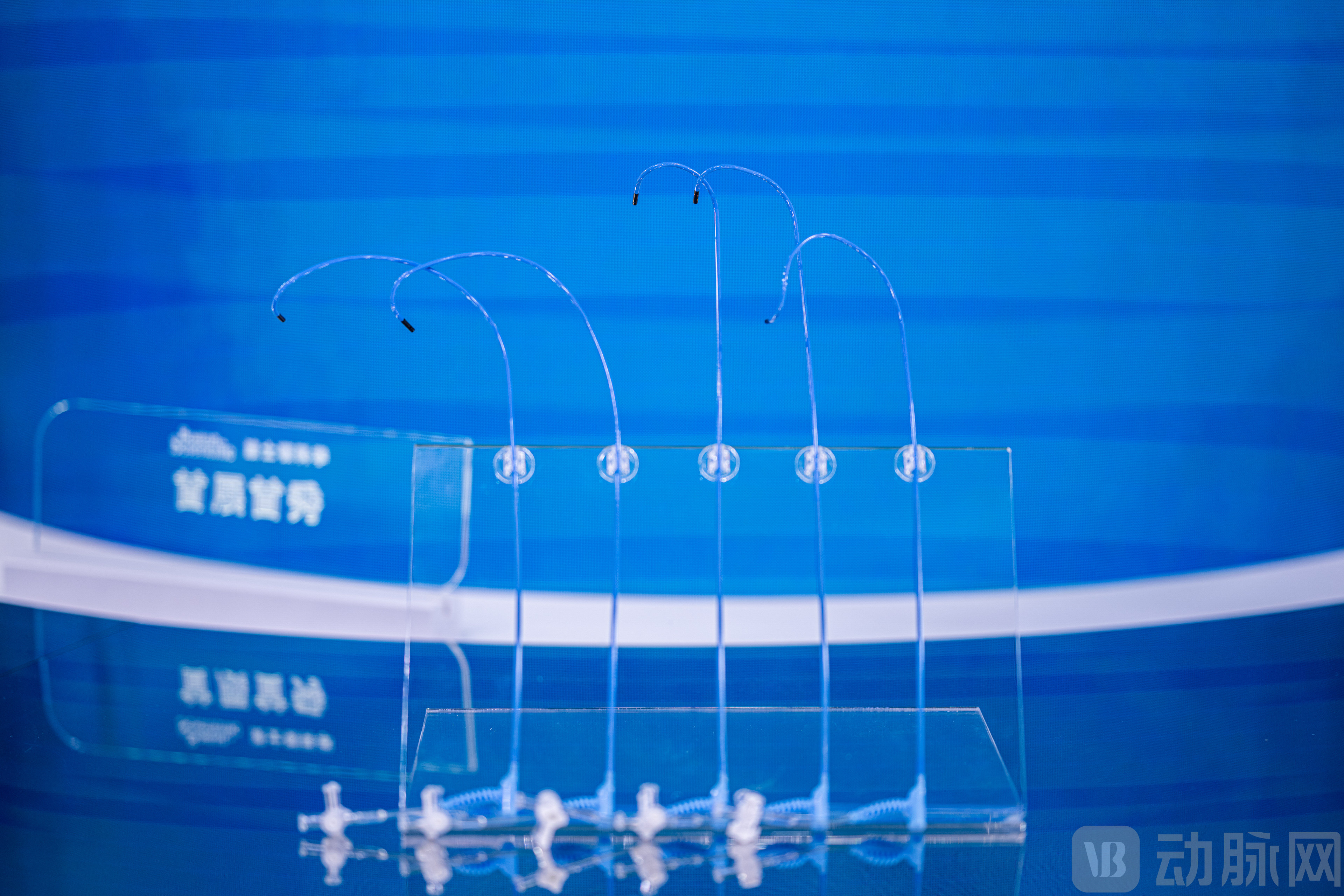
(Axis C-Sheath Electrode Lead Introducer Sheath Set)
These products are making their global debut with core research and development teams based in China. This signal is far more significant than "the launch of several new products," as it indicates that the China teams of multinational medical device companies are no longer merely engaged in local adaptation, but are driving the original definition of cutting-edge global products.
Not only medical device giants, but also multinational pharmaceutical companies concentrated in Hall 1.1 are collaborating with Chinese enterprises to co-create.
Novo Nordisk's IcoSema (insulin icodec and semaglutide injection), showcased at its booth, stands as a benchmark achievement in the endocrinology field at this year's CIIE. It is the world's first and currently only approved weekly formulation combining basal insulin and a GLP-1 receptor agonist (GLP-1 RA). Leveraging proprietary long-acting sustained-release combination technology, the treatment requires only one injection per week, significantly reducing the injection burden associated with long-term therapy and ushering diabetes management into the "era of precise weekly formulations."
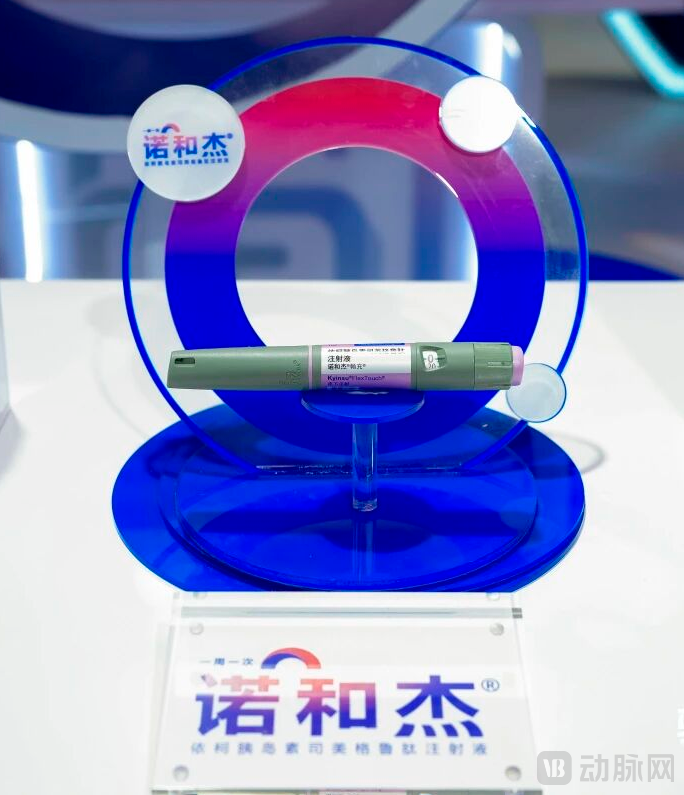
What sets this drug apart is that it achieved simultaneous research and development in China and a global first-to-market launch. Meanwhile, Chinese experts served as the global principal investigators for its Phase III clinical trials. This breaks from the old model of "overseas research and development with Chinese participation in clinical trials"; instead, Chinese experts were deeply involved from the clinical design stage, directly contributing to the establishment of global technical standards for new drugs.
In the past, clinical protocols, endpoint designs, and evaluation criteria for new drugs worldwide were predominantly led by experts from Europe and the United States, with Chinese teams largely playing a follow-up role. Now, as Chinese experts begin to serve as global principal investigators (PIs), it signifies that China's clinical experience, diagnostic and treatment paradigms, and patient characteristics are being incorporated into the global rules for new drug development.
Rovadicitinib tablets on the Sanofi booth represent another example. This first-in-class dual JAK and ROCK small-molecule inhibitor, indicated for primary myelofibrosis, made its global debut at this year's CIIE. The product is a Class 1 innovative drug independently developed by Chia Tai Tianqing; in March 2026, Sanofi was granted an exclusive global license to develop, manufacture, and commercialize rovadicitinib.
In addition, ecnoglutide, the world's first biased GLP-1 receptor agonist from Pfizer, was independently developed by the Chinese innovative biotech company Sciwind. Pfizer has secured exclusive commercialization rights for the drug in mainland China.
A drug developed by a domestic Chinese pharmaceutical company reached the global market through the international network of a multinational pharmaceutical corporation and made its global debut at the CIIE. This trajectory would have been unimaginable a decade ago. At that time, the terms "Chinese innovation" and "global premiere" rarely appeared in the same sentence.
As Sanofi CEO Belén Garijo stated, "Initially, we focused on how to "innovate for China"; today, we must address a broader, more global question: how to "co-create with China" and bring innovations originating in China to the world."
From "Innovating for China" to "Co-creating with China": Behind this subtle shift in wording lies the leap in China's position within the global landscape of pharmaceutical innovation.
The CIIE is not only a showcase for global innovative products, but also a vital platform for industrial transactions and cooperation.
Historically, assessments of cooperation outcomes at the CIIE have often focused on signing amounts and purchase orders. What deserves more attention in this year's edition is the shift in signing logic: long-term strategic layouts—such as production line construction, industrial investment funds, joint medical research centers, cross-border ecosystem agreements, and channel service networks—have emerged in large numbers. Compared to short-term product transactions, deep industrial-level investments have become the mainstream.
On the opening day of the expo, AstraZeneca advanced its RMB 100 billion investment plan, announced earlier this year, to the implementation stage at the CIIE. The company disclosed that the upgrade project for the new drug development and supply building at its Wuxi production and supply base, with a total investment of nearly RMB 200 million, has officially commenced construction. This initiative aims to significantly enhance production capacity for innovative cardiovascular drugs, supporting the synchronized global launch and supply of its pharmaceutical products. Meanwhile, AstraZeneca Cell Therapy (Shanghai) Co., Ltd. was established in Shanghai's Lingang area to complete its end-to-end cell therapy layout from research and development to commercial-scale manufacturing, serving the Chinese and Asian markets.
Boehringer Ingelheim signed an agreement on-site at the CIIE, planning to invest over RMB 100 million to build a new inactivated vaccine production line at its animal health base in Taizhou China Medical City; meanwhile, Medtronic officially announced that it is actively preparing for the third phase of the Medtronic China Fund, continuing to increase capital incubation for local medical innovation.
In addition to hardware-level investments such as plant construction and capital investment, collaborations in medical research have also flourished across multiple fronts, with partnering entities expanding from business-to-business relationships to include partnerships between enterprises and medical institutions. Pierre Fabre has joined forces with the Shanghai Children's Medical Center affiliated with Shanghai Jiao Tong University School of Medicine to jointly establish the "Joint Research Center for Infant, Child, and Adolescent Skin Health." This collaboration is driven by clinical needs to guide research and development efforts and relies on local real-world data to calibrate product design. For this health company deeply rooted in dermatological science, this also signifies that the definition of certain products is now being co-determined with participation from China's clinical sector.
The collaboration between CSL Behring and Peking Union Medical College Hospital is also highly representative. The two parties signed an agreement on the "AI-Enabled Diagnosis and Treatment of Hereditary Angioedema (HAE)" project, exploring the application of AI technologies in identifying HAE patients and assisting in diagnosis. HAE is precisely the indication for ANDEMBRY, CSL Behring's debut product at this year's CIIE. As soon as the product was unveiled, the construction of a supporting localized diagnosis and treatment system was simultaneously launched.
These two collaborations break away from the traditional framework of distributor procurement: the contracting parties are no longer channel distributors, and the objectives do not focus on short-term sales volume. Instead, they aim to accumulate clinical data, jointly establish standards for disease diagnosis and treatment, and refine localized diagnostic and therapeutic pathways. The value of these collaborations cannot be measured by quarterly financial reports, yet it profoundly determines the real-world application effectiveness of innovative products after their entry into clinical practice in China.
Beyond heavy industrial investment and deep collaboration between medical practice and research, domestic digital health platforms have also become a key link connecting multinational corporations with the Chinese market. During the CIIE, JD Health signed agreements with more than 20 global pharmaceutical and healthcare brands, including Pfizer, Merck, and Novo Nordisk, covering multiple sectors such as pharmaceuticals, nutritional supplements, and medical devices.
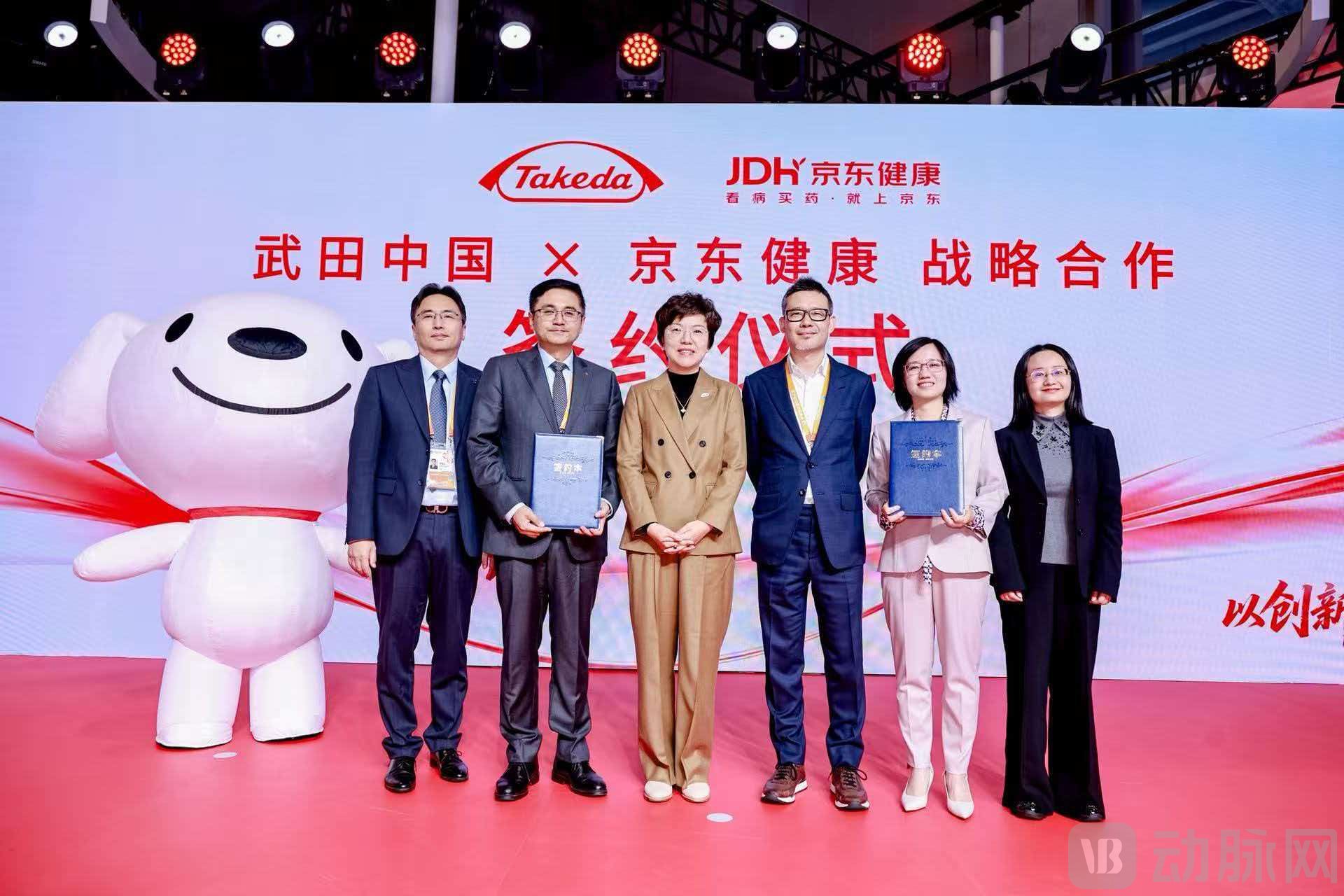
Beyond product-level collaboration, JD Health has simultaneously launched a one-stop "Medical Treatment in China" service, providing healthcare solutions in China for overseas patients. The initial phase of services covers Qatar, the United Arab Emirates, Kazakhstan, Indonesia, and other countries in the Middle East, Central Asia, and Southeast Asia, as well as Mongolia. The role of the Chinese market is gradually evolving from merely a recipient of innovative inputs to an exporter of medical service capabilities.
Meituan Medicine and Health has also been highly active, forging strategic partnerships with more than ten leading global pharmaceutical companies, including AstraZeneca, Roche Pharmaceuticals, and Novartis. These collaborations focus on the inaugural launches of innovative specialty drugs, chronic disease management, and the upgrading of its 24/7 Health Guardian Program. Additionally, Meituan has joined forces with Solventum, Osstem Implant, and the EssilorLuxottica Group to expand its footprint in consumer healthcare sectors such as pediatric oral care, dental implant coverage, and professional optometric fitting services.
As multinational corporations simultaneously establish production capacity, invest industrial capital, deploy medical research and clinical resources, and foster cross-border ecosystem collaborations in China, the "disappearance of the debut time lag" and "China co-creation" are no longer mere conceptual narratives on exhibition booths, but have become tangible industrial infrastructure ready for implementation.
In its ninth year, the narrative of the medical exhibition area at the CIIE has evolved.
The main theme of the first eight years was "bringing in": global innovations accelerated their entry into China through the window of the CIIE, shortening the time lag for patients to access new drugs from 5-8 years to 1-2 years, and now achieving "zero time lag" or even "first global launches." This was a phase of "building from scratch," first proving that global innovations could be rapidly implemented in China and ensuring that Chinese patients gained access to high-quality medicines.
Starting from the ninth edition, a new main theme emerged: mutual commitment.
On one hand, global innovation is entering China at a deeper level and an earlier stage, evolving from mere product introduction to synchronized research and development; on the other hand, China's domestic innovative capabilities are beginning to spill over, transitioning from following to keeping pace, and even leading in certain fields.
This is a phase of transitioning from existence to strength—merely rapidly introducing global innovations is insufficient; there must be locally defined, locally developed, and locally led innovative capabilities, as well as the confidence for Chinese innovations to go global.
The second half of the CIIE has just begun.