

The Underlying Logic of Chinese Medical Device Companies Going Global: Industry Insights from the Head of Tigermed-Jyton, a Medical Device CRO

Tigermed-Jyton
Medical Device CRO Service Provider

Tigermed
Biopharmaceutical R&D Service Provider
To support the global expansion of Chinese pharmaceutical and medical device enterprises, VCBeat has launched the "Going Global ING" series in its role as the permanent secretariat of the Global Medical Products Collaboration Platform (GMPC). Through in-depth interviews with leading domestic healthcare companies, the series provides practical references and strategic insights for local pharmaceutical and medical device firms seeking to establish a global presence. The subject of this ninth installment is Tigermed-Jyton, a company specializing in CRO services.
In March 2026, the new global headquarters building of Tigermed was completed, and the opening ceremony of the Tigermed Science and Innovation Park was held.
Tigermed occupies the fifth and sixth floors for its own use, while the remaining space has been leased to biopharmaceutical companies, portfolio companies of Tigermed's investment arm, and incubators. Peng Yifei, Chief Operating Officer (COO) of Tigermed, General Manager of Tigermed-Jyton, and General Manager of the Taiyuan Pharmaceutical Innovation Research Institute, stated that this represents a tangible manifestation of the company's innovation ecosystem — leveraging physical space to cluster innovative drug and medical device companies, thereby solidifying Tigermed's connections with them.
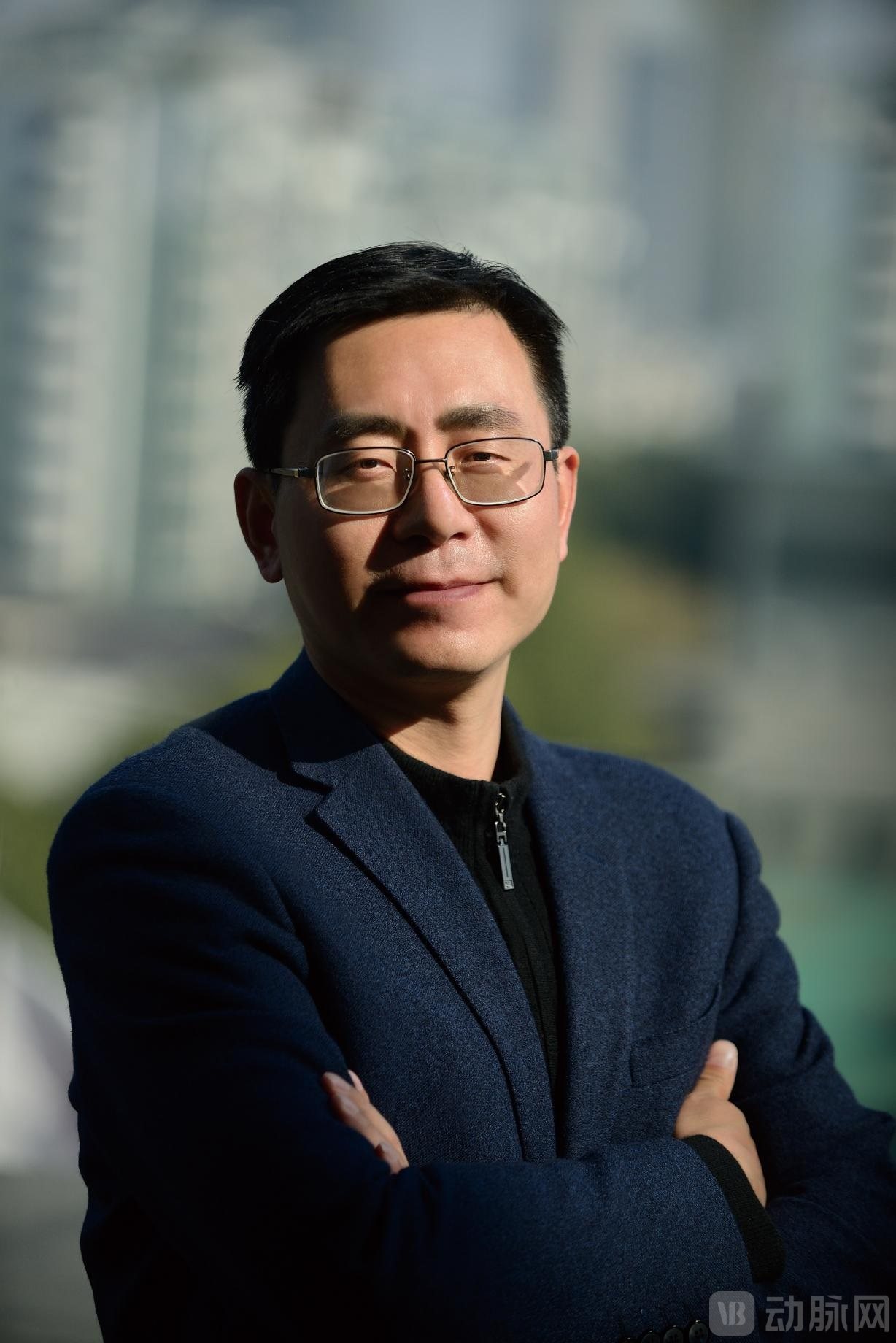
Peng Yifei, Chief Operating Officer (COO) of Tigermed, General Manager of Tigermed-Jyton, and General Manager of the Taiyuan Pharmaceutical Innovation Research Institute
Having served at Tigermed for over seventeen years, Peng Yifei has witnessed nearly all of the company's major milestones. In addition to overseeing the Medical Device Business Unit (Tigermed-Jyton), he also supervises group-level functional departments including administration, human resources, procurement, legal affairs, and infrastructure development, positioning him uniquely at both the business frontline and the organizational backend.
For Tigermed, expanding overseas is a natural progression. While narratives around pharmaceutical global expansion are well-trodden and BD deals frequently make headlines, this time we shift our focus to medical devices.
In Peng Yifei's words, the overseas expansion of medical devices remains "rather flat."
Calmness does not mean an absence of stories. On the contrary, while most industry players are still testing the waters, CROs on the research and development services side gain a clearer view of the true decision-making process — who is hesitant, who is engaging in trial and error, and who has already quietly found a viable path.
Within Tigermed-Jyton's project portfolio lie typical examples of Chinese medical device companies expanding into overseas markets.
To understand why Tigermed-Jyton's observations are important, it is first necessary to understand its position within the industry.
As a wholly-owned subsidiary of Tigermed, Tigermed-Jyton's services have covered more than 30 countries and over 2,100 clients worldwide, making it one of the leading medical device CRO companies in China.
Tigermed-Jyton's services primarily focus on innovative medical devices, targeting Class III high-risk products that feature technological sophistication and innovative highlights. Its client base consists mainly of startups and mid-sized companies. "Large enterprises typically have mature teams to manage these matters," said Peng Yifei. Small and medium-sized enterprises (SMEs) often struggle to balance these demands and lack sufficient manpower, making collaboration with a CRO a more optimal choice.
"Leave professional tasks to professionals."Tigermed's overseas layout provides support for medical device services: it is reported that the company currently has over 2,000 overseas employees, with a presence on every continent except Antarctica, and nearly all of them are local hires. In terms of staffing, frontline work involving liaison with local hospitals is basically handled by locals, while back-office functions such as study design, data management, and statistics are managed by the Chinese team. Peng Yifei pointed out that this Sino-foreign hybrid model ensures efficiency while helping clients save costs.
As a latecomer, Tigermed-Jyton entered the international CRO market with a cost-effective approach. However, Peng Yifei places greater emphasis on two other qualities: flexibility and cross-cultural communication skills. "Because Tigermed-Jyton understands the perspectives of both Chinese and foreign stakeholders, it is better equipped to resolve clients' issues," Peng emphasized.
Clearly, for all medical device companies expanding overseas, navigating clinical trials and regulatory registration is an unavoidable hurdle. CROs occupy a critical chokepoint at the research and development stage, witnessing not only the polished narratives that companies present externally but also their hesitations between strategy and execution — these authentic decision-making processes are precisely what tend to be most easily overlooked by outside observers.
From the perspective of Tigermed-Jyton's project pipeline, what stage is China's medical device industry currently at in its global expansion?
Peng Yifei used one word: "nascent and thriving." The flip side of this vigorous growth is that the industry as a whole remains in its early stages.
The most intuitive frame of reference is pharmaceutical companies.
Innovative drug companies have largely entered a comprehensive phase of global expansion: internationalization is incorporated into development strategies from the initial project planning stage, with early-stage research often conducted directly overseas or international multi-center clinical trials established from the outset. Regulatory requirements across multiple jurisdictions are taken into consideration from the very beginning. "To facilitate future dual filings and multi-country regulatory submissions," pointed out Peng Yifei, "many companies have mapped out their global strategies well in advance."
However, the situation differs for medical devices. In Peng Yifei's words, going global is "not currently incorporated into development strategies at an early stage." Only a few innovative medical device companies, whose core management teams possess an international perspective, consider global expansion from the outset. Most companies first establish a firm foothold in the domestic market and only begin to contemplate overseas strategies and make tentative arrangements after receiving recommendations from investors or experienced CROs.
The implications of this disparity are even more profound. "Incorporating global expansion into considerations at an earlier stage saves not just money, but also time."
The regulatory landscape for medical devices is also far more complex than that for pharmaceuticals: while regulatory frameworks for drugs are relatively similar across regions, those for devices vary significantly. Differences in regulatory stringency and approval pathways across countries and regions further heighten the challenges of international expansion.
In terms of product categories, the cardiovascular sector, dominated by high-value consumables, currently sees the highest volume of overseas expansion. As a major segment within the medical device industry, cardiovascular care features strong innovation capabilities and high consumption levels, naturally attracting numerous companies to expand globally. In vitro diagnostics (IVD) is another popular direction; domestic capabilities in this field are already robust, with the observation that "as long as there is a viable concept and market space, products of comparable high quality can be developed rapidly."
The next breakthrough Peng Yifei is most optimistic about is wearable medical devices, particularly health monitoring and therapeutic devices that integrate hardware and software. "Chinese companies possess strong research and development iteration capabilities and robust production supply chains." In his view, apart from categories restricted by geopolitical factors, such products are likely to enter the global market rapidly and on a large scale.
Fasikl, a client of Tigermed-Jyton, serves as a prime example. Headquartered in the United States with a branch in Hangzhou, the company's core product, the Felix NeuroAI wristband, has received FDA 510(k) clearance for treating upper limb dysfunction caused by essential tremor in adults. Worn on the wrist, the device leverages cloud-based AI to analyze and adjust stimulation parameters in real time, dynamically suppressing tremors and restoring motor control. This represents a breakthrough in non-invasive, non-pharmacological treatment, marking the first time an AI device has directly intervened in disease therapy. Tigermed-Jyton provided end-to-end support for the project's clinical trials in both China and the United States. Adhering strictly to international standards, the international multicenter clinical trial was conducted across 12 hospitals in China and the United States.
"Similar products will become increasingly common, a result of China's industrial foundation and the dividend from its engineer talent pool," said Peng Yifei. However, he remains clear-headed: innovation in medical devices is currently characterized by isolated breakthroughs, with certain categories reaching international first-tier or even leading standards, but this progress is not yet widespread. In the pharmaceutical sector, there has been a surge in business development (BD) transactions, with multinational corporations flocking to China to seek collaboration opportunities; the medical device sector has not yet reached this stage. He added, "Given China's industrial capabilities and momentum, the medical device field will soon reach a similar level, although the transaction scale will be relatively smaller.
With the stage clearly defined, the next question is: how to go global?
Through the extensive portfolio of projects served by Tigermed-Jyton, Peng Yifei has distilled a strategic framework for the global expansion of medical devices, centered on three interlinked decisions: where to go, when to go, and how to go.
The first question concerns the market. Peng Yifei's judgment is direct and clear: the core lies in product DNA.
Products with strong innovation capabilities, novelty, and the ability to genuinely address clinical needs are well-suited for developed markets. "If a product is merely a generic copy lacking innovative highlights, researcher interest in participating in clinical studies in Europe and the United States tends to be low," pointed out Peng Yifei. Researchers in Europe and the U.S. are willing to participate in studies only if the product demonstrates clear clinical innovative value. Even if similar products gain market approval after clinical validation, they still face intense competition from established overseas giants.
Cost-effective products are well-suited for Southeast Asia and countries participating in the Belt and Road Initiative. Chinese manufacturing has shed its labels of being cheap and low-quality, becoming synonymous with "high cost-performance." In these markets, Chinese companies can pursue an alternative strategy: replacing expensive imported brands with more cost-effective products, thereby improving healthcare accessibility for local patients.
Next come regulatory considerations: which countries offer easier approval pathways and which require redundant validation. "However, the overarching strategy is to prioritize product type, followed by regulatory factors, and finally local cultural preferences and other considerations."
The second question is timing. Peng Yifei repeatedly emphasizes: plan early.
Domestic market information is transparent, with most companies clearly aware of resource availability and potential future challenges. However, the high degree of information asymmetry in overseas markets makes it difficult for inexperienced enterprises to formulate comprehensive plans at an early stage. Peng Yifei suggests that companies aspiring to expand globally should leverage third-party resources during their initial planning phases — not only Contract Research Organizations (CROs) but also local consulting firms in target overseas markets.
There is a difference in mindset. Before entering the Chinese market, overseas companies typically engage firms such as Tigermed or Tigermed-Jyton to provide comprehensive advisory proposals and reports, paying for these professional services. In contrast, domestic companies tend to rely more on informal exchanges of experience, with the habit of paying for professional consulting still in the process of taking shape. Peng Yifei believes that changes in overseas markets are not as rapid as those in China; given the transparency of regulations in mature markets, paying for professional decision-making support is worthwhile.
In his view, many companies intend to expand overseas but get stuck at the stage of "making a firm decision." "Even without sufficient capital, if you are truly determined to go global, you can strive to secure resources, share profits with local partners, and explore an internationalization path suited to your current stage of development."
The third question is about the pathway. Peng Yifei suggests that companies fully leverage communication channels with regulatory authorities.
Regulatory agencies in mature overseas markets have relatively standardized communication mechanisms, allowing companies to proactively engage on technical issues and address any deficiencies in accordance with the requirements outlined by the regulators. However, this presupposes thorough preparation and targeted efforts, rather than hasty "meetings."
While the strategy has been determined, significant challenges remain at the execution level. The issues identified by Tigermed-Jyton in the project are highly representative.
The first issue is the budget. Conducting research of the same scale in Europe and the United States typically requires a budget two to three times that of China, posing a tangible challenge for many medical device companies. However, an even more prevalent issue than budget constraints is the cognitive bias regarding the pricing logic of Contract Research Organizations (CROs).
"Domestic companies often use the number of cases as the basis for CRO budgets. While the number of cases is indeed related to the budget, the core costs of a CRO are more determined by the manpower and timeline invested." He cited an example: if a project increases from 100 to 150 cases, it may seem like a 50% increase in workload, but if the time investment only increases by 10%, the cost might only rise by 10%. Conversely, if the number of cases remains unchanged but protocol amendments and follow-up periods double, costs will increase significantly because the CRO's actual time commitment has substantially increased. "For overseas operations, fees are often calculated based on man-hours."
The second issue is the selection of pathways during early-stage development. Many companies assume that determining "where to go" is a consideration reserved for the commercialization phase, whereas it should actually be addressed earlier, during the development stage. For instance, research on infectious diseases may necessitate sample collection in specific regions — studies on Zika and Ebola in Africa, for example, cannot bypass local contexts. Similarly, genomic-level analyses must account for ethnic differences. The site-selection logic for such developmental and research activities differs fundamentally from that of the commercialization phase.
The third issue is intellectual property. After expanding overseas, enterprises may face IP challenges or be challenged by competing companies, necessitating the early involvement of specialized legal services for support.
The fourth issue, which Peng Yifei considers the most easily overlooked, is post-market research. Domestic companies are generally accustomed to considering themselves "graduated" once they complete clinical trials, clear regulatory hurdles, and obtain certification, immediately shifting resources to next-generation products or sales efforts. However, he believes that innovative products should continue to be studied after market launch, consistently providing credible data to healthcare professionals. "This in itself is a form of marketing" — data demonstrating that the product delivers better efficacy and superior cost-effectiveness in larger-scale and more complex scenarios serves as the key driver for customer purchases. In this regard, pharmaceutical companies' practices are worth learning from by medical device manufacturers: post-market studies, combination therapy designs, indication expansions, long-term follow-ups, and pharmacoeconomic analyses all serve as evidence proving product advantages. "What doctors care about most is curing patients; therefore, the core element in persuading healthcare professionals remains clinical evidence."
Tigermed-Jyton has demonstrated through a single project that the quality of clinical trials for medical devices in China can withstand the most rigorous global scrutiny.
A gynecological device company has developed a biodegradable film for the treatment of intrauterine adhesions, with clinical trials being conducted simultaneously in Europe and China: the European segment is executed by a local CRO, while the Chinese segment is completed by Tigermed-Jyton. Data from both regions are used for FDA submission.
The FDA dispatched inspectors to China, employing a retrospective audit approach that scrutinizes details: inspectors first locate relevant records in the system and then trace the entire data lineage — identifying the origin of the data, the timing of record generation, the operational procedures performed, their association with surgical procedures, and ultimately, how the product was distributed. "If protocols are genuinely followed, the information will form a complete, unbroken chain, which is a key indicator of data authenticity."
During the verification process, the auditors communicated in English, with the investigators primarily responsible for addressing medical judgments and surgical inquiries. The accompanying staff promptly retrieved the corresponding documents in response to each question posed by the auditors. The speed of document retrieval itself reflects the solidity of the team's work — "If it takes a long time to produce materials after a question is asked, the likelihood of issues increases."
The entire audit lasted several days, and upon its conclusion, the auditor provided an on-site verdict: no issues were found, noting that the results were better than expected.
This is the first case of the FDA sending inspectors to China to conduct inspections of clinical studies on medical devices.
"We have conducted our work in full compliance with ICH-GCP requirements, and all documentation is fully traceable, so we are not afraid of audits," said Peng Yifei. This also demonstrates that the clinical quality of Chinese CROs has gained global recognition.
Having observed industry trends and recognized the challenges faced by enterprises, what exactly is Tigermed-Jyton doing to further empower businesses?
Peng Yifei revealed that Tigermed-Jyton is currently evaluating the establishment of a dedicated medical device business entity overseas to further strengthen its overseas CRO capabilities — on one hand, enhancing engagement with regulatory authorities, and on the other, helping clients connect with downstream resources to facilitate their market entry abroad.
The principle of "not doing it ourselves, but facilitating connections for clients" runs through Peng Yifei's business philosophy. Tigermed-Jyton has yet to venture into CDMO services, despite their close affinity with CRO operations. "I advocate more for open collaboration rather than integrating every link in the chain," he stated, expressing his desire to partner with CSOs possessing specialized capabilities and experience, thereby serving clients through shared resources.
Underpinning all of this is Tigermed's organizational culture. One of Tigermed's core values is "openness and inclusiveness," with respect for local cultures, laws, and regulations taking top priority. Peng Yifei, who also oversees the group's functional departments, particularly emphasizes: "Going global is not just about extending services to customers overseas; support for employees must keep pace. With more than 2,000 overseas employees spread across continents, the logistical support and service capabilities of our functional departments must be commensurate." This remains a key area where he continues to devote his efforts.
As the global expansion of China's pharmaceutical industry reaches impressive heights, Peng Yifei summarizes the current state of medical device exports with the phrase "just unfolding."
He offered two pieces of advice to founders of medical device companies preparing to go global: plan early and dare to venture and experiment. Planning early means learning from the practices of innovative pharmaceutical companies — having confidence in your product and considering international expansion from the research and development stage to fully leverage global resources. Daring to venture and experiment requires a spirit of adventure — "no product is guaranteed to succeed, and for everyone, this is new territory."
"Companies need not wait until all conditions are fully ripe to begin their international expansion; the first step in going global is to step out and seek professional support, making a firm commitment."
He has seen many companies fail to take this step due to concerns about competitors, lack of confidence in product strength, and budget constraints. However, in his view, whether or not a company can take this step ultimately depends on its determination.
The rougher the seas, the higher the price of fish. The wave of Chinese medical device companies going global has only just begun, and CROs and device manufacturers are natural partners. "In the future global market, we will inevitably have our place," said Peng Yifei with a smile.
The first step is to set sail for the stars and the sea.