

"I Underestimated China's Pipeline": A Global RNAi Pioneer Looks Inside China's Oligonucleotide Industry
Argo
RNAi Drug Developer
BD has never mattered this much, nor been this complicated. License-in is receding, License-out keeps setting records, NewCo is rising fast, multinational pharma keeps moving earlier into Chinese early-stage assets, and the traditional FA role is being redefined. Deals are more frequent than ever, but what deserves attention is not just the headline figure but the logic and the story behind it.
We do not relay deal news; we deconstruct the logic of the industry.
The "BD in Depth" column sets out to answer the questions that announcements leave open: why do Chinese assets still struggle to shake off a "discount" when the targets are the same and the data comparable? Which deal structures create more long-term value? Through each BD deal, we look at what is changing in the innovative drug industry.
In this issue, we revisit the surge and the challenges of China's oligonucleotide industry through the international perspective of Dr. Stuart Milstein, a pioneer in the global oligonucleotide field.
Dr. Stuart Milstein is one of the earliest pioneers in the global oligonucleotide field, yet the breakout of Chinese pharma companies once caught him off guard.
In January 2024, Chinese oligonucleotide company Argo Biopharma signed two exclusive licensing agreements with Novartis for RNAi therapies, with an upfront payment of USD 185 million and a potential total value of up to USD 4.165 billion.
This was the first Chinese innovative drug company that truly caught Dr. Milstein's attention. He had assessed many Western innovative drug assets and had looked at Argo before the Novartis deal, but he had not expected the company to be so deeply and broadly positioned across key cardiometabolic targets, nor realized that some of its assets had already advanced to a fairly late stage.
"I underestimated the Chinese biotech ecosystem, and I underestimated the progress Chinese companies have made in RNA therapeutics," Dr. Milstein said.
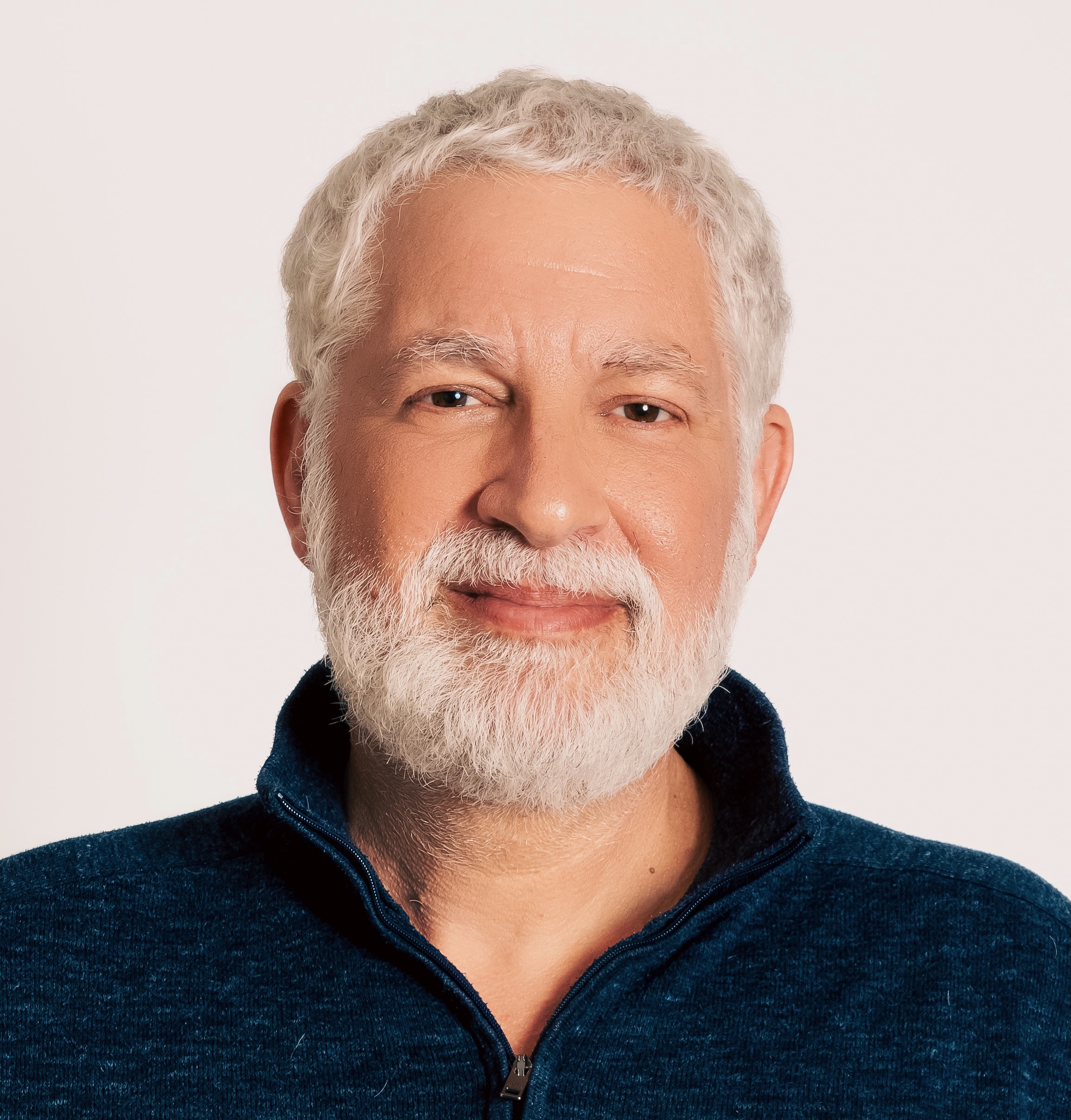
Dr. Stuart Milstein
Dr. Milstein has more than 25 years of experience in RNA therapeutics, genetics, genomics, and platform biology. He spent more than 12 years at Alnylam Pharmaceuticals, the global leader in RNAi therapeutics, and took part in the discovery and optimization of Onpattro, the first approved RNAi therapeutic worldwide, and Inclisiran (later acquired by Novartis), the first siRNA drug approved for a major indication.
He is also one of the inventors of the C16 lipid conjugate technology and led the development of the chemically optimized siRNA template DV18/DV22, now one of the industry's standard platforms.
2024 was the breakout year for BD deals in China's innovative drug sector, with both the number and the value of transactions hitting new highs, and it was also the year Dr. Milstein began watching Chinese oligonucleotide companies closely.
Dr. Milstein is highly optimistic about innovation and growth in China's oligonucleotide industry, but he is equally direct: scientists should focus on innovation itself, on solving unsolvable problems, and win through innovation rather than through speed.
"Investors should take the long view. Fast-follow can bring quick money, but real long-term returns come from backing patient innovation, from building new platforms and solving problems that could not be solved before."
01.
Witnessing the Industrialization of Oligonucleotide Therapeutics
In the late 1990s, Milstein went to Cold Spring Harbor Laboratory for his doctorate. Known as the cradle of molecular biology, the laboratory is one of the acknowledged holy sites of global life science and has produced eight Nobel laureates.
Here, in 1953, James D. Watson gave the first public talk describing the double-helix structure of DNA; in 1951, Barbara McClintock discovered genes jumping on maize chromosomes; in 1977, Richard Roberts discovered split genes and RNA splicing.
Scientists could be found here even at three in the morning on a Saturday.
Outside the laboratory lies a beautiful lawn where Nobel laureates walk or give interviews. That lawn was right outside Milstein's lab, where he was studying Caenorhabditis elegans (C. elegans), the organism through which scientists discovered RNAi.
Across the lawn was the lab of Greg Hannon, another giant in the oligonucleotide field, who was uncovering the basic biology of RNAi in mammalian cells and later turned RNAi from a biological phenomenon into a standard tool in biomedical labs worldwide.

Dr. Stuart Milstein by the sea
At the time, Milstein could hardly have imagined that he would one day take part in the development and launch of Onpattro, the world's first oligonucleotide drug, and become one of the earliest pioneers in the field, or that another drug he helped develop would become a blockbuster with annual sales above USD 1 billion.
In 2008, oligonucleotides were still a frontier field, and Dr. Milstein joined Alnylam. "I have never seen such conviction anywhere else. Everyone believed in the science they were doing, and believed these new drugs could truly change patients' lives."
Many basic research questions had been settled by then: oligonucleotides had been validated in mammalian systems, and siRNA-mediated silencing had been demonstrated in non-human primates.
But turning siRNA into a drug, and RNAi into a therapeutic modality, was still a long road.
Onpattro is the starting point of the oligonucleotide era, and one of the first projects Dr. Milstein worked on was identifying the siRNA molecule in the drug; the first activity data it produced may still be sitting in one of his lab notebooks.
In 2018, Onpattro was approved, and from 2023 to 2025 it generated more than USD 780 million in revenue.
He later joined the development of Inclisiran, the first oligonucleotide drug approved for a major indication such as cardiovascular disease.
Inclisiran was born in Alnylam's labs, advanced through clinical development by The Medicines Company (MDCO), and eventually acquired by Novartis for USD 9.7 billion and brought to global markets, with 2025 global sales reaching USD 1.198 billion.
In Dr. Milstein's view, Inclisiran marked the maturation of the technology. "By then we understood much better how chemical modifications affect biological function, and we knew how to engineer molecules to be potent while staying safe and stable."
"When developing these two drugs, people often underestimate how hard target selection is. We need targets whose effects can be validated quickly in the clinic. Onpattro targets TTR, Inclisiran targets PCSK9; both proteins are secreted into the blood and form biomarkers, so a simple blood draw can track knockdown directly and tell you whether the drug is working," Dr. Milstein told VCBeat.
Drawing on more than 15 years of siRNA experience, Dr. Milstein also led the development of a chemically optimized siRNA template (DV18/DV22), which has become one of the industry's standard platforms.
He later served as Vice President of Platform Biology at Korro Bio, where he helped build the ADAR-mediated RNA editing platform and accompanied the company from seed round to Series B; as Chief Platform Officer at Senda Biosciences (now Sail Biomedicine), he helped close a Series C of about USD 125 million and drove its transition from a research company to a development company.
Today Dr. Milstein is a co-founder of Sunrise BioVentures, where he works with founders and investors to nurture oligonucleotide startups and help early-stage companies mature. He is also Chief Platform Officer at Aerska and Chief Scientific Officer at Orfonyx Bio.
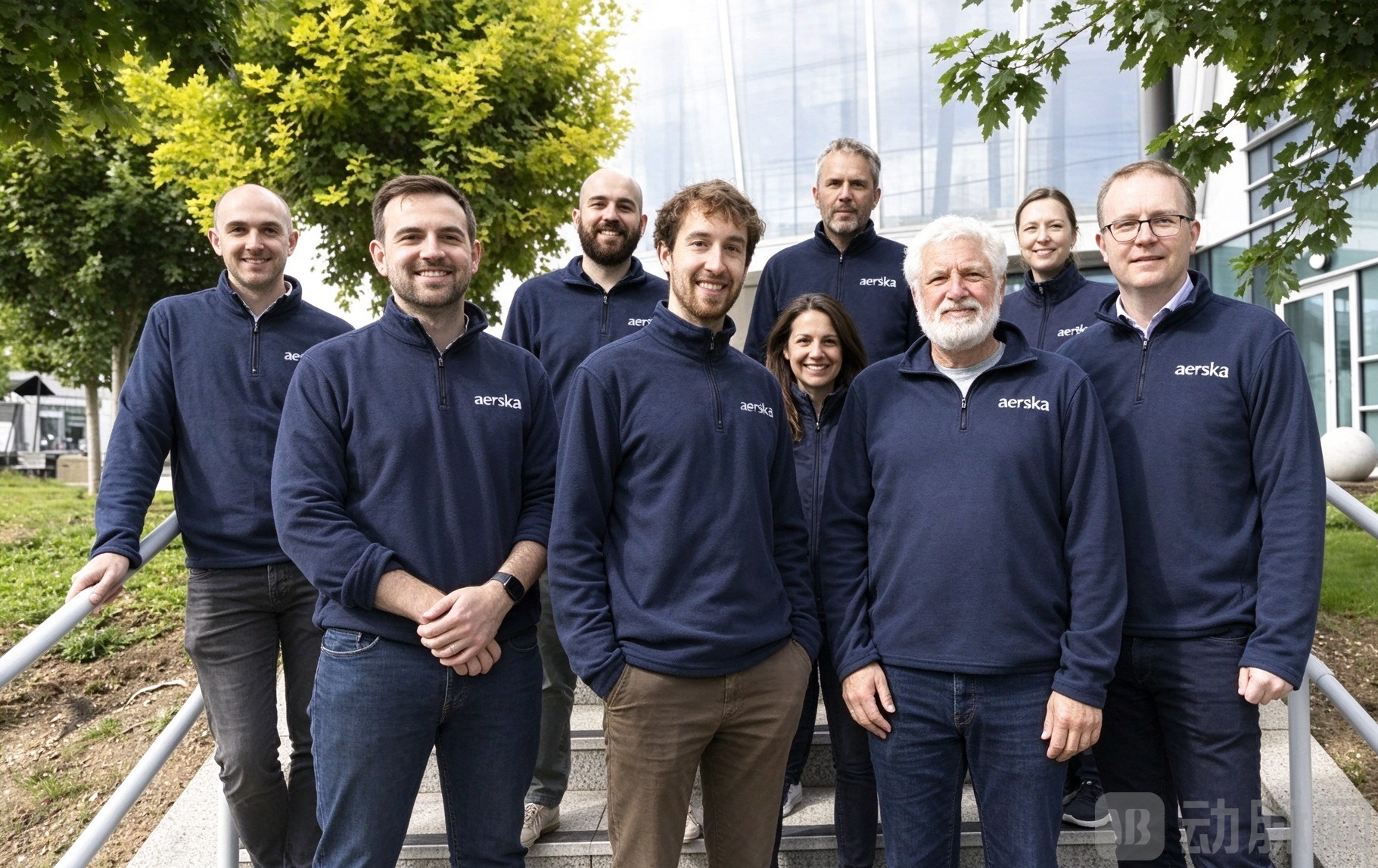
Dr. Stuart Milstein with the Aerska team
02.
Two Sides of Chinese Innovation
Since 2024, out-licensing deals by Chinese innovative drug companies have kept heating up and quickly extended into RNA.
Beyond Argo Biopharma, SanegeneBio's USD 1.5 billion deal and Ribo Life Science's deal worth more than USD 2 billion also impressed Dr. Milstein, and he wanted to come and see China for himself.
In May 2026, Dr. Milstein came to China for the first time and met a good number of RNA therapy companies, CROs, clinical PIs, and VC institutions. He found China's biopharma ecosystem increasingly mature, with increasingly obvious advantages.

Dr. Stuart Milstein (first from left) on his first visit to Shanghai
Dr. Milstein is particularly interested in China's IIT (investigator-initiated trial) framework.
In his view, interest in this path across the Western biotech community was fully ignited after EsoBiotec was acquired by AstraZeneca for USD 1 billion on the strength of IIT validation, and YolTech Therapeutics won FDA approval for Phase II/III trials using IIT data.
According to earlier VCBeat research, more than 10 European and American RNA companies have explicitly expressed interest in running IITs in China, and one U.S. rare disease company is preparing to use Chinese IIT data to speed up FDA approval and save on costly early-stage clinical work.
Dr. Milstein is still studying China's IIT framework in depth. He and his peers in RNA therapeutics are exploring collaborations with Chinese hospitals, hoping to obtain proof-of-concept (POC) data faster and at lower cost. "The safety of RNA therapeutics has been well validated clinically, so we are not too worried about irreversible toxicity in IIT patients."
"Of course, aligning IIT data with FDA standards and serving the interests of all parties will still take time, and deeper communication among sponsors, the FDA, and Chinese regulators. I also very much respect the balance Chinese regulators strike between speed and safety; patient safety always comes first," Dr. Milstein told VCBeat.
IIT represents China's clinical-side advantage; further upstream, in research, Dr. Milstein sees a structural difference.
"Western pharma works very closely with universities and academic teams, especially on new biology or mechanisms, but in China we rarely come across academic spin-offs. Chinese researchers publish more and more high-impact papers, yet much of that innovation never gets commercialized."
Dr. Milstein's observation is backed by data: research shows that the commercialization rate of biomedical patents from Chinese universities is about 6.1%, and the overall commercialization rate of biomedical research outputs is around 5%, far below the 25% to 30% seen in developed Western countries.
By comparison, between 1998 and 2022, more than 17,000 academic spin-offs were founded by university professors' teams in the United States and became a mainstream part of the industry, whereas in China this model of companies splitting directly out of university labs remains rare, and assets are more often taken up by industry incumbents.
Once a project enters engineering and clinical development, however, the explosive power of the Chinese system shows.
Dr. Milstein believes this stems largely from the diligence of Chinese people: efficiency comes not only from infrastructure or technology but from people, whether at biotech companies, pharmaceutical firms, service providers, or hospitals.
03.
Inside Cross-Border BD Deals
Dr. Milstein has taken part in due diligence on multiple oligonucleotide projects. In BD deals involving Chinese innovative drug companies, he sees the most attractive selling points for international buyers as solid data, a clean freedom to operate (FTO) position, and a leading place in the competitive queue, with only a handful of U.S. or European companies ahead.
"We have heard of many deals that ultimately fell apart, either because of FTO problems, or because competition on the same target was too intense and there was no preclinical differentiation, or because the asset lost its chance to be best-in-class."
FTO essentially determines whether a technology can be freely developed and brought to market without infringing others' patents, and it is a key screening step in MNC due diligence.
Because the oligonucleotide field is dense with foundational patents and major litigation can cost hundreds of millions of dollars, buyers will not gamble on a global sales ban for an asset with infringement risk.
Dr. Milstein also found that Chinese pharma companies apply different criteria than Western buyers when designating a development candidate (DC). Western buyers usually require non-human primate (NHP) data before formally confirming a DC. In oligonucleotides, at least, NHP data remains the gold standard for reducing human translation risk.
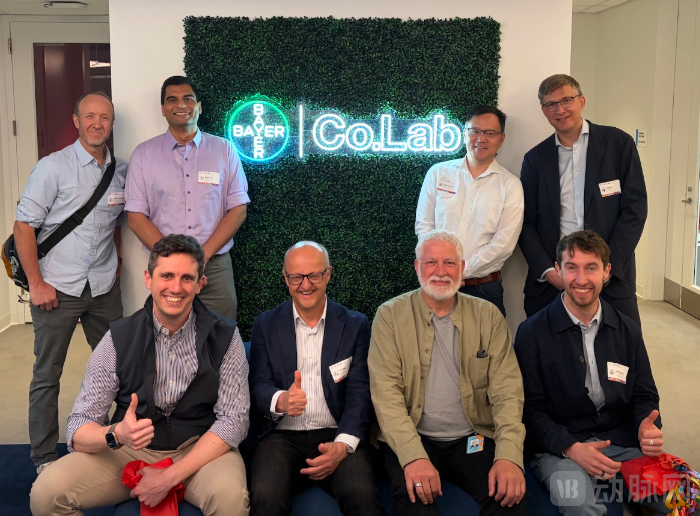
Aerska opens a new office in Boston, joining the Bayer Research and Innovation Center
Dr. Stuart Milstein (second from right, front row)
Under these screening criteria, the Chinese assets that have made it out so far appear highly concentrated.
Dr. Milstein says most Chinese assets that have completed BD deals are GalNAc-conjugated siRNAs targeting mRNA expressed in the liver, mainly for cardiovascular and metabolic indications.
Argo Biopharma's two deals with Novartis, for example, carry a combined potential value of more than USD 9.3 billion, and both point to cardiometabolic pipelines; Ribo Life Science's USD 4.4 billion deal with Madrigal explicitly builds on its liver-targeted RiboGalSTAR platform to develop MASH siRNA therapies.
Industry analysis suggests that the maturation of GalNAc liver-targeting technology is rapidly expanding siRNA indications from rare diseases into chronic diseases such as cardiovascular and metabolic disorders.
Dr. Milstein also found that China has made enormous progress in building best-in-class molecules or dual-target siRNAs around targets that Alnylam, Arrowhead, Dicerna, and others have explored. "In 2025, a U.S. VC fund asked me to help with due diligence on a dual-target siRNA from a Chinese biotech company, and the data were very convincing."
Chinese companies do have a clear edge here. In September 2025, for example, Mabwell's dual-target siRNA 2MW7141 was licensed at the preclinical stage to Kalexo Bio, set up by Aditum Bio, in a deal worth up to USD 1 billion, seen as a landmark early out-licensing of a Chinese dual-target oligonucleotide.
Then there is BEBT-701, BeBetter Pharma's in-house AGT/PCSK9 dual-target siRNA positioned as a global first-in-class: it was cleared for clinical trials in February 2026 and dosed its first patient in March. And MWX205, a PCSK9/ANGPTL3 dual-target siRNA from Minwei Biotech, a Lepu Medical subsidiary, is the first drug of its kind to enter clinical development globally.
This means that although Chinese companies have matched global first-in-class speed in engineering iterations such as dual-target combinations, the main battlefield of Chinese oligonucleotide BD remains highly concentrated in validated liver targeting and cardiometabolic space.
The underlying advantage is Chinese companies' ability to iterate on mature technology platforms and produce best-in-class or dual-target molecules extremely fast. But it also suggests that crowding into the same liver targets may not be sustainable, and the next wave of value lies in extrahepatic delivery and new targets.
Dr. Milstein already sees potential in extrahepatic delivery in China, including neuromuscular, central nervous system, kidney, and heart, coming not only from siRNA/ASO companies but also from collaborations between antibody or peptide companies and siRNA/ASO companies.
In his view, Chinese siRNA/ASO companies have the opportunity to develop new targets with Western partners, both inside the liver (transcription factors, nuclear receptor cofactors, secreted protein regulators, and so on) and outside it, especially monogenic rare diseases, which is where the next wave of innovation lies.
Earlier VCBeat interviews found that Chinese small biotechs have certain efficiency advantages but lack the financial strength to run overseas clinical trials and the overseas disease-specific clinical teams; some Western biotechs, in turn, need assets at the right stage and are better at setting standards, identifying targets, and running international trials, and many have strong VC fundraising capacity, so there is plenty of room for collaboration.
The June 2025 collaboration between Sirius Therapeutics and CRISPR Therapeutics is a typical case of this model: the two companies are developing the siRNA therapy SRSD107 globally under a 50:50 cost- and profit-sharing arrangement, with Sirius receiving USD 95 million upfront and eligible for more than USD 800 million in milestone payments.
"Right now I am working with the team at Pilot Capital to advance collaborations with Chinese biotech and pharmaceutical companies in extrahepatic delivery. I believe these cross-border collaborations can breed more success stories like Alnylam, Ionis, and Arrowhead," Dr. Milstein told VCBeat.
Pilot Capital is a boutique investment bank founded by former Jefferies banker Sheng Da that focuses on cross-border licensing deals between China and the rest of the world in RNA therapeutics, a close fit with Dr. Milstein's industry experience.
From the lawn at Cold Spring Harbor to co-founding the incubator Sunrise, Dr. Milstein has consistently practiced the long-termism of "building new platforms and solving unsolvable problems." He knows China's speed in engineering iteration, and he has also seen the gap in early-stage translation.
Today he is bringing the Western experience of incubating early-stage assets to China. In this new wave, Dr. Milstein is using his unusual dual identity to help China's oligonucleotide industry integrate into the global innovation ecosystem. (All images in this article were provided by the interviewee.)