Professor Zhang Junbo's Team at The First Affiliated Hospital of Xi'an Jiaotong University: Combined Use of DKutting® LL Peripheral Scoring Balloon and Excimer Laser for In-Stent Occlusion in Lower Extremity Arteries

DK Medtech
Vascular Interventional Balloon Product Developer
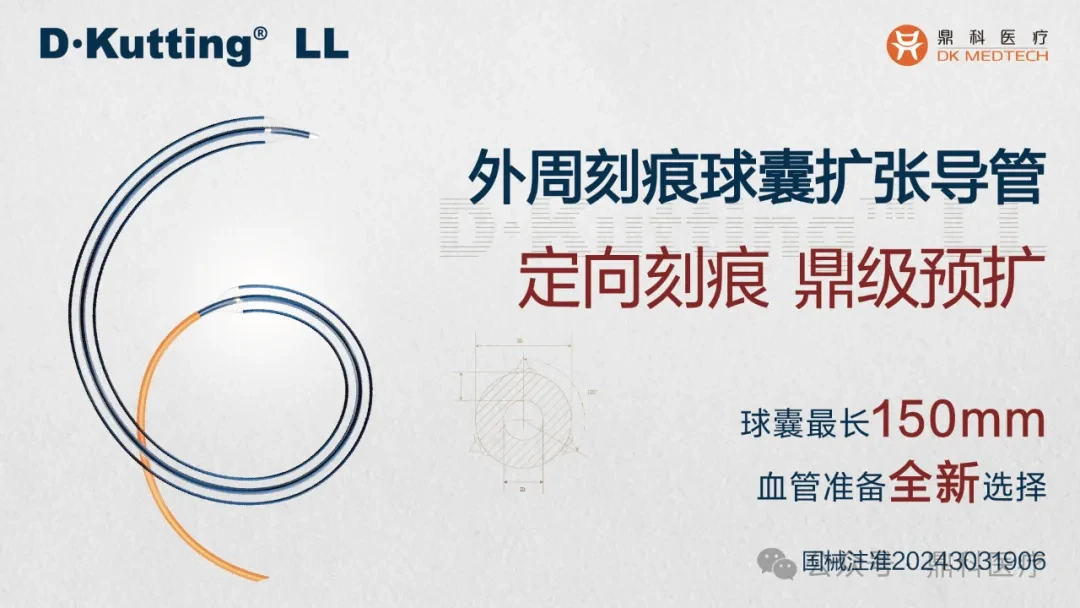
DKutting®LL continues to use DK Medtech's unique triangular nitinol coil spring patent technology, combined with the actual clinical needs of lower limb arteries, significantly increasing the length of the scoring element (up to 150mm). It has also developed a completely coaxial balloon delivery system compatible with 0.014"/0.018" guidewires and enriched the selection of balloon diameters at 0.5mm intervals.
DK Medtech's exclusive directional scoring balloon boasts comprehensive performance with robust radial expansion and flexible axial bending. Its clinical performance has been widely recognized in both the coronary and hemodialysis access fields. The latest development is the DKutting.®LL Scoring Balloon Designed Specifically for Lower Limb Arterial Interventions Demonstrates Significant Clinical Advantages in Directional Dilation Mechanism, Setting a New Standard for Peripheral Vascular Pre-dilation.
DK Medtech Special Release[Professor Zhang Junbo's Team: DKutting®Case Presentation: LL Peripheral Scoring Balloon Combined with Laser Treatment for Lower Limb Artery Stent Occlusion, demonstrating the precise operations of each case and the clinical application of advanced equipment and instruments. From the formulation of treatment strategies for different cases, standardized intraoperative procedures and technical applications, complication prevention, to perioperative management, etc., the aim is to promote the standardization of diagnosis and treatment for vascular stenosis and occlusive diseases, strengthen technical exchanges and experience sharing among doctors, with the hope of providing new ideas and methods for future diagnosis and treatment, benefiting more clinical patients.
DKutting® LL Peripheral Scoring Balloon Combined with Excimer Laser
Management of Occlusion within Lower Limb Arterial Stents
The First Affiliated Hospital of Xi'an Jiaotong University
Zhang Junbo, Pang Honggang, Dou Meng, Xue Beilei, Wu Xiaomin
Patient Information
Basic Information:Female, 67 years old.
Chief Complaint:Intermittent claudication of the left lower limb for more than a year, worsening over the past month.
History of Present Illness:More than a year ago, the patient developed intermittent claudication in the left lower limb without obvious cause, with a walking distance of about 500 meters; the effect of drug treatment was poor. Six months ago, the patient underwent interventional treatment at another hospital and improved after stent implantation. One month ago, claudication recurred, accompanied by coldness in the foot. In the past half month, the claudication distance has been about 50 meters.
Past Medical History:Coronary heart disease for 5 years, stent surgery 3 years ago, cardiac function is acceptable; hypertension for over 10 years, diabetes for over 10 years, under acceptable control.
Physical Examination:Vital signs are stable, and no abnormalities were found in the heart, lung, and abdomen examination; the left lower limb foot is red in color, the first and second toes are cyanotic, skin temperature is significantly lower than the contralateral side, bilateral femoral artery pulses are palpable, but no pulse was detected in the left popliteal artery or dorsalis pedis artery.
Admission Diagnosis:
Lower Extremity Arteriosclerosis Obliterans, Occlusion within Stent;
Coronary Heart Disease: Post-Coronary Stent Surgery Status;
Type 2 Diabetes;
Hypertension Grade 3 (Very High-Risk Group).
Previous interventional treatment
Time | Main Treatment Process |
2024-05 | Two stents were implanted in the left lower limb at another hospital. |
Preoperative Examination
Blood routine and liver/kidney function biochemical tests are acceptable.
BNP and Troponin Normal
Echocardiogram EF 55%; Carotid ultrasound indicates carotid plaque formation (bilateral, diameter stenosis <50% on both sides).
Chest X-ray shows no abnormalities.
ABI Left 0.1, Right 0.7
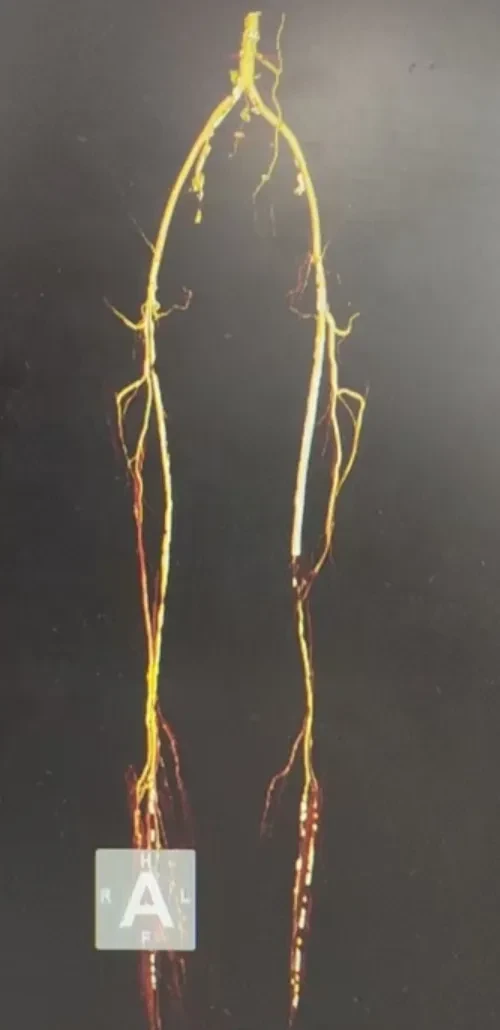
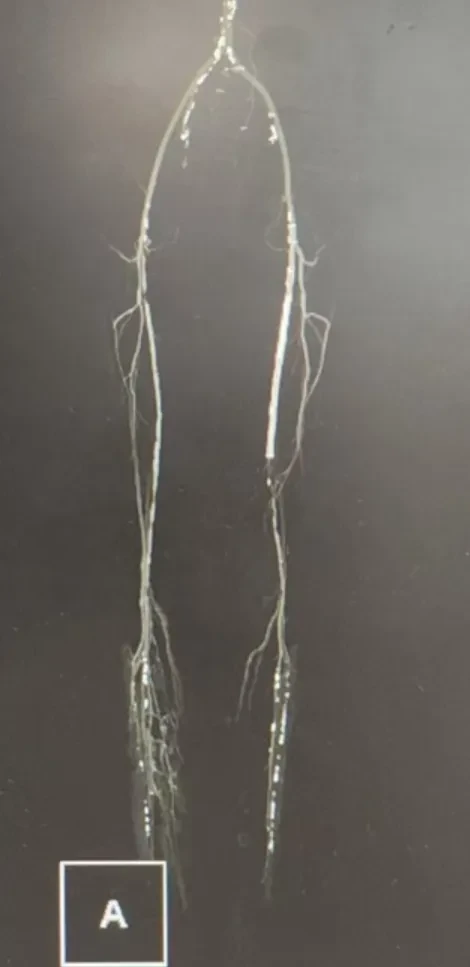
CTA (external hospital) see the figure below
Preoperative Analysis
Preoperative Analysis:Elderly female with multiple risk factors for arteriosclerosis, presenting symptoms of severe claudication in the left lower limb and critical ischemia in the toes, classified as a CLTI patient.
Surgical Objective:
Main Objectives:Restenosis within the stent.
Secondary Objective:At least one infrapopliteal artery is opened to the toe vessels.
Surgical Strategy/Plan:
Principle:Recanalize occluded vessels, perform debulking + DCB, and avoid implanting rescue stents as much as possible;
Approach:Transmountain Puncture;
Opening:Crossing the mountain sheath, attempt with a guidewire in the forward direction; if unsuccessful, reverse puncture at segment P1.
Vessel Preparation:Occlusion within the stent, severe stenosis outside the stent, laser ablation inside the stent after passing through the true lumen, followed by balloon dilation preparation, and finally adopting DCB as per the situation.
Surgical Procedure
Baseline Situation
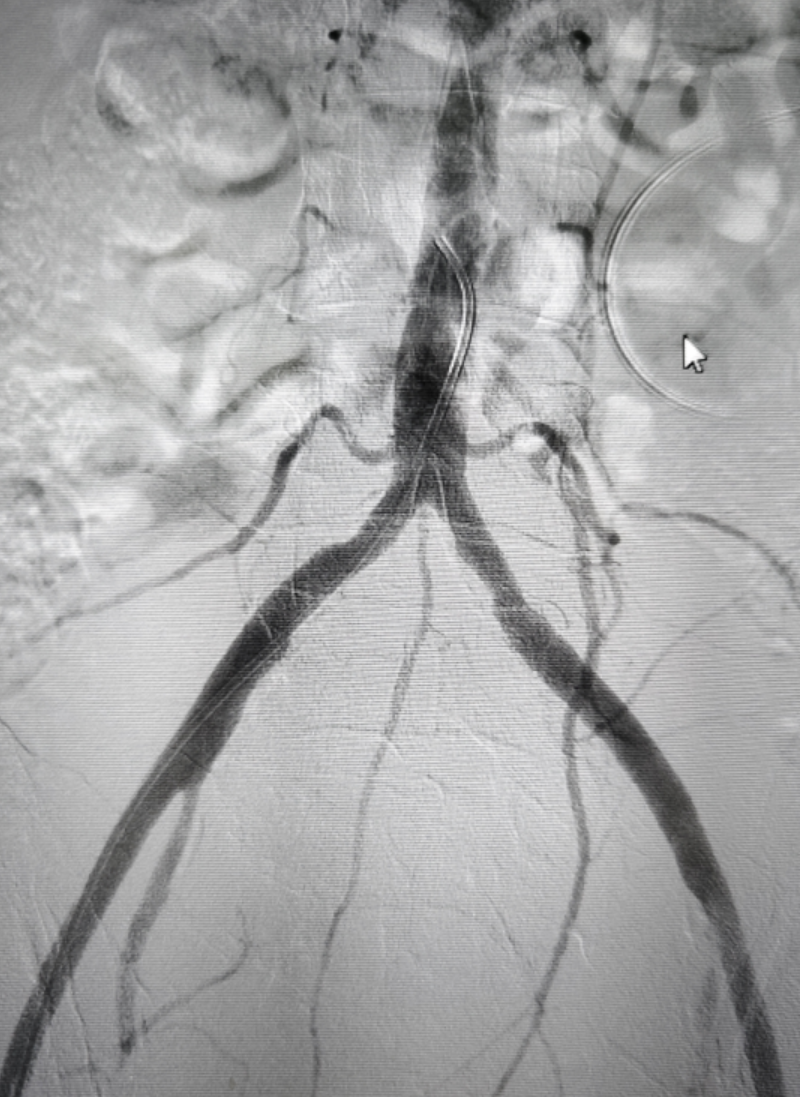
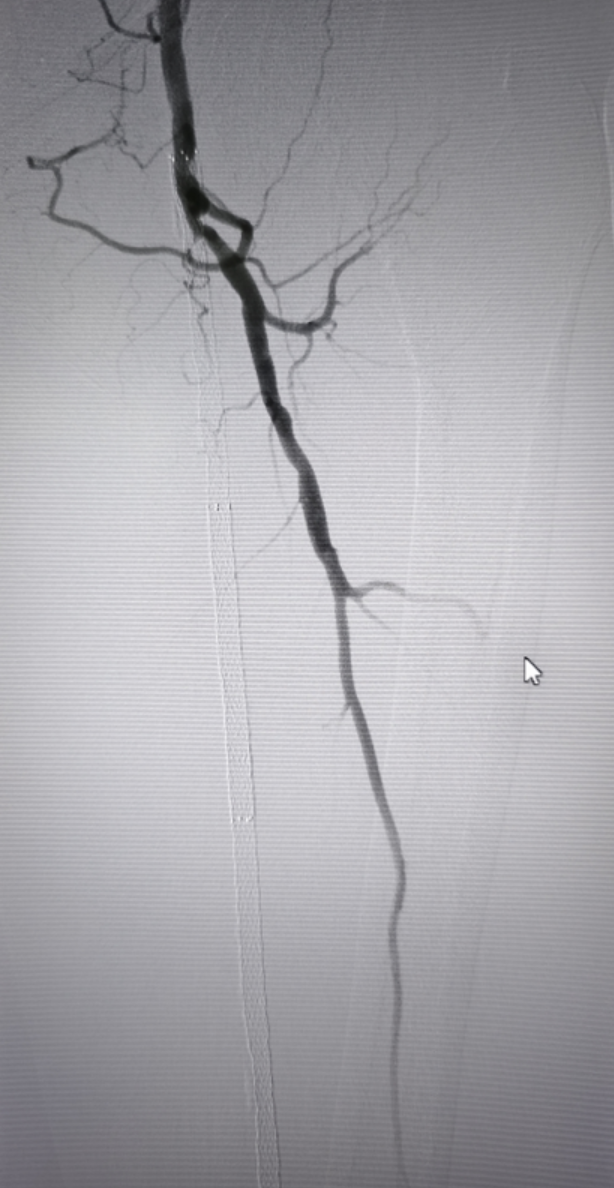
The imaging of bilateral iliac arteries is acceptable. The stent in the left superficial femoral artery protrudes into the common femoral artery, covering the orifice of the deep femoral artery, with occlusion within the stent.
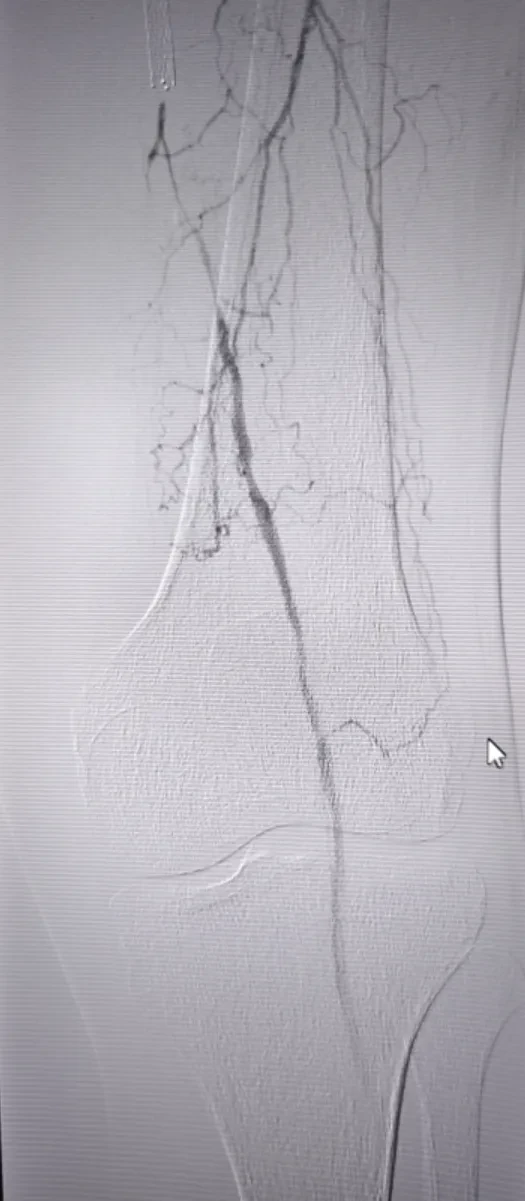
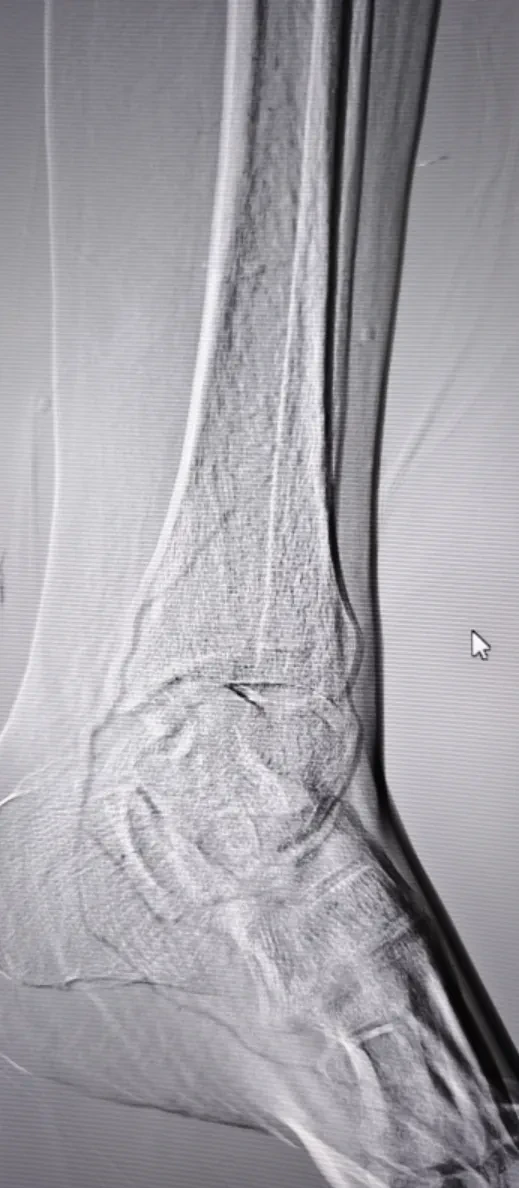
The popliteal artery is visualized through collateral circulation, with severe stenosis in the P1 segment and mild arteriosclerotic changes in the P2 segment. The arteries below the knee show unclear visualization due to lower limb pain during movement, and slow visualization is observed from the distal posterior tibial artery to the plantar artery.
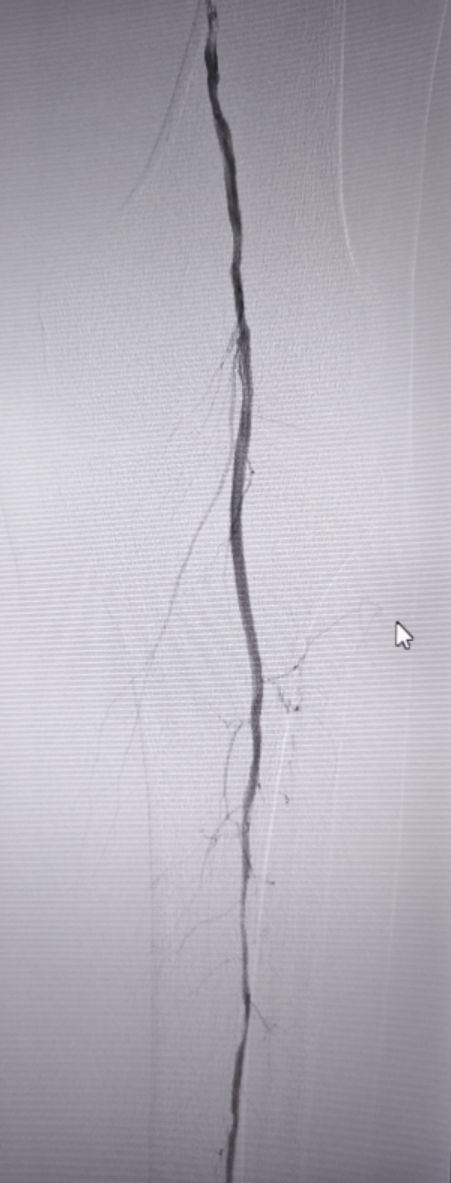
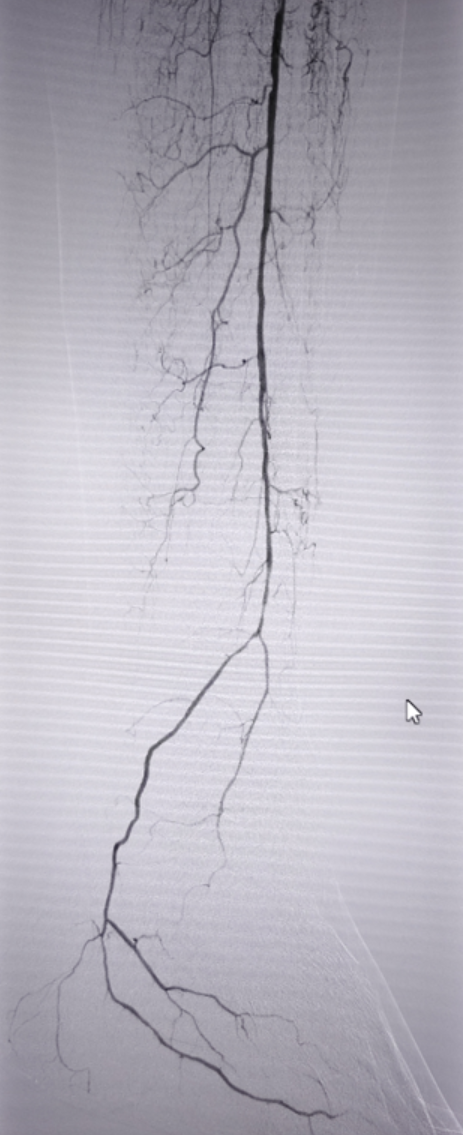
With the support of the Fenshan sheath, the guidewire successfully passed through the occluded segment to the P1 segment. Angiography showed that the popliteal artery and peroneal artery were visible, the plantar artery originated from the peroneal artery, which was a variation, and local stenosis was observed.
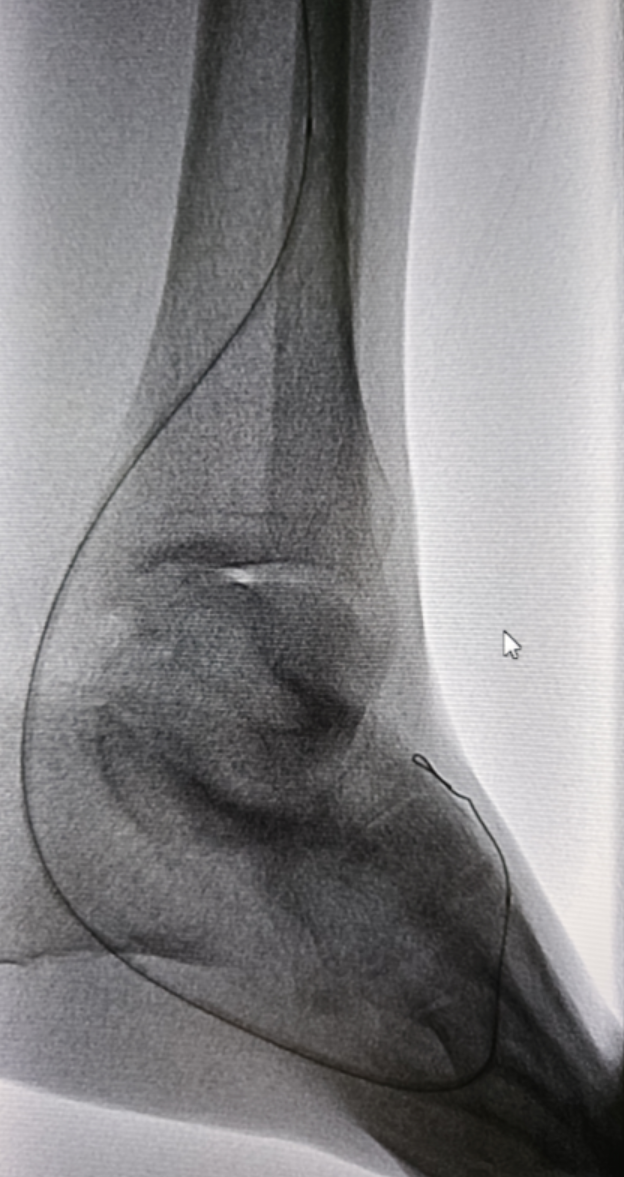
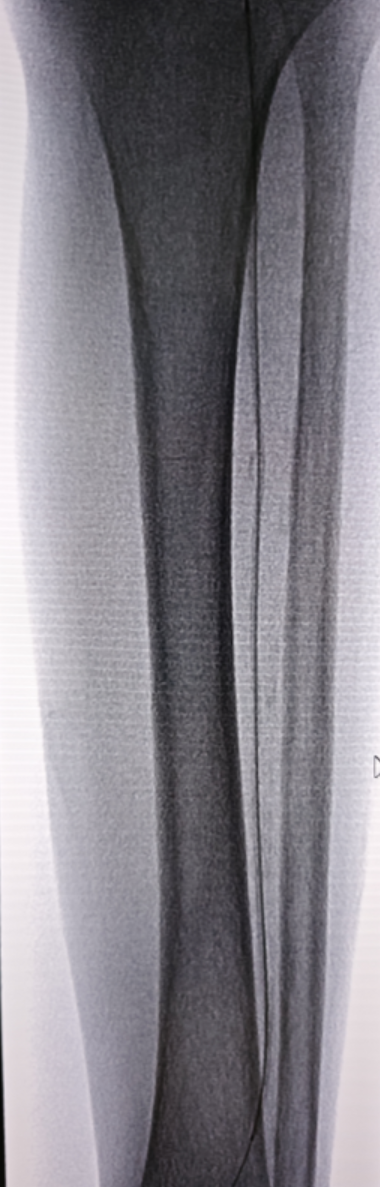
Balloon dilation of infrapopliteal arteries to the plantar arch with 2.0 and 2.5 mm balloons.
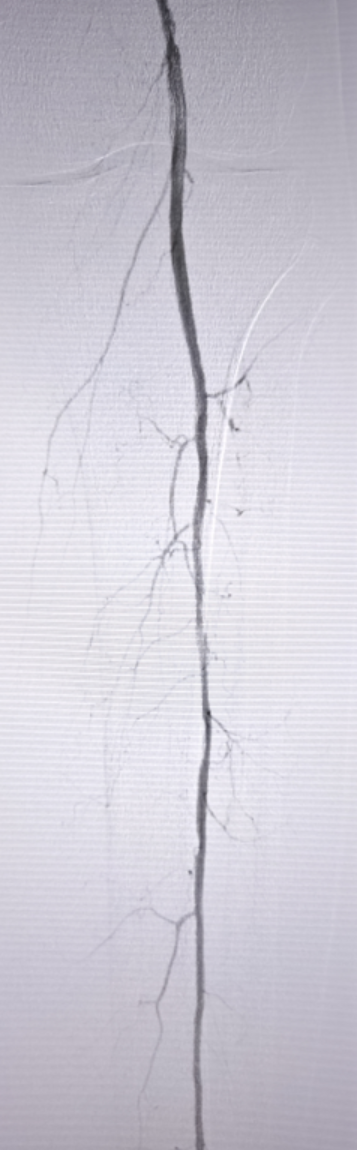
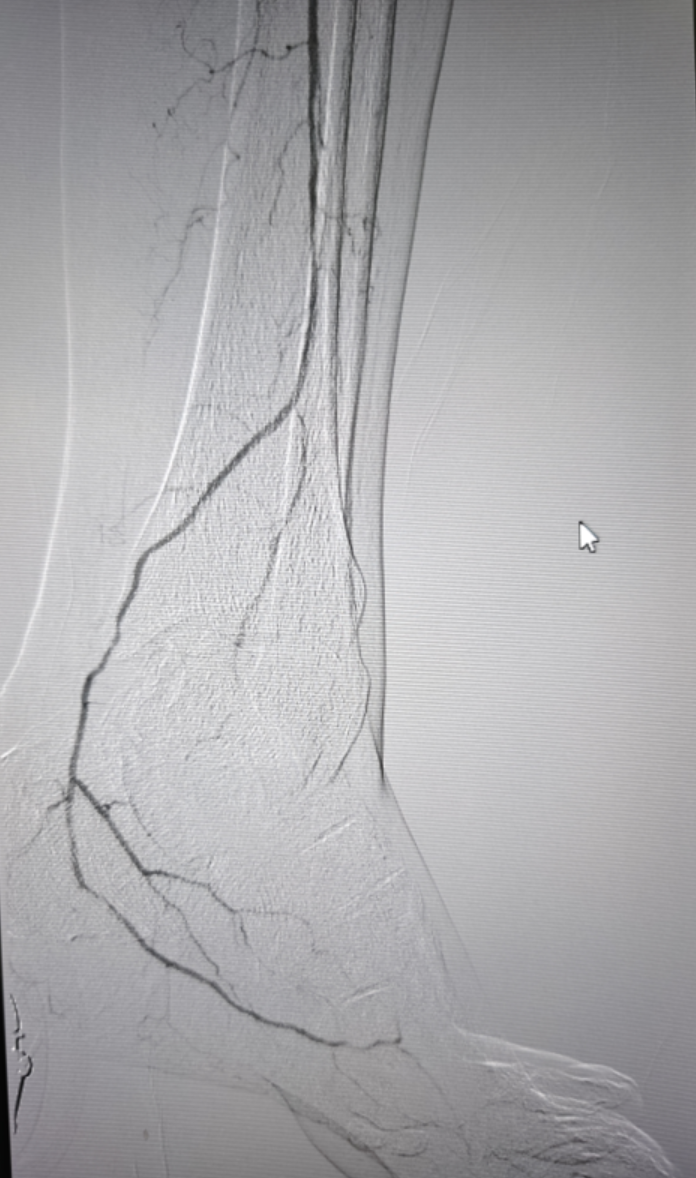
Flow channel imaging is possible.
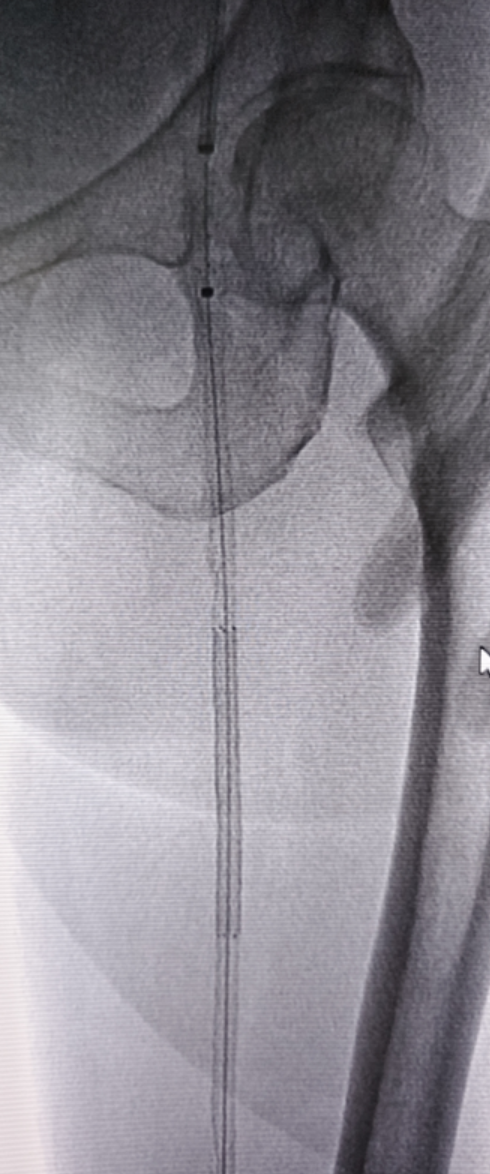
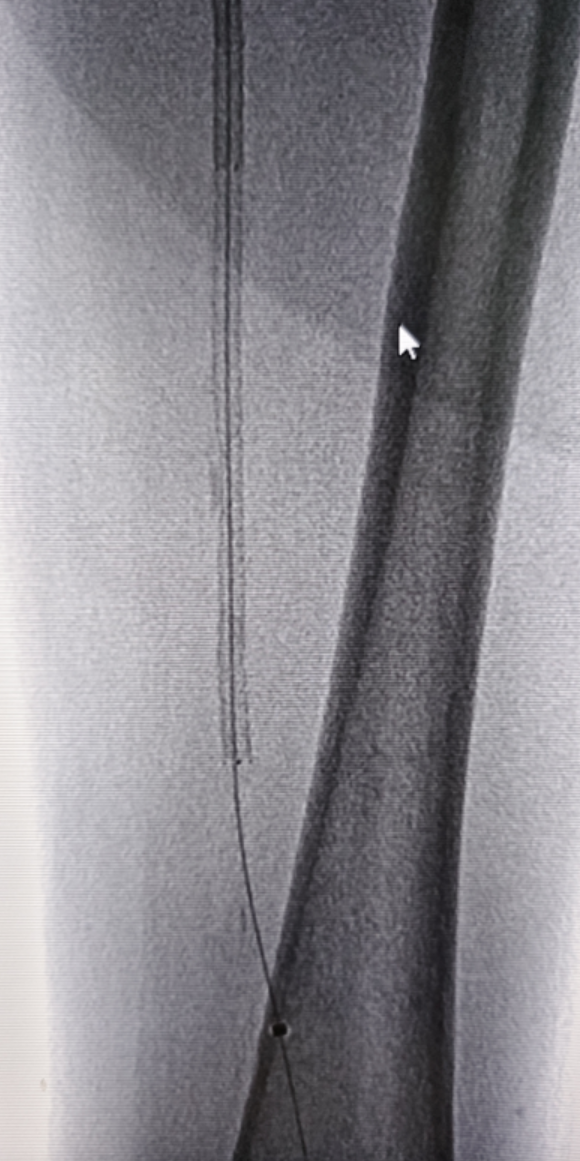
2.3mm excimer laser slowly ablates the occluded segment within the stent and the severely narrowed segment outside the stent.
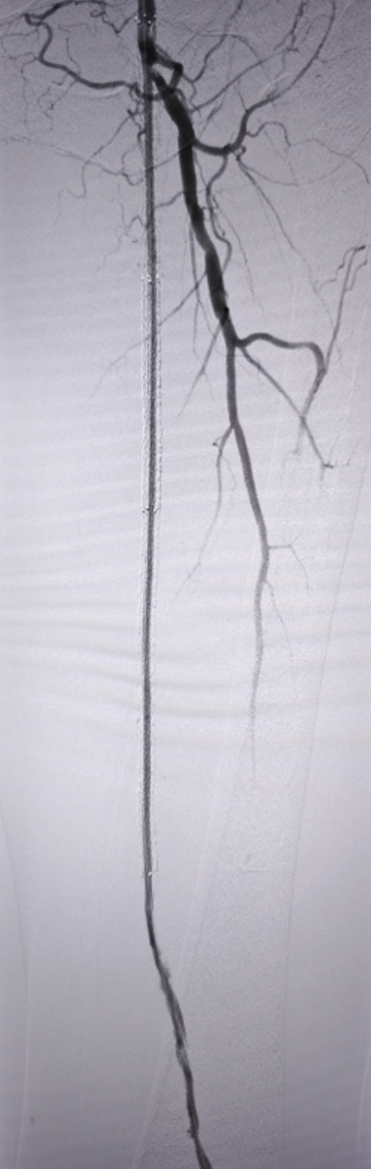
Results after ablation.
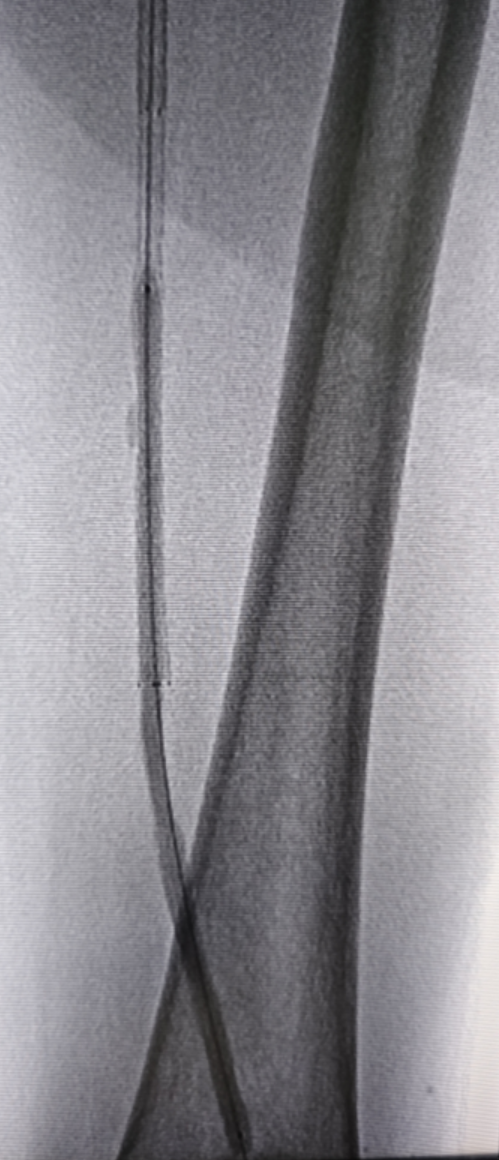
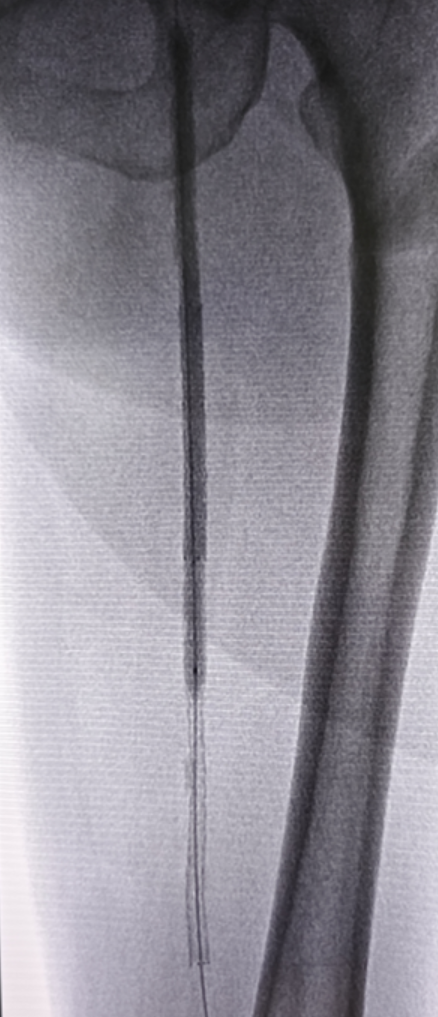
DK Medtech 5.0*150mm DKutting®LL Peripheral Scoring BalloonTreatment of the entire segment of the superficial femoral artery。
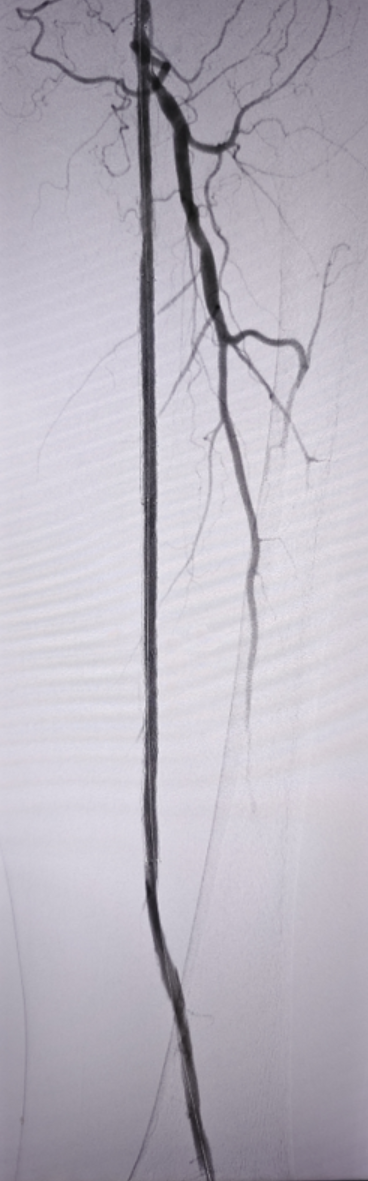
Results after scoring balloon treatment: satisfactory lumen preparation, no obvious dissection or residual stenosis.
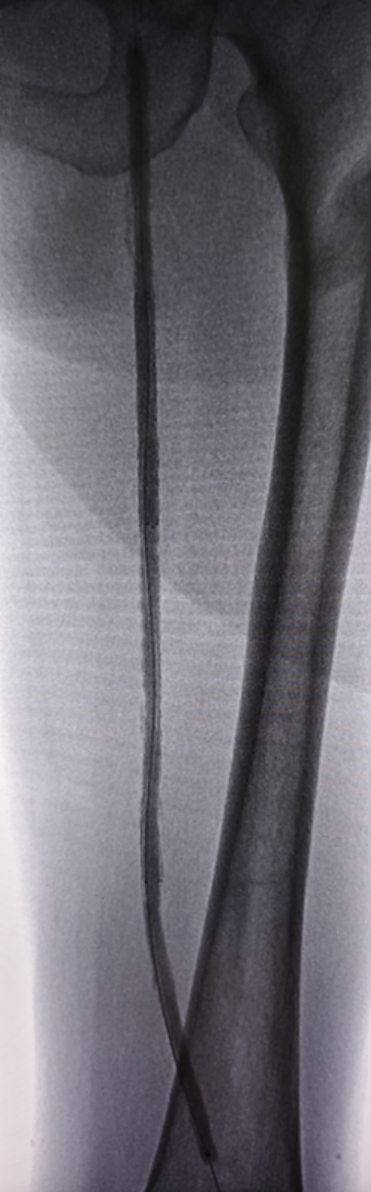
5-300 Drug-Coated Balloon Treatment.
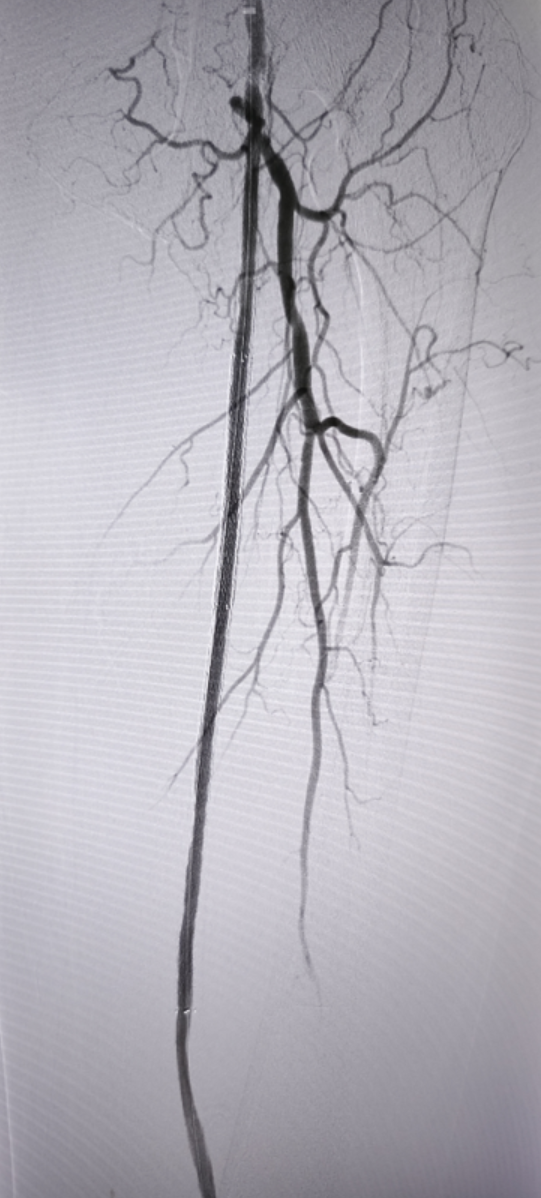
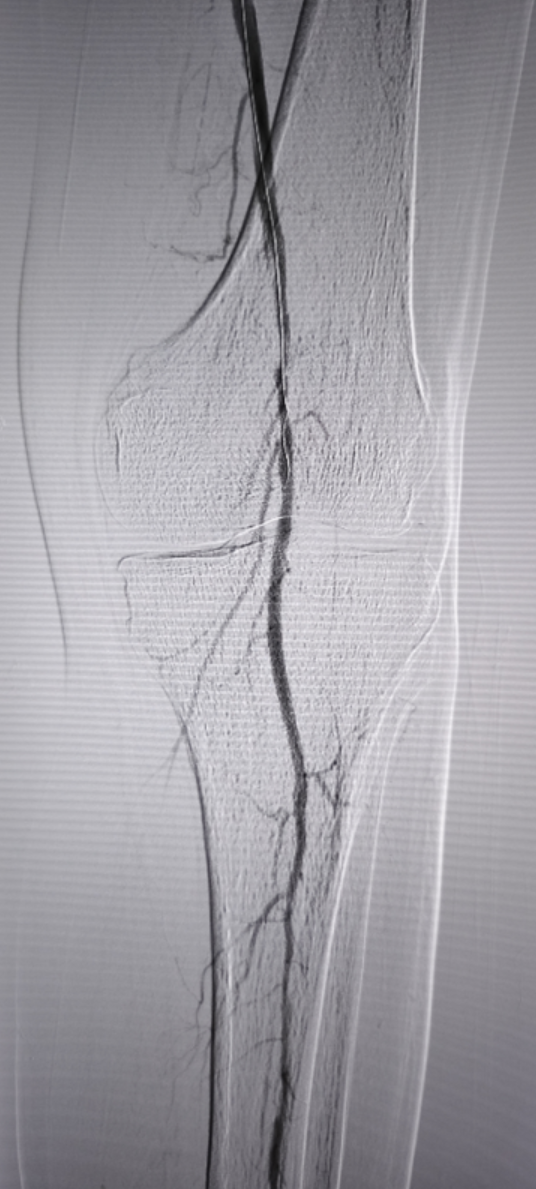
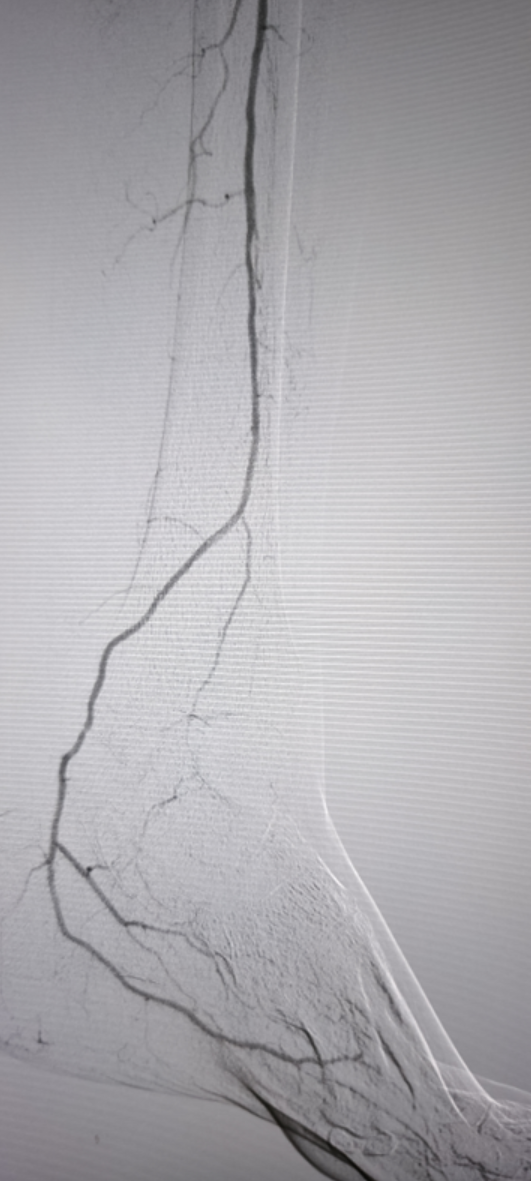
Final result: The stent was well-expanded with no significant residual stenosis, no intimal tearing, and no contrast leakage. The popliteal artery, peroneal artery, and plantar artery showed good visibility.
Follow-up
Discharge Status:Postoperative lower limb skin temperature significantly increased, claudication basically disappeared. Medications: Aspirin 100mg qd, Clopidogrel 75mg qd; Atorvastatin 20mg qd, blood pressure and blood glucose control, regular follow-up advised.
Postoperative ABI Review:Left 0.92, Right 0.74.
Case Summary
Case Characteristics:Elderly female, history of hypertension and diabetes, severe claudication with decreased skin temperature and localized cyanosis.
Preoperative Assessment Key Points:
Preoperative General Condition Assessment:Cardiopulmonary and cerebral functions, as well as cardiovascular and cerebrovascular conditions, are acceptable; liver and kidney functions are also acceptable.
Lesion Evaluation:Restenosis of the superficial femoral artery bare metal stent six months post-operation, severe stenosis outside the stent, with one outflow tract below the knee.
Surgical Strategy/Technical Key Points:
Crossing the mountain for access, forward deployment prepared for reverse operation; reversible puncture sites include the P1 segment, P3 segment, and the entire peroneal artery.
The true lumen opening within the stent is not a big issue, but it is also necessary to ensure the true lumen opening outside the stent, laying a foundation for volume reduction;
When the catheter guidewire encounters significant resistance, it suggests predominantly hyperplastic lesions; laser ablation is the preferred method for debulking. If thrombotic lesions are predominant, Straub debulking may be considered.
The best treatment for stent restenosis is debulking + DCB; therefore, avoiding dissection and the implantation of rescue stents is crucial.
Device Features/Usage Tips:
Excimer laser is the only FDA-approved debulking device for in-stent restenosis.
Scored balloons have obvious advantages over regular balloons in reducing dissections, minimizing elastic recoil, and increasing lumen gain; they require slow inflation and gradual pressure withdrawal during use. Under the premise that good passage has been achieved through laser ablation, stepwise balloon dilation may not be necessary.
References:Biscetti, F.; Nardella, E.; Rando, M.M.; Cecchini, A.L.; Gasbarrini, A.; Massetti, M.; Flex, A. Outcomes of Lower Extremity Endovascular Revascularization: Potential Predictors and Prevention Strategies. Int. J. Mol. Sci. 2021, 22, 1-16.

Introduction of Experts


Professor Zhang Junbo
The Surgeon of This Case
M.D., Associate Chief Physician, Department of Peripheral Vascular Surgery, First Affiliated Hospital of Xi'an Jiaotong University.
Vice Chairman of the Diabetic Foot Professional Committee of the Shaanxi Province Health Promotion and Education Association;Vice Chairman of the Peripheral Vascular Professional Committee of the Shaanxi Province Association of Integrative MedicineMember of the Aortic Group, Chest Pain Professional Committee, Chinese Medical Doctor Association;Member of the Cardiovascular Imaging Committee of the Chinese Research Hospital Association;Youth Member of the Peripheral Vascular Disease Committee of the Chinese Society of Microcirculation;Youth Committee Member of the Peripheral Vascular Specialty Committee of the Chinese Association of Integrative Medicine;Member of the Expert Committee on Venous Thromboembolism, China Branch of the International Vascular Union.
As a contributor, participated in the compilation of "Chinese Expert Consensus on Mechanical Prevention of Venous Thromboembolism," and co-authored guidelines and consensus such as "Chinese Guidelines for the Prevention and Treatment of Thrombotic Diseases" and "Chinese Expert Consensus on the Prevention and Treatment of Diabetic Foot with Integrated Traditional Chinese and Western Medicine." Member of the editorial board of the "Journal of Clinical Military Physicians," and youth member of the editorial board of "Translational Surgery."

Department Introduction

The Department of Peripheral Vascular Medicine at the First Affiliated Hospital of Xi'an Jiaotong University is a clinical core department integrating medical treatment, teaching, and research. Established in 2006, the department is led by renowned vascular intervention experts Professor Tian Hongyan and Professor Liu Yamin. It boasts a team of young and middle-aged physicians, including doctors with doctoral and master’s degrees, as the backbone. The department is one of the leading teams in China in the diagnosis and treatment of peripheral vascular diseases and represents one of the strongest professional medical teams in peripheral vascular care in Northwest China.
In terms of clinical diagnosis and treatment, a distinctive treatment method featuring minimally invasive interventional therapy has been formed. It took the lead in carrying out interventional treatments for aortic dissection and aortic aneurysms, diabetic foot and lower extremity arterial sclerosis occlusion, high-risk pulmonary embolism, carotid artery stenosis, Budd-Chiari syndrome, deep vein thrombosis of the lower extremities, comprehensive treatment of varicose veins of the lower extremities, dialysis access intervention, interventional diagnosis and treatment of tumors and hemorrhagic diseases of various organs, as well as interventional diagnosis and treatment of esophageal, tracheal, biliary stenosis and low back pain in the northwestern region of China. This has made significant contributions to the diagnosis and treatment of peripheral vascular diseases in the northwestern region of China. With the continuous development and innovation of interventional diagnosis and treatment technology, new procedures such as laser ablation for lower extremity arterial sclerosis occlusion, plaque excision for lower extremity arterial sclerosis occlusion, "one-stop" interventional treatment for deep vein thrombosis of the lower extremities, and single-branched stent technology for aortic dissection have been successfully performed in recent years, with the cumulative completion volume reaching the highest in the northwest. Currently, it has cumulatively completed more than 50,000 person-times of various interventional diagnoses and treatments, including over 40,000 person-times of treatments.
In terms of teaching and scientific research, the Peripheral Vascular Department is one of the first peripheral vascular interventional training bases granted by the National Health Commission, as well as a stroke screening and prevention base, a carotid artery stent implantation technology training base, and the first national thrombosis prevention and treatment demonstration training base in Western China. It serves as the chair unit of the Shaanxi Province Pulmonary Embolism and Venous Thromboembolism Prevention and Treatment Specialty Alliance, a member unit of the First Expert Committee of the National Pulmonary Embolism and Deep Vein Thrombosis Prevention and Treatment Capacity Building Project, and a National Drug Clinical Research Base. Additionally, it is a demonstration base for comprehensive hospitals within the China Hemorrhage Center Alliance, the chair unit of the Vascular Inflammatory Diseases Specialty under the Endovascular Specialty Committee of the Chinese Medical Doctor Association, and the deputy chair unit of the Pulmonary Vascular Group of the Chinese Medical Association. It also serves as the chair unit of the Shaanxi Branch of the International Union of Angiology's China Division, the chair unit of the Endovascular Specialty Committee of the Shaanxi Province Medical Doctor Association, and the chair unit of the Peripheral Vascular Disease Specialty Committee of the Shaanxi Province Health Care Association.
As a Ph.D. degree-granting institution, it has trained numerous Ph.D. and master's students, as well as over 50 visiting doctors and talents under the Western Talent Plan. It is also a Ph.D. granting institution for Xi'an Jiaotong University’s "AI+X" interdisciplinary training program.
Editor-in-chief and publisher of monographs such as "Prevention and Treatment of In-hospital Venous Thromboembolism" and "Handbook for the Prevention and Treatment of Venous Thromboembolism in Hospitalized Patients," leading author and corresponding author of the "Chinese Expert Consensus on Mechanical Prevention of Venous Thromboembolism" published in the Chinese Journal of Medicine, and a core writing expert for multiple clinical guidelines including "Recommendations for the Prevention, Treatment, and Management of In-hospital Venous Thromboembolism," "Chinese Guidelines for the Prevention and Treatment of Thrombotic Diseases," and "Chinese Expert Consensus on the Diagnosis and Management of Renal Artery Stenosis."
An annual专题会议 on venous thromboembolism is held within the hospital, hosting over 300 academic scholars and experts from various regions across China for exchange visits, further enhancing its influence within the country. The research direction remains at the forefront of this discipline, particularly in clinical research on peripheral vascular diseases. As a participating unit in the global multi-center COMPASS study, it is currently involved in several ongoing multi-center clinical studies, including drug-coated balloons and drug-eluting stents for lower limb arteries, inferior vena cava filters, iliac vein stents, and ablation treatments for lower limb venous thrombosis. Research on the diagnosis, treatment, and pathogenesis of pulmonary embolism and pulmonary hypertension has been awarded the Third Prize for Scientific and Technological Progress by the Xi'an Municipal Government. It has received funding from two National Natural Science Foundation projects, six provincial science funds, and two horizontal research projects, as well as participated in international cooperation projects and the national 973 Program. Additionally, five new medical technology projects have been initiated, with three receiving awards; the institution has acted as a key participant in three national science and technology support projects. A total of 40 papers have been published in domestic and international core journals, with 15 included in SCI. The highest impact factor was 7.428, and the cumulative impact factor exceeds 20. Awards include one Second Prize and one Third Prize for Provincial and Ministerial Level Scientific and Technological Progress, one First Prize for Scientific and Technological Progress from the Shaanxi Provincial Education Commission, and four awards for new medical technologies from the hospital. Two monographs have been edited and published, with participation in the compilation of four others. One national multimedia courseware excellence award and two school teaching achievement awards were also received. Extensive research on the pathogenesis and intervention of VTE has been conducted, accumulating rich experience.