Professor Zhang Zhihui's Team Showcases DKutting™ Scoring Balloon in the Treatment of Lower Extremity Arteriosclerotic Occlusion

DK Medtech
Vascular Interventional Balloon Product Developer
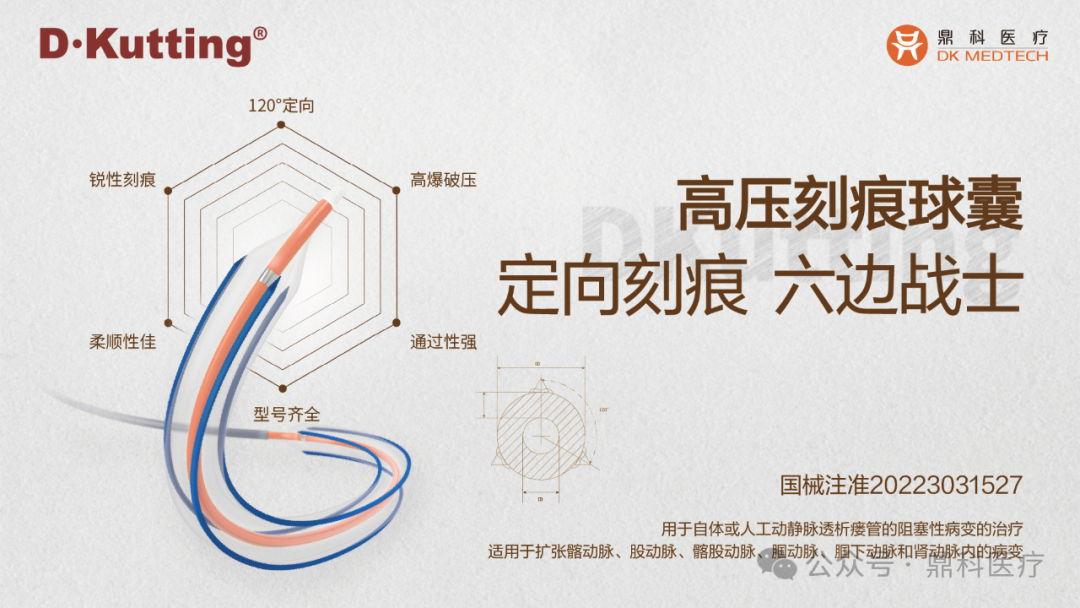
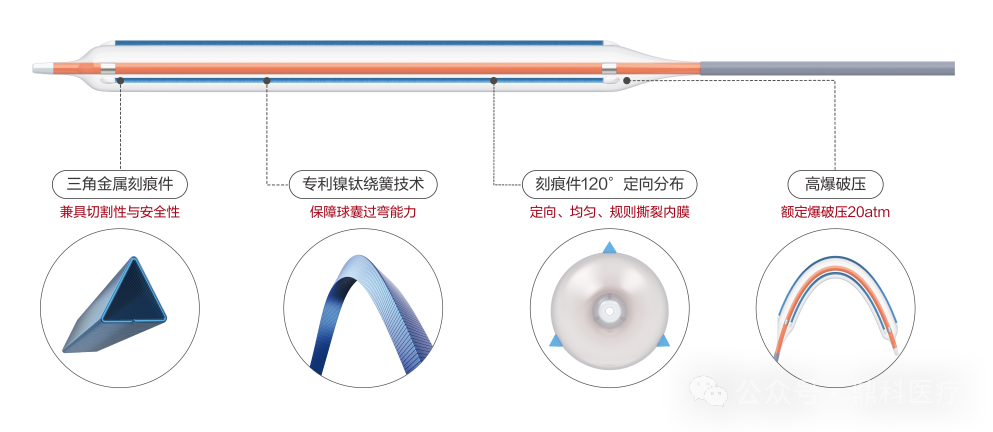
With the vigorous development of China's peripheral vascular intervention market, common balloons tend to cause complications such as excessive vascular injury, flow-limiting dissections, and hematomas when dealing with the increasing number of highly resistant stenotic lesions. In contrast, pressure-focusing balloons utilize cutting/notching elements between the vessel wall and the balloon’s outer diameter during expansion to enhance localized pressure and achieve efficient directional dilation. This reduces vascular elastic recoil and represents a new direction in the evolution of vascular intervention balloons.
DK Medtech's independently developed DKutting™ High-Pressure Scoring Balloon, featuring an exclusive patented design (CN201810478242.X), boasts numerous advantages such as excellent deliverability, uniform expansion, and high burst pressure. In terms of overall product performance, it can be described as a "hexagonal warrior," marking a significant breakthrough for local enterprises in innovating to surpass top-tier imported products.
DK Medtech Special Release【Professor Zhang Zhihui's Team: Application of DK Medtech's DKutting™ Scoring Balloon in Lower Limb Arterial Occlusion】Case Presentation, demonstrating the meticulous operation of each case and the clinical application of advanced equipment and instruments. From the formulation of treatment strategies for different cases, standardized intraoperative procedures and technical applications, complication prevention, to perioperative management, etc., the aim is to promote the standardization of diagnosis and treatment for vascular stenosis and occlusive diseases, strengthen technical exchanges and experience sharing among doctors, with the hope of providing new ideas and methods for future diagnosis and treatment, benefiting more clinical patients.

DK Medtech DKutting™ Scoring Balloon
Application in Lower Extremity Arteriosclerosis Obliteration

Zhang Zhihui, Xiao Jianbin, Li Qiang from the Second Affiliated Hospital of Guangzhou Medical University
Patient Information
Basic Information:The patient is a 78-year-old male.
Chief Complaint:Repeated weakness in both lower limbs for 1 year.
History of Present Illness:One year ago, the patient developed weakness in both lower limbs without obvious cause, accompanied by intermittent claudication. Gradually, numbness in both lower limbs and nocturnal rest pain appeared, but there was no soreness, no pigmentation, and no ulcers in the lower limbs.
Past Medical History:Has had Parkinson's disease for 8 years, with regular medication treatment, no hypertension or diabetes.
Physical Examination:Bilateral femoral artery pulses are palpable, with slightly weaker pulsation in the right popliteal artery. The dorsalis pedis and posterior tibial arteries of the right foot show weak pulsation. The left popliteal artery pulse is palpable, while the dorsalis pedis and posterior tibial arteries of the left foot exhibit weak pulsation. No swelling is observed in either lower limb. The skin temperature of the right lower limb is slightly cooler, while the left lower limb is warm. No ulcers or swelling are present in either lower limb.
Admission Diagnosis:
Arteriosclerosis Obliterans of Both Lower Limbs, Rutherford Stage 3
Parkinson's Disease
Admission Examination
Blood Routine, Liver Function, Coagulation Function:No abnormalities detected.
Creatinine:130umol/L。
Other laboratory tests:No abnormalities were found.
Dynamic Electrocardiogram:Sinus rhythm, occasional atrial premature beats, rare ventricular premature beats, and delayed atrioventricular conduction.
Echocardiography:Degenerative changes of the aortic and mitral valves, mild mitral regurgitation, and decreased left ventricular diastolic function.
Chest X-ray:No abnormalities were observed.
Preoperative Left and Right ABI:0.98/0.75。
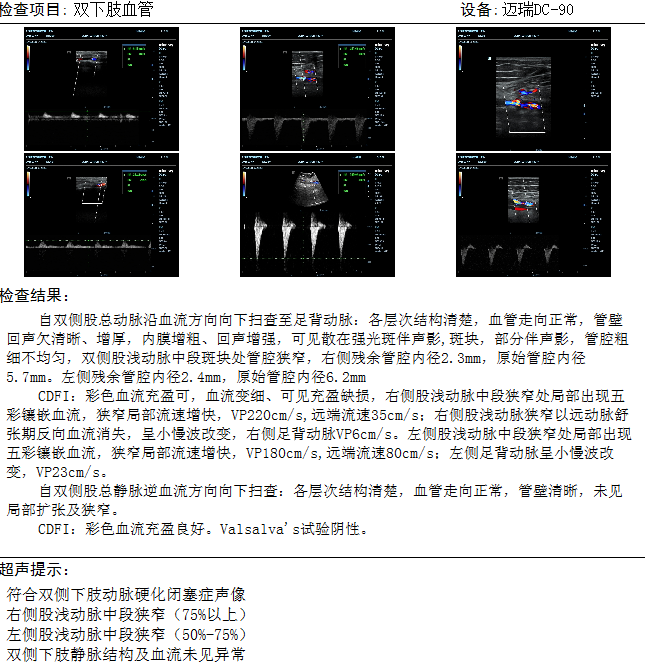
Preoperative Color Doppler Ultrasound:
Preoperative CTA
Preoperative Lower Limb CTA Reconstruction
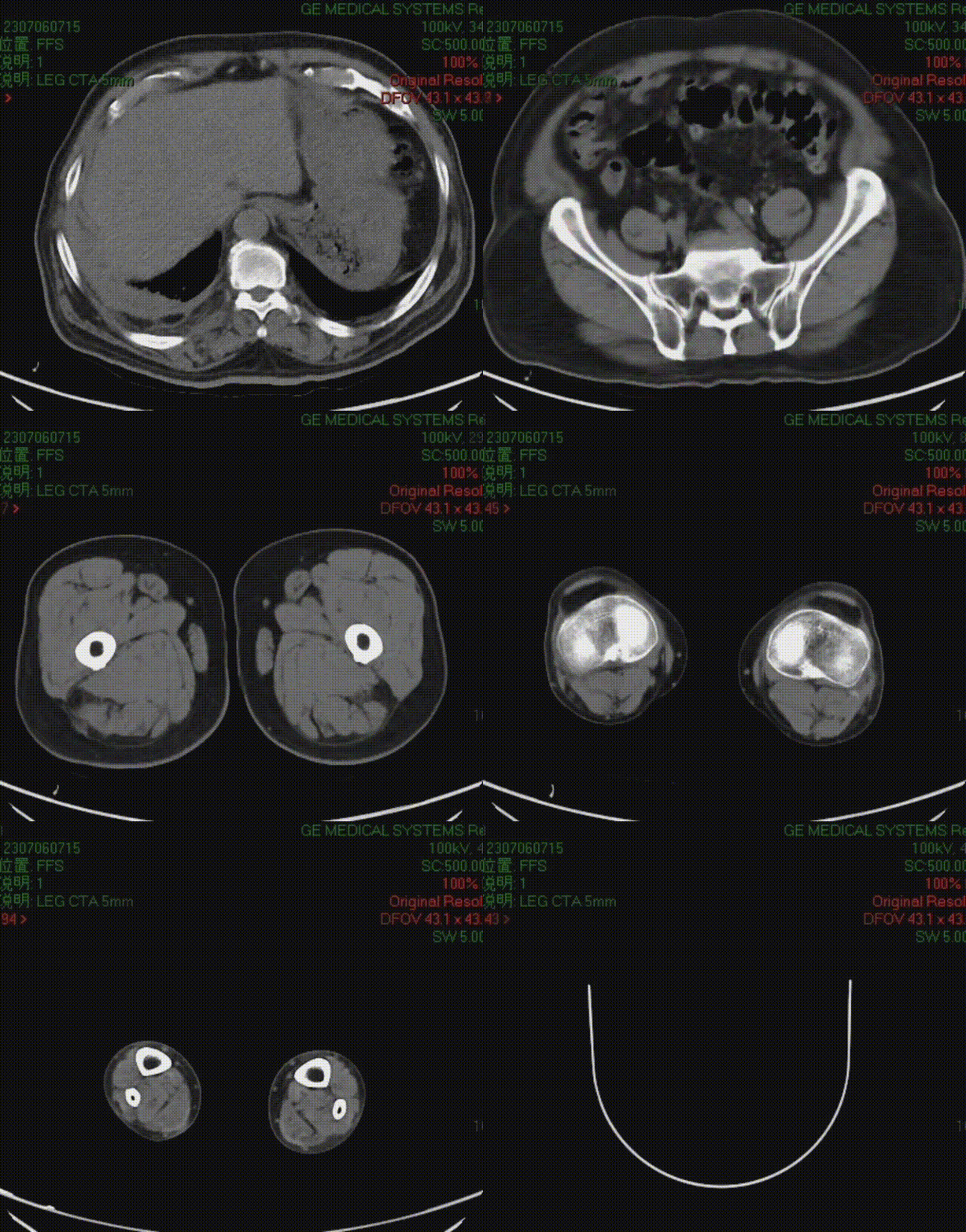
Preoperative Lower Extremity Plain Scan
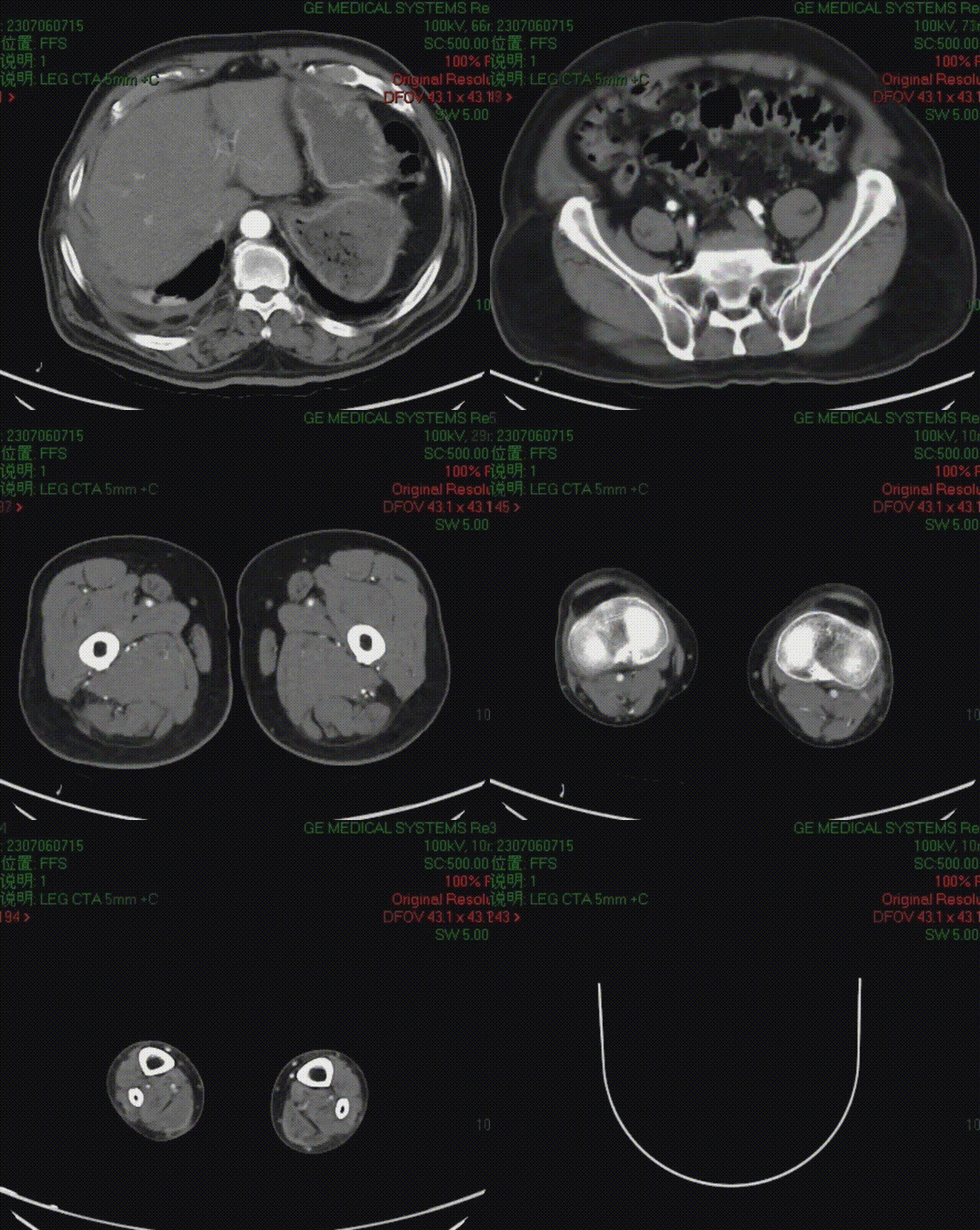
Preoperative Lower Limb Enhancement
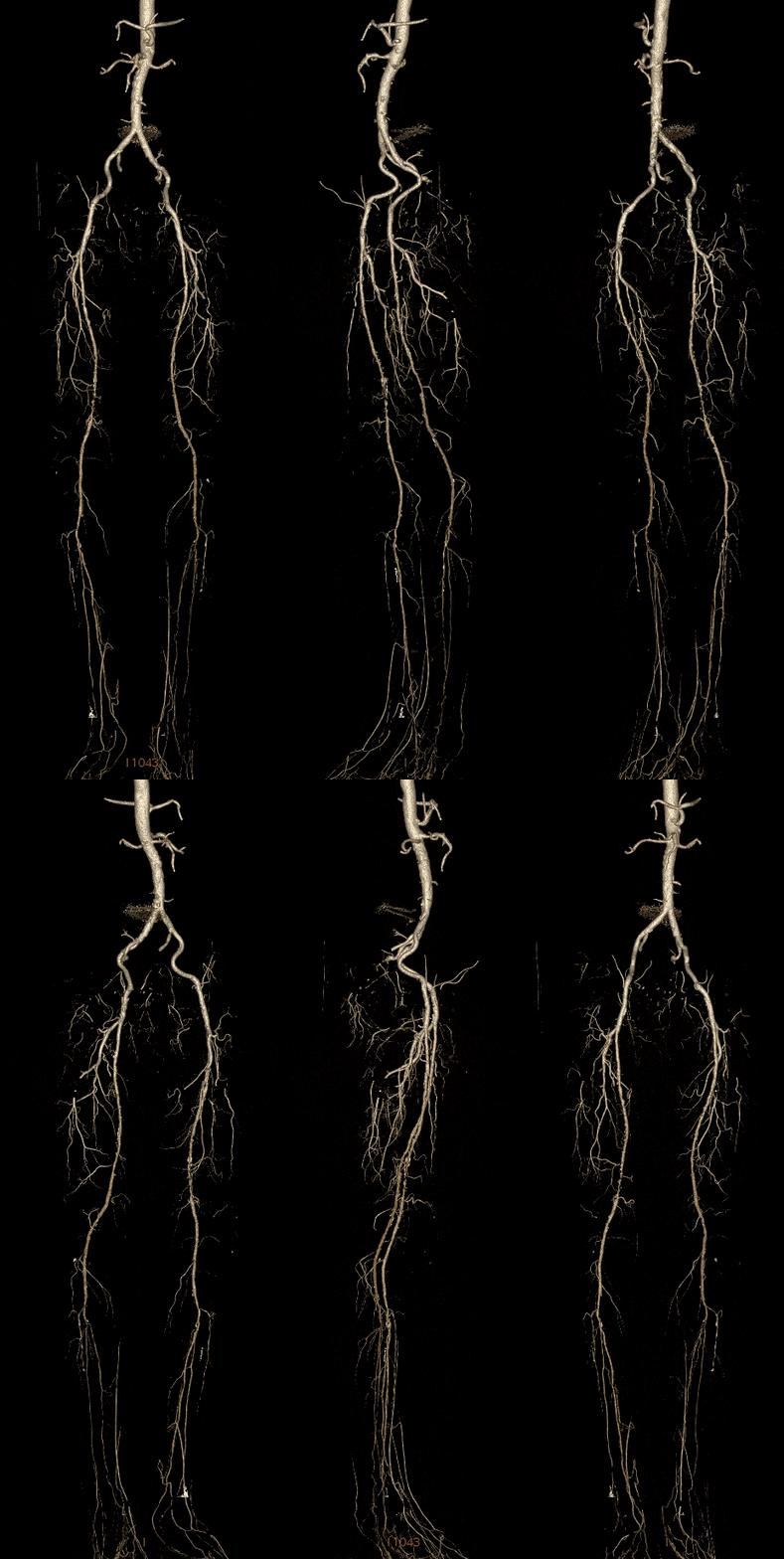
Preoperative Analysis
Preoperative Analysis:Elderly male patient with a history of Parkinson's disease. Preoperative cardiac function is sufficient for endovascular surgery. The patient has lesions in both lower limbs. Based on the chief complaint, medical history, physical examination, and preoperative tests, it is planned to first address the right lower limb and subsequently manage the left lower limb within a limited timeframe.
Surgical Objective:Dilate the severely narrowed femoral-popliteal artery on the right side, and try to open the infrapopliteal arteries as much as possible to promote the recovery of blood circulation in the lower limbs.
Surgical Strategy/Plan:Puncture the contralateral femoral artery under ultrasound guidance, and cross over to open the diseased vessel.
Equipment Preparation:Flip Mountain Sheath, Support Catheter, 0.018 Guidewire, 0.014 Guidewire, Boston Scientific Sterling Below-the-Knee Balloon,DK Medtech DKutting™ Scoring Balloon5*80mm, Minimally Invasive DCB Balloon 3*220mm.
The First Surgical Procedure


Baseline angiography shows that the distal stenosis of the superficial femoral artery is more significant than preoperative CTA, with extensive collateral formation around.


Baseline angiography, poor outflow below the knee
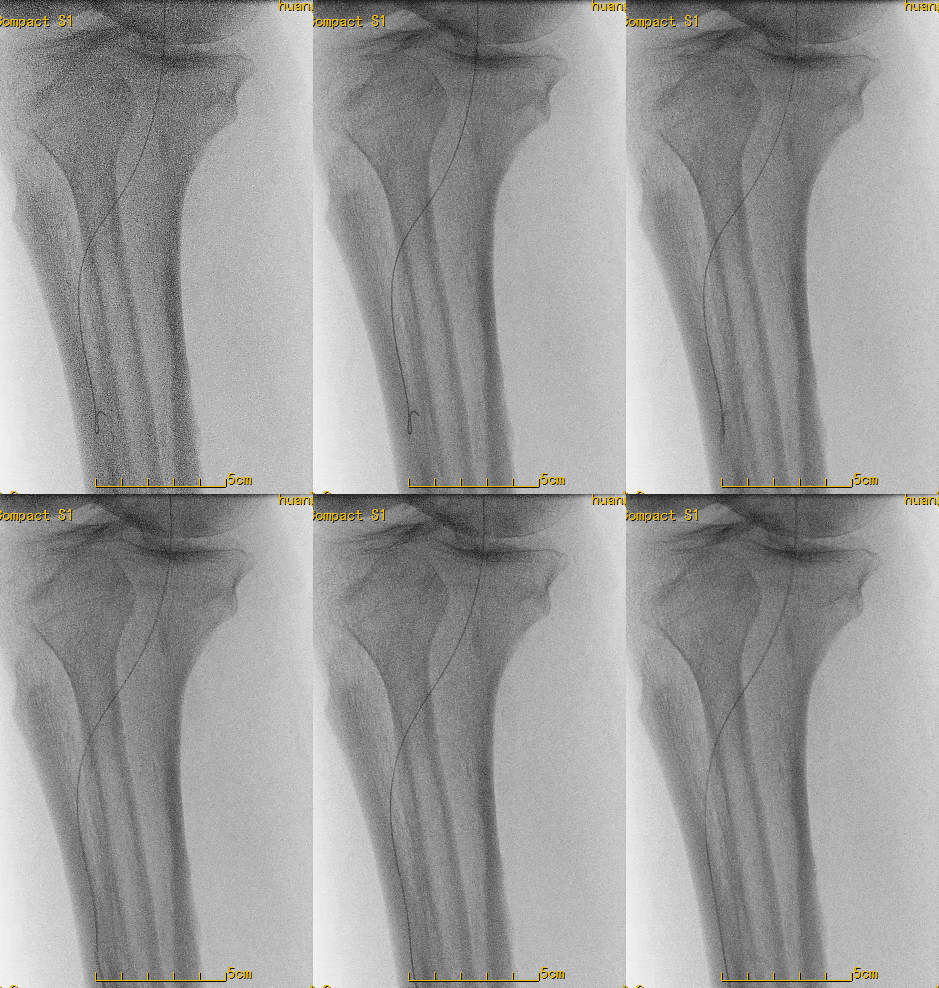
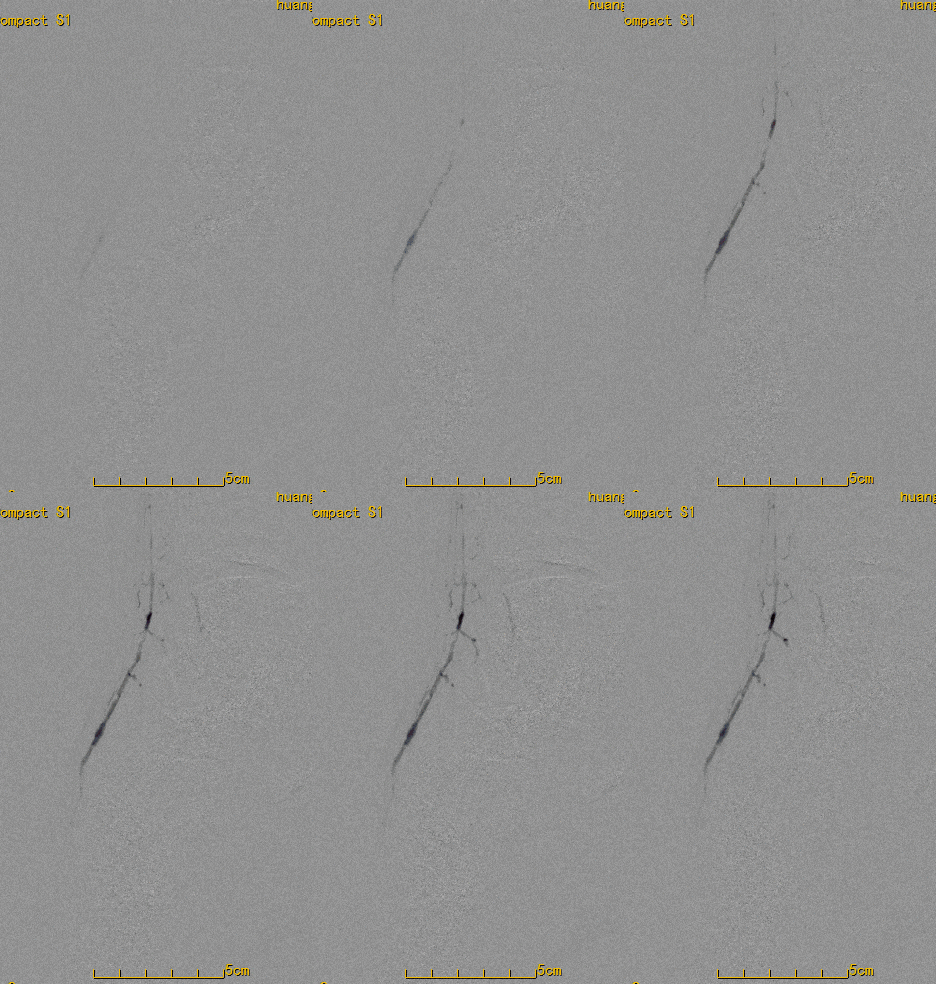
0.018 Guidewire Loop Advancement for Dorsalis Pedis Artery Angiography, Fine Vessels in Foot, Slow Blood Flow
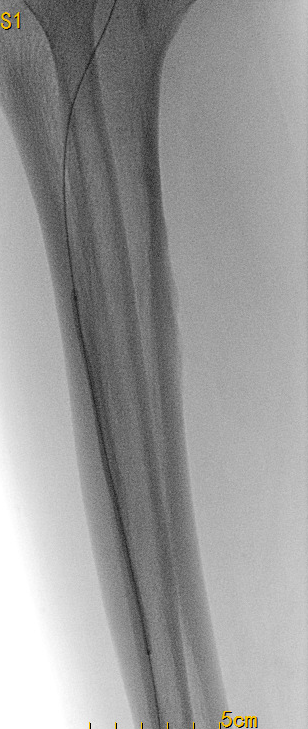
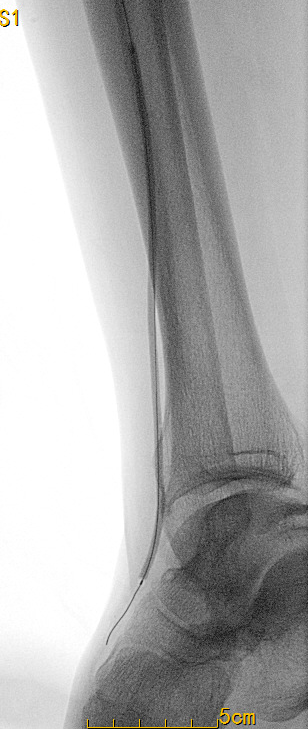
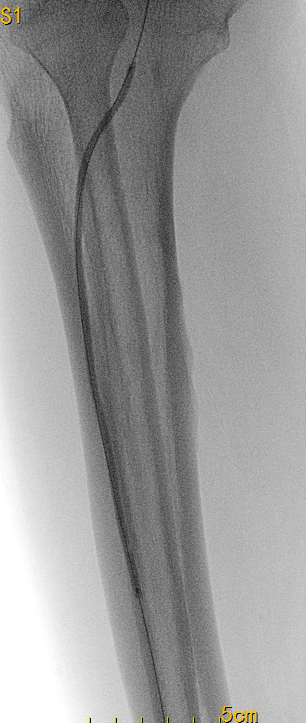
Using Boston Scientific balloon to dilate the anterior tibial artery
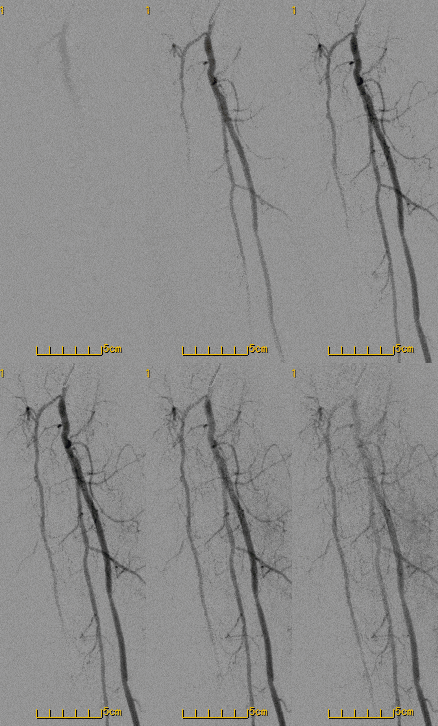

Increased blood flow velocity below the knee after balloon dilation
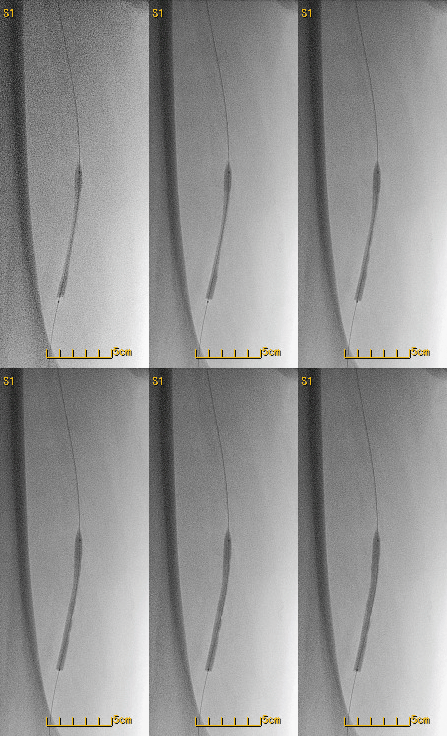
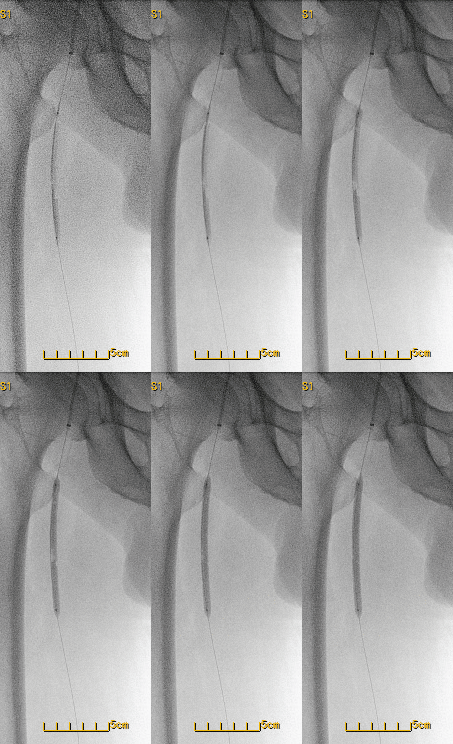
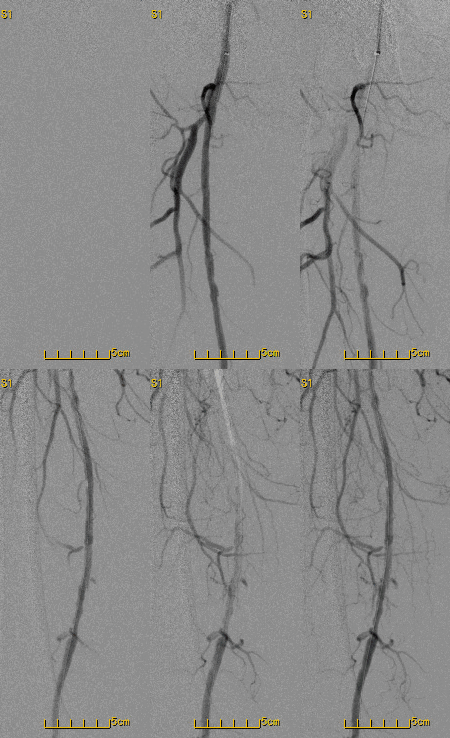
UseDK Medtech DKutting™ Scoring BalloonThe distal end of the superficial femoral artery and the initial stenosis were dilated. After sufficient pre-dilation, a drug-coated balloon was used for angioplasty, restoring blood flow in the superficial femoral artery. Postoperative ABI复查 showed 0.99/0.92.
One-month postoperative review
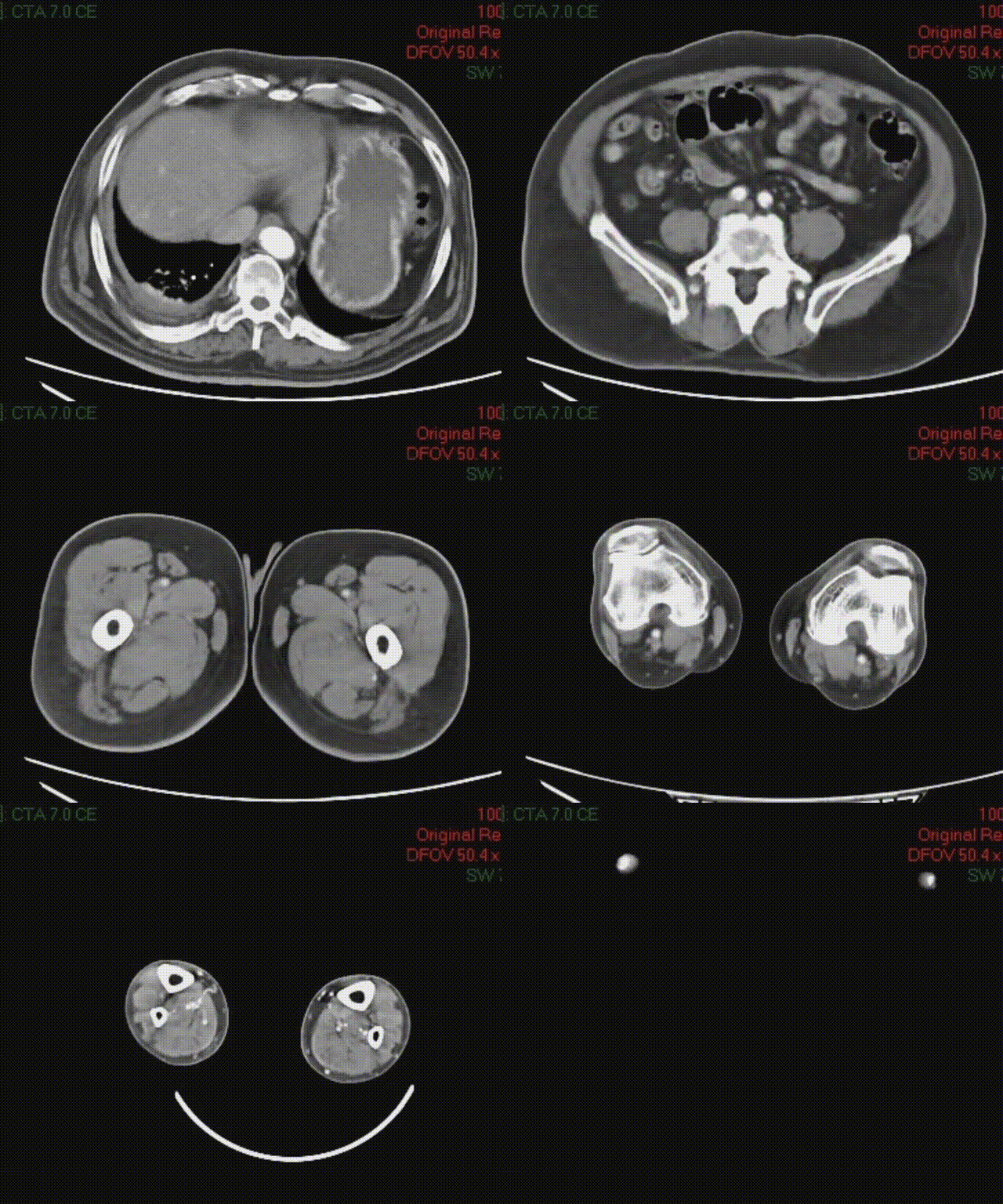
Postoperative CTA review showed smooth blood flow in the right lower limb, with ABI复查 results of 1.04/1.10.
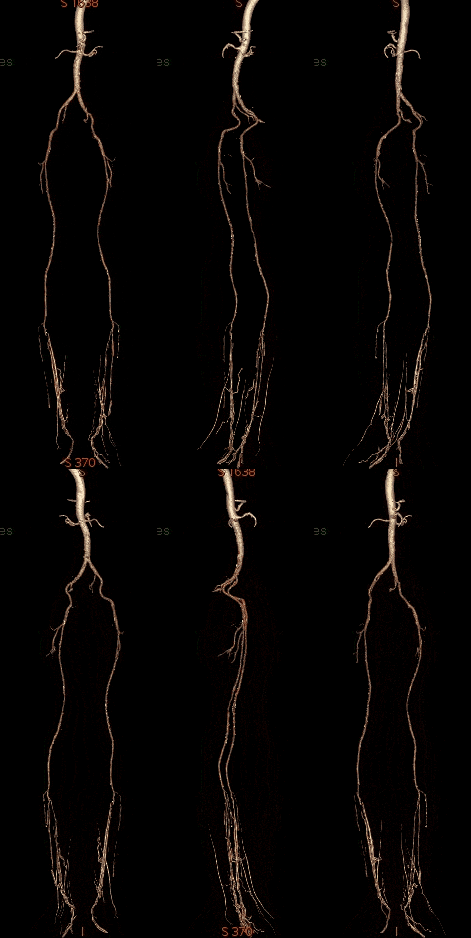
Repeat CTA reconstruction shows moderate stenosis of the left superficial femoral artery, patient requests treatment for the left side.
Preoperative Analysis
Preoperative Analysis:Elderly male patient with a history of Parkinson's disease. Preoperative cardiac function was sufficient for endovascular surgery. The right lower limb was successfully treated one month ago, and the left lower limb was managed using the same approach as the right.
Surgical Objective:Dilate the narrowed left femoral artery, and try to open the arteries below the knee as much as possible to promote the recovery of blood circulation in the lower limbs.
Surgical Strategy/Plan:Puncture the contralateral femoral artery under ultrasound guidance, and cross over to open the diseased vessel.
Equipment Preparation:Flip Mountain Sheath, Support Catheter, 0.018 Guidewire, 0.014 Guidewire, Boston Scientific Sterling Below-the-Knee Balloon,DK Medtech DKutting™ Scoring Balloon5*80mm, Minimally Invasive DCB Balloon.
The Second Surgical Procedure
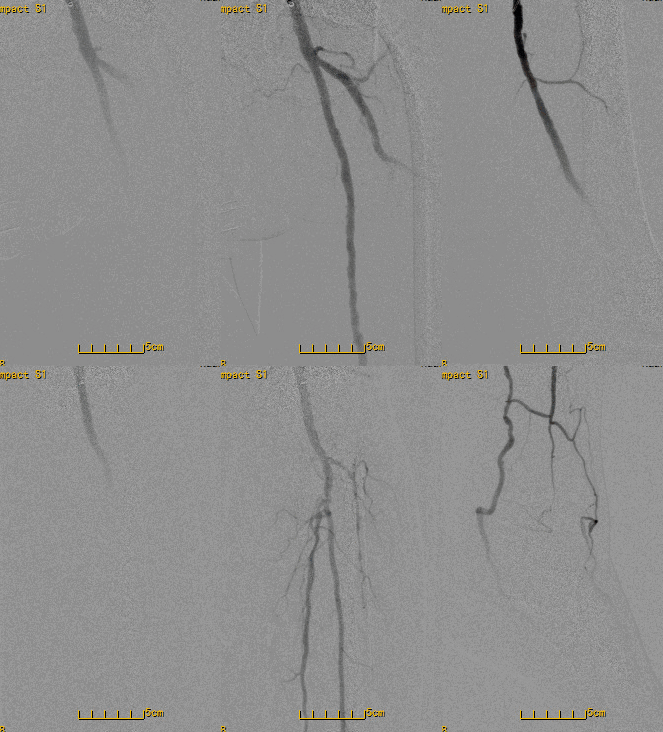
Baseline Angiography of the Left Lower Limb
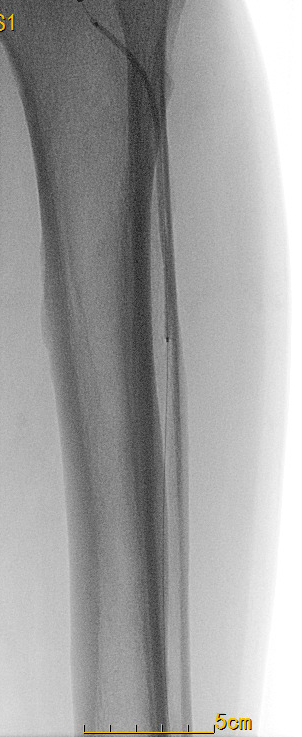
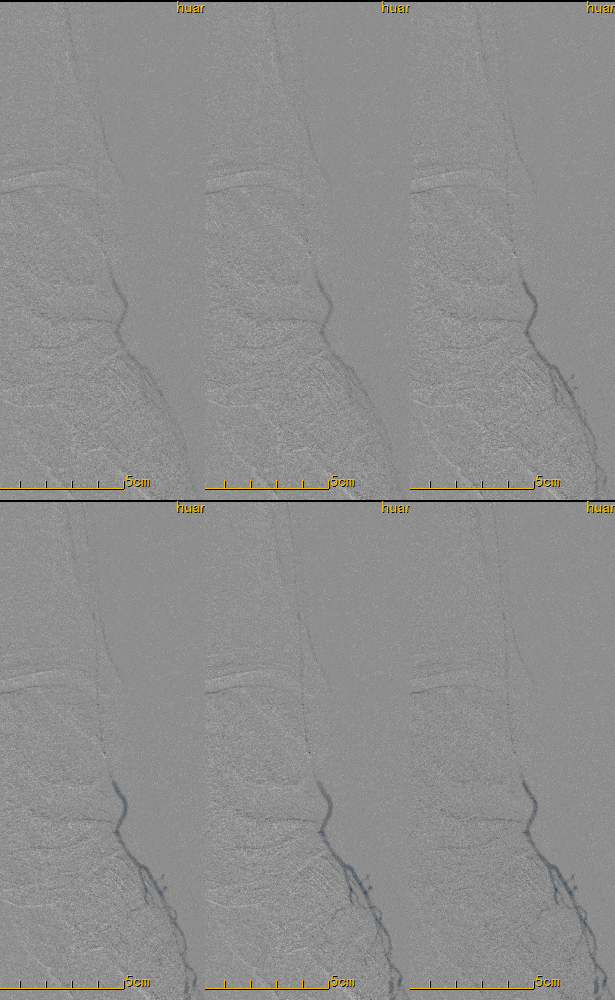
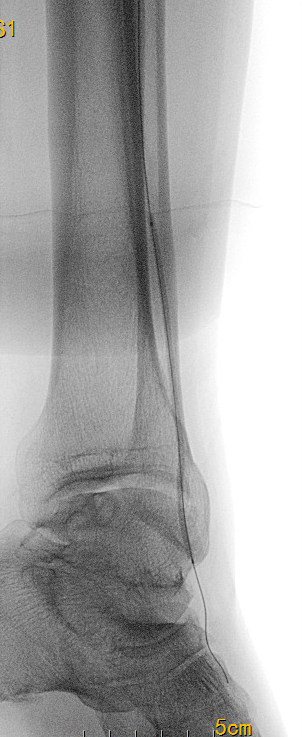
Coaxial long sheath to the popliteal artery, using a 0.018 guidewire to guide the balloon for dilation while opening the occluded anterior tibial artery. After advancing to the dorsalis pedis artery, use Boston Scientific 2.5mm and 3mm diameter balloons to dilate the anterior tibial artery. Following sufficient pre-dilation, use Minimally Invasive Drug-Coated Balloon (DCB) to further expand the anterior tibial artery.
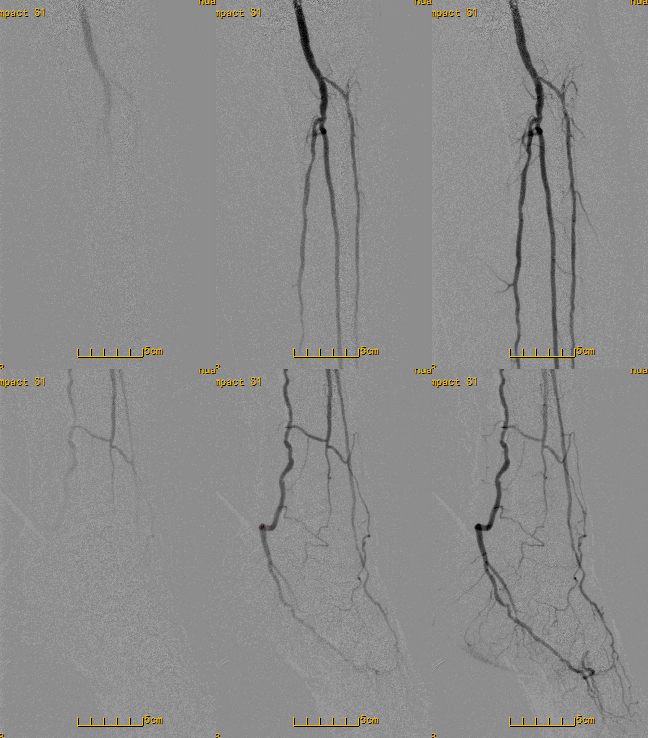
Infrapopliteal treatment and angiography, with significantly increased blood flow.
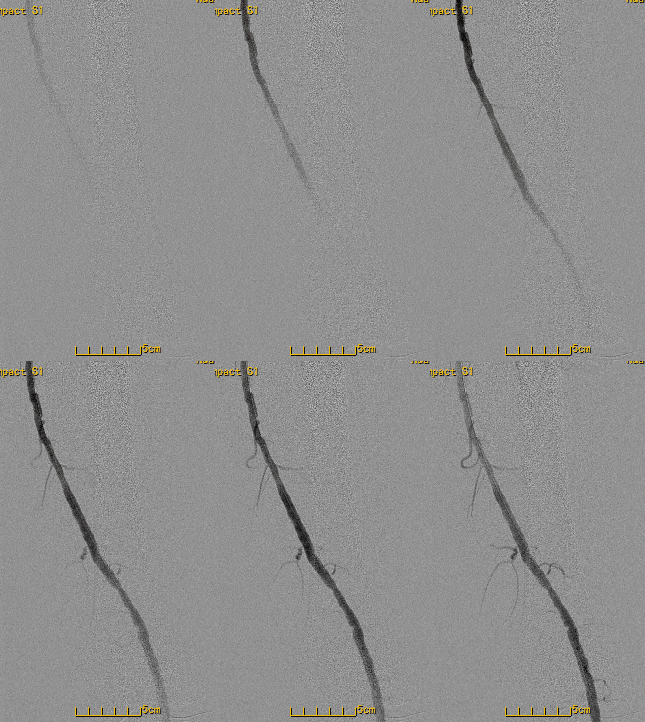
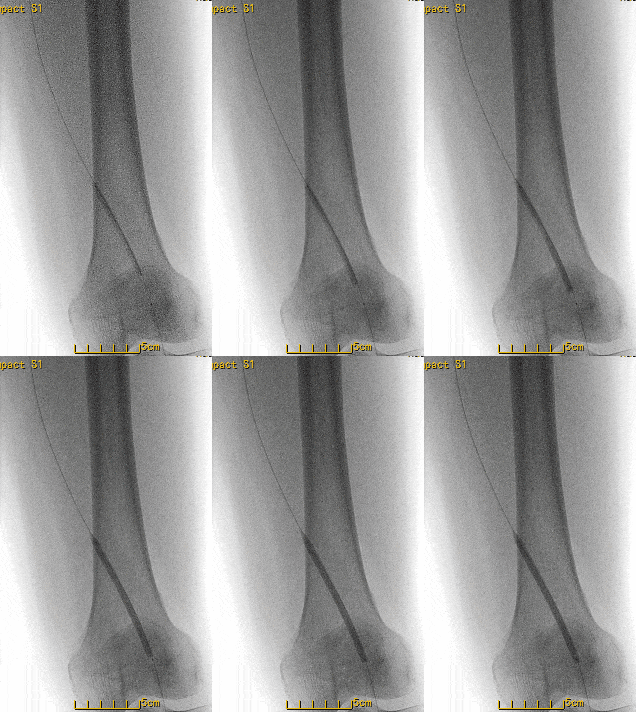
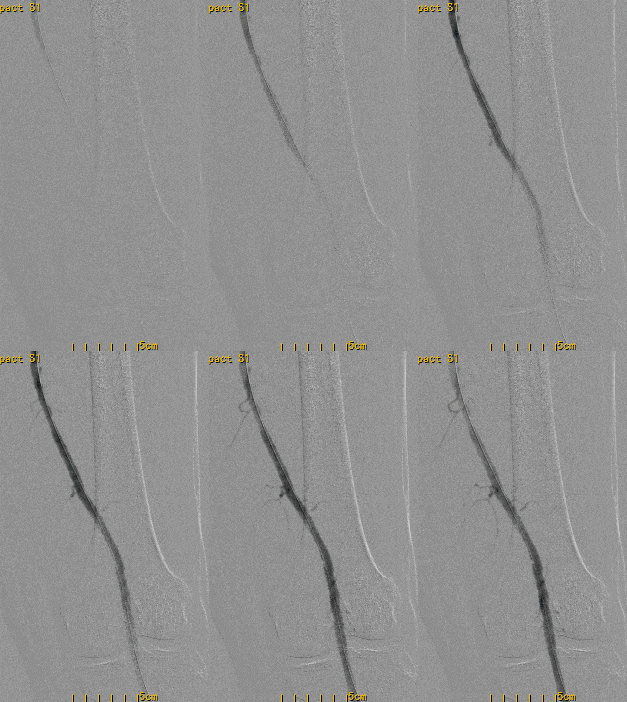
Angiography of the left femoral-popliteal artery, moderate stenosis in the distal femoral artery, usingDK Medtech DKutting™ Scoring BalloonAfter dilation, no dissection was observed and blood flow was unobstructed.
Follow-up
Discharge Status:
After balloon dilation, the blood flow in the lower limbs was restored, and the patient showed significant improvement. The left and right ABI before discharge: 1.08/1.06;
In April 2024, during a telephone follow-up, the patient currently had warm skin on both lower limbs, with no claudication or nocturnal rest pain.
Case Summary
Case Characteristics:Combined with underlying diseases, atherosclerotic occlusion of the arteries in both lower limbs.
Preoperative Assessment Key Points:For elderly patients, it is necessary to fully evaluate cardiac and pulmonary functions before surgery, check for cardiovascular and cerebrovascular diseases, assess the degree of lower limb arterial calcification, the extent of lesion stenosis, and the condition of outflow and inflow tracts.
Surgical Strategy/Technical Key Points:
Patients with atherosclerotic occlusion of the arteries in both lower limbs mostly have concurrent cardiovascular and cerebrovascular diseases. If symptoms occur in both lower limbs simultaneously, priority should be given to reopening the limb with severe occlusion or obvious symptoms.
Severe calcified lesions require the use of special balloons to minimize the occurrence of dissections while ensuring the diseased vessel can be dilated.
Characteristics/Usage Tips of the Device:
UseDK Medtech DKutting™ Scoring BalloonThe vascular lesion segment can be treated without pre-processing.
DK Medtech DKutting™ Scoring BalloonAfter opening, the pressure expansion state should be maintained for 1-2 minutes. The balloon should be retrieved slowly to minimize the occurrence of dissection.
References:DELTA Clinical Study (NCT05608655).
Effectiveness Evaluation:The patient has lesions in both lower limbs, usingDK Medtech DKutting™ Scoring BalloonAt the dilated and calcified vessel sites, no dissection was observed, and blood flow was restored while reducing stent implantation.

Expert Introduction

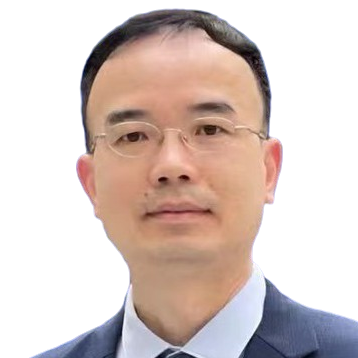
Professor Zhang Zhihui
Surgical Guidance
M.D., Chief Physician, Doctoral Supervisor, Postdoctoral Cooperation Supervisor,Director of the Vascular Surgery Department at the Second Affiliated Hospital of Guangzhou Medical University, Director of the General Surgery Training Base, and Secretary of the Second Party Branch of the Surgery Department. Recognized as a Distinguished Young Medical Talent in Guangdong Province and a talent under the "Thousand-Hundred-Ten" Project by the Guangdong Provincial Education Department. Expert member of the Guangzhou Medical Accident Appraisal Committee, honored with the titles of "Outstanding Doctor of Yangcheng" and "Famous Doctor of Lingnan."
Chairman of the Vascular Surgery Branch of the Guangzhou Medical Association;Chairman of the Vascular Surgery Committee of the Guangdong Provincial Clinical Medicine Association;Vice Chairman of the Vascular Surgery Branch of the Guangzhou Medical Association;Standing Committee Member of the Vascular Surgery Branch of the Guangdong Medical Association;Member of the Hemodialysis Access Committee of the Vascular Surgery Branch of the Chinese Medical Doctor Association;Member of the Chinese Venous Society;Member of the Varicose Veins Committee of the Chinese Society of Microcirculation;Member of the Dialysis Access Committee of the Endovascular Society of the Chinese Medical Doctor Association;Vice Chairman of the Vascular Surgery Committee, Guangdong Grassroots Medical Association.
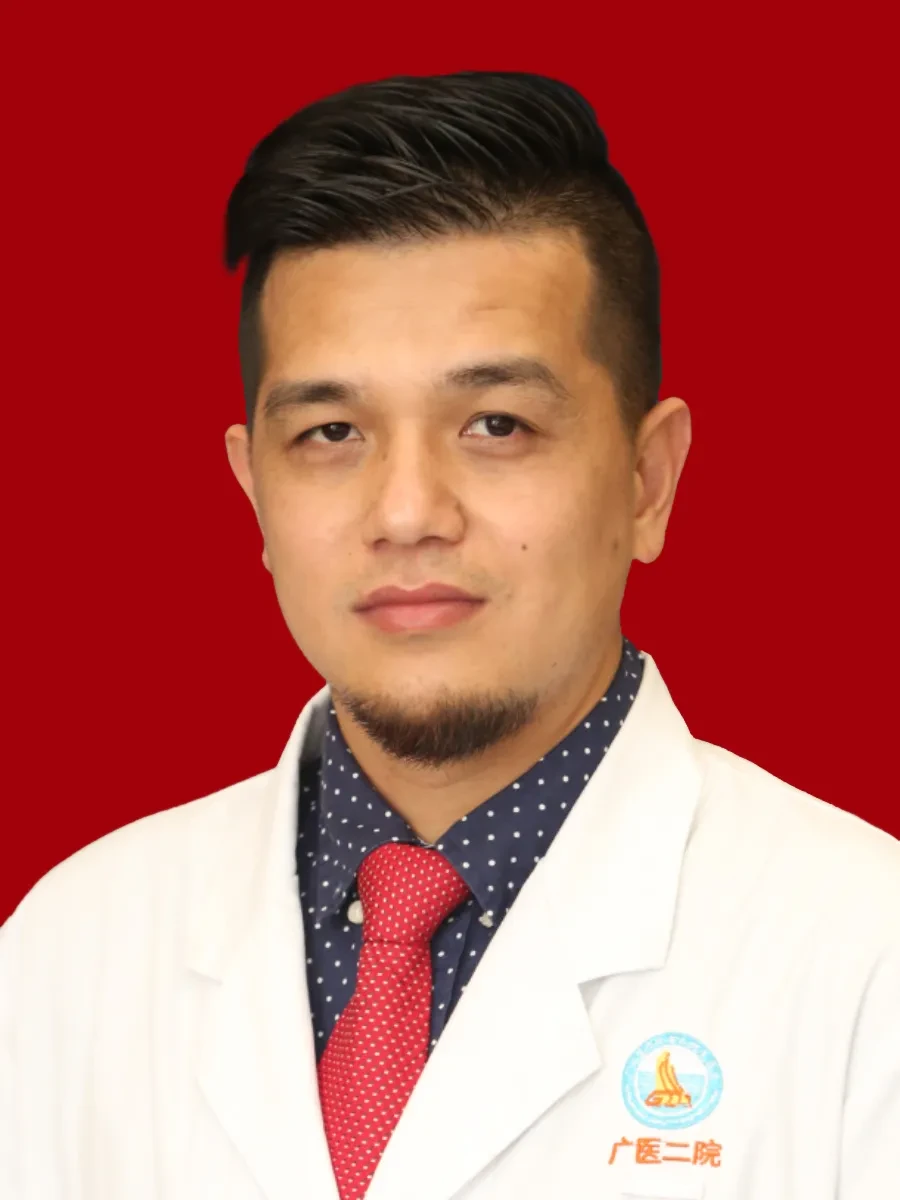
Professor Xiao Jianbin
Surgical Guidance
Chief Physician of the Vascular Surgery Department at the Second Affiliated Hospital of Guangzhou Medical University, Master of Medicine, and Master's Supervisor. Standing Committee Member and Secretary of the Vascular Surgery Professional Committee of the Guangdong Provincial Clinical Medicine Association, Standing Committee Member of the Vascular Surgery Professional Committee of the Guangdong Grassroots Medicine Association, Member of the Vascular Surgery Branch of the Guangdong Medical Association, Member of the Vascular Disease Specialty Committee of the Guangdong Health Management Association, and Member of the Venous Disease Specialty Committee of the Guangdong Health Management Association. Engaged in clinical work and basic research in vascular surgery, leading and participating in multiple vascular surgery research projects, and publishing over 20 related papers. Has extensive experience in the diagnosis and treatment of complex lower limb arterial occlusive diseases, and is frequently invited to consult and assist municipal hospitals in eastern Guangdong, western Guangdong, and Guangxi in performing peripheral vascular interventional surgeries, personally conducting more than 1,000 various peripheral vascular interventional surgeries annually. Specializes in endovascular minimally invasive treatments (endovascular interventional treatments) for vascular surgical diseases, including aortic dissection, abdominal aortic aneurysm, lower limb arteriosclerosis occlusion, diabetic foot, varicose veins of the lower limbs, deep vein thrombosis of the lower limbs, angiitis, hemangioma, etc.
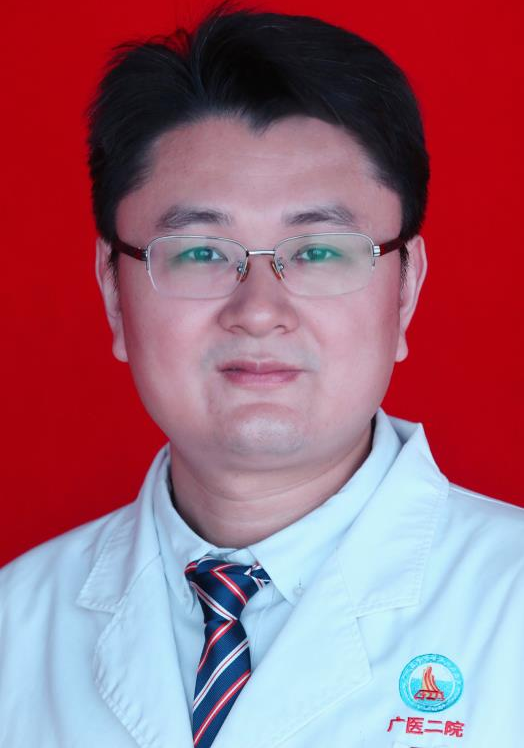
Professor Li Qiang
Surgeon of This Case
Vice Chief Physician, Department of Vascular Surgery, The Second Affiliated Hospital of Guangzhou Medical University; Master's Graduate Supervisor; Member of the Youth Expert Committee of the Chinese Division of the International Vascular Alliance; Member of the Venous Disease Treatment Group of the Vascular Surgery Branch of the China International Exchange and Promotive Association for Medical and Healthcare; Member of the First Committee of the Vascular Surgery Specialty Committee of the Guangdong Clinical Medicine Association; Member of the Second Committee of the Vascular Medicine Specialty Committee of the Guangdong Health Management Association; Member of the Vascular Surgeons Branch of the Guangzhou Doctors Association. Specializes in minimally invasive comprehensive treatment of varicose veins in the lower limbs, proficient in the diagnosis and treatment of vascular diseases such as deep vein thrombosis in the lower limbs, arteriosclerosis obliterans in the lower limbs, and hemangiomas, with a certain level of expertise in abdominal aortic aneurysms and aortic dissections. Has published several papers in core journals such as "Chinese Journal of Vascular Surgery," "Chinese Journal of Vascular Surgery (Electronic Edition)," "Chinese Archives of General Surgery (Electronic Edition)," "Guangdong Medical Journal," and "Lingnan Modern Surgery."

Department Introduction

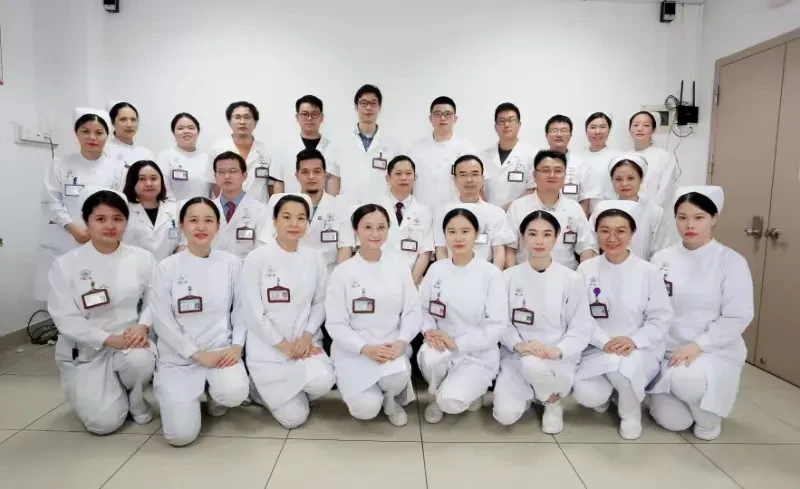
The Vascular Surgery Department of the Second Affiliated Hospital of Guangzhou Medical University (referred to as GYDE Hospital) is one of the most renowned vascular disease specialties in Guangdong Province. It is the prevention and treatment specialty with the most comprehensive and diverse range of vascular diseases treated in Guangdong Province. Currently, it comprises two wards located in Changgang Campus and Panyu Campus, with a total of 53 open beds.
After years of innovation and development, the Vascular Surgery Department of Guangzhou Medical University Second Affiliated Hospital has established a comprehensive set of diagnostic and treatment protocols and operational standards for vascular diseases. It provides professional and standardized prevention and treatment for vascular diseases, with a dynamic specialized team for the diagnosis and treatment of vascular diseases. The department also has dedicated wound care specialists. Patients come from all over South China, China, as well as Hong Kong and Macao.
The Department of Vascular Surgery currently has 2 professors and chief physicians, 4 associate professors and deputy chief physicians, 4 attending physicians, 3 resident physicians, and 2 professional wound therapists. It is a master's degree training site for Guangzhou Medical University. The department has led and completed 10 provincial and ministerial level research projects, won one third prize each for provincial and municipal scientific and technological progress awards, obtained 8 national utility model patents, and published over 200 papers.
Under the leadership of Professor Lin Shaomang, the academic leader, and Professor Zhang Zhihui, the director of the department, the Vascular Surgery Department of Guangzhou Medical University Second Affiliated Hospital has developed considerable scale and technical expertise. It has become a distinctive specialty with significant influence both within and outside the province. The department maintains close academic exchanges with vascular specialties domestically and internationally. It regularly hosts the annual Guangzhou Medical University Vascular Forum, as well as the Guangdong Province and Guangzhou City training courses on new technologies, advancements, and wound management in vascular surgery. Each year, the department receives dozens of visiting scholars from hospitals across the province and beyond, earning a high academic reputation both in China and internationally.