

From "Full-Length Collagen" to "Regenerative Medicine Materials": A Biomaterials Company's Upstream Breakthrough

Giant Biogene
Skin Care Product R&D Developer
Late one night in March 2025, in a laboratory in Daxing, Beijing, several individuals with backgrounds in cell therapy gathered around an electron microscope, staring at a newly generated image on the screen in silence for quite some time.
On the screen is the microstructure of recombinant human collagen fibrils.
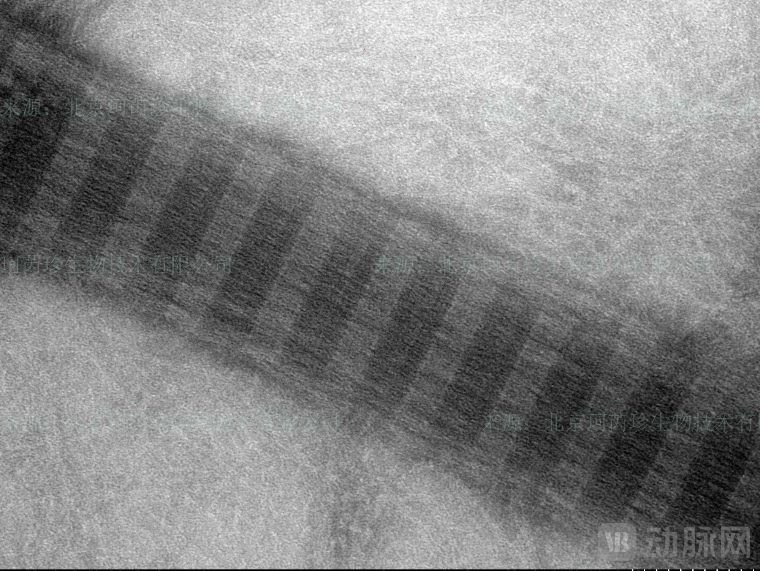
(TEM image of recombinant human collagen fibrils, 100 nm; Source: Kerui Zhen)
What they had expected to see was a pile of protein fragments, or some crude form of a "laboratory product." But what appeared in the image reminded them of another picture—human tissue sections under an electron microscope.
"Absolutely stunning!" recalled Li Yang, founder of Krezen, his tone still tinged with restrained excitement as he reminisced about that moment.
For this team, these are not ordinary experimental results.
Previously, they had completed validations at the level of collagen sequences and triple helices. However, it was only upon directly observing fiber structures resembling natural collagen under an electron microscope that the team intuitively realized for the first time: what they had produced might no longer be merely a protein "called collagen," but rather one beginning to exhibit the potential to approximate the structure of natural collagen.
This electron micrograph also changed the internal standards by which Krezen evaluates its R&D outcomes.
"We no longer look at total output; I only focus on the yield of effectively structured products," said Li Yang. In his view, if the sole aim were to maximize total protein volume, production facilities could certainly achieve higher figures. However, if the protein suffers from fragmentation or incomplete structural integrity, its value for regenerative medicine materials remains limited, even if testing confirms it as "collagen."
From this moment on, Krezen's focus has shifted from merely "how much collagen is produced" to "what exactly the resulting collagen is."
For a startup founded in September 2025, this moment has arrived sooner than expected.
Yet the story it seeks to tell is far grander than simply "developing a collagen product."
The market is not short of collagen; the challenge lies in developing materials that meet demand.
In recent years, recombinant collagen has rapidly gained momentum in China, with its applications expanding from medical aesthetics and skincare to wound repair, tissue engineering, and other fields.
According to research data from Donghai Securities, the market size of recombinant collagen products in China was approximately RMB 28.6 billion in 2023 and is projected to further grow to RMB 66.5 billion by 2027, representing a compound annual growth rate (CAGR) of about 41% from 2023 to 2027. As application scenarios continue to expand, Recombinant collagen is emerging as a significant growth direction in China's biomaterials sector. (Note: Data sourced from Donghai Securities research reports; represents institutional forecasts only and does not constitute a judgment on the industry's future performance.)
Meanwhile, companies such as Giant Biogene and Jinbo Bio have also promoted consumer awareness and the widespread application of recombinant collagen in the medical aesthetics and skincare markets.
But in Li Yang's view, a contrast is becoming increasingly apparent: While the domestic market has expanded, there are still few products with genuine international competitiveness.
For recombinant collagen companies seeking to enter international markets, the challenge lies not only in establishing sales channels but also, more importantly, in gaining product recognition under international standards.
Although traditional animal-derived collagen possesses advantages in its natural structure, it also faces challenges such as sourcing, immunogenicity, batch-to-batch variability, and potential pathogen contamination. Recombinant technology mitigates certain sourcing and safety risks but introduces new technical challenges: Does the recombinant protein truly possess a structure and function comparable to native collagen?
Collagen is not a single component. The types, structures, and assembly modes of collagen vary across different human tissues, with different types performing distinct biological functions. Therefore, evaluating the value of a recombinant collagen should not rely solely on whether the corresponding protein sequence has been obtained; it must also consider its structural characteristics, functional performance, and intended applications.
This also became Krezen's entry point into this field: competition in recombinant collagen cannot stop at "whether it can be produced," but must further address "whether the structure is appropriate and whether the material is applicable."
From Cellular Engineering Expertise to Regenerative Medicine Materials
Krezen's entrepreneurial journey did not actually begin with collagen.
The company's core team was previously engaged in cell therapy-related research, accumulating expertise in cell factory engineering and cell editing. As R&D progressed, the team gradually realized that cells do not function in isolation after entering the human body; their adhesion, migration, proliferation, and differentiation are all dependent on the surrounding microenvironment.
If cells are the cornerstone of regenerative medicine, what materials can provide a microenvironment that more closely mimics the human body's own? The team's focus gradually shifted to the extracellular matrix (ECM).
The extracellular matrix (ECM) in various human tissues is not composed of a single type of collagen; rather, different collagen types and their combinations with other matrix components collectively contribute to tissue structure and function. Therefore, instead of limiting its approach to a single type of collagen, Krezen has focused on multi-type recombinant human collagen and further extended its efforts into ECM materials.
Li Yang revealed that the company has established mammalian cell expression platforms, including CHO and HEK293, and strategically expanded into the fermentation, purification, and materialization of multiple types of recombinant human collagen. Building on this foundation, Krezen has also developed technologies for precise site-specific insertion of large DNA fragments and AI-assisted structural engineering of human collagen, aiming to extend its R&D capabilities beyond protein expression to structural design and regulation.
The hallmark of this approach is that its R&D objectives extend beyond mere protein acquisition to include precise control over protein structure and subsequent assembly states. Compared with expression systems such as Escherichia coli and yeast, mammalian cell lines like CHO and HEK293 provide a protein processing environment more akin to that of human cells, thereby facilitating collagen-related post-translational modifications, folding, and assembly.
However, this approach also entails greater process complexity and higher production costs. Striking a balance among structural requirements, process stability, and scalable manufacturing remains an ongoing challenge for enterprises.
From "Biocompatibility" to "Homologous Isomorphism"
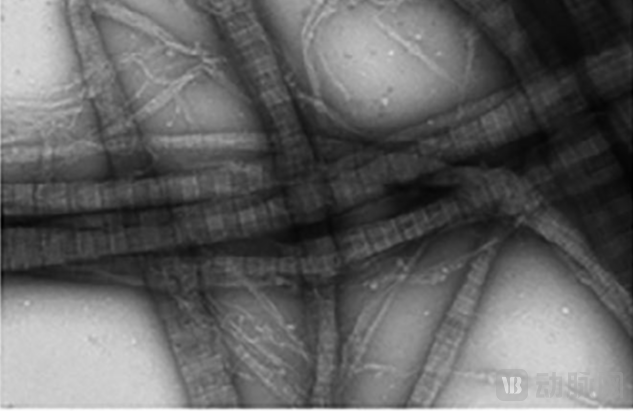
(Figure 1. TEM image of human dermal collagen fibrils at 500 nm. Image source: Dill, Veronika, and Matthias Mörgelin. 2020)
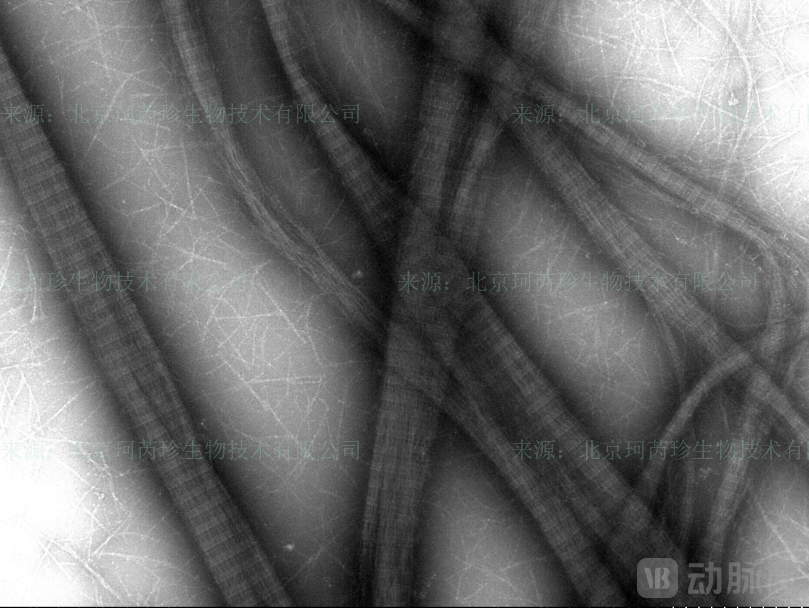
(TEM image of recombinant human collagen fibrils, 500 nm; image source: Krezen)
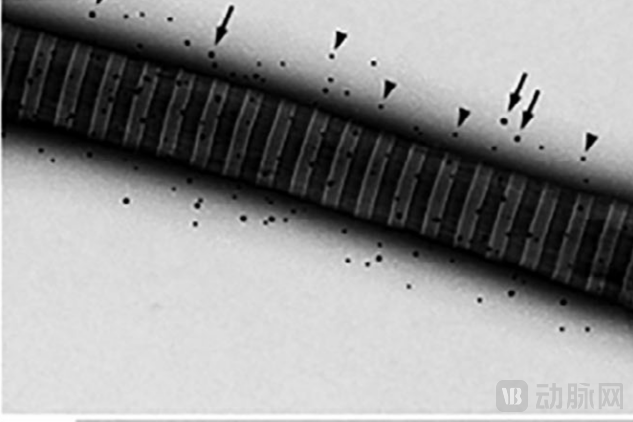
(TEM image of human dermal collagen fibrils, scale bar 200 nm; image source: Dill, Veronika, and Matthias Mörgelin. 2020)
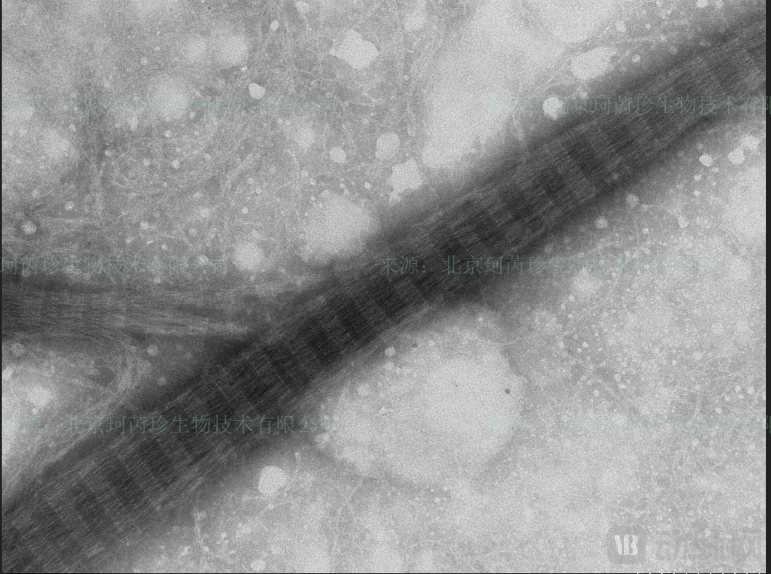
(TEM image of recombinant human collagen fibrils at 200 nm; image source: Krezen)
Krezen has set "homologous and isomorphic" as its technical objective. Li Yang breaks this down into two levels.
"Homology" Resolves Identity Issues—From Gene Sequences to Secondary, Tertiary, and Quaternary Structures, and Further to Triple-Helix Fibers and Network Structures Formed by Higher-Order Assembly, All Should Closely Mimic the Natural Tissue Microenvironment of the Human Body.
"Isomorphism" addresses functional issues—collagen not only "looks the part" but also self-assembles into collagen fibers, just like native collagen, providing a supportive environment for cell growth and activity, and playing a role in tissue repair and regeneration.
This is also why the team emphasizes "effective structural yield." While total protein yield can reflect production efficiency, structural integrity and assembly status are equally important for collagen materials.
In March 2026, Krezen completed a 200-liter GMP-grade industrial fermentation process, achieving a yield of 2 grams per liter. The company subsequently expanded its R&D focus from single-type collagen to multi-type collagens and ECM materials, currently encompassing forms such as hydrogels, membranes, sutures, collagen fibers, and collagen-hyaluronic acid composites.
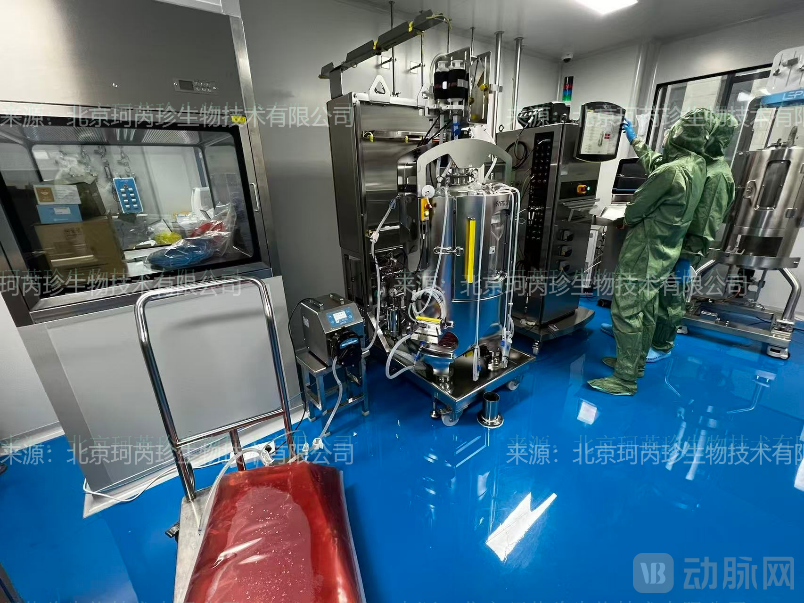
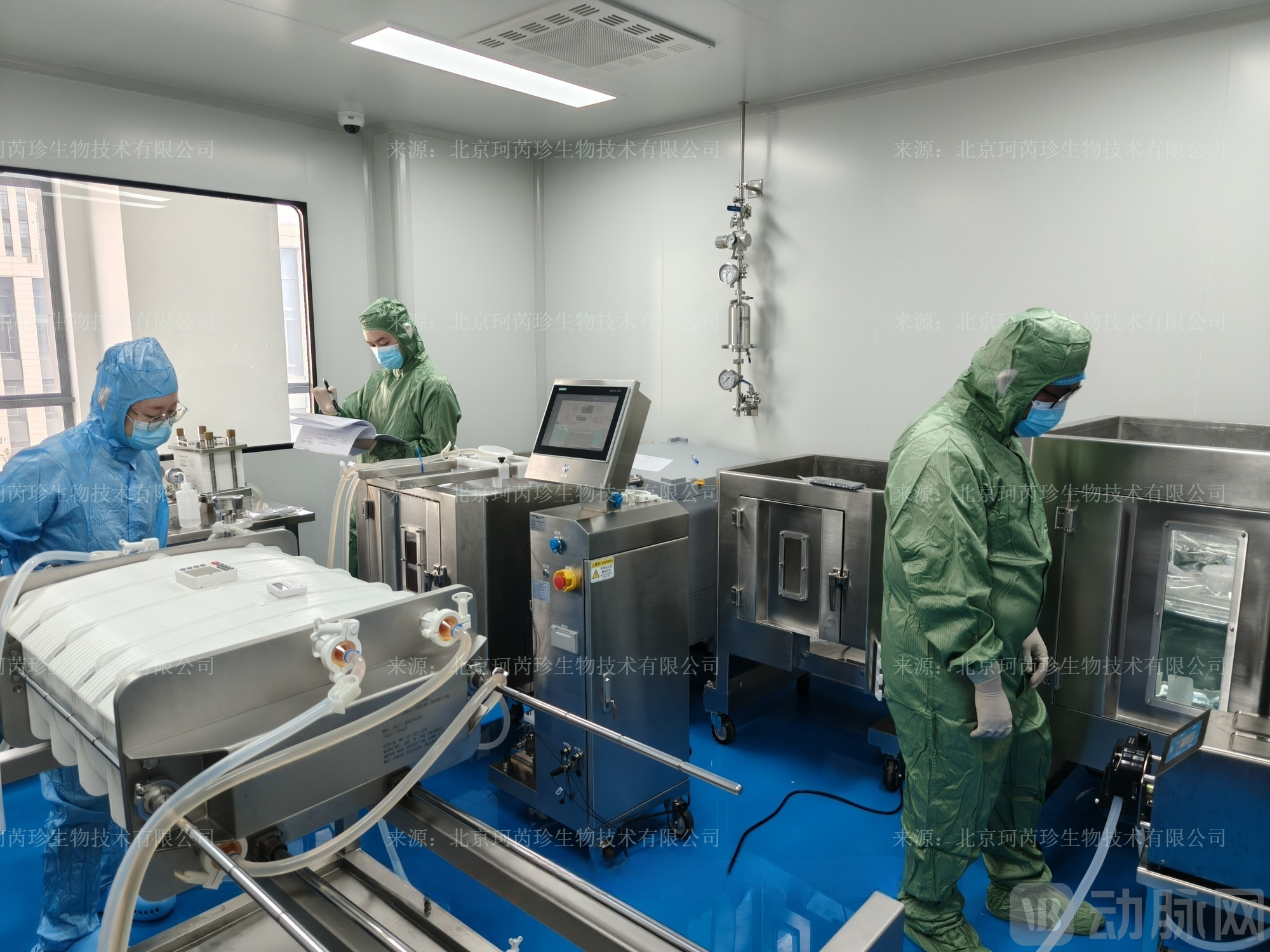
Krezen Production Site: Upstream Fermentation and Downstream Purification of Recombinant Collagen
Different morphologies impose varying requirements on material processing methods, structures, and properties. Krezen attempts to integrate protein characteristics with downstream applications by implementing targeted designs for purification, modification, and material processing, thereby facilitating the transition of proteins from laboratory R&D to specific material forms.
A 200-liter fermentation process is not the endpoint of this technological pathway. Ensuring stability in structural control, quality standards, and material processing during scaled-up production will continue to influence subsequent product development and industrialization progress.
From Nasal Mucosa to Artificial Blood Vessels: Materials Enter Specific Application Scenarios
If "homologous and isomorphic" emphasizes protein structure, then the multi-type collagen arrangement corresponds to another issue: different tissue repair needs may not be addressed by a single type of collagen.
Type I collagen provides mechanical support, Type II is associated with tissues such as cartilage, Type III participates in tissue repair, and Type IV is a key component of the basement membrane. The structural and biological differences among various collagen types imply that material development must be tailored to specific application requirements.
"You can't repair the heart by creating just one type." said Li Yang.
Consequently, Krezen has expanded into multi-type recombinant human collagen and is attempting to further tailor material properties through chemical modification and composite development. Currently, Krezen has completed the master file registration for multiple types, including Type I, Type II, Type III, and Type XVII.
These capabilities ultimately need to be applied in specific scenarios.
Currently, the R&D roadmap for Krezen is divided into two parts: clinical research and preclinical research.
Focusing on applications in pediatrics and tissue repair, the company is developing products such as a recombinant type III collagen nasal mucosal repair spray for infants and toddlers and 3D-printed soft tissue products using autologous adipocytes. Preclinical research includes HumanGel organ-on-a-chip models for toxicology studies and HumanGel tumor invasion organoid models for pharmacodynamic evaluation.
In the medium to long term, the company also plans to extend its product portfolio to include collagen-based dermal fillers, implantable threads, wound dressings, and bioengineered vascular grafts.
At this point, what Krezen aims to establish is no longer a single product line, but rather a closed-loop system spanning from material research and development to application validation.

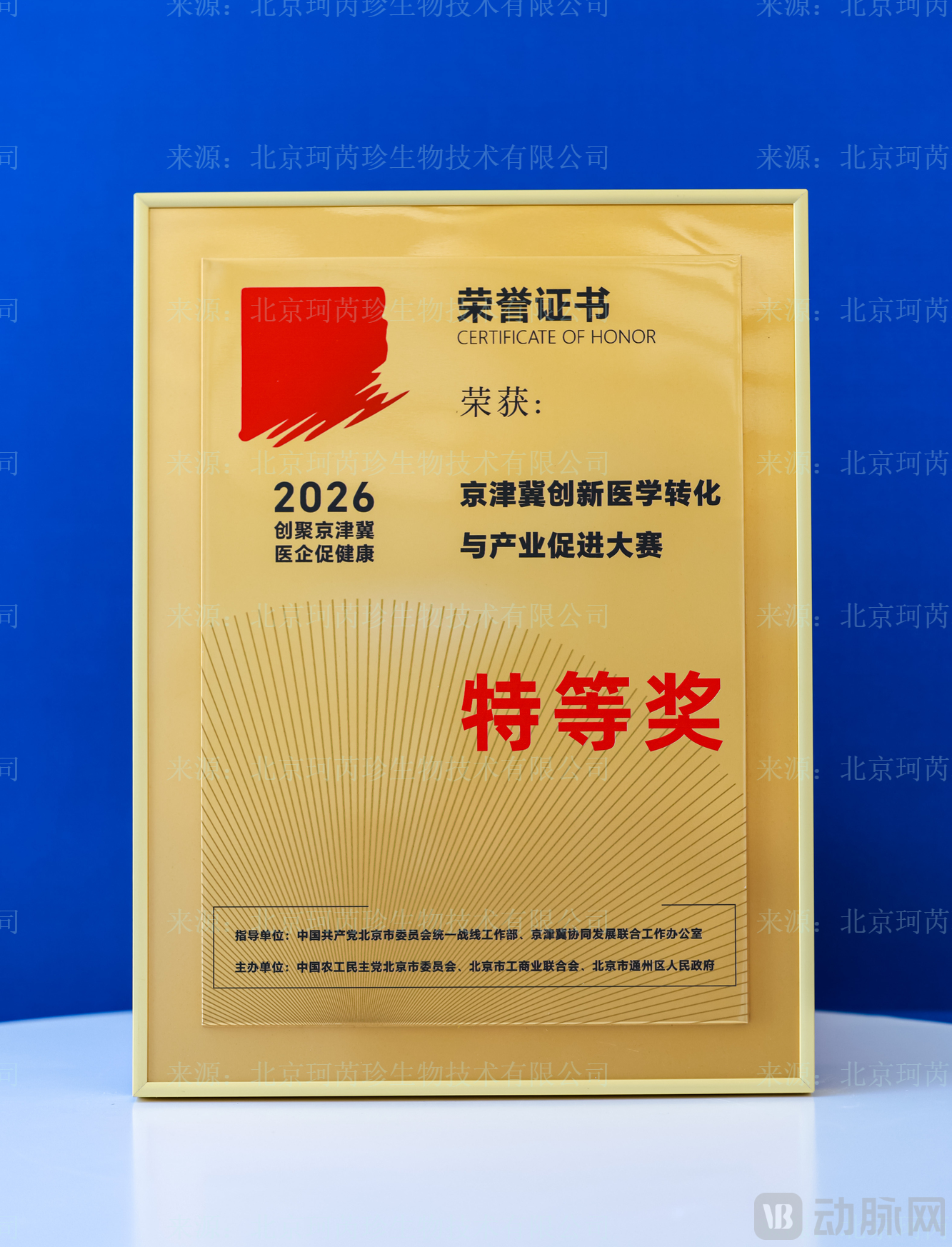
(Krezen Won the Grand Prize at the 2026 Beijing-Tianjin-Hebei Medical Enterprise Health Promotion · Beijing-Tianjin-Hebei Innovative Medical Translation and Industry Promotion Competition)
Bringing Materials Closer to the Human Body: Krezen Aims to Become a Foundational Supplier of Regenerative Medicine Materials
Li Yang does not wish for Krezen to be defined as a "recombinant collagen company."
In his view, recombinant collagen is merely the starting point for entering the field of regenerative medicine materials; the company aspires to become a Basic Supplier of Regenerative Medicine Materials. To use a more intuitive analogy, he describes this positioning as "the NVIDIA of the collagen world"—mastering core material capabilities, which downstream companies then transform into various medical products.
Centered on this positioning, Krezen is exploring three commercialization pathways: supplying base materials downstream, collaborating with enterprises on joint development or licensing, and independently developing or jointly developing end-user medical devices.
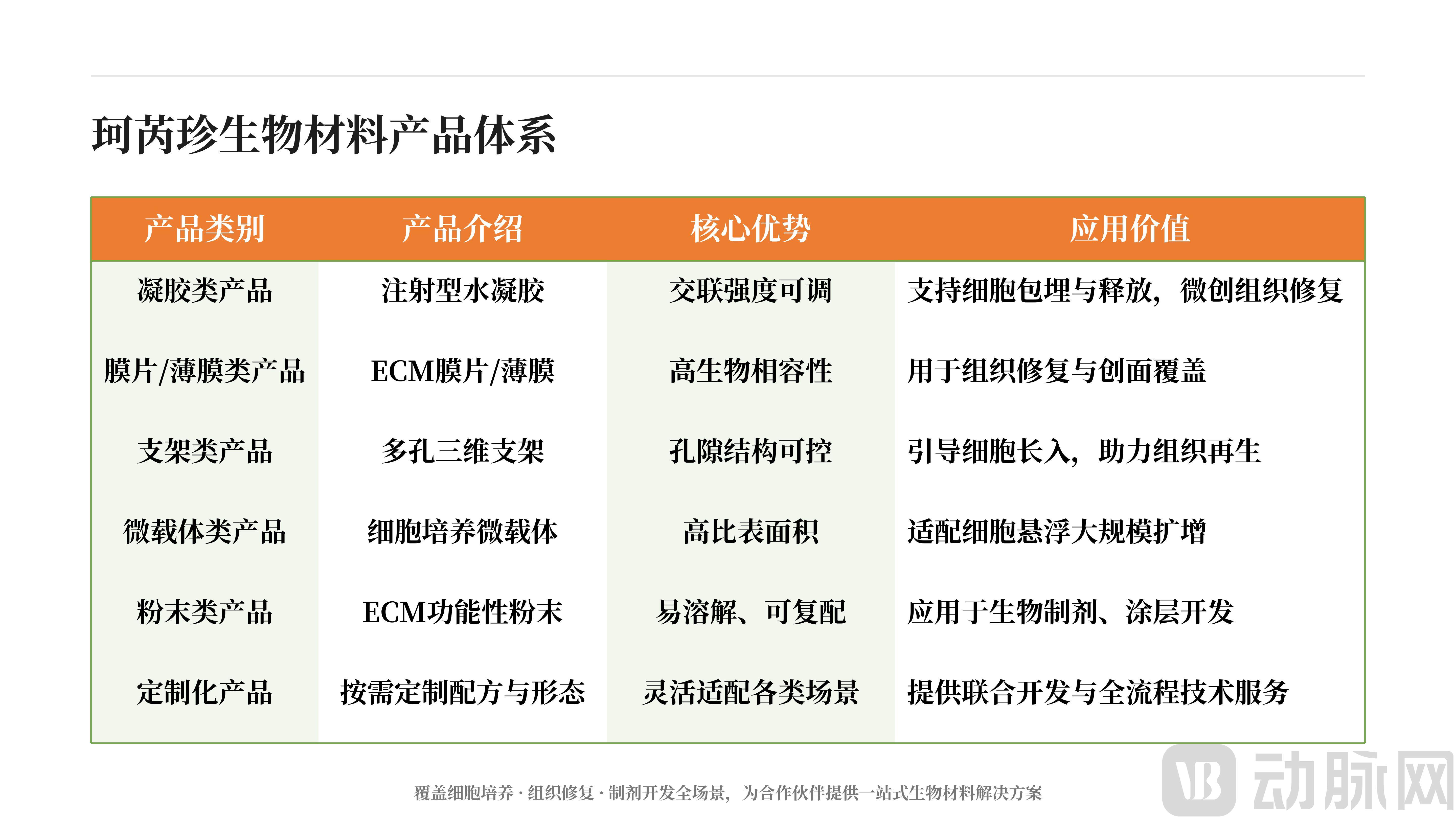
Essentially, this involves translating the same protein platform into different "material languages" to serve customers with diverse needs.
Tri-Prime Gene's industrial investment has provided further support for this commercialization pathway. In 2026, Tri-Prime Gene further increased its capital injection into Krezen, raising its shareholding to 21.04%, and positioning it as a key strategic layout in the fields of recombinant humanized collagen and tissue engineering materials.
Along this path of industrialization, Global expansion is also a key objective for Krezen.
As the interview drew to a close, Li Yang paused briefly and summarized the company's long-term direction in two words: "Precision" and "Global Expansion." The former refers to R&D of materials more closely aligned with the needs of human tissues, while the latter means that products must meet the quality standards and regulatory requirements of target markets. His tone was not loud when he uttered these two words, but it was firm.
Starting from recombinant collagen and advancing toward regenerative medicine materials, this is the true meaning of the positioning as a "basic material supplier"—not merely selling more collagen, but Establishing a foundational capability to continuously produce biomaterials with diverse structures and functions.
For Krezen, that electron micrograph was only the beginning.
(Note: This article is an objective report on the company's R&D progress. The technologies, pipeline, and market outlook mentioned herein are based on the company's current R&D status and do not constitute any investment advice. There are many uncertainties regarding whether products under development will achieve regulatory approval and commercialization.)
1, 2: Image source: Dill, V., & Mörgelin, M. (2020). Biological dermal templates with native collagen scaffolds provide guiding ridges for invading cells and may promote structured dermal wound healing. International Wound Journal. https://doi.org/10.1111/iwj.13314