

Exclusive: Abrobo Completes Tens of Millions in A+ Round Financing, Pan-Vascular Interventional Robots Enter the Fast Lane of Commercialization

abrobo
Developer of Vascular Interventional Surgical Robots

PU HE CAPITAL
Equity Investment Management Company
Shenzhen Institute of Advanced Biomedical Robot Co., Ltd. (hereinafter referred to as "Abrobo") has recently completed a Series A+ equity financing round worth tens of millions of yuan, led by PU HE CAPITAL , with strategic follow-on investment from Longgang Financial Holdings Strategy. The proceeds from this financing round will be primarily used to expand the indications for vascular interventional surgical robots and accelerate their commercialization, advance the R&D and regulatory registration of intelligent automated surgical systems and remote surgery systems, and strengthen talent team development.
The vascular interventional surgery robotics sector has recently witnessed a series of landmark events.
In March 2026, US-based XCath completed a $30 million Series C financing round, bringing its total funding to approximately $92 million. The round was co-led by Crescent Enterprises and Fred Moll, known as the "father of surgical robots," who also assumed the role of Chairman of the Board. Moll previously founded Intuitive Surgical, which defined the category of laparoscopic surgical robots with its da Vinci Surgical System. In September 2026, XCath's Iris system received another Breakthrough Device Designation from the US FDA, with the indication focused on remote robot-assisted mechanical thrombectomy.
Meanwhile, in September 2025, Siemens Healthineers and Stryker announced a strategic partnership to jointly develop neurovascular interventional robots for the treatment of stroke and aneurysms. In August 2026, this collaboration was further strengthened when the U.S. Advanced Research Projects Agency for Health (ARPA-H) awarded Siemens Healthineers up to $31.1 million under its "Autonomous Intervention and Robotics (AIR)" program to develop a robotic system capable of performing remote mechanical thrombectomy without direct human operation, with Stryker participating as a sub-recipient. The total funding pool for the AIR program amounts to up to $175.3 million, with other companies such as Philips and Magnendo also receiving grants in the same cohort.
Notably, Siemens Healthineers acquired the vascular interventional robotics company Corindus for $1.1 billion in 2019, scaled back its cardiac interventional robotics business in 2023, and has now partnered with Stryker to re-enter the sector. The ebb and flow of such industry giants' strategic moves serve as a testament to the long-term value of this track.
The two incidents also share a commonality at the technical level: both XCath and Siemens have adopted the master-slave robotic arm approach. The field of vascular intervention robotics has long been characterized by two distinct pathways: magnetic navigation and master-slave robotic arms. The former, represented by Stereotaxis, has validated its concept of contactless operation in scenarios such as cardiac electrophysiology ablation. However, from a clinical application perspective, magnetic catheters are mostly proprietary consumables, making them incompatible with the diverse range of standardized instruments used in neurointerventional and coronary interventions. Furthermore, insufficient haptic feedback limits their expansion into complex procedures, keeping their current clinical applications largely confined to the electrophysiology domain. In contrast, the master-slave robotic arm approach has gained industry-level validation in high-volume surgical fields such as neurointervention and coronary intervention, owing to its ability to replicate physicians' tactile sensations and ensure compatibility with standard consumables. This aligns with the strategic path that Shenzhen Institute of Advanced Biomedical Robot Co., Ltd. (abrobo) has adhered to since its establishment in 2020.
In China, it is common for interventional operating rooms to be shared across multiple departments: a single DSA system may be used for coronary procedures in the morning, neurointerventions in the afternoon, and peripheral or tumor embolization cases in the evening. For hospitals, the core question in procurement decisions is straightforward—how many procedures can one robotic system handle?
XCath's Iris system focuses on mechanical thrombectomy for neurovascular procedures, and the collaboration between Siemens and Stryker also targets the neurointerventional space. Specialized surgical robots address the question of "how to perform a specific type of surgery," while abrobo's PANVIS STAR®The pan-vascular interventional robotics platform was designed from the outset to provide comprehensive coverage of the entire workflow for neurovascular, coronary, peripheral, and tumor interventions, addressing the question: "How can interventional operating rooms operate efficiently?"
The hardware architecture underpins this category definition. The five-channel array-driven system, independently developed by Shenzhen Institute of Advanced Biomedical Robot Co., Ltd., supports the parallel operation of multiple devices such as guidewires, balloons, stents, and catheters, while delivering triple feedback through visual, auditory, and haptic channels. In neurointerventional procedures, the coordinated use of four devices—guidewires, intermediate catheters, microcatheters, and coil pushers—is commonplace; the multi-channel architecture provides redundancy to enable full-process robotic assistance for such complex interventions. Publicly available information indicates that early coronary intervention robots, represented by CorPath, can only cover certain procedural steps, with key stages still requiring manual operation by physicians.
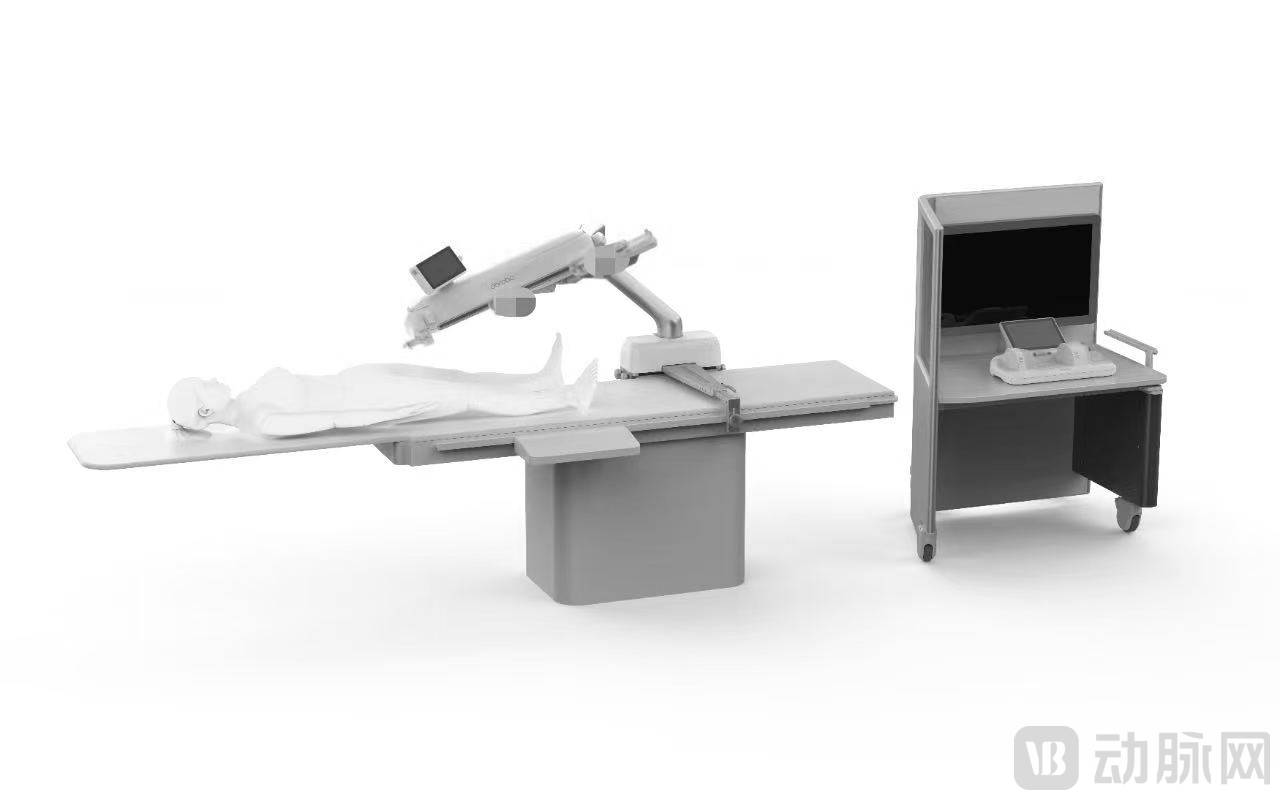
PANVIS STAR®Pan-vascular Interventional Surgical Robot
For investors, regulatory approvals and clinical data carry more weight than technological narratives.
Abrobo's First-Generation Product: PANVIS-A®The auxiliary operating system for cerebrovascular interventional surgery received NMPA Class III certification in August 2024, initiated its first hospital trial in January 2025, and has been deployed in 17 Grade A tertiary hospitals as of press time. Additional hospitals are scheduled to commission and adopt the system throughout the remainder of this year. In November 2025, a multicenter real-world study involving nine hospitals, led by Guangdong Provincial People's Hospital and Zhujiang Hospital of Southern Medical University, was launched, marking the first large-scale post-market real-world study of vascular interventional robots globally.

The pace of clinical implementation is accelerating. Within one week of installation at Shanghai 411 Hospital, seven cases of robot-assisted cerebral angiography were completed. The First Affiliated Hospital of Soochow University performed six consecutive surgeries in a single day. The First Affiliated Hospital of Jinan University achieved five combined neuro-interventional (both medical and surgical) procedures in one day. Jiangsu Province People's Hospital completed four consecutive surgeries during its inaugural session, while The Second Affiliated Hospital of Zhejiang University School of Medicine completed three consecutive surgeries in its first use. Hospitals including The First Affiliated Hospital of Ningbo University and Shanghai 411 Hospital have cumulatively performed over 20 surgeries, with physicians now capable of independently operating the system. The Chinese PLA General Hospital, Qilu Hospital of Shandong University (Dezhou Hospital), Tianjin Medical University General Hospital, Suining Central Hospital, Handan Central Hospital, Linyi People's Hospital, Shenzhen Nanshan District People's Hospital, Huizhou Third People's Hospital, and Zhongshan People's Hospital have successively completed system installation and their first respective procedures.
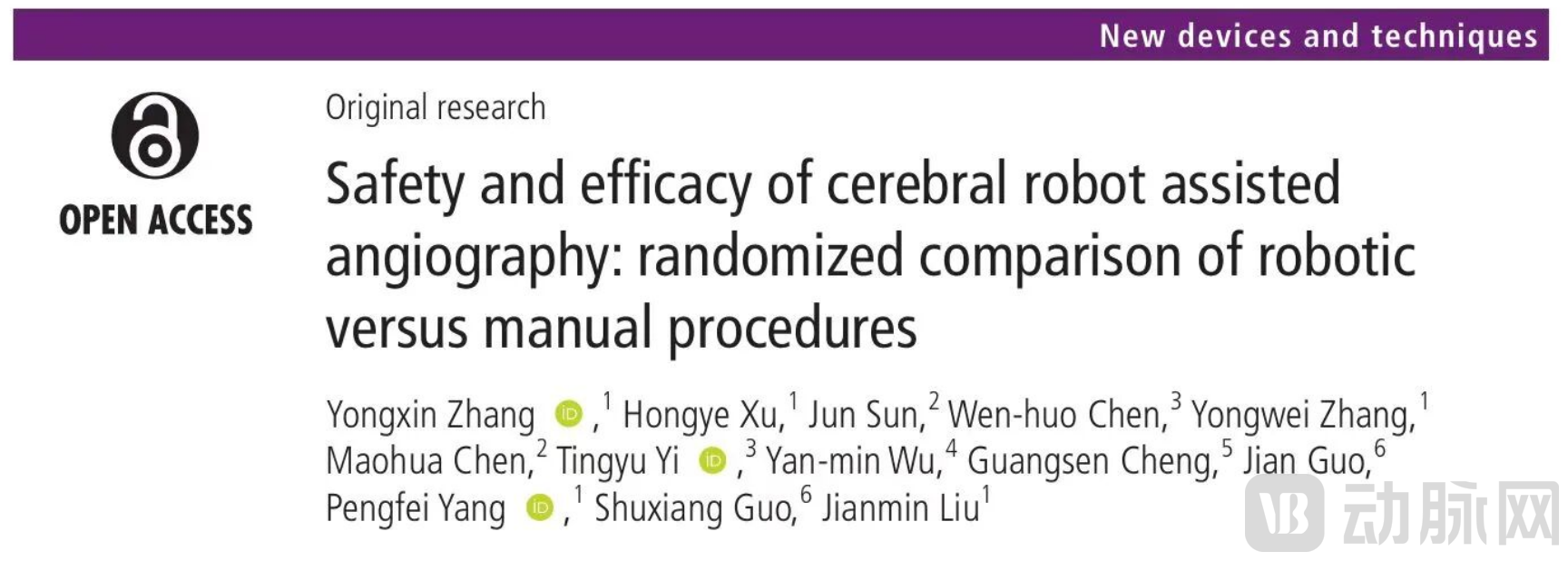
From top-tier Grade A tertiary hospitals nationwide to leading municipal-level hospitals, PANVIS-A®Clinical application of robot-assisted cerebral angiography has been completed across multiple centers, establishing a multi-tiered validation system covering the Guangdong-Hong Kong-Macao Greater Bay Area, the Yangtze River Delta, Southern Shandong, and the Beijing-Tianjin-Hebei region. The randomized controlled trial (RCT) conducted by Professor Liu Jianmin's team has been published in the Journal of NeuroInterventional Surgery (JNIS), a prestigious journal in the field of neurointervention.
PANVIS STAR for the Coronary Artery Field®The coronary intervention surgical control system, with its clinical launch led by Academician Ge Junbo, has completed enrollment of over 150 cases in PCI registration clinical trials. The results of its multicenter randomized controlled trial were presented at the TCT conference in 2025: the clinical success rate in the robotic group was 97.18%, the technical success rate was 100% with no conversion to manual procedures, and operator-induced radiation exposure was reduced by 97.2%.
ARPA-H's AIR Program Sends a Clear Signal: AI-Driven Fully Automated Vascular Interventional Surgery Is the Globally Recognized Direction of Evolution. Fully automated surgery imposes highly systematic requirements on the robotic platform itself. AI algorithms require extensive surgical data spanning multiple procedures and entire workflows for training; regulatory approval follows a principle of gradual indication expansion, making it more cost-effective for platform-based products to broaden their indications; and hardware must provide sufficient channel redundancy to handle complex procedures. The convergence of these three dimensions means that platform-based architectures hold a structural advantage on the path toward full automation.
Remote surgery serves as a key validation arena for this pathway and represents an area where Shenzhen Institute of Advanced Biomedical Robot Co., Ltd. has already demonstrated proven results:
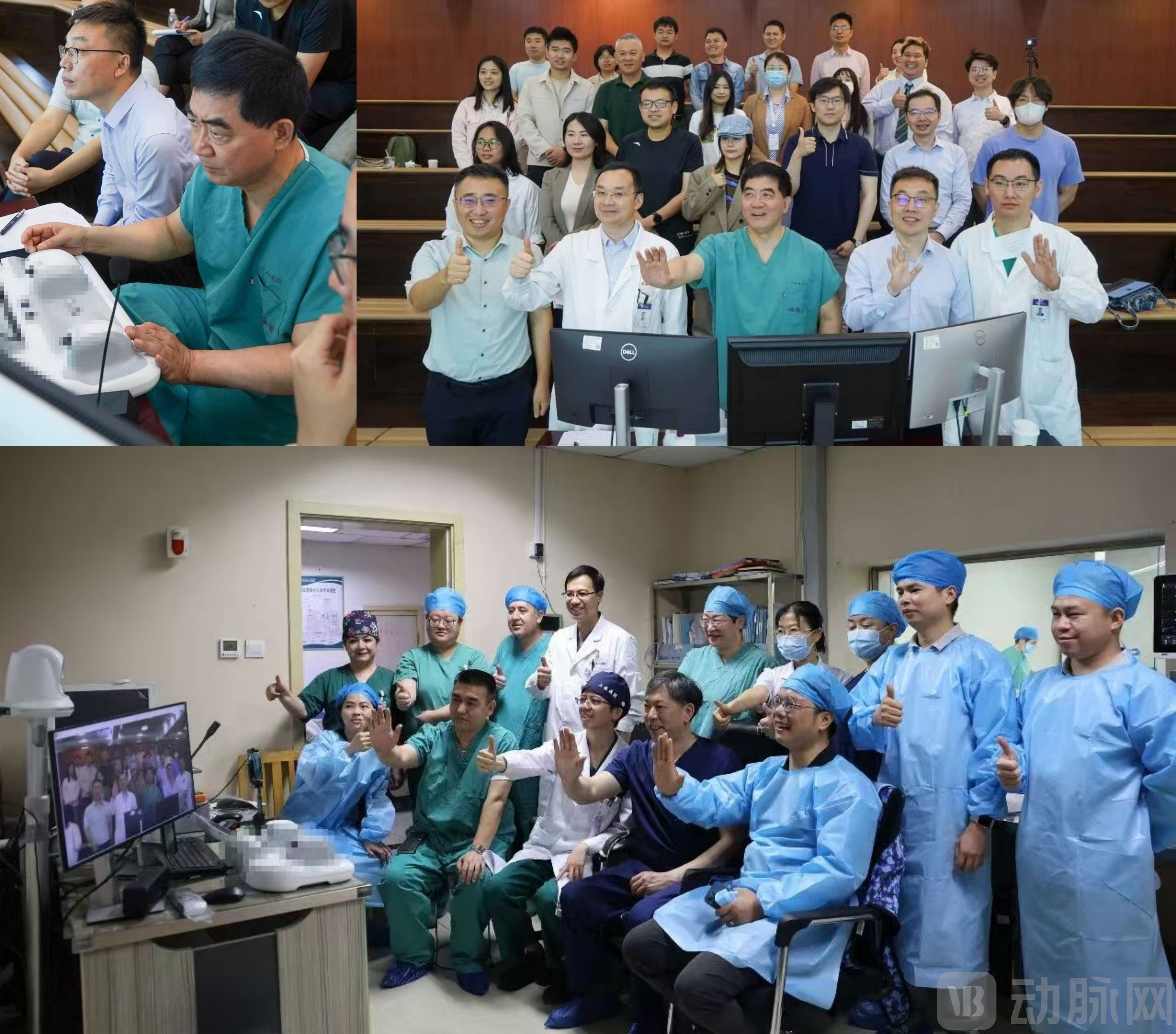
In May 2024, Academician Ge Junbo performed the PANVIS STAR procedure in Shanghai.®The system enabled remote operation to complete coronary stent implantation for a patient at the Second People's Hospital of Kashgar in Xinjiang, 5,200 kilometers away, setting a global record for the longest-distance cardiovascular interventional surgery;
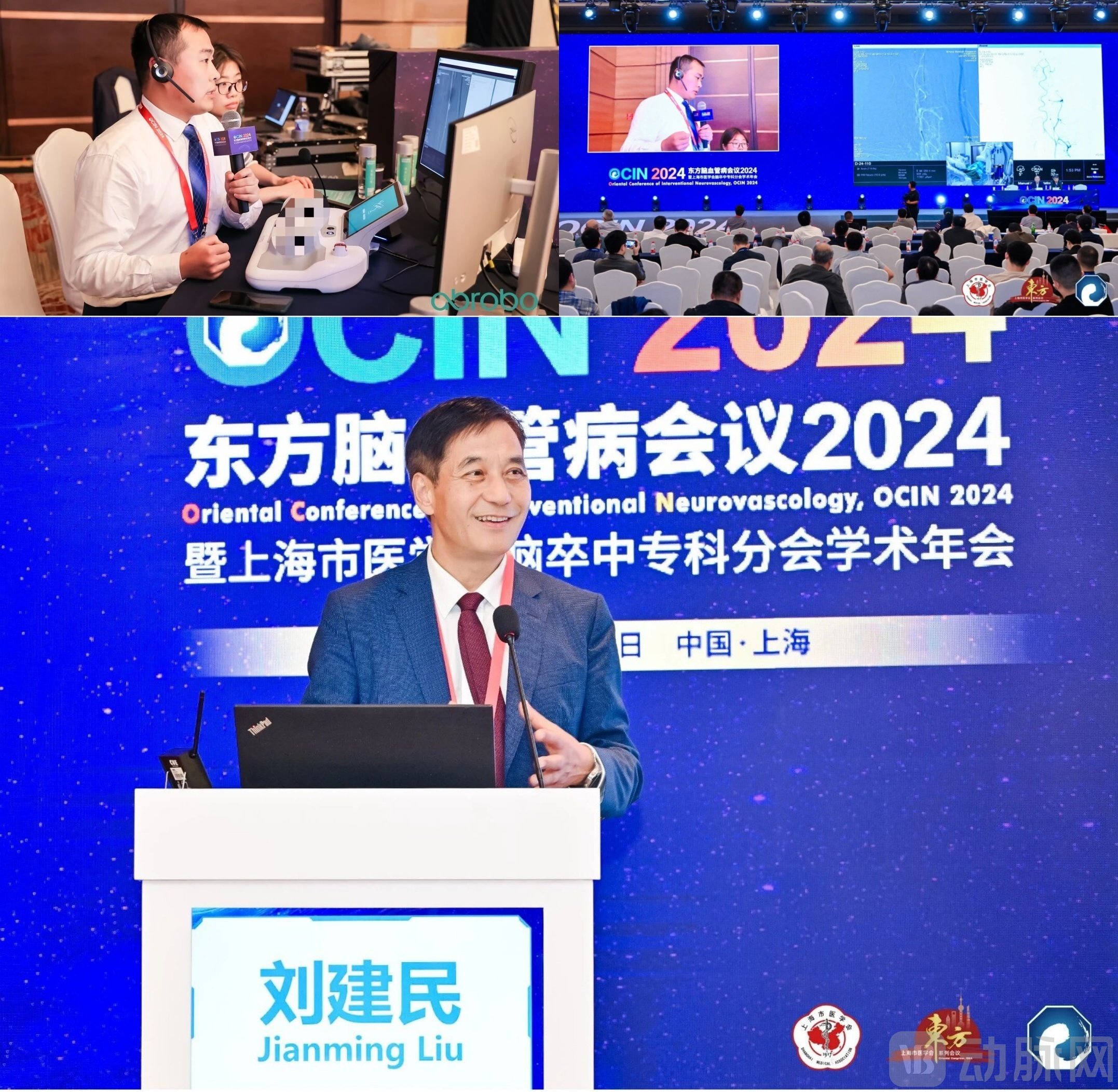
In October 2024, at the Oriental Conference on Interventional Neuroradiology (OCIN), Professor Zhang Yongxin from Professor Liu Jianmin's team performed procedures using PANVIS STAR.®The master system remotely controls the slave robotic arm in an animal laboratory, demonstrating the entire process of aneurysm embolization and intracranial vascular stenosis balloon angioplasty plus stent implantation. According to the conference announcement, this is the world's first robot-assisted remote cerebrovascular interventional animal surgery;
In March 2026, XCath performed the world's first remote robotic mechanical thrombectomy in Panama (with a distance of over 120 miles between the physician and patient sites), demonstrating the clinical feasibility of remote thrombectomy;
In April 2026, Professor Fu Pengcheng from Shenzhen Second People's Hospital utilized PANVIS STAR®Master console: Professor Qiao Hongyu from the First Affiliated Hospital of Jinan University and Professor Guo Fei from Nanshan District People's Hospital of Shenzhen collaborated on-site in animal laboratories, enabling real-time remote coordination between experts across a distance of over 2,000 kilometers to complete an animal experiment involving "remote cerebral angiography + remote stent implantation + remote thrombectomy." This marks the first robot-assisted remote endovascular thrombectomy animal experiment in China.
August 2026, PANVIS STAR®Further advancing preclinical research on mechanical thrombectomy in neurointervention. Professor Zhang Yongxin from Shanghai Changhai Hospital, in remote collaboration with Professor Guo Fei from Shenzhen Nanshan District People's Hospital, Professor Qiao Hongyu from the First Affiliated Hospital of Jinan University, and Professor He Yitao from Shenzhen People's Hospital, completed a full-process animal experiment encompassing "access establishment—stent implantation—thrombus modeling—catheter aspiration—stent retriever thrombectomy—recanalization assessment." This achievement enabled the remote, precise delivery and coordinated operation of multiple devices, including guidewires, catheters, intermediate catheters, and stent retrievers, while supporting real-time multi-expert consultations and rapid switching of intraoperative operational privileges. The significance of this progress extends beyond "remote operation" itself—it validates the feasibility of replicating the thrombectomy expertise of cranial neurointerventional specialists across regions via robotics, offering a new technological pathway to address the uneven distribution of stroke thrombectomy expert resources.
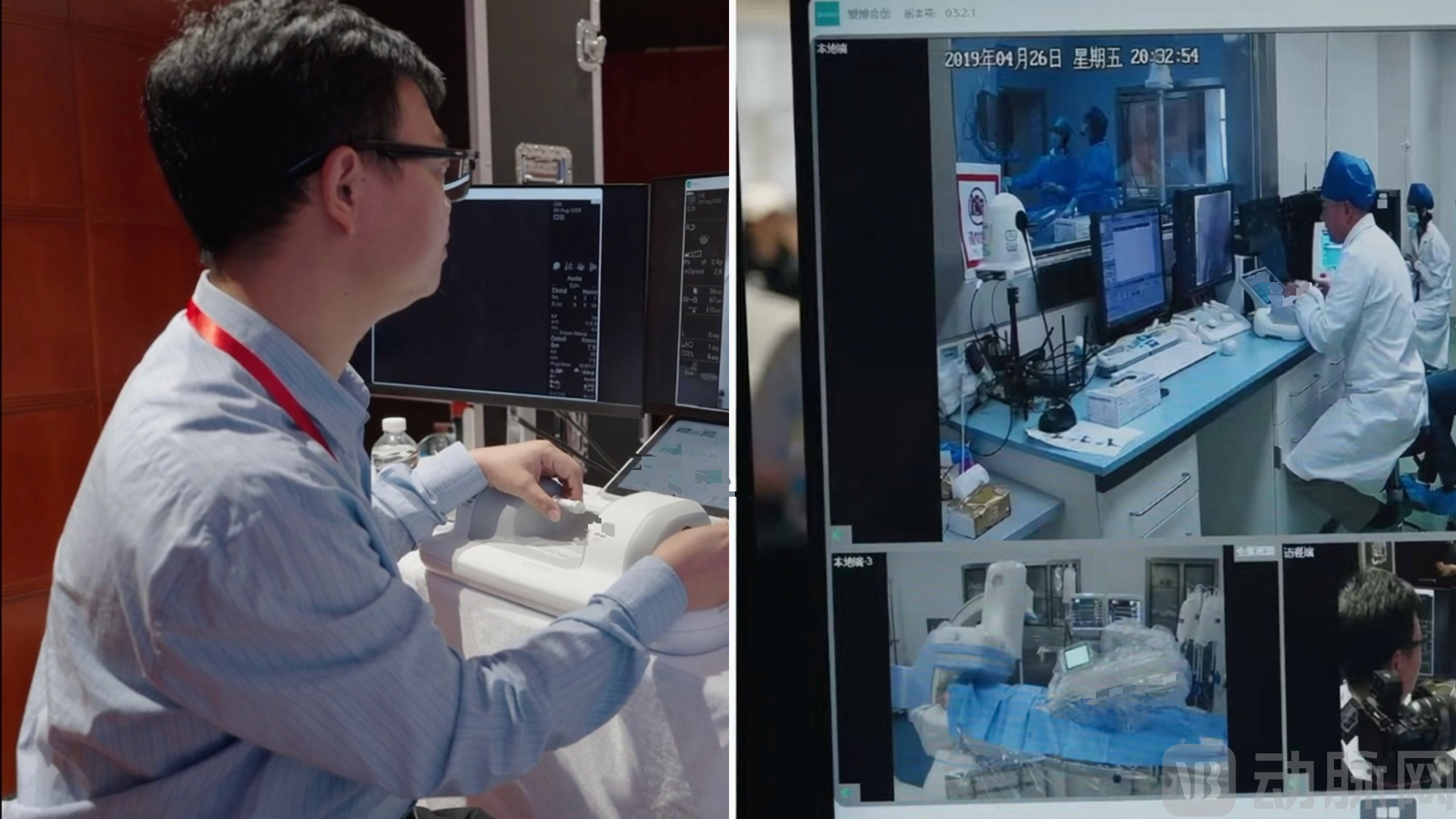
Shenzhen Institute of Advanced Biomedical Robot Co., Ltd. is independently developing an intelligent automated surgical system, which aligns closely with ARPA-H's funding priorities.
Payment-side variables are materializing. In January 2026, the National Healthcare Security Administration issued the "Guidelines for Project Establishment of Medical Service Prices for Surgical and Therapeutic Auxiliary Procedures (Trial)," which, for the first time, established unified pricing items for robot-assisted surgical procedures. These were categorized into four tiers based on the level of participation: navigation, participatory execution, precise execution, and remote surgery. In April 2026, Hunan Province took the lead in implementation: surcharges for the four tiers were set at 50%, 150%, 300%, and 500% of the primary surgical procedure price, respectively. Among these, the cap per case for "precise execution" was RMB 26,000, and for "remote surgical assistance," it was RMB 37,000. Guangdong subsequently followed suit, becoming the second province nationwide to implement these measures. Shenzhen Institute of Advanced Biomedical Robot Co., Ltd. stated that its vascular interventional surgical robot corresponds to the "precise execution" tier. The clarification of price project establishment and charging scopes has provided payment-side support for the clinical adoption and commercialization of vascular interventional robots.
In terms of market potential, Frost & Sullivan data projects that the global volume of pan-vascular interventional procedures will reach 22.9 million cases by 2026; according to industry statistics, China's annual volume of therapeutic vascular interventional procedures has already exceeded 2.45 million.