

As Going Global Becomes Mandatory for Device Makers, Patents Go First | An Interview with Wei Zheng, Deputy General Manager of Puyi Bio

PUYI BIOTECHNOLOGY
Developer and Manufacturer of High-End Implantable and Interventional Medical Devices
Walking into the Shanghai Huiren Innovation Center, it is hard not to notice Puyi Bio — it occupies the first, second, and fourth floors of the park, making it the park's largest tenant. According to Wei Zheng, Deputy General Manager of Puyi Bio, when they moved into the park back in 2012, their space was just the second floor.


Left: Shanghai Huiren Innovation Center; Right: Interior of Puyi Bio
The expansion of its footprint is a side reflection of Puyi Bio's improving development.
Over the past few years, Puyi Bio has not only achieved a leap in revenue from zero to the tens of millions, but its product registration certificates and patents have also increased bit by bit. To date, Puyi Bio — which focuses on high-end implantable and interventional products — together with its subsidiaries such as Yipurun, has amassed a total of 7 domestic device product registration certificates and 18 overseas device registration certificates.
Today, growth bottlenecks in China's high-value consumables industry have become prominent, and policies such as the normalized implementation of centralized procurement are continuously squeezing the profit space of domestic companies. For high-value consumables companies that rely solely on the domestic market, the growth ceiling is clearly visible. Globalization has become an important move for innovative companies to further broaden their business growth curves and reach the capital markets.
But going global is not easy. Domestic device companies that can truly master core technologies and open up complete registration pathways in Europe and the U.S. remain relatively few.
Relying on two underlying core technologies — self-developed absorbable polymers and sustained drug release — Puyi Bio is opening up an innovative path, and has even achieved a "reverse" expansion from the global market back to China: by completing overseas patent layout and overseas certification first, it then flows back into China to carry out academic education, further broadening the domestic market.
How exactly is Puyi Bio going about continuously expanding its global market?
From the day it resolved to start up, Puyi Bio has set its sights on the "stent" niche.
This is tied to the entrepreneurial experience of Puyi Bio founder Xie Jian. In his previous venture, Xie Jian single-handedly built Shandong Hua'an Technology Co., Ltd., focusing on the R&D of bioabsorbable coronary stents. At the time, there was no approved comparable product on the Chinese market.
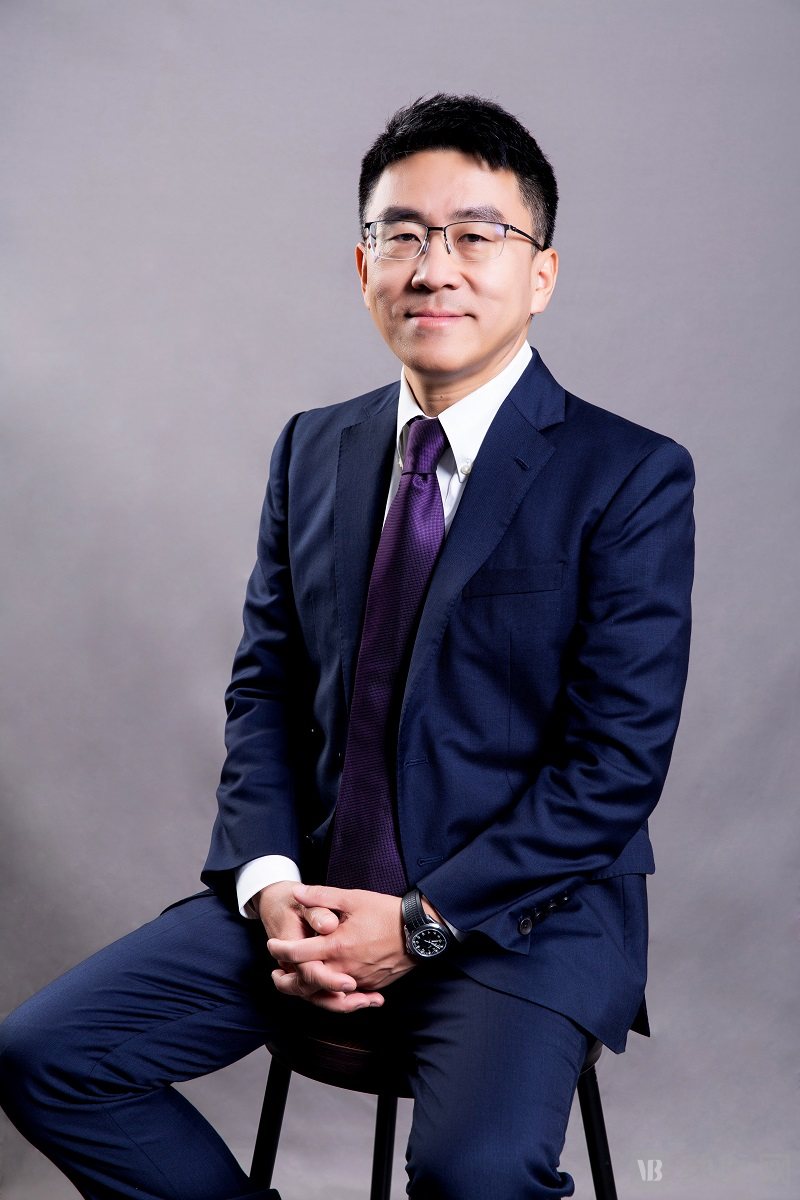
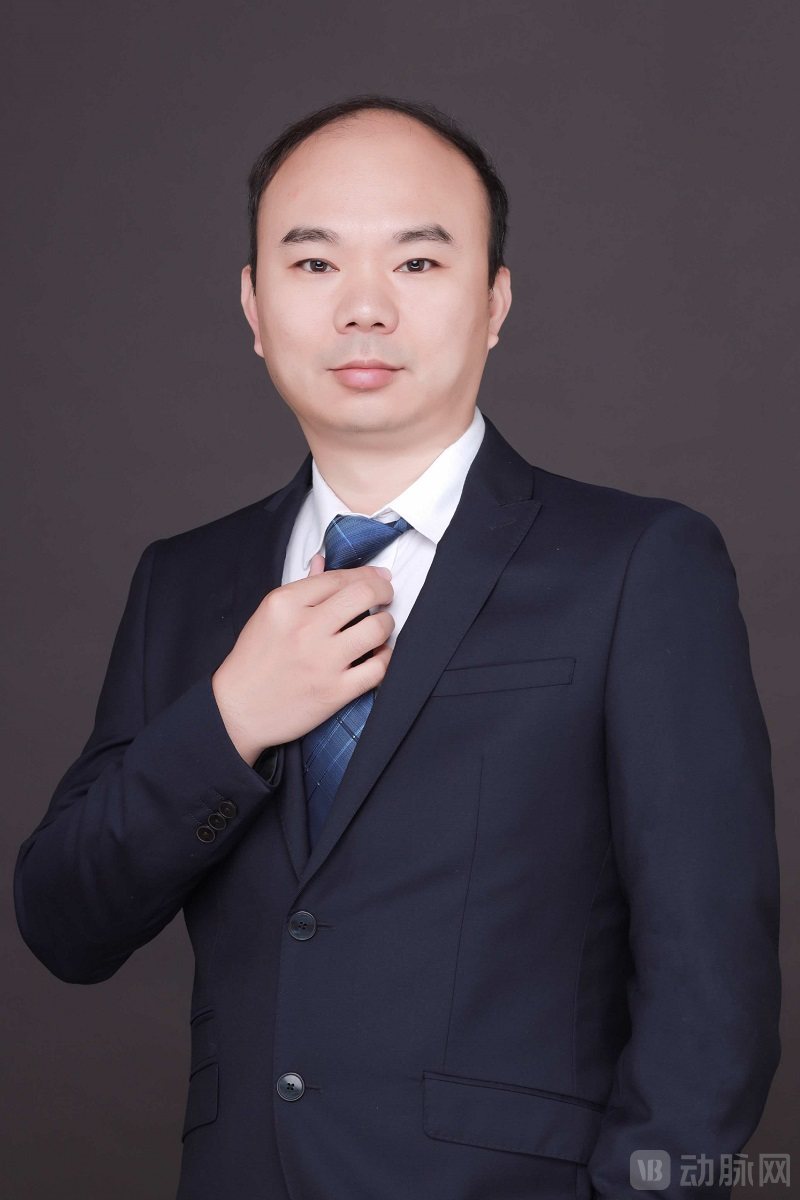
Left: Xie Jian, founder of Puyi Bio; Right: Wei Zheng, Deputy General Manager of Puyi Bio
Unlike drug-eluting stents, which remain in the body permanently, bioabsorbable coronary stents mainly serve to temporarily support the vessel and release drugs that inhibit restenosis, and can be fully metabolized by the body once vessel repair is complete. Xie Jian led his R&D team in devoting themselves to this, spending more than 10 years to achieve a technological breakthrough and successfully joining the first tier of bioabsorbable coronary stent players — its product XinSorb, a bioabsorbable stent, is the first rapamycin-eluting bioabsorbable stent in China with independent Chinese intellectual property, and the second domestically developed bioabsorbable stent approved after Lepu Biopharma.
Coronary stent R&D requires enormous investment and a long validation cycle, and a single pipeline cannot sustain a company's ongoing operations. Therefore, while developing bioabsorbable coronary stents, Xie Jian founded Puyi Bio and chose to deepen its work in the niche "stent" track, further completing commercial validation of its self-developed technologies.
At present, Puyi Bio has built a complete stent product matrix covering multiple clinical departments; these self-developed products with exclusive differentiated advantages are also the core chips that give Puyi Bio the confidence to go global. Puyi Bio's core pipelines comprise three: one is the main pipeline for commercial overseas expansion, covering the biodegradable sinus drug-eluting stent system and the silicone rubber uterine drug-eluting stent system; the second is the reserve pipeline for national key special projects under the 14th Five-Year Plan, including lacrimal duct stents, middle ear stents, and the third-generation rapidly degrading sinus stent; and the third is the forward-looking R&D pipeline layout, such as a minimally invasive stent for treating benign prostatic hyperplasia, which has already started overseas patent filings in parallel and will be promoted to the global market.
Among the main pipelines for commercial overseas expansion, the biodegradable sinus drug-eluting stent system was approved and launched in China in 2017. The product is the first biodegradable sinus drug-eluting stent product approved in China; its launch has reduced the postoperative recurrence rate of chronic sinusitis patients after FESS (functional endoscopic sinus surgery) and improved patients' quality of life. According to Wei Zheng, the product adopts a three-point cross structure that requires no additional spring ring, giving it more stable wall apposition; its first-generation product has a drug load of 642 micrograms, nearly twice that of competing products; and the second-generation product doubles the drug amount again, fitting the clinical need for medium- to long-term placement in the sinus (30-60 days), with significant clinical advantages.
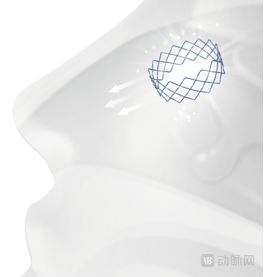
Sinus stent product schematic
As for the silicone rubber uterine drug-eluting stent system, after implantation in the uterus, the stent can physically separate the anterior and posterior uterine walls while continuously releasing low-dose estradiol to promote endometrial repair. In conventional treatment regimens, patients take hormones orally, which offers poor efficacy and can easily cause weight gain, endocrine disorders, and other issues; vaginal suppositories, meanwhile, face problems such as blocking by cervical mucus and difficulty for the drug to reach the uterine cavity. By continuously and slowly releasing trace amounts of hormones from the stent, Puyi Bio can better achieve local action, reduce systemic side effects, and the surgical procedure is shorter, postoperative removal is more convenient, and the barrier to use is lower.
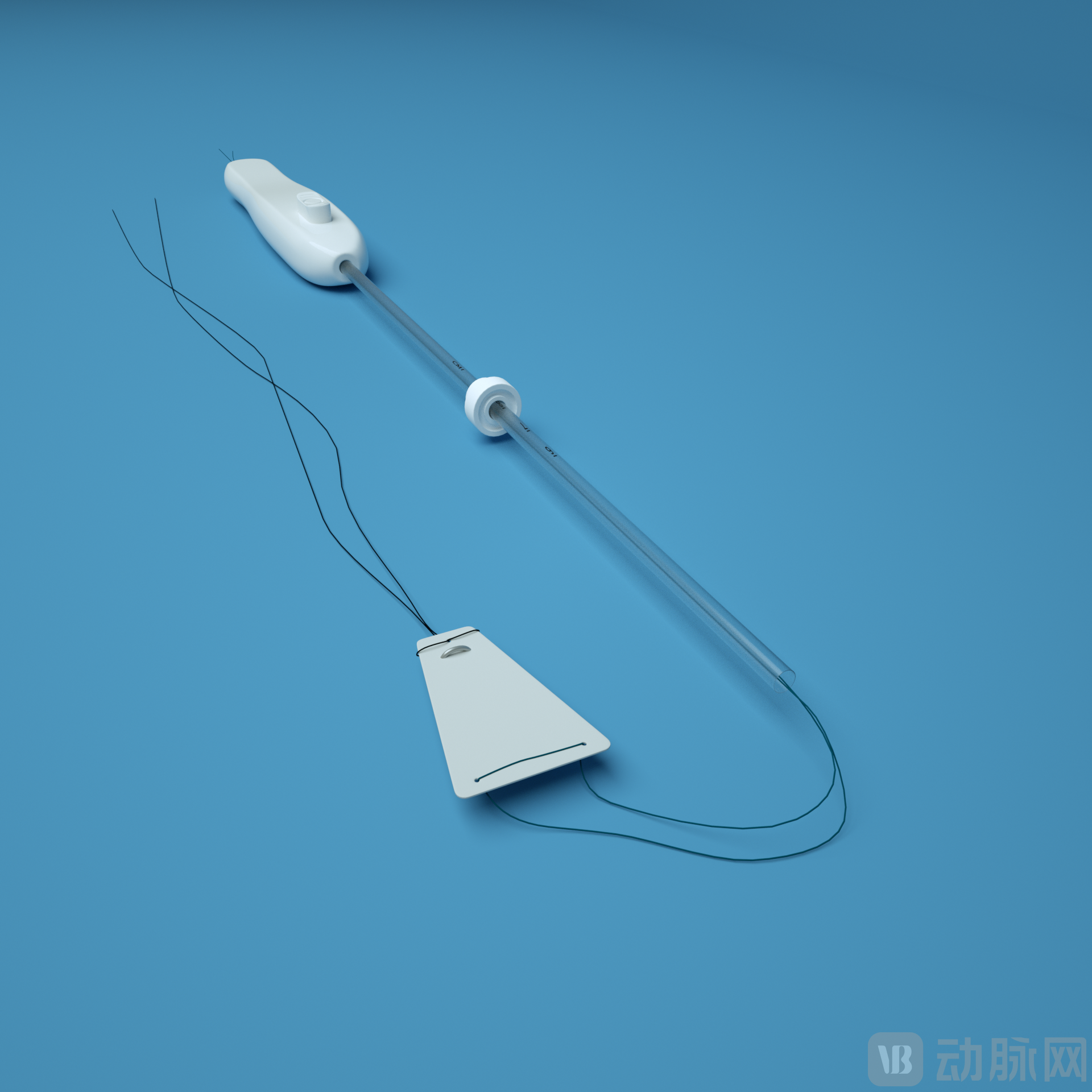
Silicone rubber uterine drug-eluting stent product
A prospective, multicenter, randomized controlled, superiority-design clinical trial showed that, compared with the control group treated with a Foley balloon catheter + intrauterine cross-linked sodium hyaluronate gel + sequential/continuous estrogen-progestogen therapy, the superiority hypothesis was established for treating patients with moderate-to-severe intrauterine adhesions after TCRA (transcervical resection of adhesions) using the silicone rubber uterine drug-eluting stent.
Wei Zheng added that the product obtained its first device license in Singapore — even earlier than approval by China's CMDE (Center for Medical Device Evaluation) — and that it perfectly embodies the company's "reverse going-global" approach. The product is expected to address two rigid-demand scenarios — prevention of re-adhesion after intrauterine surgery and assisted reproduction — with a potential annual eligible population of up to 8 million in China.
As going global becomes "normalized," more and more patent disputes are surfacing. Once embroiled in a patent dispute, a company's development will undoubtedly be seriously affected. For medical device companies, patents are both a record of product innovation and the first "moat" for their overseas products — especially in the high-value consumables field, where patent offense and defense often directly determine whether a product can smoothly enter a market and be sold with peace of mind.
But the overseas patent path is by no means smooth; at present, the examination environments of different markets differ enormously. Puyi Bio has "stepped in pitfalls" in practice: in the U.S., examination standards are strict and the process lengthy, with the examination of its core stent patent taking as long as seven or eight years; in Brazil, examination efficiency is low, and companies face the predicament of regulators collecting annual fees while leaving substantive examination unstarted for a long time.
For this reason, Puyi Bio makes "pragmatism" the core principle of its global patent layout.
Among these, modified absorbable polymer technology and sustained drug release technology are its technological foundation, and with product commercialization as the core, Puyi Bio has abandoned ineffective layouts. This has also become the starting point of Puyi Bio's layout system — since 2022, Puyi Bio has actively shrunk the scale of overseas patent filings, giving up peripheral defensive patents with no commercialization value, and instead concentrating resources on core exclusive patents related to marketed and in-development pipelines, further improving its patent quality.
Specifically, Puyi Bio adopts a tiered layout strategy tailored to the patent environments of different markets. For example, for the high-end core markets it mainly covers, such as the U.S., the EU, and Japan, it achieves complete patent coverage; while for regions such as Brazil and South Korea, Puyi Bio files selectively based on the product's market potential.
At the organizational level, according to Wei Zheng, Puyi Bio relies on its own intellectual property department to run in sync with overseas registration and market operations, and through front-loaded intellectual property layout, avoids the risk of patent litigation. It is understood that Puyi Bio currently holds 38 granted invention patents in China and 26 granted patents overseas, with all core products supported by global exclusive patents.
If core patents are the first "moat" Puyi Bio has built for going global, then each overseas registration certificate is its "entry ticket" to markets around the world; and channels and teams determine how far it can go after entering. Based on this thinking, Puyi Bio positions the EU and the U.S. as long-term strategic high grounds, and Southeast Asia, the Middle East, and South America as short-term commercialization training grounds. To date, it has won 6 "sinus stent" registration certificates and 11 "gynecological stent" registration certificates.
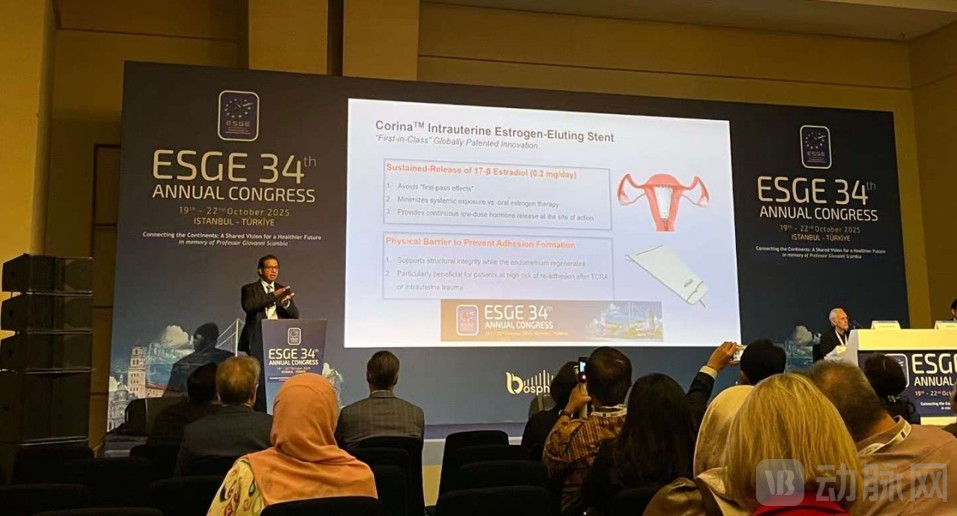
Attending an overseas academic conference
Registration pathways differ from market to market, but for Puyi Bio, obtaining certificates and expanding markets have never been two sequential steps, but two sides of the same thing — every certificate won means a corresponding set of go-to-market tactics unfolds alongside it.
In emerging markets such as Southeast Asia, the Middle East, and South America, regulatory thresholds tend to be lower, the full set of domestic clinical data can be directly reused, and certification cycles are short, making them the first stop for Puyi Bio's overseas commercialization. But fast certification does not equal smooth expansion — in the Southeast Asian market, due to factors such as economic levels, there is often feedback that product pricing is too high, so companies need to reserve flexible room for price adjustments, and at the same time avoid the U.S. regulatory rule of benchmarking against the lowest global price, to prevent a low-price strategy from affecting pricing systems in the European and U.S. markets; and when promoting in the Middle East, Puyi Bio's team once fell into a cognitive misconception, believing that local hospitals had no demand for gynecological stents due to religious influences. After field research, they found strong local demand for assisted reproduction and post-intrauterine-surgery repair, and then adjusted their promotional channels accordingly to fit local perceptions.
In the EU market, which is core to medium- and long-term development, Puyi Bio is in continuous communication with regulators and expects to win more registration approvals within two years. At present, the common industry bottleneck is concentrated in the compliance of active pharmaceutical ingredients (APIs): supporting APIs in China often do not hold European Pharmacopoeia certification. Puyi Bio's approach is to bear the cost itself, pushing upstream API manufacturers to apply separately for overseas qualifications, exchanging additional registration cycles and capital investment for compliant access of its products in the EU.
For the U.S., its long-term strategic destination, Puyi Bio is hastening to engage, with its expected full certification cycle possibly pushed back to 2029. On the one hand, U.S. regulatory standards are extremely strict, often requiring more large-sample clinical trials covering multi-ethnic populations — a huge gap from the mere hundreds of clinical samples in China — necessitating supplementary clinical trial data; on the other hand, APIs and product processes must fully comply with U.S. Pharmacopoeia standards, which also greatly increases compliance costs.
However, registration certificates that let Puyi Bio "get in" do not equal "standing firm." For Puyi Bio, what truly determines how far it can go in overseas markets are three links after certification: how to do compliance, how to build channels, and how to retain people.
Compliance is the last gate into an unfamiliar market. In overseas registration compliance, Puyi Bio often chooses to work with agencies, and tends to cooperate with notified bodies that have complete filing experience with drug-device combination products. The reason is that classification rules for drug-loaded stents vary enormously across countries, with some countries regulating them as drugs, whose compliance logic and testing standards are completely different from those for non-active devices; agencies that are only good at filing ordinary non-active devices cannot adapt to the global registration needs of complex drug-device products, and can easily prolong the certification cycle.
Channels determine the cost and speed at which products reach end users. In channel building, Puyi Bio's playbook is "unified content, local channels, regional operations": on promotion strategy, the domestic marketing department uniformly produces standardized multilingual promotional materials to ensure global brand and academic content consistency; on distributors, it chooses to tap experienced local medical device practitioners in Southeast Asia, deepening the local market while reducing management costs; at the same time, it sets up its own subsidiaries in Europe to strengthen regional operations. In addition, its external cooperation models are fairly flexible; Wei Zheng said that regional exclusive agency, technology licensing, and joint ventures are all open to discussion.
Talent is the engine behind channels. To further boost the motivation of overseas sales talent and better expand the market, Puyi Bio has planned a flexible incentive system: employees can be granted equity after meeting standards during probation; tiered high business commissions are set; and regional sales staff with outstanding performance and quality channel resources can be upgraded to national or regional partners. By proactively sharing operating returns and binding local channel talent, it adapts to the industry characteristics of overseas medical device markets — strong personal networks and strong academic focus.
In Wei Zheng's view, the reason this playbook works lies in the essential difference between domestic and overseas healthcare market systems: the domestic market is constrained by policies such as centralized procurement, continuously limiting companies' promotion and profit space; overseas has no comparable control policies, but decision-making power for hospital product procurement is highly concentrated among leading clinical experts, so establishing long-term academic trust and completing clinical validation at leading hospitals is the core path to expanding overseas markets. Because of this, Wei Zheng admits that many device companies in the industry frequently waver and adjust their going-global strategies, with brutal competition among homogeneous products; Puyi Bio, by contrast, relies on globally exclusive products to avoid the red ocean and has carved out its own development path.
From an industry perspective, globalization is now a "required question" for corporate survival and development. "For innovative medical device companies that survive on a single domestic market alone, future growth space and the probability of reaching the capital markets will continue to shrink." In Wei Zheng's view, the key to this question is no longer "whether to do it." "At present, globalization is no longer a question of 'yes or no,' but of 'how to land it.'"
Puyi Bio's answer is a complete chain from underlying material R&D, to global patent layout, to tiered market registration and local channel operations — it has traversed all kinds of compliance checkpoints across emerging markets, the EU MDR, and the U.S. FDA, presenting the full-chain difficulties and solutions of globalizing innovative high-value consumables before peer companies that face them.
"In the end, it comes down to whether a company is deeply engaged in the industry and whether it is compliant."
And this may be the most plain — and also the hardest — lesson for China's innovative device companies in the era of globalization.