Professor Zhou Weimin's Team at The Second Affiliated Hospital of Nanchang University: A Case of Femoral Artery In-Stent Restenosis Treated with DKutting® LL Scoring Balloon

DK Medtech
Vascular Interventional Balloon Product Developer
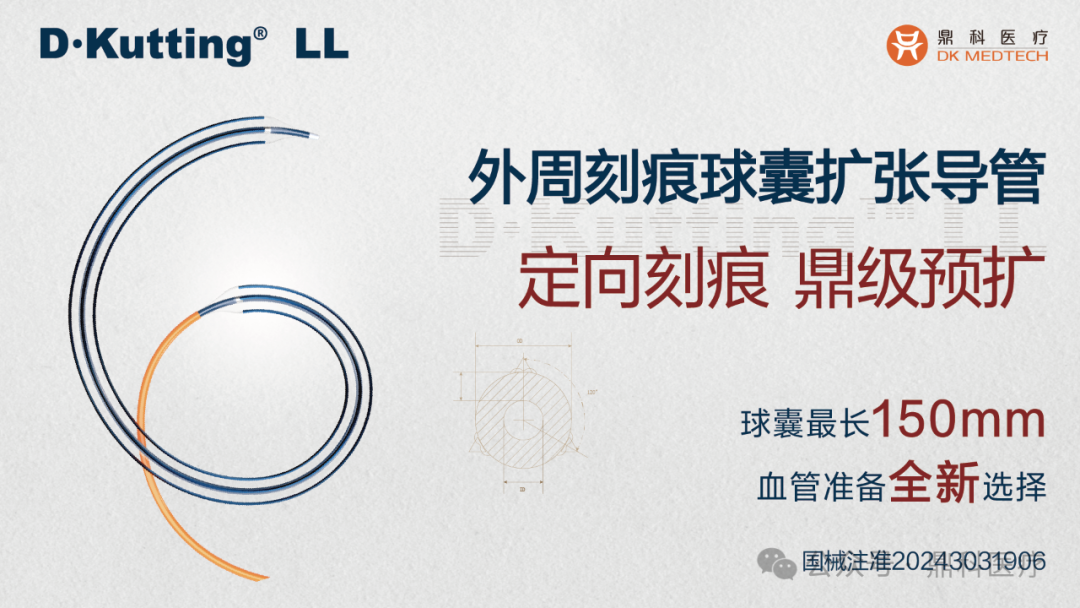
DKutting®LL continues to use DK Medtech's unique patented triangular nitinol winding technology, combined with the actual clinical needs of lower limb arteries, significantly increasing the length of the scoring element (up to 150mm). It has also developed a completely coaxial balloon delivery system compatible with 0.014"/0.018" guidewires, enriching the selection of balloon diameters at 0.5mm intervals.
DK Medtech's unique directional scoring balloon possesses comprehensive performance with robust radial expansion and flexible axial bending. Its clinical performance has been well-recognized in both the coronary and hemodialysis access fields. The latest development, DKutting®LL Scoring Balloon is specifically designed for lower limb arterial intervention, demonstrating significant clinical advantages in directional dilation mechanisms and setting a new standard for peripheral vascular pre-dilation.
DK Medtech Special Release[Professor Zhou Weimin's Team: DKutting by DK Medtech®A Case of LL Scoring Balloon Treatment for Femoral Artery ISR, demonstrating the meticulous operation of each case and the clinical application of advanced equipment and instruments. From the formulation of treatment strategies for different cases, standardized intraoperative procedures and technical applications, complication prevention, to perioperative management, etc., the aim is to promote the standardization of diagnosis and treatment for vascular stenosis and occlusive diseases, strengthen technical exchanges and experience sharing among doctors, with the hope of providing new ideas and methods for future diagnosis and treatment, benefiting more clinical patients.
DKutting®LL Scoring Balloon
Treatment of Femoral Artery ISR: A Case Report
The Second Affiliated Hospital of Nanchang University
Zhou Weimin, Zeng Qingfu, Zhu Xianhua, Xu Yingqi, Fang Huaqiang, Liu Jingwen
Patient Information
Basic Information:Male, 84 years old.
Chief Complaint:Left lower limb pain for more than 1 month.
History of Present Illness:The patient reported that more than one year ago, without obvious cause, swelling and pain occurred in the left lower limb, which was related to walking, accompanied by numbness in both lower limbs. The left lower limb could not dorsiflex, so he went to the local hospital for treatment. After conservative treatment with drugs such as promoting blood circulation and removing blood stasis, the condition did not improve. In March this year, he was hospitalized in our hospital, and CT and other related examinations were completed. He was diagnosed with "lower extremity arteriosclerosis obliterans" and underwent "left lower extremity arteriography, femoral artery balloon dilatation and stent placement". In the past month, the affected limb has experienced pain again. Today, he came to our hospital for treatment and was admitted to our department with "lower extremity arteriosclerosis obliterans". Since the onset of the disease, the patient's spirit, appetite, and sleep have been fine, and his bowel movements and urination have been normal, with no significant change in body weight.
Past Medical History:Hypertension and diabetes for many years, self-reported blood pressure and blood sugar under control.
Physical Examination:The color of the left lower limb showed no obvious pallor, with scattered slight skin pigmentation visible. The distal phalanx of the fifth toe of the left foot was blackened; no skin ulceration or erythema was observed. The pulsation of the bilateral femoral arteries was visible, basically symmetrical, with normal intensity. The pulsation of the right popliteal artery, dorsalis pedis artery, and posterior tibial artery was palpable. No pulsation was detected in the left lower limb popliteal artery and dorsalis pedis artery. No significant abnormalities were noted in the skin sensation of both lower limbs and feet, and the limb motor function was essentially normal.
Admission Diagnosis:
Arteriosclerosis Obliterans of the Left Lower Limb with Gangrene (Postoperative Status);
Hypertension Grade 2;
Type 2 Diabetes.
Previous interventional treatment
Time | Main Treatment Process |
2024.3.7 | Left Femoral Artery STENT, Left Anterior Tibial Artery PTA |
Preoperative Analysis
Preoperative Analysis:Lower Extremity CTA: Changes Post Left Superficial Femoral Artery Stenting, Long-Segment Thrombosis Within Stent, Occlusion of the Lumen.
Surgical Objective:
Main Objectives:Open the original left femoral artery stent;
Secondary Objective:Infrapopliteal Artery Balloon Dilation.
Surgical Strategy/Plan:
UseDK Medtech 4.0*150mm DKutting®LL Scoring BalloonDilation;
Drug-Coated Balloon (DCB);
Drug-Eluting Stent (DES);
Stent Graft;
Debulking Device Combined with DCB;
Laser Ablation Combined with DCB;
Coronary Artery Bypass Grafting (CABG).
Surgical Procedure

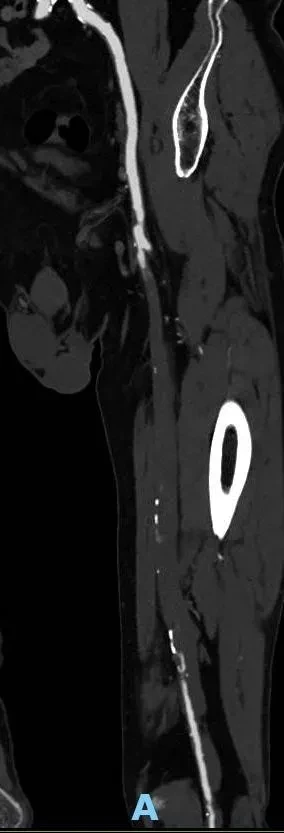
Preoperative CTA of the First Surgery
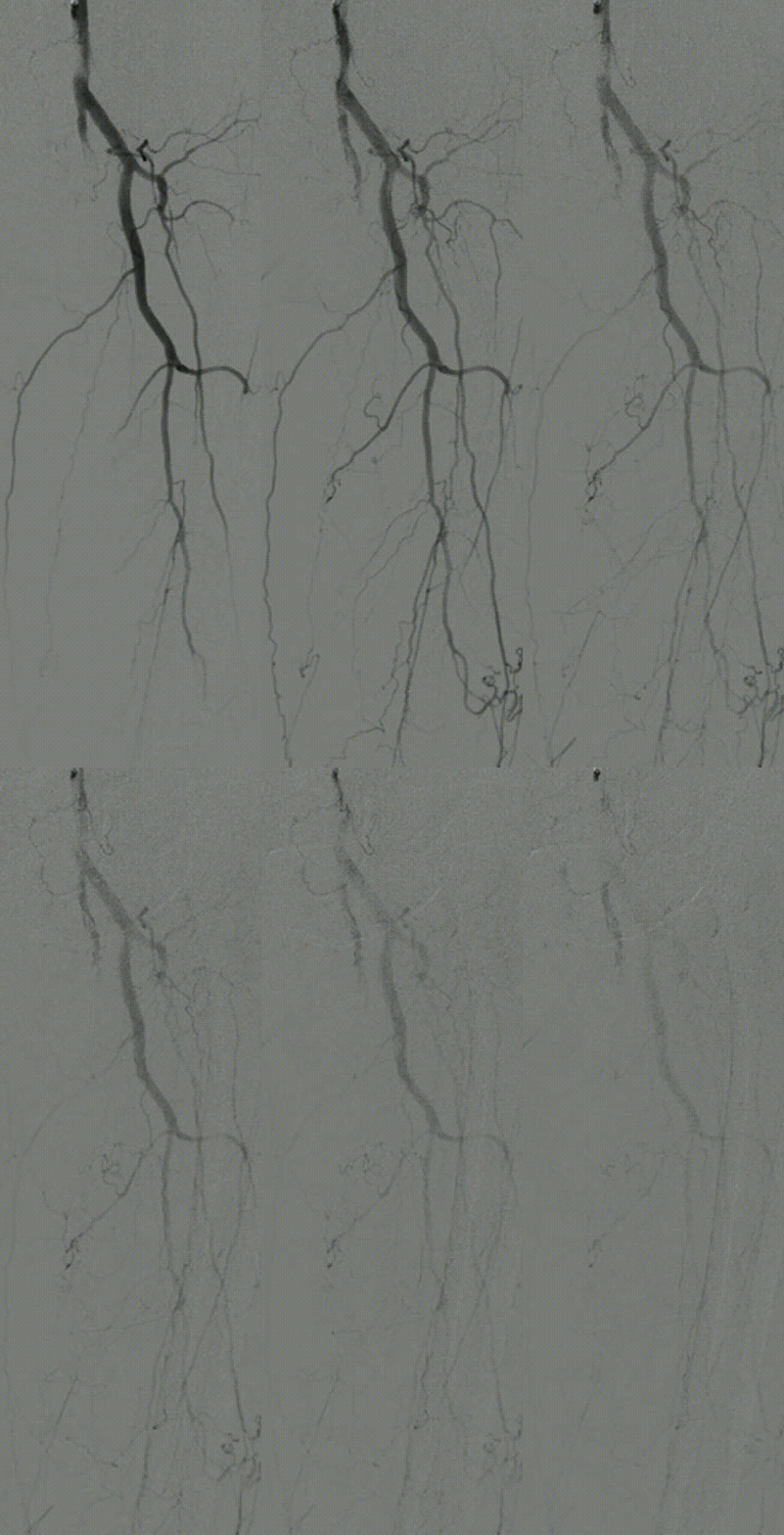
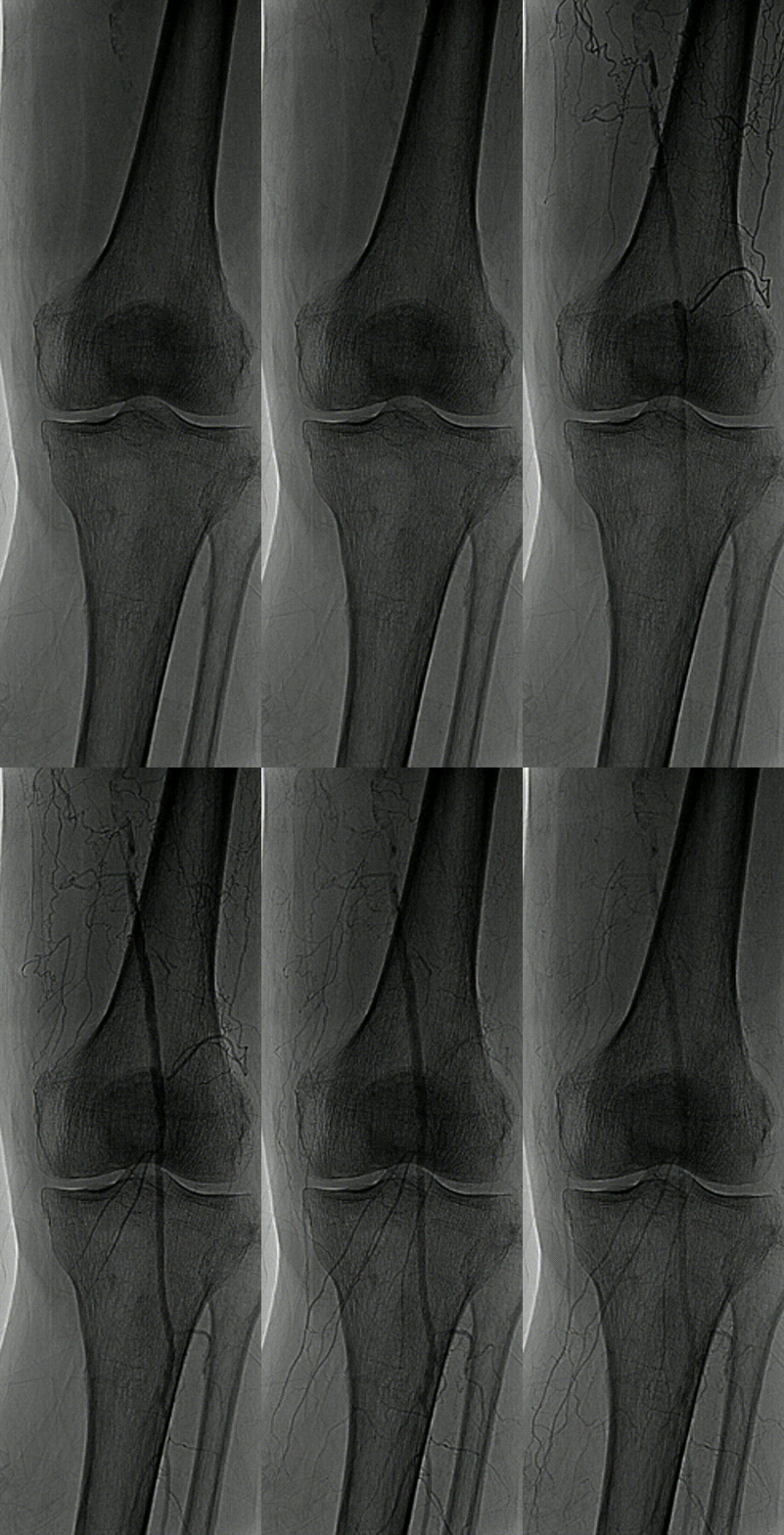
Intraoperative DSA during the first surgery


First Surgery Postoperative DSA

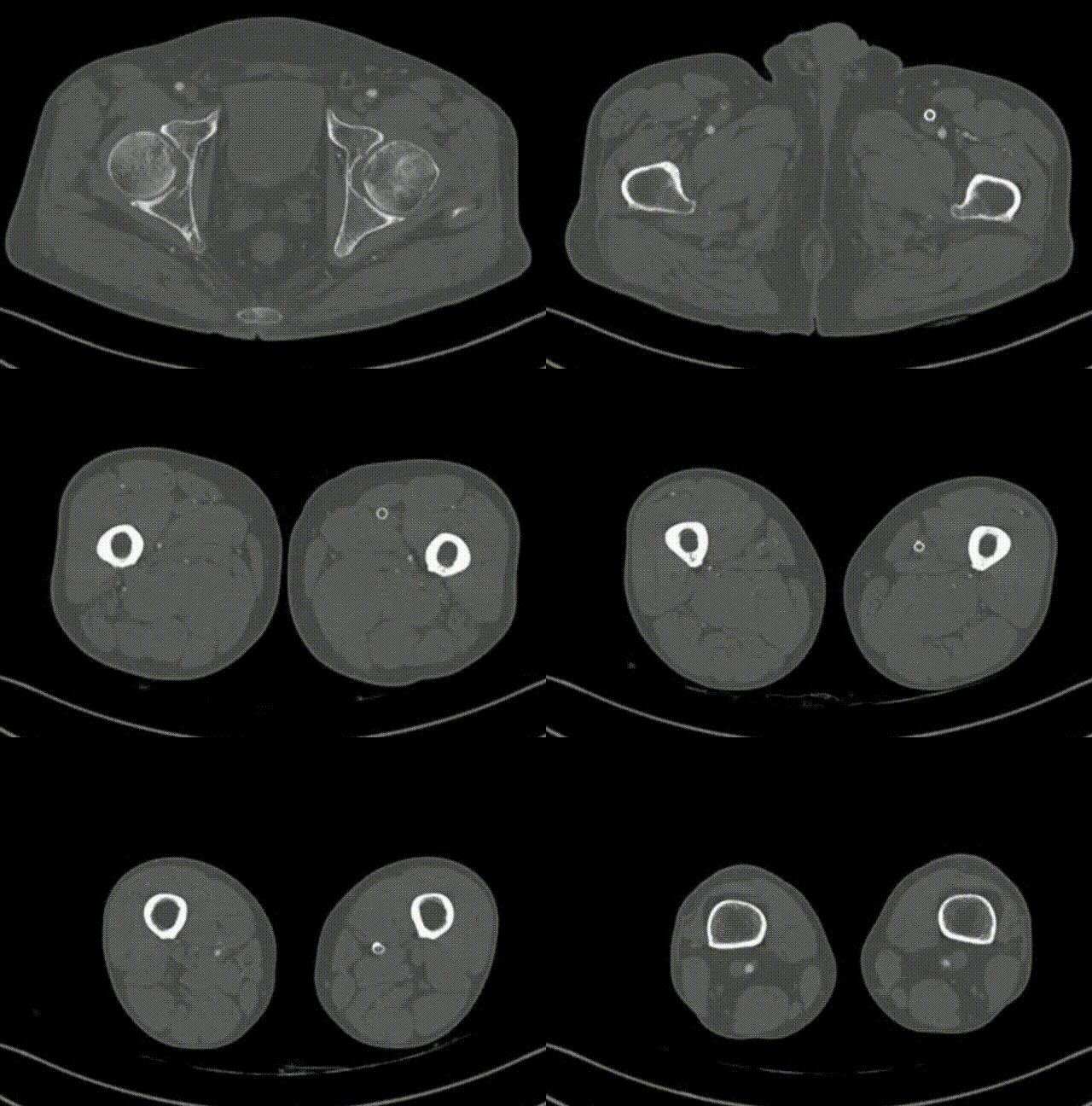
Preoperative CTA This Time
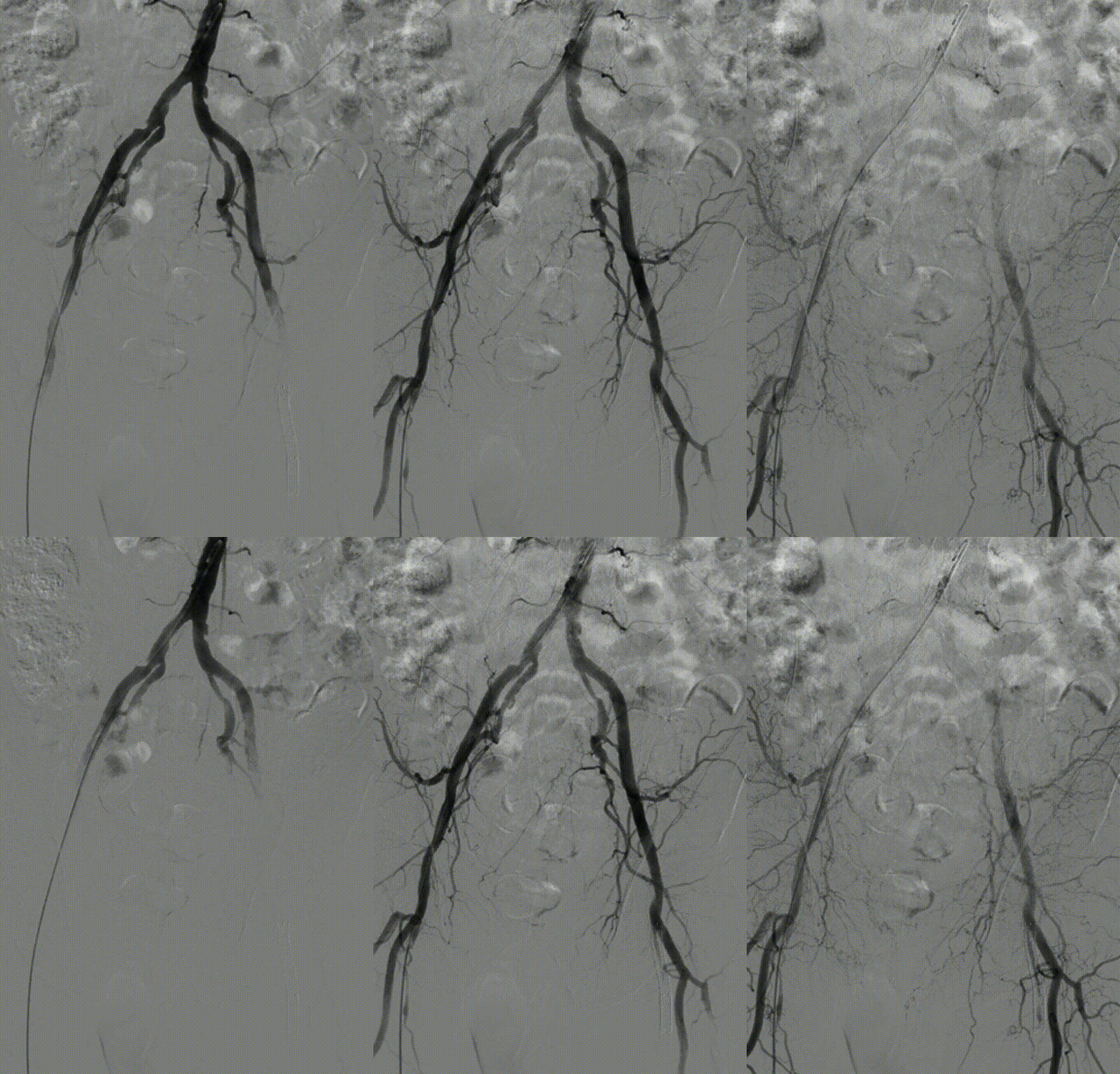
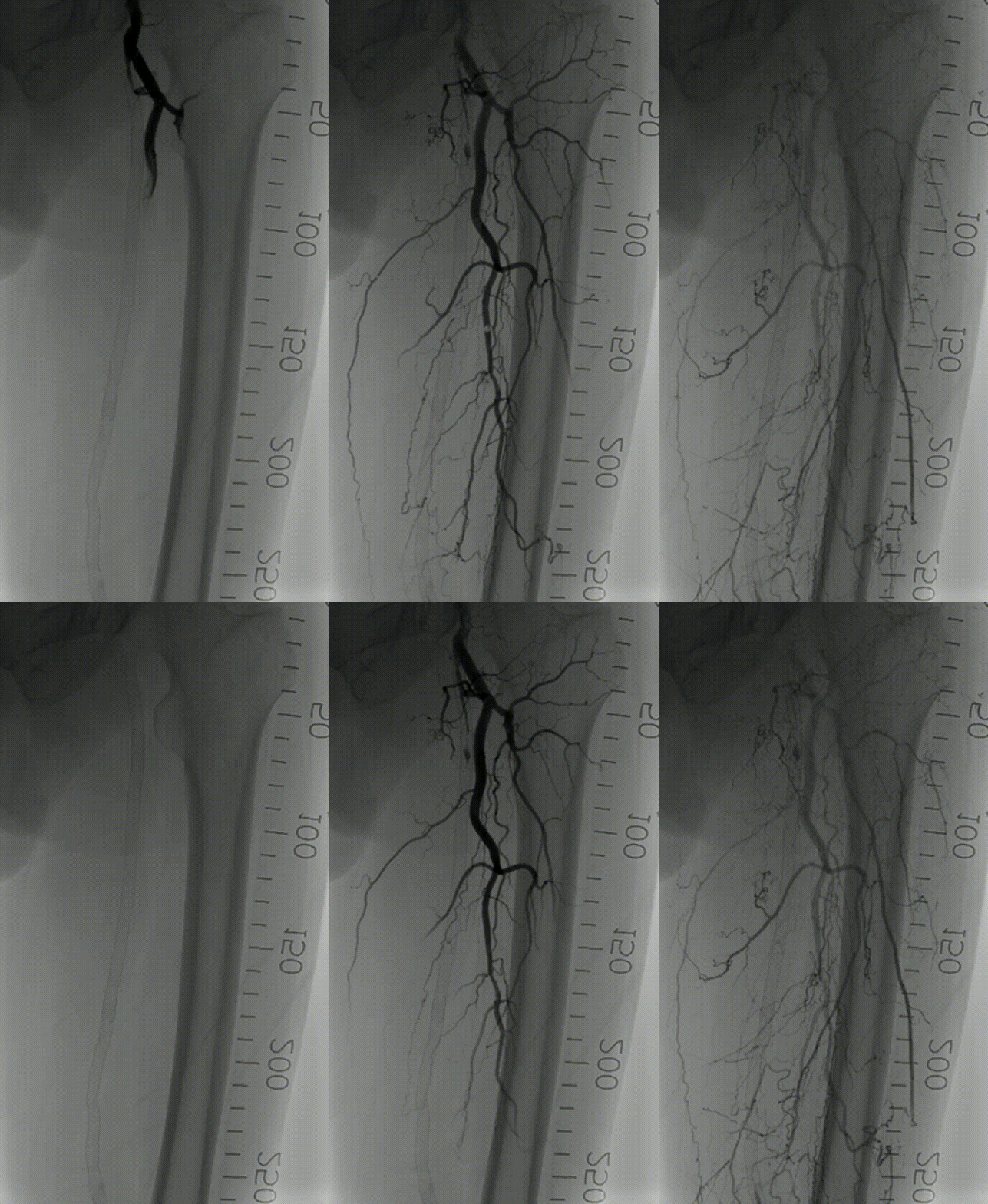
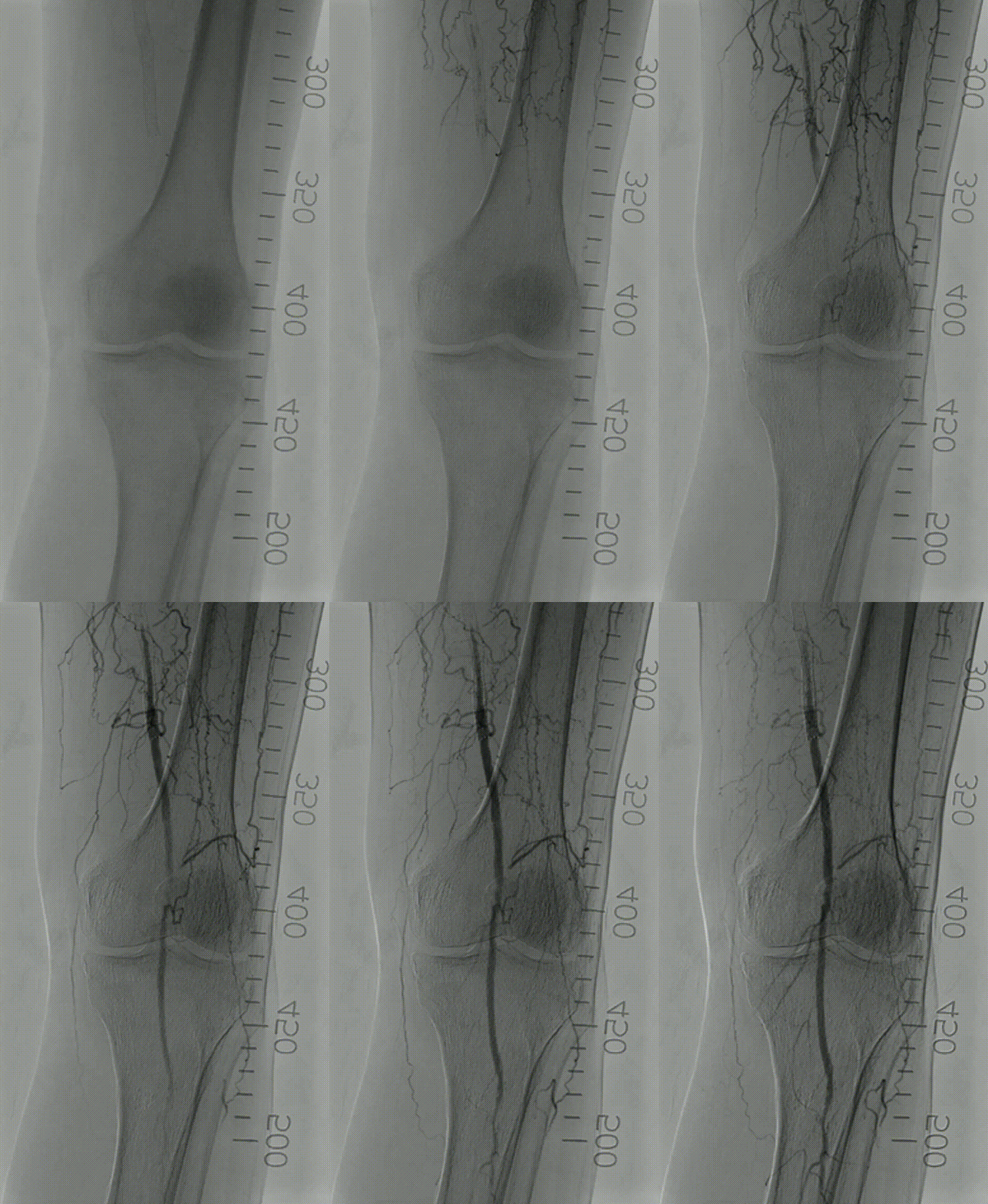
Intraoperative DSA Assessment
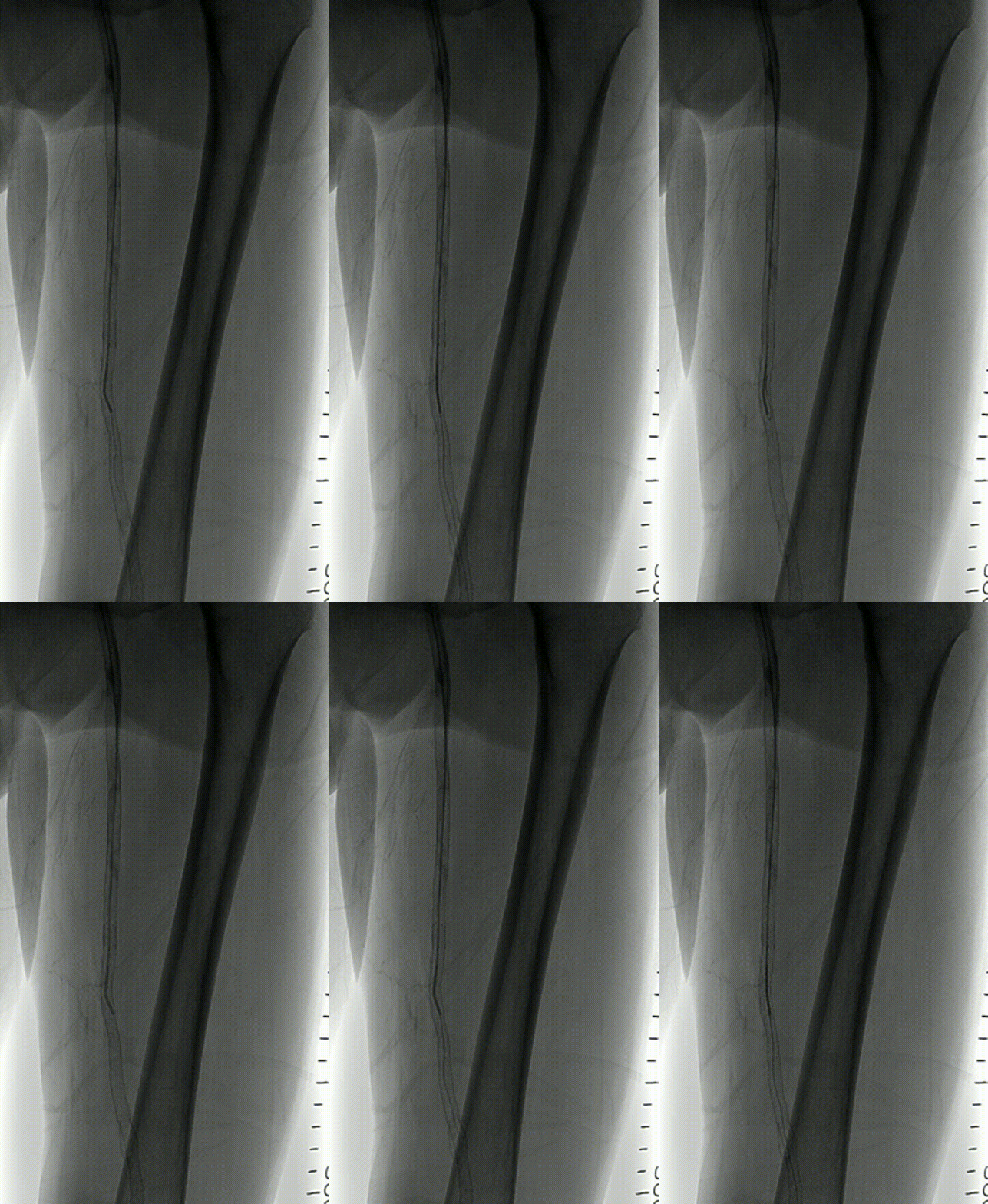
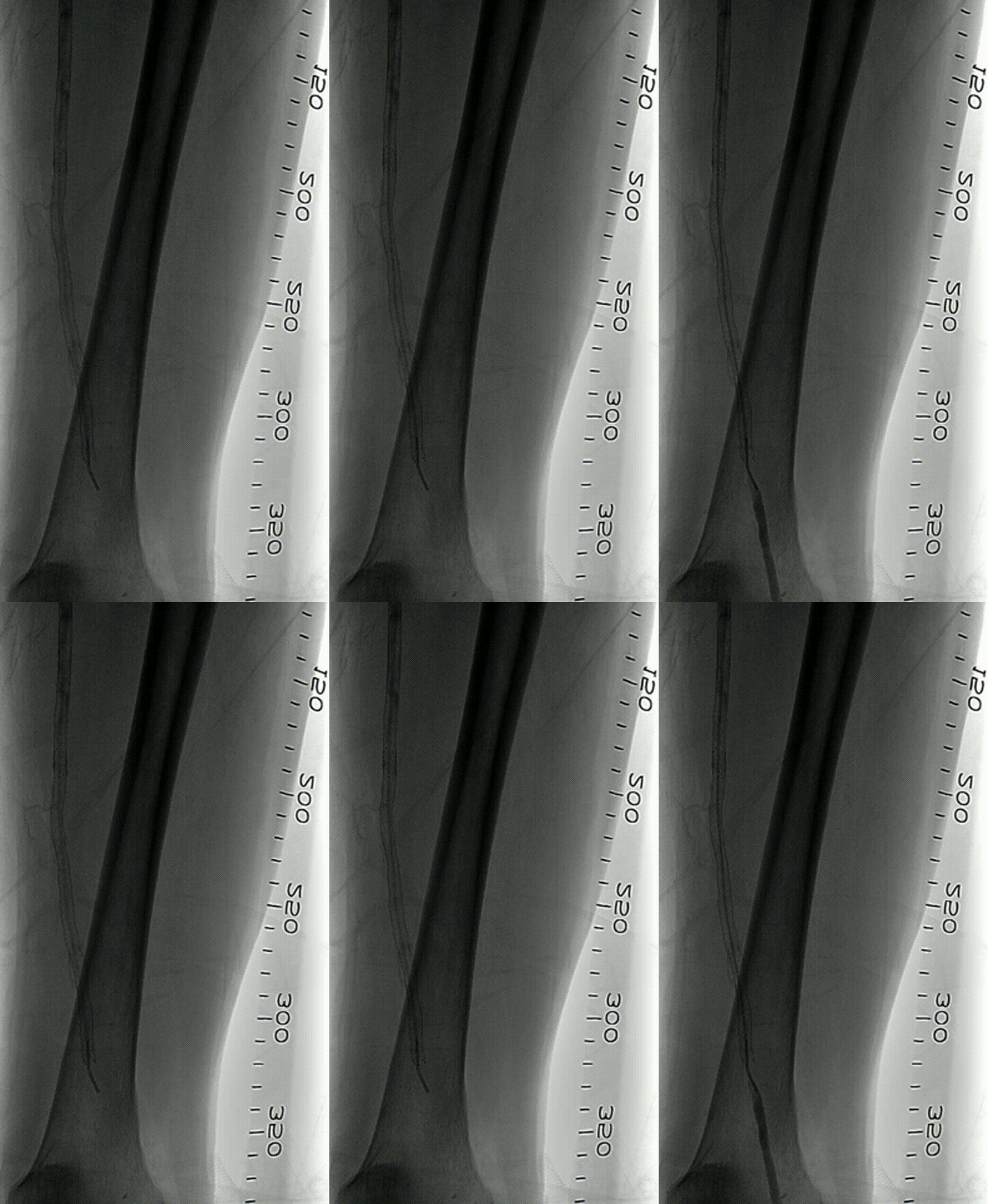
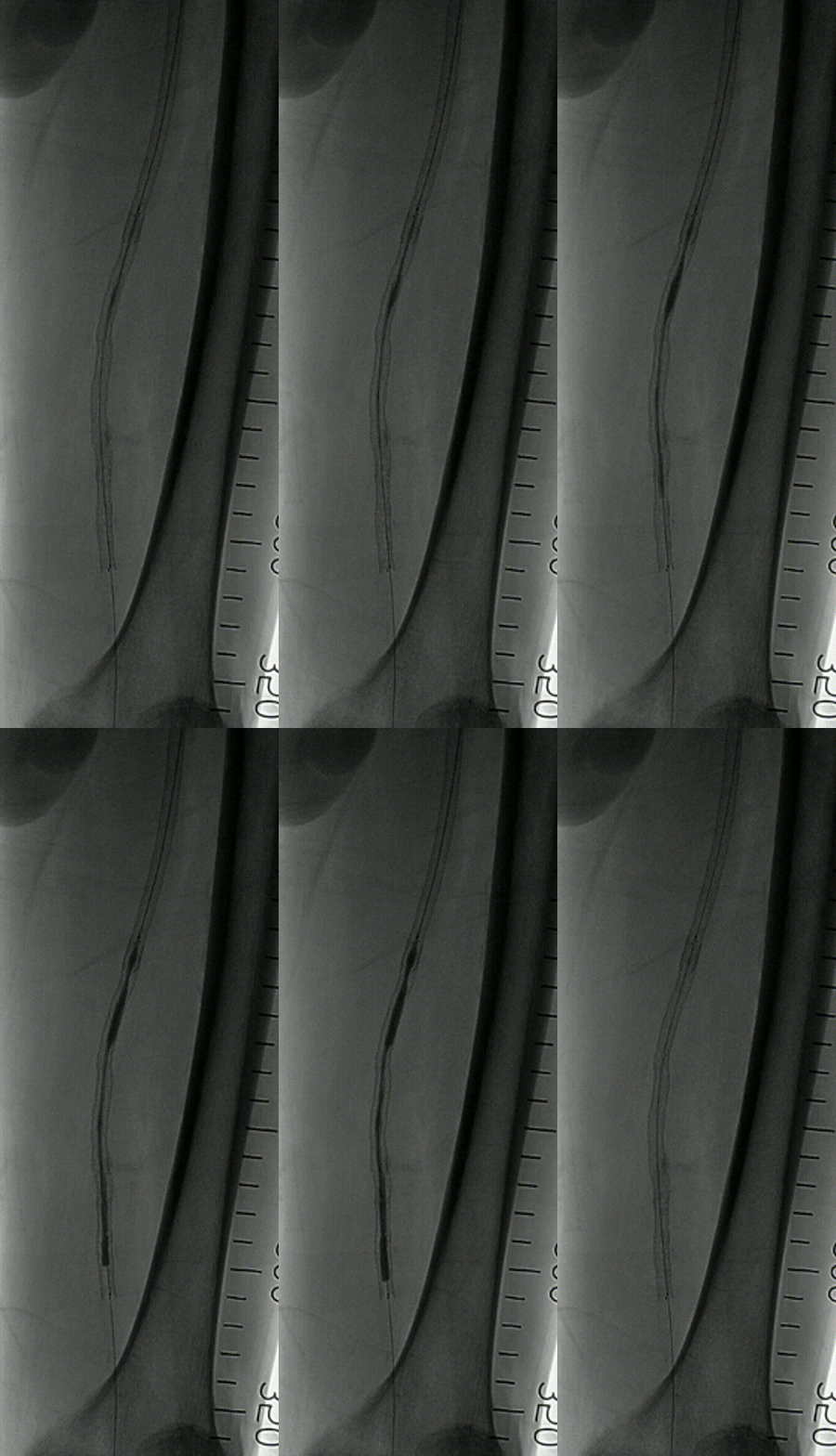
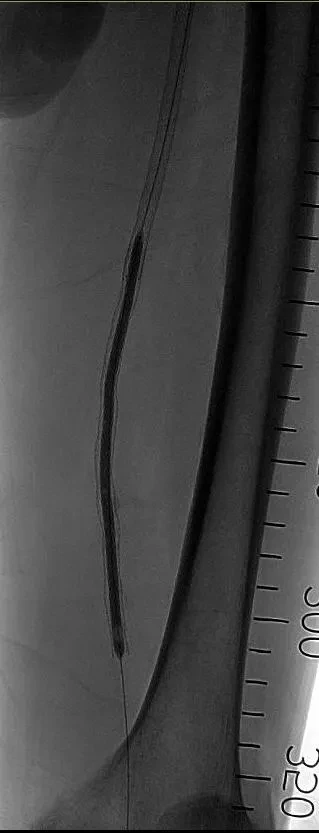
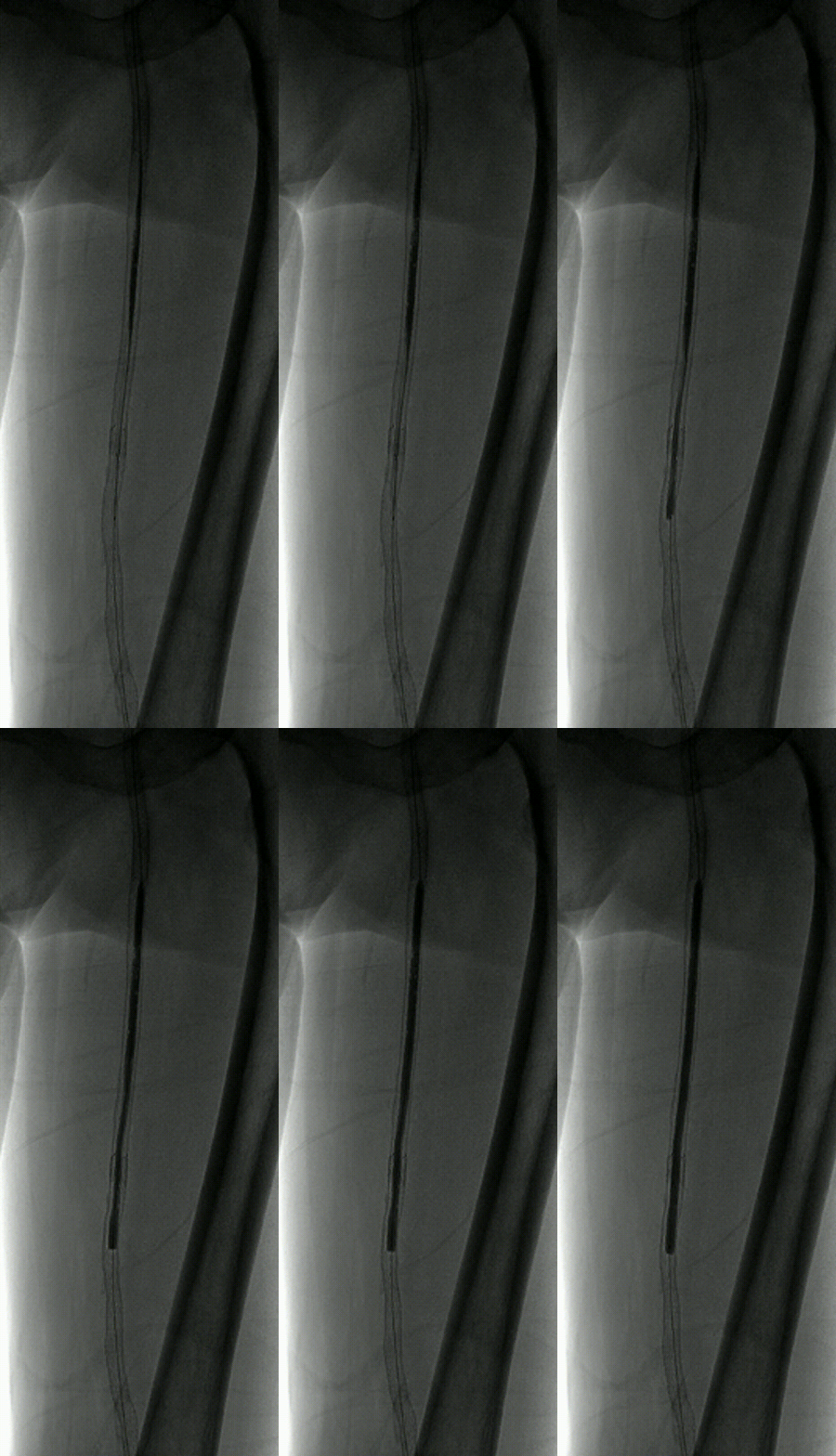
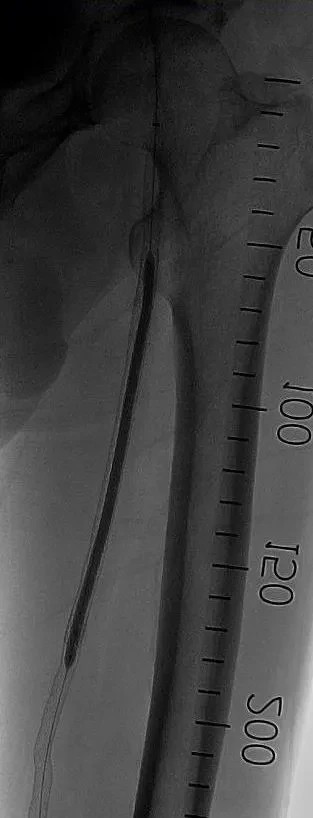
DK Medtech 4.0*150mm DKutting® LL Scoring BalloonHandle the entire section
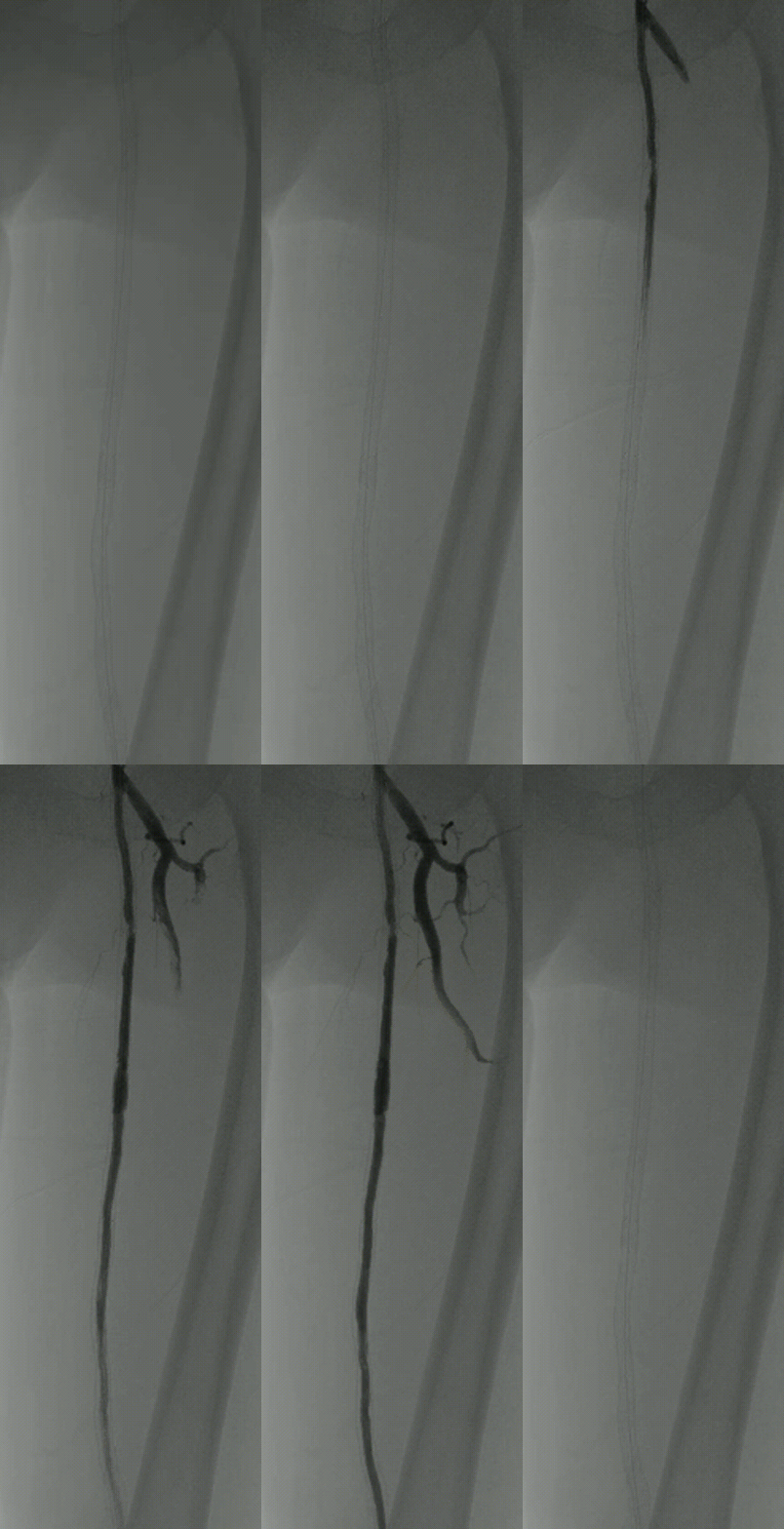
Angiography
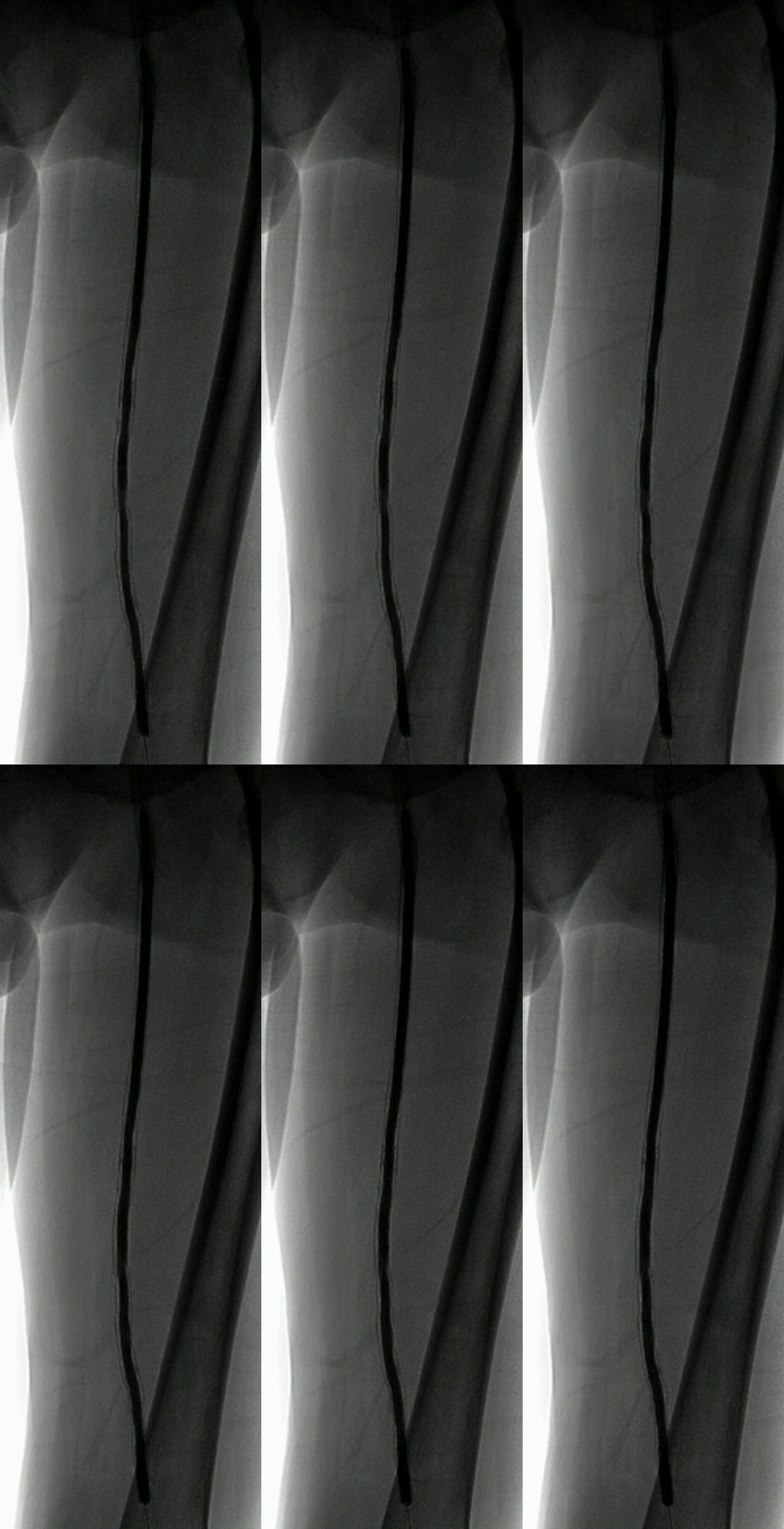
5mm*300mm Drug-Coated Dilatation
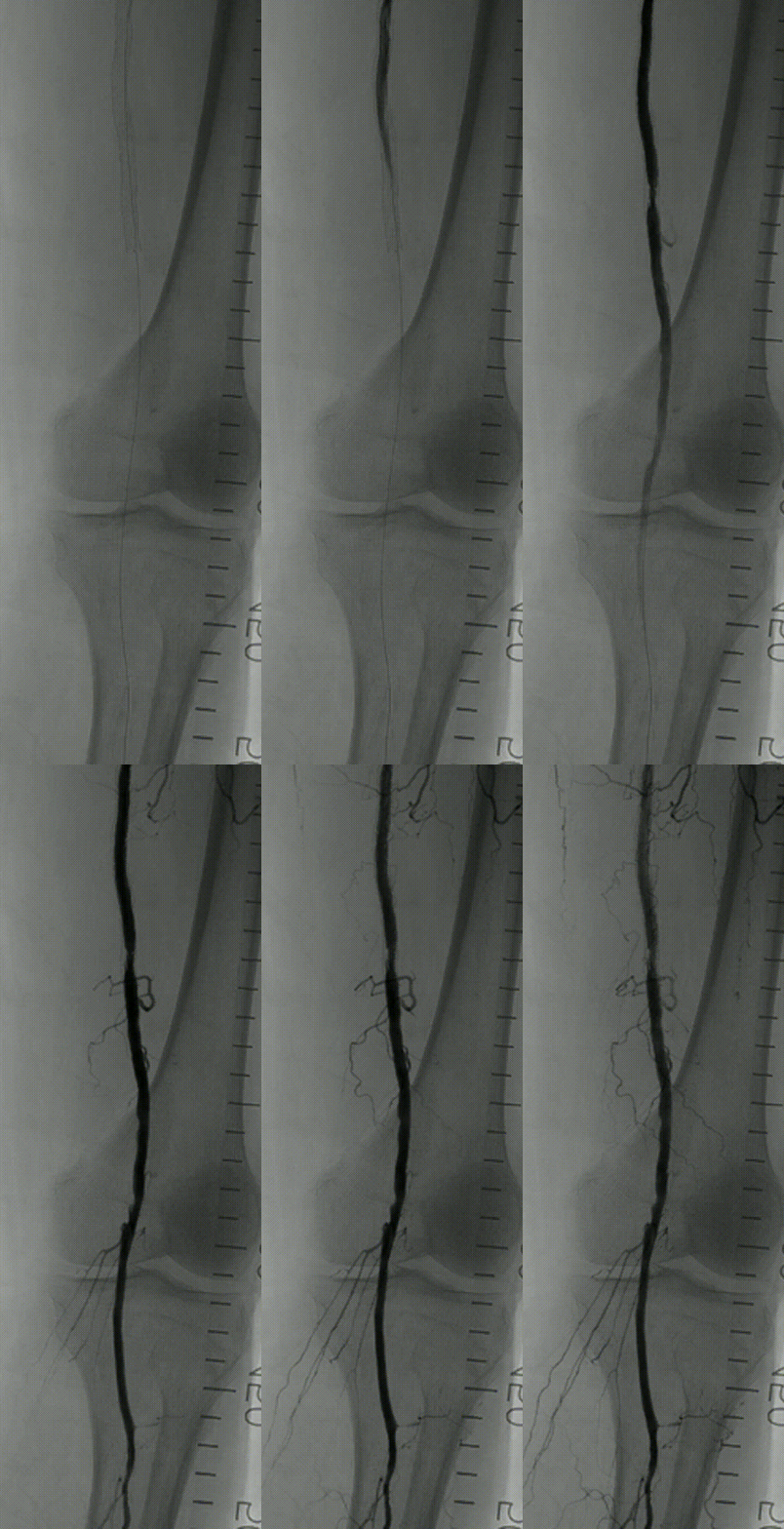
Localized stenosis at the distal end of the stent
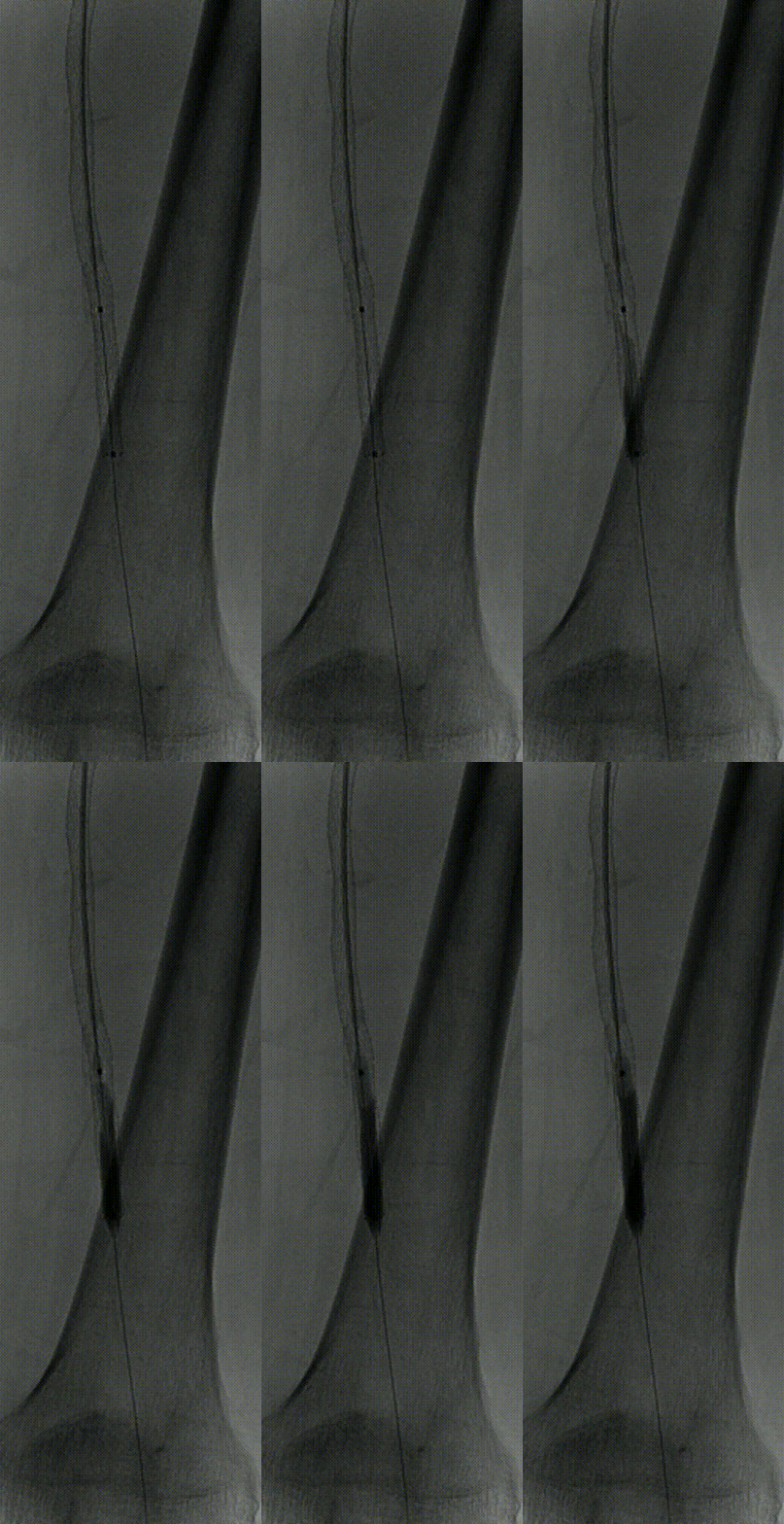
6mm*40mm Balloon Dilation

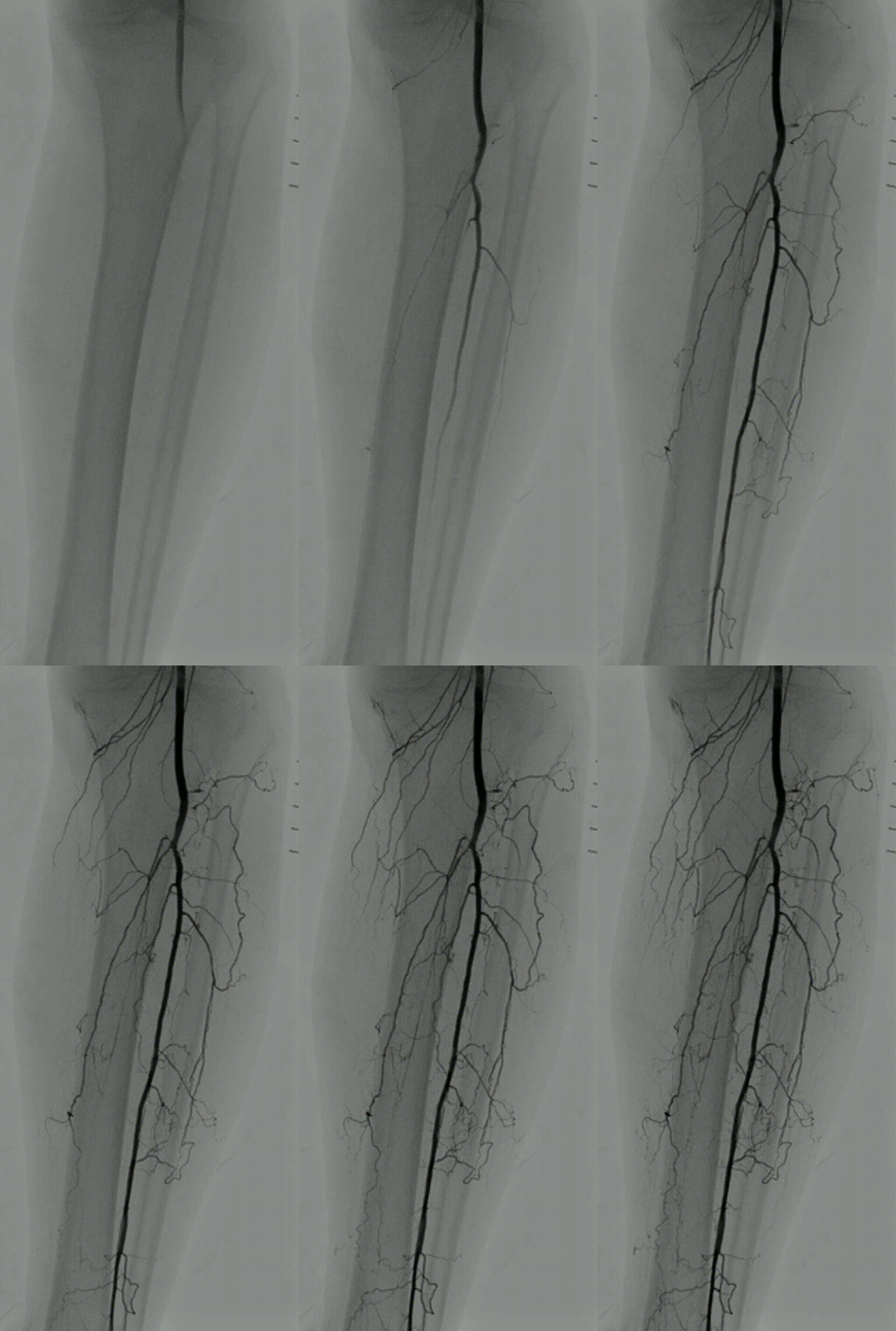


Postoperative Angiography
Follow-up
Discharge Status:
The patient's general condition is acceptable, complaining of discomfort in the lower limbs after walking.Pain relief and significant improvement in limb coldness,No headache, nausea, abdominal pain or other discomfort. Physical examination: no edema in both lower limbs, warm skin temperature, no numbness, palpable pulsation of bilateral femoral arteries, normal movement of both lower limbs, no obvious hematoma, pseudoaneurysm or other abnormalities at the puncture site.
Long-term oral entericAspirin Tablets(1 tablet [100mg] once daily), in combination with oralRivaroxaban(2.5mg, twice daily), be aware that the side effects of the medication may cause gastric ulcers or gastrointestinal bleeding, consult a gastroenterology department if necessary, and take oral acid-suppressing medication at the same time;
Long-term oral administration of Simvastatin (one tablet per day, once daily); control triglycerides to less than 1.7 mmol/L, and regularly review blood lipids;
Oral administration of Sarpogrelate Hydrochloride for at least one month (one tablet per dose, three times daily);
If you feel unwell, stop taking the medicine promptly. The specific course of medication will depend on the changes in your condition.
Case Summary
Case Characteristics:Long-segment stenosis and occlusion within the superficial femoral artery stent.
Preoperative Assessment Key Points:Stent thrombosis or intimal regeneration.
Surgical Strategy/Technical Key Points:
The guidewire passes through the occluded stent to reach the true lumen of the distal vessel beyond the stent.
How to achieve sufficient lumen diameter.
Features/Usage Tips of the Device:Every 120° oriented notch component ensures uniform and controllable expansion. The cross-section of the notch component is triangular, providing precise high-pressure focus on the vessel wall. The notch component utilizes patented nickel-titanium coil spring technology.DKutting®LL Scoring BalloonWith both bending compliance and vascular conformity similar to those of a standard balloon.DKutting®LL Scoring BalloonIn treating ISR lesions, it has the advantage of achieving more lumen gain compared to conventional balloons and is safer than other specialty balloons.
Summary:In the treatment of lower limb arterial disease, the vessel preparation phase plays a crucial role. Although plain old balloon angioplasty (POBA) has been a commonly used treatment method, with the innovation of balloon technology,DK Medtech Scoring BalloonStand Out in This Field with Advanced Design. Through its special notch design, it can expand the plaque inside blood vessels in an orderly manner, effectively avoiding the potential damage that the disordered expansion force of traditional balloons might cause to blood vessels. This orderly expansion helps reduce the elastic recoil of plaques or hyperplastic intimal tissue and lowers the risk and severity of flow-limiting dissections.

Expert Introduction


Professor Zhou Weimin
Surgeon of This Case
Director of the Department of Vascular Surgery, The Second Affiliated Hospital of Nanchang University,Vice President of Nanchang University Affiliated Cardiovascular and Cerebrovascular Disease Hospital,Professor, Chief Physician, Doctor of Medicine, Doctoral Supervisor, Postdoctoral Mentor;National Committee Member of the Vascular Surgery Group, Surgery Branch, Chinese Medical Association;Standing Committee Member of the Vascular Surgery Physicians Branch of the Chinese Medical Doctor Association and Deputy Group Leader of the Complications Study Group;Chairman of the Vascular Surgery Branch of the Jiangxi Medical Association;President of the Vascular Surgery Branch of the Jiangxi Provincial Medical Association;Chairman of the Vascular Medicine Branch of the Jiangxi Province Research Hospital Association;Council Member of the Chinese Research Hospital Association;Vice Chairman of the Peripheral Vascular Disease Branch of the Chinese Society of Microcirculation;Healthcare Expert for Cadres of the Jiangxi Provincial Committee of the Communist Party of China.

Professor Xu Yingqi
The Surgeon of This Case
The Second Affiliated Hospital of Nanchang University, Attending Physician;Served as a Youth Committee Member of the Vascular Medicine Branch of the Jiangxi Province Research-Oriented Hospital Association;Member of the Vascular Surgery Physician Branch of the Jiangxi Province Medical Association;Young Committee Member of the International Vascular Society.
Focuses on the research of vascular surgery-related diseases, has won one Jiangxi Provincial Medical Science and Technology Award, completed two research projects, and published six SCI papers. Specializes in the diagnosis and treatment of vascular surgery-specific diseases, including aortic diseases, lower limb arterial diseases, lower limb venous diseases, and arteriovenous malformations, and is also skilled in the establishment and maintenance of vascular access for uremic patients.

Department Introduction

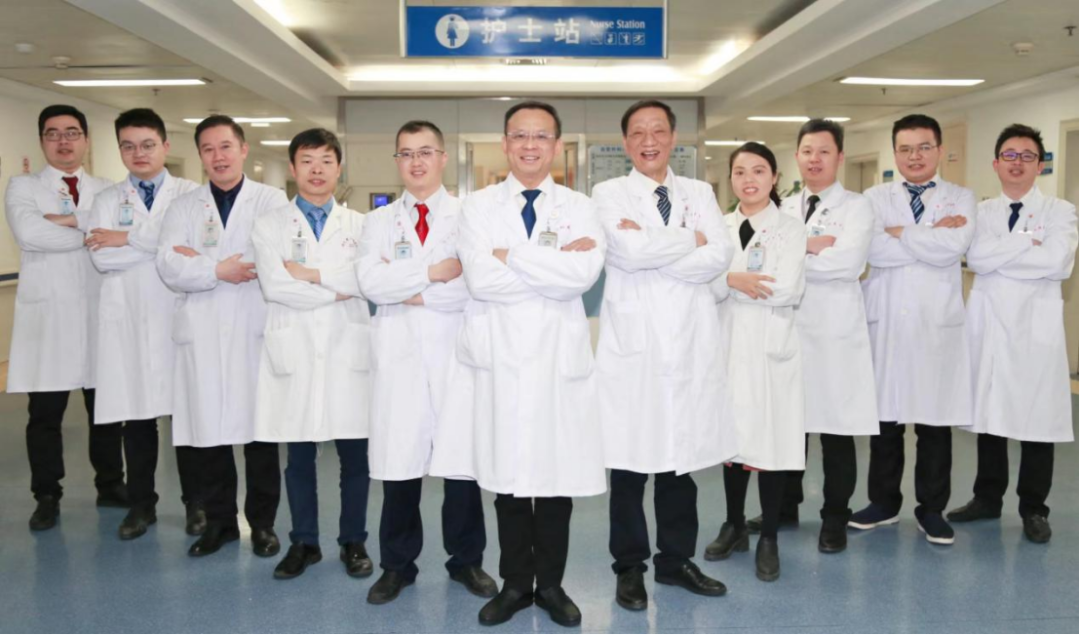
The Department of Vascular Surgery at the Second Affiliated Hospital of Nanchang University was established in 1994. It is the earliest independently established vascular surgery specialty in Jiangxi Province. It has been designated as a National Key Clinical Specialty Construction Unit, a Leading Discipline in Jiangxi Medical Science, one of the first national training bases for peripheral vascular interventional treatment by the National Health Commission (one of 50 nationwide and the only one in Jiangxi), a sub-center of the National Radiology and Treatment Clinical Medical Research Center (the only one in the vascular surgery field in Jiangxi), the National Health Commission's Capacity Building and Continuing Education Peripheral Vascular Intervention Construction Center, the Jiangxi Cardiovascular Disease Medical Center, and the Jiangxi Training Center of the Chinese Vascular Surgery Training Project.