XtalPi's Hair Regrowth Pipeline Enters IND-Enabling Stage: Unlocking Gentle and Highly Effective Treatment at Ultra-Low Concentrations
XtalPi
Computation-Driven Innovative Drug R&D Provider
XtalPi (2228.HK) announced today that its innovative drug pipeline for the treatment of hair loss has officially entered the IND-enabling (pre-clinical trial application preparation) study phase. Systematic research focusing on key elements such as the efficacy, safety, druggability, and CMC of the candidate molecules has been initiated, laying the foundation for the clinical trial application.
According to data previously released by the National Health Commission, the number of people suffering from hair loss in China has exceeded 250 million, with one in every six individuals affected. Of greater concern is the noticeable trend toward younger demographics experiencing hair loss—an increasing number of individuals born in the 1990s and even the 2000s are facing issues such as receding hairlines and thinning hair during the early stages of their lives.
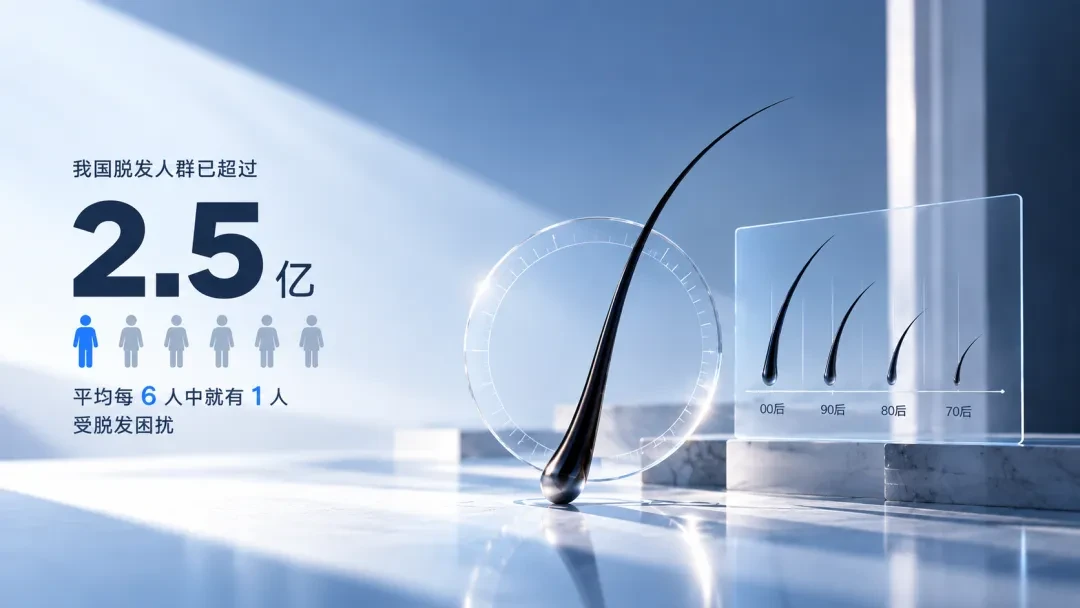
The domestic hair health market continues to expand,The market size was RMB 79.55 billion in 2023 and is projected to grow to RMB 116.54 billion by 2028.。In stark contrast to the enormous demand are the limited treatment options.
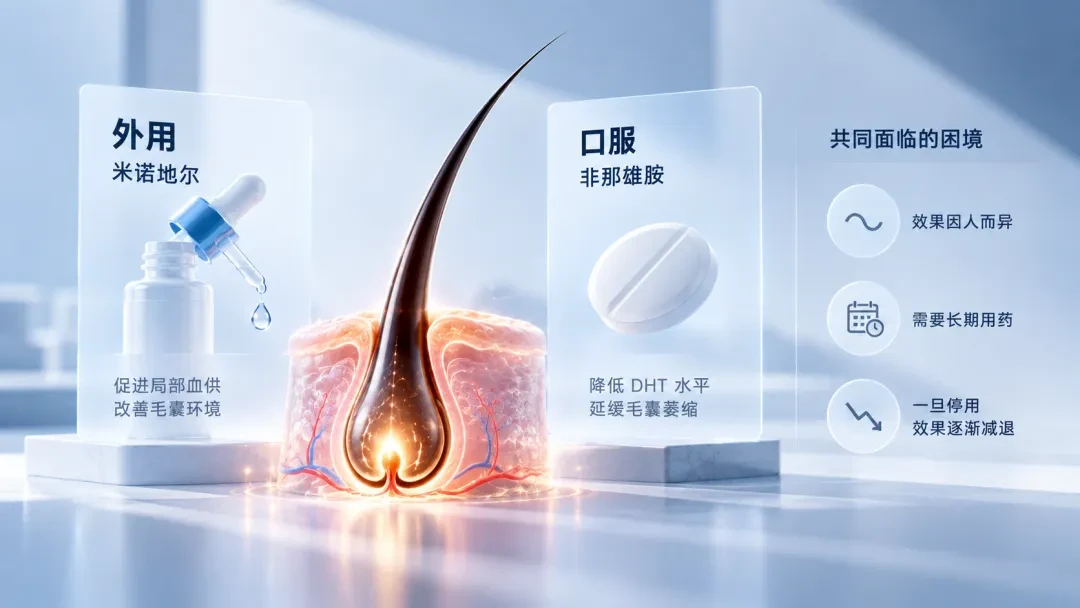
Currently, mainstream clinical treatments remain concentrated in two categories: topical minoxidil, which acts to “loosen the soil and fertilize” hair follicles by improving the follicular environment through enhanced local blood supply; and oral finasteride, which targets hormonal pathways to reduce dihydrotestosterone (DHT) levels and delay follicular miniaturization.
However, whether administered topically or orally, current mainstream therapies share an unavoidable core limitation: Minoxidil exhibits limited clinical response, effective in only approximately 40% of users. It may also induce initial shedding, contact dermatitis, and localized hypertrichosis, with adverse reactions such as palpitations occurring in a small subset of patients.
Finasteride is restricted to male use and carries potential risks such as sexual dysfunction, breast pain, or gynecomastia. Both treatment regimens require long-term, continuous administration to maintain efficacy; upon discontinuation, hair loss will recur. These multiple limitations significantly raise the barrier to medication adherence for patients.

From “Loosening the Soil” to “Awakening the Seeds”:
A Different Technical Route
In contrast, XtalPi’s hair regrowth pipeline focuses on the upstream mechanisms underlying hair loss. If existing therapies are aimed at improving the “soil”—the scalp—then XtalPi’s hair regrowth pipeline targets the “seed” itself: hair follicle stem cells.
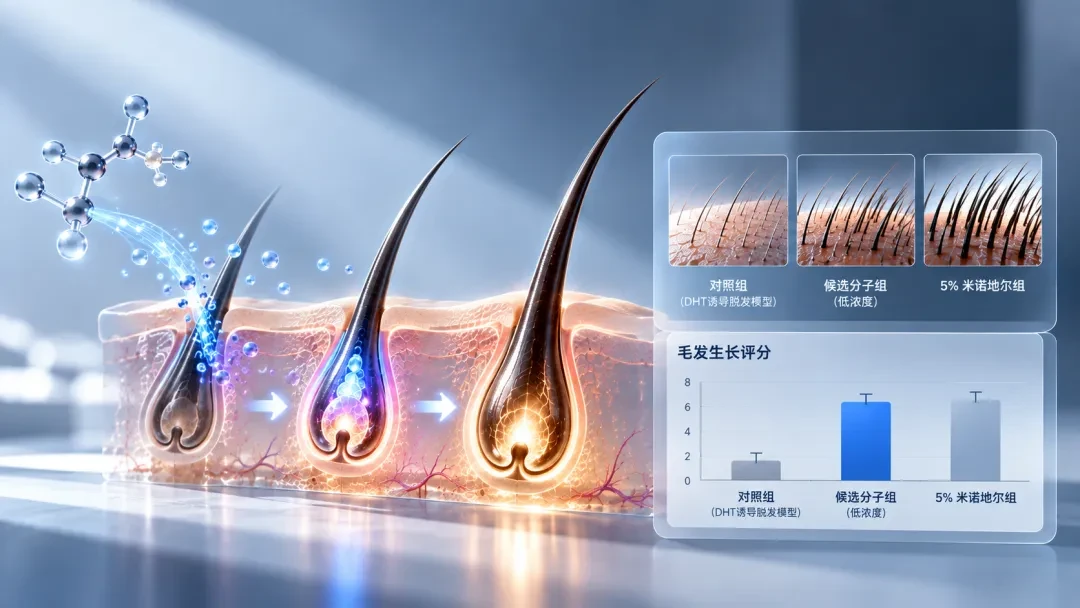
Preliminary studies have shown that XtalPi’s proprietary candidate molecule can activate the “lactate–autophagy” signaling axis in hair follicle stem cells: it restores autophagic flux in dormant hair follicle stem cells, helping these long-quiescent stem cells exit their resting state and re-enter the hair follicle growth cycle, thereby rebuilding the intrinsic drive for hair growth at its source. In vitro cell-based assays further validated that this candidate molecule promotes lactate production and drives hair follicles into a new growth cycle.
Study on the DHT-induced mouse model of androgenetic alopecia shows:Candidates require only a concentration as low as 0.05% minoxidil to achieve hair growth scores comparable to those of 5% minoxidil.。This means that we are expected to achieve equivalent hair growth effects with an extremely low dosing burden, significantly reducing the potential risk of drug-induced irritation, thereby breaking away from the conventional paradigm of androgenetic alopecia treatment that relies on high-concentration administration.
In addition, compared with minoxidil, this candidate molecule possesses significant differentiated advantages:Significantly improved safety profile, avoiding the initial shedding phase that most troubles minoxidil users, leaving the scalp fresh and non-greasy.; more importantly, it can alleviate local inflammation of hair follicles and reshape the damaged scalp microenvironment,Rather than merely stimulating hair follicles to force hair growth, it improves the underlying microenvironment of the follicles, facilitating their steady re-entry into the anagen (growth) phase.。
This mechanism complements the pathways of existing therapies, offering a differentiated treatment option for patients who respond poorly to current treatments.
Leveraging the XtalPi Science platform’s capabilities in AI-driven molecular generation, high-precision free energy perturbation (FEP) calculations, and robotic experimentation, the project addressed key challenges such as hair follicle cycle regulation, scalp microenvironment restoration, and targeted delivery. It achieved synergistic optimization across multiple dimensions, including molecular activity, selectivity, skin permeability, safety, and drug developability. This approach rapidly yielded a cohort of candidate molecules that strike an optimal balance between efficacy and developability.
Upon entering the IND-enabling stage, R&D efforts will further focus on pharmacodynamics, GLP toxicology, and CMC studies, progressively accumulating key data to support clinical development.

Advancing Innovative Drug Development with a Focus on Clinical Value
In the field of hair loss prevention, XtalPi has achieved phased results in the consumer health sector.
The Company’s independently developed “Gemini” molecules, XTP-118 (Remeanagen™) and XTP-016 (AquaKine™), have been commercialized.
Human efficacy testing conducted by an independent third-party professional testing agency demonstrated that the associated combination formula can increase the density of anagen hair follicles in as little as 14 days of use;After 45 days of use, over 90% of subjects observed a visually noticeable increase in hair density, with the average amount of hair shedding reduced by approximately 33%–45%.。
Based on real-world usage testing in consumer scenarios spanning over six months, systematic data have been accumulated regarding the efficacy and tolerability of the relevant formulations.
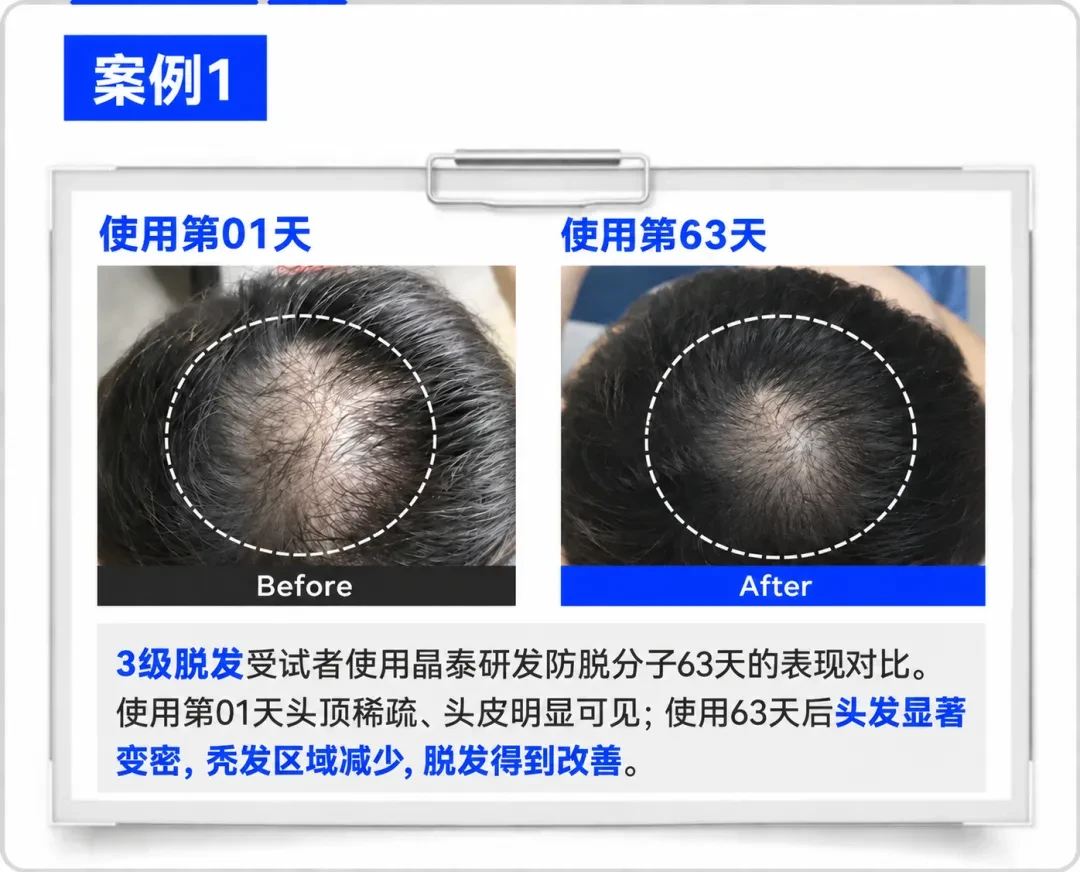
Building on this R&D and application experience, XtalPi has further advanced its anti-hair loss research and development into the pharmaceutical domain.
In response to the more stringent R&D and regulatory requirements for prescription drugs, the team re-designed and continuously optimized candidate molecules based on drug development standards, with a further focus on key indicators such as target mechanism, activity-to-dose relationship, pharmacokinetic properties, safety window, and long-term medication potential.
Currently, XtalPi is continuously advancing collaborations with top-tier medical institutions in China to further validate and develop related candidate molecules.
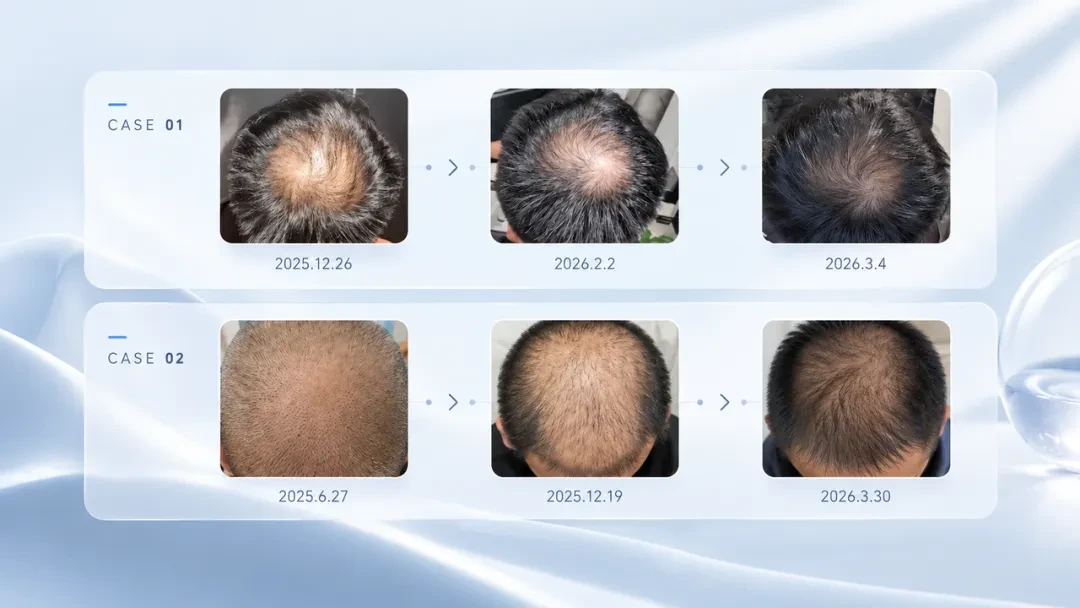
Recently, XtalPi’s multiple self-developed and enabled pipelines have successively reached key milestones, including IND approvals and clinical trial initiations.。The centralized deployment of pipeline achievements demonstrates that the AI- and robotics-driven R&D system is evolving from single-project validation to multi-project reusability, with its capacity to drive the large-scale conversion of innovative assets gradually becoming evident.。
Leveraging the AI and robotics R&D closed loop built on XtalPi Science, the company has been able to continuously advance the discovery and optimization of candidate molecules across different therapeutic areas and product pathways, further extending its platform capabilities from early-stage drug discovery into clinical development.
XtalPi is driving the deeper integration of AI across the entire drug discovery and development pipeline, enabling more promising therapeutic candidates to enter clinical validation earlier and accelerating responses to unmet patient needs.