BrainCo Establishes Asia-Pacific R&D Hub at Hong Kong Cyberport to Advance Inclusive Smart Prosthetics in Response to Policy Address

BrainCo
Non-invasive brain-computer interface technology solution provider

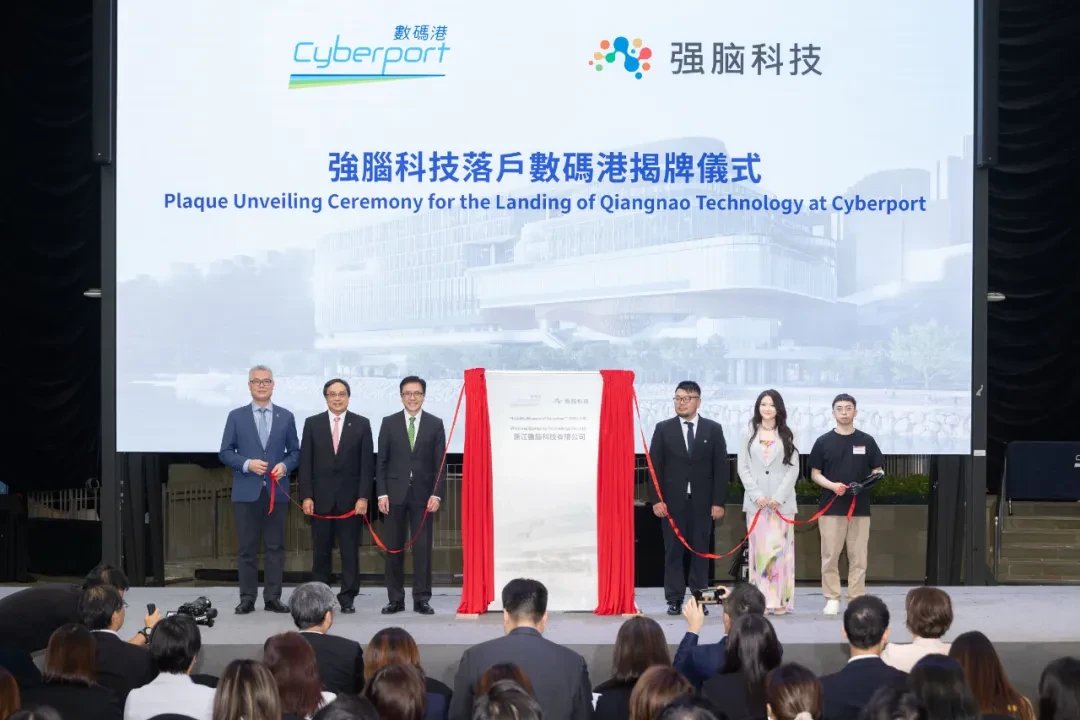
On September 29, BrainCo officially settled in Hong Kong Cyberport and signed a memorandum of cooperation with the Hong Kong Polytechnic University to jointly promote the application of smart prosthetics in Hong Kong, responding to the people-oriented research direction proposed in the Policy Address, allowing scientific and technological achievements to truly benefit the disabled community. Professor Sun Dong, Secretary for Innovation, Technology and Industry of Hong Kong; Han Bicheng, Founder and CEO of BrainCo; Chan Sai Ming, Chairman of Cyberport; and Professor Teng Jinguang, President of the Hong Kong Polytechnic University, attended the launch ceremony.
Through this establishment, BrainCo will build an Asia-Pacific R&D base and an international trade and commerce center in Hong Kong, bringing the cutting-edge achievements of brain-computer interface to the local area, and expanding international cooperation and markets through the Hong Kong platform. As an international technology and innovation hub, Hong Kong offers research advantages, policy support, and regional conditions, providing unique opportunities for the industrialization and internationalization of brain-computer interfaces.
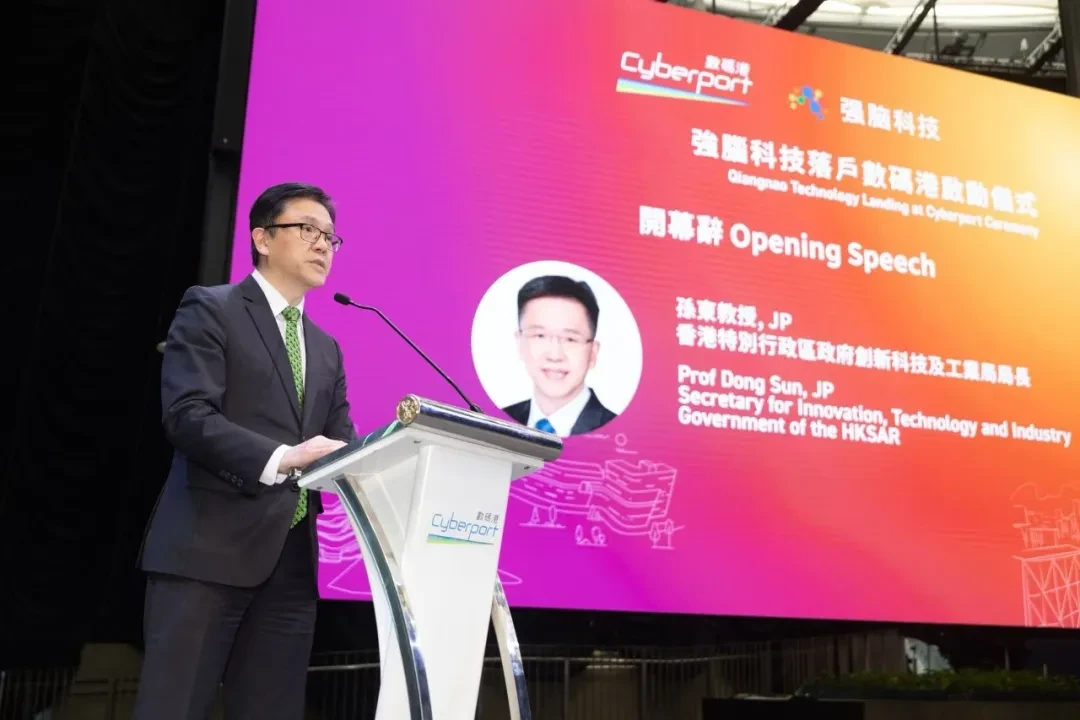
Hong Kong SAR's Secretary for Innovation, Technology and Industry, Professor Sun Dong, stated in his speech that BrainCo's establishment in Hong Kong demonstrates confidence in Hong Kong's innovation ecosystem. It will also inject momentum into the transformation of scientific research achievements and accelerate the process of "new industrialization," further confirming Hong Kong's unique role as a "super connector" and "super value-added contributor."
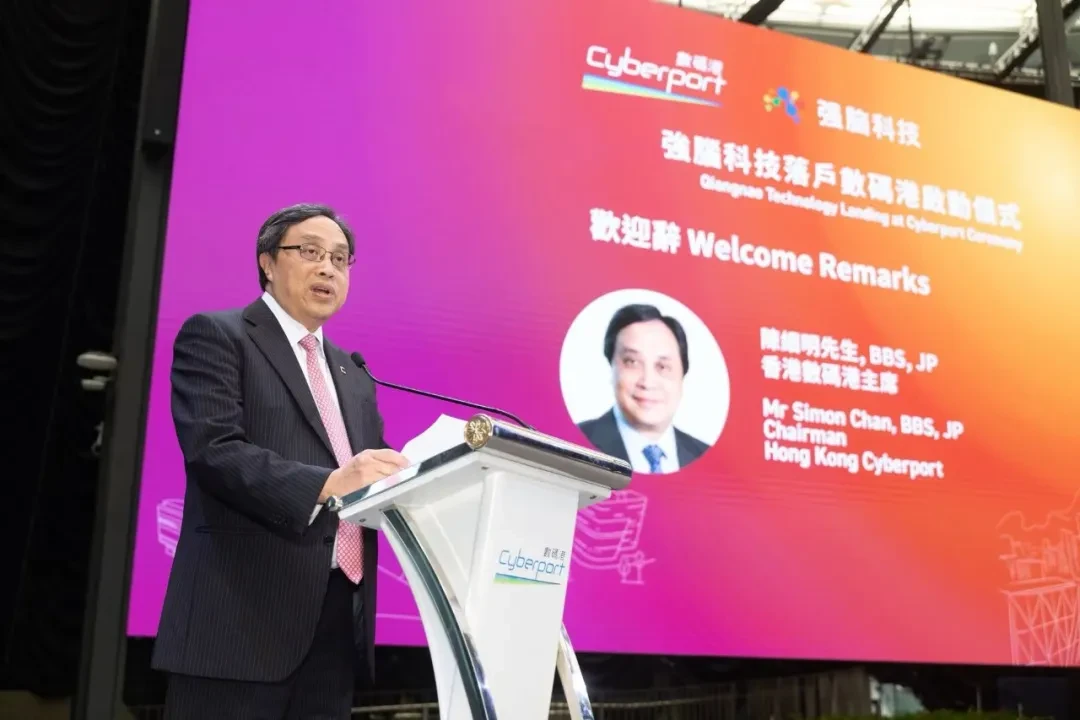
Cyberport Chairman Chen Ximing pointed out that BrainCo has advantages in the fields of brain-computer interaction and embodied intelligence. Combined with Cyberport's innovative ecosystem, it is expected to promote the transformation of more scientific research results in scenarios such as rehabilitation, health, and sports, practicing the concept of "technology for the people" and benefiting the general public.
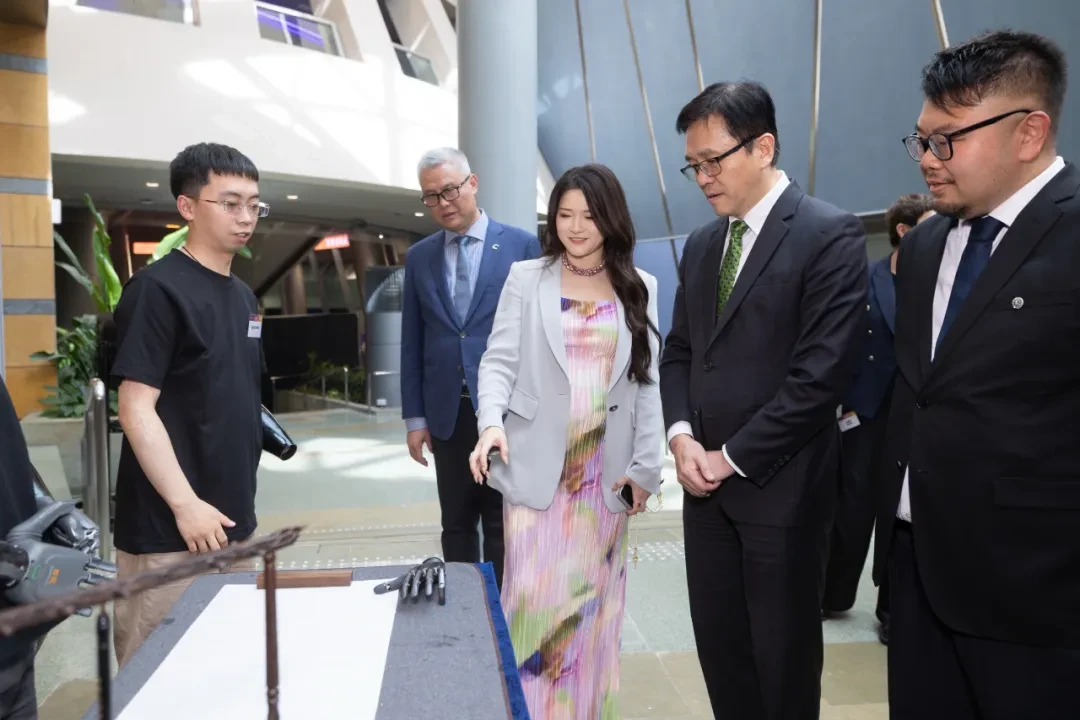
Previously, Hong Kong Special Administrative Region Chief Executive John Lee Ka-chiu explicitly stated in the 2025 Policy Address that, under the broader direction of "moving from governance to prosperity," the goal is to better translate scientific and technological innovations into practical applications that benefit citizens. He specifically mentioned that during a previous visit to BrainCo in Zhejiang, he noticed how next-generation research prosthetics have brought breakthrough assistance to amputees. These prosthetics use built-in sensors to identify neural signals in the wearer’s muscles without requiring any implants or internal wiring, and after training, they can perform tasks such as writing and playing musical instruments. John Lee expressed that the Hong Kong government will utilize the Innovation and Technology Fund to launch a two-year inclusive program that fully subsidizes the free fitting and use of this new technological prosthesis for amputees in Hong Kong, allowing more people in need to benefit first.
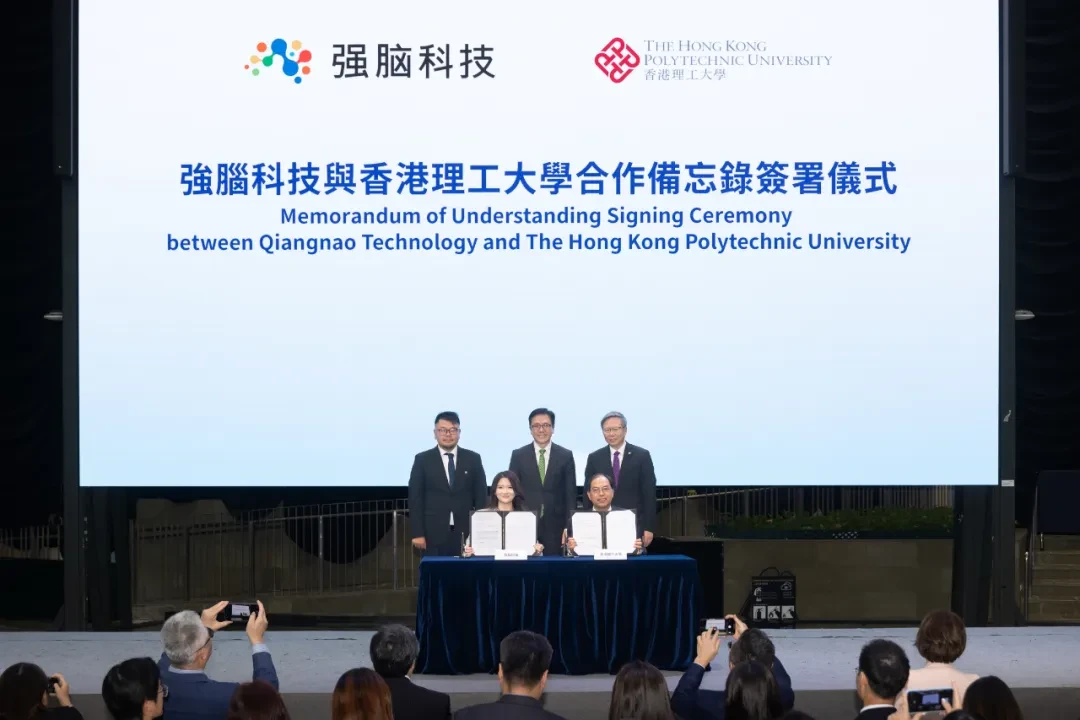
At the event, BrainCo and the Hong Kong Polytechnic University signed a Memorandum of Cooperation, planning to jointly establish the "Brain-Computer Interface Joint Research Center." Both parties will explore areas such as personalized prosthetics, rehabilitation training systems, and interdisciplinary interaction design, promoting the integration of research and clinical practice to bring more suitable solutions to the local disabled community. Through close "industry-academia-research" collaboration, further breakthroughs are expected in signal decoding algorithms, material upgrades, and sensory feedback. In terms of rehabilitation products, BrainCo has launched the Smart Bionic Hand and Smart Bionic Leg, enabling multi-scenario applications from fine motor operations to movement assistance, which have gained widespread user recognition. These achievements also lay a solid foundation for the cooperation with the Hong Kong Polytechnic University.
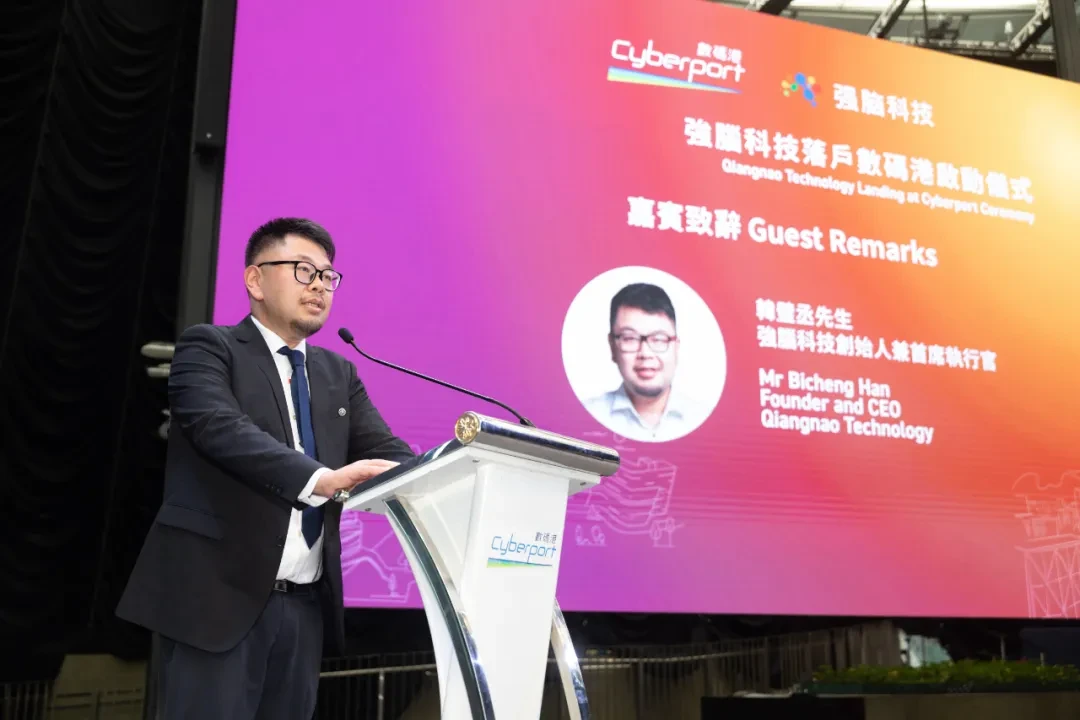
BrainCo Founder and CEO Han Bicheng stated that settling in Cyberport is not only a crucial step for the company's globalization but also a key milestone in promoting the industrialization of brain-computer interface. Over the past decade, BrainCo has consistently focused on the research and implementation of non-invasive brain-computer interface core technologies, from smart bionic hands and smart bionic legs to autism intervention and sleep intervention products. Adhering to the principle of "Technology for Good," the company ensures that innovation serves society. Hong Kong’s open innovative environment and international resources will provide fertile ground for the transformation of scientific research achievements.
With the help of the Cyberport platform, BrainCo will engage in more collaborations with Hong Kong and international research institutions and enterprises. Using Hong Kong as a strategic window, they aim to bring brain-computer interface innovations to the global stage, allowing more people in need to benefit from technology. Relying on Hong Kong's open innovation environment and international advantages, the company also plans to expand the application of brain-computer interface technology into broader scenarios. As research and development continue to advance, this technology will not only play a role in improving the quality of life for disabled groups but also create value in wider social contexts.