Ruixin Medical Showcases AngioQFA at CSC 2025: Enabling Precision PCI with Real-Time Functional Assessment and Gaining Global Recognition

RaysightMed
Medical Imaging Product Developer

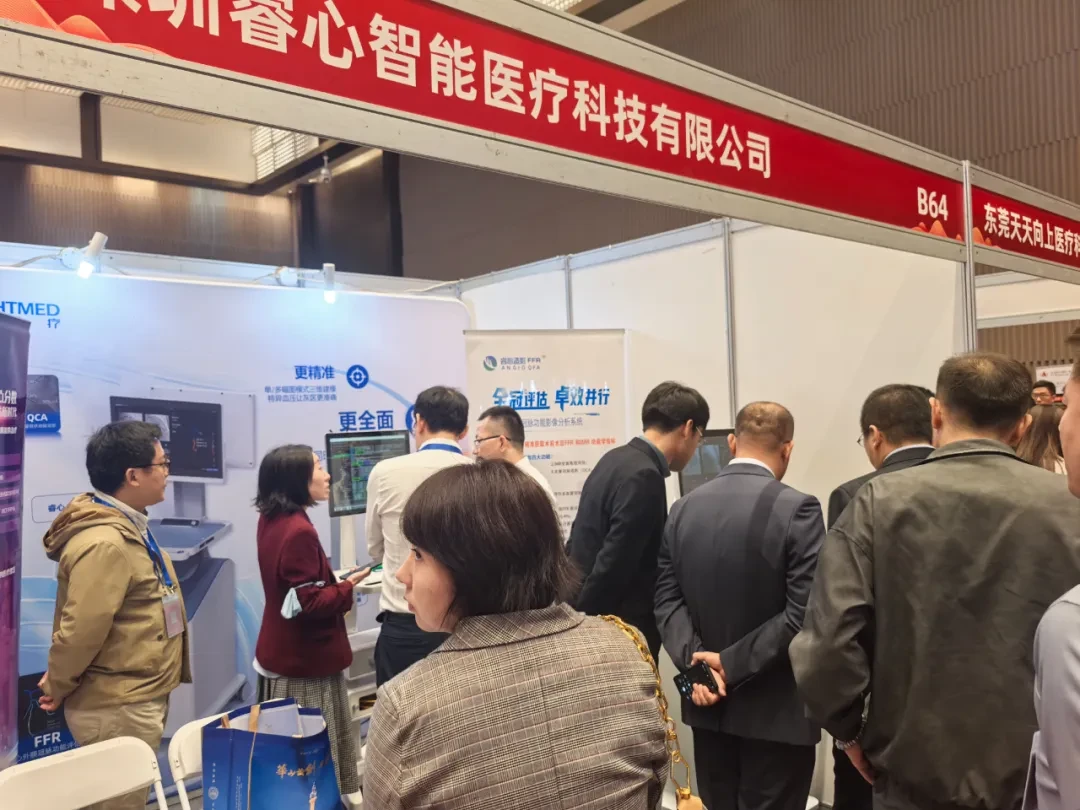
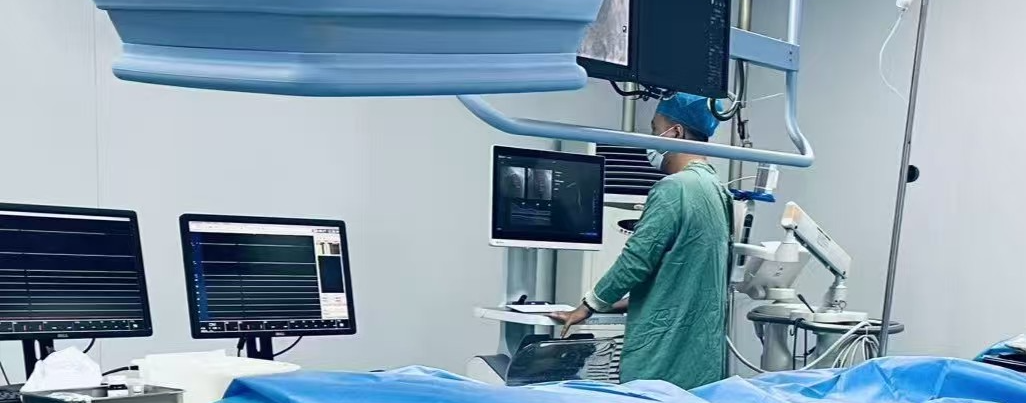
From September 18 to 21, 2025, the 27th Chinese Society of Cardiology National Congress (CSC 2025) was grandly held in Xi'an, China. As one of the most authoritative and influential academic events in the field of cardiovascular medicine in China, this conference brought together top experts and scholars from home and abroad. RaysightMed, a leading enterprise in cardiovascular functional diagnostics, showcased its one-stop coronary macro FFR + micro IMR functional assessment system—Raysight AngioQFA—at the event, drawing significant attention from attending experts.On September 20, RaysightMed successfully supported the live broadcast of a coronary intervention surgery performed by Professor Guo Ning's team from the First Affiliated Hospital of Xi'an Jiaotong University. By applying Raysight AngioQFA in real time for functional measurement of coronary angiography, the procedure provided precise and efficient guidance for surgical decision-making, becoming one of the highlights of the event.

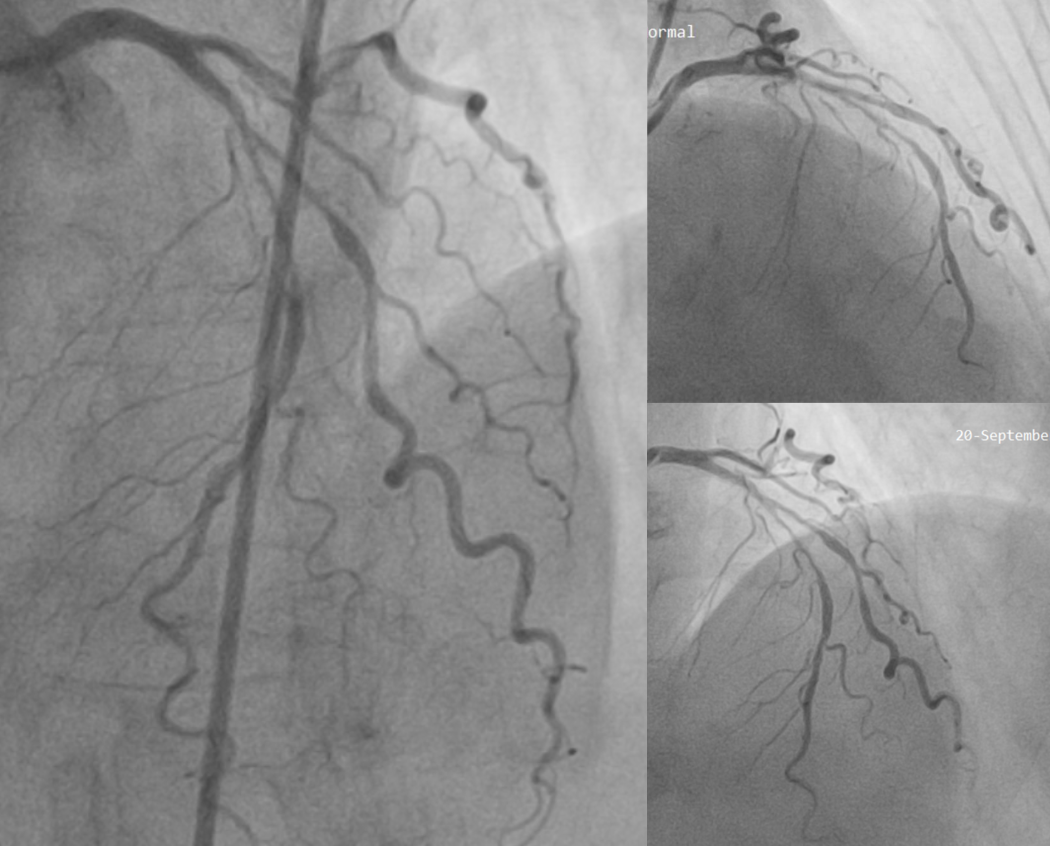
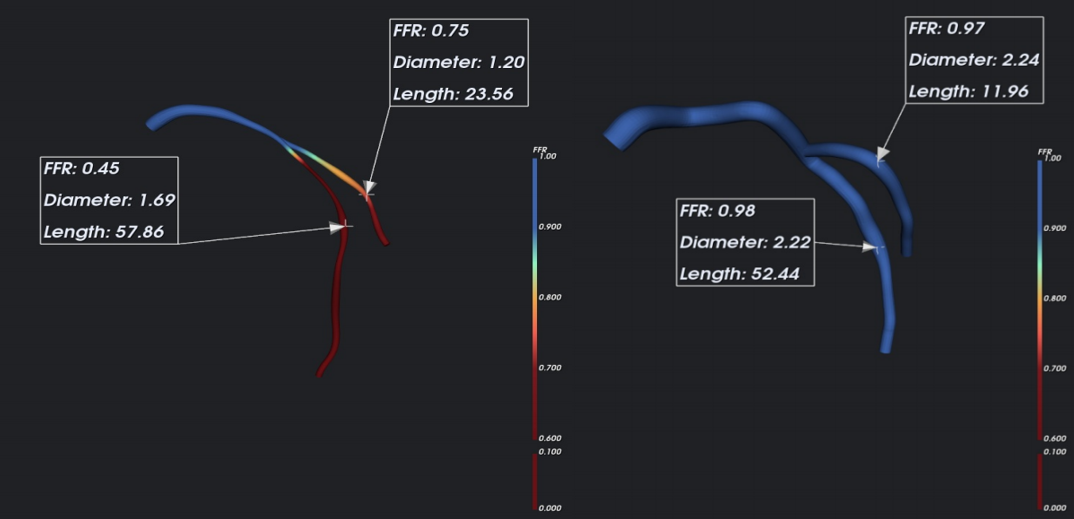
SurgeryPre-precisely Locate Criminal Lesions
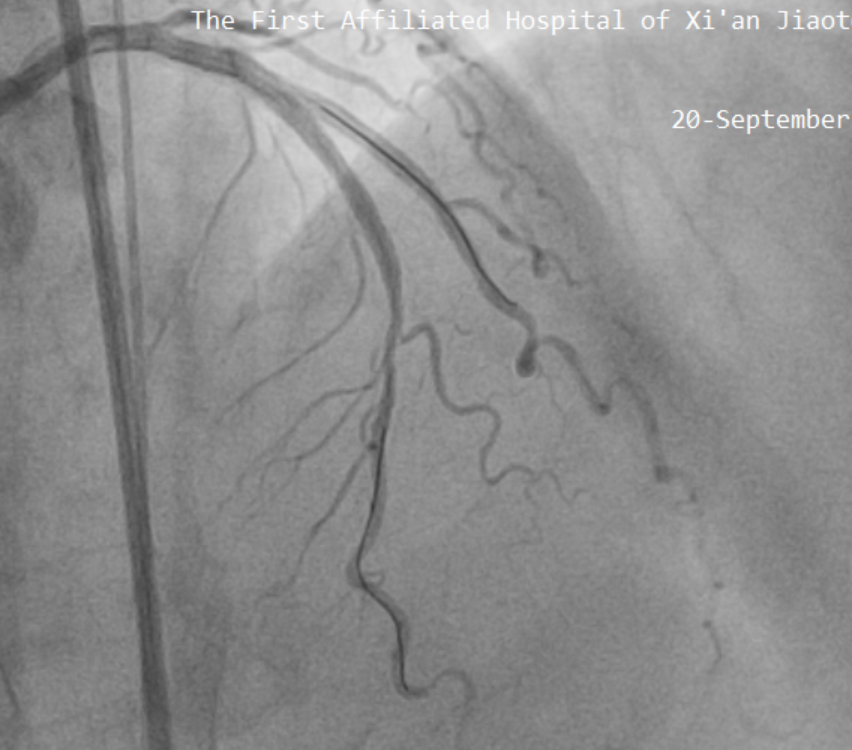
Postoperative Indication of Complete Functional Revascularization
During the surgical broadcast session, Professor Guo Ning's team performed an interventional surgery on a patient with complex coronary heart disease. Patient基本信息: Shi某, female,Age 72. Selective coronary angiography results: Significant calcification in LAD and D1, moderate to severe stenosis in LADp-m, involving moderate to severe stenosis in D1o-m.
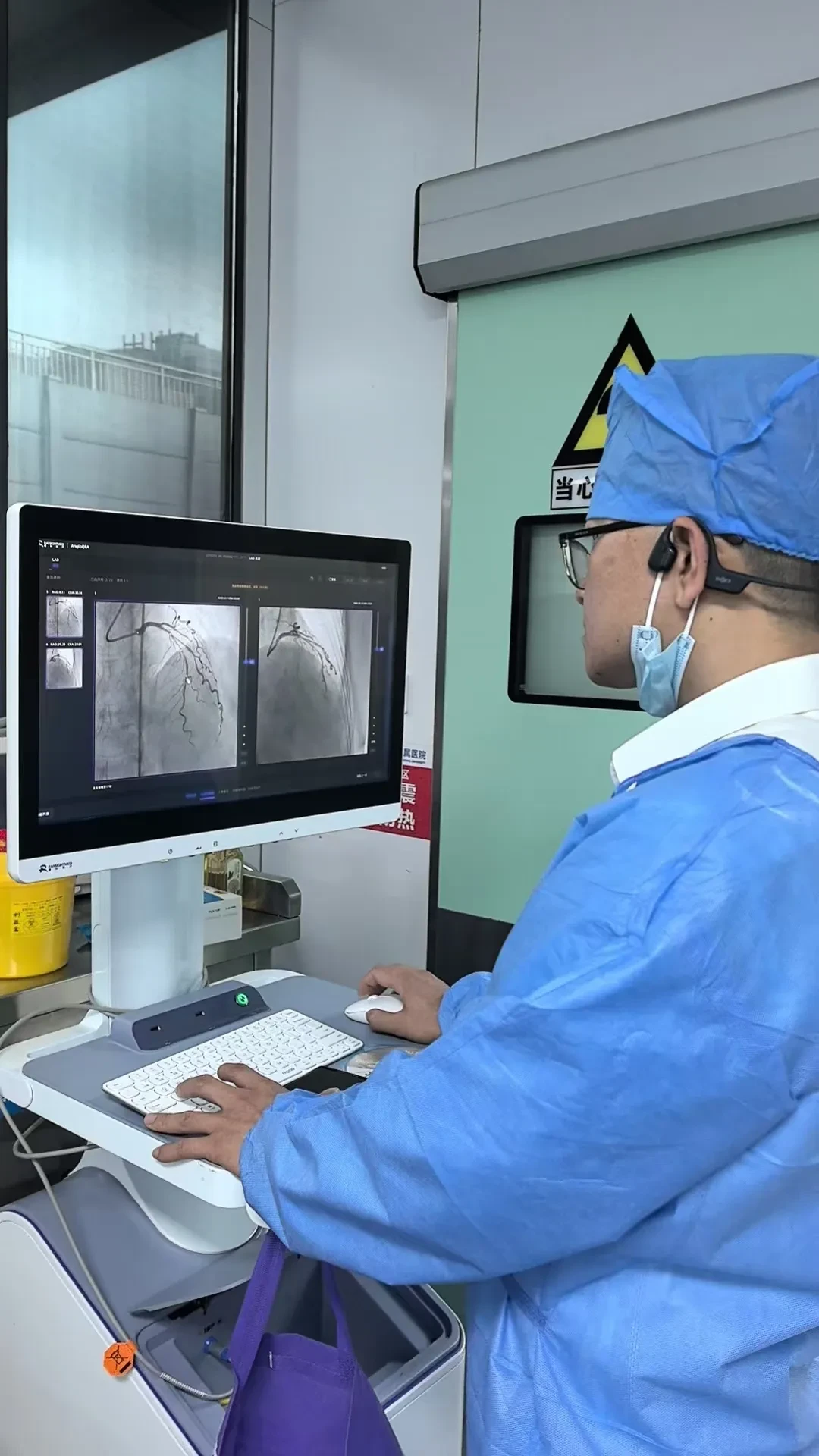
Guidelines and Consensus Recommendations: According to the Chinese Percutaneous Coronary Intervention Guidelines(2016, 2025) and the Expert Consensus on Clinical Application of Coronary Functional Assessment (2025) recommend that for moderate to severe stenotic lesions, a coronary functional assessment should be completed before PCI. Professor Guo Ning's team performed RaysightMed AngioQFA testing on the patient, which showed: LAD-Angio-FFR 0.45, D1-Angio-FFR 0.75, LAD-Angio-IMR 16.46U. The results indicated functionally significant stenosis in the LAD and D1, with no microcirculatory dysfunction. Given the large size of D1, it was recommended to perform PCI for the LAD and D1 lesions.

Expert Endorsement: Empowering Clinical Decision-Making, Enhancing Prognosis
FFR(Coronary Flow Reserve Fraction) CurrentlyHas been considered as the functional evaluation of epicardial coronary artery stenosis"Gold standard," recommended by various guidelines related to revascularization. However, the implementation rate is low in actual clinical applications due to reasons such as invasiveness, complexity, high costs, and additional drug use during surgery. In recent years, coronary functional assessment technology based on imaging computation has emerged as an image post-processing technique. It aims to simulate the physiological state of the coronary arteries and obtain functional parameters of coronary lesions through imaging computation, avoiding the use of pressure wires and hyperemic agents, offering advantages such as speed and simplicity. Early clinical studies have shown,With guidewire FFR and IMR as references, the diagnostic accuracy of RaysightMed's AngioQFA exceeds 95%. Computed FFR based on coronary angiography is expected to enhance the application of coronary functional assessment during PCI procedures, enabling precise target lesion selection, reducing adverse cardiovascular events, and ultimately improving patient outcomes.
Professor Guo Ning commented:"In this case, the preoperative application of RaysightMed's AngioQFA one-stop measurement of FFR and IMR further confirmed that the culprit lesions were the left anterior descending artery (LAD) and diagonal branch (D1). Moreover, the Angio-IMR was negative, suggesting epicardial ischemia as the primary issue, consistent with our prediction. This indicates that PCI treatment of epicardial lesions can resolve myocardial ischemia. Postoperatively, we conducted another evaluation using RaysightMed's AngioQFA, which showed complete functional revascularization after PCI, and the Angio-IMR remained negative, indicating no significant impact on microcirculatory function."In summary, the preoperative RaysightMed AngioQFA accurately identified the culprit lesion, in line with the latest PCI guidelines. Postoperative use of RaysightMed AngioQFA indicated complete functional revascularization, consistent with the 2024 ESC CCS management guidelines' recommendation for coronary functional assessment after PCI. The postoperative AngioQFA results have enhanced our confidence in the PCI outcomes and patient prognosis!”
This surgical broadcast is by RaysightMedAn important demonstration of AngioQFA in clinical application. In the future, RaysightMed will continue to focus on the field of cardiovascular precision diagnosis and treatment, deepen close cooperation with clinical experts, promote technological innovation and clinical application, and contribute to improving the diagnostic and treatment level of cardiovascular diseases globally.
References:
1. Chinese Guidelines for Percutaneous Coronary Intervention (2016). Chinese Journal of Cardiology. May 2016, Vol. 44, No. 5.
2. Guidelines for Percutaneous Coronary Intervention (2025). Chinese Journal of Cardiology. July 2025, Vol. 53, No. 7. Chin J Cardiol, July 2025, Vol. 53, No. 7.
3. Expert Consensus on the Clinical Application of Coronary Artery Function. Chinese Journal of Cardiology. May 2025, Vol. 53, No. 5.
4、2024 ESC Guidelines for the management of chronic coronary syndromes.European Heart Journal (2024) 00, 1–123.
5、Validation of a Novel Coronary Angiography-Derived Quantitative Functional Assessment Compared with Wire-Based FFR and IMR: The Prospective Multicenter FAIR Study.J. Clin. Med. 2025, 14, 4503.


Case Analysis | RaysightMed AngioQFA 100 Consumables Successfully Achieve Clinical Use