Focus on 2026 WCLC: Lung Cancer Treatment Evolution and the Rise of Chinese Innovative Therapeutics
Akeso
Innovative Antibody Drug Developer
Hansoh Pharma
Pharmaceutical Research, Production, and Sales

MediLink
Antibody-Drug Conjugates Developer

Authors: Gan Tanhuan, Jiang Zhuxuan
Abstract
■ Investment Logic
2026 WCLC Convenes: Chinese Innovative Drugs Take Center Stage, Becoming the Focus of Global Frontline Lung Cancer R&DThe 2026 World Conference on Lung Cancer (WCLC) was held in Seoul, South Korea, from September 12 to 15. As one of the most influential annual academic conferences in the global lung cancer field, this year’s meeting highlighted key advances in advanced non-small cell lung cancer (NSCLC), advanced driver gene-positive NSCLC, recurrent/refractory small cell lung cancer (SCLC), and perioperative lung cancer. The number of abstracts accepted for presentation and oral reports by Chinese enterprises continued to rise. The presented content covered cutting-edge therapies such as PD-1/VEGF bispecific antibodies, PD-L1/4-1BB bispecific antibodies, TROP2 ADCs, B7-H3 ADCs, and KRAS G12D inhibitors, spanning from early signals of efficacy to progression-free survival (PFS) and overall survival (OS) results from randomized controlled trials. Chinese novel drugs are deeply involved in defining and competing for the next generation of global standards in lung cancer treatment, paving the way for the emergence of multiple new global therapies in the lung cancer field.
IO2.0 Evidence Matures Further: Chinese Bispecific Antibodies Reshape the First-Line Lung Cancer Treatment LandscapeAt this year’s World Conference on Lung Cancer (WCLC), Akeso’s ivonescimab achieved dual benefits in overall survival (OS) and progression-free survival (PFS) in its Phase III HARMONi-2 study for first-line PD-L1-positive non-small cell lung cancer (NSCLC), demonstrating head-to-head superiority over pembrolizumab. This further validates the clinical value of PD-1/VEGF bispecific antibodies. Additionally, the HARMONi study provided supplementary evidence of survival benefits in patients with EGFR-TKI resistance. Meanwhile, multiple immunotherapy regimens—including rilvegostomig, opamtistomig, RC148, JS207, and gotistobart—have reported positive clinical data. Immunotherapy for lung cancer is evolving from single-target PD-(L)1 inhibition toward bispecific antibodies, multi-mechanistic synergy, and refined patient stratification. Chinese companies have established globally leading reserves of clinical evidence and industrialization capabilities in the IO2.0 sector, represented by PD-1/VEGF inhibitors.
ADC Treatment Lines Continue to Shift Earlier; Immunotherapy Combinations and Optimization of Disease Burden May Become the Main Focus of Future Iterations. The Positioning of ADCs in Lung Cancer Is Gradually Shifting from Late-Line Validation to Frontline, Combination, and Perioperative Exploration. At this year’s WCLC, Hansoh Pharma’s Ris-Rez and MediLink’s Tam-Pali, two B7-H3 ADCs, received the highest-level plenary session presentations, delivering pivotal Phase III clinical evidence for second-line small cell lung cancer (SCLC). BNTX/Innovent Bio disclosed clinical data for Pumitamig + Elfe-D, providing early clinical evidence in the IO 2.0 + ADC field, which is expected to offer important directions for future treatment iterations. As domestically produced B7-H3 ADCs, TROP2 ADCs, and EGFR ADCs continue to demonstrate high response rates and preliminary durability across multiple settings in both non-small cell lung cancer (NSCLC) and SCLC, they are leading a comprehensive upgrade and iteration beyond chemotherapy.
Precision Therapy Continues to Advance, with Breakthroughs in Multiple Refractory/Drug-Resistant Mutations. In the field of small-molecule targeted therapies, new evidence continues to emerge for patient populations with long-standing unmet clinical needs, including those with HER2 mutations, KRAS G12D mutations, EGFR-TKI resistance, and EGFR exon 20 insertion mutations, continuously expanding the treatment frontier. As data on next-generation targeted drugs shine brightly, breakthroughs in targeted therapies for RAS, EGFR, and other areas are poised to reshape the treatment landscape for various diseases driven by refractory mutations.
Investment Recommendation
As data from multiple innovative Chinese drugs are released intensively, with clinical results in areas such as PD-1 PLUS bispecific antibodies, ADCs, and targeted therapies reaching international leading levels, significant attention has been drawn, potentially boosting a new wave of global expansion opportunities for innovative drugs. We continue to focus on investment opportunities in next-generation therapies with pan-cancer potential, chronic disease medications addressing unmet clinical needs, and sectors such as ADCs, bispecific/multispecific antibodies, and small nucleic acids.
Risk Warning
Risk of new drug development failure; risk of R&D progress falling short of expectations; risk of drug price reductions.
+
Table of Contents
1. WCLC Conference Opens, Chinese Pharmaceutical Companies Become the Focus of the Venue
2. Multiple Blockbuster Data Releases: Domestic New Drugs Poised to Lead the Iteration of Clinical Medications
2.1 First-line Advanced Wild-type NSCLC: Clinical Evidence for PD-1 Plus Bispecific Antibodies Continues to Strengthen
2.2 Later-line Advanced NSCLC: Immunotherapy, Targeted Therapy, and ADCs All Show Promise for Beneficial Advantages
3 SCLC: Rapid Breakthrough in the Clinical Status of ADCs, with the Treatment Landscape Poised for Multi-Angle Iteration
4. New Perioperative Treatment Mechanisms Emerge, with Subcutaneous Formulations Poised to Enhance Patient Benefits
5 Risk Warning
Main Text
1. WCLC Conference Opens, Chinese Pharmaceutical Companies Become the Focus of Attention
The 2026 World Conference on Lung Cancer (WCLC), hosted by the International Association for the Study of Lung Cancer (IASLC), was held in Seoul, South Korea, from September 12 to 15. As one of the largest and most influential annual academic conferences on lung cancer globally, this year’s event brought together more than 7,000 international attendees, featured over 130 special sessions and workshops, and included more than 2,300 abstracts. The conference covered the full spectrum of topics, including screening and early diagnosis, molecular pathology, surgery and radiotherapy, systemic therapy, translational research, and supportive care. It highlighted key advances in advanced non-small cell lung cancer (NSCLC), driver gene-positive lung cancer, small cell lung cancer (SCLC), and perioperative treatment, providing an important window into the evolution of lung cancer treatment pathways, updates in clinical evidence, and directions in industry research and development.
The number and quality of presentations by Chinese enterprises at this conference continued to rise: a record-breaking 19 studies were selected for oral presentations, and 45 for mini-oral presentations. The Phase III studies on B7-H3 ADCs in recurrent SCLC from Hansoh Pharma and MediLink were both selected for the prestigious Presidential Symposium. Key highlights of domestic new drug presentations covered cutting-edge therapies such as PD-1/VEGF bispecific antibodies, PD-L1/4-1BB bispecific antibodies, TROP2 ADCs, B7-H3 ADCs, and KRAS G12D inhibitors, with data ranging from early signals of efficacy to PFS/OS results from randomized controlled trials. Chinese novel drugs are deeply engaged in defining and competing for the next generation of global standards in lung cancer treatment, poised to give rise to multiple new global therapies in the lung cancer field.
Bispecific/multispecific antibodies and ADCs, emerging technologies led by Chinese companies, became the focal point of the conference. Areas where Chinese companies have established strong footholds include tumor immunotherapy driven by bispecific/multispecific antibodies, precision targeted therapies, and novel combination regimens:
IO2.0 Evidence Matures Further: Chinese Bispecific Antibodies Reshape First-Line Lung Cancer Treatment Landscape. At this year’s WCLC, Akeso’s ivonescimab became the first to demonstrate dual benefits in overall survival (OS) and progression-free survival (PFS) in a Phase III study of first-line PD-L1-positive non-small cell lung cancer (NSCLC), achieving head-to-head superiority over pembrolizumab. This further validates the clinical value of PD-1/VEGF bispecific antibodies. Additionally, the HARMONi study provided supplementary evidence of survival benefits in patients with EGFR-TKI resistance. Meanwhile, multiple immunotherapy regimens—including rilvegostomig, opamtistomig, RC148, JS207, and gotistobart—have reported positive clinical data. Lung cancer immunotherapy is evolving from single-target PD-(L)1 inhibition toward bispecific antibodies, multi-mechanistic synergy, and refined patient stratification. Chinese companies have established globally leading clinical evidence reserves and industrialization capabilities in the IO2.0 arena, exemplified by PD-1/VEGF bispecific antibodies.
ADC Therapy Lines Continue to Shift Earlier; Immunotherapy Combinations and Optimization of Disease Burden May Become the Main Focus of Future Iterations. The Role of ADCs in Lung Cancer Is Gradually Evolving from Late-Line Validation to Frontline, Combination, and Perioperative Exploration. At this year’s WCLC, Hansoh Pharma’s Ris-Rez and MediLink’s Tam-Pali, two B7-H3 ADCs, received the highest-level plenary presentations, delivering pivotal Phase III clinical evidence for second-line small cell lung cancer (SCLC). BNTX/Enlight Biotech disclosed clinical data for Pumitamig plus Elfe-D, providing early clinical evidence in the IO 2.0 + ADC field and potentially offering important directions for future treatment iterations. As domestically developed B7-H3 ADCs, TROP2 ADCs, and EGFR ADCs continue to demonstrate high response rates and preliminary durability across multiple settings in both non-small cell lung cancer (NSCLC) and SCLC, they are leading a comprehensive upgrade and iteration beyond chemotherapy.
Precision Medicine Continues to Advance, with Breakthroughs in Multiple Refractory/Drug-Resistant Mutations. In the field of small-molecule targeted therapies, new evidence continues to emerge for patient populations with long-standing unmet clinical needs, including those with HER2 mutations, KRAS G12D mutations, EGFR-TKI resistance, and EGFR exon 20 insertion mutations, steadily expanding the therapeutic frontier. As impressive data from next-generation targeted drugs accumulate, breakthroughs in agents targeting RAS, EGFR, and other pathways are poised to reshape the treatment landscape for various diseases driven by refractory mutations.
2. Multiple Blockbuster Data Releases: Domestically Developed New Drugs Poised to Lead Clinical Treatment Iteration
2.1 First-line Advanced Wild-type NSCLC: Clinical Evidence for PD-1 Plus Bispecific Antibodies Continues to Strengthen
First-line treatment for advanced driver gene-negative non-small cell lung cancer (NSCLC) is one of the most core and fiercely competitive segments in the global lung cancer drug market. NSCLC accounts for the majority of lung cancer cases, and a significant proportion of patients are diagnosed at locally advanced or metastatic stages. Therefore, first-line therapy not only determines initial survival benefits for patients but also shapes subsequent treatment pathways and the market landscape. Current clinical practice is based on molecular subtyping: patients with positive driver genes prioritise corresponding targeted therapies, while those with negative driver genes mainly receive PD-(L)1 monotherapy or combination platinum-based chemotherapy, selected according to PD-L1 expression and histological type. Immunotherapy combination regimens remain the backbone of first-line treatment.
As immunotherapy evolves from “IO 1.0” to “IO 2.0,” bispecific antibodies are demonstrating a significant trend of iteration. The core rationale is to simultaneously modulate another immune or tumor microenvironment pathway—such as VEGF, CTLA-4, or TIGIT—while retaining the PD-(L)1 pathway’s ability to relieve immunosuppression, with the aim of further deepening response rates, prolonging the duration of benefit, and expanding coverage to populations with limited traditional immunotherapy benefits, such as those with low PD-L1 expression. Akeso’s ivonescimab has achieved positive results for both progression-free survival (PFS) and overall survival (OS) in first-line PD-L1-positive non-small cell lung cancer (NSCLC), providing key clinical validation that PD-1×VEGF bispecific antibodies are superior to previous PD-1 monotherapies.
Beyond PD-(L)1×VEGF, a growing number of IO 2.0 regimens are exploring combinations of PD-(L)1 with other novel targets such as CTLA-4, TIGIT, IL-2, and TGF-β, while expanding the eligible patient population through combination with chemotherapy, ADCs, bispecific antibodies, or targeted therapies. The pace of clinical development and the differentiated advantages of treatment regimens are expected to become key determinants of future clinical value.
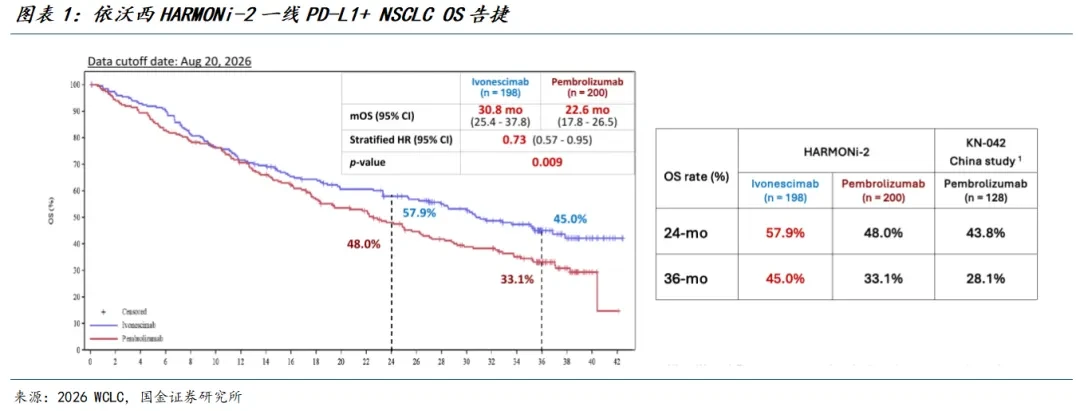
Akeso – Ivonescimab HARMONi-2 Achieves OS Victory in First-Line PD-L1+ NSCLC
HARMONi-2 is a head-to-head, randomized Phase III study enrolling patients with advanced non-small cell lung cancer (NSCLC) who are PD-L1 positive and lack EGFR/ALK driver gene alterations, comparing ivonescimab monotherapy with pembrolizumab monotherapy. The study results demonstrated that ivonescimab extended median progression-free survival (mPFS) from 5.8 months to 11.1 months (HR=0.51, P<0.0001); the objective response rate (ORR) was 50.0% vs. 38.5%, and the disease control rate (DCR) was 89.9% vs. 70.5%. This presentation primarily reports the concurrent overall survival (OS) benefit, with median OS of 30.8 vs. 22.6 months (HR=0.73, P=0.009), 24-month OS rates of 57.9% vs. 48.0%, and 36-month OS rates of 45.0% vs. 33.1%.
Subgroup benefits were also striking: in the PD-L1 ≥50% population, median overall survival (mOS) was not yet reached versus 23.2 months in the control group (HR=0.58); in patients with squamous cell carcinoma, mOS was 30.5 vs. 19.3 months (HR=0.65). Safety: the incidence of grade ≥3 treatment-related adverse events was 41.6%, higher than the 21.6% observed with pembrolizumab, necessitating focused management of proteinuria and anti-angiogenesis-related toxicities.
The HARMONi-2 study demonstrated superior efficacy in both progression-free survival (PFS) and overall survival (OS) compared to Keytruda in a Phase III head-to-head trial, providing high-level evidence for the long-term survival benefit of PD-1/VEGF bispecific antibodies as first-line treatment for PD-L1-positive non-small cell lung cancer (NSCLC), positioning it as a potential cornerstone therapy for next-generation first-line NSCLC treatment.
Weilizhibo — LBL-024 Plus Chemotherapy Shows Promising Efficacy as First-Line Treatment for NSCLC
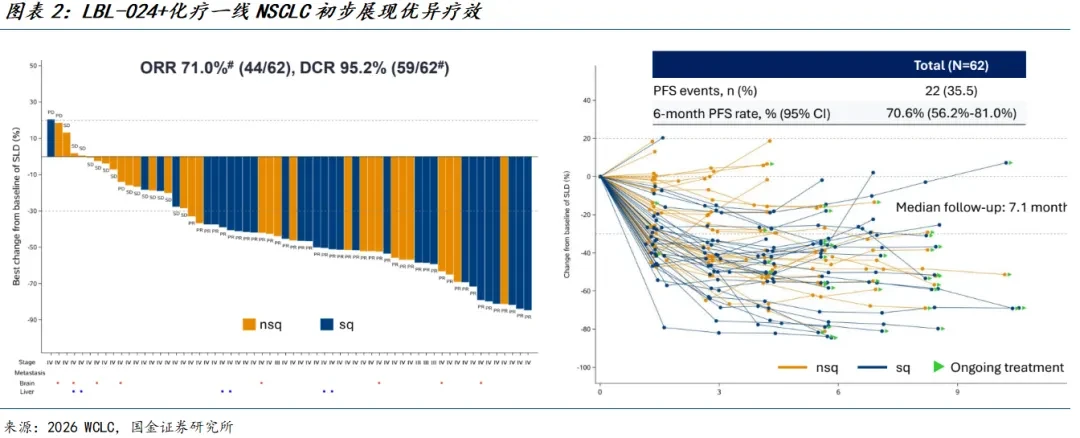
LBL-024 (Opamtistomig), a PD-L1/4-1BB bispecific antibody, in combination with platinum-based chemotherapy for the treatment of previously untreated advanced NSCLC: A Phase II study. As of July 1, 2026, a total of 63 patients were enrolled, including 31 with non-squamous and 32 with squamous histology, with a median follow-up of 7.1 months. Among 62 evaluable patients, the overall ORR was 71.0% (44/62), the DCR was 95.2% (59/62), and the 6-month PFS rate was 70.6%. In the squamous cell carcinoma subgroup, the ORR reached 87.1%, the DCR reached 96.8%, and the 6-month PFS rate reached 86.7%. Consistent benefit trends were observed in both PD-L1-positive and PD-L1-negative patients, with ORRs of 84.6% and 88.2%, respectively, and 6-month PFS rates of 84.6% and 87.4%, respectively. In the PD-L1-positive non-squamous subgroup, the ORR reached 81.8%, the DCR reached 100.0%, and the 6-month PFS rate reached 90.0%. Notably, very robust responses were also observed in the population with low PD-L1 expression.
This study observed nearly identical clinical benefits in patients with squamous cell carcinoma regardless of PD-L1 status (PD-L1 TPS <1% vs. ≥1%), demonstrating robust efficacy and differentiated advantages. These findings suggest that its dual-target synergistic mechanism holds potential value in populations historically underserved by immunotherapy, offering a promising new option for next-generation first-line treatment strategies.
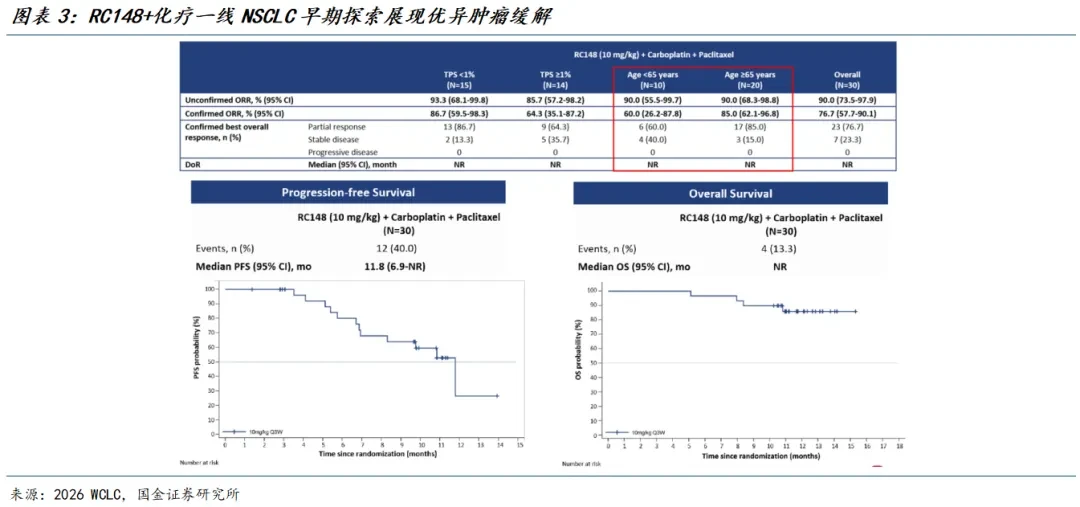
RemeGen: Early Exploration of RC148 Plus Chemotherapy in First-Line NSCLC Demonstrates Superior Tumor Response
Early Dose-Exploration Study of RC148/ABBV-1480 in Combination with Platinum-Based Doublet Chemotherapy in First-Line Locally Advanced or Metastatic Squamous and Non-Squamous NSCLC: Preliminary Results from the 10 mg/kg CohortThe study results showed that in the squamous NSCLC cohort (n=30), the confirmed ORR was 76.7%, mPFS was 11.8 months, and mOS had not been reached; in the non-squamous cohort (n=29), the confirmed ORR was 72.4%, and mDoR was 9.7 months. The median follow-up for both cohorts was approximately 11.7–12.3 months. As the data are still early, maturity for OS and long-term PFS remains limited.
The ORR results of this study are quite impressive. RC148 demonstrated strong initial antitumor activity in terms of preliminary confirmed response rate in unselected first-line NSCLC, and the mPFS for squamous cell carcinoma approaching 12 months also provides a basis for further randomized validation.
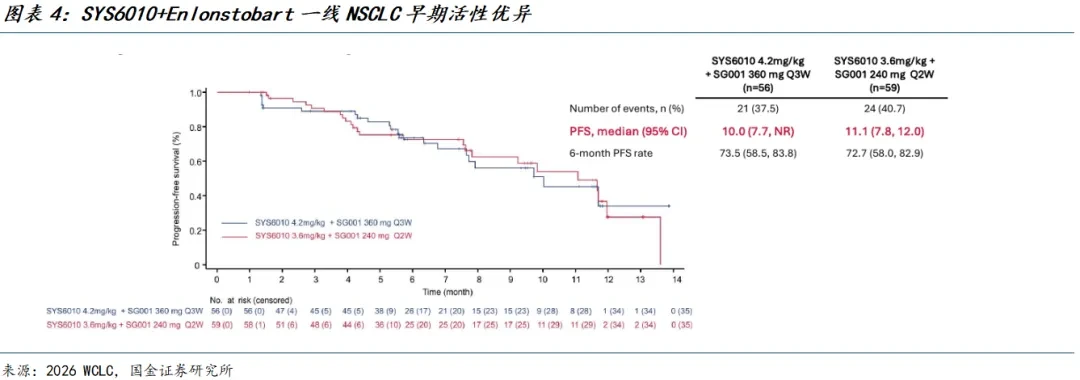
CSPC Pharmaceutical Group—SYS6010 + Enlonstobart Demonstrates Excellent Early Activity in First-Line NSCLC
Early-phase study of SYS6010 in combination with the PD-L1 antibody enlonstobart as first-line treatment for advanced NSCLC without targetable genetic alterations, exploring Q3W and Q2W dosing regimens. The results showed that the confirmed ORR was 58.9% and 49.2%, and the DCR was 85.7% and 84.7% in the Q3W and Q2W cohorts, respectively; mPFS was 10.0 and 11.1 months, respectively; mDoR was not reached and 9.4 months, respectively; and OS data remained immature.
In the population with PD-L1 TPS ≥50%, the ORR in the two cohorts reached 77.8% and 82.4%, respectively, indicating signals of deeper responses in the immunotherapy-sensitive subgroup. The incidence of grade ≥3 treatment-related adverse events was 52.0%, consistent with the treatment intensity of ADC combined with immunotherapy.
The prominent ORR in the high PD-L1 population suggests potential early synergy between the ADC payload and PD-L1 blockade. Currently, the combination therapy of SYS6010 and envafolimab injection has entered Phase III clinical trials, with Jushi Biopharma planning to develop it for first-line treatment of PD-L1-positive locally advanced or metastatic non-small cell lung cancer (NSCLC).
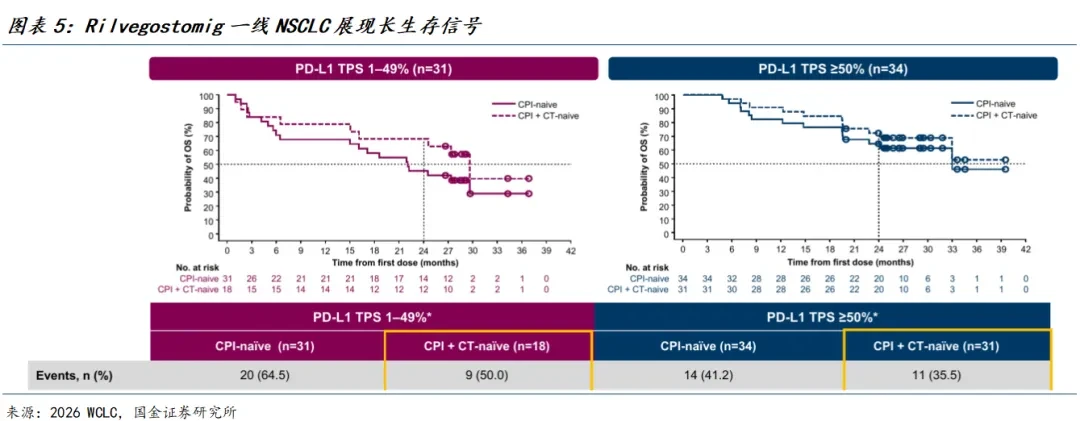
AstraZeneca — Rilvegostomig in First-Line NSCLC Shows Early Signals of Prolonged Survival
ARTEMIDE-01 is a Phase Ib/II exploratory study in CPI-naïve metastatic NSCLC, enrolling patients with PD-L1 TPS of 1–49% and ≥50%, respectively, and stratified by prior receipt of CPI plus chemotherapy. The results showed that in the CPI-naïve cohort, patients with TPS 1–49% had an mPFS of 6.1 months, an ORR of 32.3%, and an mDoR of 10.2 months; those with TPS ≥50% had an mPFS of 16.7 months, an ORR of 61.8%, and an mDoR of 29.1 months.
In the CPI plus chemotherapy treatment-naïve cohort, the mPFS for patients with TPS 1–49% and ≥50% was 7.8 months and 25.4 months, respectively; the ORR was 50.0% and 67.7%, respectively. The 24-month OS rates were 66.7% and 70.8%, respectively, with corresponding mOS of 29.6 months and not yet reached. Safety: No grade 4/5 treatment-related adverse events (TRAEs) were observed; grade 3 immune-mediated adverse events occurred in 6.2% of patients, and discontinuation due to TRAEs was 3.1%.
In this study, the PD-1/TIGIT bispecific antibody demonstrated early signals of deeper and more durable responses in the first-line population with high PD-L1 expression, providing further evidence for the druggability of the TIGIT target within a bispecific antibody format. The subsequent clinical development progress and clinical benefits of the product are particularly worthy of attention.
Gilead — Phase III Trial of SG + K Drug in First-Line PD-L1 High-Expression NSCLC Fails
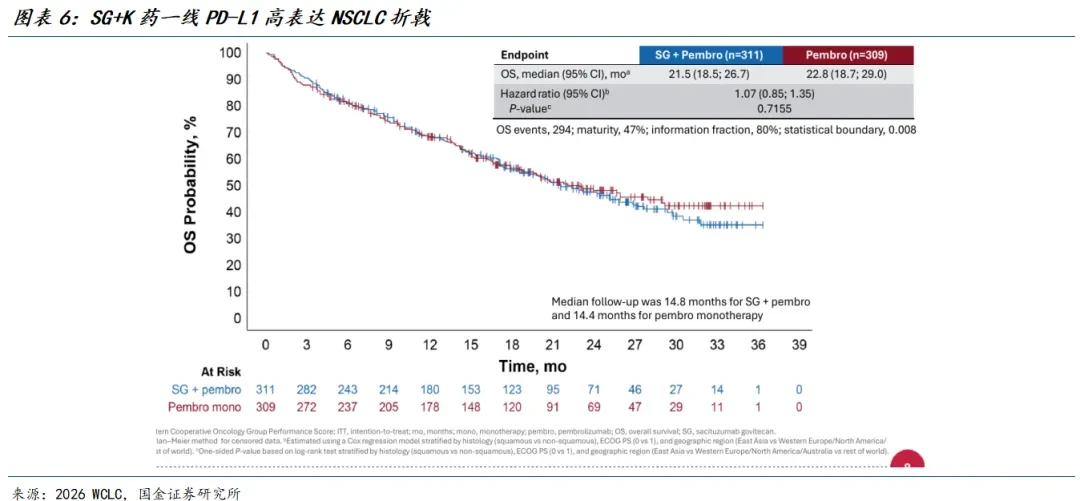
EVOKE-03/KEYNOTE-D46 is a randomized Phase III study in first-line metastatic NSCLC with PD-L1 TPS ≥50%, comparing the TROP-2 ADC sacituzumab govitecan (SG) combined with pembrolizumab versus pembrolizumab monotherapy. The study results showed that the primary endpoint of PFS did not reach statistical significance; OS was also not improved, with an mOS of 21.5 months versus 22.8 months in the control group (HR=1.07, P=0.7155).
Despite the higher objective response rate (ORR: 55.6% vs. 43.7%) and disease control rate (DCR: 83.3% vs. 73.1%), with a median duration of response (DoR) of 21.4 vs. 21.3 months, the greater early tumor shrinkage did not translate into a progression-free survival (PFS) or overall survival (OS) advantage. Safety signals warrant attention: the incidence of grade ≥3 treatment-emergent adverse events (TEAEs) was 73.6%, significantly higher than the 45.0% observed in the monotherapy group; serious TEAEs occurred in 53.4% vs. 39.5% of patients. The treatment burden may undermine the net clinical benefit of the combination strategy.
The upfront use of TROP-2 ADC in combination with PD-1 inhibition yielded negative results in this study, suggesting that simply increasing the cytotoxic payload may not improve long-term outcomes in first-line, immunotherapy-sensitive patients with high PD-L1 expression. Future efforts should focus on differentiated molecular design (particularly regarding safety), biomarker enrichment, dose optimization, or differentiation from chemotherapy regimens, rather than directly extrapolating improvements in ORR to first-line competitiveness.
2.2 Later-line Advanced NSCLC: Immunotherapy, Targeted Therapy, and ADCs All Hold Promise for Beneficial Advantages
The patient population with advanced non-small cell lung cancer (NSCLC) is complex, and clinical treatment decisions are highly dependent on a stratified market. First-line targeted therapy and immunotherapy combined with chemotherapy have improved initial efficacy, but patients still face highly heterogeneous disease progression after developing resistance. Current standard of care emphasizes re-biopsy or liquid biopsy to identify resistance mechanisms; when actionable targets are identified, corresponding targeted therapies are prioritized. In the absence of clear targets or after failure of targeted therapy, platinum-based chemotherapy, single-agent chemotherapy, and anti-angiogenic combination regimens remain important options. Particularly in the setting of EGFR-TKI resistance, there remains substantial room for therapeutic intervention, with platinum-based chemotherapy continuing to serve as a common foundational regimen.
Reviewing recent developments in the field and the content of this year’s WCLC, bispecific antibodies targeting EGFR/MET and other pathways have emerged as novel therapies that simultaneously block bypass activation and primary driver pathways, offering an alternative to chemotherapy for some patients with drug resistance. Meanwhile, antibody-drug conjugates (ADCs) are attempting to break through the efficacy ceiling of traditional chemotherapy by delivering cytotoxic payloads to antigens such as TROP2, HER3, and B7-H3. Furthermore, targeted therapies continue to expand their indications to address many molecular subtypes that previously lacked breakthrough treatments, including EGFR exon 20 insertions and KRAS G12D mutations.
The value of combining bispecific antibodies, ADCs, targeted therapies with immunotherapy or chemotherapy also needs to be validated in patients with different prior treatment histories, brain metastases, and multidrug resistance. Furthermore, safety management of adverse events such as interstitial lung disease, hematologic toxicity, and skin and gastrointestinal reactions will directly impact the clinical accessibility of these regimens, potentially becoming a breakthrough point for differentiated competition in new drug development.
Akeso: Ivonescimab + Chemotherapy Shows Global OS Benefit Trend in EGFR-TKI-Resistant NSCLC
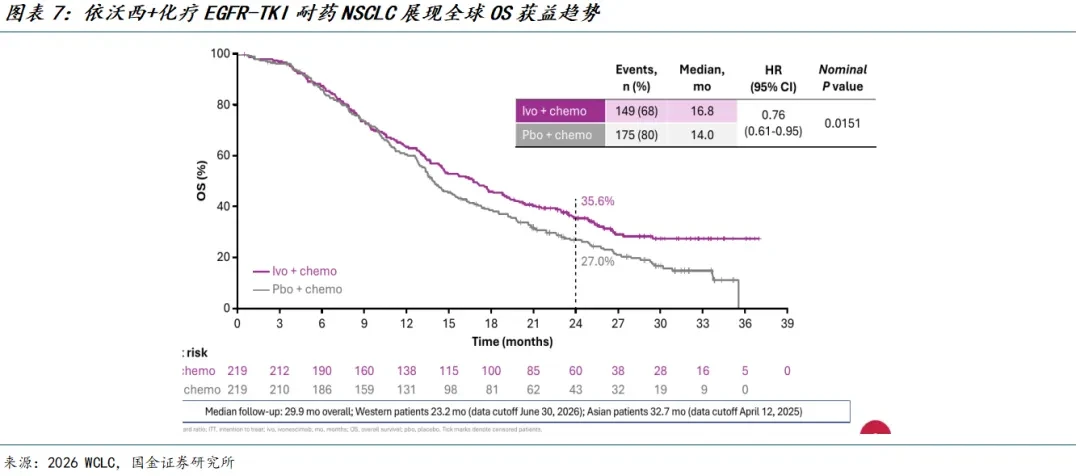
HARMONi is a global, randomized Phase III study enrolling patients with EGFR-mutated advanced non-squamous NSCLC who have progressed on EGFR-TKI therapy and have no further actionable resistance mechanisms, comparing ivonescimab plus chemotherapy versus placebo plus chemotherapy. The study results showed that at the current follow-up, the mOS was 16.8 vs. 14.0 months in the ivonescimab group (HR=0.76, P=0.0151). This OS benefit was observed in both Asian and Western populations under median follow-up, with an mOS of 17.5 vs. 14.0 months in the Western subgroup (HR=0.76) and 16.7 vs. 14.0 months in the Asian subgroup (HR=0.76).
In patients with EGFR-mutated NSCLC who progressed after prior third-generation EGFR-TKI therapy, ivonescimab treatment provided sustained improvement in overall survival (OS) benefit compared to the control group. Notably, as follow-up duration increased, the improvement in survival benefit among the Western population remained consistent with that of the global intent-to-treat (ITT) population.
Against the backdrop of significant unmet clinical needs in patients following progression on EGFR-targeted therapy, these results further corroborate the favorable efficacy of ivonescimab across diverse regions and populations.
Baili Tianheng/SystImmune – Iza-bren Demonstrates Strong Global Data in Later-Line EGFRm NSCLC
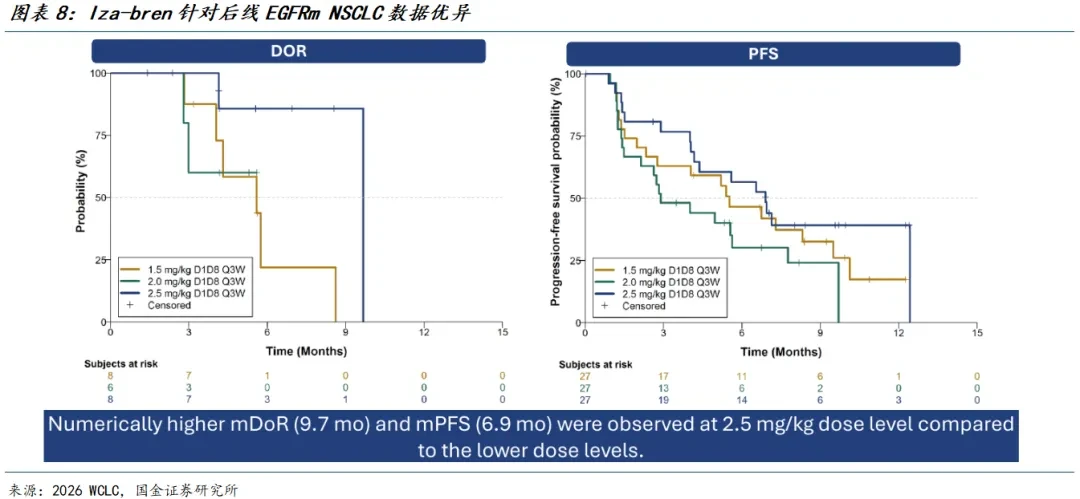
Iza-bren is an EGFR/HER3-targeted antibody-drug conjugate (ADC). This Phase I study enrolled patients with metastatic EGFR-mutant non-small cell lung cancer (NSCLC) who had received multiple prior lines of therapy, including a high-unmet-need population previously treated with platinum-based chemotherapy and, in some cases, amivantamab. The results demonstrated a confirmed objective response rate (ORR) of 33.3%, a median duration of response (mDoR) of 9.7 months, and a median progression-free survival (mPFS) of 6.9 months at the recommended exploratory dose of 2.5 mg/kg.
Antitumor activity was still observed in patients with prior amivantamab exposure, with a confirmed ORR of approximately 28.6%, suggesting potential benefits in the patient population previously treated with EGFR/MET bispecific antibodies; the main ≥Grade 3 treatment-related adverse events included anemia and neutropenia, and no treatment-related deaths or interstitial lung disease (ILD) were reported in the 2.5 mg/kg cohort.
The overall data trends from this international multicenter study were consistent with the previous domestic Phase I/II data, further validating the product’s global development potential. Furthermore, prophylactic treatment with G-CSF significantly improved patients’ hematological safety profile, which is expected to provide valuable guidance for the future development of Iza-bren and other antibody-drug conjugates (ADCs).
GenFleet Therapeutics — GFH375 Shows Promising Early Efficacy in KRAS G12D-Mutant Lung Cancer
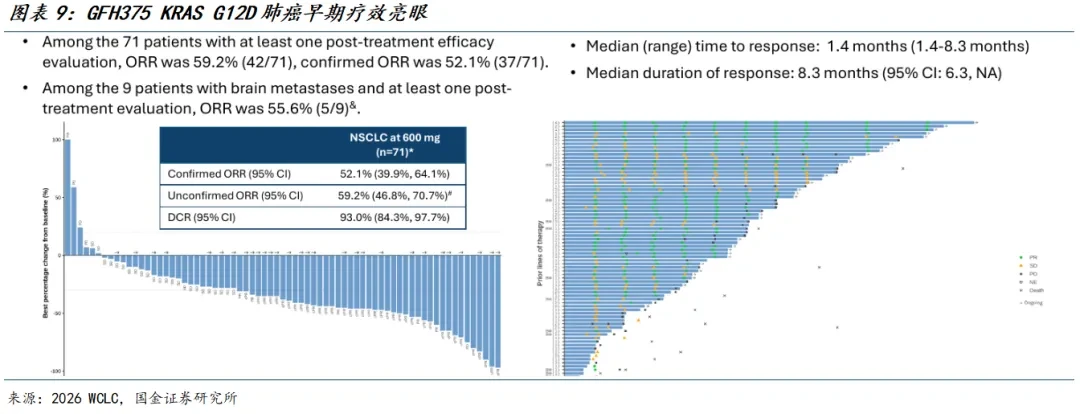
GFH375 is an oral KRAS G12D inhibitor. Early-phase studies enrolled patients with previously treated advanced non-small cell lung cancer (NSCLC) harboring KRAS G12D mutations to evaluate the antitumor activity and safety at different doses. The study results showed a confirmed objective response rate (ORR) of 52.1%, an unconfirmed ORR of 59.2%, and a disease control rate (DCR) of 93.0%. The median duration of response (mDoR) was 8.3 months, the median progression-free survival (mPFS) was 8.3 months, the median overall survival (mOS) had not been reached, and the 12-month overall survival (OS) rate was 77%.
Among patients with evaluable baseline brain metastases, the ORR was 55.6%, providing preliminary evidence of central nervous system activity. Treatment-related adverse events of grade ≥3 occurred in 41.3% of patients, indicating overall good tolerability.
Currently, there remains a long-standing lack of established therapeutic options for the KRAS G12D-mutant population in the field of lung cancer. The high confirmed objective response rate and preliminary activity observed in the brain metastasis subgroup have initially validated the therapeutic potential of GFH375.
BioNTech — Gotistobart Shows Preliminary OS Benefit in Later-Line Squamous NSCLC
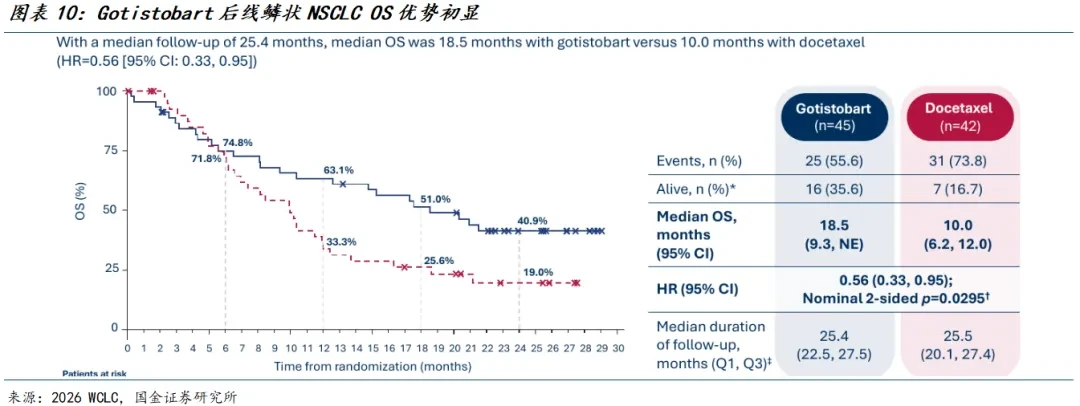
PRESERVE-003 is a study in metastatic squamous non-small cell lung cancer (NSCLC) following progression on PD-(L)1 therapy, comparing the Gotistobart regimen with the control group, with a focus on survival improvement in the context of immune resistance. The study results showed that the median overall survival (mOS) was 18.5 months vs. 10.0 months for the Gotistobart group and the control group, respectively (HR=0.56, P=0.0295). These findings suggest that clinically meaningful OS benefits may still be achieved after prior PD-(L)1 treatment failure.
Grade ≥3 treatment-related adverse events were 44.4% vs 48.8%; serious treatment-related adverse events were 44.4% vs 29.3%, and discontinuation due to treatment-related adverse events was 15.6% vs 4.9%.
Currently, effective treatment options for squamous NSCLC following progression on immunotherapy are limited. Gotistobart has demonstrated a particularly favorable trend in overall survival (OS) benefit (HR=0.56) and holds a leading position in development within this field. Next-generation immuno-oncology (IO) agents represented by Gotistobart hold promise as potential solutions for resistance to PD-(L)1 therapy.
Daiichi Sankyo – T-DXd Demonstrates Significantly Superior PFS in First-Line HER2-Mutant NSCLC, While OS Remains to Be Verified
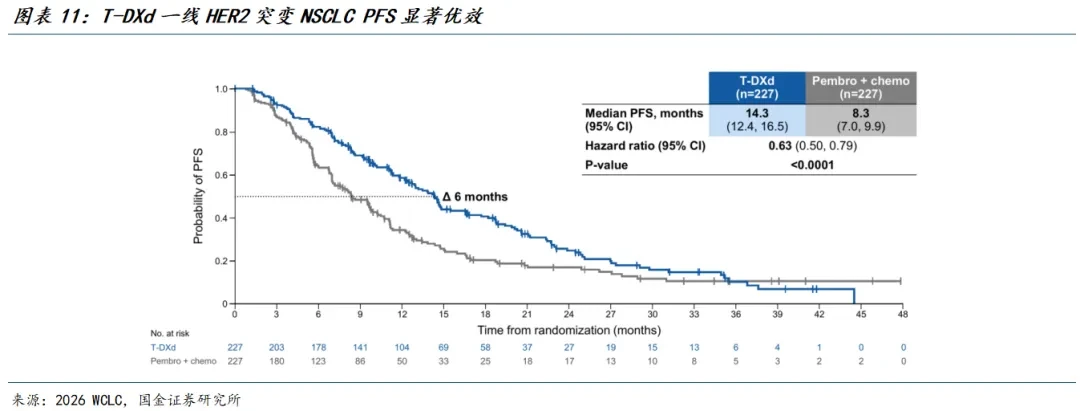
DESTINY-Lung04 is a global, randomized, phase III study in which 454 patients with previously untreated, locally advanced or metastatic HER2-mutant non-squamous NSCLC were assigned in a 1:1 ratio to receive T-DXd 5.4 mg/kg or pembrolizumab plus platinum/pemetrexed. The primary endpoint was BICR-assessed PFS, with median follow-up durations of 21.6 and 20.4 months, respectively. Study results demonstrated that T-DXd significantly prolonged mPFS to 14.3 months versus 8.3 months in the control group (HR=0.63, P<0.0001). The ORR was 70.0% versus 44.5%, mDoR was 13.4 versus 9.7 months, and mPFS2 was 22.7 versus 17.3 months.
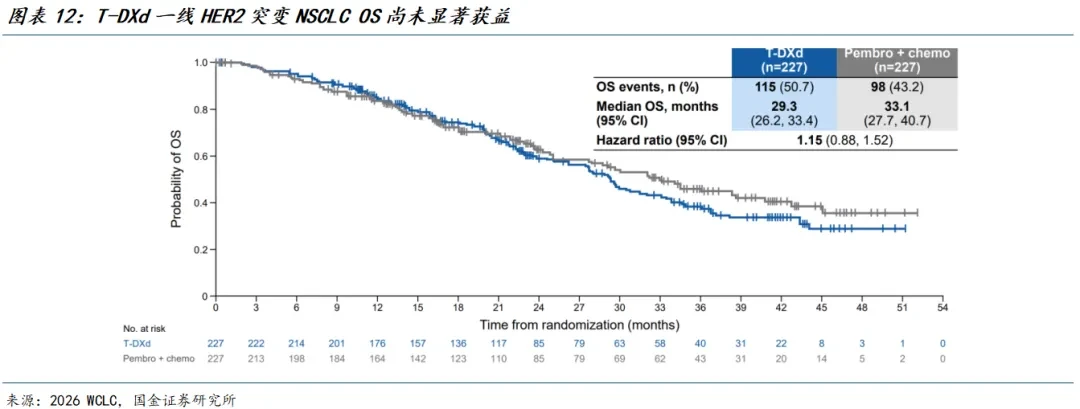
PFS favored T-DXd in patients with brain metastases, smokers vs. non-smokers, HER2 exon 20 mutations, and most prespecified subgroups; for example, the hazard ratio (HR) was 0.41 in the liver metastasis subgroup. Grade ≥3 treatment-related adverse events (AEs) occurred in 34.1% of patients, with interstitial lung disease (ILD)/pneumonitis in 20.8%, including 1.8% grade 5 cases. The first interim analysis of overall survival (OS) did not demonstrate a benefit (median OS: 29.3 vs. 33.1 months; HR=1.15), with data maturity at 46.9%; a higher proportion of patients in the control group received subsequent HER2-targeted therapy.
This study marks the first time that HER2-targeted therapy has achieved a positive result in progression-free survival (PFS) in a randomized Phase III trial against standard of care (SOC) in the first-line setting for lung cancer; subsequent overall survival (OS) outcomes warrant close monitoring.
3 SCLC: Rapid Breakthrough in the Clinical Status of ADCs, with the Treatment Landscape Poised for Multi-Dimensional Iteration
Advanced small cell lung cancer (SCLC) is highly aggressive and prone to rapid recurrence, making it one of the most prominent areas with unmet needs in lung cancer treatment. The current first-line standard of care primarily consists of platinum-based chemotherapy combined with PD-(L)1 inhibitors; however, most patients still experience disease progression within a relatively short period. Upon relapse, treatment has historically relied mainly on chemotherapy regimens such as topotecan, which have limitations in both efficacy and tolerability. The mechanism of DLL3-targeted T-cell engagers (TCEs) has begun to reshape the later-line treatment landscape. Achieving higher and more durable responses after platinum-based therapy remains the core challenge in global SCLC drug development.
At this year’s WCLC, B7-H3 ADCs delivered pivotal Phase III clinical breakthrough results, with Hansoh Pharma and MediLink both selected for oral presentations. In recurrent SCLC, Hansoh Pharma’s Ris-Rez and MediLink’s Tam-Pali, two B7-H3 ADCs, both demonstrated significant OS benefits compared to topotecan in their respective pivotal Phase III studies, holding promise to redefine the standard of care in this field.
Furthermore, this conference marked the first disclosure of clinical data in lung cancer for the combination of the PD-L1/VEGF bispecific antibody pumitamig and the B7-H3 ADC elfetabart drozuntecan. This study is highly prospective in design and represents the first global report on the combined use of a PD-(L)1/VEGF bispecific antibody with an ADC in lung cancer. The regimen simultaneously targets cutting-edge mechanisms, including immune suppression, anti-angiogenesis, tumor antigen targeting, and ADC-mediated cytotoxic delivery. It provides the first validation of the combinability of two novel mechanistic platforms, holding promise to establish a new development paradigm for future research on novel lung cancer therapeutics.
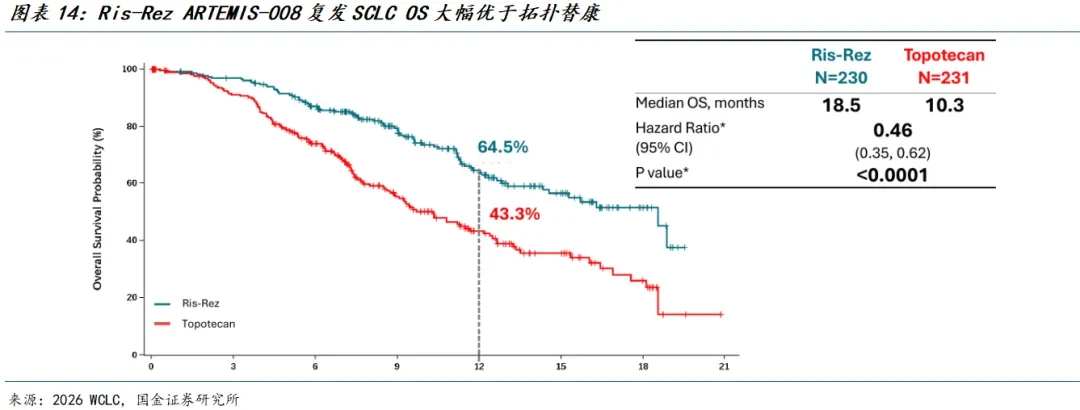
Hansoh Pharma—Ris-Rez ARTEMIS-008 Shows Significantly Superior OS vs. Topotecan in Recurrent SCLC
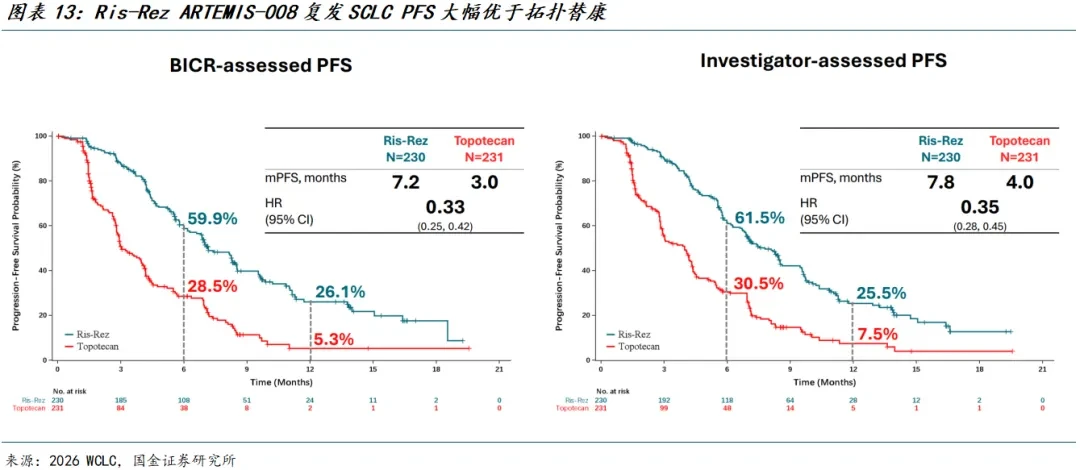
ARTEMIS-008: A Randomized Phase III Trial of Risvutatug Rezetecan versus Topotecan in Recurrent SCLC after Platinum-based ± Immunotherapy, with OS as the Primary Endpoint. Interim analysis showed mOS of 18.5 vs. 10.3 months (HR=0.46, P<0.0001); BICR-assessed mPFS was 7.8 vs. 4.0 months (HR=0.35); ORR was 58.3% vs. 12.6%, DCR was 90.4% vs. 60.2%, and mDoR was 6.9 vs. 5.6 months. Grade ≥3 TRAEs occurred in 60.9% vs. 78.2% of patients; ILD incidence was 11.7% (Grade ≥3: 3.9%), necessitating standardized monitoring.
Based on these results, ARTEMIS-008 has become the first positive study globally to demonstrate an overall survival (OS) benefit with a B7-H3-targeted antibody-drug conjugate (ADC) in a randomized, controlled Phase III clinical trial. Risvutatug Rezetecan has also become the first and, to date, only B7-H3-targeted ADC to demonstrate statistically significant survival benefits across multiple tumor types. With the establishment of these positive Phase III results, Risvutatug Rezetecan has reached a key milestone in the clinical development of B7-H3-targeted ADCs.
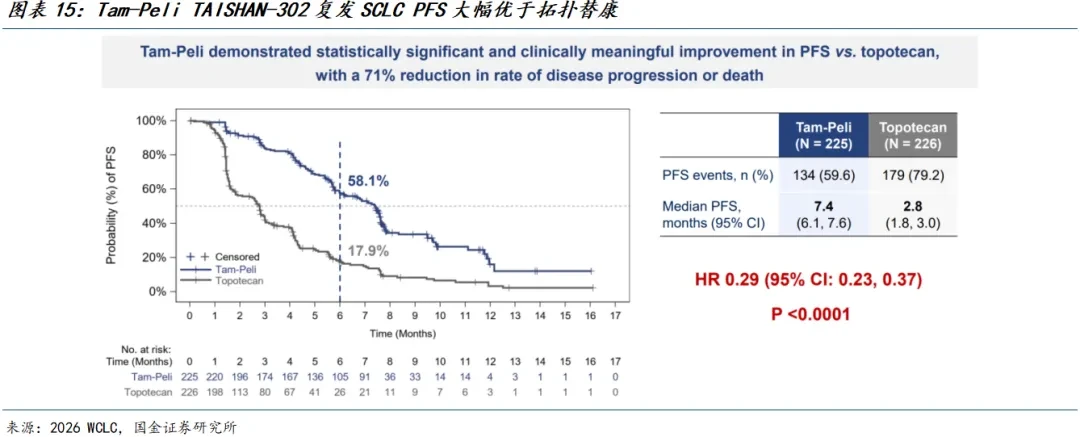
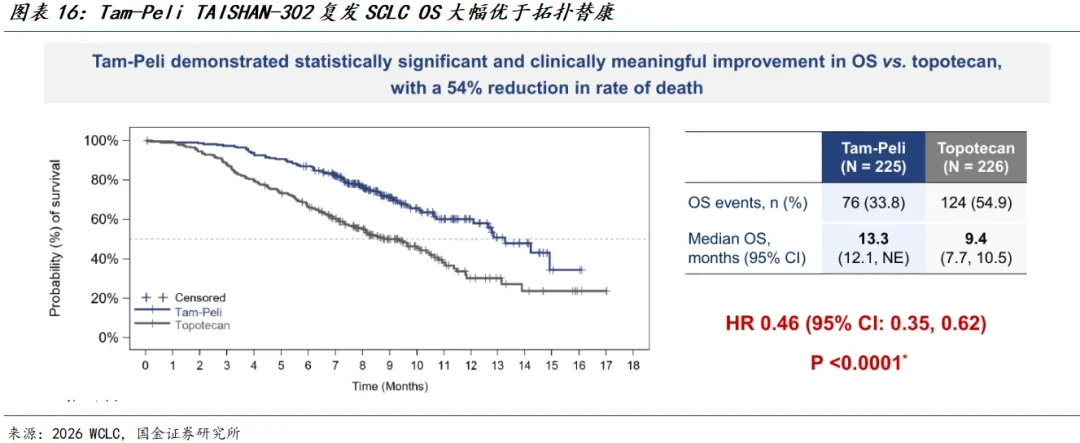
MediLink – Tam-Peli TAISHAN-302 Demonstrates Significantly Superior OS vs. Topotecan in Recurrent SCLC
TAISHAN-302 is a randomized Phase III trial in recurrent SCLC comparing Tam-Peli with topotecan. The study results showed mOS of 13.3 vs. 9.4 months (HR=0.46, P<0.0001); confirmed ORR of 59.1% vs. 9.7%, DCR of 91.1% vs. 50.9%, and mDoR of 6.3 vs. 7.8 months. In the brain metastasis subgroup, intracranial mPFS was 6.1 vs. 4.2 months (HR=0.43); intracranial ORR was 32.4% vs. 2.9%, and DCR was 90.5% vs. 59.4%.
In terms of safety, the incidence of grade ≥3 treatment-related adverse events (TRAEs) in the Tam-Peli group was 46.4%, lower than the 74.7% observed in the control group; the incidence of serious TRAEs was 25.9% vs. 36.4%. The incidence of interstitial lung disease/non-infectious pneumonitis remained at a low level, with rates of 4.9% vs. 1.4% between the two groups, respectively; grade ≥3 events were both 0.9%, and no grade 4 or 5 events occurred.
Tam-Peli demonstrated synchronous improvements in overall survival (OS) and intracranial endpoints, providing pivotal evidence for the iteration of later-line treatment standards. It was featured in a plenary session at this conference and holds promise to become a cornerstone therapy in the field of small cell lung cancer (SCLC).
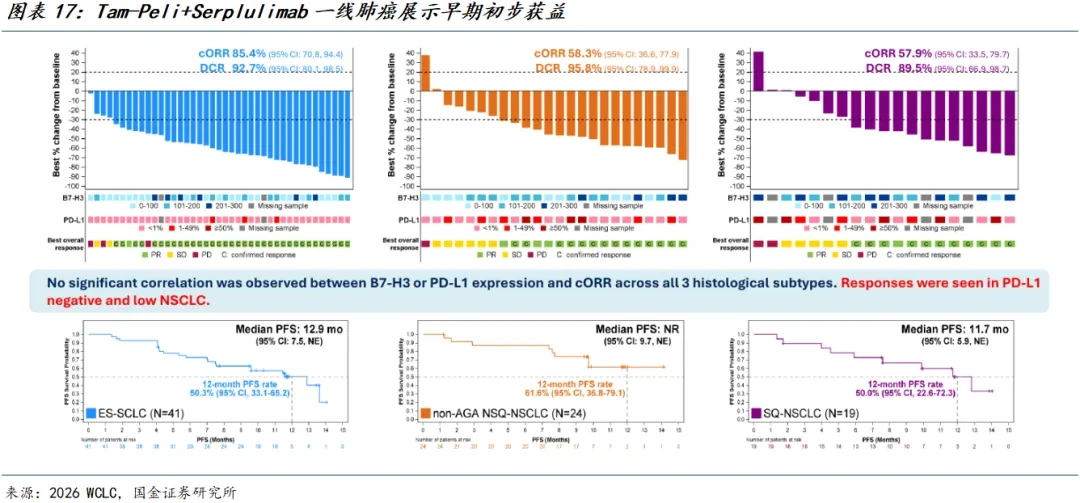
MediLink – Tam-Peli + Serplulimab Demonstrates Early Preliminary Benefits in First-Line Lung Cancer
A Phase I Study in China Evaluating Tam-Peli Plus Serplulimab in First-Line ES-SCLC, Non-Squamous NSCLC, and Squamous NSCLC. The study results demonstrated that in ES-SCLC, the confirmed ORR was 85.4%, DCR was 92.7%, mPFS was 12.9 months, and the 12-month OS rate was 80.3%; in non-squamous NSCLC, the confirmed ORR was 58.3%, DCR was 95.8%, mPFS was not reached, and the ORR in the PD-L1 TPS <1% population was 62.5%; in squamous NSCLC, the confirmed ORR was 57.9%, DCR was 89.5%, and mPFS was 11.7 months.
Safety was primarily characterized by manageable hematologic toxicity; early activity was observed in both low PD-L1 NSCLC and ES-SCLC, suggesting that the combination of B7-H3 ADC with PD-1 inhibitors may broaden the scope of immune-mediated benefits.
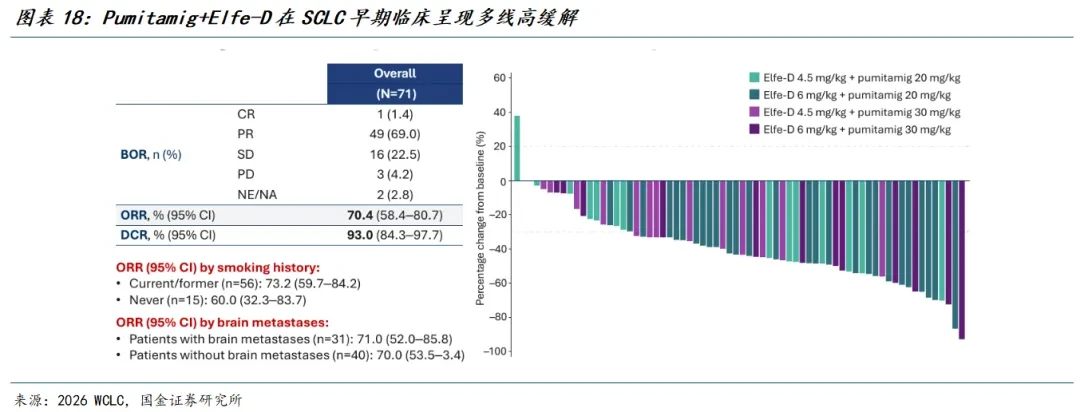
BioNTech——Pumitamig + Elfe-D Demonstrates High Response Rates Across Multiple Lines in Early-Stage Clinical Trials for SCLC
BNT324-01 is a Phase Ib/II study of the PD-L1×VEGF bispecific antibody pumitamig and the B7-H3 ADC Elfe-D. In the efficacy-evaluable population with SCLC (n=71), the ORR was 70.4%, the DCR was 93.0%, and mPFS was not yet reached; the ORR in patients with brain metastases was 71.0%. The ORRs for 1L, 2L, and 3L+ SCLC were 92.3%, 76.2%, and 52.4%, respectively. The ORR in patients previously treated with DLL3-targeted TCEs was 87.5%. Grade ≥3 TRAEs occurred in 26.5% of patients, the discontinuation rate due to both drugs was 3.9%, and the incidence of ILD/pneumonitis was 2.9%.
The BNT324-01 study is the first global clinical trial to explore the combination of a PD-(L)1×VEGF bispecific antibody with ADC therapy for lung cancer. This update presents early core clinical data on elfe-D combined with pumitamig in patients with small cell lung cancer (SCLC), demonstrating substantial antitumor activity. Positive antitumor effects were observed across various lines of prior treatment, notably achieving a high objective response rate of 87.5% in patients who had previously developed resistance to DLL3-targeted T-cell engager (TCE) therapy. Furthermore, 96% of evaluable patients exhibited a reduction in ctDNA levels, confirming the stable efficacy and molecular response advantages of the elfe-D and pumitamig combination.
Based on early-stage data with limited follow-up, this innovative bispecific antibody combined with an ADC regimen has initially demonstrated broad-spectrum, low-toxicity, and high-efficacy clinical advantages, holding promise to provide a novel therapeutic direction for the field.
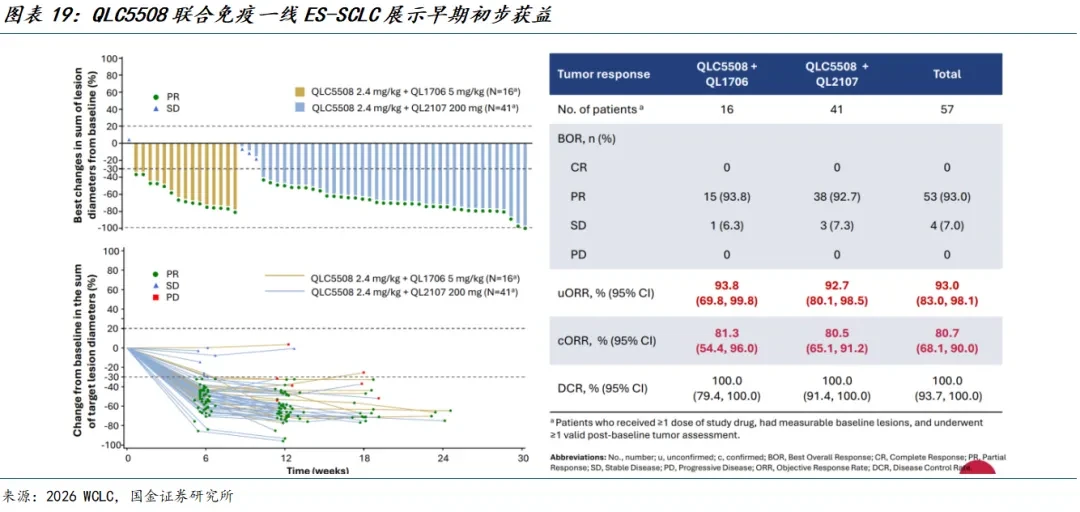
Qilu Pharmaceutical—QLC5508 Combined with Immunotherapy in First-Line ES-SCLC Demonstrates Early Preliminary Benefits
This Phase Ib/II study evaluated the B7-H3 ADC QLC5508 in combination with either QL1706 (PD-1/CTLA-4 bispecific antibody) or QL2107 (pembrolizumab) as first-line treatment for extensive-stage small cell lung cancer (ES-SCLC). The results demonstrated confirmed objective response rates (ORR) of 81.3% in the QL1706 cohort and 80.5% in the QL2107 cohort, with an overall ORR of 80.7%. The disease control rate (DCR) was 100% in both cohorts, while the unconfirmed ORRs were 93.8% and 92.7%, respectively.
No new safety signals were observed with either combination; long-term myelosuppression, pulmonary toxicity, and the feasibility of maintenance therapy remain to be assessed through follow-up.
In first-line ES-SCLC, an ORR exceeding 80% is significantly higher than that of historical chemo-immunotherapy regimens, preliminarily suggesting verifiable early activity of B7-H3 ADC combined with immunotherapy.
4. New Therapeutic Mechanisms Emerge in the Perioperative Period, with Subcutaneous Formulations Poised to Enhance Patient Benefits
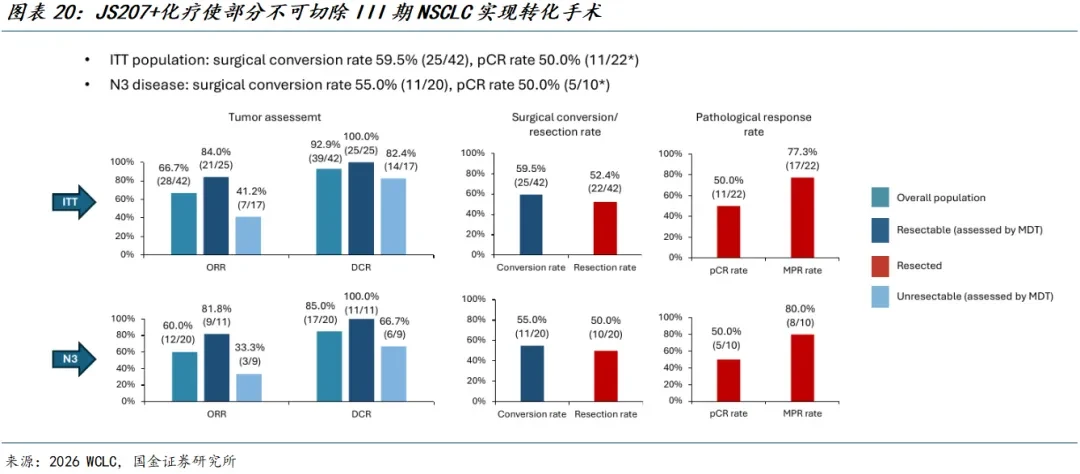
Junshi Biosciences—JS207 Plus Chemotherapy Demonstrates Therapeutic Potential in Unresectable Stage III NSCLC
Phase II Study of JS207 in Combination with Neoadjuvant Chemotherapy in Unresectable Stage III NSCLC. The study results showed an ITT ORR of 66.7% and a DCR of 92.9%; the surgical conversion rate was 59.5% (25/42), and the resection rate was 52.4%. Among patients who underwent resection, the pCR rate was 50.0%, and the MPR rate was 77.3%.
N3 patients also showed similar signals, with an ORR of 60.0%, a conversion rate of 55.0%, pCR of 50.0% in resected patients, and MPR of 80.0%.
This regimen advances the goal of pre-radiotherapy systemic therapy from tumor shrinkage to surgical conversion and pathological response. The results in the N3 population are noteworthy, preliminarily demonstrating the perioperative potential of PD-1/VEGF bispecific antibodies in NSCLC.
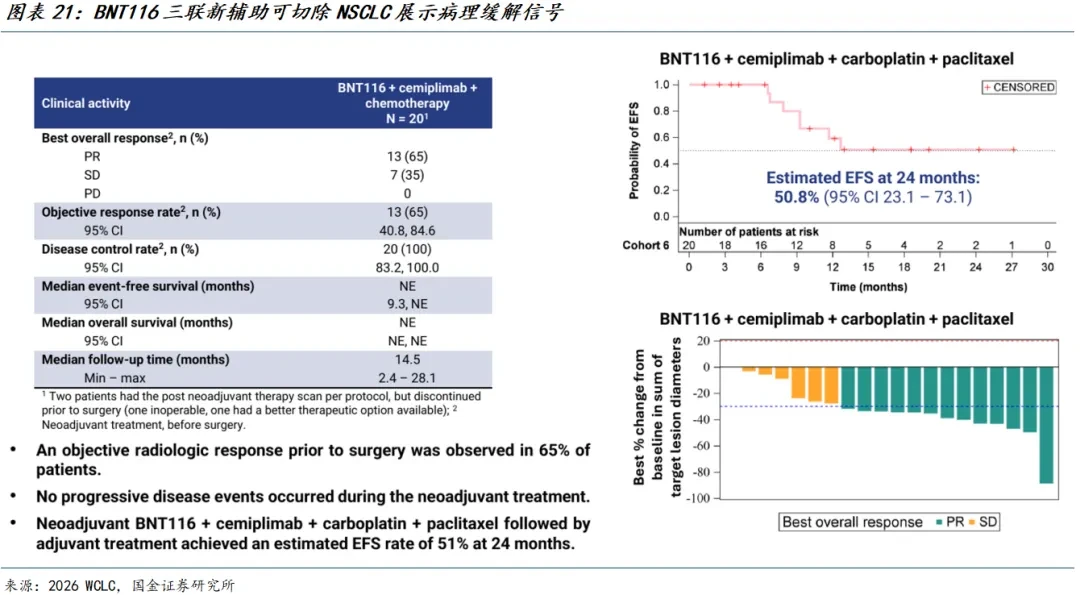
BioNTech—BNT116 Triplet Neoadjuvant Therapy in Resectable NSCLC Shows Signals of Pathological Response
Early Study of BNT116 mRNA Vaccine Combined with Cemiplimab, Carboplatin, and Paclitaxel in Resectable NSCLC. The results showed that among 20 neoadjuvant-evaluable patients, the objective response rate (ORR) by imaging was 65%, the disease control rate (DCR) was 100%, and no progressive disease (PD) occurred during treatment. Among patients with available pathological results, the pathological complete response (pCR) rate was 40%, the major pathological response (MPR) rate was 13%, yielding a combined pCR/MPR rate of 53%.
With a median follow-up of 14.5 months, the estimated 24-month EFS rate was 50.8%; median EFS and median OS were not reached. The overall safety profile was manageable, and no impact of neoadjuvant BNT116 on postoperative course was observed.
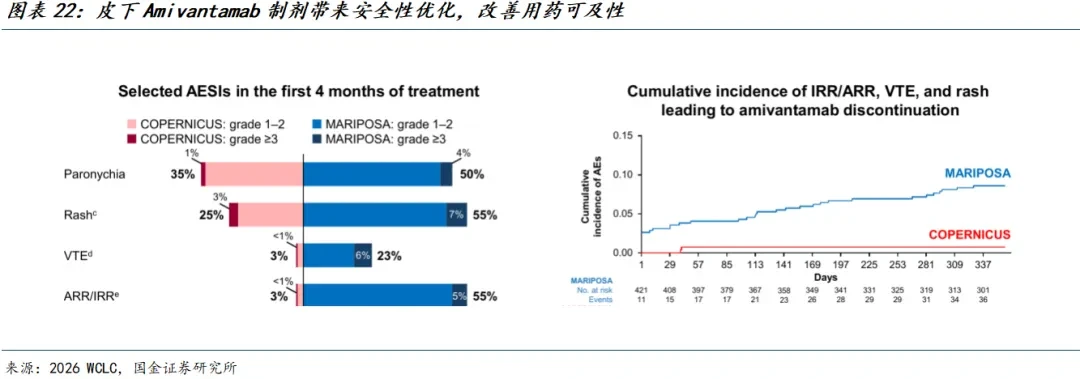
Johnson & Johnson — Subcutaneous Amivantamab Formulation Delivers Optimized Safety and Improved Treatment Accessibility
The COPERNICUS Cohort 1 study investigated first-line treatment for advanced non-small cell lung cancer (NSCLC) with EGFR Ex19del/L858R mutations, utilizing subcutaneous amivantamab administered every four weeks (Q4W) in combination with lazertinib, along with prophylactic anticoagulation and management of skin toxicities. This safety analysis included 274 treated patients, of whom 214 had been enrolled for ≥4 months prior to the data cutoff. The median follow-up was 8.3 months, and 86% of patients remained on study.
This study focuses on safety improvements: compared with MARIPOSA, during the first 4 months, paronychia occurred in 35% vs. 50%, rash in 25% vs. 55%, venous thromboembolism (VTE) in 3% vs. 23%, and infusion-related reactions in 3% vs. 55%. The 1-year cumulative incidence of amivantamab discontinuation due to selected adverse events of special interest (AESI) was <1%, compared with 9% in historical controls.
Building on the accumulating evidence of long-term survival benefits, the COPERNICUS study further integrates subcutaneous administration with proactive preventive management, continuously optimizing the administration experience and adverse event management of amivantamab-based combination regimens, thereby providing new evidence-based support for further improving treatment tolerability, persistence, and patient experience.
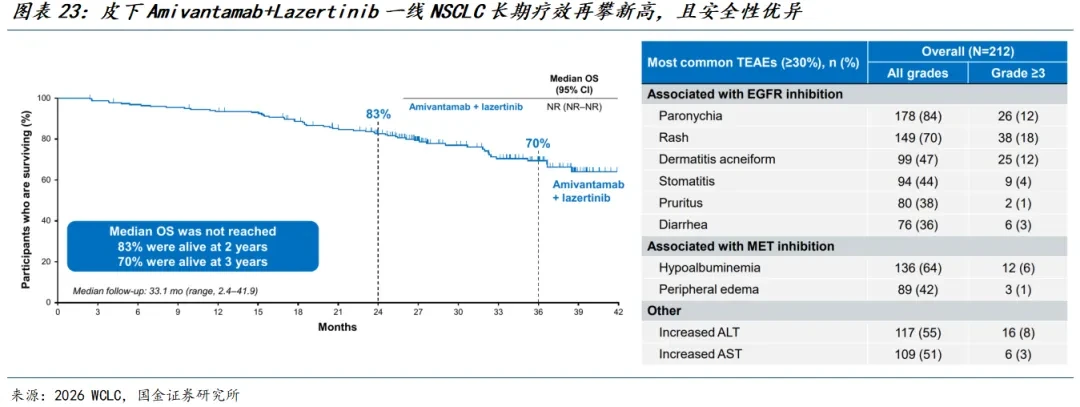
Johnson & Johnson — Subcutaneous Amivantamab + Lazertinib Achieves New Heights in Long-Term Efficacy for First-Line NSCLC
The updated PALOMA-2 data disclosed in this report primarily focus on long-term follow-up of subcutaneous amivantamab combined with lazertinib in first-line treatment of advanced non-small cell lung cancer (NSCLC) with common EGFR mutations, emphasizing durability of efficacy and treatment experience following proactive adverse event management. The study results showed a median progression-free survival (mPFS) of 26.1 months, with 2- and 3-year PFS rates of 56% and 37%, respectively; median overall survival (mOS) was not reached, and the 2- and 3-year OS rates were 83% and 70%, respectively, higher than the historical OS rate of 60% observed in the intravenous formulation cohort of the MARIPOSA trial (non-randomized, head-to-head comparison).
The overall safety profile was consistent with previously reported data for amivantamab plus lazertinib, with no new safety signals identified. In the context of prophylactic management, subcutaneous administration is expected to reduce infusion-related reactions and the early burden of cutaneous toxicity and venous thromboembolism (VTE), thereby helping patients maintain treatment.
The excellent safety and efficacy data support the long-term disease control potential of this therapeutic combination, which is expected to drive further widespread adoption of the subcutaneous formulation.
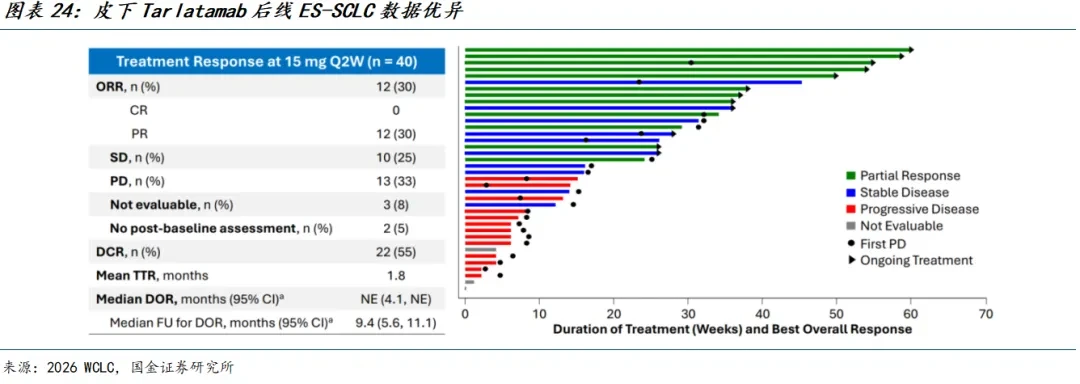
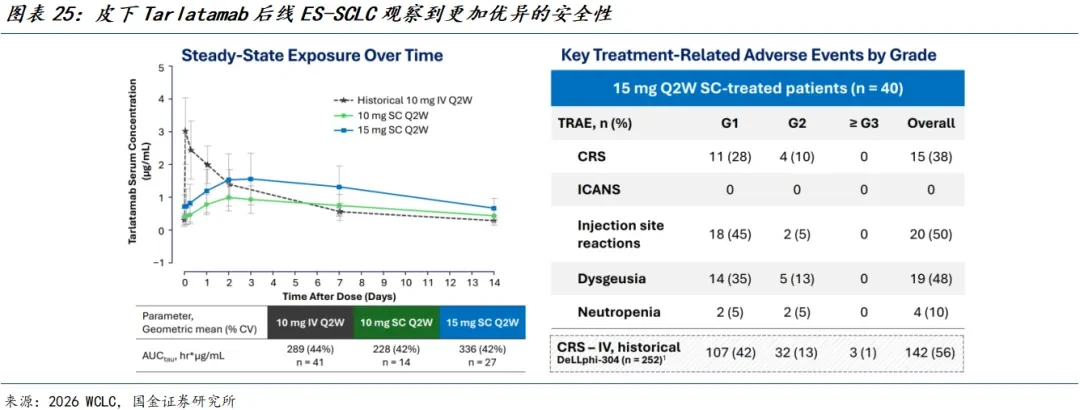
Amgen – Tarlatamab Maintains Activity and Reduces CRS Burden in Later-Line ES-SCLC Following Subcutaneous Administration
DeLLphi-308 is a Phase Ib study of DeLLphi-308 in patients with extensive-stage small cell lung cancer (ES-SCLC) previously treated with platinum-based chemotherapy. In the 15 mg subcutaneous every-2-weeks (Q2W) cohort (n=40), 88% of patients had previously received PD-(L)1 inhibitors, and 48% had brain metastases. The study results demonstrated a confirmed objective response rate (ORR) of 30%, a disease control rate (DCR) of 55%, a median time to response of 1.8 months, and a median duration of response (mDoR) not yet reached; the median progression-free survival (mPFS) was 3.7 months, and the median overall survival (mOS) was 11.7 months.
Among all 60 patients receiving subcutaneous treatment, grade ≥3 TRAEs occurred in 13%, serious TRAEs in 18%, and treatment discontinuation in 2%; there were no treatment-related deaths. All CRS cases were grade 1–2.
While preserving posterior-line antitumor activity, subcutaneous administration is expected to reduce peak concentrations and monitoring burden, supporting the elimination of post-dose observation for some patients. The subsequent Phase III subcutaneous versus intravenous DeLLphi-315 trial will further validate its clinical value as an alternative.
5 Risk Warnings
Risk of New Drug Development Failure.The new drug development process encompasses stages such as preclinical research, clinical trials, and new drug applications, characterized by long cycles, substantial investment, numerous influencing factors, and high risks. If the Company’s preclinical research projects fail to obtain regulatory approval, do not secure clinical trial approvals, yield unexpected results during clinical trials, or are not approved during the production application stage, it may lead to delays in the progress of the Company’s drug development projects, or even the risk of R&D failure.
Risk of R&D Progress Falling Short of Expectations.The R&D pipeline for innovative drugs faces risks of delays in key milestones, including clinical trial applications, patient enrollment, and data readouts. Additionally, there are risks that the regulatory review cycle for new drugs may exceed expectations, or that regulatory authorities may require supplementary clinical trial data prior to market approval.
Risk of Drug Price Reduction.With the successive implementation of policies such as national drug price negotiations, adjustments to the National Reimbursement Drug List, and volume-based procurement, the terminal tender and procurement prices for various drugs have gradually declined. As competition among enterprises intensifies, the Company’s drugs scheduled for future launch may continue to face the risk of price reductions, which could potentially have a negative impact on the Company’s future drug revenues.
Read Full Text
+
Report Information

Securities Research Report:《Spotlight on the 2026 WCLC: Iterative Advances in Lung Cancer Treatment and the Rise of Chinese New Drugs》
Report Date:September 22, 2026
Author:
Gan Tanhuan SAC Practice License No.:S1130525060003
Jiang ZhuxuanSAC Practice License Number:S1130525070015