HongShan & Yunqi Co-Lead BCI-Sonics' RMB 200M Pre-A Financing, Backing Non-Invasive AI BCI
BCI-Sonics
Developer of AI Ultrasound Brain-Computer Interface and Non-Invasive Neuromodulation Therapeutic Devices

Delian Capital
Investment Institution Specializing in Technology and Innovative Healthcare Sectors

MPCi
Venture Capital Institutions in High-Tech Startup Fields

MORAL STONE INVESTMENT
Early-stage Investment Institutions

Oriza Holdings
Equity Investment and Debt Financing Institutions

Proxima Capital
Investment Institutions in the Medical Technology Field

Yun Qi Partners
A venture capital fund focusing on early- to mid-stage investments in cloud computing and big data, smart hardware, fintech, and business-to-business (B2B) transaction services.

HongShan
Business Consulting, Enterprise Management Consulting Investment Institutions
Recently, BCI-Sonics, a non-invasive AI brain-computer interface company, announced the completion of its RMB 200 million Pre-A financing round. This round of financing was co-led by HongShan and Yun Qi Partners, with participation from Proxima Capital, Oriza Holdings, Xuhui Sci-Tech Innovation Investment, and MORAL STONE INVESTMENT. Existing shareholders MPCi and Delian Capital continued to increase their investments. Xunguang Capital continues to serve as the exclusive strategic financial advisor. The funds raised will be used for product R&D, recruitment of core talent, advancement of clinical studies, and AI infrastructure development. Previously, the company had successively completed its angel round led by Matrix Partners China (MPCi) and its Angel+ round co-led by Delian Capital and Daoyuan Capital. Cumulative financing has reached nearly RMB 300 million since its establishment.
BCI-Sonics, established in 2025 and headquartered in Shanghai, focuses on ultrasound neuromodulation, multimodal brain reading, and AI-based neural decoding as its core technological pathways, with a strategic layout across three product lines: scientific research, clinical applications, and technology. The core development strategy is to become the benchmark enterprise for non-invasive AI brain-computer interfaces in China, and on this basis, it has grown into a Neuro AI company built on a foundation of brain data.
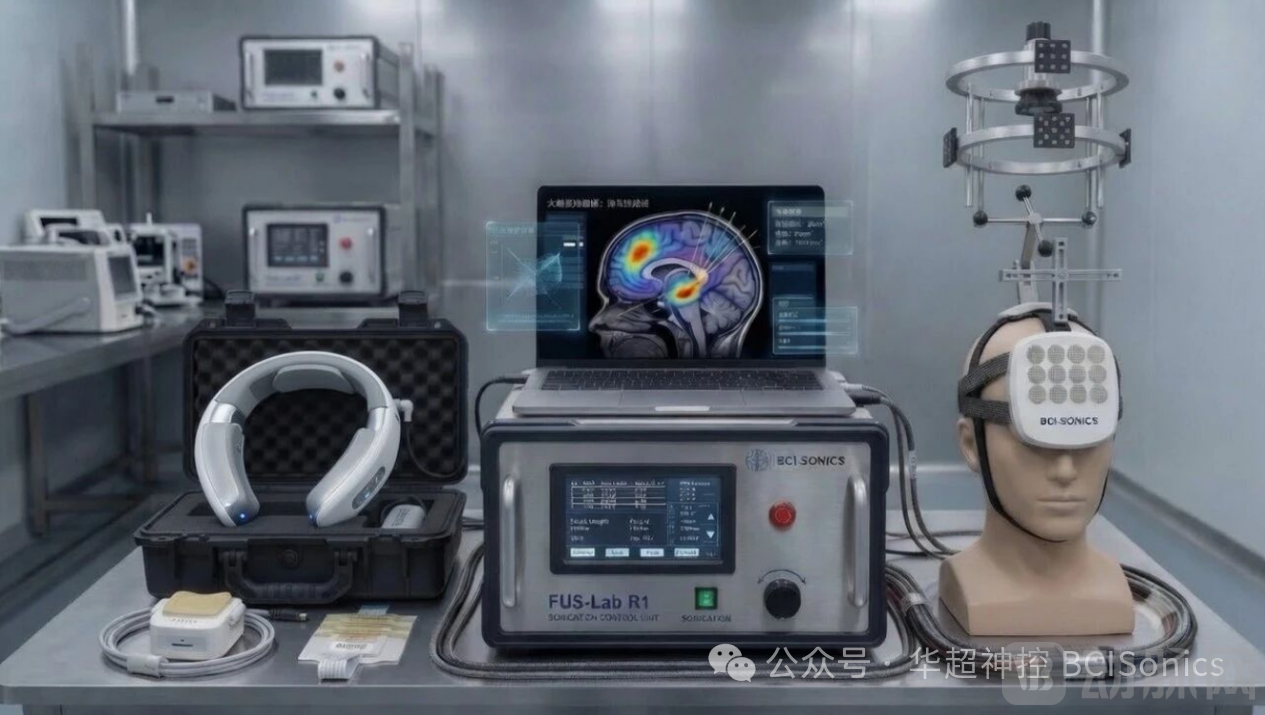
BCI-Sonics is one of the few innovative non-invasive AI brain-computer interface companies in the industry whose milestones are ahead of its valuation level. The company’s two generations of FUS-BCI series products have completed R&D and obtained the corresponding safety reports. The closed-loop ultrasound brain-computer interface system is scheduled to officially enter clinical trials in Q1 2027. Consumer-oriented closed-loop brain-computer interface technology products have entered the batch validation phase. The company is also accelerating the R&D of multimodal brain reading, the Neuro AI platform, and CNS-related combination drug-device products, having established strategic collaborations with major international pharmaceutical companies in these areas.
Non-Invasive AI Brain-Computer Interfaces: From Technological Pathways to Industry Consensus
The investment logic in the brain-computer interface (BCI) industry is shifting from ‘Concept’ to ‘Industrialization’. According to data from IT Juzi, financing in China’s brain-computer interface (BCI) sector exceeded 60 deals in the first half of 2026, with the total amount surpassing RMB 7 billion, already exceeding the 49 deals and RMB 2.723 billion recorded for the entire year of 2025. On the policy front, seven departments, including the Ministry of Industry and Information Technology, jointly issued special policies for the BCI industry in June 2025, and the proposal for the 15th Five-Year Plan listed BCI as a key future industry to be cultivated. By the end of June 2026, the National Medical Products Administration released two guidelines related to BCI medical devices, while Hubei, Shanghai, Guangdong, and other regions successively introduced policies on pricing items, insurance coverage, and industrial support.
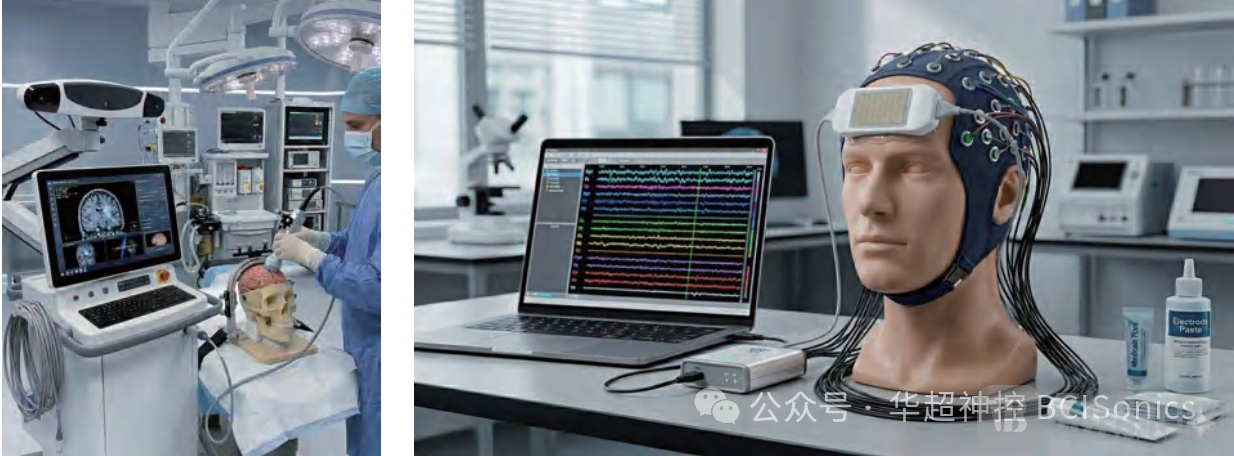
In terms of the technical roadmap, Invasive brain-computer interfaces have obtained the first medical device registration certificate in China, with regulatory pathways becoming increasingly clear; however, the requirement for craniotomy and implantation limits their application to a small subset of patients with severe conditions. Meanwhile, traditional non-invasive approaches, such as electroencephalography (EEG) and transcranial electrical stimulation, are constrained by limited spatial resolution and penetration depth, making it difficult to target deep brain nuclei. Low-intensity transcranial focused ultrasound (tFUS/LIFU) is currently the only physical modality that simultaneously offers non-invasiveness, deep brain accessibility, and millimeter-level spatial resolution. Consequently, it has become the most heavily capitalized track in the global non-invasive sector over the past year: Merge Labs, co-founded by Sam Altman and backed by OpenAI, was established with a $252 million seed round and signed a multi-year ultrasound chip licensing agreement with Butterfly Network in September 2026; Nudge, founded by Coinbase co-founder Fred Ehrsam, secured a $100 million Series A led by Thrive Capital and Greenoaks, entering the markets for addiction, chronic pain, and cognitive enhancement via a headphone form factor.
Since its inception, BCI-Sonics has focused on non-invasive AI brain-computer interfaces as its core business: using ultrasound to address the depth and coverage challenges of “writing to the brain,” employing multimodal neural reading to resolve the information dimensionality issues of “reading from the brain,” and leveraging AI neural decoding to close the loop between these two ends. In June 2026, the company was selected for the “2026 (11th) Top 100 Most Investable Companies in China” list, jointly released by VCBeat and Yabuli Think Tank, becoming one of the five brain-computer interface (BCI) enterprises on the list. This round of financing was co-led by HongShan and Yun Qi Partners, signaling a consensus among leading domestic institutions regarding the implementation prospects of this technological pathway in China.
Brain Writing, Brain Reading, and Decoding: A Closed Loop Composed of Ultrasound, Multimodality, and AI
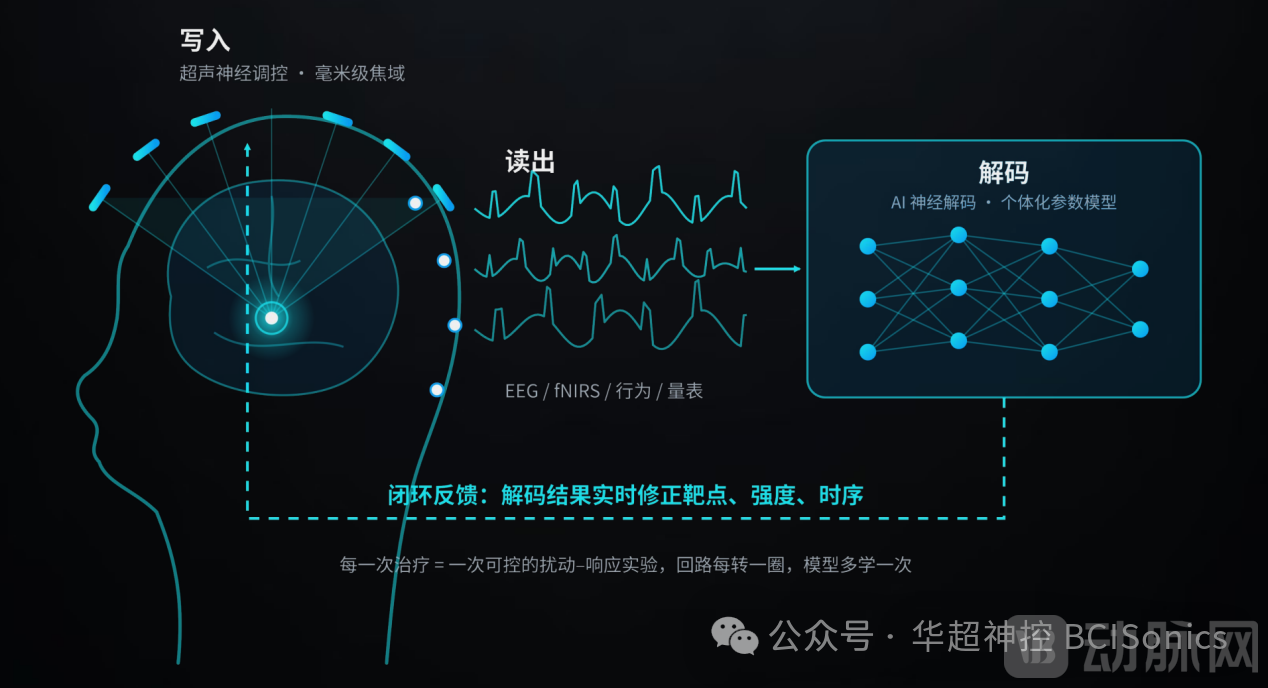
The technical system of BCI-Sonics is divided into Three tiers: Brain Writing, Brain Reading, Decoding, forming a closed loop among them.
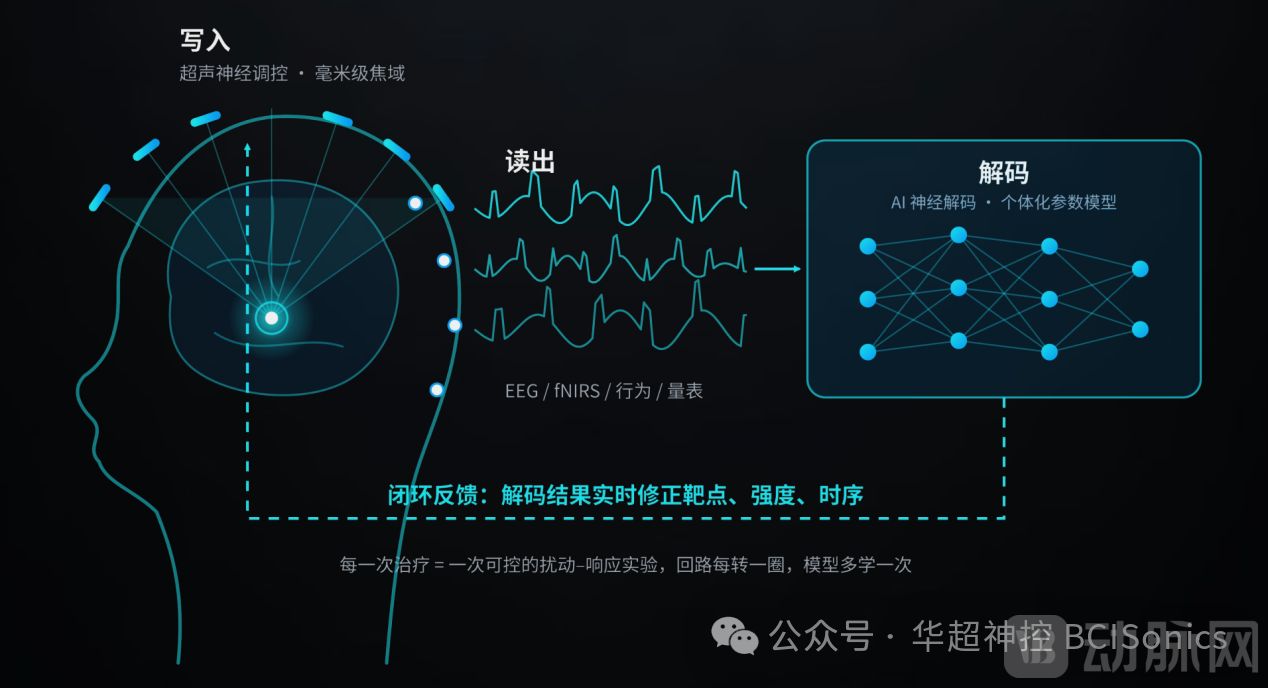
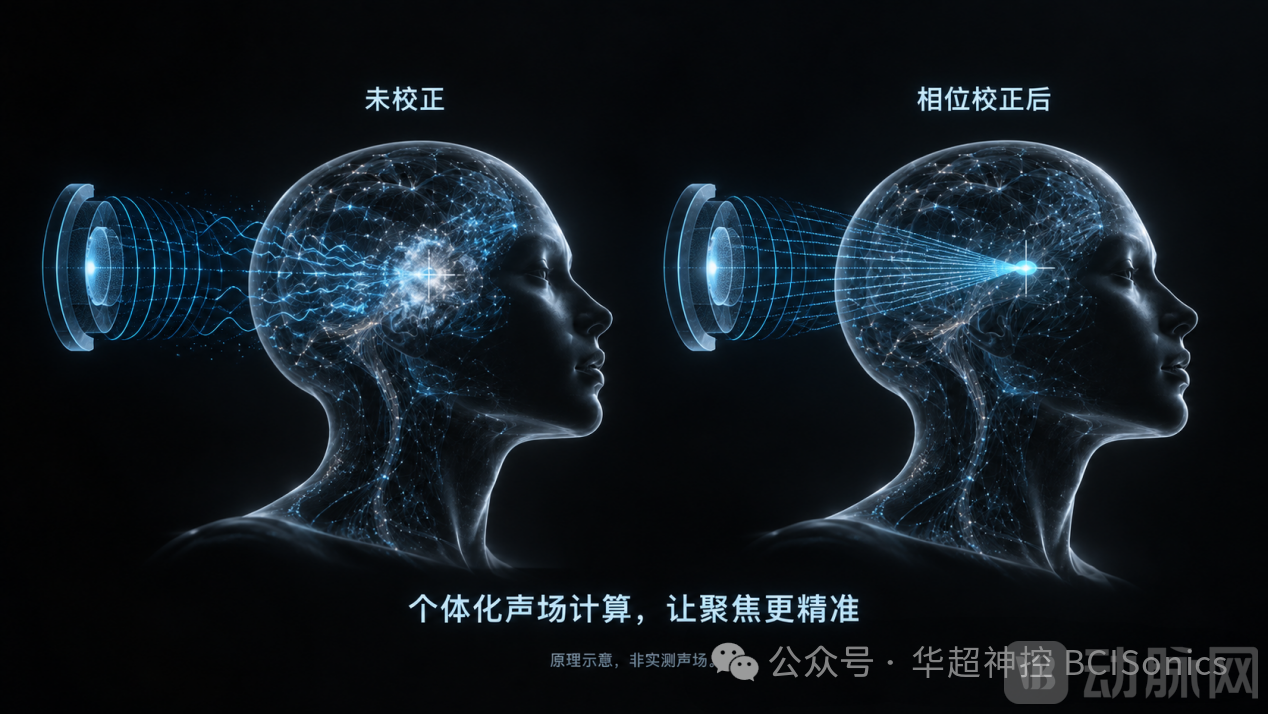
Writing Brain Relies on Ultrasound. The company employs low-intensity transcranial focused ultrasound to penetrate the skull, enabling quantifiable modulation of deep nuclei and superficial cortical layers, with coverage extending from the cortex to deep targets inaccessible to conventional non-invasive techniques. The engineering core of transcranial focusing is phase correction: Individual variations in skull thickness, density, and curvature cause acoustic field distortion, energy attenuation, and focal shift, directly affecting stimulation efficacy, dose consistency, and clinical reproducibility. BCI-Sonics has developed a proprietary transcranial phase correction algorithm that enables rapid individualized calibration. Its pre-commercial devices are among the few tFUS/LIFU systems in China with this capability.
Brain Reading Relies on Multimodality. The company has established a multimodal neural reading system centered on functional ultrasound imaging (fUS) and electroencephalography (EEG), integrated with functional magnetic resonance imaging (fMRI) and positron emission tomography (PET), while employing passive cavitation detection (PCD) for real-time monitoring of acoustic safety. Different modalities complement each other in temporal resolution, spatial resolution, and penetration depth, collectively providing high-dimensional brain state inputs for AI decoding.
Decoding Relies on AI. Building upon multimodal signals, the company has developed an AI-based neural decoding model to identify current brain states, generate personalized stimulation protocols, and continuously optimize parameters based on post-stimulation neural feedback, thereby forming “Read—Understand—Regulate—Feedback—Re-optimize” closed-loop. The AI platform for ultrasound neuromodulation parameter interaction, developed based on closed-loop control large models, and the Cortex Atlas interactive human brain map released in September 2026, are two productized carriers at this layer: the former shifts the selection of stimulation parameters from experience-driven to model-driven, while the latter supports the design of closed-loop stimulation protocols with structured knowledge of “target–circuit–effect.”
Research, Clinical Practice, and Technology: Exploring the Brain, Curing the Brain, Enhancing the Brain
BCI-Sonics has implemented the aforementioned technology system into three product lines, each serving a distinct user category.
R&D Product Line: Geared toward neuroscience and brain science research, with a focus on exploring the brain. In September 2026, the company unveiled a non-invasive closed-loop brain-computer interface system for research users, an AI platform for interactive ultrasound neuromodulation parameter tuning, and Cortex Atlas at the Annual Meeting of the Chinese Society for Neuroscience (CNS 2026), providing a complete toolchain for brain mechanism research that spans stimulation, readout, and decoding. From the company’s perspective, the mechanism-driven research and decision-making on target selection and application depth for clinical and consumer health products serves as the upstream foundation for its other two product lines.
Clinical product line targets healthcare institutions, positioned to cure brain. The indication portfolio covers both cortical and deep brain targets, including pain, Parkinson’s disease, Alzheimer’s disease, addiction, and sleep disorders, as well as applications such as drug delivery for brain tumors and neurodegenerative diseases via ultrasound-mediated blood-brain barrier (BBB) opening. The company has partnered with multiple Grade A tertiary hospitals and clinical principal investigator (PI) teams, Launch multicenter investigator-initiated trials (IITs) and simultaneously advance the medical device registration pathway.
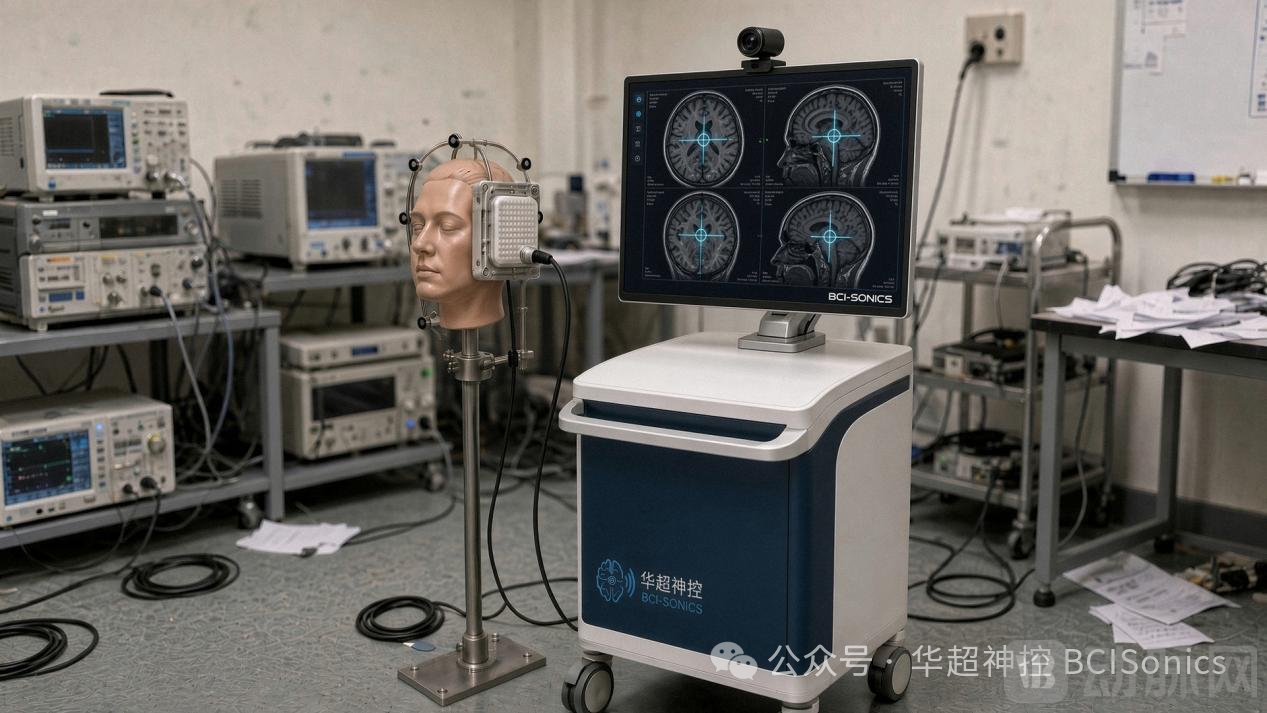
The technology product line is designed for households and general consumers, with a focus on enhancing brain. The product takes the form of a wearable brain-computer interface (BCI) terminal, providing non-invasive neuromodulation for daily scenarios such as sleep, focus, and emotion regulation. The company’s goal is to make BCI devices accessible to every individual.
From Sensors to Neuro AI: Building on Brain Data
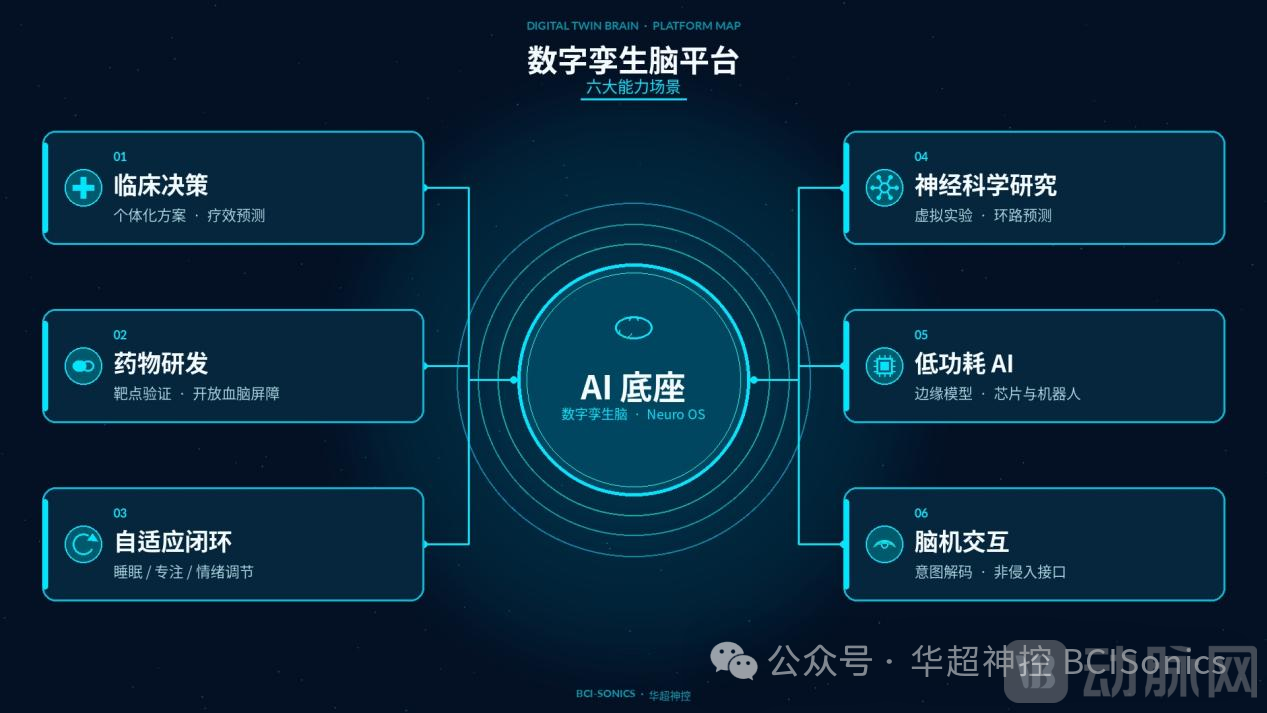
In BCI-Sonics' planning, three types of equipment—research, clinical, and technological—share the same underlying identity—Sensors for Acquiring Brain Data. Each stimulus-response pair and every segment of multimodal neural signals constitutes a sampling of the human brain’s operational mechanisms. As devices are deployed at scale across laboratories, hospitals, and homes, the company will accumulate brain data spanning diverse populations, brain states, and intervention conditions, thereby creating a positive feedback loop of “data–model–therapeutic efficacy.”
Based on this data foundation, BCI-Sonics' long-term goal is to become a Neuro AI company: first by building digital twin brains and neural world models capable of predicting individual brain responses to stimuli, and then by exploring Human AGI endowed with consciousness, thinking, and reasoning abilities akin to the human brain. Today's large language models learn from human-written text, while BCI-Sonics aims for future AI systems to learn directly from human brain activity. The company summarizes its current work as “Neuroscience for AI”: leveraging neuroscience methods to capture and understand the brain, thereby providing the data and theoretical foundations for next-generation AI. In this funding round, the portion allocated to AI infrastructure will be invested in computing power, data platforms, and model R&D.
Team: Composite Capabilities in Engineering, Clinical Practice, and AI
BCI-Sonics was Founded by Serial Entrepreneur Li Xin in 2025. Dr. Li Xin, who earned his Ph.D. in Biomedical Engineering through a joint program between the Chinese Academy of Sciences and the Fraunhofer Institute for Computer Graphics Research (Fraunhofer IGD) in Germany, joined GE Healthcare in 2015. He has since grown from a scientist in the life sciences sector to become the Head of GE’s Global Research Center in China. He Previously founded innovative technology and healthcare companies consecutively, Possesses extensive accumulated expertise in the research and development, as well as commercial translation, of medical imaging, ultrasound, artificial intelligence, and brain-computer interfaces.
The Core Team Comes From Tsinghua University, Imperial College London, Shanghai Jiao Tong University, Zhejiang University and other universities at home and abroad, covering Neuroscience, Acoustics, Medical Imaging, Artificial Intelligence, Materials Science, Clinical Translation, Medical Device Engineering and Commercialization and other areas, possessing comprehensive experience ranging from proof-of-concept and engineering prototypes to clinical validation and regulatory commercialization. Following this round of financing, the company will focus on recruiting core talent in AI-based neural decoding, clinical regulatory affairs, and consumer hardware.
Founder's Perspective
Li Xin, Founder and CEO of BCI-Sonics, stated: “Over the past year, the brain-computer interface (BCI) industry has shifted its focus from ‘concept validation’ to ‘industrialization.’ Investors are no longer asking whether the technological roadmap is correct, but rather when products will enter hospitals and households.” Our standards are clear: brain writing must reach deep structures and cover the whole brain; brain reading must be multimodal and quantifiable; decoding must rely on AI rather than experience. Our three product lines address three key questions: Research Track answers How the Brain Works, clinical line Answers How to Treat Diseases, Technology Track Answers how to enter everyone’s life. Yet, at their core, all devices are sensors. When brain data accumulates to a sufficient scale and quality, it will become the foundation for the next generation of AI. Today’s language models learn from human-written text; we hope future AI will learn directly from the human brain itself. This is what we call “Neuroscience for AI.” We thank our investors for their trust. The funds raised in this round will be fully invested in product development, talent acquisition, clinical initiatives, and AI infrastructure construction.