

Comparative Outcomes of Self-Expanding vs. Balloon-Expandable TAVR in Patients with Excessively Calcified Aortic Valve Leaflets

Medtronic
Medical Device Manufacturer
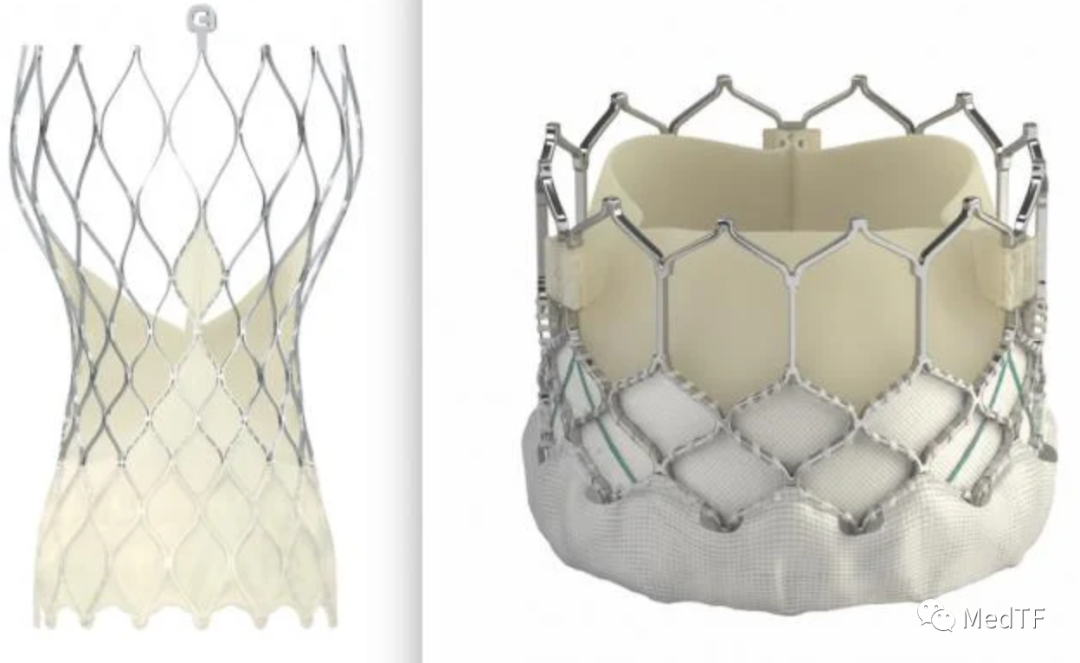
In "American Heart Journal》Publish a study onSelf-expanding and Balloon-expandable TAVR TreatmentExcessive calcification of the valve leafletsResearch on Patients with Aortic Stenosis. The study shows: For patients with excessive leaflet calcification, the five-year mortality rate is similar between self-expanding and balloon-expandable TAVR treatments. However, in terms of other outcomes, the two treatment options appear to have their own specific risks.
Research Methods
The study enrolled patients from a prospective single-center registry who, between August 2007 and June 2023, were treated for severe aortic stenosis (aortic valve complex calcium volume ≥235 mm³, measured by contrast-enhanced CT imaging with a Hounsfield unit threshold of 850) with either the Medtronic CoreValve/Evolut self-expanding valve or the Edwards SAPIEN balloon-expandable valve. A 1:1 propensity score matching analysis was performed to balance baseline differences between groups.
Research Results
Among 1,345 patients, 271 pairs of cases were successfully matched. The surgical success rate in both groups exceeded 85%, with no significant difference between the groups.
Compared with self-expanding valves,The incidence of annular rupture with balloon-expandable valves was higher (2.2% vs 0%, p=0.030). Balloon-expandable valvesCardiac tamponade rate alsoHigher (2.2% vs 0%).
Patients treated with self-expanding TAVR valves more frequently experience undersizing, whereas balloon-expandable valves are more prone to oversizing.Self-expanding valves had a lower transvalvular gradient (8.0 mmHg vs. 11.2 mmHg, p <0.001) but higher rates of mild or greater paravalvular regurgitation (69.7% vs. 58.1%, p=0.008) and new permanent pacemaker implantation (22.6% vs. 15.5%, p=0.001).
Five-year follow-up showed no statistically significant difference in all-cause mortality between the two groups, with all-cause mortality for self-expanding valves and balloon-expandable valves being (45.1% vs. 50.2%, p=0.173).
Self-expanding valve and balloon-expandable valveThe cardiovascular mortality rates were 34.9% and 39.5%, respectively.
No statistically significant difference was found between the two groups in terms of long-term risk of stroke, myocardial infarction, or bleeding events.
Conclusion
In patients with excessive leaflet calcification undergoing TAVR, balloon-expandable valves have a higher risk of annulus rupture compared to self-expanding valves, but a lower risk of paravalvular regurgitation and permanent pacemaker implantation. Throughout the entire 5-year follow-up period, the mortality rates for both types of valves were comparable.
Author's Evaluation
1. Research shows:Significant surgical risks exist when using balloon-expandable valves for TAVR in cases of severe aortic valve calcification, and rescue options must be carefully evaluated.
2.Studies show that: even mild paravalvular regurgitation can have negative effects that accumulate over time, leading to an increased risk of adverse events at five years. Similarly, newly required permanent pacemaker implantation may adversely affect long-term clinical outcomes due to atrioventricular and inter- or intraventricular dyssynchrony, although existing research conclusions remain controversial.
3.Future research is needed to further explore the relationship between the type of artificial bioprosthetic valve and the pathophysiology of valve degeneration. Currently, an individualized approach should be adopted, comprehensively considering the patient's clinical characteristics (such as severe coronary heart disease requiring coronary artery revascularization, impaired left ventricular systolic function), other anatomical factors (annulus size, aortic valve plane angle, calcification of the left ventricular outflow tract, coronary height, and sinus of Valsalva dimensions), as well as operational experience with various devices. This is key to achieving optimal device selection and lifelong management.