

The First Enterprise to Obtain a Class III AI In Vitro Diagnostic Certificate, with a Self-Developed Native Large Model at the Hundred-Billion Parameter Scale, Requiring Only Days for Cross-Scenario Fine-Tuning

Aimagine Care
AI Medical Laboratory Testing Technology R&D Developer
The first Class III medical device registration certificate for AI in the IVD field, combined with a native large language model for medical laboratory testing—when these two terms are mentioned together, does it strike you as a strategic move merely to chase a trending opportunity?
Aimagine Care (Beijing Aimagine Care Technology Co., Ltd.)’s answer is clearly “NO”.
In 2022, Aimagine Care’s FFscope CellaScope hematology morphology analysis system secured China’s first Class III AI certification in the IVD sector. Subsequently, the company launched a series of blood testing products. This has easily led to two major misconceptions among external observers regarding its business and vision: first, that it is merely an IVD equipment manufacturer; and second, that it focuses exclusively on blood testing, particularly hemocyte morphology analysis.
However, this is not the case in reality. Aimagine Care’s true mission is to empower precision diagnostics with AI; its ultimate vision is to become the global leader in AI-driven medical diagnostics.
This may sound grand and somewhat abstract. However, a metaphor offered by co-founder Wu Boshen can help us better and more concretely understand this vision— Cultivating a Tree of Full Laboratory Intelligence Centered on Disease Management: With AI and Large Language Models as the Roots, Various Application Domains (Testing, Research, Education, Operations, and Regulation) as the Trunk, and Specific Sub-applications (e.g., Automated Testing Lines for Different Assays) as the Flowers and Leaves.
Cultivating a Tree of Full Intelligence in Medical Laboratory Medicine Centered on Disease Management
“Achieving full intelligence in disease-centered medical testing laboratories is a direction currently being explored by major players both domestically and internationally. But frankly, there is still a long way to go.”
Wu Boshen’s statement highlights two key points: this is a development trend that has reached consensus within the industry, and it is extremely challenging.
But where exactly does the difficulty lie? To answer this question, we first need to clarify what disease-centric full intelligence in medical laboratory testing entails and what functions need to be implemented.
It can be broadly categorized into four tiers: the foundational tier, the advanced tier, the derivative tier, and the regulatory tier.
Among these, the foundational layer aims to achieve two objectives: full automation of all testing items via assembly lines, and, supported by AI, ensuring the interpretability of test results and providing disease risk alerts. The advanced layer builds upon these capabilities, enabling AI to autonomously and intelligently plan the necessary testing items and workflows for specific diseases, thereby achieving organic coordination among different tests and even full-process intelligence. The derivative and regulatory layers represent broader and more advanced applications extended from the aforementioned functions, such as enhancing laboratory operations and improving regulatory capabilities of relevant authorities.
However, current medical laboratory testing has not even reached the foundational level. Even the most highly automated biochemistry and immunology assembly lines have not achieved full automation and intelligence.
Specifically, in terms of automation, laboratory automation has currently entered the stage of total laboratory automation (TLA). As a typical representative, automated biochemistry and immunology assembly lines remain primarily focused on the analytical phase. Although many such systems are equipped with comprehensive pre-analytical modules, they often lack complete post-analytical modules.
In terms of intelligence, an editorial published in the Chinese Journal of Laboratory Medicine in August explicitly stated: “The application of AI in medical laboratory testing is still in its early stages overall and commonly faces practical challenges such as a weak digital infrastructure.” Furthermore, “It is worth noting that current commercial solutions still rely primarily on sensors, barcodes, and rule-based deterministic control, with few products clearly integrating AI/ML; there is a significant translation gap between research and commercialization.”
If even the most highly automated biochemistry and immunology assembly lines are still in this state, let alone other laboratory disciplines that are still in their infancy, such as molecular diagnostics and microbiology testing.
The rise of the new wave of artificial intelligence, represented by large language models, has brought opportunities to break through the deadlock.
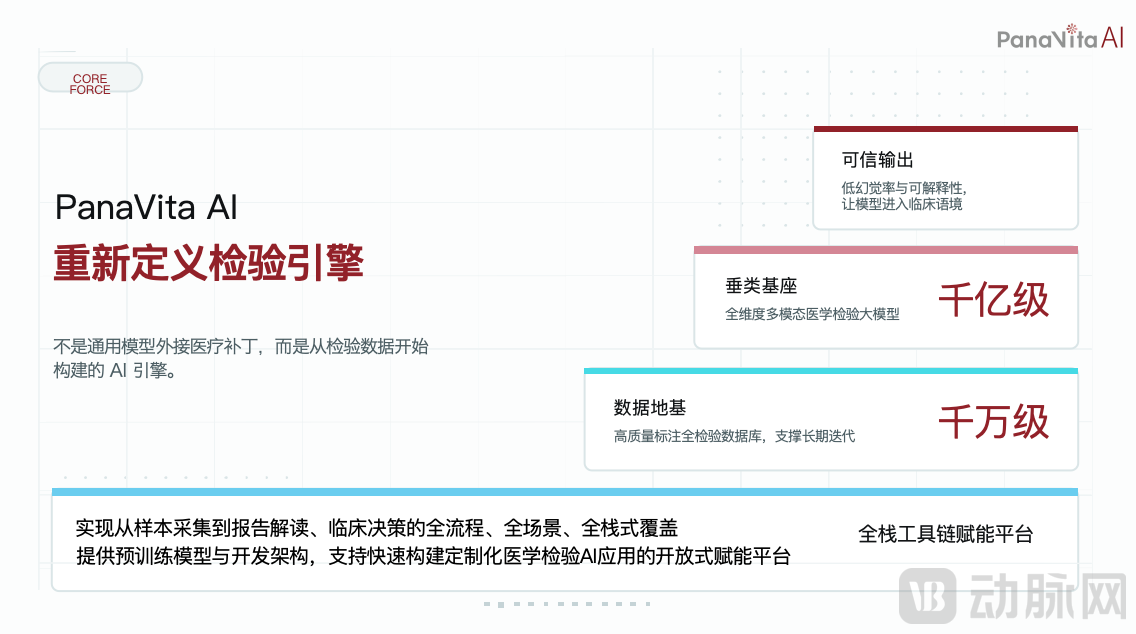
Rooted in a native large-scale multimodal medical laboratory testing model with hundreds of billions of parameters
“This is a golden vertical application scenario for large model applications.”
Wu Boshen succinctly articulated Aimagine Care’s rationale for deploying large language models in a single sentence.
Overall, The application of large language models in the field of medical laboratory medicine can be broadly categorized into two levels. The first level involves specific empowerment in specialized subfields, such as clinical decision support systems.
We selected only clinical applications for further analysis to concretize the application value of large language models. In the clinical setting, on one hand, large language models can be applied to intelligent pre-review and verification of laboratory test reports, joint interpretation of complex indicators, assistance in laboratory quality control, and support for clinical communication. These applications can effectively improve laboratory work efficiency, reduce the error rate of manual review, and provide technical support for standardized diagnosis and treatment.
On the other hand, large language models (LLMs) have also revolutionized the paradigm of clinical decision support. Previously, clinical decision support systems were largely based on static rules, making it difficult to address more complex and personalized clinical scenarios, thus limiting their generalizability. In contrast, multimodal LLMs can dynamically integrate patient medical history, laboratory results, medication information, and clinical guidelines to generate more personalized, interpretable recommendations and opinions.
The “Intelligent Scheduling Hub” based on large language models constitutes the second tier. At this level, the “Intelligent Hub” not only enables automated and intelligent scheduling of testing and inspection items centered on disease management, but also achieves organic integration across scenarios and institutions. Specifically, while realizing automation and intelligence in the testing processes themselves, it also facilitates quality control for various laboratory items, teaching support, and regulatory support for relevant departments.
But clearly, this places higher demands on the capabilities of the large models themselves. Among these requirements, the most critical is how to achieve end-to-end coverage and support cross-business scenarios.
There are many answers, such as the oft-repeated factors of data volume, data quality, and data modalities. These form the foundation of model capabilities.
In this regard, on the one hand, Aimagine Care is gradually building a structured database through collaborations with some of the top medical institutions in China and around the world, in a legal and compliant manner; on the other hand, Aimagine Care places particular emphasis on data quality. To this end, it has established a rigorous data quality control mechanism to ensure data integrity.
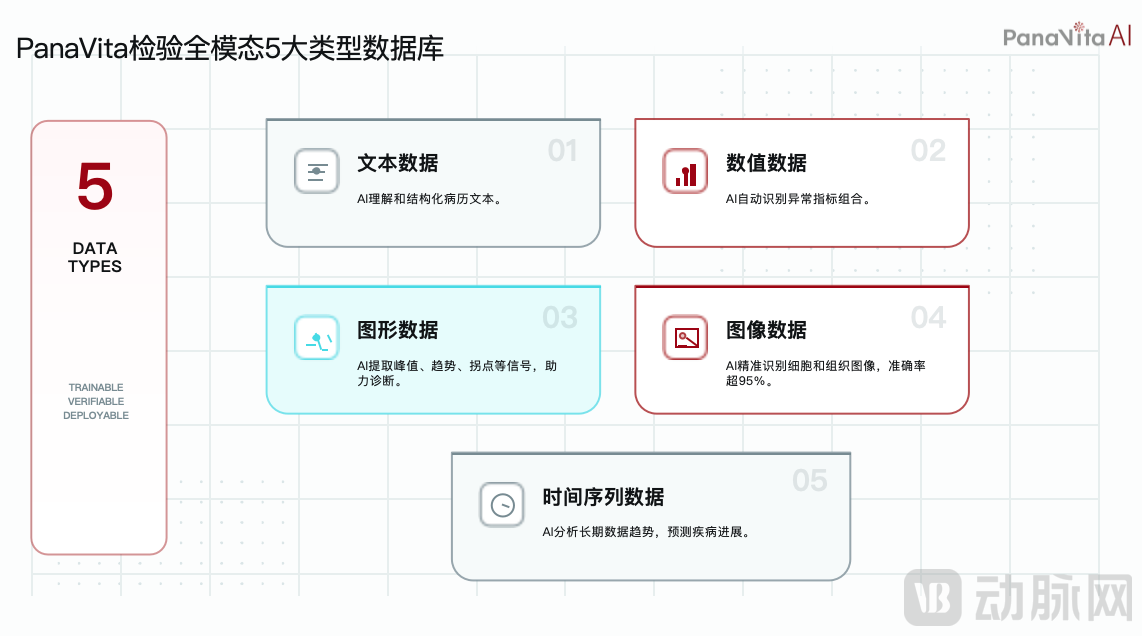
Meanwhile, Aimagine Care is continuously building and expanding its multimodal testing database, which currently covers five major data types: text, numerical values, graphs, images, and time series.
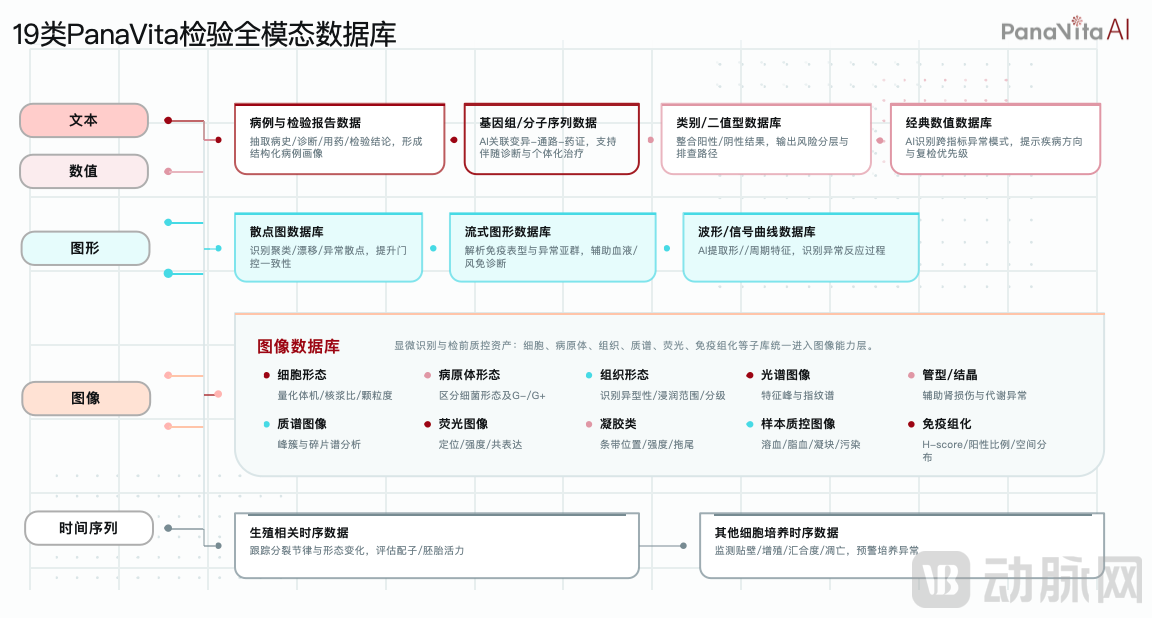
High-quality, annotated multimodal diagnostic data provides a solid foundation for model training, helping reduce hallucinations and enhance model reliability. According to Aimagine Care, the hallucination rate of its PanaVita AI large language model has been controlled at 3%.
Beyond the well-established evaluation criteria for large language models, such as data scale, data quality, hallucination rate, and trustworthiness, another key highlight of PanaVita AI Large Model is its paradigm-native architecture.
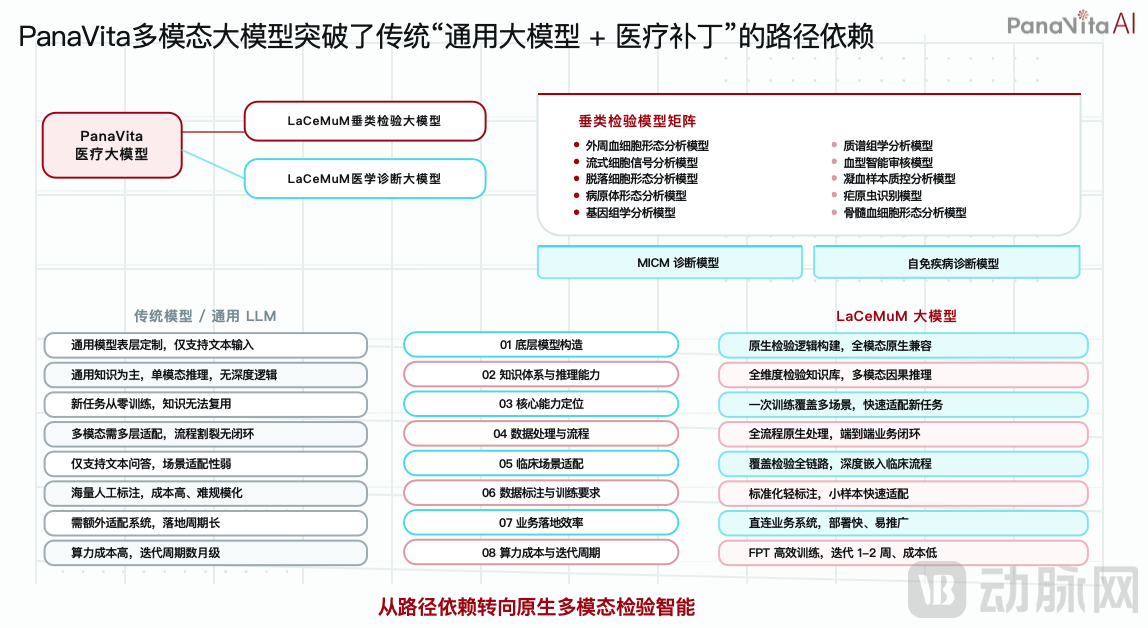
This is a native large language model for medical laboratory testing. Compared to the approach of “general-purpose large language models + medical patches,” native large language models offer two major advantages.
One is enhanced capability and greater professionalism. “General-purpose large models are like generalists who have received comprehensive training from a young age in subjects such as language, mathematics, English, biology, and chemistry, enabling them to quickly master knowledge and skills across various fields. In contrast, native large models are like specialists who have focused exclusively on a single discipline since childhood; while they may lack somewhat in knowledge and skills in other areas, they possess profound accumulation in that specific domain, including deep reserves of knowledge and skills as well as strong logical reasoning capabilities.” In the interview, Wu Boshen used this analogy to describe the differences in capabilities between general-purpose large models and native large models.
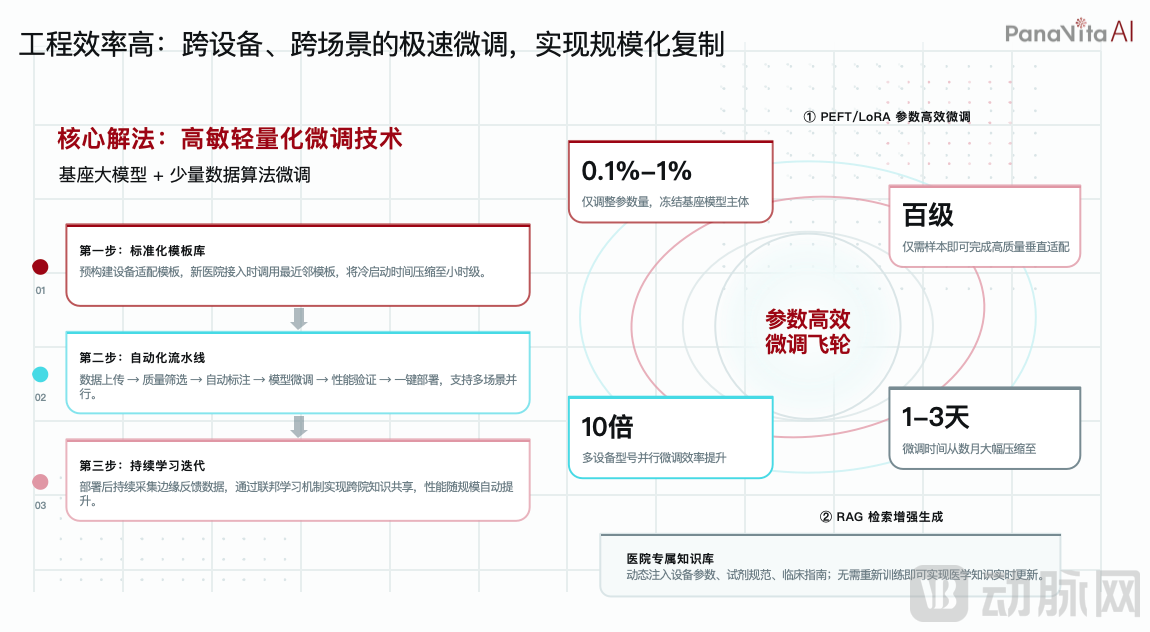
Second, the implementation cycle is shorter, as new tasks do not require training from scratch. This is primarily attributable to the native large language model’s logical reasoning capabilities tailored to laboratory medicine. For certain tests, even when specific items differ, the underlying logic remains similar. Combined with its compatibility with high-quality multimodal laboratory data, this enables PanaVita AI Large Model to support multiple task scenarios through a single training process, adapt rapidly with only hundreds of samples, and complete each training iteration in just 1–2 weeks.
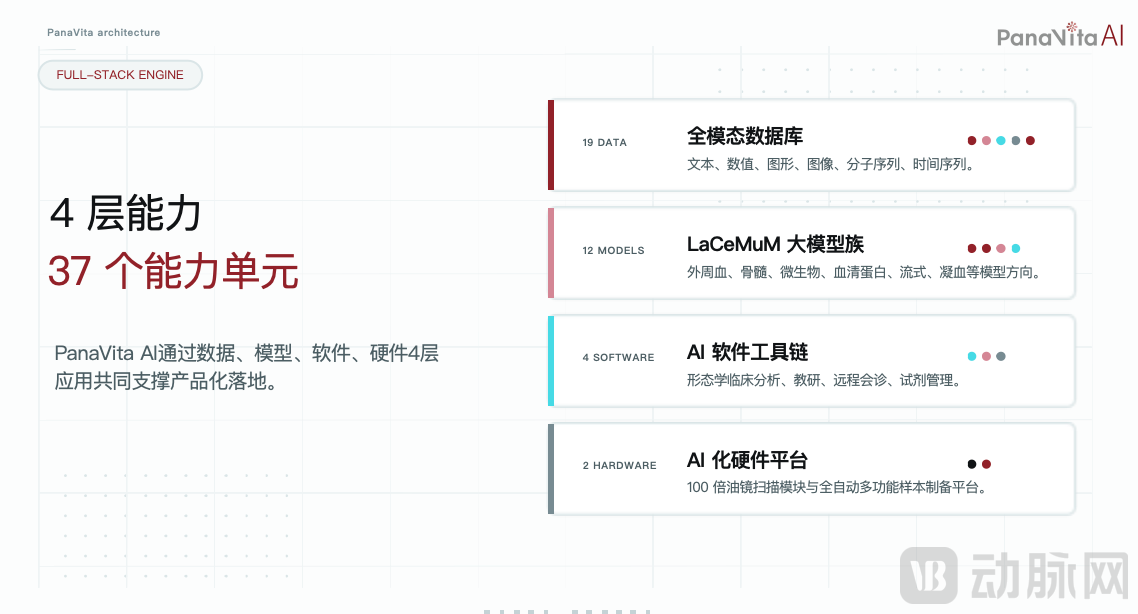
It is evident that the coupling of hundred-billion-scale parameters with native model architectures, on one hand, provides models with the foundational capability for end-to-end, cross-scenario applications. PanaVita AI Large Model features 37 capability modules spanning the entire medical laboratory testing workflow, comprehensively covering all key stages from sample collection to report interpretation and clinical decision support.
On the other hand, the PanaVita AI large model enables scalable replication across devices and scenarios, significantly reducing fine-tuning time from months to just days.
After establishing its roots, Aimagine Care aims to expand and flourish.
Extending Branches Across Three Core Scenarios: Enterprises, Hospitals, and Government Agencies
This tree has three main branches.
They correspond to the three core target audiences of the PanaVita AI Large Model: enterprises, clinical laboratories, and government agencies. The new leaves and flowers sprouting from each of these three branches represent the application scenarios and collaboration models of the PanaVita AI Large Model across these three categories.
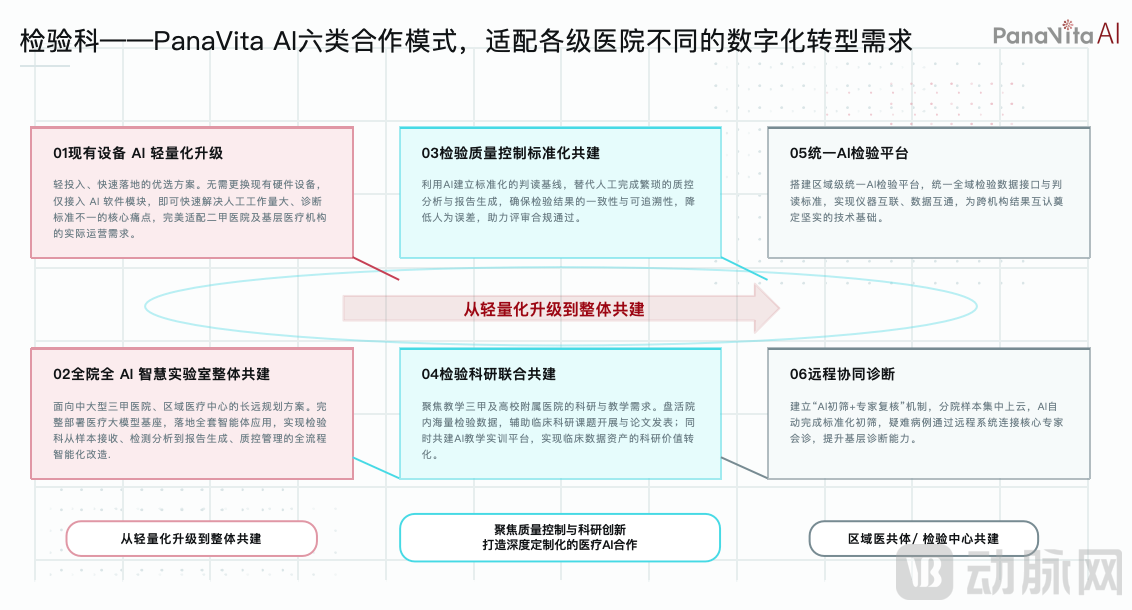
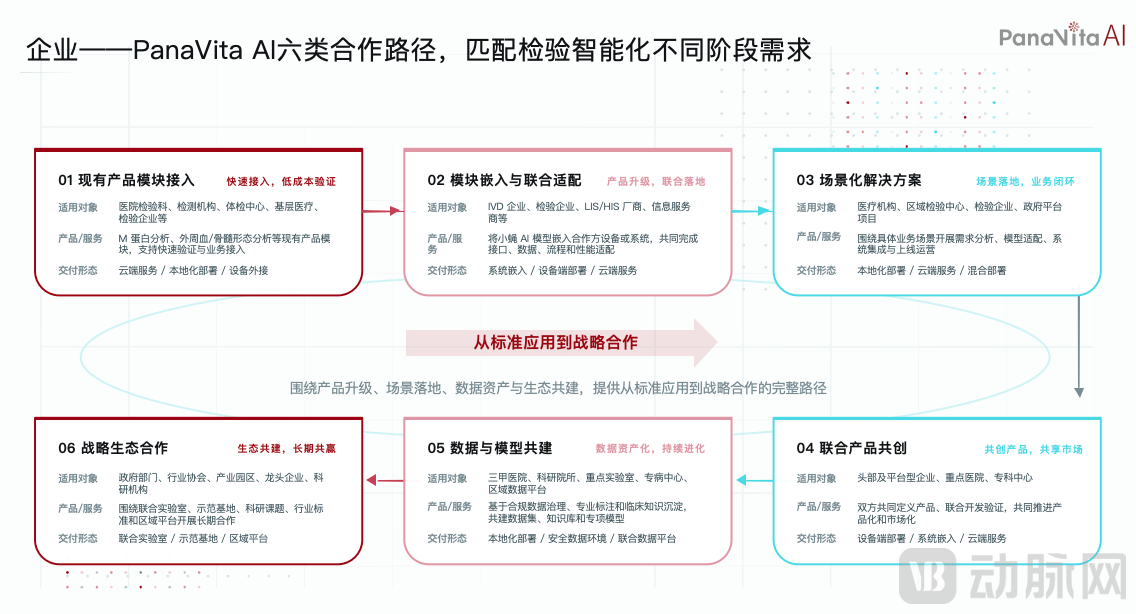
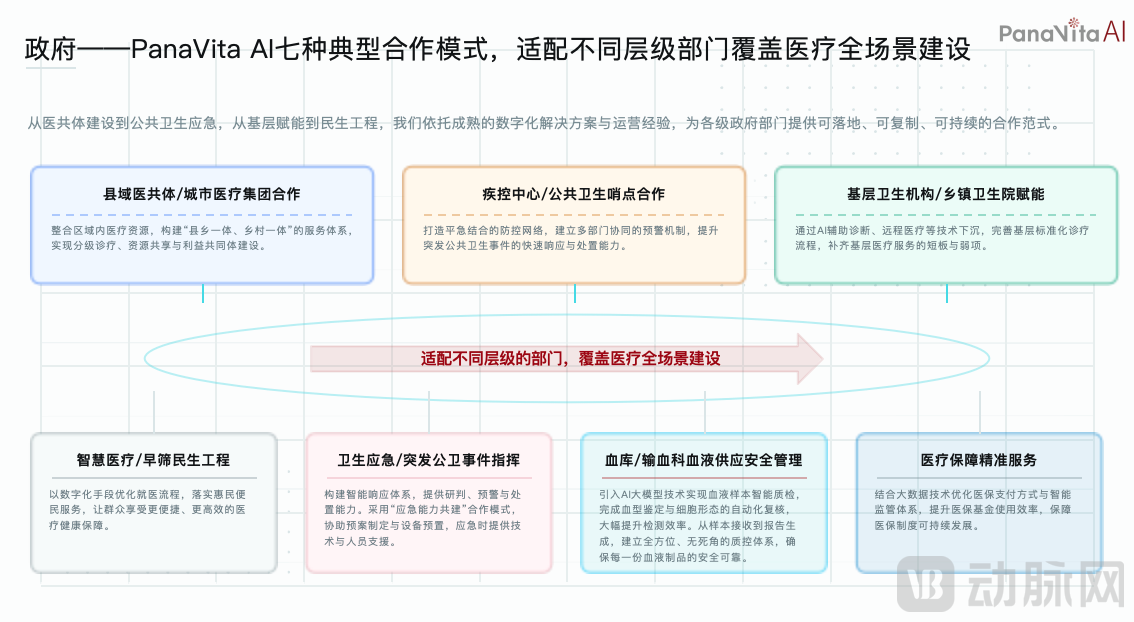
The applications of the PanaVita AI large model in three scenarios are clearly illustrated in the image, so no further textual elaboration is provided. We will focus on Aimagine Care’s business model.
Much like the widespread perception of Aimagine Care as an IVD equipment manufacturer, the company indeed maintains a pipeline of self-developed devices. For instance, its best-known FFscope blood testing product series has achieved a comprehensive portfolio ranging from next-generation fully automated blood cell morphology analysis assembly lines to integrated all-in-one instruments.
But in fact, The hematology morphology product line serves as a benchmark for Aimagine Care’s closed-loop transition from technology to commercial products. Since its inception, Aimagine Care has focused on the entire field of medical laboratory diagnostics, with its bone marrow and malaria testing products being prime examples.
In addition to selling equipment, Aimagine Care is also actively exploring “Model as a Service” based on the PanaVita AI large model.
Taking the hospital laboratory department as an example, ranging from AI lightweight upgrades of existing equipment to the construction of a regional unified AI laboratory platform, and further to the collaborative development of an AI-powered smart laboratory across the entire hospital and joint research initiatives in laboratory medicine, Aimagine Care has evolved six types of cooperation models based on the PanaVita AI large model to accommodate the differentiated needs of various hospitals. There are six cooperation pathways for enterprises and seven cooperation models for government agencies.
In short, this is a “demand-driven” and customized collaboration model. Aimagine Care aims to partner with various industry stakeholders through technology licensing, APIs, and joint development to co-build a portfolio of AI-powered medical laboratory products and data infrastructure, while shifting its business model from one-time equipment transactions to more diversified, recurring revenue streams from continuous intelligent services.
Aimagine Care’s extensive track record of collaborations with over 100 partners spanning the entire spectrum of medical laboratory testing, coupled with its deep industry expertise—exemplified by core team members and advisors hailing from top-tier tertiary hospitals, leading in vitro diagnostics (IVD) companies, and premier AI laboratories—provides “soft” support for this collaborative model, complementing the “hard” technological strength of its model capabilities.
Transplant this tree overseas.
Global expansion is Aimagine Care's key development focus for 2026.
In today’s wave of IVD companies expanding overseas, this is hardly surprising. However, Aimagine Care’s global expansion strategy is quite intriguing.
Because, Aimagine Care’s global expansion is not about isolated breakthroughs; instead, it is taking both its products and the PanaVita large language model “global,” with rapid progress across all regions worldwide.
Specifically, At this stage, Aimagine Care has simultaneously established its presence in 20 regions/countries across five continents. For instance, the United States and the European Union, which have high market access barriers, as well as Southeast Asia, India, and Africa, where access to new technologies is relatively limited.
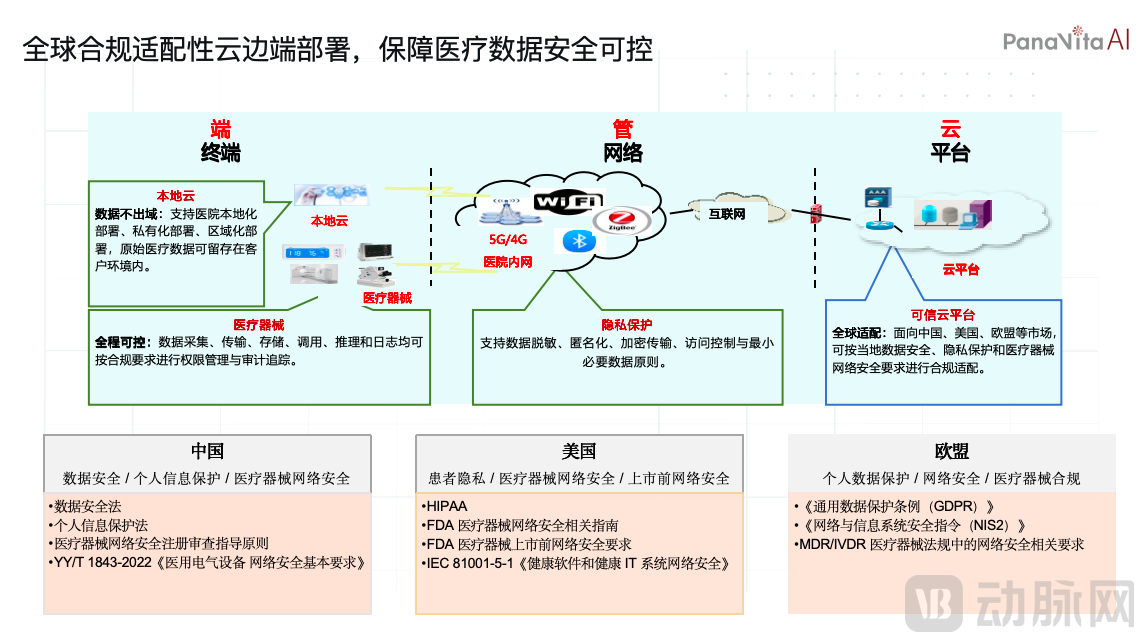
Targeting the US and EU markets, Aimagine Care primarily focuses on the high-end segment. By collaborating with internationally renowned professional organizations such as the IFCC and ICSH, as well as leading medical institutions, the company leverages robust clinical and academic evidence to facilitate clinical validation and pilot implementation of its products in European and American markets. According to Wu Boshen, Aimagine Care’s related products have already secured CE marking and UK medical device certification. In the United States, the company has begun exploring fully digital laboratory collaborations with a leading healthcare group.
As for Aimagine Care’s expansion in Southeast Asia and Africa, it is primarily focused on the prevention and control of tropical infectious diseases. Through collaboration with international organizations, Aimagine Care’s malaria detection products will be deployed in Southeast Asia and Africa via project-based centralized procurement.
In the Middle East and Indian markets, Aimagine Care is actively seeking partnerships with local distributors to achieve its commercialization goals.
For Aimagine Care, its expansion into overseas markets has only just begun, especially when compared to the domestic market in China, which still accounts for 90% of its current revenue. This is a marathon, not a sprint.
But at the very least, some have chosen this path, and others are already on it.