

Kriya Therapeutics Files for IPO Following $320 Million Series D Financing to Advance Gene Therapies for Chronic Diseases

Kriya
Gene Therapy New Drug Developer
Over the past decade, gene therapy has experienced a shift from being the "darling of capital" to a state of "cautious observation."
Entering the 21st century, with the advent of several breakthrough therapies, gene therapy once sparked a frenzy in the capital market: In 2017, the U.S. FDA approved the first gene therapy to be marketed in the U.S., Kymriah (Novartis CAR-T, for acute lymphoblastic leukemia), and capital enthusiasm quickly surged. Subsequently, gene therapy companies such as Bluebird Bio and uniQure once joined the ranks of companies valued at over 10 billion U.S. dollars, becoming investment hotspots.
Then, the high cost, manufacturing bottlenecks, and safety controversies have limited the widespread application of gene therapy. In its early days, gene therapy was mostly used to treat rare diseases affecting very few patients, with drug prices often reaching millions of dollars. For example, Novartis' gene therapy for spinal muscular atrophy, Zolgensma, was priced at a staggering $2.1 million upon its market launch.
In September 2025, U.S. gene therapy company Kriya Therapeutics (hereinafter referred to as "Kriya") announced the completion of a new round of financing worth $320 million.This round of financing was jointly led by Patient Square Capital and Premji Invest. The funds will support clinical trials of its gene therapies across multiple therapeutic areas.
Unlike most peers who focus on rare diseases, Kriya has set its sights on common diseases affecting large populations, such as diabetes, metabolic liver disease, and neuropathic pain.
Team Complementarity + M&A Expansion: Building a Chronic Disease Gene Therapy Matrix
Kriya was founded in 2019, and its name is derived from the Sanskrit word "Kriya," meaning "action." The founding team's original intention wasTo move gene therapy out of the laboratory and the niche market of orphan diseases, and truly into scalable manufacturing and routine clinical practice.
This vision is closely tied to the team's background. Dr. Shankar Ramaswamy, co-founder and CEO, previously led the entire process of gene therapy development from research to commercialization at Roivant Sciences and Axovant Gene Therapies, demonstrating familiarity with capital logic and industry risks. Co-founder and Chief Scientist Dr. Fraser Wright, a former executive at Spark Therapeutics, was instrumental in the creation of Luxturna®, the world’s first approved ocular gene therapy. One excels in strategy and capital, while the other masters research and clinical applications—this complementary partnership forms the cornerstone of Kriya’s corporate growth and innovative edge.
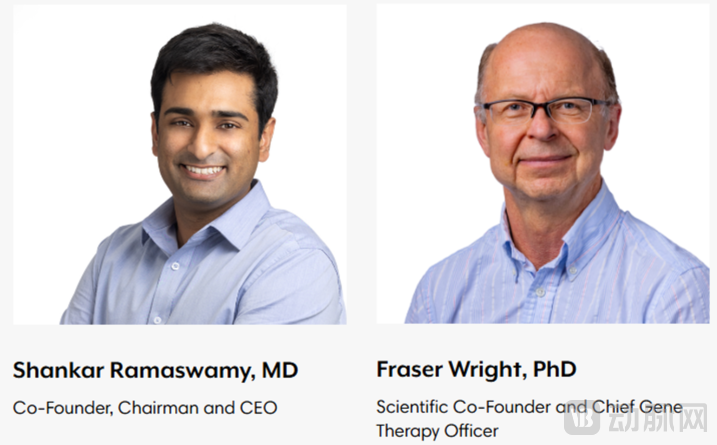
Figure 1: Overview of the Kriya Team Portrait
The capital market also responded quickly. Since its establishment,Kriya Has Raised Over $800 Million through Multiple Rounds of Financing and M&A, including Pura Vida, which focuses on healthcare and biotechnology, Bluebird Ventures, active in the cell and gene therapy field, global hedge fund QVT, Foresite Capital specializing in life sciences, and Mubadala Investment Company, Abu Dhabi's sovereign fund. In 2025, the company completed a new round of financing worth $320 million, which will mainly be used to advance its ophthalmology, neurology, and metabolic disease pipelines into the clinical stage.
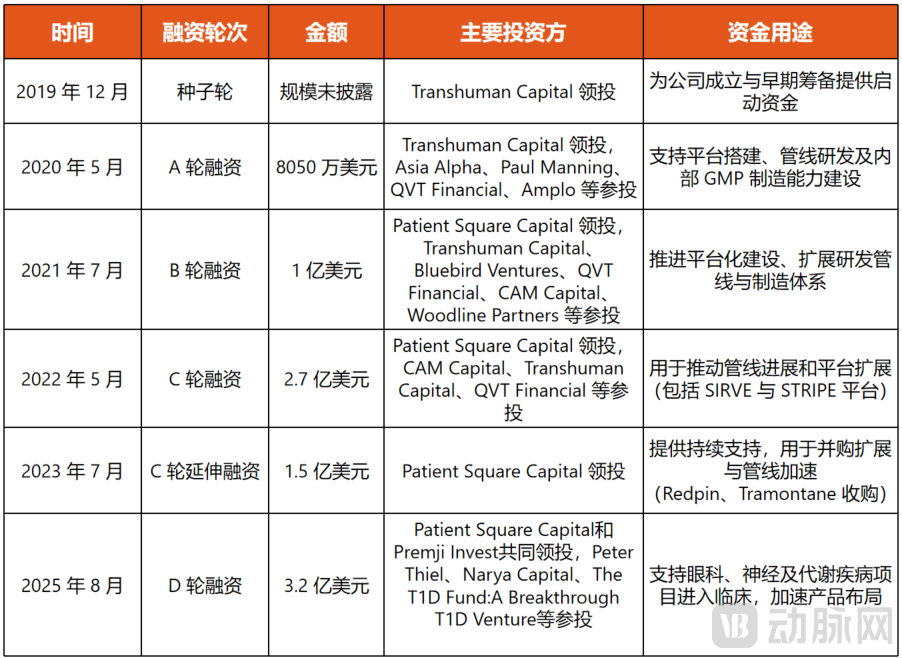
Table 1: Overview of Kriya's Investment and Financing Situation
It is worth noting that,Kriya accelerates the construction of a gene therapy product matrix covering chronic diseases such as neurology and metabolism through mergers and acquisitions during its development process.
In 2022, the company acquired Redpin Therapeutics, a firm focused on "controllable gene therapy." Its core projects target epilepsy and trigeminal neuralgia, enabling neuron switch-like regulation through engineered ion channels and approved small-molecule drugs.
In September 2023, Kriya acquired Tramontane Therapeutics, which originated from the Autonomous University of Barcelona in Spain, gaining gene therapy assets based on FGF21 for metabolic diseases such as Metabolic Associated Steatohepatitis (MASH/NASH). The company plans to advance this project into clinical trials in 2025.
Self-built Factory + Platformization: Making Gene Therapy No Longer Expensive
In terms of R&D logic, Kriya has not limited itself to rare diseases but has prioritized the layout in large-population fields such as chronic diseases—following three major criteria:Significant unmet clinical needs, validated clinical and regulatory endpoints, mature disease biology, this approach not only ensures scientific feasibility but also reduces the overall risk of the pipeline.
Technically,The platform focuses on "validated biology + intelligent vector engineering" as its core.: Long-term expression of proteins through AAV gene therapy reduces the burden of frequent dosing for patients; efficacy and tissue specificity are enhanced using fusion proteins and engineered ion channels; stability, manufacturability, and tissue targeting of AAV vectors are optimized by leveraging the self-developed SIRVE system combined with machine learning and deep generative models.
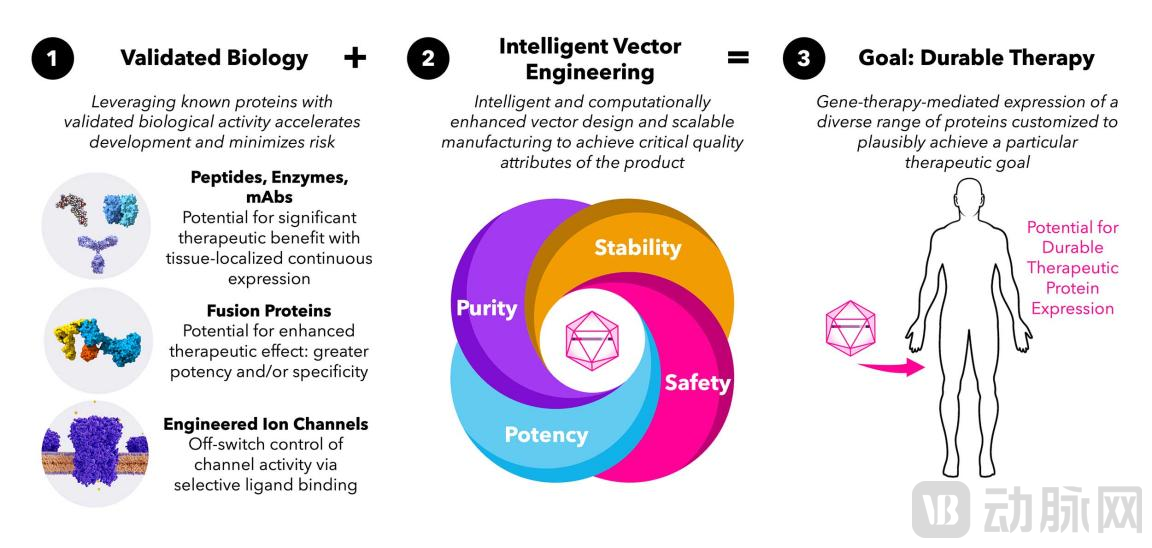
Figure 2: Schematic Diagram of the Core Logic of Kriya Gene Therapy Technology
On this basis, Kriya has built a complete system covering from laboratory to clinical trials. This system integrates computation-driven protein and vector design, AAV serotype screening, early manufacturability assessment, and animal model validation, while connecting with its in-house large-scale GMP production capacity. This allows candidate products to quickly enter clinical development while maintaining process consistency. With this closed loop, Kriya can not only efficiently incubate multiple pipelines but also explore truly sustainable gene therapies in fields affecting large populations, such as chronic diseases.
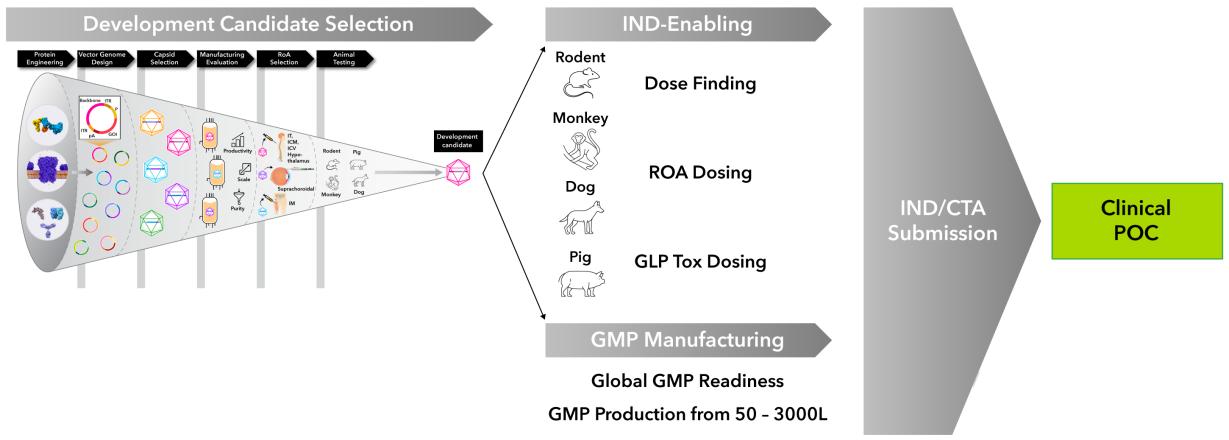
Figure 3: Schematic Diagram of the Full Process of Kriya Gene Therapy Research, Development, and Translation
In particular, this R&D system is not confined to the laboratory but is tightly coupled with the manufacturing process. Kriya focuses on R&D design in Palo Alto, Silicon Valley.A GMP production base of approximately 50,000 square feet has been built in the North Carolina Research Triangle Park, covering a production scale from 1 liter to 3,000 liters., forming a complete scaling path from laboratory to commercialization. Process development, quality control, and cGMP production are completed in an internal closed loop, significantly shortening the cycle from design to drug supply and effectively reducing costs and reliance on outsourcing.

Figure 4: Aerial view of Kriya's North Carolina facility
Covering Ophthalmology, Neurology, and Metabolism: Gene Therapy as a Long-term Solution for Common Diseases
Kriya's pipeline strategy directly targets the large but underserved population of common diseases lacking effective therapies——Ophthalmology, Neurology, and MetabolismMainly using AAV vectors for gene delivery.
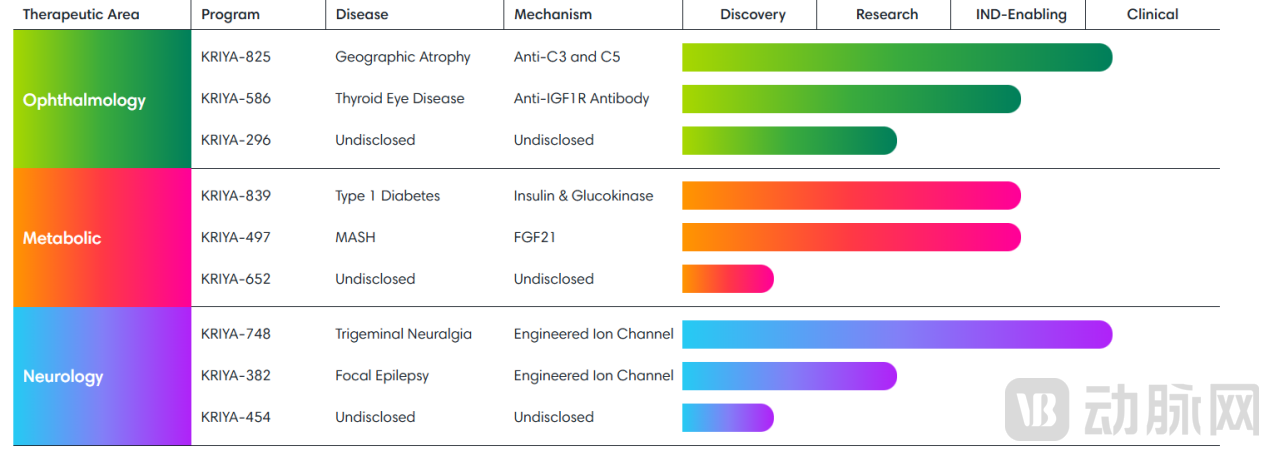
Figure 5: Kriya Therapeutics Pipeline
1Ophthalmology: From Lack of Effective Treatment to a Single Injection for Delay
In the field of ophthalmology, Kriya focuses on two highly unmet indications.
KRIYA-825 is an AAV-based gene therapy targeting geographic atrophy (GA), a late manifestation of age-related macular degeneration (AMD)., which can lead to gradual retinal degeneration and eventual irreversible blindness. Kriya delivers a gene that inhibits the complement pathway to retinal cells through a one-time suprachoroidal injection to delay atrophy formation.
Preclinical data presented at the 2025 ARVO conference showed that, following suprachoroidal injection, the therapy preserved retinal thickness and inhibited complement-related markers in a dose-dependent manner in mouse models. It also demonstrated good tolerability in non-human primates. Its clinical pilot trial (NCT06765980) has been initiated and is expected to conclude by the end of 2027, aiming to evaluate its safety, tolerability, and efficacy in adults with geographic atrophy.
Another is KRIYA-945, which targets diabetic complications, specifically diabetic macular edema (DME).DME leads to macular leakage and vision loss. The current standard treatment relies on repeated intravitreal injections of anti-VEGF drugs, which result in poor patient compliance and heavy medical burden. Kriya achieves long-term vascular suppression through a one-time gene delivery for continuous expression of anti-VEGF proteins.
2Neuroscience: From Long-term Dependence to Precise Intervention
The neuroscience pipeline is one of Kriya's pioneering fields, with its core concept being the development of controllable gene therapies. Traditional treatments for neurological disorders rely on long-term medication or invasive surgeries, which come with significant side effects and fluctuating efficacy. In contrast, Kriya proposes a gene delivery approach that "implants a regulatable switch," complemented by small-molecule drugs for activation and inhibition, aiming to transform the management of chronic diseases.
KRIYA-748 Targets Trigeminal Neuralgia, Known as the Most Painful Condition in the World(TN), patients suffer from severe facial neuralgia that significantly impacts their quality of life, with limited efficacy from existing antiepileptic drugs and surgical options. This therapy utilizes an AAV vector to deliver genes regulating ion channels, enabling neurons to respond to specific small molecules for switch-like pain control, currently in the preclinical exploration phase.
KRIYA-382 Targets Focal Epilepsy, Aiming at the dilemma of long-term medication and drug insensitivity in some populations, implanting controllable genes into neurons via AAV vectors, combined with small-molecule drugs to achieve activation or deactivation, is expected to transform a one-time gene therapy into a long-term adjustable anti-epilepsy solution, replacing daily oral medication.
3Metabolic Diseases: From Lifelong Medication to One-Time Steady State
The metabolic disease pipeline directly addresses billions of people. Diabetes and fatty liver-related diseases have long been a heavy burden on public health systems. Existing therapies mostly rely on lifelong medication management and are difficult to cure. Kriya Therapeutics hopes to rewrite the natural history of these chronic diseases through gene therapy.
KRIYA-839 for Type 1 DiabetesPatients with destroyed pancreatic β-cells require multiple daily insulin injections. This therapy delivers insulin and glucokinase genes through intramuscular injection, enabling muscle cells to perform partial artificial pancreatic functions for self-regulation of blood glucose. The goal is to replace long-term injections with a one-time gene insertion.
KRIYA-497 targets metabolic associated steatohepatitis (MASH/NASH).This chronic liver disease caused by metabolic disorders can progress to liver fibrosis, cirrhosis, and even liver cancer. Globally, NASH has become a significant reason for the rapidly increasing demand for liver transplants. This therapy delivers the FGF21 gene via an AAV vector, utilizing this metabolic regulator to improve insulin resistance, reduce hepatic fat deposition, and potentially reverse fibrosis.
Platformization Capabilities and Major Disease Strategy Set Kriya Apart
In the gene therapy industry, the core challenge has shifted from "can efficacy be proven" to "can it be scaled up for implementation." Beyond clinical data,Whether an enterprise possesses production and quality control capabilities that comply with international standards such as GMP/cGMP/ICH directly determines the faster commercialization of drugs., investors are extremely sensitive to this.
At the same time,The regulatory environment is also raising the bar.In recent years, regulatory agencies such as the U.S. FDA have emphasized the long-term safety and immunogenicity of AAV (adeno-associated virus) vectors, requiring more comprehensive biodistribution and safety data to be submitted preclinically (FDA guidelines). This implies that the model of a single pipeline impacting the market is no longer sustainable, while companies like Kriya, which possess both an underlying platform and manufacturing capabilities, are better positioned to meet the new standards and highlight differentiation.
From the perspective of the competitive landscape, representative companies such as Bluebird Bio and Sarepta Therapeutics are still mainly focused on rare diseases, prioritizing the validation of the superior efficacy of their technological approaches. However, in the long term, the market capacity is limited. In contrast, Kriya is directly targeting chronic disease sectors such as neurological disorders, metabolic health, and ophthalmic conditions, which affect larger patient populations and represent a market size far exceeding that of rare diseases.
This "platform + major disease" strategy enables it to leap beyond the risk limitations of a single pipeline, forming a sustainable incubation platform for drug candidates with broad commercial prospects in research and development and translation.
China Opportunities in the Common Chronic Disease Track: Gene Therapy Beyond Orphan Diseases
In fact,China has made remarkable progress in the field of gene therapy and is steadily moving towards popularization.China's "14th Five-Year Plan" designates gene technology as a key area in frontier science and industrial transformation. Shenzhen and Tianjin have taken the lead in issuing the "Regulations on Promoting the Cell and Gene Industry," while Beijing and Shanghai focus on building gene therapy industry clusters. Policy incentives provide a solid institutional foundation for industry development. Meanwhile, on the payment side, some CAR-T therapies have entered negotiations for national and commercial medical insurance, exploring ways to incorporate high-cost cutting-edge treatments into accessible systems, paving a realistic path for the scaled application of gene therapy.
The technical innovation achievements are equally fruitful.As of the second quarter of 2025, the National Medical Products Administration (CDE) has accepted 765 IND applications for cell and gene therapy (CGT) products, with 553 approved for clinical trials, and 14 products successfully launched. Among these, in February 2025, the Hainan Boao Lecheng Pilot Zone announced the first batch of 14 biomedical new technology application directories, covering common diseases such as chronic obstructive pulmonary disease (COPD) and cancer immunotherapy, marking a critical step in the clinical translation of gene therapies in complex chronic disease areas.
In contrast,Kriya's Model Offers Three Insights:
First, focus on the mass chronic disease track.According to statistics from the International Diabetes Federation, diabetic macular edema corresponds to over 21 million patients worldwide, with a market size far exceeding that of rare diseases. If Chinese enterprises can focus on tens of millions of patients with chronic diseases such as hypertension and diabetes, they can unlock the inclusive value of gene therapy.
Secondly, build a closed loop of R&D and manufacturing.Kriya Builds 50,000 sq ft GMP Facility to Reduce AAV Vector Production Costs; Chinese Companies Like Suzhou Hua Yi Le Jian Have Already Officially Commissioned an Approximately 8,600 sqm Commercial GMP Production Base in 2023, Exploring a Self-Developed + Self-Produced Model to Reduce CDMO Dependence.
Third, accelerate the clinical transformation chain.: Kriya shortens the R&D cycle through the SIRVE platform and the FDA's pre-communication mechanism. In the future, it may rely on the successful experience of Hainan Boao Lecheng's "Pilot First" policy to explore the establishment of a fast-track approval channel for gene therapy in specific regions, promoting the optimization of the path from laboratory to patient.
At present, Chinese companies have long combined policy dividends with a huge market demand to actively lay out gene therapies. If they can further draw on Kriya's development logic of "platform-driven + common disease focus" to overcome the R&D barriers of chronic and major diseases, it will be expected to accelerate the popularization of gene therapy in China and secure an important position in the global gene therapy field.