

Shandong Provincial Hospital of Traditional Chinese Medicine Successfully Performs Cryoballoon Ablation for Paroxysmal Atrial Fibrillation

Medtronic
Medical Device Manufacturer
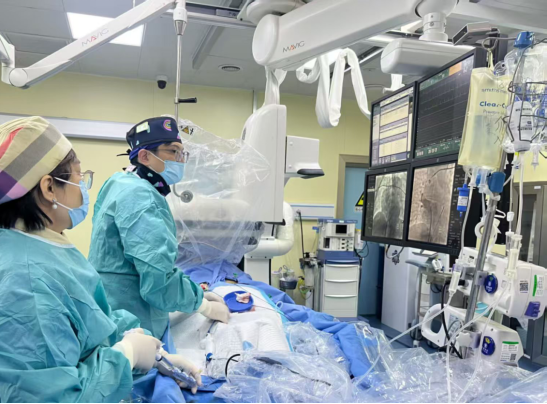
Recently, the electrophysiology team of the Second Department of Cardiovascular Diseases at Shandong Provincial Hospital of Traditional Chinese Medicine successfully performed a cryoballoon ablation procedure on a patient with paroxysmal atrial fibrillation. With advanced treatment concepts and precise interventional techniques, they helped the patient overcome palpitations and regain a healthy heart rhythm.
Patient Mr. Zhang (pseudonym) has recently been experiencing frequent symptoms of palpitations and shortness of breath, and the Holter monitor examination suggested"Paroxysmal Atrial Fibrillation". Atrial fibrillation is a common arrhythmia, and its harm goes far beyond palpitations and discomfort.,It significantly increases the risk of stroke, including cognitive decline or even dementia caused by tiny blood clots; long-term atrial fibrillation can also lead to structural changes in the heart, affect cardiac function, and may even cause heart failure; at the same time, patients often experience symptoms such as anxiety and fatigue, severely impacting their quality of life.
TeamDirector Liu Yang, the operator, said,In the face of atrial fibrillation, traditional anticoagulation therapy, while effectively reducing the risk of thromboembolism, still belongs to"Treating the Symptoms" Strategy,To achieve"Treating the root cause" lies in completely correcting the abnormal heart rhythm and restoring sinus rhythm. The main methods for restoring heart rhythm include medication andCatheter AblationSurgery. Pharmacological cardioversion requires long-term medication, with the issue of high recurrence risk after discontinuation, and certain antiarrhythmic drugs may cause irreversible side effects when used over a prolonged period.
Currently, in ChinaInternal and ExternalGuidelineAverageRecommend Catheter AblationAsFirst-line treatment options for paroxysmal atrial fibrillation. ClinicalPracticeIt was found that the majority of abnormal electrical signals in atrial fibrillation originate from the junction area between the pulmonary veins and the left atrium.,By surgically creating a complete circle of electrical isolation in this area (i.e.,"Pulmonary vein isolation" can effectively block the conduction of abnormal electrical activity, thusRestore Sinus Rhythm. ForLong-termContinuousAtrial Fibrillation, the doctor alsoWillSupplemented by linear ablation within the atrium to improve success rates. Studies show that the earlier the intervention, the higher the success rate of the surgery.
The mainstream ablation energy methods include radiofrequency ablation and cryoablation, etc. Radiofrequency ablation technology is mature and widely used, but its point-by-point ablation method presents challenges on a beating heart.CatheterStabilityTheChallenge. On the other hand, cryoballoon ablation takes a different approach by applying...CaliberBalloonBlockPulmonary Vein Orifice, Utilizing Ultra-Low TemperatureThe technology creates uniform and continuous circular lesions in a single application, with stable contact and reliable isolation effects. For patients with paroxysmal atrial fibrillation, it achieves excellent pulmonary vein isolation.,ThereforeCryoballoon Ablation for Paroxysmal Atrial Fibrillation Included in Chinese and International GuidelinesTheOneClassRecommendation.Of course, each techniqueEach technique has its own characteristics, and radiofrequency ablation offers greater flexibility in precise mapping and supplemental ablation.
Teacher Zhang, who underwent the surgery this time, has a relatively short history of atrial fibrillation, with no significant changes in cardiac structure. After a comprehensive evaluation by the electrophysiology team, it was determined that he is very suitable for the cryoablation technique.,UtilizeThe newly introduced Medtronic cryoablation system,TeamThe surgery was successfully performed on the patient, and the patient recovered well post-operation.,Discharged on the second day after surgery.
Combination of Chinese and Western Medicine, Treating Both Symptoms and Root Causes Shows Advantages。
Cardiovascular Diseases in Our HospitalDepartment of Electrophysiology TeamEquipped withAbbottRadiofrequency Ablation System andMedtronicCryoblation System, which can be personalized based on the type of atrial fibrillation, heart structure, and other individual conditions of the patient.Provide individualized and precise treatment plans.
Traditional Chinese Medicine Plays a Unique Role in the Comprehensive Management of Atrial Fibrillation. The occurrence of atrial fibrillation is often caused by"Premature beats" trigger, and traditional Chinese medicine (TCM) demonstrates significant advantages in regulating physical constitution and controlling premature beats (especially functional premature beats). For patients who have undergone atrial fibrillation ablation, the integration of TCM interventions helps consolidate surgical outcomes and improve the long-term prognosis of cardiac function. This forms a unique advantage of our hospital’s integrated traditional Chinese and Western medicine approach in treating arrhythmias.
Shandong Provincial Hospital of Traditional Chinese Medicine Always Adheres toThe concept of "treating the root cause of the disease" keeps up with the technological frontier, and is committed to providing the most optimized and personalized integrated traditional Chinese and Western medicine diagnosis and treatment plan for each patient with arrhythmia, safeguarding your "heart" health.
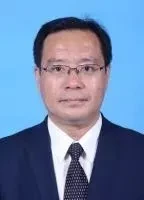
Chief Physician, Doctor of Medicine, Doctoral Supervisor, Director of the Cardiac Intervention Center at the Affiliated Hospital of Shandong University of Traditional Chinese Medicine, Head of the Second Department of Cardiovascular Diseases. Renowned Traditional Chinese Medicine (TCM) Expert of Shandong Province. Vice Chairman of the Interventional Cardiology Committee of the China Association of Traditional Chinese Medicine, Chairman of the Interventional Cardiology Committee of the Shandong Association of Traditional Chinese Medicine.
Areas of Expertise:
Specialties: Difficult and critical cardiovascular diseases such as coronary heart disease, heart failure, arrhythmia, and refractory angina pectoris treated with TCM syndrome differentiation. Possesses a systematic and comprehensive treatment concept and rich rescue experience in the treatment of coronary heart disease, providing precise integrated TCM and Western medicine treatment plans for patients with coronary heart disease. Efficiently, quickly, and safely completed over a hundred emergency PCI cases. Utilizes IVUS and FFR technologies to guide interventional treatment of complex coronary artery lesions. Leads the provincial TCM cardiac intervention team to complete more than a thousand complex lesion diagnoses and treatments annually, including left main coronary artery, CTO, and bifurcation lesions. Successfully led the core department of the Chest Pain Center to establish a national standard edition Chest Pain Center.
Outpatient Time:
East Campus:Monday morning, Tuesday afternoon, Wednesday afternoon, Saturday all day
West Campus:Tuesday morning, Friday morning
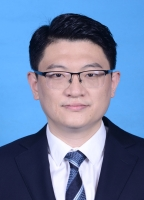
Deputy Director of the Second Department of Cardiovascular Diseases, Affiliated Hospital of Shandong University of Traditional Chinese Medicine; Associate Chief Physician; Master's Graduate Supervisor; Inheritor of the Fifth Level of Traditional Chinese Medicine Academic Heritage Program in Shandong Province.
Areas of Expertise:
Proficient in the integrated Chinese and Western medicine treatment of post-stent angina, refractory hypertension, heart failure, atrial fibrillation, ventricular premature beats, patent foramen ovale, and other diseases. Also dedicated to the full-process management of interventional treatment and postoperative rehabilitation for coronary heart disease and arrhythmia over the long term.
Outpatient Time:
East Campus:Thursday afternoon, Saturday morning
West Campus:Monday afternoon, Thursday morning
Review: Wang Zhen